
10 Days in Southern Vietnam: Ultimate Itinerary
Planning a trip to Vietnam can feel overwhelming, especially on your first visit. The country is long, diverse, and packed with regions that feel completely different from one another, from climate and landscapes to culture and travel pace.
Trying to see everything at once often leads to rushed plans and unnecessary stress.
That’s exactly why this 10 Day Southern Vietnam itinerary focuses on just one region.
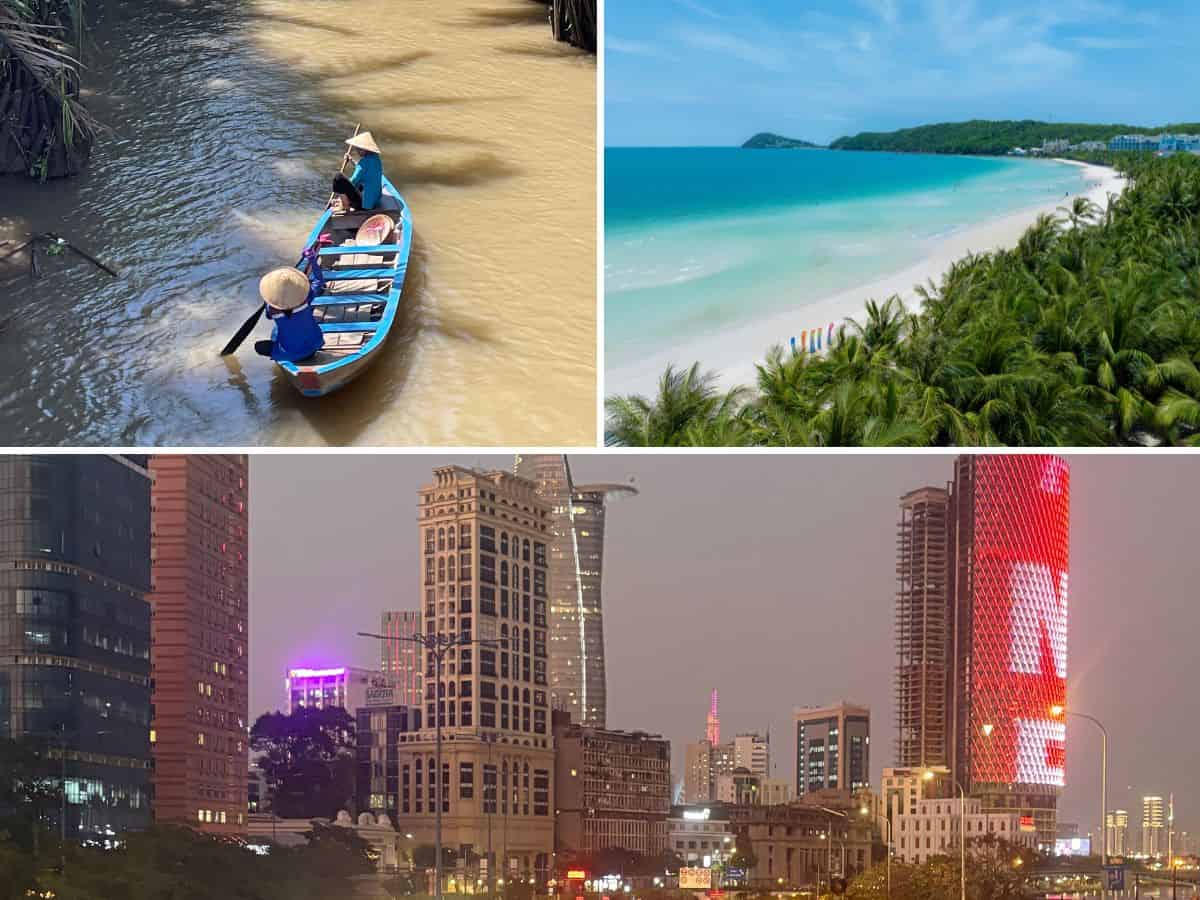
Southern Vietnam offers a balanced mix of vibrant cities, scenic river life, and island relaxation, all while having the most stable climate in the country year-round.
It’s an ideal region to explore without constantly worrying about weather disruptions or long travel days.
The south always has something new to offer, and this itinerary is designed to help you experience it properly, without overcomplicating your journey.
10 Day Southern Vietnam Itinerary Overview
- Ho Chi Minh City: 3 Days including Arrival, exploration, and day trip to the Mekong Delta
- Phu Quoc Island: 5 Days of Beaches, island adventures, excursions, and more
- Ho Chi Minh City Return: 2 Days of Souvenir shopping, local eats, and departure

Quick Travel Tips for Southern Vietnam
- Visa Requirements: Many nationalities need an e-visa to enter Vietnam. Apply at least 1–2 weeks in advance, and double-check every detail before submitting, even small errors can cause delays or rejection.
- Essential Apps: Download Grab for getting around, 12Go for booking buses and trains, and Vietnam Airlines if you’ll be taking domestic flights.
- Cash Is Still King: Card payments are growing, but cash is still preferred in many places, especially at markets, street stalls, and smaller restaurants. Always keep some on hand.
- Fee-Free ATMs: Look for VPBank (green) or TPBank (purple) ATMs, they usually don’t charge withdrawal fees for foreign cards.
- Tourist Scams in Vietnam: Like in most busy tourist spots, stay alert for things like taxi meter tricks, overcharging vendors, or “photo-for-pay” street setups.
Days 1–2: Arrival & Exploring HCMC
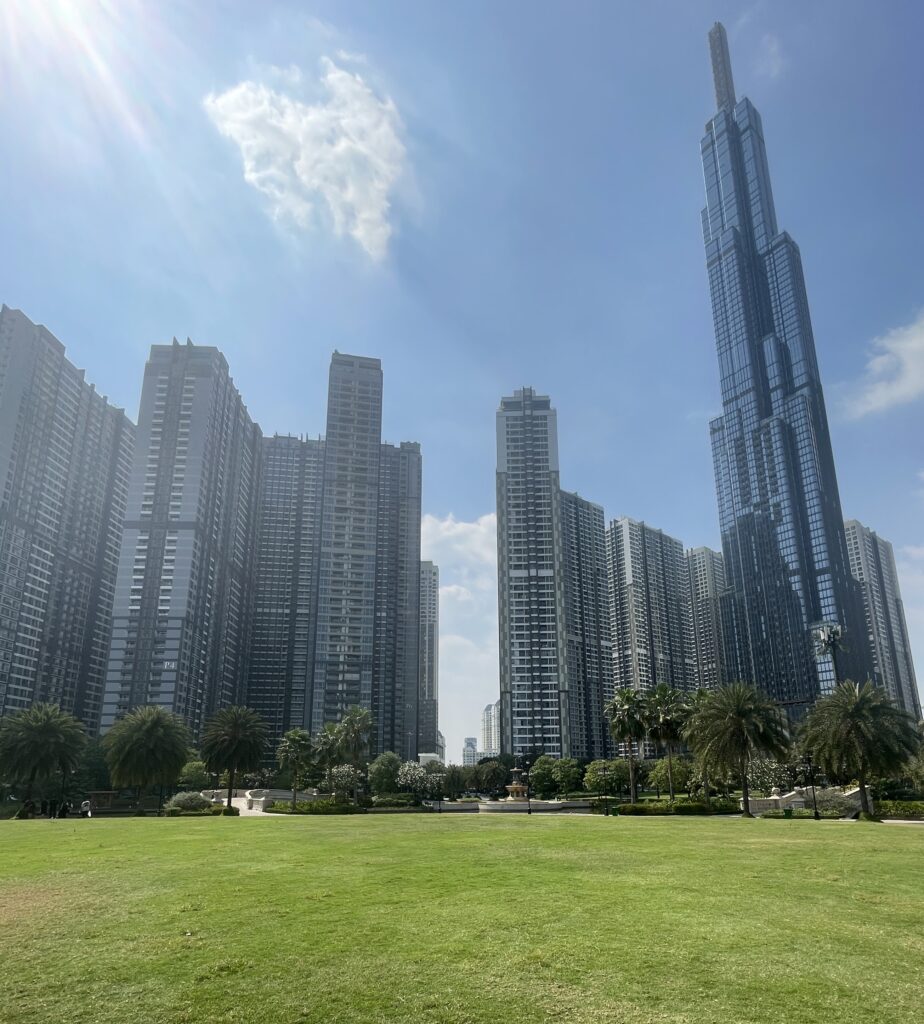
Your journey through Southern Vietnam kicks off in Ho Chi Minh City, still known to many as Saigon.
As Vietnam’s largest and busiest metropolis, it’s the kind of place that greets you with a blast of energy the moment you arrive.
The traffic is wild, the streets are alive with food carts and scooters, and there’s a buzz in the air that doesn’t let up.
But there’s more to Saigon than its chaos; it’s a city layered with history, modern cafes, war memorials, rooftop bars, and vibrant markets.
These first two days are all about soaking up the city’s personality and getting a proper feel for what southern Vietnam is all about!
Day 1: Arrival & Explore District 1
Touching down in Ho Chi Minh City, you’ll want to get settled quickly and keep your first day fairly light, especially if you’ve just had a long-haul flight.
Most travelers stay in District 1, the heart of the city and the best place to base yourself for access to top sights, restaurants, nightlife, and overall convenience.
Once you’ve checked into your hotel or guesthouse, take the rest of the day to wander nearby and ease into the rhythm of the city.
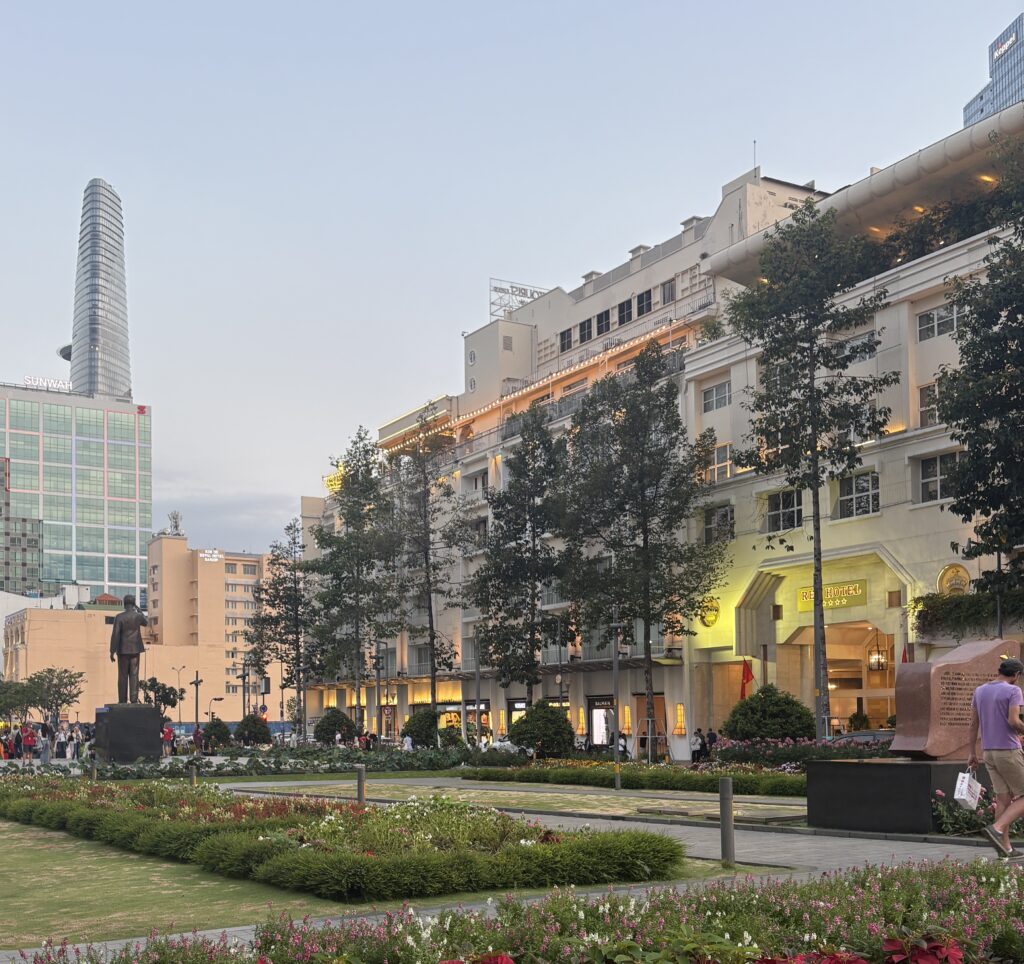
Walk around Nguyen Hue Walking Street for a relaxed intro, it’s a wide, pedestrian-friendly strip that opens up views of the colonial-era City Hall and the modern Bitexco Tower.
Duck into a quirky cafe or take a break at one of the rooftop spots overlooking the skyline.
By the evening, grab dinner at a local spot like Bep Me In, a delicious Michelin-rated restaurant.
If you go, aim for their Nguyen Thai Binh location; it’s far less busy than the main one and mostly known by locals or seasoned travellers who know their way around Saigon. A relaxed, authentic way to kick off your culinary experience in the city.
No need to rush, the goal today is just to get your bearings, enjoy some food, and prepare for a full day ahead tomorrow.
Day 2: Markets, War Museum & Coffee Culture

Today’s about diving deeper into Ho Chi Minh City, the layers of history, daily life, and that addictive coffee scene everyone talks about.
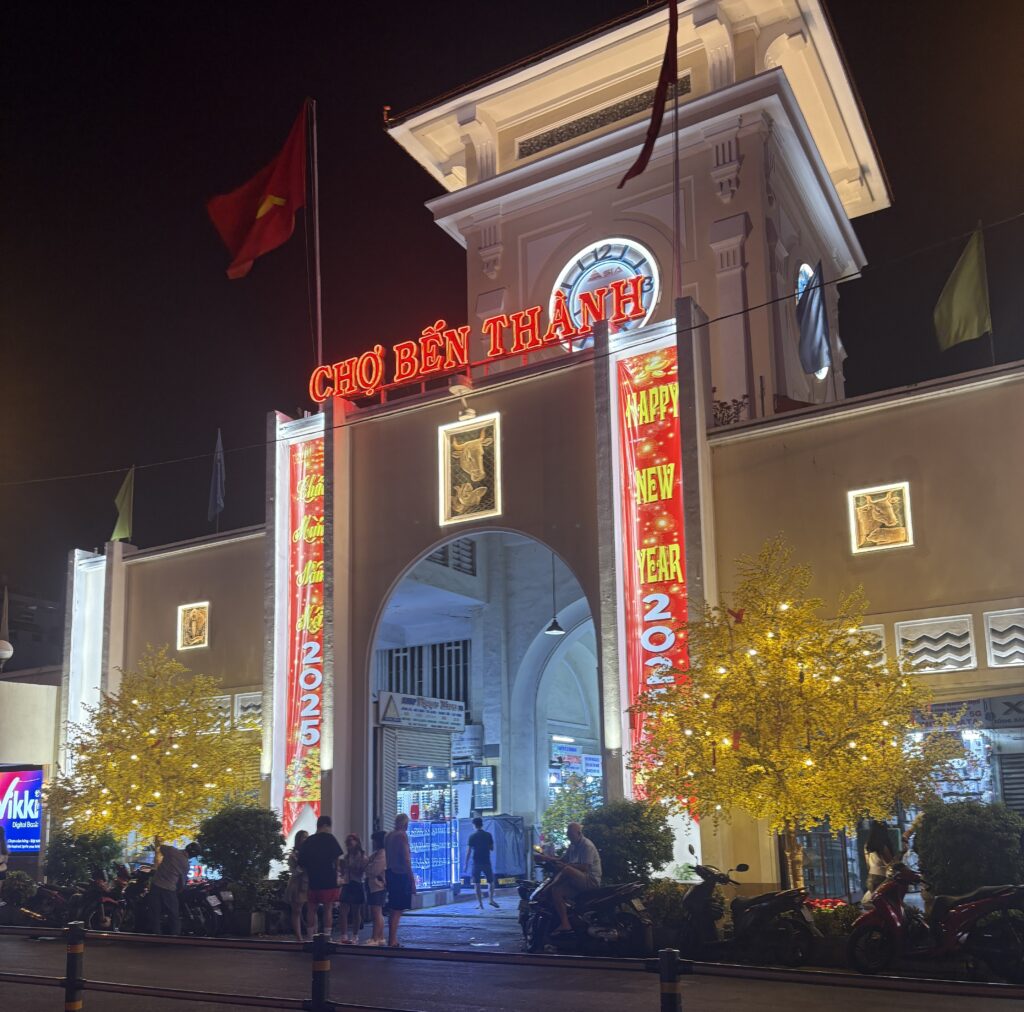
Start your morning with a walk through Ben Thanh Market, one of the city’s most iconic and central spots.
While it’s known for being touristy, it’s still worth a visit for the sights, sounds, and chaotic energy. You can grab souvenirs, sample fresh fruit, or just take in the atmosphere.
Afterward, head over to the War Remnants Museum, a powerful and often emotional experience.
It’s one of the most visited sites in Vietnam for a reason, offering a sobering look into the Vietnam War and its effects. Allow at least 1–2 hours here.
In the afternoon, switch things up with a break at one of Saigon’s famous cafes. Try The Workshop, which is known for its gorgeous space and excellent specialty coffee, or Okkio for something a bit more modern and artsy.
Vietnamese coffee culture is serious, and it’s the perfect way to rest your feet while soaking in a different side of the city.
If you’re still up for more exploring, head over to the Notre Dame Cathedral area in the evening.
While the church itself may be closed, the square outside tends to stay lively, with locals hanging around, snacking on street food, and enjoying the open space.
Day 3: Mekong Delta Day Trip
If you’ve come all the way to Southern Vietnam, a day trip to the Mekong Delta is a must.
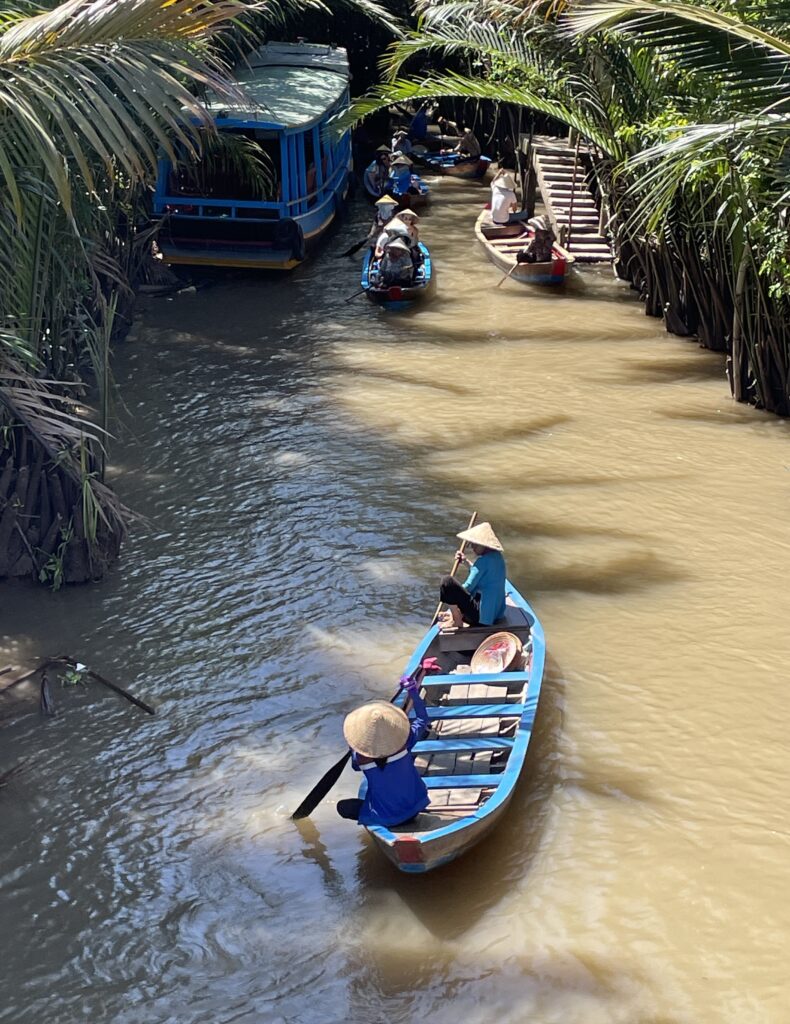
It’s a complete shift from the urban energy of Ho Chi Minh City, this region is all about winding rivers, floating markets, and rural life that moves at its own peaceful pace.
There are tons of Mekong tours on offer, ranging from group excursions to more private experiences.
Most day trips depart early in the morning and return by late afternoon or evening. If you’re going with a tour, they’ll often arrange hotel pickup and drop-off, which makes things super convenient.
One of the most popular spots for day trips is Ben Tre, known for its coconut groves and quiet canals.

Expect boat rides, stops at local workshops (like coconut candy or brick-making), and maybe even a traditional Vietnamese lunch in a riverside garden.
Another option is Cai Be, which offers a glimpse of floating markets, though be warned, these markets have become less active over the years. Still, the region’s charm and scenery are more than worth the trip.
The Delta can be a long day, but trust me, it’s definitely worth it. Some travellers opt to spend a night or two out here, and that’s a great option if you’re after a quieter, more immersive experience.
Personally, I find a day trip to be just right. Between the natural beauty, the peaceful boat rides, and the temples you’ll pass along the way, it’s hands down one of my favourite excursions to do while based in the city.
Bring sun protection, stay hydrated, and wear something comfortable, the Mekong gets hot, and the day can be long!
Days 4–8: Phu Quoc Island
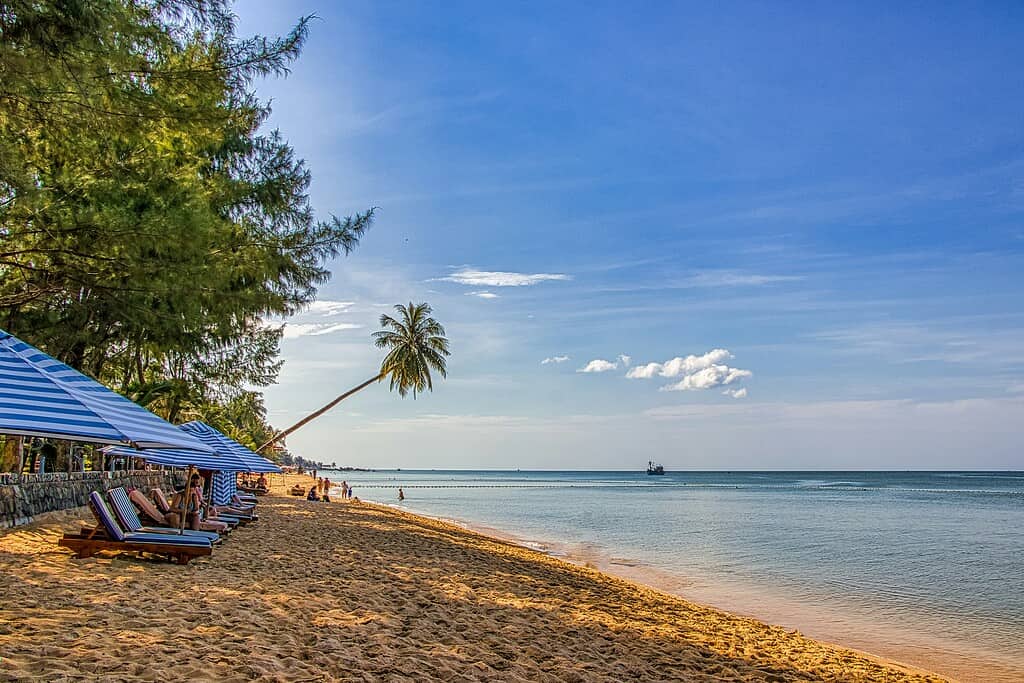
After a few action-packed days in the city and the Mekong Delta, it’s time to slow things down and soak in the island side of Southern Vietnam. Phu Quoc is the perfect spot to do just that.
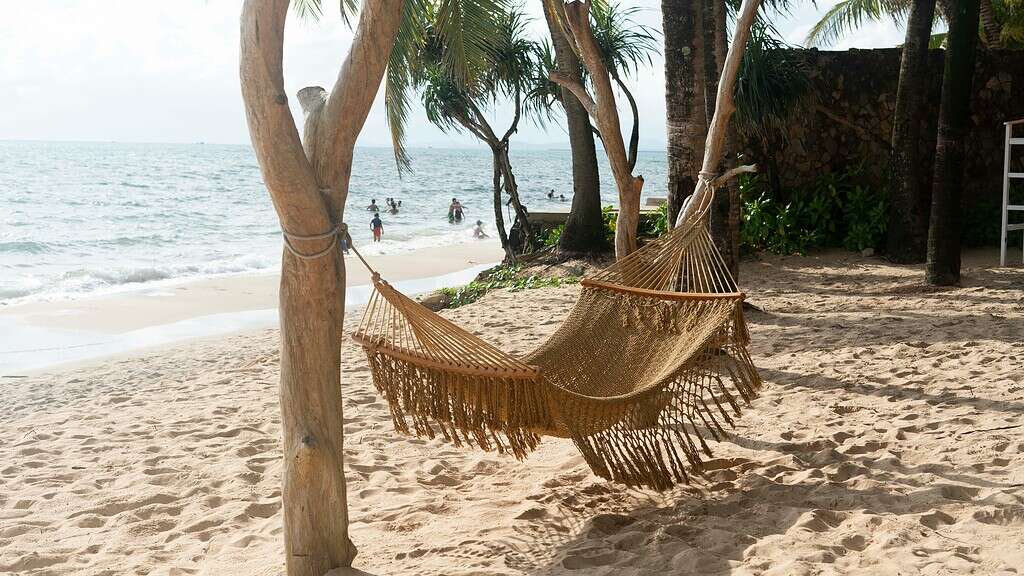
Known for its clear waters, white-sand beaches, and laid-back atmosphere, Phu Quoc offers a completely different pace.
Whether you’re after relaxation, adventure, or a bit of both, this island gives you the flexibility to do Vietnam your way, whether that’s lounging by the sea or renting a motorbike to explore.
While it’s no longer the untouched paradise it once was, Phu Quoc still holds plenty of charm, and five days gives you enough time to settle in and explore comfortably.
Day 4: Travel to Phu Quoc & Settle In
Start your morning with a flight from Ho Chi Minh City to Phu Quoc. The journey is short, under an hour, but be sure to arrive at the airport early, as domestic flights in Vietnam can sometimes have unpredictable check-in lines.
Once you land, head to your hotel and take your time getting settled. Most travelers stay in or around Long Beach, near Duong Dong Town, where you’ll find a mix of local charm and tourist comfort, plenty of restaurants, beach bars, and cafés within walking distance.
Today’s about easing into the island rhythm. Take a short stroll along the beach, catch your first island sunset, or simply relax by the pool.
Dinner can be something simple nearby, think grilled seafood by the water or a cozy Vietnamese spot tucked off the main road. No need to pack too much in today.
Settle into the slower pace as you gear up for a few days of laid-back adventure on Vietnam’s most iconic island.
Day 5: Beaches, Sunsets & Island Vibes
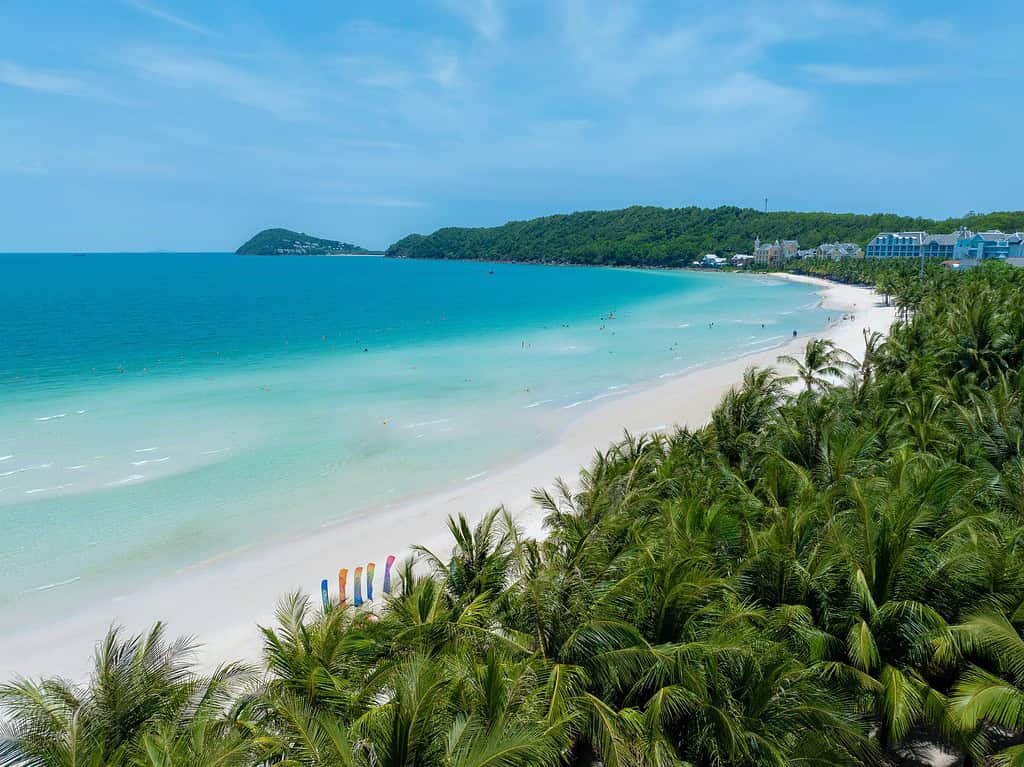
After settling in, today is all about enjoying exactly what you came to Phu Quoc for, beaches, relaxation, and some of the best sunsets Vietnam has to offer.
Start your morning with a slow breakfast and then head to one of the island’s quieter beaches. Sao Beach (Bai Sao) is one of the most famous, known for its soft white sand and calm turquoise waters.
If you’re looking for something even more low-key, Vung Bau Beach or Ong Lang Beach tend to be more relaxed and less crowded.
In the afternoon, explore the area by motorbike if you’re up for it, there are some scenic drives and coastal roads that give you a different feel for the island.
Or, if you’re in full chill mode, grab a book and post up under some palm trees.
As sunset approaches, head over to Long Beach to catch the sky light up in pinks and oranges, this is one of the best spots to wind down the day.
In the evening, check out one of the island’s local night markets, they’re not just for tourists, but a hub for street food, souvenirs, and energy.
Dinh Cau Night Market is one of the most popular, but if you’re staying further south, Phu Quoc Night Market in Duong Dong is also worth a visit.
Day 6: Island Exploration & Hidden Gems
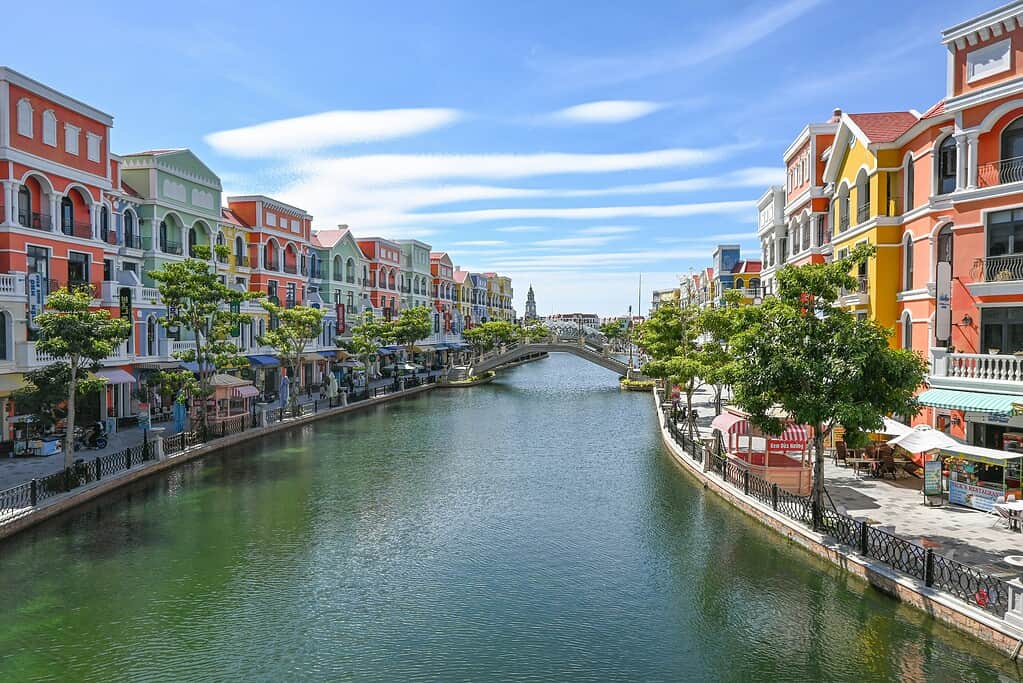
Today’s all about island exploration and soaking in the natural beauty that makes Phu Quoc so special.
One of the best ways to experience the surrounding waters is by joining the Phu Quoc: 4 Island & 2 Reefs Snorkeling Tour by Speedboat.
It’s an action-packed day out at sea where you’ll visit multiple islets, snorkel vibrant reefs, and take in some truly postcard-worthy scenery.
Some tours even stop for lunch on a floating restaurant or give you time to chill on quiet beaches between snorkel stops.
The tour lasts most of the day, so pack light but smart, swimwear, sun protection, and a dry bag or waterproof phone case will come in handy.
If you’re not in the mood for a boat tour, there are plenty of land-based gems to discover too.
Consider renting a motorbike and checking out spots like Starfish Beach or the peaceful Ho Quoc Pagoda, both offering a change of scenery from the main beach areas.
Whatever you choose, today’s all about experiencing the stunning nature that makes Phu Quoc one of the most beautiful and worthwhile islands to visit in Southeast Asia.
Day 7: Beach Clubs or Day Trip
After a day full of island-hopping and underwater adventures, today might be the perfect time to slow things down a bit.
One option is to kick back and relax at one of Phu Quoc’s many beach clubs. Whether you’re looking for calm and comfort or a livelier scene, there’s something for everyone. A few standout spots include:
- OCSENBeach Club & Bar – A trendy beachfront spot with bean bags in the sand, chill music, and an unbeatable sunset vibe.
- Sunset Sanato Beach Club – Known for its iconic beach sculptures and Instagram-worthy sunsets.
- Sailing Club Phu Quoc – One of the most popular upscale beach clubs with excellent food, cocktails, and a poolside vibe.
For those who prefer further adventures, I’ve got you covered. Consider joining a guided cultural day trip around the island.
You’ll stop at spots like the Phu Quoc Pearl Farm, a sim wine factory, and a lush pepper garden. There’s also a visit to Ho Quoc Pagoda and the fish sauce factory, a key part of Vietnam’s culinary scene.
Depending on availability, the day may also include a stop at the historic Phu Quoc Prison or a nearby silk farm.
The tour wraps up with a relaxing break at Sao Beach, where you can enjoy lunch and a dip in the turquoise waters before continuing along the scenic coast.
Whether you choose beachside lounging or a deeper dive into local culture, Day 7 offers the perfect balance of rest and discovery.
Day 8: Final Morning & Fly Back to HCMC
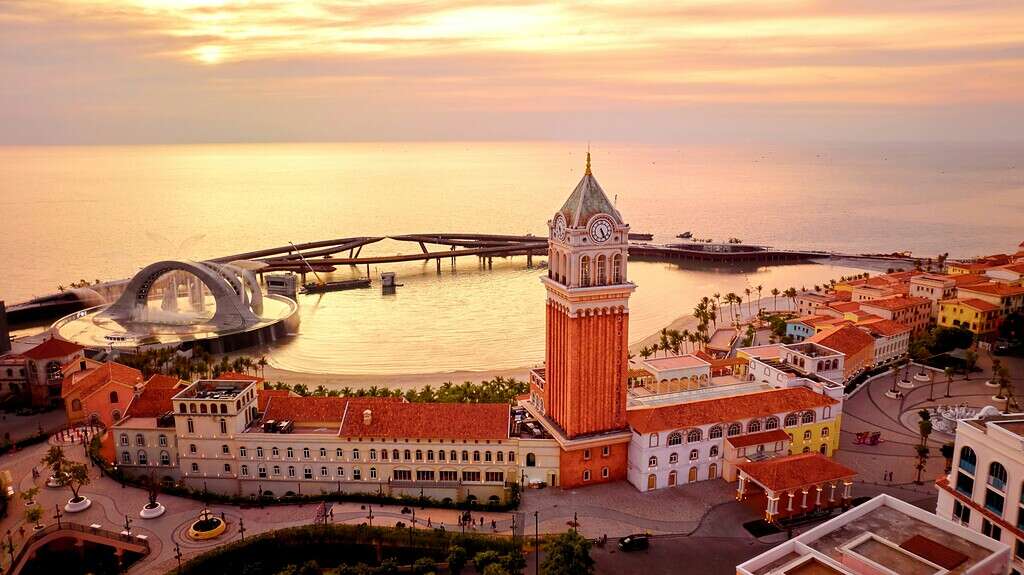
It’s your last morning on Phu Quoc, and the pace should be easy and relaxed. Depending on your flight time, this is a good chance to enjoy one last breakfast with an ocean view, take a short beach stroll, or even go for a quick swim.
If you haven’t yet, today’s a good time to stop by a local shop and pick up a few souvenirs, Phu Quoc pepper, sim wine, or handmade coconut oil products are all great local takeaways.
Then it’s time to check out and catch your flight back to Ho Chi Minh City. The flight is short and smooth, and by the afternoon or evening, you’ll be back in the city for the final stretch of your southern Vietnam itinerary.
Days 9–10: Return to Ho Chi Minh City
After your island escape, it’s time to wrap up your Southern Vietnam adventure with a return to where it all started: Ho Chi Minh City.
These last two days are your chance to take things at your own pace, whether that means catching anything you missed at the start of the trip, digging deeper into the Vietnamese food scene, or simply soaking up the city’s energy one last time.
The ending of your itinerary should be all about light exploring, souvenir shopping, and reflecting on the journey before heading home.
Day 9: Souvenir Shopping & One Last Stroll
With the major sightseeing behind you, today is about taking it slow and soaking in a final day in Ho Chi Minh City.
Start with a relaxed breakfast at one of the city’s photogenic cafés like The Vintage Emporium or L’Usine, then head out to explore a few spots you might’ve missed earlier in the trip.
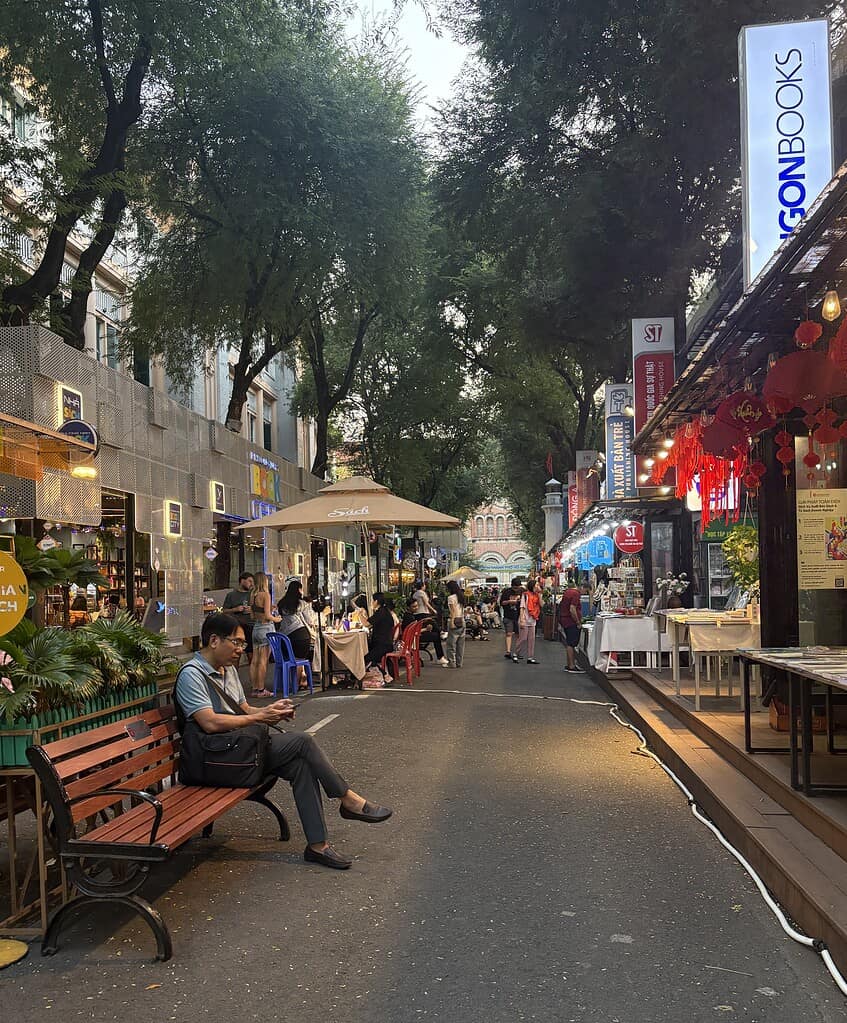
Consider strolling down Book Street (Nguyen Van Binh), a peaceful pedestrian strip filled with local bookshops and shaded seating.
A visit to Tan Dinh Church, one of the most unique churches in Vietnam with its bold pink façade, also makes for a quick but memorable stop.
Later, make your way toward Bach Dang Wharf for a scenic riverside walk, or, if you’re up for it, book a river cruise experience to see the city from the water, some even include dinner on board for a memorable send-off.
If you’re still looking for more inspiration, check out this guide to the best things to do in Saigon, there’s always more to discover.
In the evening, cap off your trip with dinner and drinks at a rooftop spot like Social Club Saigon or The View Rooftop Bar, soaking in the lights and sounds of the city one last time.
Day 10: Local Eats & Departure Home
Start your last morning in Vietnam with something simple, maybe a peaceful walk through a quieter neighbourhood like District 3, where local life moves at a gentler pace.
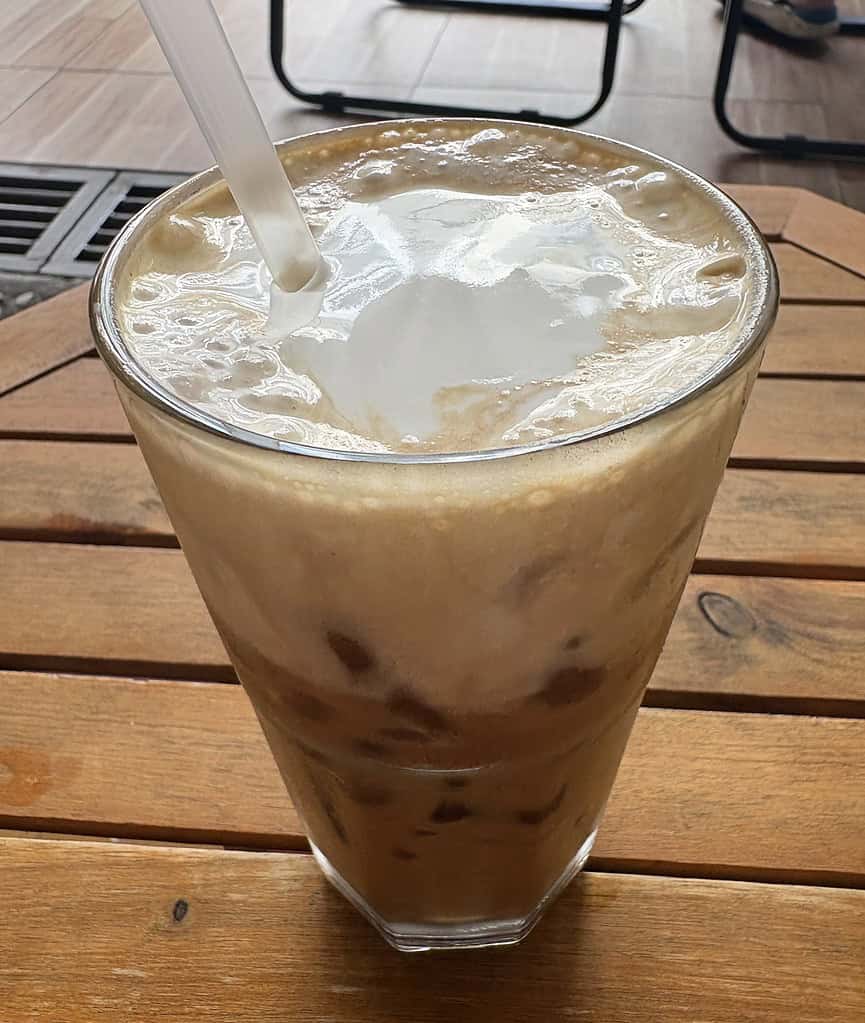
Grab a traditional Vietnamese iced coffee from a street vendor and just take a moment to soak in your surroundings one final time.
Need a final souvenir? Saigon Kitsch or Collective Memory offer unique, design-forward gifts and Vietnamese-made items that go beyond the typical tourist stuff.
Depending on your schedule, squeeze in a final banh mi, pho, or egg coffee.
After all, no better way to wrap up your time in Vietnam than with one last bite of the country’s incredible cuisine.
Then it’s off to the airport. Give yourself plenty of time for the drive, airport check-in, and immigration, traffic in HCMC can be unpredictable, and the airport can get crowded.

How to Get Around Southern Vietnam
Getting around Southern Vietnam is surprisingly manageable, especially if you plan ahead.
From motorbikes and ride-hailing apps to domestic flights and scenic ferries, there are a few different ways to move between cities and islands, each with its pros and cons.
However, what you must watch out for are taxi scams in Vietnam, don’t bother taking a random taxi, more times than not, you will get scammed.
In Ho Chi Minh City
For city travel, Grab is the go-to ride-sharing app, it’s reliable, affordable, and lets you pay by card or cash.
Taxis are available as well, but if you’re choosing one, it’s still better to stick with Grab to avoid any hassle or overcharging.
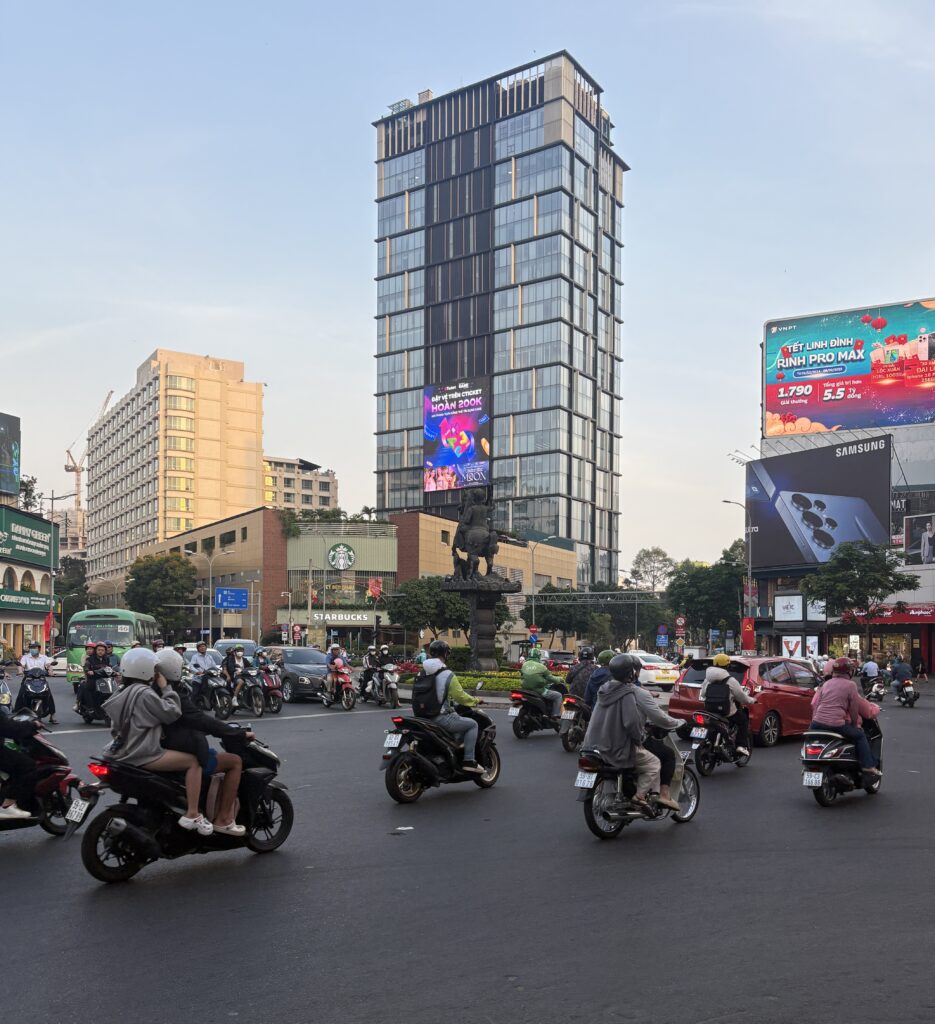
As for motorbikes, while they offer flexibility, I don’t recommend renting a motorbike in Saigon, out of all places in the world, this is the scooter capital.
Unless you’ve been riding them for years and are fully confident, it’s best to avoid the chaos. Thankfully, much of central Saigon is very walkable, so you can still explore plenty on foot.
Getting to the Mekong Delta
For most travellers, the easiest and most efficient way to visit the Mekong Delta is through a guided day trip tour.
These tours typically include roundtrip transport from Ho Chi Minh City, a boat ride along the river, visits to local villages or markets, and a Vietnamese lunch, making it a hassle-free way to experience the region’s highlights in just one day.
If you prefer to go independently, buses run frequently from HCMC to cities like Can Tho and Ben Tre. You can compare schedules and book tickets in advance using 12Go, a reliable platform for buses, trains, and ferries across Vietnam.
Reaching Phu Quoc Island
The fastest and easiest way to get to Phu Quoc is by domestic flight, multiple flights run daily from HCMC, and the journey takes just over an hour.
If you’re feeling more adventurous or traveling from the Mekong Delta, you can also take a bus and ferry combo, which is scenic but more time-consuming.
On Phu Quoc Island
Renting a motorbike is the most popular option for getting around the island. It’s affordable and gives you access to beaches, fishing villages, and less-touristed areas.
Grab taxi’s and motorbikes are also available in more developed parts of the island, but may be harder to find in remote areas.
Best Time to Visit Southern Vietnam
Southern Vietnam, including Ho Chi Minh City and Phu Quoc, is a year-round destination, but understanding the weather can help you plan more comfortably.
This region has a tropical climate with two distinct seasons: dry and rainy. Each brings a different vibe to your trip, whether you’re island-hopping, exploring cities, or heading out on day trips.
Of all the regions in Vietnam, the south offers the most ideal weather when it comes to warmth.
Sure, it can get hot and humid during peak summer, but unlike Hanoi or other parts of the north, there’s no cold winter to plan around.
And compared to the central region, which can feel surprisingly cool in the off-season, Southern Vietnam delivers that classic tropical climate most people picture when they think of Vietnam: warm, lush, and consistently inviting.
Dry Season (December to April)
This is the most popular time to visit. You’ll enjoy sunny skies, lower humidity, and warm but manageable temperatures, typically between 27°C (81°F) and 33°C (91°F).
February tends to be the driest and best month for sightseeing, especially in HCMC or day trips like the Mekong Delta.
Rainy Season (May to November)
Expect quick, heavy afternoon showers and a noticeable rise in humidity. The rain rarely lasts long, and temperatures stay fairly steady between 30°C (86°F) and 33°C (91°F).
Traveling during the rainy season can mean fewer crowds, greener landscapes, and better deals, just pack light, breathable clothing and a good rain jacket.
Where to Stay in Each Place on This Itinerary
Both Ho Chi Minh City and Phu Quoc are surprisingly large, so choosing the right area to stay in can make a big difference.
You don’t want to be stuck too far from the action, especially in Saigon, where getting across the city during the evening rush around 5–6 PM can take a lot longer than expected.
Staying in the right neighbourhood helps you save time, reduce stress, and make the most of your days.
Ho Chi Minh City (Days 1–3 & 9–10)
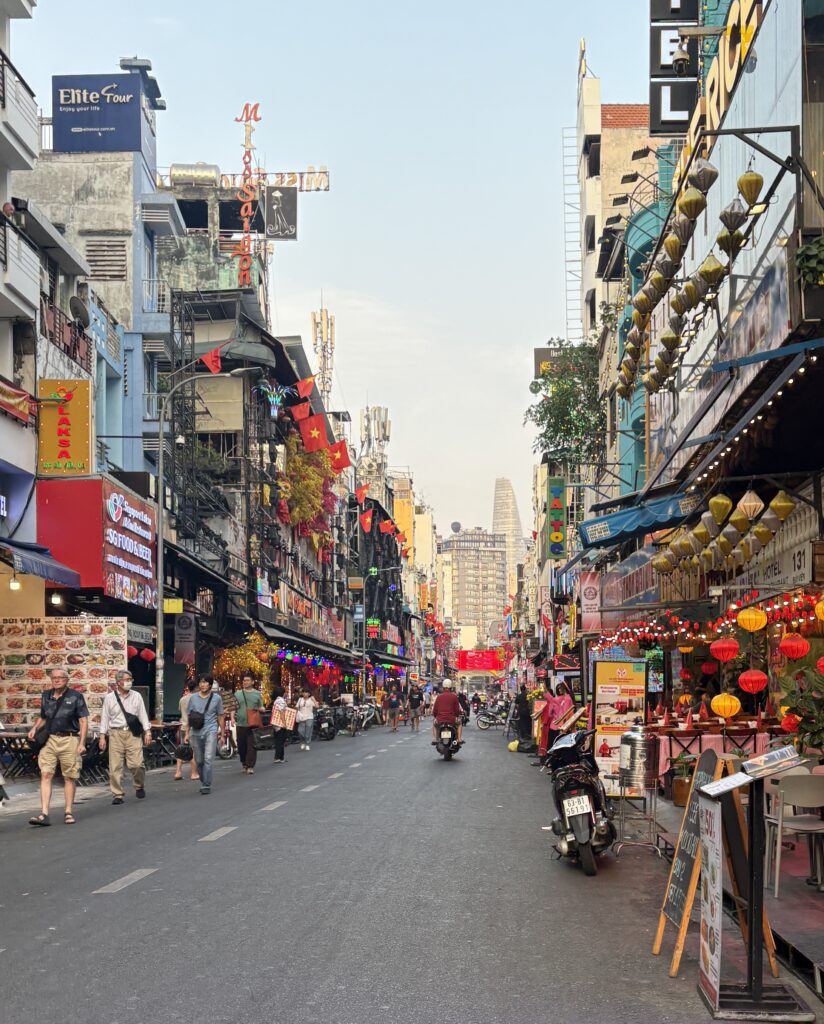
The best place to stay is District 1, the city’s central hub. It’s walkable, filled with great food and landmarks, and makes a perfect base for exploring the city.
- The Myst Dong Khoi – A luxury boutique hotel with unique artistic touches, river views, and a rooftop pool, ideal for travellers who want a mix of comfort and character.
- Silverland Yen Hotel – Mid-range, stylish, and calm. This hotel has a rooftop jacuzzi and offers easy access to Ben Thanh Market and coffee shops nearby.
- The Like Hostel & Cafe – A great budget pick with cozy dorms, friendly staff, and a social vibe. It’s right in the heart of District 1 and walking distance to most key attractions.
Phu Quoc Island (Days 4–8)
Most visitors stay around Long Beach near Duong Dong Town, where you’ll find a wide range of accommodations, night markets, and easy access to both relaxation and activities.
- Salinda Resort Phu Quoc – A refined beachfront resort known for its lush gardens, personalized service, and peaceful atmosphere. It’s ideal if you’re after upscale comfort without feeling overly flashy.
- Cassia Cottage – A well-loved boutique hotel with beachfront access, tropical gardens, and a peaceful vibe. Great for couples or travellers wanting comfort without big resort crowds.
- 9Station Hostel – One of the island’s most popular budget options, offering clean rooms, a pool, and a laid-back atmosphere for solo travellers and backpackers.

Final Thoughts on Visiting Southern Vietnam
When people picture Vietnam, Ho Chi Minh City often dominates the conversation. And sure, it’s an unforgettable part of the south, lively, energetic, and packed with history.
But what makes Southern Vietnam so memorable is the contrast. Just a few hours from the high-rise skyline, you’ll find river villages, white-sand beaches, island sunsets, and some of the friendliest locals anywhere.
This region is full of variety. It offers everything from the fast-paced chaos of Saigon traffic to the calm rhythm of boats gliding through the Mekong Delta.
From fish sauce factories and pepper farms to cocktail sunsets on Phu Quoc, every day feels different, and that’s part of the magic.
Another reason I’m drawn to Southern Vietnam is its climate. If you’re like me and prefer warmth year-round, this region delivers.
It’s the most stable weather-wise across the country, making it one of the easiest regions to visit no matter the season.
Unlike the colder winters in the north or the rain-prone off-seasons of central Vietnam, the south stays true to the tropical warmth most of us imagine when we think of Vietnam.
Whether it’s your first visit or you’re coming back for more, this 10-day Southern Vietnam itinerary offers a route that balances Vietnamese culture, nature, and just the right amount of down time, without feeling rushed or repetitive.
Before you go, be sure to check out this Vietnam packing list so you’re prepared for the region’s weather, activities, and pace.

Is 10 days enough to see Southern Vietnam?
Yes, 10 days is a great amount of time to explore Southern Vietnam at a comfortable pace. It allows for time in Ho Chi Minh City, a day trip to the Mekong Delta, and several days to relax and explore Phu Quoc Island, without feeling too rushed.
What’s the best time to visit Southern Vietnam?
Southern Vietnam has a tropical climate and is warm year-round, with the dry season December to April being the most popular time to visit.
However, the region is still very visitable during the rainy season, just prepare for brief afternoon downpours.
How do I get from Ho Chi Minh City to Phu Quoc?
The easiest way is by domestic flight, which takes about 1 hour. Several airlines operate daily flights from Saigon to Phu Quoc, and it’s recommended to book ahead, especially during peak season.
Do I need a visa to visit Vietnam?
That depends on your nationality. Many travelers can enter visa-free for a limited number of days, while others will need to apply for an e-visa in advance.
Always check the current entry requirements before your trip, as rules can change.
