

Is Vietnam Safe to Visit? 13 Must Know Tips
Vietnam is one of Southeast Asia’s most exciting travel destinations, rich in culture, street food, and scenery that shifts from chaotic cities to peaceful countryside in a heartbeat.
But is Vietnam safe to visit? As someone who’s spent a lot of time in the country, let me tell you this: while Vietnam is extremely safe when it comes to crime, there are other aspects of safety that aren’t talked about enough.
So if you’re reading the title and thinking, “Of course Vietnam is safe,” you’re not wrong, but you’re also not seeing the full picture.
This isn’t a crime-scare article, it’s about awareness. Vietnam has its share of risks that don’t often get mentioned: unpredictable traffic, alcohol safety, sketchy tours, and weather conditions that can turn fast.
This guide highlights the most important Vietnam safety tips, not to alarm you, but to help you travel smarter, avoid stress, and experience everything this beautiful country has to offer, especially if you’re planning a Vietnam itinerary that covers multiple regions.
Be Cautious of Alcohol Safety and Methanol Poisoning Risks

Vietnam is known for its vibrant nightlife and cheap drinks, but not every pour is safe. Methanol poisoning is a real risk, especially in locally made or unregulated spirits.
This isn’t just a Vietnam issue, either. It’s a broader concern across Southeast Asia, with reported cases in places like Bali and even a recent one involving a British couple in Hoi An.
While most bars and restaurants in tourist areas are totally fine, issues tend to happen at sketchy roadside spots, unlicensed clubs, or when buying cheap liquor from markets or street vendors.
A full bottle of vodka for $2 might sound like a steal, but it could come at a much bigger cost.
To stay safe, stick to sealed bottles, familiar brands, and reputable venues. And always be cautious accepting shots from strangers or anywhere that feels a bit off.
Methanol poisoning can cause serious symptoms like dizziness, nausea, or even worse, so don’t take chances.
Know the Seasons — Typhoons and Flooding Are Real Risks
Vietnam’s weather isn’t just a matter of packing an umbrella, it can directly impact your travel experience.
The country has distinct weather patterns depending on the region and time of year, and in some cases, those patterns come with real risks.
Typhoons and flooding are not uncommon, especially in central and northern Vietnam from around September to December.
Just last year, typhoon winds hit Hanoi while Da Nang and Hoi An experienced significant flooding. These aren’t just light rain days, we’re talking knee-deep water, cancelled tours, and even closed roads.
In general, the south of Vietnam tends to have the most stable year-round weather, but even then, being aware of the season and what to expect in each region is key when planning your itinerary.
So if you’re planning a trip, especially during the wetter months, build in some flexibility, monitor the weather, and consider travel insurance. A little awareness goes a long way when navigating Vietnam’s climate.
Watch Out for Common Tourist Scams

Vietnam is generally a safe country for travellers, but like many popular destinations, tourist scams in Vietnam exist, especially in major cities like Hanoi and Ho Chi Minh City.
One common tactic is the “friendly local” who offers unsolicited help, then asks for a tip or leads you to a business where they earn commission.
Other scams include rigged taxi meters, dual pricing at markets, and overcharging for services like shoe shining or motorbike repairs that were never needed.
These scams aren’t usually dangerous, but they can leave you feeling taken advantage of and sour your experience.
As always, trust your gut, double-check prices, and when possible, stick to businesses with clear signage, reviews, or fixed menus. Being cautious doesn’t mean being paranoid, it means traveling smart.
Keep Your Belongings Secure in Crowded Places

While violent crime is rare in Vietnam, petty theft like pickpocketing can happen, especially in busy areas like markets, tourist hotspots, or bus terminals.
Crowded places such as Ben Thanh Market in Ho Chi Minh City or night markets in Hanoi are vibrant and full of energy, but they’re also perfect environments for quick hands.
Thieves often work in pairs: one distracts you while the other makes a move on your bag or pockets.
Wear a crossbody bag that zips fully shut and keep it in front of you. Don’t leave your phone or wallet in your back pocket, and be especially alert when entering or exiting public transportation.
It’s all about staying aware and keeping your valuables where you can see or feel them at all times.
Use Reputable Transportation Only (Including Airport Taxis)
One of the easiest ways tourists get scammed in Vietnam is through unofficial or shady transportation options, especially right outside airports or busy bus stations.
At places like Tan Son Nhat Airport in Ho Chi Minh City or Noi Bai in Hanoi, you might be approached by drivers offering “cheap” rides.
But these are often unlicensed operators who either overcharge or take unnecessarily long routes. In some rare cases, tourists have reported feeling unsafe or pressured once inside the car.
To stay safe, use trusted ride-hailing apps such as Grab. Always confirm the price before getting in, and avoid anyone aggressively offering you a ride.
You’re better off waiting a few extra minutes than ending up with a stressful or sketchy experience.
Be Cautious When Renting Motorbikes

Renting a motorbike in Vietnam is a popular way to explore cities and countryside alike, and for good reason.
It gives you flexibility, freedom, and access to areas that are harder to reach by car. But it’s not without risk.
Traffic in Vietnam can be overwhelming, especially if you’re not used to it. Rules of the road are loosely followed, and road conditions can change fast, especially in rural or mountain areas. Accidents involving tourists are unfortunately common.
Also, many travellers rent motorbikes without a proper license or insurance, which can cause major problems if you get into an accident.
Some rental shops don’t check credentials or provide basic safety gear.
If you choose to rent, wear a helmet, drive defensively, and only go with a reputable shop that maintains its vehicles properly.
And make sure your travel insurance actually covers motorbike use, many don’t unless you have a valid motorcycle license.
Understand the Risks of Sleeper Buses in Vietnam
Sleeper buses are a popular way to cover long distances across Vietnam, especially for budget travellers.
They’re cheap, frequent, and run between most major cities and tourist hubs. But while they might seem like a convenient option, they’re not always the safest.
Overnight buses in particular have a reputation for unpredictable driving, drivers may speed, overtake aggressively, or drive through the night with little rest.
Unfortunately, there have been numerous reports of crashes involving sleeper buses, especially on mountain routes or in bad weather.
While some companies operate more responsibly than others, safety standards aren’t always consistent.
This ends up being one of the common tourist mistakes in Vietnam, assuming that price equals safety and skipping the research.
If you do choose to take one, research the bus company in advance and stick to well-reviewed, reputable operators on 12Go.
Alternatively, consider day buses, trains, or even short domestic flights, especially if you’re traveling with luggage or want a bit more peace of mind.
Stay Aware of Traffic — Especially When Crossing the Street
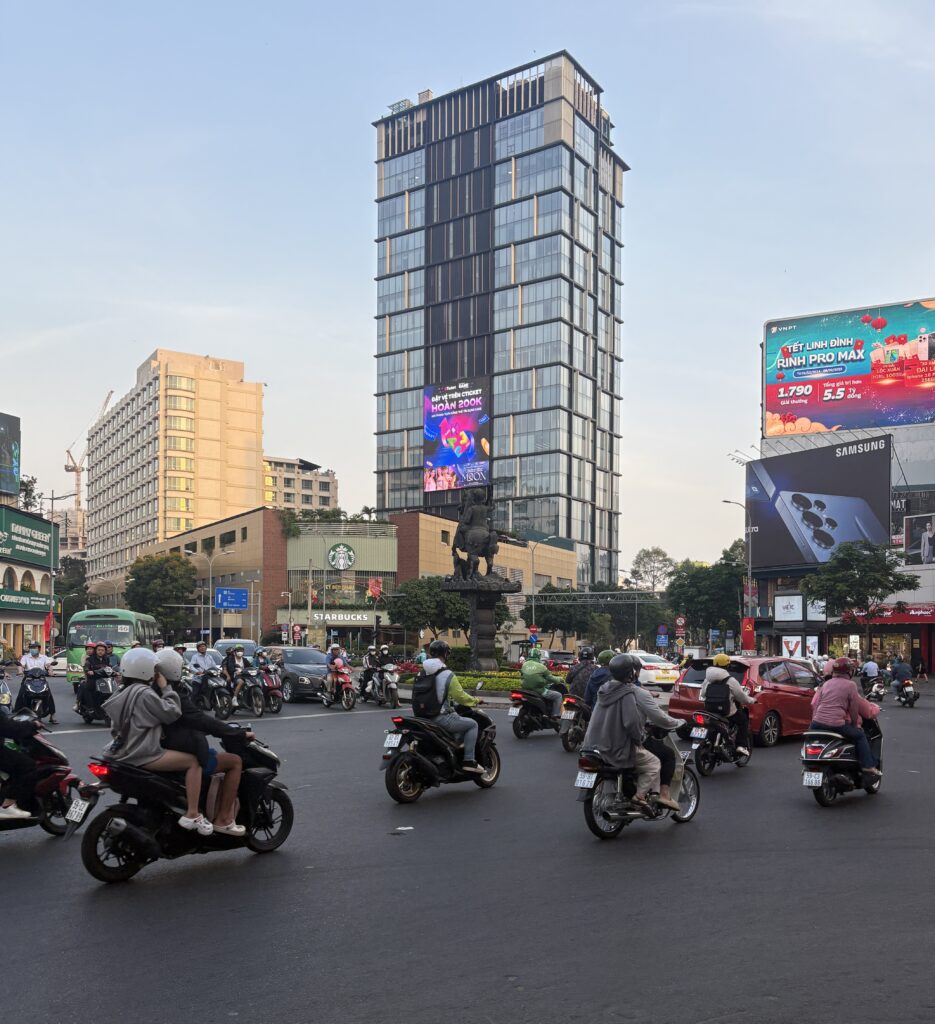
Traffic in Vietnam can feel like controlled chaos, and nothing quite prepares you for it until you’re in the middle of it.
I still remember the first time I landed in Saigon, stepped out of the car, and just stood there thinking, “Wow, this is like nowhere I’ve seen before.”
And that’s coming from someone who’s well-traveled and had seen plenty of videos beforehand. But seeing it online and standing in the middle of the madness are two very different things.
Crossing the street is an experience in itself. In many places, traffic rarely stops completely, even at crosswalks.
The local rhythm? Walk slowly and steadily so drivers can weave around you. It may feel counterintuitive, but unpredictability is actually more dangerous.
Don’t expect vehicles to yield, and be especially cautious at busy intersections or stepping off curbs.
Motorbikes often come from all angles, including sidewalks. Keep your head up and move with confidence, but always stay alert.
Watch Your Step — Uneven Sidewalks and Construction Are Common

One thing that surprises a lot of first-time visitors to Vietnam is how unpredictable the sidewalks can be.
In many cities, especially busy areas or developing neighborhoods, the pavement can be cracked, uneven, or suddenly end without warning.
It’s also common to come across unfinished construction, missing manhole covers, or unexpected obstacles like scooters parked on the sidewalk.
That means you’ll often find yourself walking on the edge of the road, navigating around bikes, vendors, or piles of building materials.
This isn’t about being overly cautious, it’s just part of daily life in Vietnam. Watch where you’re stepping, especially at night or in less-lit areas, and wear shoes that are practical for walking, not just stylish.
One misstep could turn into a sprained ankle or worse, and that’s not how you want to spend your trip.
Be Cautious of Rabies Risk in Rural Areas
While rabies isn’t something most travellers worry about, in Vietnam, especially in rural areas, it’s a very real concern.
Stray dogs and cats are common, and though many are harmless, bites and scratches can still happen.
In some regions, access to post-exposure treatment might not be immediate, making it even more important to be cautious.
If you’re planning to venture into less developed parts of the country or do a lot of outdoor exploring, it’s smart to avoid interacting with animals, even if they seem friendly.
And if you’re bitten or scratched, seek medical attention immediately, don’t wait it out.
Avoid Drinking Tap Water — Stick to Bottled or Filtered
Vietnam’s tap water isn’t safe for drinking, even locals typically boil or filter it first.
As a traveler, your best bet is to stick with sealed bottled water, which is widely available and inexpensive.
This also applies to things like brushing your teeth or getting ice in your drinks. Most restaurants use purified ice, but it’s still something to keep in mind.
A small slip-up with water safety can lead to stomach issues in Vietnam that might derail your plans, so better to be safe than sor
Watch Out for Bag Snatching on Motorbikes
Bag snatching is one of the more common petty crimes in Vietnam, especially in busier cities like Saigon and Hanoi.
It typically happens when you’re walking along the sidewalk or sitting in a cyclo or rideshare, and someone on a motorbike speeds by and grabs your bag, phone, or camera.
To avoid this, keep your bag zipped and worn on the opposite side of the street, away from the road.
Avoid dangling phones or holding valuables loosely when near traffic. Crossbody bags with secure zippers or anti-theft features are ideal.
While this scam doesn’t happen to everyone, being aware of it is a small step that can save you a big headache.
Be Wary of Dodgy Tour Operators and “Too Good to Be True” Deals
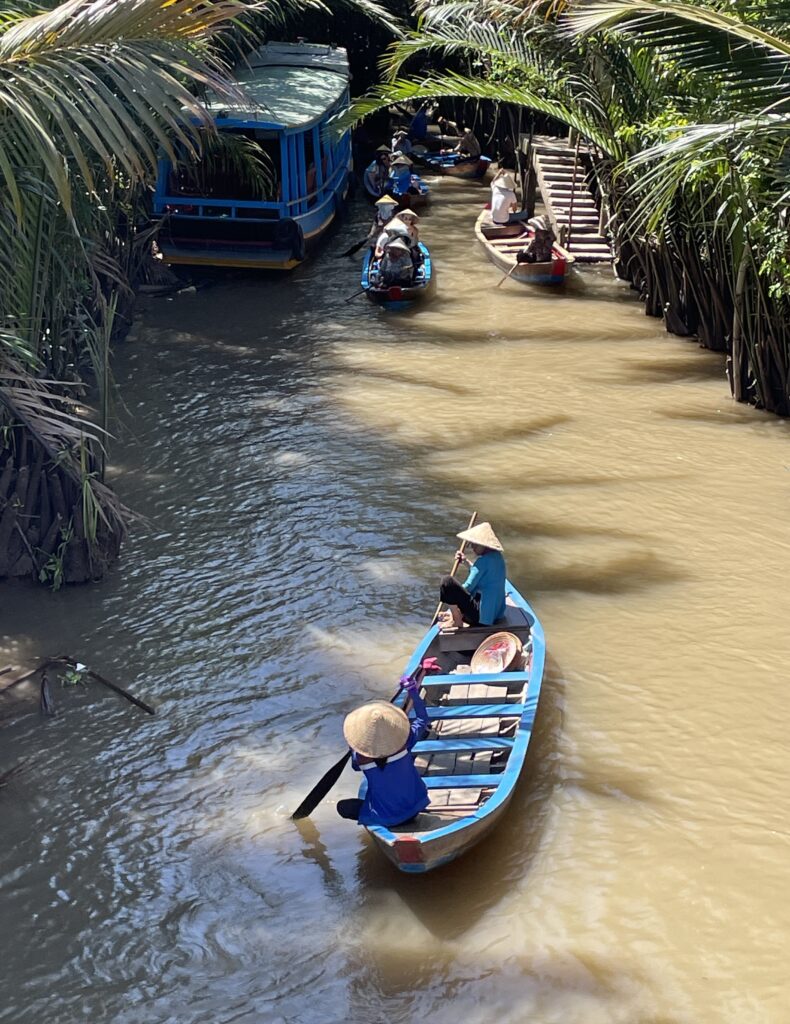
In major tourist areas across Vietnam, you’ll find countless vendors and signs advertising local tours, from Halong Bay cruises to countryside motorbike adventures.
But not all of them are legitimate and you may find that out the hard way with no tour to attend and loss of funds.
Some operators advertise incredibly cheap prices, only for the experience to fall far below expectations, overcrowded boats, rushed schedules, or even no show-ups at all. Others may collect a deposit and then disappear altogether.
Always book tours through reputable providers, your hotel, or trusted online platforms where there are reviews and some form of accountability. A good rule of thumb? If the deal seems too good to be true, it probably is!
Final Thoughts on Safety in Vietnam
I’ve been to Vietnam many times now, and honestly, it’s one of my favorite countries in the world.
The energy of the people, the insanely delicious Vietnamese foods, the various landscapes, the culture, addicting coffee. It’s a place that constantly pulls me back, and for many great reasons than I can list.
That said, nowhere is perfect, and Vietnam comes with its own set of caveats. They’re not dealbreakers, clearly, since I keep going back year after year, but they are things I’ve learned to stay mindful of.
Sometimes when I land and settle in, it takes a day or two to ease back into the rhythm, and I’ll catch myself thinking, “Ah right, gotta watch for that again.”
These safety tips aren’t here to scare you or make you second-guess your trip. They’re here so you can feel more confident, prepared, and able to enjoy all the incredible things Vietnam has to offer, without the unnecessary surprises.
Go in informed, stay aware, and I promise: you’re in for one unforgettable experience.
Is Vietnam safe for solo travelers?
Yes, Vietnam is generally safe for solo travelers, including women. Violent crime is rare, and locals are usually friendly and helpful. That said, it’s always smart to stay aware of your surroundings, especially in busy areas or when using transportation late at night.
Is it safe to use motorbikes in Vietnam?
Motorbikes are a popular way to get around, but they come with real risks. Traffic can be chaotic, especially in cities like Hanoi or Saigon. If you’re not an experienced rider, it’s better to skip renting one and use Grab.
How safe is the food in Vietnam?
Vietnamese food is a highlight of visiting the country, and street food is often very safe, if it’s hot and freshly cooked. And don’t drink tap water in Vietnam, stick to bottled water.
Are natural disasters a concern in Vietnam?
Yes, depending on the region and time of year, typhoons and flooding can happen, especially in central and northern Vietnam.
It’s a good idea to check seasonal weather patterns when planning your trip to avoid disruptions or potential safety issues.
