
17 Tourist Scams in NYC to Avoid on Your Trip
New York City is one of the most exciting destinations in the world, full of energy, culture, and unforgettable moments.
Whether you’re here for a quick visit or following a detailed 4 day NYC itinerary to make the most of your time, it’s important to be aware of the city’s realities.
As with any major city, it comes with a few caveats, and one of them is this: scams in New York City are very real and surprisingly common, especially for tourists.
I grew up in Toronto, so I’ve always had big-city energy and an understanding of how urban environments work, and that includes being aware that large cities often mean big scams.
NYC is no exception. From Times Square to the subway, scammers are quick, clever, and know how to target people who are unfamiliar with the city’s fast pace.
This guide walks you through the most common tourist scams in NYC so you can explore the city confidently and avoid the traps that many first-time visitors (and even locals) fall for.
Classic Pickpocket Scams in Crowded Areas

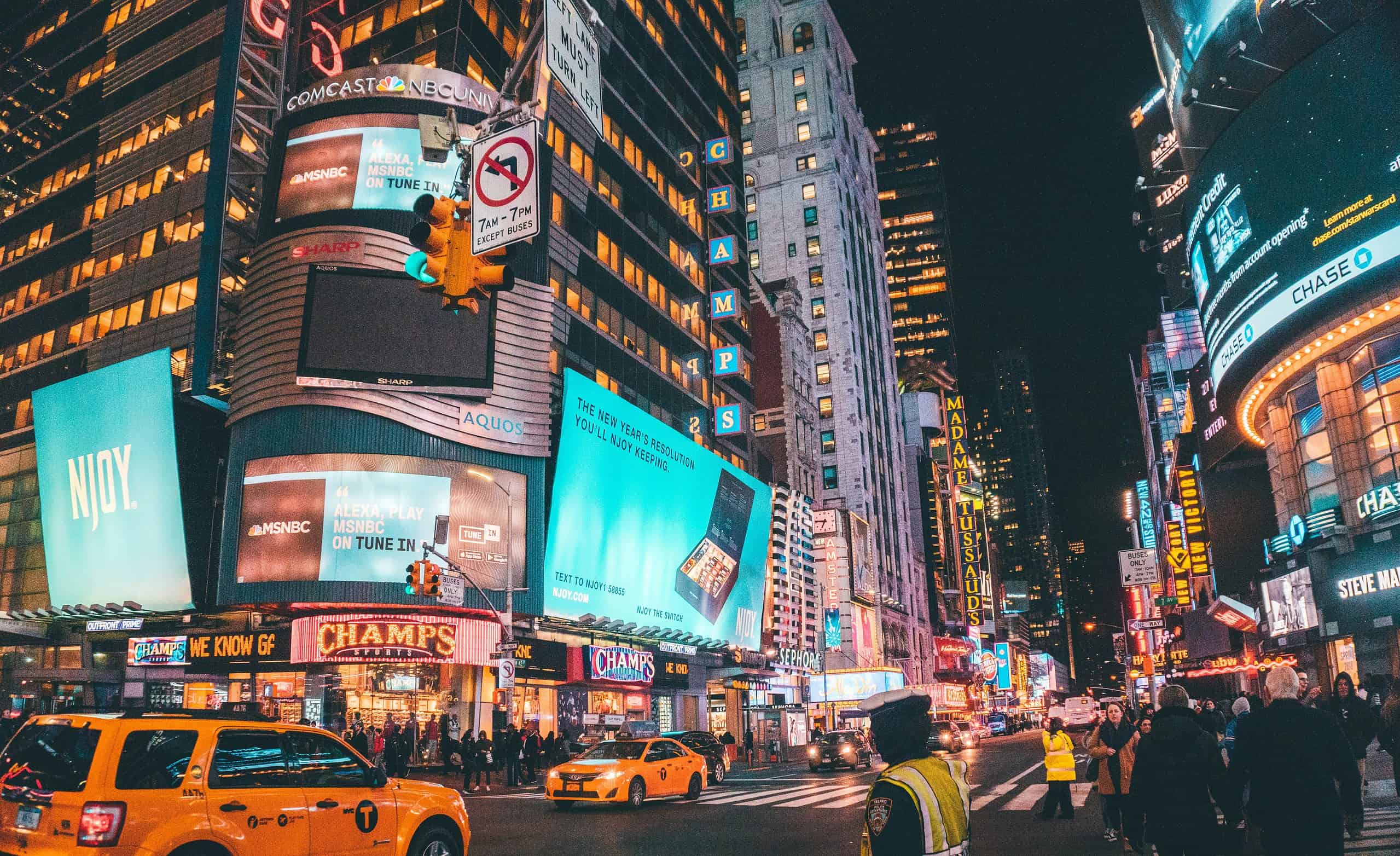
Pickpocketing isn’t just a European city thing, it happens in NYC too, especially in packed spots like Times Square, the subway during rush hour, and popular areas like Herald Square, Union Square, and even busy museum entrances.
Someone might “bump” into you, ask for directions, or even create a small commotion. While your attention shifts, a hand slips into your backpack or pocket. It’s quick, quiet, and by the time you realize it, your phone or wallet is gone.
To protect yourself, follow a few basics:
- Use a crossbody bag with a zipper and keep it in front of you.
- If you’re wearing a backpack, swing it around to your chest in busy areas.
- Avoid keeping your phone or wallet in your back pocket, it’s an easy target.
- Be extra alert during subway rides, especially when doors open and close, that’s prime time for a grab-and-dash.
Fake Monks Offering Bracelets and Pressuring for Donations
You might see seemingly calm, robed men offering you a small gold-colored bracelet or “blessing” in areas like Central Park, Times Square, or outside major subway stations.
They’ll often smile, gesture politely, and place the bracelet on your wrist before you can even react.
Once it’s on, the tone shifts. They’ll open a donation booklet or show a list of names with high dollar amounts, hinting that you’re now expected to pay, often in cash. Refusing can quickly turn awkward, especially if you’re caught off guard.
The biggest red flag? Real Buddhist monks don’t solicit donations in tourist-heavy areas, especially not with aggressive tactics. These scammers are often part of a larger operation targeting tourists who don’t want to seem disrespectful.
Tip: If anyone approaches you offering something “free” and won’t take no for an answer, walk away immediately and don’t engage.
Costumed Characters in Times Square Demanding Tips
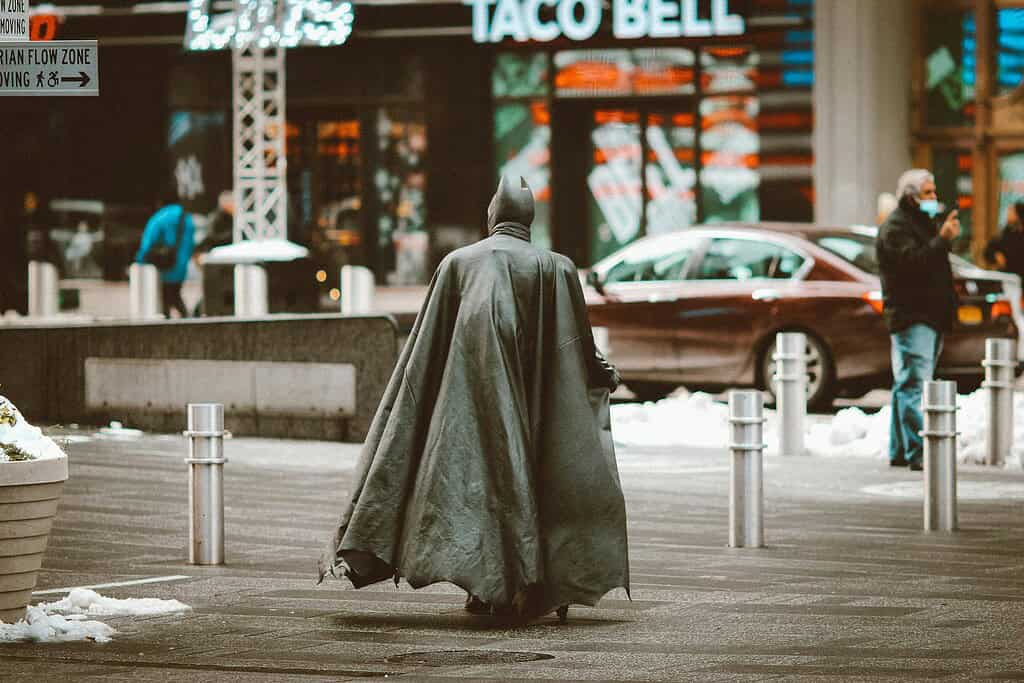
Times Square might be a must-see for first-time visitors, especially during the festive holiday season when the city is lit up like no other, but it’s also a hotspot for tourist traps, and the costumed character scam is one of the most infamous.
You’ll see people dressed up as Elmo, Spider-Man, or even Minnie Mouse walking around offering “free” photos.
But here’s the catch: once that picture is snapped, they’ll aggressively demand a tip, sometimes as much as $20 per person, and if you’re with a group, they’ll expect individual payments.
One of the more toxic parts of this scam is the way they avoid mentioning an amount beforehand. They’ll say, “It’s just a tip,” which sounds harmless, until you give them $1, and they scoff, saying, “I usually get five.”
Then if you hand over five? Suddenly it’s, “Actually, I usually get 20.” It becomes a frustrating cycle, and frankly, a hassle you don’t want to deal with while trying to enjoy the city.
Tip: If you really want a photo, agree on a tip beforehand or avoid the interaction altogether. You’re under no obligation to pay if you didn’t ask for the photo, no matter how much pressure they apply.
The “Free CD” or Street Rapper Scam
This one happens fast. Someone walks up to you, usually around Times Square or outside tourist spots, and hands you a CD.
They’ll say it’s free, or they’ll tell you it’s their “new mixtape” and ask for your name so they can sign it. Seems chill, right?
But the second you take it, the pressure starts. They’ll follow up with a strong push for a “tip,” sometimes asking for $10, $20, or even more.
If you try to hand it back, they’ll act offended or corner you with lines like, “C’mon man, support local music.” Some will even pull out their phone and ask you to send money via a cash app on the spot.
Here’s the deal: if someone hands you something on the street in NYC, especially while being overly friendly or persistent, there’s usually a catch.
Look away and keep walking and don’t take anything you don’t actually want, it’ll save you the awkward back-and-forth.
Subway & Street Performers Guilt-Tripping for Big Tips
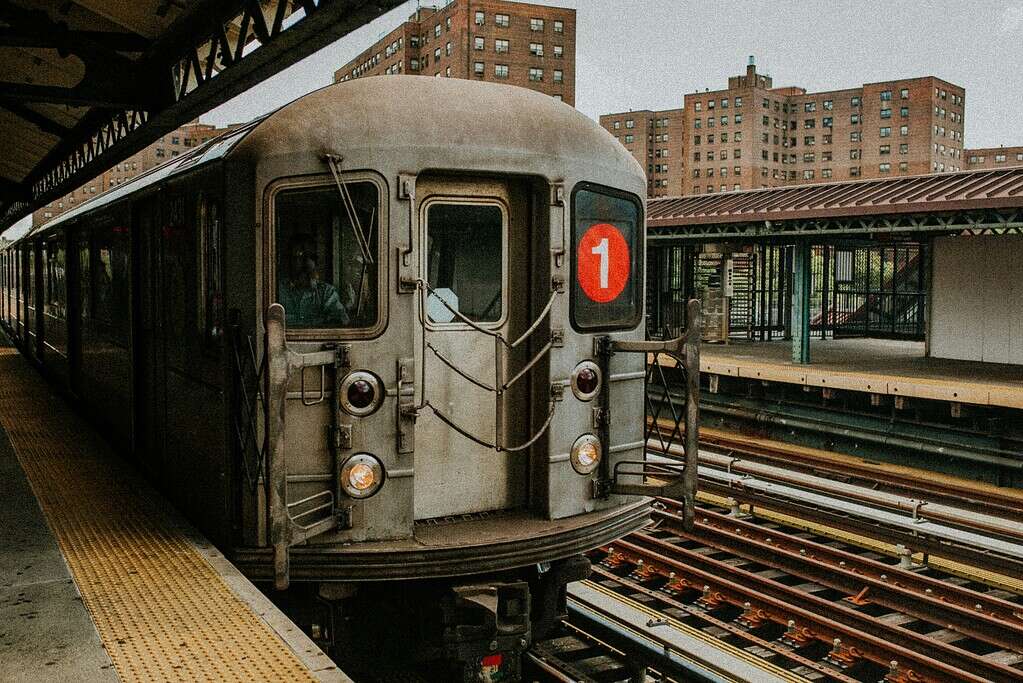
Look, some performers in NYC are incredible, from full-on breakdance crews flipping down subway aisles to talented musicians posted up in Union Square.
Watching them can definitely be a highlight of your trip. But here’s where things get sketchy.
Sometimes, after a performance, especially if you’re filming or clapping along, the performers will single you out for a tip.
They’ll walk right up, call you out, or even block your path until you drop some cash. It goes from “wow, that was cool” to “oh, now I feel weird not paying.”
The subway version can be even trickier. A group might perform a quick routine, then immediately start walking around with a hat.
If they catch you filming or reacting, they’ll often zone in and guilt-trip you into tipping. I learned this years ago with a friend, I pulled out my phone to record and my friend quickly said, “Don’t do that.” Later, she explained why, and I understood why she said that.
Tip: If you enjoy the show and want to tip, that’s great, totally up to you. But don’t feel obligated, and don’t let anyone pressure you. You’re not required to pay just for watching something happening in a public space.
Fake or Resold Broadway Tickets Sold on the Street
You’ll find shady “vendors” outside popular theaters or even around Times Square offering what seem like last-minute Broadway deals. Don’t fall for it.
These tickets are often resold at inflated prices, completely fake, or for the worst seats imaginable.
Always buy from official box offices, TKTS booths, or authorized sites like TodayTix. Trust me, no one’s casually walking around selling front-row Hamilton seats for $50.
Fake Staten Island Ferry Tickets and “Harbor Cruise” Traps
The Staten Island Ferry is free to ride in NYC. Let me repeat that: completely free.
But that doesn’t stop scammers from loitering around the terminal, trying to sell unsuspecting tourists fake ferry “tickets” or push overpriced harbour cruises.
These cruises aren’t always shady, but they’re not necessary if you’re just trying to see the Statue of Liberty from the water. If anyone tries to sell you a ferry ticket outside the terminal, just walk away.
Just head inside the Whitehall Terminal, follow the signs, and board the real ferry with everyone else, no payment, no nonsense.
Pedicab Rides with Hidden Per-Minute or Per-Person Fees
You’ll spot these colorful pedicabs parked around Central Park, Times Square, and other tourist-heavy spots, they look fun, charming, and like a quirky way to explore the city.
But here’s where things get shady: the price they shout is rarely the full cost. They might say “$5 a minute” or “$25 for the ride,” but they’ll leave out key details like per person pricing or surprise “fees” they’ll tack on at the end.
Many tourists think they’re in for a short $25 ride and walk away being charged $100+ once it’s over!
Worse still, this isn’t just about being overcharged, safety can be an issue too. These rides weave through real city traffic, and there have been actual accidents in the past.
While they’re usually slower and safer in Central Park, once you’re in Midtown or anywhere with cars, potholes, or poor road awareness, it can get sketchy fast.
Truthfully, falling for one of these rides is both a common scam and one of the tourist mistakes in NYC that many first-time visitors make.
If you’re set on taking a pedicab, make sure to confirm the total cost upfront, and that it’s for your whole group, or skip it entirely. It’s not worth the stress or the surprise bill.
Street Food Vendors with No Listed Prices
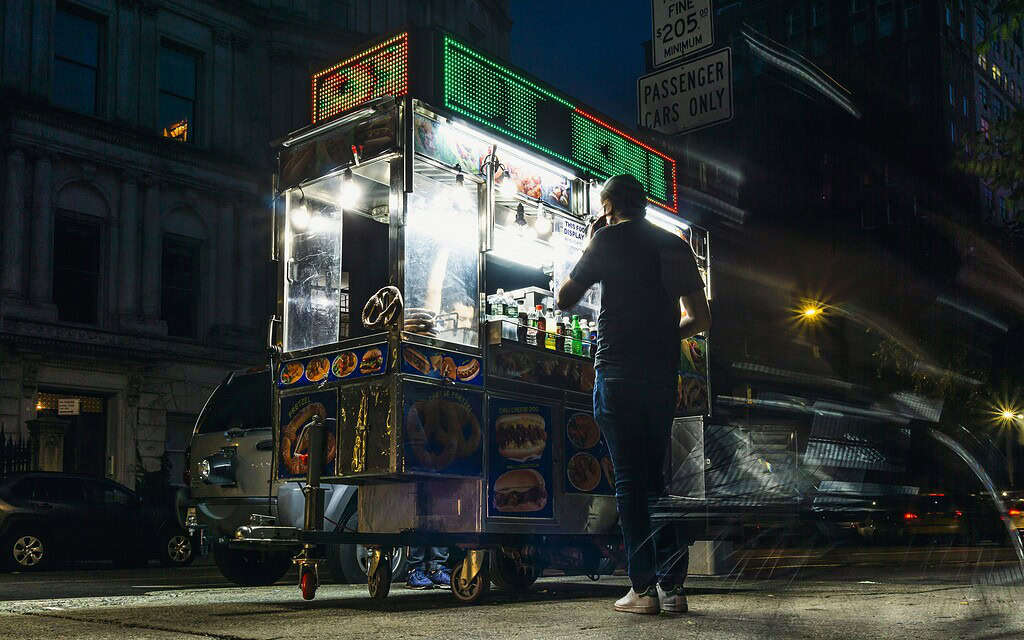
Grabbing a pretzel, hot dog, or bagel from a street cart is quintessential New York, it just feels right.
But not all vendors play fair, especially in touristy zones like Times Square, Central Park, or outside major museums.
One of the most common scams? No prices listed anywhere. You walk up thinking it’s a quick $3 snack, place your order, and suddenly they’re asking for $12. And because you’ve already ordered or they’re rushing you, you feel cornered into paying.
Here’s the thing, New Yorkers don’t play that. The last thing we have is time, so if there’s no clear price, we don’t even stop.
And that’s your sign too: no transparent pricing means keep it moving. Honest vendors display their prices loud and clear, if you don’t see one, skip it. There’s another cart just down the block that won’t try to hustle you.
ATM Skimming and “Helpful” Stranger Distractions

ATMs are everywhere in NYC, convenience stores, delis, hotel lobbies, but not all of them are secure.
Some have hidden skimming devices that steal your card info, while others are targets for distraction scams.
Here’s how the distraction version usually plays out: you’re withdrawing money, and someone comes up behind or beside you trying to “help” with a screen issue or pointing out something “weird” on the machine.
It’s a trick to get a glance at your PIN or distract you long enough to steal your card.
Stick to ATMs inside banks during regular hours whenever possible, and never accept help from a stranger at a machine, even if they seem polite or official-looking. Shield your PIN, and trust your gut.
If something feels off, walk away and find another location. In a city like New York, there’s always another ATM just a block away.
The Classic “Bump Into You” Distraction Scam
This one’s as old as time, and yes, it still happens in NYC. You’re walking through a crowded area (Times Square, subway stations, or near Penn Station), and someone intentionally bumps into you, spilling a drink or dropping their food, usually fries or whatever snack they’ve got in hand.
Right away, they make a scene and blame you. They’ll claim you caused the mess, and then comes the ask, they’ll demand you pay for their food, drink, or worse, say you damaged their phone and need to cover the cost.
But let’s be clear: it’s a scam. It’s designed to either guilt you into handing over money or distract you long enough for someone else to try and pickpocket you.
Don’t engage, don’t argue, and definitely don’t pay. Just keep walking, confidently. This is 100% one of those moments where awareness is your best protection.
The “Stranded at Grand Central” Story Scam

You’re walking through a busy spot like Grand Central Terminal or Penn Station, and someone stops you with a look of panic or desperation.
They’ve “just missed their train,” “lost their wallet,” or “need money to get back home to New Jersey”, it’s always urgent, always emotional, and almost always fake.
They’ll launch into a believable backstory, sometimes even showing a used train ticket or a phone with no battery. The goal? To tug at your sympathy and get you to hand over cash on the spot.
The story sounds just real enough to make you hesitate, and that’s the scam. These people target tourists who aren’t used to city life and play on your kindness.
Don’t fall for it. If someone genuinely needs help, there are proper services and authorities inside the station who can assist. You don’t need to be the ATM.
Fake Rideshare Drivers and Airport Taxi Hustlers
After a long flight into JFK or LaGuardia, you’re tired, dragging luggage, and just want to get to your hotel. That’s exactly when the scammers strike.
These individuals linger near baggage claim or terminal exits, approaching tourists and claiming to be Uber or Lyft drivers. Sometimes they’ll even flash a phone with a fake app screen or say, “Your Uber’s here” before you’ve even ordered one.
They’ll offer a “flat rate” that sounds sort of reasonable, until it’s suddenly triple the price or they tack on made-up fees. Worse, some aren’t even real drivers at all.
Always book your ride through the official Uber/Lyft apps and confirm the license plate and driver photo before getting into any car.
If you’re unsure, stick to the designated rideshare pickup zones marked at every NYC airport. Never accept unsolicited rides, it’s not just a scam, it’s a potential safety risk too.
For more smart advice like this, refer to my guide of 22 must-know travel tips for NYC can help you move around the city like a pro.
Hidden Hotel “Resort Fees” and Facility Charges
NYC hotels are already pricey, but what really annoys travelers are the sneaky extra fees that show up at check-in or check-out.
These often come in the form of “resort fees,” “urban experience charges,” or “facility fees”, and they’re rarely obvious when you book through third-party sites.
These charges can be anywhere from $15 to $50 per night and supposedly cover things like Wi-Fi, gym access, or bottled water, even if you don’t use any of those amenities.
Don’t let a “great deal” on a hotel cost you far more than New York City needs to cost you.
If you’re still figuring out where to stay in NYC, it’s worth checking areas and hotels that are upfront about their pricing, some neighborhoods and properties offer better transparency (and value) than others.
Fake “Helpful” Strangers Offering Directions or Help
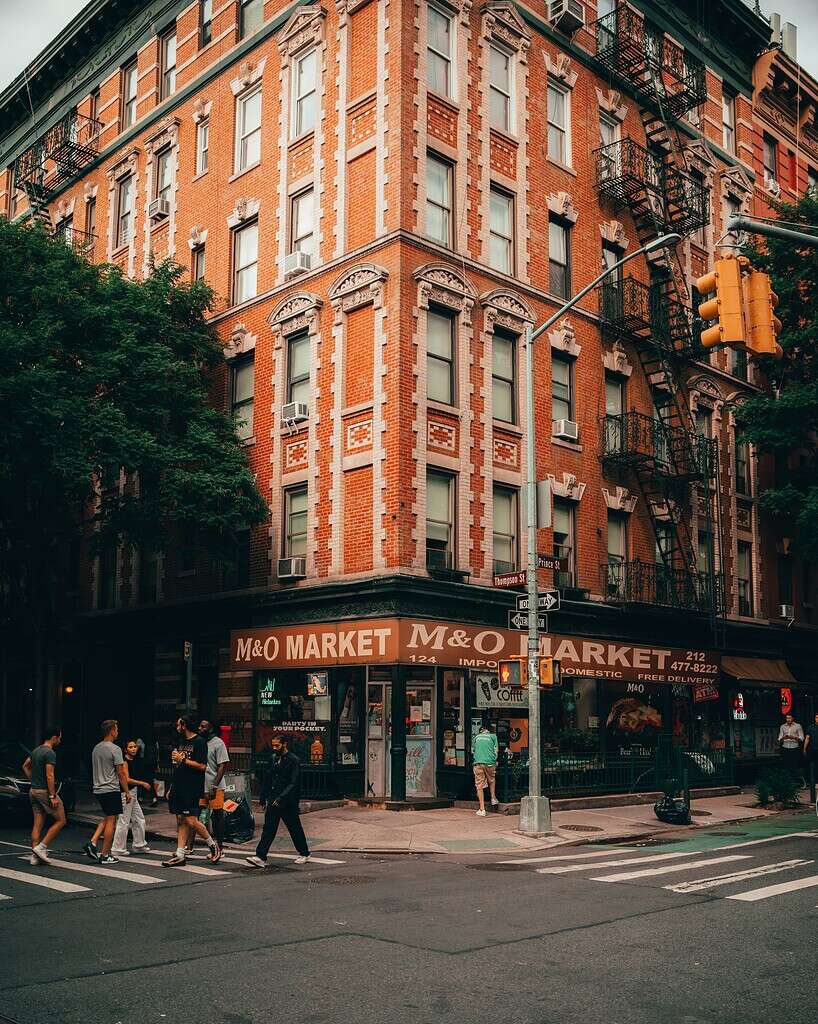
You’re standing on a corner in Midtown, phone out, map up, looking slightly unsure, and that’s when someone swoops in with a big smile, asking if you need help. Sounds friendly, right?
But in some cases, these “helpful” strangers aren’t just being kind. After giving you directions (which may or may not be correct), they might follow it up with a guilt-inducing request for money, a “tip” for their time or even a story about needing train fare or food money.
If you genuinely need help, pop into a store, ask someone in uniform, or stick to using your phone. In NYC, most locals are either busy or helpful in a no-nonsense way, they don’t linger or ask for anything in return. Keep your guard up, and don’t let politeness cost you.
Online Rental Scams and Fake Accommodation Listings
With the rise of short-term rental platforms, it’s easier than ever to find unique and affordable places to stay, but it also opens the door to scams.
Fake listings on platforms like Craigslist or even within legitimate platforms do happen. Trust me, I manage a large NYC travel Facebook group, and I constantly see fake accommodation listings trying to slip through.
These scammers post beautiful apartments or deals that seem too good to be true, hoping to lure travellers into sending money off-platform. I see them attempt this all the time, and I always decline those posts, but not every group or forum has tight moderation.
You send a deposit or full payment, and then… nothing. The listing disappears, the host vanishes, or the address simply doesn’t exist.
Even on trusted commonly used platforms, be cautious:
- Read the reviews (they should be recent and specific)
- Watch out for hosts who try to rush you or suggest off-platform communication
- Be wary of “limited-time” offers that pressure you into booking quickly
Stick to trusted platforms where there’s at least a middleman involved in the transaction, platforms that offer some level of payment protection or dispute handling.
If you send money directly via bank transfer, PayPal friends/family, or Venmo, there’s usually no recourse if things go wrong. In a city like New York, it’s worth booking smart.
Fake Tour Guides Overselling “Local” Street Tours
You might come across people, often near major landmarks like Central Park, Times Square, or the Brooklyn Bridge, claiming to be “licensed” local guides offering street tours on the spot.
They’ll promise insider access, hidden gems, or even exclusive skip-the-line perks. But here’s the thing: most of them aren’t licensed, and the tours can be completely unstructured or even made up on the fly.
Some will charge you way more than what a legit tour would cost, especially if you don’t agree on a clear price upfront.
If you’re thinking about exploring the city with a guide, stick to verified platforms like GetYourGuide or Viator, or trusted tour companies that offer clear descriptions, transparent pricing, and knowledgeable guides who actually know the city’s history and culture.
Don’t let someone randomly approaching you on the street dictate how you explore NYC. There are plenty of excellent (and safe) ways to dive into the city, just make sure it’s with someone credible.
Final Thoughts on Tourist Scams in NYC
New York City is an incredible place to visit, but like I said earlier, any major city comes with its fair share of scams. If you’re not used to navigating big cities, a few of these might catch you off guard.
Now, for those who’ve traveled extensively or live in large cities themselves, some of these might seem obvious. But even then, NYC has its own twist on things, and it’s always worth staying alert.
The bottom line is this: NYC is already an expensive destination, don’t let a scam inflate your trip even more.
From unexpected charges to shady street tactics, every dollar counts when it comes to managing your NYC trip cost.
A little awareness goes a long way, and now that you know what to look out for, you’ll be ready to enjoy everything the Big Apple has to offer with confidence and peace of mind.
Are scams common in NYC?
Yes, like many major cities, NYC has its fair share of tourist-targeted scams, especially in crowded areas like Times Square, subway stations, and near popular landmarks.
How can I avoid tourist scams in NYC?
Stick to official vendors, avoid unsolicited offers from strangers, be cautious with your belongings, and read up on common scams ahead of your trip to stay prepared.
What should I do if I fall for a scam in NYC?
If you’ve been scammed, try to document what happened and report it to the NYPD. In some cases, contacting your bank or credit card provider quickly can help reverse charges.
Are NYC street vendors a scam?
Most street vendors are legit, but some do overcharge, especially in touristy areas. Always look for clearly posted prices, if there aren’t any, it’s better to skip it.
