
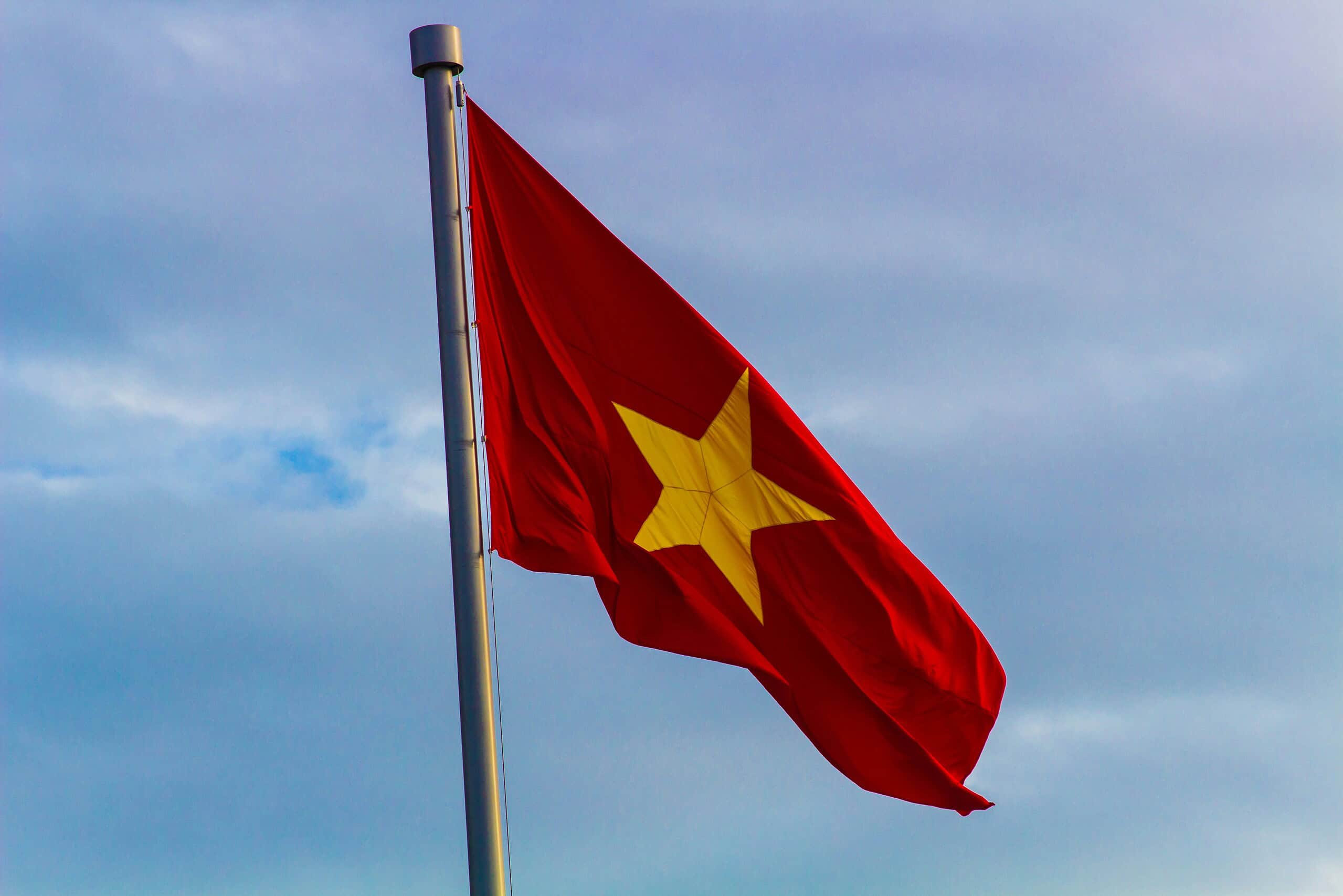
9 Things to Know Before Visiting Vietnam
Vietnam is one of the most fascinating countries in Southeast Asia, it’s chaotic in the best way, rich with history, packed with delicious dishes to try, and full of surprises.
But if you’re heading there without doing a bit of prep, you’re almost guaranteed to get caught off guard.
That’s why knowing a few things to know before visiting Vietnam can make a huge difference to how smooth your trip feels.
From visa rules and arrival procedures to cultural expectations and what the traffic really feels like, there are just some things you want to know before landing in Vietnam.
And trust me, knowing a few of these ahead of time can make your trip feel way smoother and way less overwhelming.
Whether it’s your first time visiting Vietnam or you’re finally checking it off your Southeast Asia bucket list.
This guide covers the essential things to know before visiting, so you can skip the confusion and get straight to the amazing adventures in Vietnam!
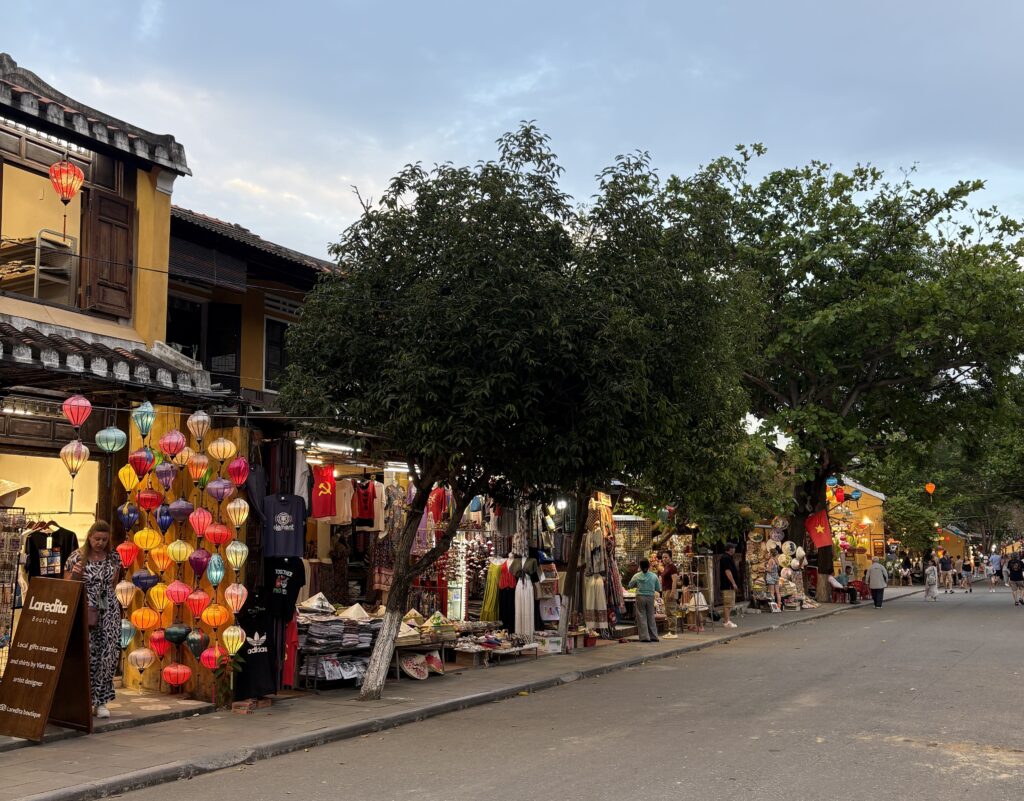
Know Your Vietnam Visa Requirements
If there’s one thing you really don’t want to mess up before flying into Vietnam, it’s your visa.
Vietnam doesn’t offer visa-free entry to as many countries as its neighbours, and the rules depend entirely on your passport.
For example, I’m from Canada, and I do need an E-Visa, but a friend from the UK visited me in Da Nang earlier this year and to my surprise he didn’t need one.
The best way to figure it out? Check your own government’s travel website or do proper research to see if you need a visa for Vietnam.
If you do, don’t wait, complete the application as soon as you book your flight. Vietnam’s e-visa system is fairly straightforward, offering a 90-day, single or multiple-entry option to travellers from many countries, but it takes 3–7 business days to process.
By the way, make sure you use the official Vietnam E-Visa website, while you can find it through Google, be cautious not to click on the sponsored links at the top of the search results, as these are paid agencies charging unnecessary fees for something that’s simple to do, costs only US$25, and can easily be done yourself in minutes.
And here’s the catch: even the smallest mistake on the application, a wrong date, an incorrect number, it will be denied, and then you’ll have to resubmit and wait all over again.
One of my friends actually landed in Vietnam last year and was denied entry. She was also travelling on a Canadian passport, and didn’t know she needed a visa to enter Vietnam.
She then had to fly to the Philippines and spend the night at the airport there. Safe to say, it was a rough start to her trip.
Be Prepared for Arrival Documents and Immigration
First, immigration officers will want to see your e-visa printout, so don’t just leave it on your phone.
Always bring a hard copy, yes, they still prefer paper. If your passport details don’t match your e-visa exactly, or if you forgot to print it, you might be asked to step aside, and no one wants to start their trip that way.
Next, foreigners need to complete an arrival/declaration form, either on the plane or once you land, though you might not be asked for it at Saigon (Ho Chi Minh City) airport, especially with an e-visa.
Some airports provide these at kiosks, but it’s best to grab one as soon as you see it. It’s quick, just basic details like your passport info, flight number, and where you’re staying in Vietnam.
Make sure your passport has at least 6 months validity and two blank pages. That’s non-negotiable, they will check.
Also, if this is your first time visiting Vietnam, you might feel the process is slower than what you’re used to, and that’s normal.
Immigration queues can vary depending on when you arrive, but be patient, have all your documents ready, and you’ll get through it just fine.
Avoid Sensitive Topics Around War and Politics
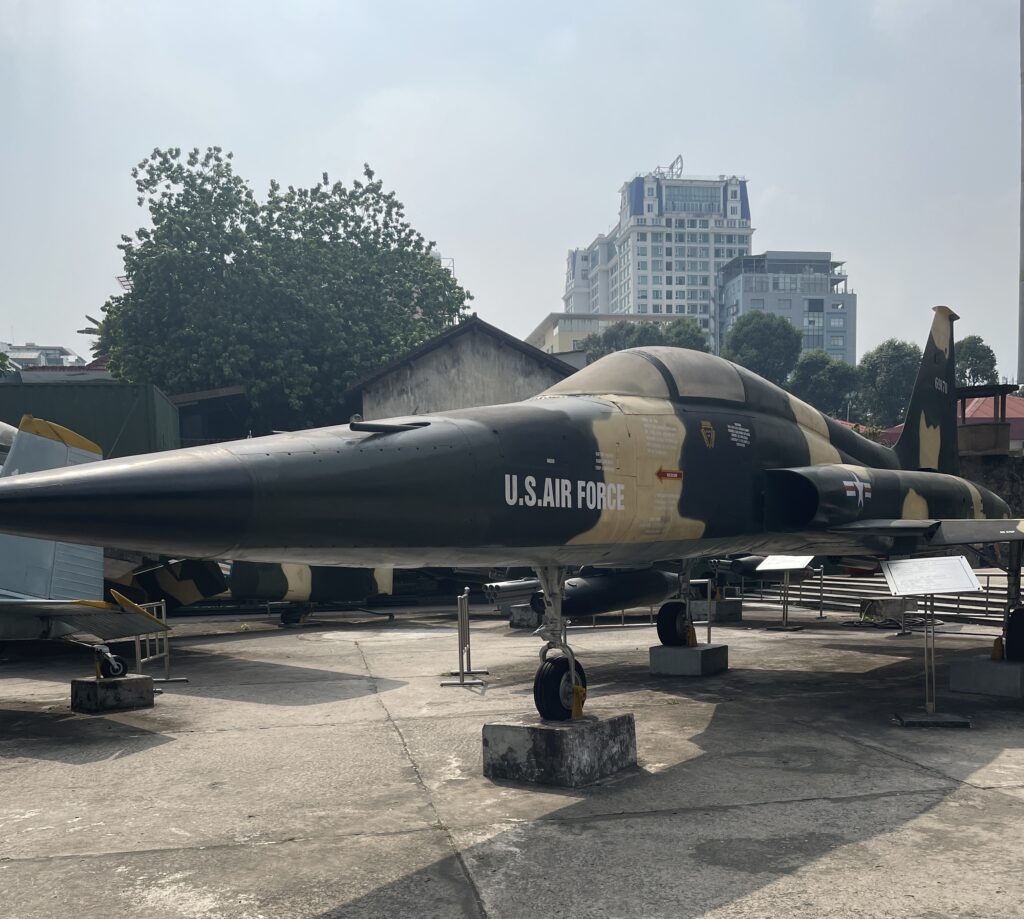
Vietnam has a complicated history, and while it might be tempting to ask questions or bring up certain events, it’s best to tread carefully.
Topics involving the Vietnam War, government structure, or political leadership should generally be avoided in casual conversation , especially with locals you’ve just met.
This isn’t about censorship so much as cultural respect. What feels like curiosity to you could come off as intrusive or offensive to someone else.
Travellers who push these boundaries may find themselves in uncomfortable situations, or worse, legal trouble.
It’s also worth noting that what you say online matters, too. Social media posts that criticize the government or touch on controversial subjects can be flagged or even result in consequences, particularly if you’re still in the country.
For more guidance on navigating cultural norms and respecting local sensitivities, check out my list of what not to do in Vietnam.
Crossing the Street in Vietnam is an Art
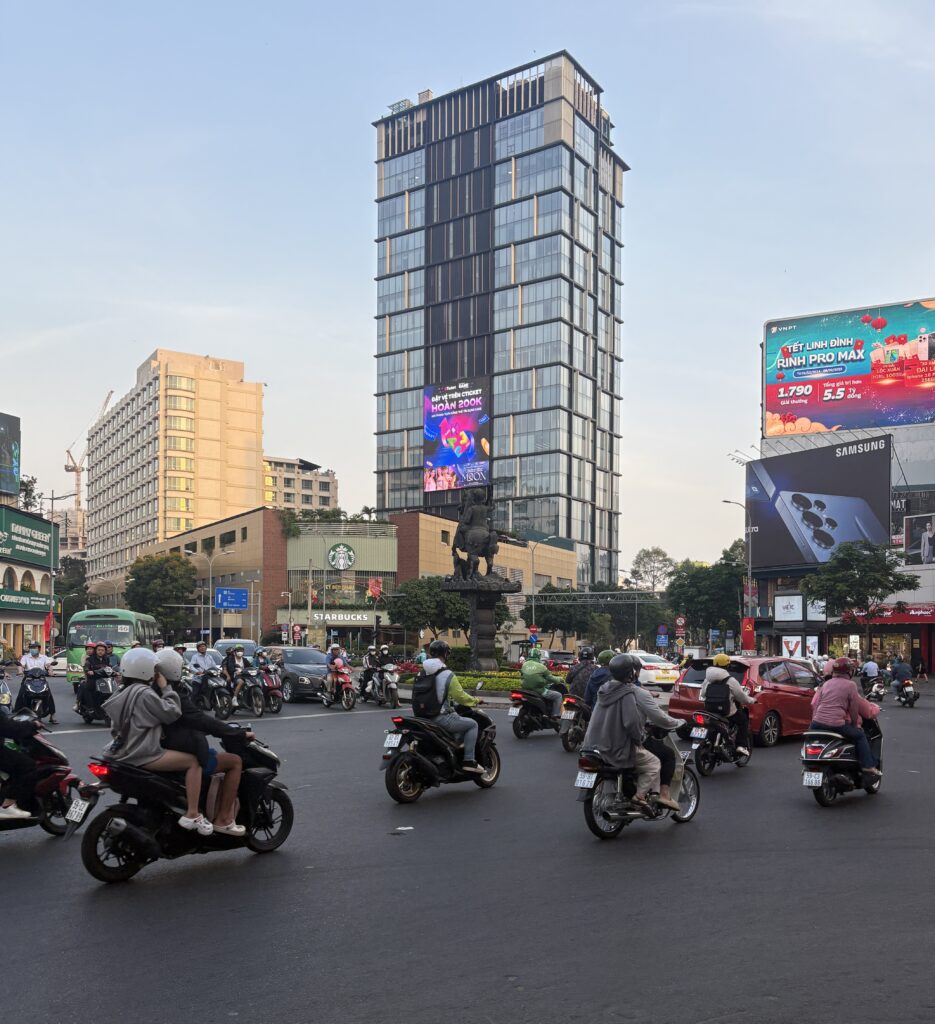
If you’ve never crossed a street in Vietnam before, you’re in for a shock, especially in cities like Hanoi or Saigon traffic is a swirling, chaotic mix of motorbikes, cars, bicycles, and buses, and at first glance, it might seem impossible to find a gap.
So here’s the trick: don’t wait for traffic to stop, because it won’t. Especially in those two major cities, traffic flows continuously, and there usually aren’t many formal pedestrian breaks. You’ll need to get the hang of crossing the road in both places.
The method is surprisingly simple once you try it: walk at a steady, predictable pace. Don’t run, don’t stop abruptly, and don’t hesitate halfway through.
The motorbikes and cars will usually adjust and flow around you, as long as they can anticipate your movements. It sounds wild, but it works.
If you’re unsure, cross alongside a local and match their pace. After a few days, it becomes second nature.
Crossing the street in Vietnam feels less like traffic and more like learning a rhythm, and once you catch it, the flow kind of makes sense.
Cash Is Still King in Vietnam
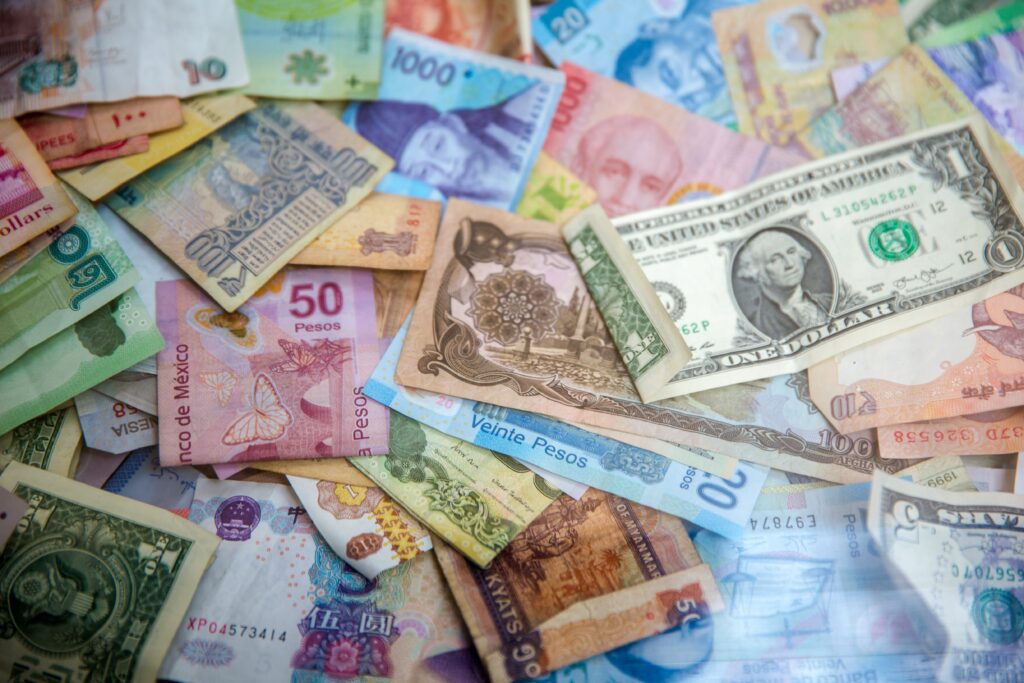
While card payments are becoming more common in major cities like Hanoi and Ho Chi Minh, cash still rules in most parts of Vietnam, especially in local markets, small restaurants, and rural areas.
ATMs are widely available and usually accept international cards, but it’s always a good idea to carry smaller denominations.
Some places might not have change for larger bills, and others may not take card at all, even in touristy areas.
If you’ve just arrived in Vietnam, one of the first things to do is withdraw some cash, and yes, you’ll be a “millionaire” quickly thanks to the high denominations of Vietnamese dong.
It’s best to always have cash on you. While some places take card, most will only accept cash, especially taxis, street stalls, and smaller cafes.
Even if you get by for a day or two using your card, don’t push your luck, always carry cash with you in Vietnam.
Watch Out for Common Tourist Scams
Vietnam is generally safe, but like many popular tourist spots, scams do happen in Vietnam, especially in major cities like Ho Chi Minh City and Hanoi.
Some of the most common ones include overcharging taxi drivers (especially ones not using the meter), tour companies that don’t deliver what they promise, and street vendors who suddenly raise the price after you’ve already agreed.
Fake travel agencies and motorbike rental shops that later claim damage fees are other ones to look out for.
As a rule of thumb: if something feels too pushy or off, trust your gut. Use reputable services, read recent reviews, and always confirm prices beforehand.
You don’t need to be paranoid, just stay aware and don’t let anyone rush or pressure you into a situation.
Learn a Few Key Etiquette Rules
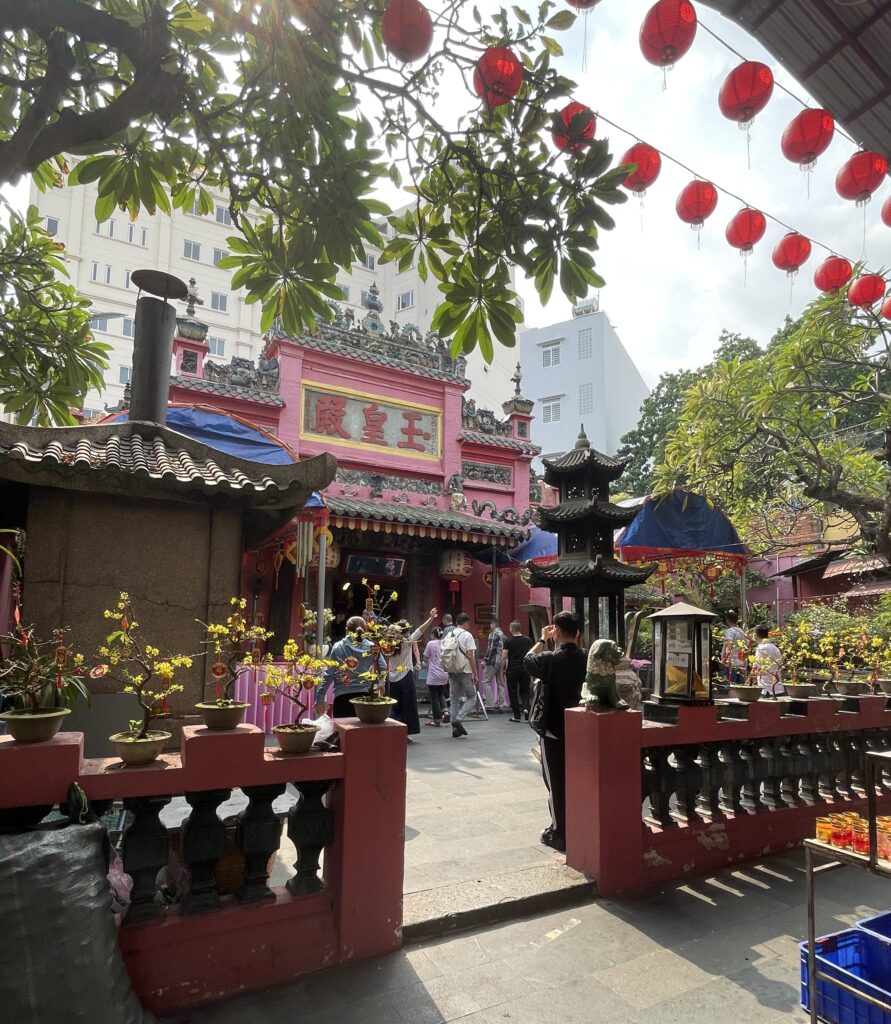
Understanding cultural etiquette in Vietnam can go a long way, not just for respect, but for avoiding awkward or even offensive moments.
While Vietnamese people are incredibly kind and patient with tourists, there are still a few cultural basics you should know.
Dressing modestly when visiting temples is important. Avoid wearing revealing clothes and always remove your shoes before entering any religious site or someone’s home.
It’s also polite to give and receive items (like money or a gift) with both hands, it’s a simple gesture that shows respect.
One thing that surprises many travellers is how uncomfortable direct confrontation or loud public complaints can make locals feel.
It’s always best to stay calm and polite, even if something goes wrong. Raising your voice won’t get you anywhere in fact, it might make things worse.
Prepare for Noise and Hustle in the Cities
Vietnam’s cities are alive, truly alive, and that means you’re stepping into an environment that never really quiets down.
Whether you’re in Hanoi, Ho Chi Minh City, or Da Nang, expect a mix of motorbike chaos, honking horns, bustling vendors, and lively street energy at nearly all hours.
But it’s not just the traffic. In Vietnam, noise comes in many forms, from groups of friends chatting animatedly over coffee or meals, to unexpected karaoke sessions that pop up in residential areas (yes, at odd hours too).
Take Da Nang for example, some of the loudest sounds come from banh bao vendors riding motorbikes through neighbourhoods, blasting pre-recorded ads through megaphones.
And in Hanoi, don’t be surprised if you’re staying on a lower floor hotel or apartment and wake up to street vendors calling out over speakers as they pedal by in the morning.
Vietnam doesn’t exactly specialize in silence, and while that can be frustrating if you’re used to quiet spaces, it’s just how life flows here. Noise-canceling headphones help, but it’s also good to mentally prepare.
Embrace the energy, and carve out quiet moments where you can, whether that’s in a cafe, a museum, or a tucked-away park bench.
The Internet Is Fast — But Censorship Exists
Vietnam has invested in its digital infrastructure, and it shows. The internet is generally fast and reliable across major cities, and even rural areas often have a decent connection, good enough for video calls, streaming, or travel planning on the go.
That said, some websites and browsers may be partially restricted or blocked. This usually applies to select news sources or content that doesn’t align with national regulations.
Most travelers won’t run into major issues, but don’t be surprised if a few pages don’t load properly.
For most, day-to-day browsing, using social media, or accessing your travel tools won’t be a problem, but it’s helpful to know this in advance.
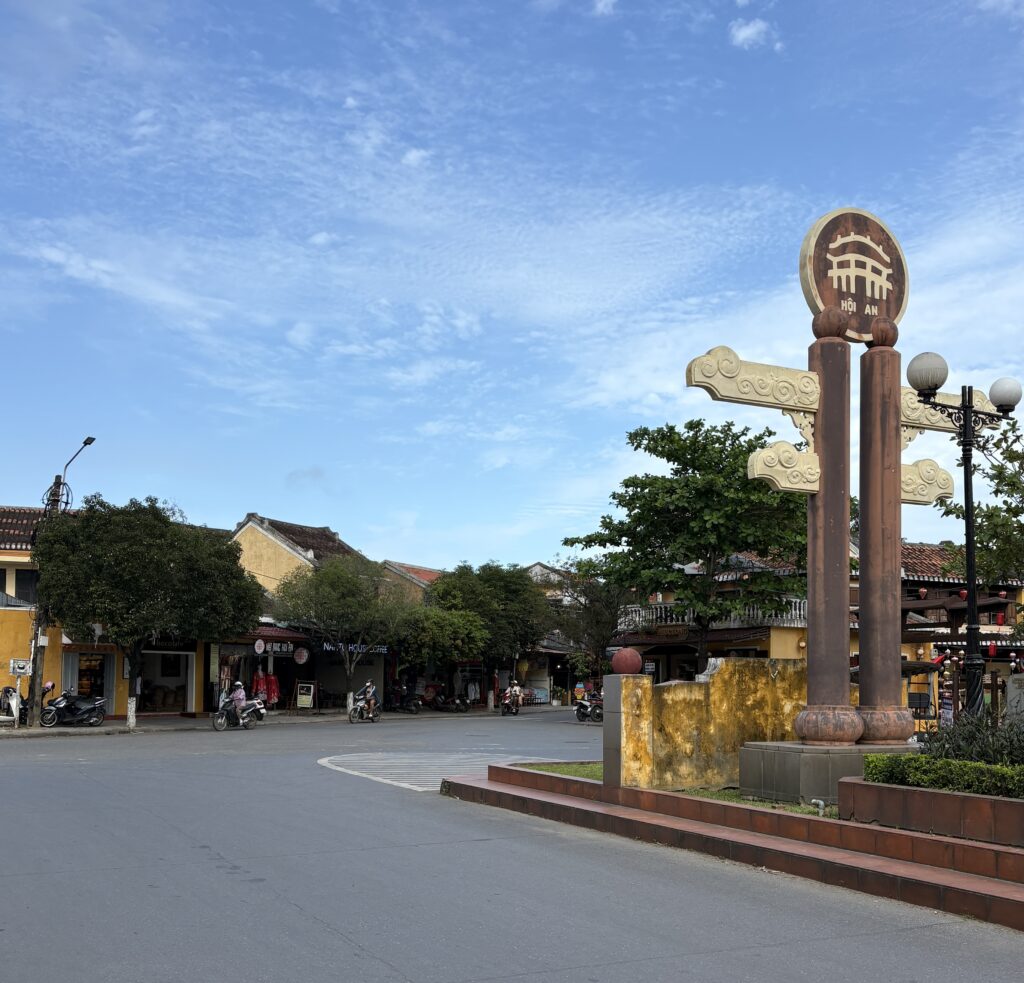
What to Expect When You Land in Vietnam
Once your plane touches down in Vietnam, the arrival process is generally straightforward.
But knowing what to expect ahead of time can make everything feel far less stressful, especially after a long flight.
Immigration
Your first stop will be immigration. If you needed a Vietnam e‑Visa, make sure you have a printed copy ready, along with your passport and boarding pass.
While officers may scan the visa digitally, having it printed avoids unnecessary back‑and‑forth and keeps the process moving smoothly.
Immigration lines can vary depending on the airport and time of arrival. In larger airports, waits can stretch longer during peak hours, which is why some travellers including myself opt for fast‑track immigration services in Saigon or Hanoi.
These can be purchased in advance and allow you to skip the main queues, a worthwhile option if you’re arriving after a long-haul flight or landing during busy periods.
Customs
After immigration, you’ll proceed through customs. This is usually quick unless you’re carrying restricted items or large quantities of goods. Most travellers pass straight through without issues.
Airport Overview – Major Airports You May Land In
Here’s a quick breakdown of the main international airports most visitors arrive through:
SGN – Tan Son Nhat International Airport (Ho Chi Minh City):
This is Vietnam’s busiest airport and the most common entry point into the country. Immigration lines here can be long, especially in the evenings.
If you’re arriving at peak times, fast‑track immigration can save you a significant amount of time.
This is the most unbearable immigration lines I’ve experienced from the many airports I’ve landed in while travelling. Once through, the airport is easy to navigate, but transport outside can be hectic.
HAN – Noi Bai International Airport (Hanoi):
Hanoi’s main airport is large and well-organized. Immigration can still be busy, but tends to move efficiently. This is another airport where fast‑track services are helpful during high season or late-night arrivals.
DAD – Da Nang International Airport:
Smaller, calmer, and much easier to navigate compared to SGN and HAN. Immigration lines are quite shorter, and the overall arrival experience here is smooth and low‑stress.
SIM Cards, Transport & Getting Into the City
SIM card stalls are readily available in all airports. Prices are higher than in the city, but the convenience is worth it if you want data immediately. Staff will usually help install and activate the SIM on the spot.
For transport, taxis and ride‑sharing apps like Grab are widely used. Taxi counters can sometimes be overpriced and many drivers are outside airports looking to take advantage of tourist.
So using a ride‑share app like Grab is often the most transparent option. Download the app and set it up before you land to make your exit quicker, one of my top travel tips for Vietnam.
Arrival Tip: Bring Some Cash
It’s a good idea to arrive with 500,000 to 1,000,000 VND in cash. While cards are accepted in hotels and larger restaurants, many taxis, food stalls, and smaller shops still prefer cash. ATMs are available at all major airports if you need to withdraw on arrival.
Landing in Vietnam is generally easy, but a bit of preparation, especially with your visa documents and arrival planning, goes a long way in making the experience smooth from the moment you step off the plane.
Do I need a visa before visiting Vietnam?
Most travellers do need a visa to enter Vietnam, depending on their passport. Be sure to check your country’s requirements and apply using the official e-Visa website.
What should I know before my first trip to Vietnam?
Key things include visa requirements, cultural etiquette, cash usage, local scams, and how to safely navigate traffic and city noise. Being informed helps avoid surprises.
Is Vietnam safe for tourists?
Vietnam is generally safe, but tourists should stay alert to petty theft and scams, especially in busy areas. Following local laws and being respectful goes a long way.
What’s the best way to get around in Vietnam?
Ride-sharing apps like Grab are widely used in cities, while trains, buses, and domestic flights are great for longer distances. For booking transportation in advance, especially trains and intercity buses, 12Go is one of the most trusted platforms used by travellers.

thank you for all the information. Where is it best to exchange currency? Airport or should you get before you arrive like in your home bank?
Thanks for commenting Diana. Its USD for sure. That said, my advice is getting a Wise international debit card, download the app, get setup and order the card. Then you can exchange currency on the app and use the card to withdraw currency at ATM’s in Vietnam. This is actually how I finance myself while travelling. 🙂