
11 Smart Ways to Save Money in NYC
New York has a reputation for being expensive, and in some areas that reputation is earned. But knowing a few smart ways to save money in NYC will change the entire cost equation of your NYC trip costs.
The reality is that New York rewards the prepared visitor more than almost any other major city.
The infrastructure for saving money here is extensive, from a fare system that rewards heavy subway use to a museum culture that lets you pay what you can afford.
The travelers who overspend in New York are almost always the ones who didn’t know these options existed.
These 11 tips are specific, practical, and genuinely effective. Not generic budget travel advice, real moves that make a measurable difference across an NYC trip.
Let OMNY’s Weekly Fare Cap Do the Work For You
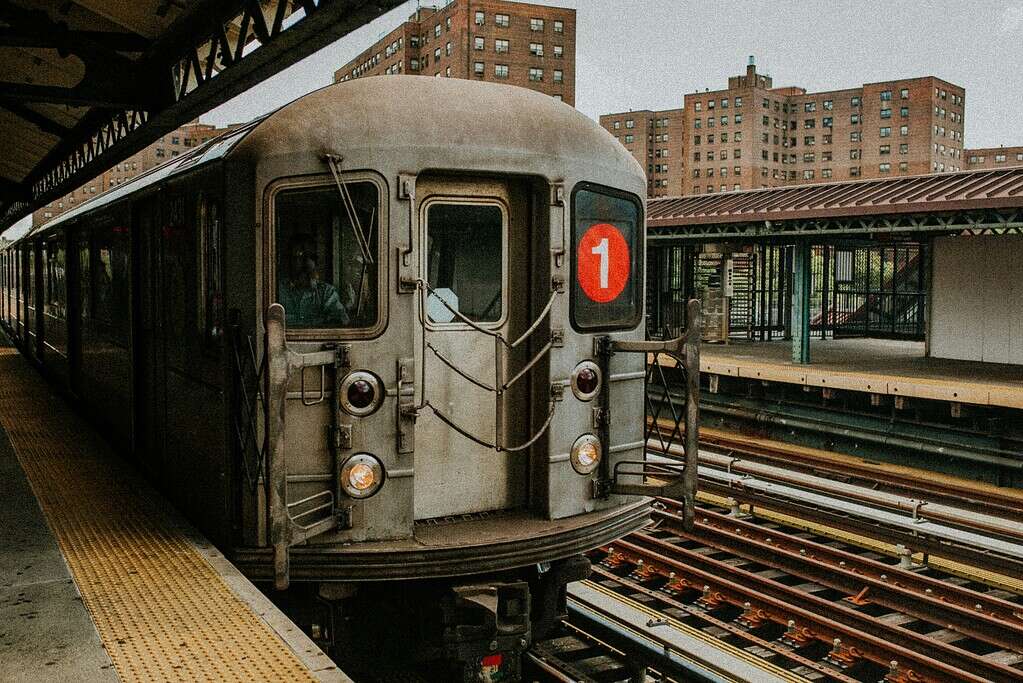
If the subway is part of your NYC itinerary, and it almost certainly is, understanding how OMNY’s fare cap works is one of the most valuable things you can know before you start moving around the city.
Every subway and local bus ride costs $3.00 when you tap in with the same contactless card or device.
Once you hit 12 rides within a rolling 7-day period, every additional ride for the rest of that week is free.
In practice this means your weekly transit cost caps out at $35 no matter how many times you ride after that point.
One important caveat: the cap only works if you tap with the exact same payment method every time.
Switching between a physical card and your phone, or between two different cards, resets the count and you lose the benefit. Pick one card or one device before your trip and stick with it for the entire week.
Worth knowing before you land: the MetroCard is fully retired as of 2026. You can no longer buy or refill one, so OMNY tap-and-go is now the only way to pay regardless of how you plan around this tip.
For a full sightseeing trip moving between multiple neighborhoods, Chelsea in the morning, the East Village in the afternoon, Williamsburg in the evening, the cap pays for itself by around day four or five, and every ride after that is effectively free for the rest of your stay.
Get Broadway Tickets for a Fraction of Face Value
This is one of the most genuinely extraordinary money-saving opportunities available to NYC visitors right now, and most first-timers don’t realize how many legitimate discount paths exist.
The TKTS booth in Times Square sells same-day tickets for many shows at 20-50% off face value, with the biggest selection appearing for evening performances.
Beyond the booth, most Broadway shows run digital lotteries through apps like TodayTix, offering tickets as low as $35-50 for shows that would otherwise run $150-250.
Rush tickets, sold at the box office the morning of the show, are another route, usually released at 10 a.m. for a fixed low price per person, one or two tickets per customer.
The concept is straightforward: never pay full face value unless a specific seat or date is non-negotiable.
Between the lottery, rush tickets, and TKTS, nearly every popular show has some discount pathway if you’re willing to be flexible on timing or seat location.
For travelers from outside the US, some shows also offer standing room tickets for sold-out performances at a steep discount, usually under $40, if you don’t mind watching from the back.
Time Museum Visits Around Pay-What-You-Wish Hours
New York’s major museums are far more affordable than their posted admission prices suggest, and most visitors overpay simply because they don’t know the free and discounted windows exist.
The specific tip within this tip: check each museum’s free and pay-what-you-wish policy before you go, and pay attention to who’s actually eligible.
The Whitney Museum is completely free every Friday from 5 to 10 p.m., no donation required, plus free on the second Sunday of every month.
MoMA’s free evening, the first Friday of the month from 5:30 to 8:30 p.m., is genuinely free but restricted to NY, NJ, and CT residents, so it won’t apply if you’re visiting from further away.
The Met’s pay-what-you-wish policy works the same way, it’s officially for New York State residents and students from New Jersey and Connecticut, not general out-of-state visitors, though the suggested price at the desk is still just that, a suggestion, and asking directly is worth doing regardless of where you’re from.
Smaller institutions like the Brooklyn Museum are the strongest option if you’re visiting from outside the tri-state area.
First Saturdays offer free entry from 5 to 11 p.m. to everyone, no residency requirement, alongside music and programming that makes the evening into an event rather than a simple visit.
This single habit, checking each museum’s actual eligibility before you build your itinerary around it, prevents the disappointment of showing up to a “free” window that doesn’t apply to you, and meaningfully lowers cultural spending without sacrificing the quality of what you’re seeing.
Eat Breakfast and Lunch at Bodegas Instead of Delis or Restaurants
New York’s restaurant culture is extraordinary, and worth every dollar you spend at the right places.
But the city’s bodegas are dramatically cheaper for everyday meals, and using them strategically is one of the most effective daily budget moves available to visitors.
Bodegas consistently price breakfast sandwiches, coffee, and simple lunch combos well below sit-down deli or restaurant equivalents.
A bacon, egg, and cheese on a roll with coffee runs $6-8 at most bodegas across Manhattan, compared to $15-20 for a comparable breakfast at a sit-down spot with table service.
The specific move: build your mornings around a bodega breakfast and save your restaurant budget for one or two genuinely worthwhile dinners instead of three meals a day at sit-down prices.
A $7 bodega breakfast, a $12-15 food cart or fast-casual lunch, and a proper $40-50 dinner is a completely different daily cost than eating every meal at table-service prices.
This is one of those city-specific budget strategies that sounds minor and compounds significantly across a week-long trip.
Book NYC Restaurant Week for Fine Dining at a Fraction of the Price

This extends the food-saving logic beyond bodegas and applies it to the higher end of New York’s dining scene.
NYC Restaurant Week, which actually runs for closer to three weeks twice a year in winter and summer, offers prix-fixe menus at participating high-end restaurants for $30-60 per person.
Restaurants that would normally run $100-150 per person for a comparable multi-course dinner, participate specifically to bring in new guests, meaning the food quality and portion sizes are frequently identical to the regular menu, just bundled at a fixed lower price.
The system works because restaurants use the promotion to fill tables during traditionally slower periods and attract diners who might not otherwise try them at full price.
That structural incentive creates a genuine opportunity for visitors who time their trip accordingly or simply check the participating restaurant list before booking dinners.
Booking Restaurant Week meals in advance is essential, the best restaurants fill their reservation slots within days of the promotion opening, so check the exact dates before your trip and reserve as early as the calendar allows.
Ride the Staten Island Ferry Instead of a Paid Boat Tour
New York has an extraordinary range of genuinely excellent experiences that cost nothing, and building them into your itinerary meaningfully reduces daily spending without reducing the quality of what you’re seeing.
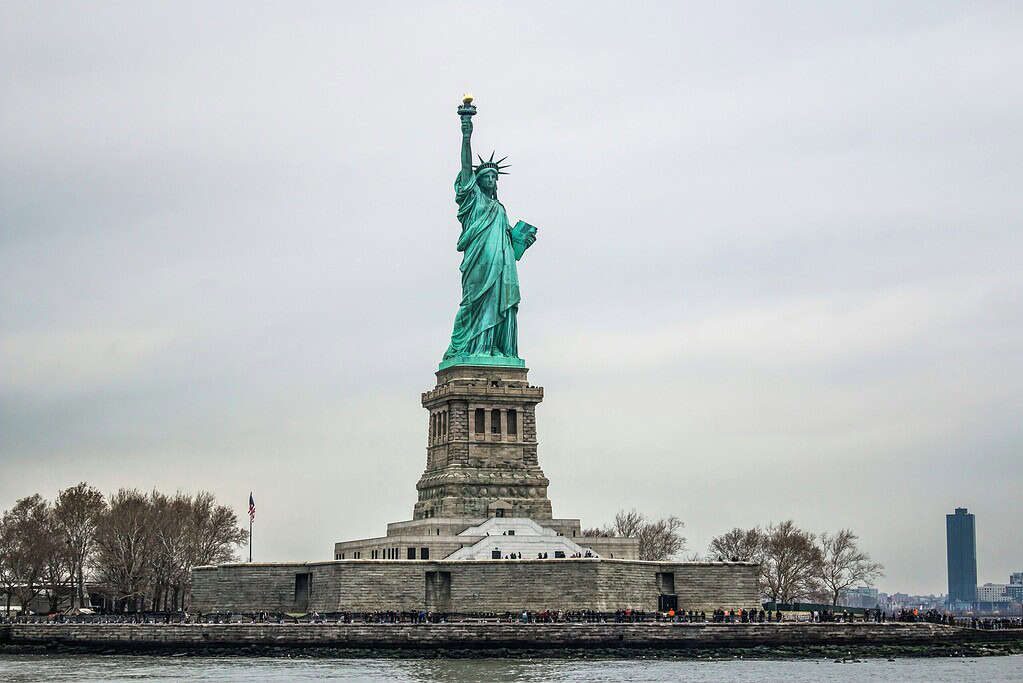
The Staten Island Ferry is the most obvious example. It runs 24 hours a day, is completely free, and sails directly past the Statue of Liberty and Ellis Island, offering essentially the same view that paid harbor cruise companies charge $40-70 for.
The ride takes about 25 minutes each way, and riding it round trip during golden hour gives you skyline views that rival any paid observation deck.
Beyond the ferry, Governors Island is reachable by a low-cost or seasonally free ferry and offers open green space, art installations, and skyline views with essentially no entry cost.
The High Line, Central Park, Brooklyn Bridge Park, and the walk across the Brooklyn Bridge itself are all completely free and rank among the most talked-about experiences visitors have in the city.
A New York itinerary that balances paid headline attractions with these free experiences costs significantly less than one that treats every activity as a ticket purchase.
Be careful of the classic tour scam in Battery Park selling tours, don’t bother, the tour isn’t nearly as good as the official tour and its more expensive!
Fly Into Newark Instead of JFK When the Math Works
This is one of the least understood money-saving opportunities for New York specifically, and it requires a bit of route-specific research before booking.
Newark Liberty International Airport frequently has meaningfully cheaper fares than JFK or LaGuardia for the exact same route and dates, sometimes by $100-400 per ticket, particularly on international and United-operated routes.
But the ground transport gap is real and needs to be part of the math, not an afterthought. A taxi from Newark into Manhattan runs $70-100, noticeably more than the equivalent trip from JFK, and ongoing construction at Newark’s AirTrain has made terminal pickup less predictable than it used to be.
The catch is that this only pays off if you actually check fares across all three airports and then subtract the ground transport difference before deciding.
A flight into Newark that’s $50 cheaper isn’t a win once you’ve paid the higher taxi fare. As a rough rule, the flight needs to be meaningfully cheaper, closer to $150-200, before Newark comes out ahead once transport is factored in.
The Newark Airport Express shuttle bus into Midtown is the better value option if you land there, cheaper and more predictable than a taxi.
For travelers with flexible dates, running this comparison before booking can still be the single largest money-saving move on this entire list, just make sure you’re comparing total trip cost, not flight price alone.
Get Free Tickets to Live TV Show Tapings
Most visitors don’t realize that a genuinely fun, completely free activity is sitting in the audience of a live television taping in New York, and the ticket process is more accessible than people assume.
Shows filmed in New York, including late-night talk shows and various daytime programs, offer free audience tickets through their official websites, typically released weeks or months in advance for popular shows and sometimes with same-day standby lines for last-minute availability.
Late Night with Seth Meyers and The Daily Show are two of the most consistent options, both taping multiple times a week with tickets released through their official sites.
The experience itself, watching a live studio audience taping with the energy of a real production, is something most visitors never think to look into.
One thing worth checking before you plan around this: the New York TV taping landscape shifts fairly often, shows end their runs, new ones launch, and schedules change with little warning.
Always confirm a show is still actively taping and pulling ticket requests before building a day around it rather than relying on an older list.
The specific move: check ticket release dates for shows filming during your visit before you travel, since the most popular tapings can require booking months ahead, while less in-demand shows sometimes have same-week availability.
This is a genuinely free activity that fills an entire morning or afternoon and gives visitors an experience that money literally cannot buy at any price for locals who haven’t planned ahead.
Stay in Long Island City or Jersey City Instead of Manhattan
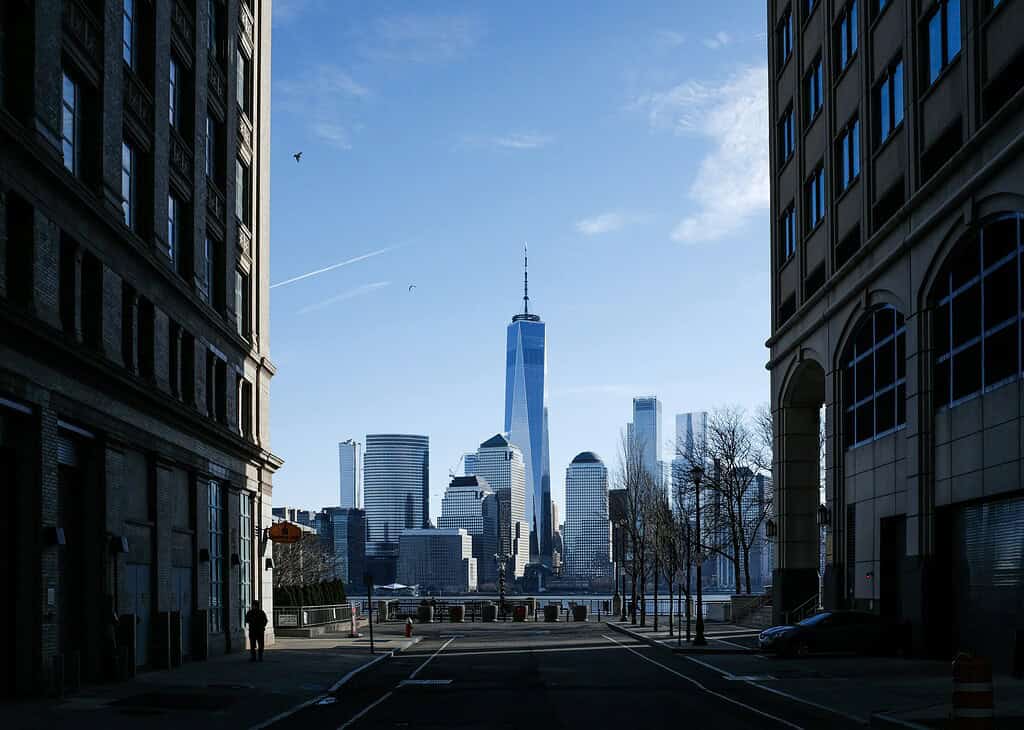
New York’s hotel and short-term rental prices in Manhattan are some of the highest in the country, and understanding the neighborhoods just across the river helps visitors access dramatically better value without meaningfully increasing their commute.
Long Island City in Queens sits one subway stop from Manhattan on multiple lines, with skyline views that arguably beat many Manhattan hotel rooms, at nightly rates that run 30-50% below comparable Manhattan properties.
Jersey City offers a similar dynamic via PATH train, which runs 24 hours and connects directly to lower and midtown Manhattan in under 15 minutes for the same fare as the subway.
The rooms in both areas tend to be larger and more modern than equivalent-priced Manhattan hotels, since newer construction has been more feasible outside the borough’s tightest real estate constraints.
For travelers comfortable with one additional train connection, the nightly savings compound significantly across a week-long trip and free up budget for the experiences and meals that matter more than the neighborhood printed on your hotel address.
Only Buy a City Attraction Pass If You’ll Actually Hit the Break-Even Point

City passes bundling multiple paid attractions into one ticket, covering things like the Empire State Building, the 9/11 Museum, and various observation decks, can genuinely save money, but only for visitors whose itinerary already includes enough of the included attractions to make the math work.
These passes typically cost $130-180 depending on the tier, and the savings only materialize if you’re realistically visiting three or more of the included paid attractions during your trip.
Calculate the individual ticket prices for the specific attractions you actually plan to visit before buying, since many visitors purchase the pass assuming savings and end up using fewer attractions than the break-even point requires.
The passes make the most financial sense for first-time visitors planning an attraction-heavy few days, and the least sense for repeat visitors or anyone prioritizing neighborhoods and food over paid observation decks and landmark entry fees.
Visit in January or February and Book Well Ahead
Two straightforward habits that save meaningful money on accommodation across any New York trip, and the combination of both saves more than either does individually.
Hotel rates in January and February run significantly below the summer and December holiday peaks, sometimes 40-50% lower for the same room in the same neighborhood.
The lower demand also means better availability for popular restaurants and attractions without the advance booking pressure that defines summer and the holiday season.
Booking flights and accommodation two to three months in advance locks in the best available rates before demand pushes prices upward.
This matters most during the December holiday season, spring school break weeks, and any period overlapping with major events or conventions, when popular hotels sell out entirely at any price if you wait too long.
The combination of off-peak timing and advance booking is the most passive money-saving strategy on this list, it requires no behavioral change during the trip itself, just planning decisions made before you leave home that pay off for the entire stay.

Final Thoughts on Saving Money in NYC
New York is not the budget destination and it doesn’t need to be. The value at every price point in New York is extraordinary, and the city delivers experiences that justify the cost of a well-planned NYC trip.
But the gap between an NYC trip that costs more than it needed to and one that stays within a sensible budget comes down entirely to preparation.
The OMNY cap tracked correctly. The Restaurant Week reservation booked early. The bodega breakfast instead of the sit-down brunch.
The Staten Island Ferry chosen over the paid harbor cruise. None of these are sacrifices. They’re just the smarter version of decisions you were going to make anyway.
Apply them consistently and New York becomes significantly more accessible than its reputation suggests, without giving up a single thing worth having.

Is New York expensive to travel?
More so than most US cities but comparable to other major global capitals for a well-planned trip. Daily costs for a mid-range traveler run $150-250 including accommodation, food, and transport.
The smart habits above, the OMNY cap, bodega meals, free attractions, bring this meaningfully lower without reducing the quality of the experience.
Is NYC Restaurant Week still running in 2026?
Yes, it continues to run twice a year, once in winter and once in summer, each stretching close to three weeks.
Check the official NYC Restaurant Week dates before your trip and book participating restaurants as early as possible, since the best tables fill within days of the promotion opening.
Is a NYC attraction pass worth buying?
Only if your itinerary genuinely includes three or more of the included paid attractions.
Calculate individual ticket prices for the specific things you plan to see before purchasing, since many visitors buy the pass assuming savings and end up using fewer attractions than the break-even point requires.
What is the cheapest time to visit NYC?
January and February offer the lowest hotel rates and smallest crowds of the year.
Late September through early November is the best shoulder season window, good weather, manageable crowds, and meaningfully lower prices than the summer and December holiday peaks.
