
10 Days in Central Vietnam: Ultimate Itinerary
Central Vietnam offers one of the most balanced and rewarding travel experiences in the country.
With a coastline that stretches along the East Sea, ancient towns steeped in history, bustling local markets, and some of the best food in Vietnam, this region has something for every type of traveler.
When many travellers start planning their Vietnam itinerary, one of the first decisions is whether to cover the whole country or focus on a specific region.
Central Vietnam has a clear advantage, it gives you a little bit of everything. From cities and beaches to historic towns and even nearby mountains, this part of the country captures Vietnam’s diversity in one manageable route.
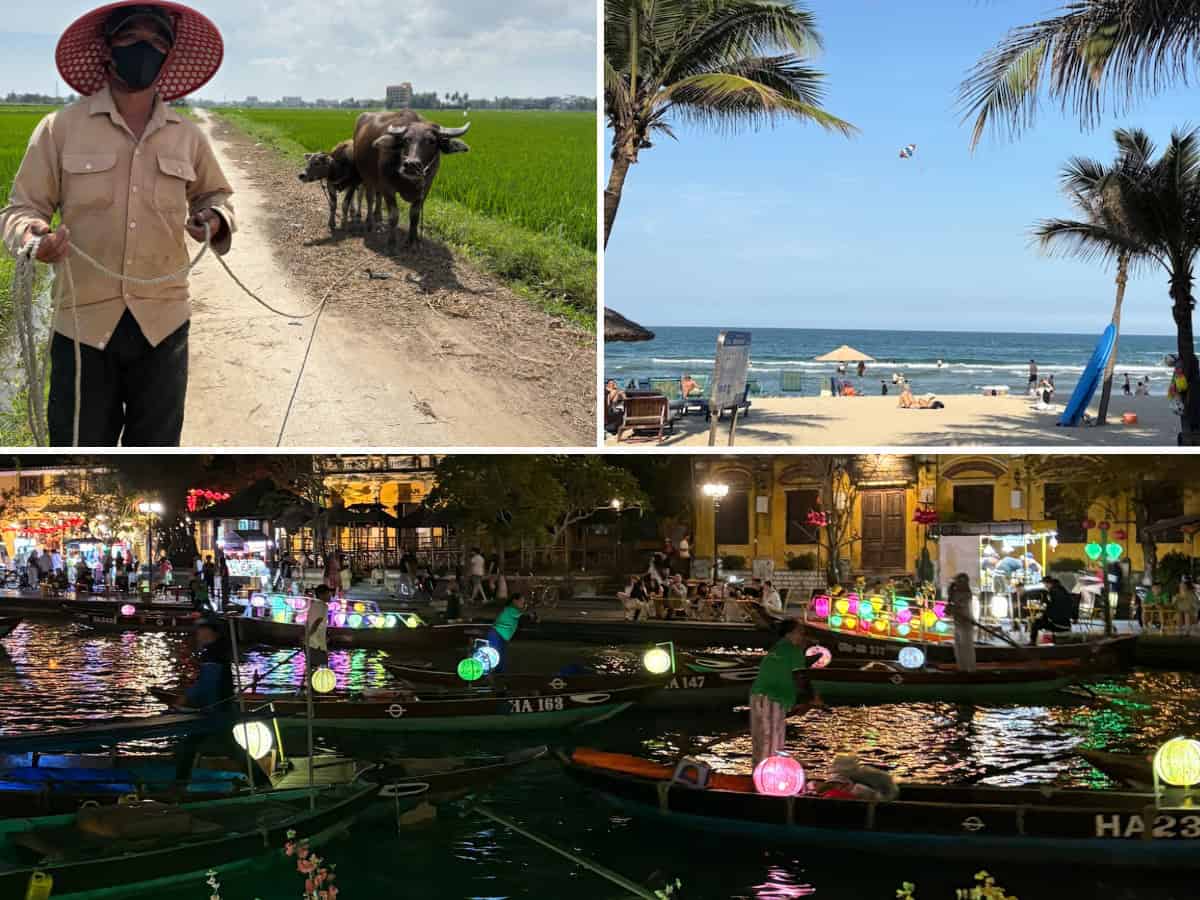
This 10 day Central Vietnam itinerary takes you through the region’s highlights, from Da Nang’s coastal energy to the charm of Hoi An’s lantern-lit streets.
You’ll explore historic sites, enjoy laid-back beach days, and even have the option to take a memorable day trip to Hue, Vietnam’s former imperial capital.
Whether you’re flying into Da Nang and staying local, or incorporating this region into a larger Vietnam trip, this itinerary is designed to help you see the best of Central Vietnam without feeling rushed.
10 Day Central Vietnam Itinerary Overview
- Da Nang: 2 Days including arrival, coastal walks, and nearby highlights like Marble Mountains
- Hoi An: 3 Days exploring the Ancient Town, nearby beaches, and cultural experiences like lantern nights or a cooking class
- Da Nang Return: 5 Days to relax, explore more of the city, take an optional day trip to Hue, and wrap up your trip at an easy pace
Quick Travel Tips for Central Vietnam
Timing Your Trip Matters: This part of Vietnam has distinct dry and rainy seasons. The dry season (typically February to August) is the best time to visit Central Vietnam to enjoy its beaches, heritage towns, and outdoor activities.
Visa Requirements: Most travellers need an e-visa to enter Vietnam. Apply 1–2 weeks ahead, and double-check your information, even minor mistakes can delay approval.
Helpful Travel Apps: Grab for rides, 12Go for trains and buses, and Vietnam Airlines for domestic flights make getting around simple and smooth.
Cash Still Wins: While cards are more accepted than ever, cash is essential at local markets, street stalls, and family-run spots. Don’t rely on cards alone.
Look for Fee-Free ATMs: VPBank (green) and TPBank (purple) are your best bet to avoid withdrawal fees with foreign cards.
Stay Scam-Smart: Common scams include overpriced taxi rides, rigged meters, or vendors hiking up prices. Keep small bills handy, and always agree on prices upfront.
Days 1–2: Arrival & Exploring Da Nang
You’ll kick off your 10-day adventure in Da Nang, a vibrant city that marks the heart of Central Vietnam.
It’s a place where modern skyscrapers meet long stretches of beach, and where city buzz and coastal calm live side by side.
Da Nang is the central hub of the region and the most convenient place to fly into. From here, you’ll be well-positioned to explore the rest of Central Vietnam.
But before moving on to nearby towns like Hoi An or Hue, these first two days are all about getting your bearings, sampling the local cuisine, and visiting a few cultural landmarks.
Day 1: Arrival, Waterfront Walk & Local Eats
After arriving in Da Nang, take some time to settle in and get your bearings. Depending on your arrival time, you’ll likely have a few hours to ease into the city.
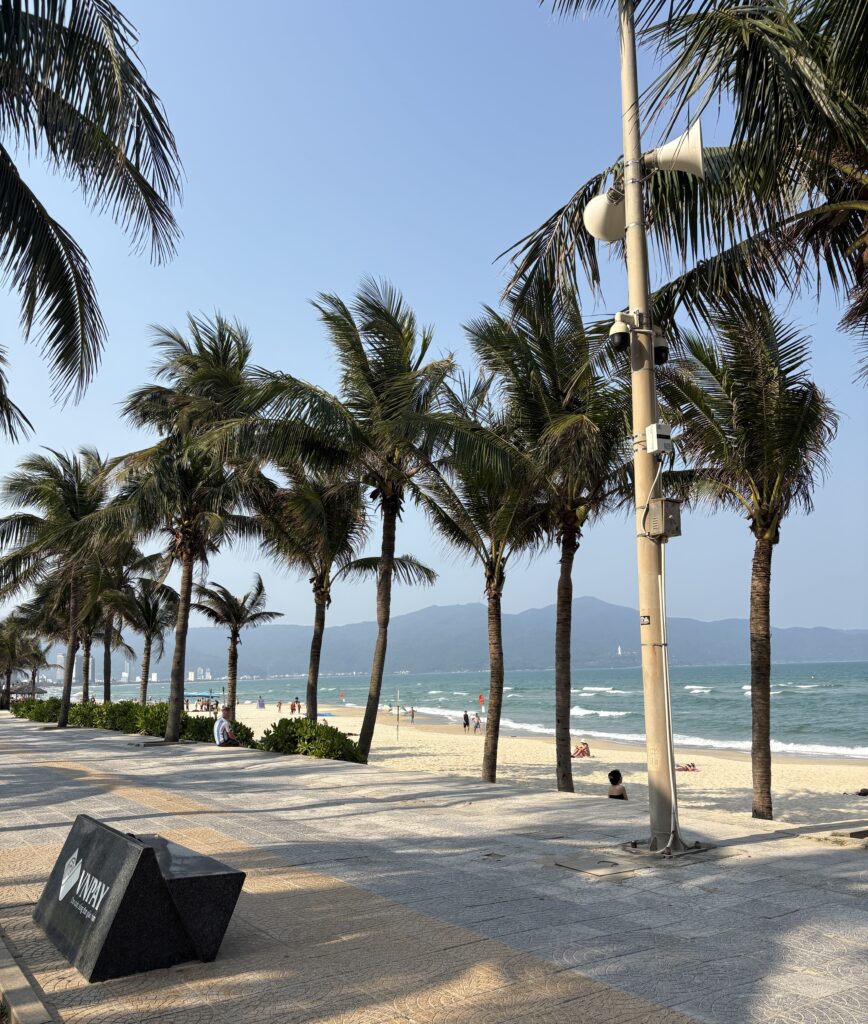
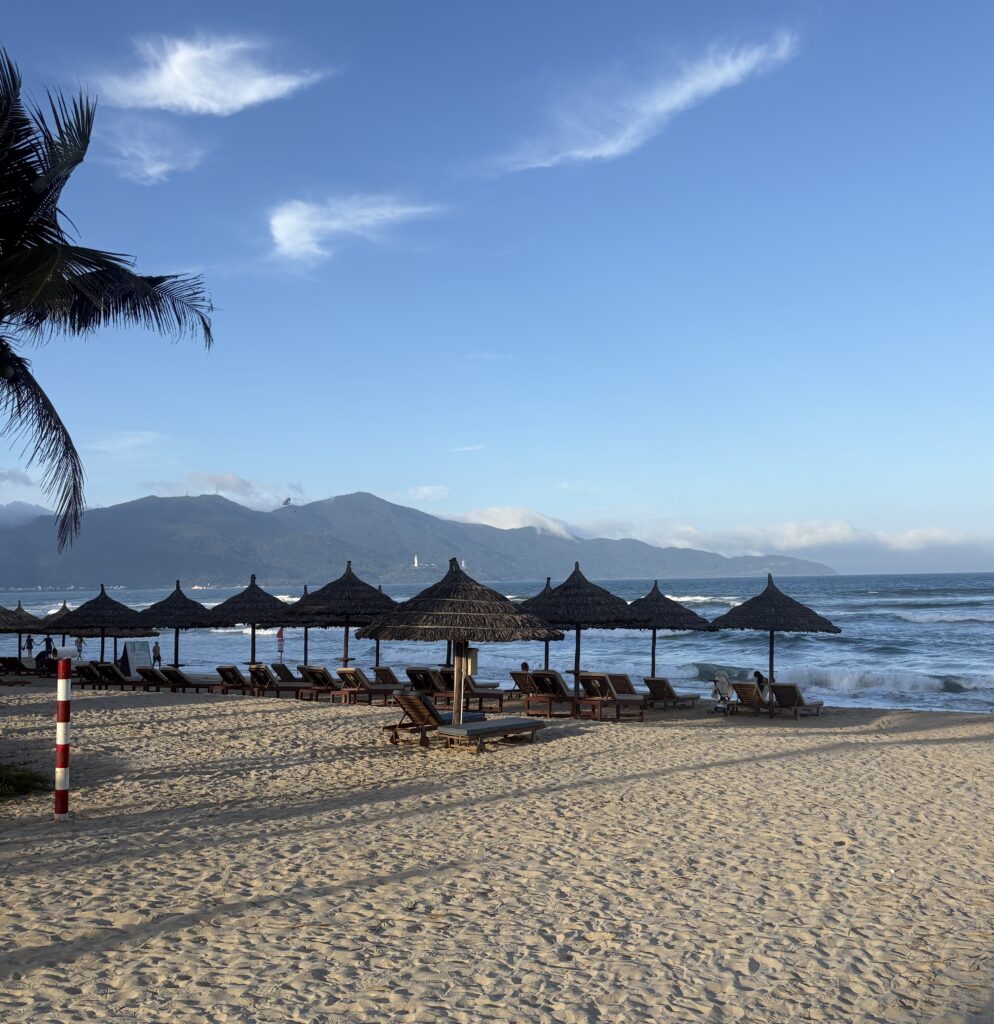
Start your exploration with a walk along the coastal boardwalk, one of Da Nang’s best features. It’s spacious and always full of life.
Whether you’re there at sunrise, when locals fill the beach for early-morning swims or in the evening, this stretch stays active and scenic, with beach bars, loungers, and that signature mountain-backed coastline creating the perfect welcome.
When you’re ready for dinner, dive into Central Vietnamese dishes. Try Mi Quang, a turmeric noodle dish native to the region, or go for banh xeo (crispy pancakes) and nem lui, grilled pork skewers wrapped in rice paper.
These dishes are local Central Vietnam staples and an easy intro to the region’s bold cuisine.
Day 2: Marble Mountains & Han Market
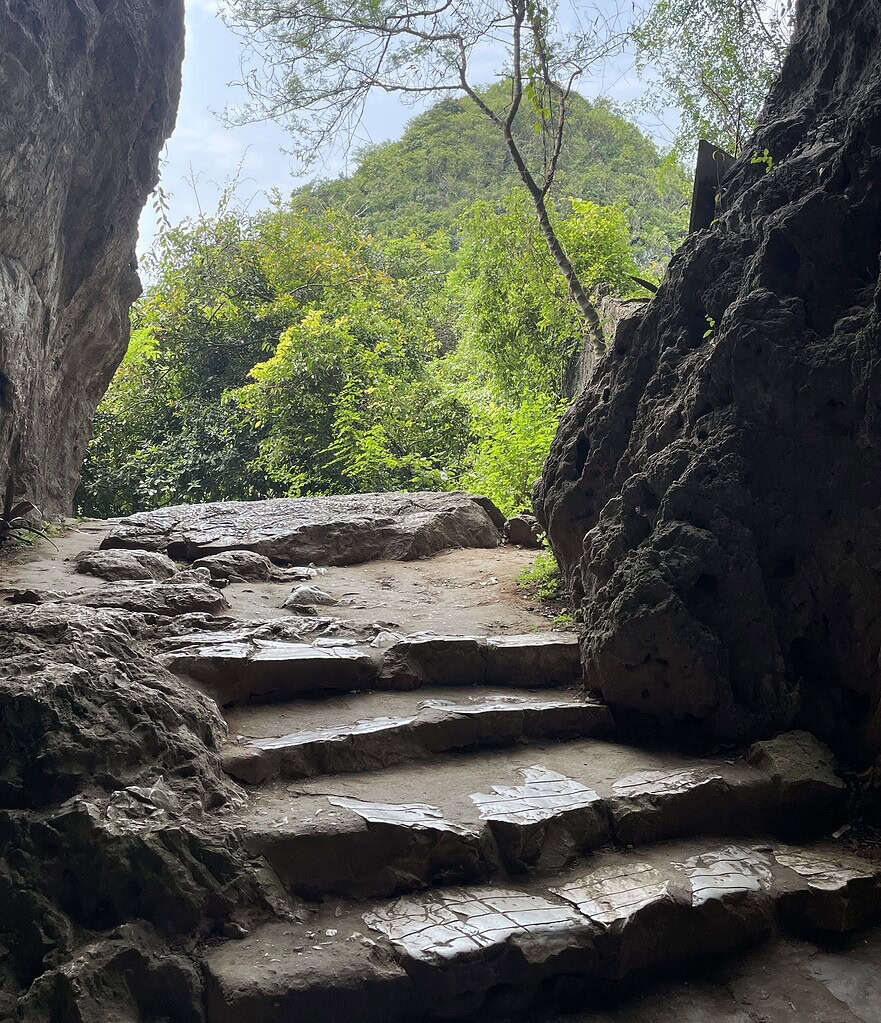
Start your day with a morning visit to the Marble Mountains, a cluster of five limestone and marble hills just a short drive from the city centre.
You’ll find pagodas tucked into caves, scenic viewpoints overlooking the coastline, and plenty of photo-worthy corners. Wear good shoes, there are quite a few stairs, and bring water, especially if you’re visiting during the warmer months.
Afterwards, grab lunch nearby or head back toward Da Nang’s centre. This afternoon is a great time to explore Han Market, one of the city’s main local markets.
It’s a lively spot where you’ll find everything from dried fruits and local spices to tailored clothes and souvenirs.
The pace is fast and the vendors are chatty, perfect for a quick dive into everyday local life.
End your day with dinner at a riverside, a rooftop or beachside restaurant, depending on where you’re staying.
If it’s the weekend, you might catch the famous Dragon Bridge fire and water show in the evening, it’s fun, loud, and draws a big crowd.
Days 3–5: Exploring Hoi An
After two days in Da Nang, it’s time to change pace. Just about 45 minutes away, Hoi An welcomes you with lantern-lit streets, historic architecture, and a much slower rhythm of life.
This UNESCO-listed town is often considered one of Vietnam’s most charming destinations, and for good reason.
Hoi An blends preserved heritage with relaxed beachside living. It’s walkable, visually stunning, and offers something for every kind of traveller, from culture lovers to foodies to beachgoers, with plenty of things to do in Hoi An that go far beyond just snapping lantern photos.
And while it’s touristy in some ways, it still manages to retain its authentic spirit, especially once you step outside the Old Town core.
Day 3: Travel to Hoi An & Explore the Ancient Town

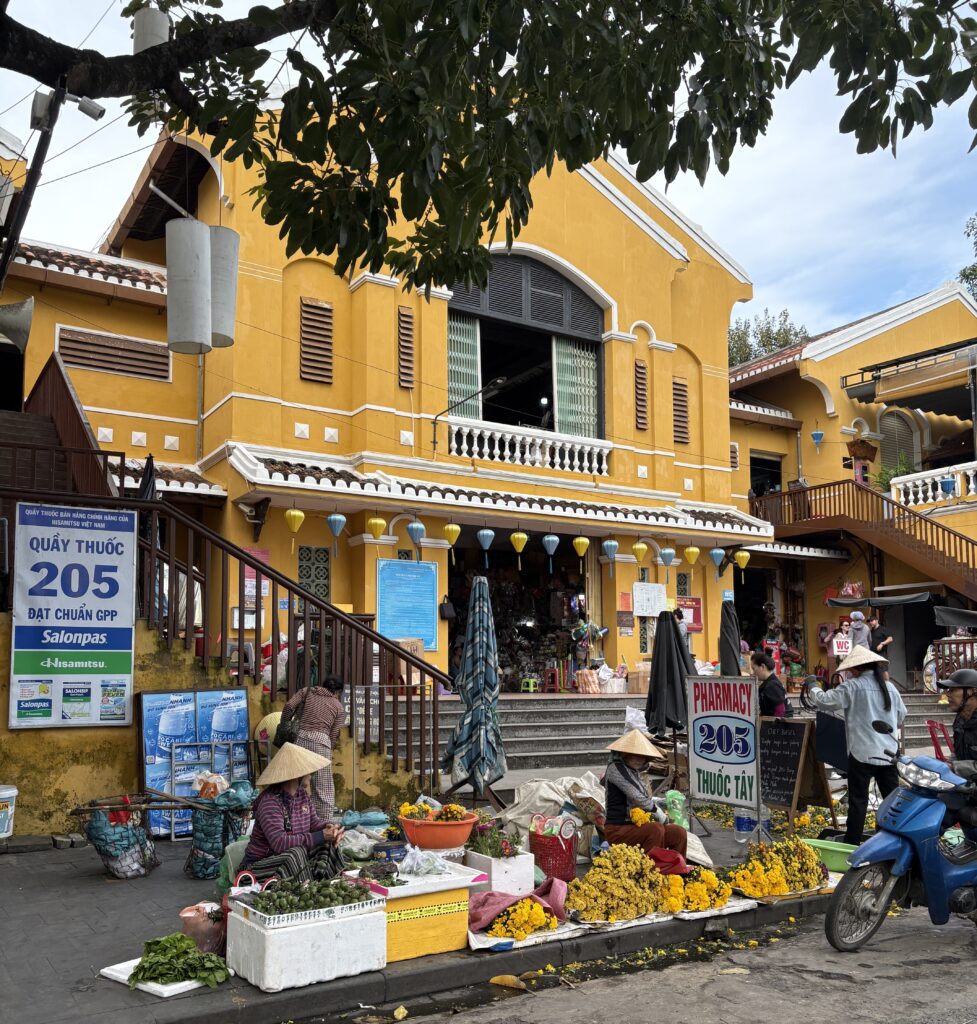
It’s time to head to Hoi An, one of Vietnam’s most beloved towns. The ride takes about 45 minutes, and you’ll notice the change of pace almost immediately as the busy streets give way to quieter, tree-lined roads and yellow-washed buildings.
You can either book a private transfer to get there or just book a Grab taxi on the spot on the app.
Once you’ve checked into your hotel, spend the afternoon getting to know the Ancient Town.
This well-preserved trading port feels like a step back in time, with narrow lanes, tiled rooftops, and architecture influenced by Chinese, Japanese, and French styles. You don’t need an itinerary for today, just wander.
Some streets are pedestrian-only during certain hours, so it’s a great place to explore on foot.
Walk along the riverside, browse the lantern shops and tailor boutiques, and stop by the Japanese Covered Bridge, one of the town’s most iconic landmarks.
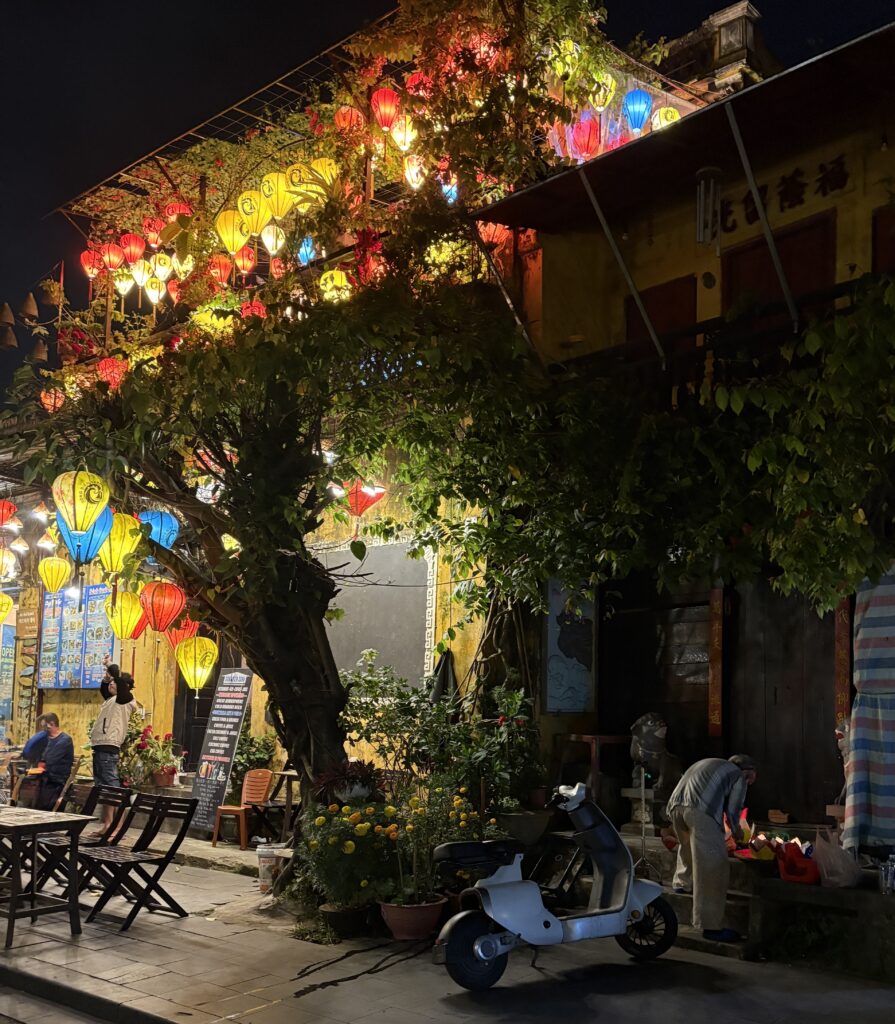
As the sun sets, the town really comes to life. Thousands of colorful lanterns begin to glow, and the river fills with boats carrying travelers floating candle-lit wishes downstream. If you want to join, boat rides are easy to arrange along the main riverbank.
For dinner, you’ve got plenty of options. From street-side cao lau noodles to elegant restaurants tucked away in colonial buildings.
Day 4: Fresh Market Morning, Bicycle to the Beach & Dinner
Start your morning early with a walk through one of Hoi An’s fresh markets, the Central Market near the riverside is the most lively.
You’ll see stalls overflowing with tropical fruit, herbs, seafood, and spices, all being bartered over by locals. After your morning market stroll, finish it off with a street side Vietnamese coffee and people watch.
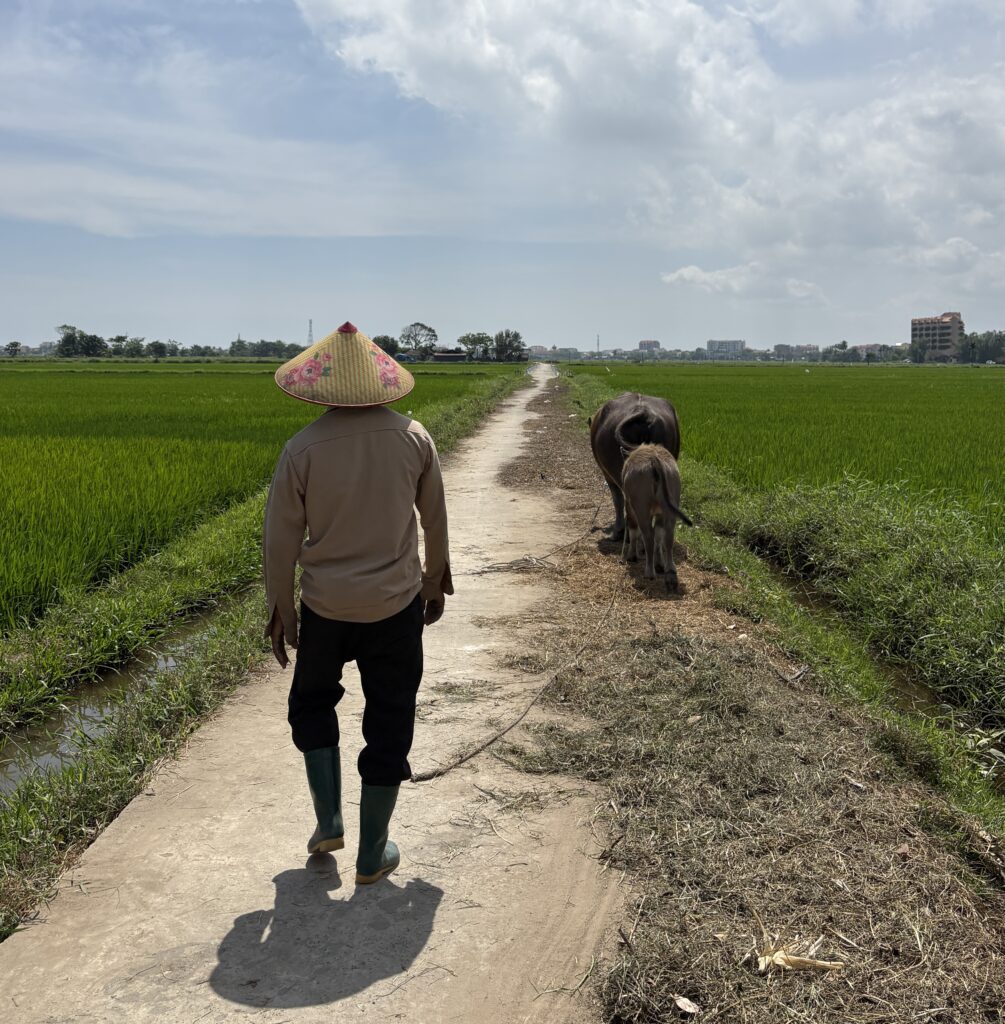
Later in the morning, take part in my favourite activity to do in Hoi An, rent a bicycle and head toward An Bang Beach.
The ride takes around 15–20 minutes through the countryside and rice paddies, and it’s one of the most peaceful ways to experience the outskirts of Hoi An.
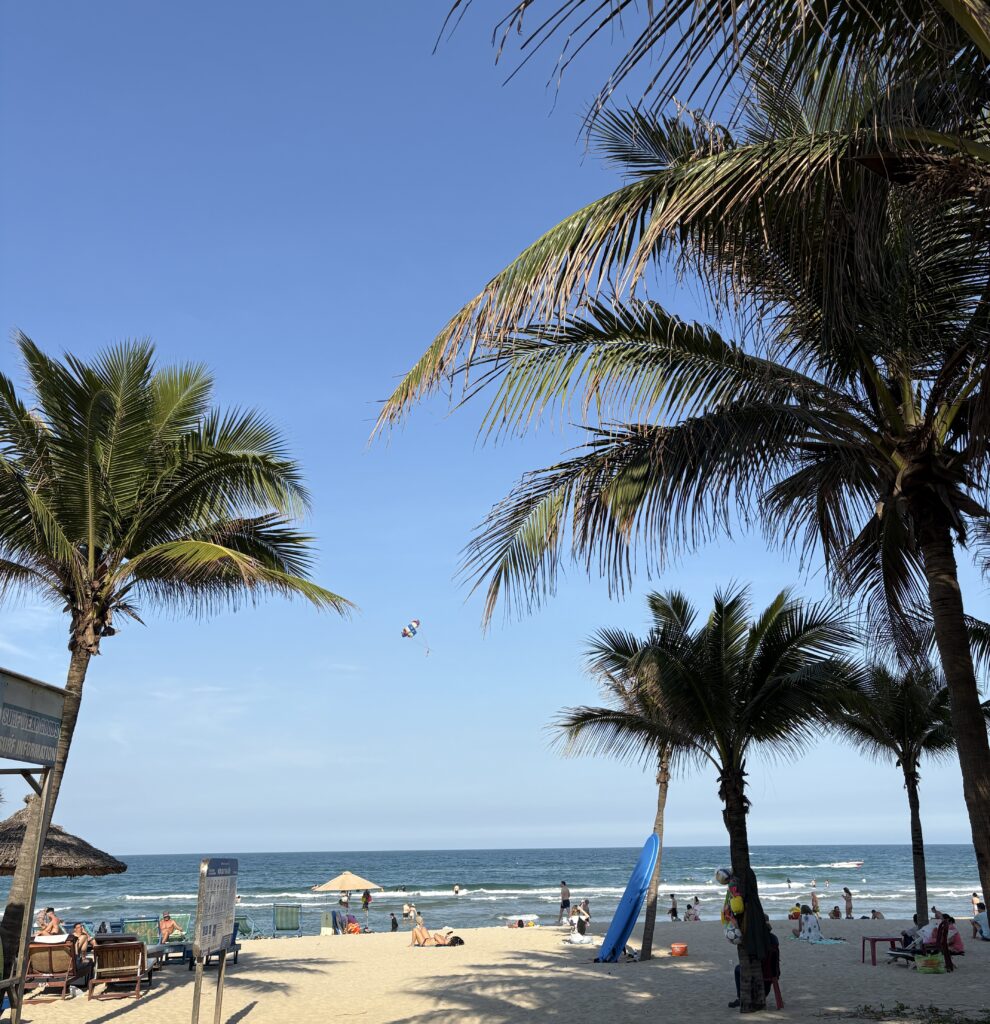
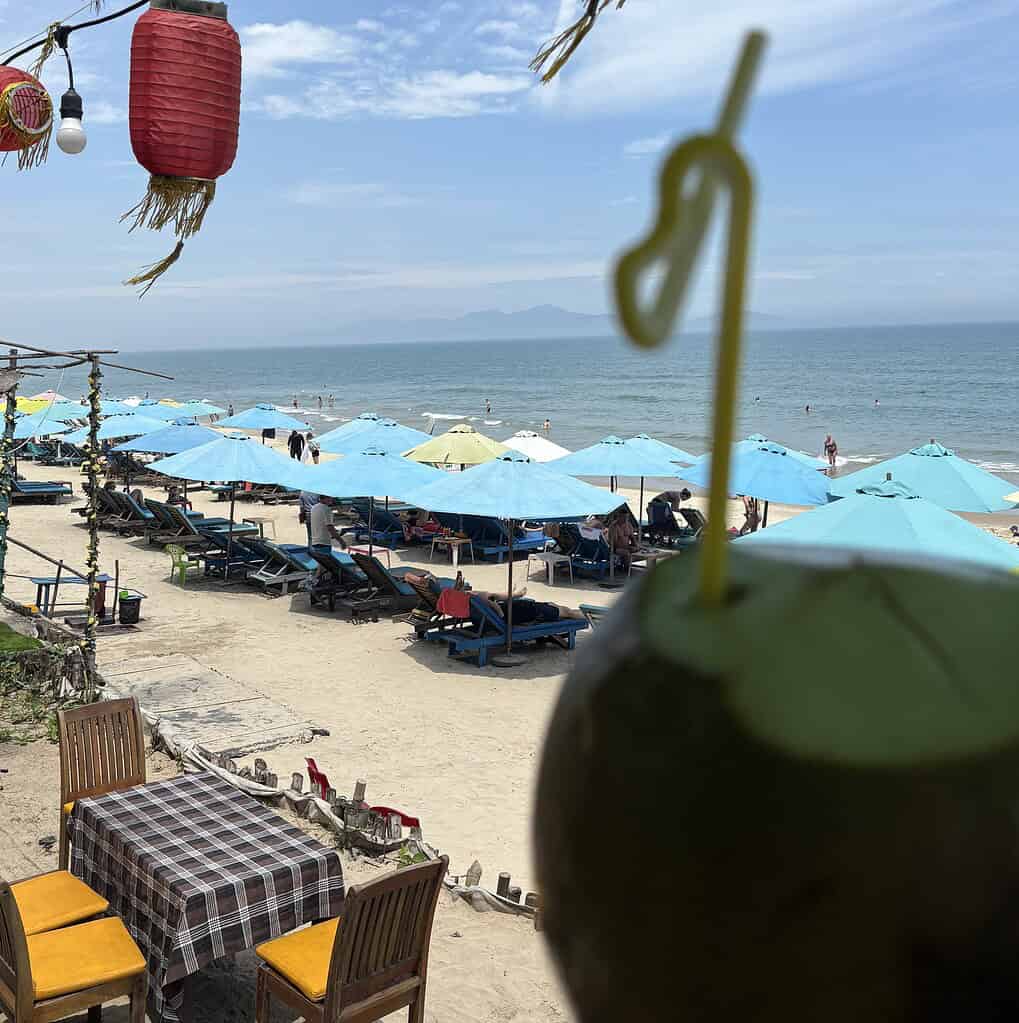
Once you arrive at the beach, grab a lounger, order a fresh coconut or a smoothie, and enjoy a few slow hours under the sun.
An Bang has a relaxed atmosphere with a mix of casual beachfront cafes and more upscale spots, nothing too built up, just the right balance.
By late afternoon, make your way back into town, and take your time wandering again before dinner. You could opt for a nice sit-down meal at a restaurant like Morning Glory or if you prefer something more quick, visit one of my favourite banh mi spot’s in Hoi An.
Day 5: Cooking Class or Trip to Cham Islands & Shopping

Hoi An is one of the best places in Vietnam to take a cooking class. Most classes begin with a short market tour in the morning, where you’ll learn about local ingredients and traditional spices.
From there, you’ll head to a kitchen some even take place on farms or by the river, where you’ll cook multiple dishes like banh xeo (crispy pancakes), fresh spring rolls, and more.
Not only do you get to enjoy your own creations for lunch, but you’ll also walk away with new skills and recipes you can recreate at home, plus a better understanding of Vietnamese cuisine.
If you’re more in the mood for nature, opt for a full-day trip to the Cham Islands, just off the coast.
These islands are part of a protected marine biosphere and offer a chance to snorkel in clear waters, relax on quiet beaches, and explore simple island life.
Tours usually include hotel pickup, boat ride, lunch on the island, and snorkelling stops.
While the beaches aren’t as polished as Phu Quoc’s located in southern Vietnam. The island is perfect if you’re craving something a little off the main tourist track.
Back in town, use your final evening in Hoi An to pick up any souvenirs or tailored clothing if you haven’t already.
This is a great night to visit a tailor for last fittings or pick up custom sandals or leather goods, Hoi An is my favourite place to purchase clothing and souvenirs in Vietnam.
Wrap up your stay with a relaxed dinner by the river and maybe one more stroll through the lantern-filled alleyways, Hoi An truly glows at night, and it’s worth soaking up every last minute.
Days 6–10: Return to Da Nang for More Exploring
After a few days soaking in Hoi An’s timeless charm, it’s time to head back to Da Nang for the final stretch of your Central Vietnam itinerary.
Now that you’re more familiar with the region, these next few days give you the flexibility to see more of Da Nang at a relaxed pace, whether that’s catching some sun at the beach, heading north for a scenic day trip to Hue, or just exploring parts of the city you may have missed earlier.
This return leg of the trip also helps with logistics, since you’ll be flying out from Da Nang, so think of this as a chance to wind things down, without rushing, and close out your trip on a high note.
Day 6: Return to Da Nang, Lunch & Lady Buddha
After breakfast in Hoi An, make your way back to Da Nang. The drive is usually around 45 minutes to an hour depending on traffic, so you’ll have most of the day still ahead of you.
Once back in town, check into your hotel and grab lunch at a local spot at Banh Mi Ba Dao, a known banh mi shop by the beach, though the family serves a wide variety of Vietnamese dishes to try.
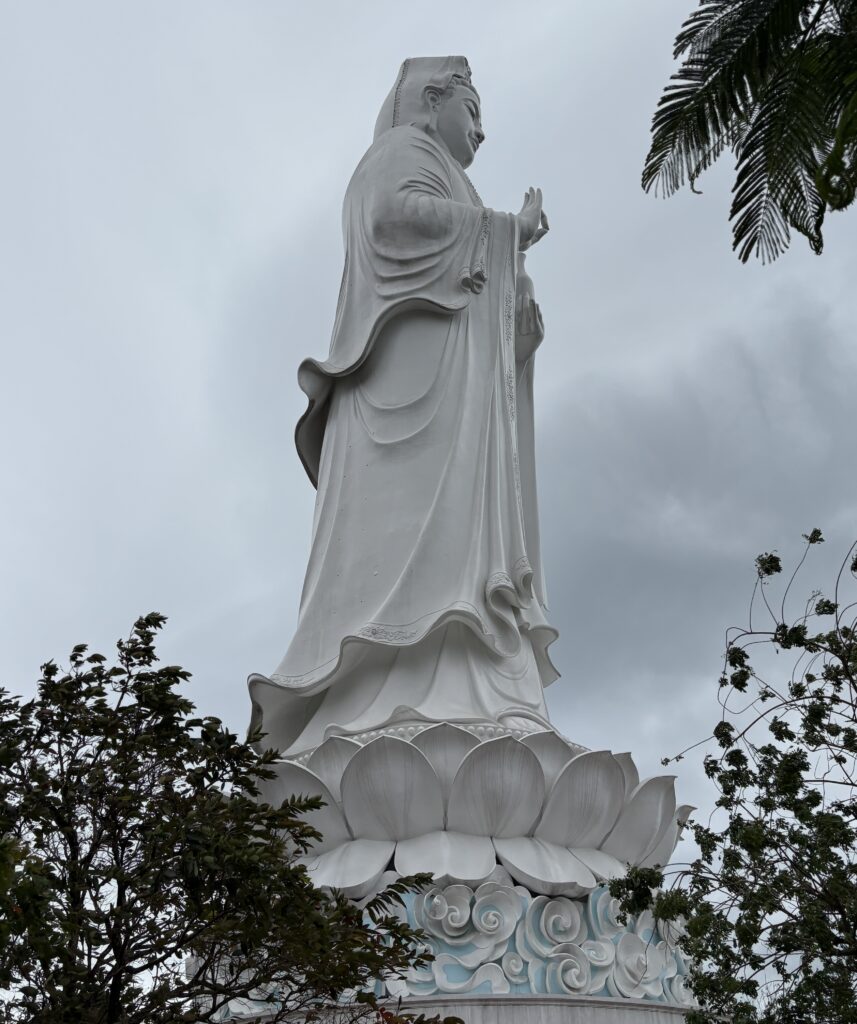
In the afternoon, head toward the Son Tra Peninsula to visit the towering Lady Buddha statue.
Standing at 67 meters, she overlooks the sea and is one of the most recognizable landmarks in Da Nang.
The views from here are incredible, on a clear day, you can see the curve of Da Nang’s coastline stretch for miles.
Wrap up the evening by attending a Han River night cruise, a relaxing way to see Da Nang’s skyline, bridges, and riverside landmarks all illuminated after dark.
Day 7: Day trip to Ba Na Hills (Golden Bridge) or My Son Sanctuary

Today’s all about choosing your own adventure, whether you want a surreal mountaintop theme park experience or a journey into ancient Cham history.
Ba Na Hills offers iconic views and photo spots, while My Son Sanctuary takes you deep into nature and Vietnam’s ancient past.
A popular pick for first-timers, Ba Na Hills is known for its famous Golden Bridge held by two massive stone hands.
But there’s more than just the photo-op. You’ll ride one of the world’s longest cable cars to reach a hilltop resort with European-style architecture, gardens, and attractions.
Yes, it’s touristy, but it’s also fun and incredibly scenic. If you go, plan to leave Da Nang in the morning to make the most of your day.
For a quieter, more cultural day, consider a trip to My Son Sanctuary, a UNESCO World Heritage Site located in a jungle valley about 90 minutes from Da Nang.
These red brick temple ruins date back to the Champa Kingdom and offer a fascinating look at Vietnam’s pre-colonial history. A guided tour here can really bring the site to life.
Whichever path you take, return to Da Nang in the evening and enjoy a laid-back dinner, tomorrow offers another great adventurous day.
Day 8: Optional Day Trip to Hue

If you’re up for a day of history, architecture, and imperial charm, a day trip to Hue is well worth it.
Once the capital of Vietnam, Hue is known for its royal citadel, tombs, and pagodas, all set along the peaceful Perfume River.
It’s about a 2.5–3 hour drive each way, but many guided tours include round-trip transport, making it an easy and enriching day.
Hue also has a quieter, more local feel compared to Da Nang and Hoi An. While still popular, it’s far less touristy and offers a deeper look at everyday life in Central Vietnam, especially if you explore beyond the main historic sites and into the town’s smaller neighbourhoods.
If you’d prefer to stay in Da Nang, there are still many other things to do in Da Nang, from temples and markets to beachside cafes and riverside walks. Either way, today gives you the freedom to choose your pace.
Day 9: Relaxing Beach Day, Massage & Final Dinner

After several days of exploring and day-tripping, today is all about slowing down and enjoying the best of Da Nang’s coastline.
Start your day with a laid-back breakfast, then head to My Khe Beach, known for its long stretch of soft sand and waves, great for beach walks, sunbathing, or watching local surfers in action.
In the afternoon, treat yourself to a massage or spa treatment. Da Nang has plenty of affordable and high-quality spots, whether you want a traditional Vietnamese massage or something more luxurious.
As the sun sets, plan a final dinner to reflect on the trip. You could opt for a beachfront restaurant for sunset views or head into the city for something more local.
Whether you go casual or upscale, make it a memorable meal to wrap up your time in Central Vietnam.
Day 10: Departure Day
It’s your final day in Central Vietnam, and depending on your flight time, you might be able to squeeze in one last moment by the beach or grab a final Vietnamese coffee at a cafe in Da Nang.
If you still need to pick up a souvenir or two, swing by a local shops, there’s several by the beach, I recommend buying some dry fruit to take home, one of my favourites to buy in Vietnam.
Make sure to head to the airport with a bit of time to spare, Da Nang’s airport is close to the city centre and usually a smooth experience, but it’s still best not to cut it too close.

Best Time to Visit Central Vietnam
Central Vietnam has a more defined seasonal pattern compared to the south, and knowing when to go can make a big difference in your travel experience.
This region experiences a mix of coastal and tropical climates, with a distinct dry season and a rainy season that can be quite intense at times.
What sets Central Vietnam apart is its variation. While you’ll still get plenty of sunshine during the dry months, the rainy season here can bring heavy downpours and even occasional flooding, especially in Hoi An.
Dry Season (February to August)
This is the ideal time to visit. Expect warm temperatures, plenty of sun, and minimal rainfall, perfect for exploring ancient towns, beach days, or heading out on day trips.
Temperatures range from 28°C (82°F) to 35°C (95°F), especially in the summer months.
Rainy Season (September to January)
Rain starts to pick up in September, with peak monsoon season typically hitting October and November.
These months can see extended periods of rain, and in some years, storms and typhoons may affect coastal areas.
That said, December and January tend to cool off a bit and dry out slowly, offering a quieter, but less predictable, travel experience.
If you’re planning a beach-focused trip, stick to the dry season. But if you’re more about food, culture, and don’t mind the occasional downpour, shoulder months like February or September can still offer a great experience.
Where to Stay in Each Place on This Itinerary
Both Da Nang and Hoi An cover more ground than most travellers expect, so staying in the right area can make your trip smoother.
You don’t want to spend unnecessary time commuting, especially if you’re only in each spot for a few days.
Choosing the right base helps you get more out of each day, whether that’s catching a sunrise at the beach or walking straight into the old town from your hotel.
Da Nang (Days 1–2 & 6–10)
For first-timers, staying near My Khe Beach is the sweet spot. It offers quick access to the coastline, a variety of cafes and restaurants, and a relaxed vibe, while still being a short Grab ride away from downtown and sights like the Dragon Bridge.
- TMS Hotel Da Nang Beach – A sleek, modern hotel with beach views, a rooftop pool, and spacious rooms. Great for travellers who want style and convenience by the water.
- Minh Boutique Hotel – A mid-range gem just a few blocks from the beach. Known for its peaceful design, small indoor pool, and café. It feels boutique without breaking the bank.
- Rom Casa Hostel Da Nang – Built out of repurposed shipping containers, this affordable hostel is quirky, clean, and steps from My Khe Beach, perfect for budget-conscious travellers who still want a cool space.
Hoi An (Days 3–5)
Hoi An’s layout is split between the Ancient Town and the beach, so your stay depends on what you want more of.
If it’s lantern-lit streets and markets, go with a place near the Old Town. If you’re after quiet days by the sea, head toward An Bang Beach.
- Aira Boutique Hoi An Hotel & Villa – A refined boutique stay just steps from An Bang Beach. With stylish rooms, a pool, and attentive service, it’s ideal for those wanting a luxury experience without the resort crowds.
- Hoi An Central Boutique Hotel & Spa – Just outside the Old Town, this mid-range hotel offers comfort, a pool, and complimentary bikes to get around easily.
- Mad Monkey Hoi An – A popular budget hostel that blends social energy with great facilities, including a pool and on-site bar — perfect for backpackers looking to meet others.
Final Thoughts on Visiting Central Vietnam
Central Vietnam offers a distinct experience compared to the country’s larger northern and southern cities.
For first-time visitors, especially families or couples, it’s one of the easiest and most enjoyable ways to ease into Vietnam.
It has the culture, food, and historical depth you’d hope for, but with a more laid-back energy that makes travel feel smooth and relaxed.
Unlike the constant buzz of Hanoi or Saigon, the central region moves at a different pace.
Even in Da Nang, which is a growing city with a skyline and lively beach scene, you’ll notice that things just feel calmer.
The streets aren’t as hectic, the beaches are wide open, and the locals tend to embody that same easygoing attitude.
From lantern-lit strolls through Hoi An’s Ancient Town to scenic rides up into the mountains or afternoons lounging on the coast, this itinerary gives you a little of everything, without overwhelming your senses.
If you’re looking for a part of Vietnam that blends cultural richness with comfort and breathing room, Central Vietnam is where that balance lives.
It’s not just a great introduction to the country, it’s the kind of place that sticks with you long after you’ve left.

Is 10 days enough for Central Vietnam?
Yes, 10 days is a great amount of time to explore Central Vietnam at a comfortable pace. It allows you to experience the highlights of Da Nang and Hoi An, take meaningful day trips like Ba Na Hills or Hue, and still enjoy downtime on the beach.
What’s the best time of year to follow this Central Vietnam itinerary?
The best time to visit Central Vietnam is from February to May, when the weather is dry, warm, and pleasant.
This period is ideal for sightseeing, biking, and beach time without the heavy rains that come during the monsoon season.
Should I stay longer in Hoi An or Da Nang?
It depends on your travel style. Hoi An is more charming, walkable, and historic, perfect for culture lovers.
Da Nang is better for beach lovers, cafes, and more modern comforts. This itinerary balances both, but you can adjust based on what you value more.
Is this Central Vietnam itinerary good for families or couples?
Central Vietnam is especially well-suited for families and couples thanks to its relaxed pace, variety of activities, and well-developed tourism infrastructure. From cooking classes to beach clubs and cultural landmarks, there’s something for everyone.
