
13 Tips for Cultural Etiquette in Vietnam
Vietnam is a place that pulls you in fast. One minute you’re zipping through chaotic streets on a scooter, the next you’re sipping coffee in silence on a mountain. But what really sticks with most visitors? The people.
Warm, generous, and deeply rooted in tradition, the Vietnamese culture is something worth understanding, especially if you want your experience to go beyond just checking off sights.
Learning a bit of cultural etiquette in Vietnam isn’t about being perfect, it’s about showing respect. And that effort doesn’t go unnoticed here.
Whether you’re slurping pho at a street stall, visiting a local’s home, or following a thoughtfully planned Hoi An three day itinerary, how you carry yourself matters.
These aren’t hard rules, but they are key do’s and don’ts in Vietnam that’ll help you avoid awkward moments, connect more meaningfully, and travel with the kind of awareness that locals appreciate.
Dress Modestly at Temples (Even If It’s Hot)
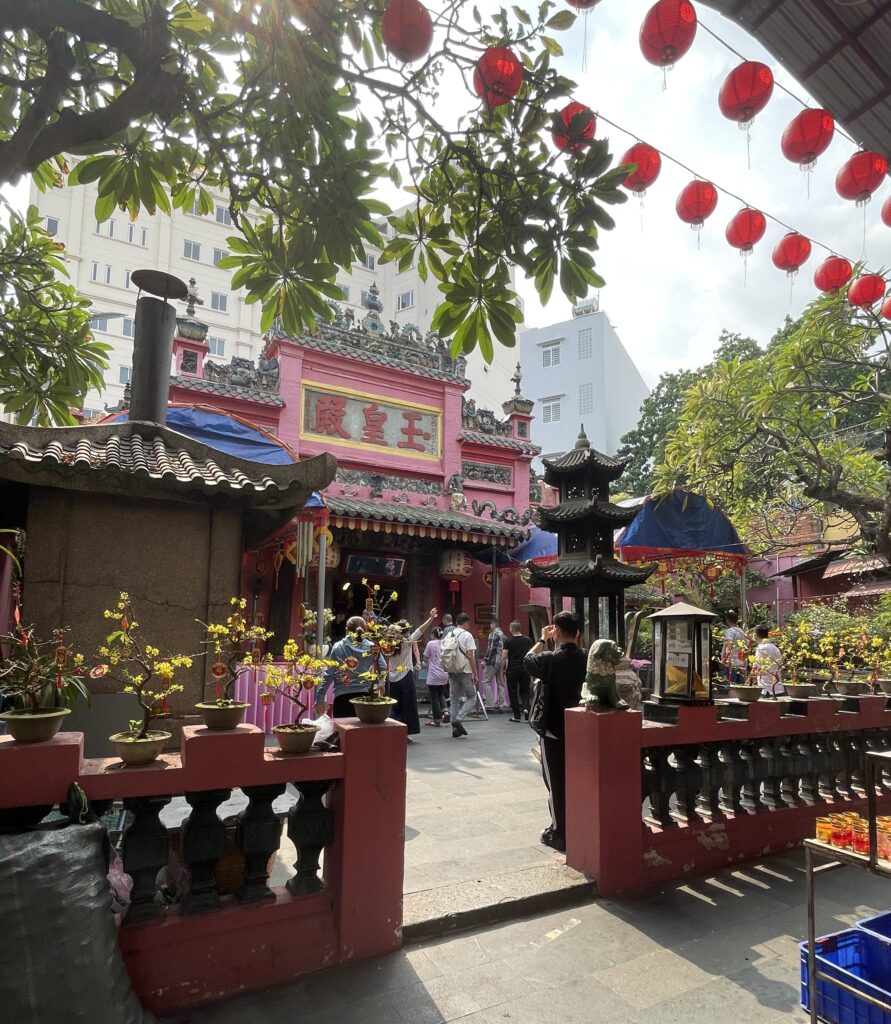
Vietnam is hot and humid especially in the south, so yes, wearing shorts is totally normal in day-to-day sightseeing. But when it comes to temples and sacred sites, there’s a different expectation.
Shorts are generally allowed, but they should be knee-length or longer. Anything too short (like daisy dukes or gym shorts) can be seen as disrespectful and might even get you turned away at the entrance.
Same goes for sleeveless tops, while they’re not always banned, it’s still best to cover your shoulders when entering places of worship. A lightweight scarf or wrap is a smart item to keep in your bag just in case.
Temples vary in strictness, but the overall rule? When in doubt, cover up. You’re not expected to be perfect, locals understand tourists aren’t from the same cultural background, but making a small effort goes a long way.
This is especially true in the north, where things tend to be a little more conservative than in Saigon. So if you’re visiting Hanoi, keep this in mind even more.
Remove Your Shoes Before Entering Homes (and Some Shops)
In Vietnamese culture, shoes are considered dirty and shouldn’t be worn inside homes. This isn’t just a personal preference, it’s a widely followed social norm.
If you’re invited to someone’s house, always remove your shoes at the door. Often, you’ll see a pile of shoes by the entrance, that’s your sign. Some households even provide slippers for guests to wear indoors.
This practice can also extend to certain businesses, homestays, and smaller temples or pagodas. If you’re unsure, look for visual cues or follow what others are doing.
It’s a small act, but it shows respect and awareness of local customs, two things that go a long way with Vietnamese hosts.
Don’t Raise Your Voice in Public
While Vietnam can be loud with traffic and street life, raising your voice in frustration or anger, especially toward service workers or elders, is considered very rude.
Public displays of temper reflect badly on you and can cause others to feel embarrassed or uncomfortable.
Even if you’re in a stressful situation (like a delayed bus or a miscommunication), staying calm and composed is seen as a sign of respect and maturity.
Firm? Sure. Aggressive? Avoid it. Staying cool earns more cooperation than confrontation ever will, and locals will appreciate your patience more than you realize.
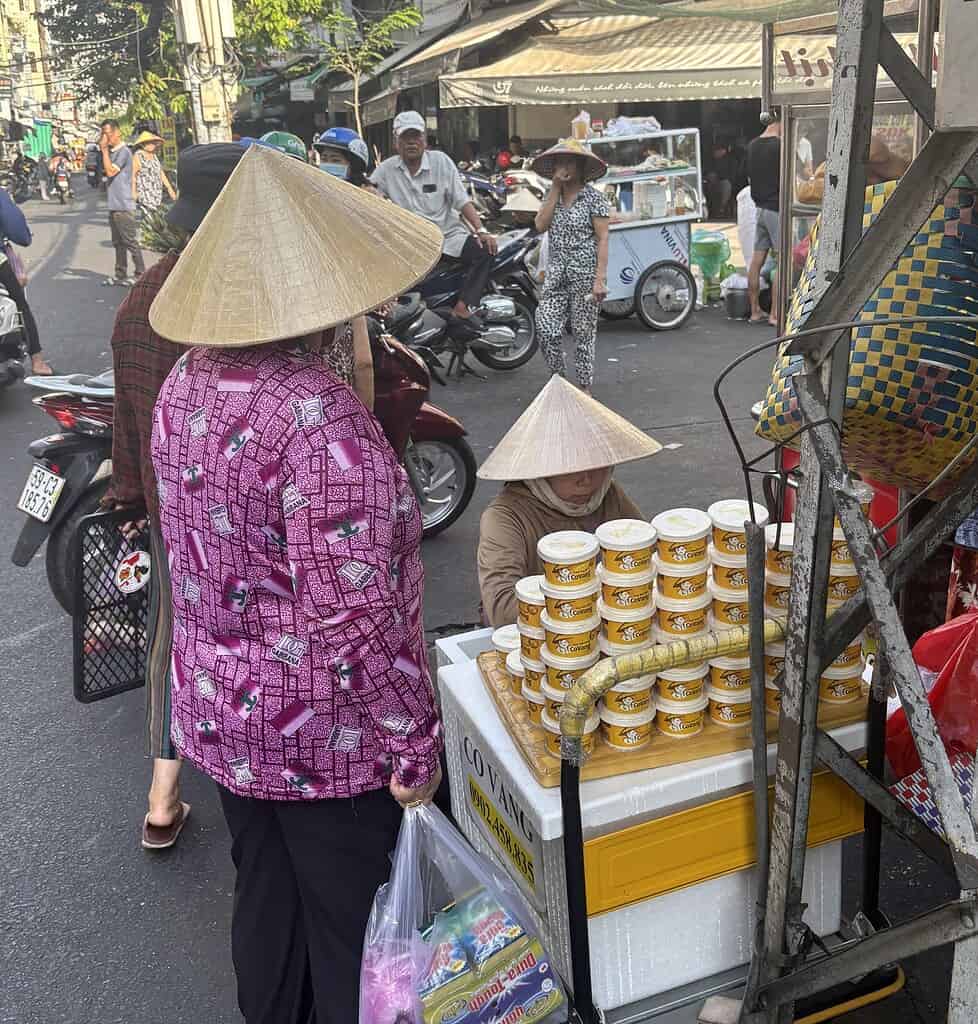
Barter with a Smile (and a Bit of Humor)

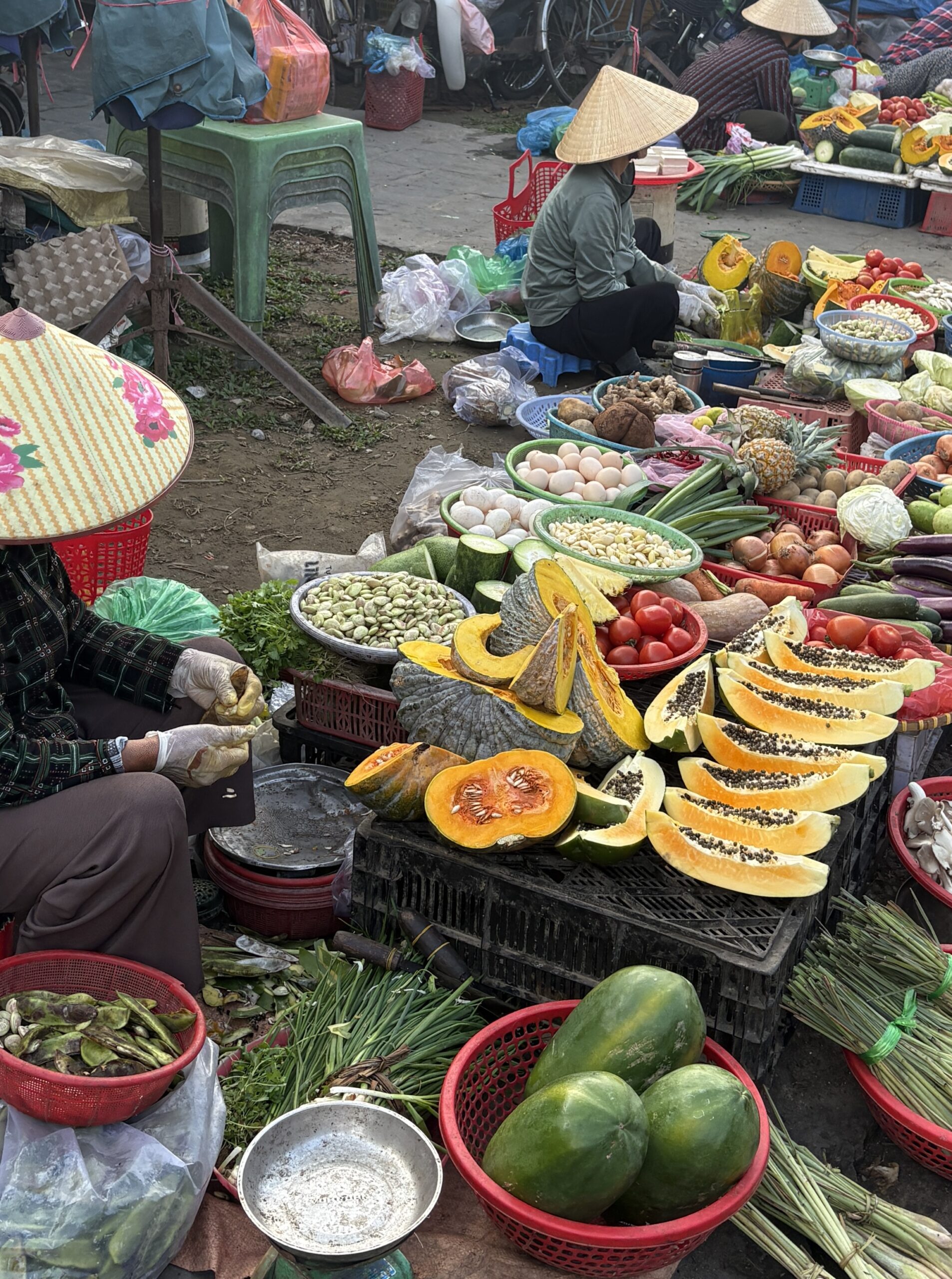
In Vietnam, haggling is part of the fun, especially in markets or when buying souvenirs. It’s not just accepted; it’s expected. But if you’re going to do it, do it with a friendly attitude.
Bartering here isn’t about being cutthroat. Go in with a smile, throw in a laugh, and don’t take yourself too seriously.
You’re not negotiating a business merger, you’re trying to knock a few dong (Vietnamese local currency) off that conical hat or pair of knockoff sunglasses.
If your counteroffer gets declined, that’s okay. Say thank you and walk away politely, you’ll probably get called back with a lower price anyway.
Keep it light, keep it respectful, and remember: in Vietnam, charm often gets you further than a hard bargain.
Watch Your Body Language
Non-verbal cues matter a lot in Vietnam, and small gestures can say more than you think.
For starters, avoid pointing with a single finger, it can come off as rude. Instead, use your whole hand or gesture subtly if you need to indicate something.
Keep your feet off furniture and never point them at people or sacred objects. Feet are considered the lowest part of the body, both literally and symbolically, so be mindful of where they’re directed, especially when sitting.
Public displays of affection should also be kept minimal. Hand-holding is generally fine, but anything more (like kissing or hugging) is best left for private spaces.
Lastly, how you stand makes a difference: arms crossed or hands on hips can signal frustration or dominance.
In a culture that values humility and calmness, open and relaxed posture goes a long way.
Respect Sacred Sites and Symbols

Temples, pagodas, and religious statues are deeply revered in Vietnam; they’re not just photo ops, they’re active places of worship. Always enter with respect.
Avoid loud conversations, running around, or treating the space like a tourist attraction.
Don’t pose directly in front of altars or Buddha statues, especially with your back turned, it’s considered very disrespectful.
Never touch or climb on religious objects, and if you’re unsure about something, watch what locals do and follow their lead.
A little mindfulness in these sacred spaces goes a long way in showing respect and being a thoughtful guest in the country.
Use Both Hands When Giving or Receiving
In Vietnam, using both hands to give or receive something, especially money, business cards, or gifts, is a small gesture that shows big respect.
You’ll often see locals doing this when handing over items to elders, officials, or even tourists in more formal settings.
If both hands isn’t possible (like when handing over change at a market), your right hand with your left hand lightly touching your arm or elbow is also polite.
It’s a subtle but appreciated cultural cue, especially in more traditional or rural areas.
Also, it’s a great way to show thoughtfulness, and locals will notice and appreciate the effort.
Learn How to Say “Hello” and “Thank You”
This one’s simple, but it goes a long way: knowing how to greet someone and express thanks in Vietnamese shows respect, effort, and cultural curiosity.
For “hello,” say “Xin chào” (pronounced sin chao). It works in most situations and is polite without being overly formal.
For “thank you,” say “Cảm ơn” (pronounced com uhn). If you want to be extra polite, you can add “ạ” at the end when speaking to someone older: “Cảm ơn ạ.”
Don’t worry about getting the tones perfect, locals won’t expect you to speak fluently. Just attempting these basics usually earns a smile and a warm reaction.
And it’s one of those easy but meaningful travel tips for Vietnam that helps you connect more genuinely with the people you meet.
Show Respect to Elders
Respect for elders is a core part of Vietnamese culture, and it’s something locals notice quickly, especially in everyday moments.
Small gestures go a long way. If you’re waiting at a busy street food stall and spot an older person behind you, let them go ahead.
On public transport, offering your seat to an elderly passenger isn’t just polite, it’s expected.
You don’t have to make a big scene about it. Just a quiet, thoughtful action speaks volumes, and it’s a great way to show cultural awareness while blending in respectfully.
Don’t Touch People’s Heads (Even Kids)
In Vietnamese culture, the head is considered the most sacred and spiritual part of the body.
Even casual gestures like ruffling a child’s hair or playfully tapping someone’s head, which might seem harmless where you’re from, can be perceived as intrusive or disrespectful here.
This is especially important when interacting with elders, monks, or anyone in a position of respect.
While locals won’t expect perfection from visitors, making the effort to avoid this small but meaningful cultural faux pas goes a long way in showing that you’re mindful of local customs.
As a general rule, keep your hands away from people’s heads and avoid overly familiar gestures unless you know it’s welcome.
It’s one of many tourist mistakes in Vietnam you don’t want to make, and one that’s easily avoided with a little cultural awareness.
Stay Calm in Traffic Situations
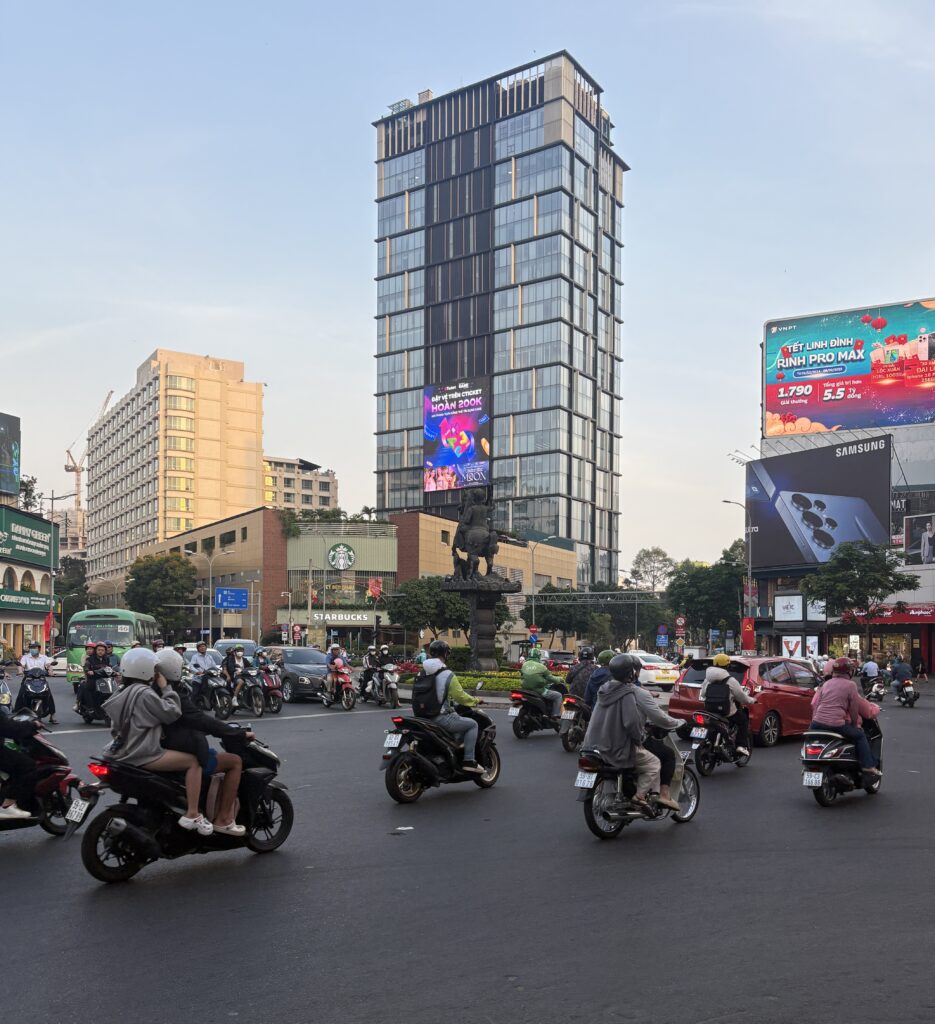
Traffic in Vietnam can feel like organized chaos, especially in big cities like Hanoi or Ho Chi Minh City.
Scooters zoom past from every direction, vehicles honk constantly, and there rarely seems to be a clear “right of way.”
But here’s the thing: honking isn’t always aggressive. In Vietnam, it’s often just a friendly heads-up to say “I’m here,” not “get out of the way.” You might get cut off or brushed past closely, but it’s rarely personal.
If you find yourself overwhelmed, crossing a busy intersection or navigating a roundabout, try to stay calm.
Losing your cool or reacting angrily will only make things more stressful for you and confusing for locals.
The Vietnamese way is to keep moving steadily, don’t panic, and go with the flow.
Adopting this mindset not only helps you stay safe, it also helps you blend in better and enjoy the ride (even when it’s a little wild).
Avoid Whistling at Night
This might sound strange at first, but in Vietnam, whistling after dark is traditionally believed to attract unwanted spirits or bad luck.
It’s a folk superstition with deep roots in rural areas, where nighttime sounds, like whistles, were once thought to mimic calls to the spirit world.
Of course, not every local takes this seriously today, especially in big cities. But in more traditional households or countryside communities, it’s still a belief that holds weight.
You don’t need to panic if you forget and whistle a tune, but being aware of this cultural quirk is a great way to show respect.
If you feel the urge, maybe save the whistling for daytime, just to be safe (and polite).

Final Thoughts on Cultural Etiquette in Vietnam
Traveling through Vietnam isn’t just about the street food, the motorbike chaos, or the jaw-dropping landscapes, it’s also about learning to move through the culture with respect and curiosity.
You don’t need to be perfect, and no one expects you to know every custom. But small efforts, like offering your seat to an elder, greeting someone with a smile, or knowing when to remove your shoes, go a long way here.
Vietnamese people are among the friendliest in the world. While cultural norms are taken seriously, there’s also plenty of grace and understanding when it comes to travellers.
Locals are usually quick to forgive honest mistakes, especially when they see you’re trying.
So whether you’re navigating a busy street market, entering a temple, or just grabbing a stool at a sidewalk cafe, slow down, pay attention, and embrace the rhythm of local life.
As Anthony Bourdain once said, “Don’t be a tourist, be a traveller.” That’s the spirit that will take you further, deeper, and more meaningfully through Vietnam.
What should I wear when visiting temples in Vietnam?
When visiting temples, dress modestly, cover your shoulders and knees. While regular shorts are usually okay, short shorts, crop tops, and tank tops are best avoided. Always remove your shoes before entering any sacred space.
Is it okay to bargain in Vietnam?
Yes! Bargaining is common at markets and with street vendors. Just keep it light and respectful, smile, be polite, and don’t push too hard. It’s more about playful negotiation than serious haggling.
Are there any gestures I should avoid in Vietnam?
Avoid pointing with one finger, use your whole hand instead. Don’t touch anyone’s head (even kids), and never point your feet at people or sacred objects. Also, public displays of affection are frowned upon in many places.
Do Vietnamese people speak English?
In major cities and tourist areas, many locals speak basic English. But learning a few Vietnamese phrases like “hello” (xin chào) and “thank you” (cảm ơn) shows respect, and earns smiles.
