
Things First-Time Visitors Underestimate in NYC
NYC seems manageable when you’re planning it from your couch. You skim some blogs, save a few TikToks, pin a map or two, and figure you’ll just figure it out as you go. It’s a city, right? How hard can it really be?
But NYC isn’t just any city, and once you’re here, you realize fast that it runs on its own chaotic, high-speed rhythm.
People are moving fast, trains are running late, and that 15-minute walk between two “close” locations suddenly feels like an hour.
That’s why first-time NYC tips online often miss the mark, they focus on the obvious, not the experience.
What really throws people off are the small things you don’t think will matter, but totally do once you’re on the ground.
This guide isn’t a checklist. It’s a breakdown of things first-time visitors underestimate in NYC, drawn from real travel experience.
These are the details that catch travellers off guard, and the ones that’ll help you feel a whole lot more prepared.

How Much Walking NYC Actually Involves
You probably know New York is a walking city… but most first-time visitors massively underestimate just how much walking actually happens here.
You won’t just be strolling through Central Park or casually heading from Times Square to your next lunch spot.
You’ll be crossing massive avenues, climbing endless subway stairs, detouring around scaffolding, and realizing that “just a few blocks” often means fifteen minutes, minimum.
And even when you use the subway, walking is still baked into the experience. Getting from one station to the next often requires walking several flights of stairs navigating underground tunnels.
This is one of the most overlooked first time NYC tips: you need proper footwear. Leave the cute but impractical shoes at home and wear something that can handle 15,000+ steps a day (because that’s not an exaggeration).
It’s a key item from any smart NYC packing list Your feet will thank you, and your mood will too.
How Long Everything Takes (Even Short Distances)
One of the most underestimated parts of visiting New York City for the first time is how long it actually takes to get around, even when things seem close on the map.
Sure, Google might say it’s a 12-minute walk, but it doesn’t account for the sea of pedestrians, the dozens of stoplights, the street performers blocking the way, or the moment you realize you’re walking the wrong direction on a one-way avenue.
Add in subway delays, traffic congestion, and the occasional rerouted train, and suddenly “just popping over to Brooklyn” becomes a 45-minute adventure.
Build in buffer time, scale down your to-do list, and remember: you’re not just checking off attractions, you’re experiencing the rhythm of the city.
That takes time, and it’s worth every second. If you’re unsure how much you can realistically fit into a trip, a solid 4-day NYC itinerary can help you pace things properly without burning out.
The Mental Fatigue of Constant Decisions

New York throws endless options at you, where to eat, which subway line to take, whether to walk or wait for a train, what time to hit the museum, how to avoid a crowd, where to cut through to save time, it doesn’t stop.
At first, it’s exciting. But by day two or three, the constant decision-making starts to wear you down.
That buzzing energy can quietly turn into overstimulation, especially if you’re someone who likes having a plan and sticking to it.
This point is especially relevant if you haven’t spent much time in other large cities before. NYC moves fast, it’s loud, and it asks you to make decisions constantly, sometimes without warning.
Be kind to your brain. Give yourself time to pause, sit in a park, wander without a goal, stop by that random cafe you just saw, or try a new restaurant you walked past because it smelled too good to ignore.
How Early You Need to Start Your Days
NYC is not the kind of place where you can roll out of bed at 11:00 AM and casually ease into the day, not if you want to make the most of it, at least.
Popular attractions, especially ones like the Statue of Liberty, the Met, or the Empire State Building, get crowded fast.
If you’re not an early riser, you’ll either be waiting in long lines, rushing to fit everything in, or missing out altogether.
This city rewards early starters. Not only do you beat the crowds, but you also get to see a different side of New York, quieter streets, less packed trains, and golden morning light over Central Park or the skyline. It’s a vibe most visitors sleep through.
Even if you’re more of a night owl, setting an alarm here pays off. Think of it as adjusting your internal clock to match the city’s pace, because trust me, the day flies.
How Crowded Popular Areas Really Get
Yes, you know Times Square is busy. But what first-time visitors often underestimate is just how densely packed certain parts of NYC can get, and how that impacts your day.
From 5th Avenue to the Brooklyn Bridge, crowds can slow you down, derail your plans, and drain your energy.
It’s not just tourists, either, commuters, school groups, street vendors, performers, it all adds up.
This is especially true during popular times to visit New York, like the winter holidays or long weekends such as July 4th. During these peak seasons, expect shoulder-to-shoulder crowds in hotspots.
And with large crowds, you’ll also want to be aware of things to avoid in New York City, pickpocketing is still a risk in packed spaces like subway stations and tourist-heavy areas. A little awareness goes a long way.
To avoid the worst of it, aim for early mornings or late afternoons. However, I will say, sometimes the crowd is the experience.
The Impact of Weather on Your Plans

New York might be a city of steel and concrete, but the weather still runs the show, and many first-time NYC visitors underestimate just how much it can shape your experience.
I know this firsthand, being from Toronto, just a short hop from NYC. Our climates are similar, right down to the unpredictable flips.
There’s a classic joke we throw around up here: “Canada is one of the only places where you can experience all four seasons in a single day.” Funny, sure, but honestly, it also applies to New York too.
Summer brings intense humidity that clings to you on subway platforms. Winters? Bitter winds and unexpected snow make every walk a mission.
Even spring and fall, while beautiful, can swing from sunny to stormy before lunch. It’s not just about what you wear, it impacts everything from your walking stamina to whether rooftop bars are even an option.
That’s why figuring out the best time to visit New York City for your travel style and temperature preferences is key. Weather changes more than just the view, it changes your whole experience.
How Physically Draining the Subway Can Be
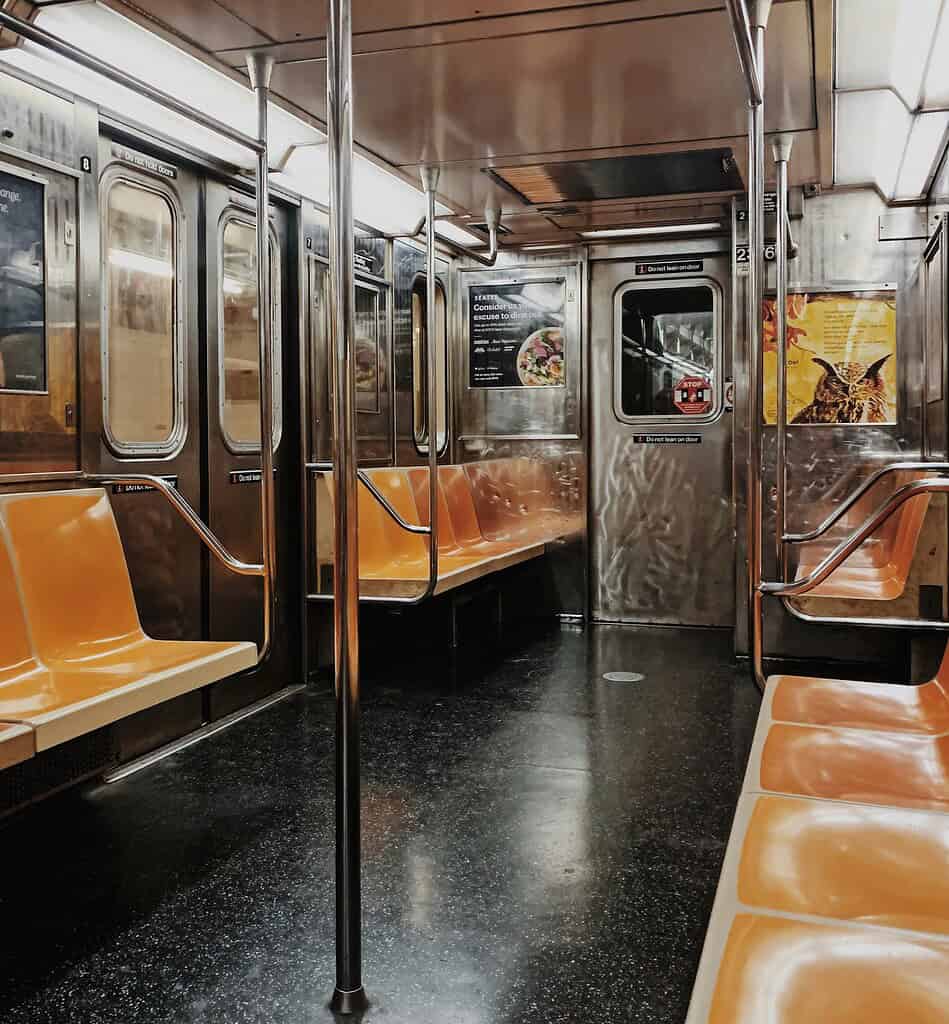
The NYC subway system looks like the perfect way to get around, and it is, in many ways. But first-time visitors often underestimate just how exhausting it can be.
Between the stairs (lots of them), platform heat, broken escalators, sudden delays, and navigating transfers while packed shoulder-to-shoulder with strangers, it’s not exactly a breezy experience.
Add in the noise, fast pace, and trying to stay alert in a new environment, and it can take more out of you than you’d expect.
If you’re not used to big-city transit systems, give yourself grace. Plan for breaks, and don’t feel like you have to take the subway everywhere, sometimes walking or grabbing a cab is worth it just to reset.
It’s all part of the NYC experience, but knowing what to expect ahead of time helps you roll with it instead of getting overwhelmed.
How Easy It Is to Overpack Your Itinerary
It’s super tempting to cram your NYC trip with everything, museums, Broadway shows, rooftop bars, parks, neighbourhoods, bagel spots, landmarks, ferry rides, and that pizza place you saw on TikTok.
But first-time visitors often don’t realize how exhausting (and unrealistic) that can be.
New York isn’t a city you just move through, it demands your attention. Transit takes longer than expected, crowds slow you down, and simply walking around is tiring.
So when you overload your days, you’re not just tired, you miss out on actually enjoying what you came to see.
Build space into your itinerary to wander, sit, people-watch, or even nap if needed. One solid activity in the morning and one in the afternoon is plenty for most travellers. You’ll appreciate the city more when you’re not rushing through it.
How Little Personal Space Exists
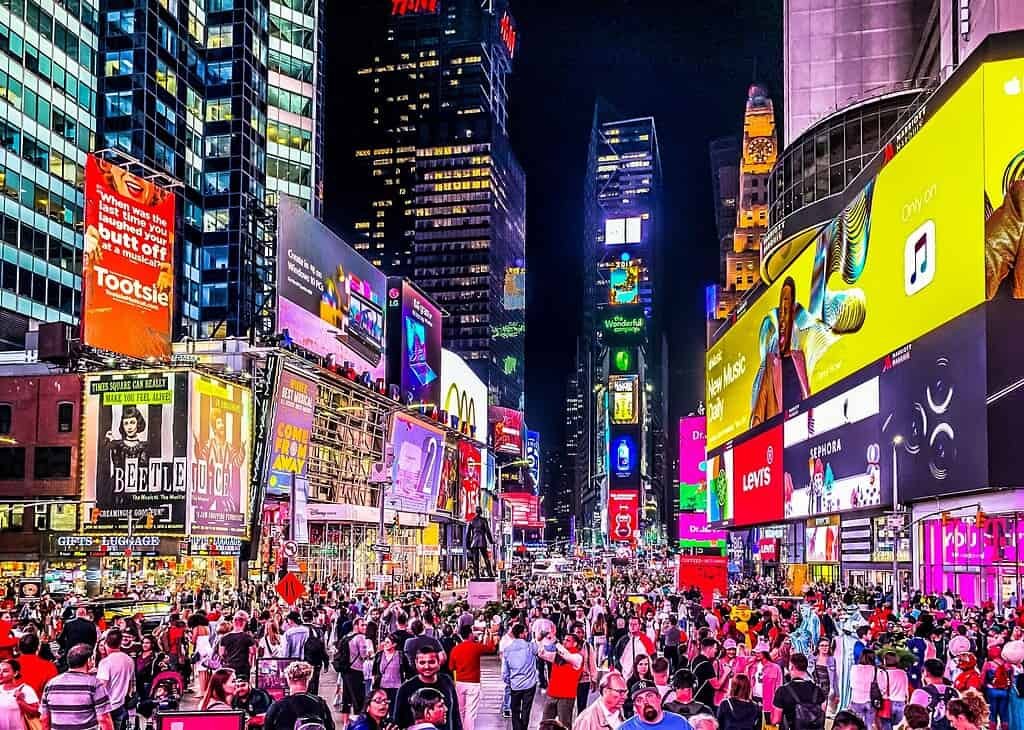
New York City is crowded, and not just during rush hour. You’ll feel it in subway cars, on sidewalks, in elevators, restaurants, stores, and even when waiting at a crosswalk.
For many first-time visitors, especially those used to more space or quieter environments, this can come as a shock.
People brush past you without saying a word. Lines feel like they collapse into chaotic clumps. Strangers will sit very close at cafes.
None of this is meant to be rude, it’s just the reality of a densely packed city where space is limited and time is precious.
Don’t take it personally. Just go with the flow and adapt your expectations, you’re in the Big Apple after all!
How Much Energy It Takes to Simply “Keep Up”
NYC moves fast. From the pace of walking to how quickly orders are taken at a deli, everything feels like it’s in fast-forward.
First-time visitors often try to match that energy without realizing just how draining it can be, physically, mentally, emotionally.
It’s not just the walking (though that’s a big part). It’s the nonstop motion, the noise, the planning, the navigating, the decision-making, and doing it all while surrounded by millions of other people. You might crash hard by day 2 of your itinerary if you don’t pace yourself.
Give yourself permission to pause. Take breaks without guilt. Whether it’s zoning out on a park bench, heading back to your hotel for an hour, or slowing your pace just a little, it’s all valid. You’re not failing at NYC just because you’re tired!

This City Doesn’t Slow Down — So You’ll Have To
One of the biggest shocks for first-time NYC visitors is realizing that the city really doesn’t stop.
Mornings are early, nights are late, and something is always happening somewhere. There’s constant motion, deliveries, sirens, nightlife, traffic, foot traffic, all of it.
This energy is part of what makes New York magical. But if you try to keep up with it 24/7, you’ll burn out fast. The trick? Let the city move around you instead of trying to race with it.
Now, I say this toward the end of the article because this is usually what overwhelms visitors the most.
First-timers often fall into that “I have to do this, I have to do that” mentality, like they’re running a race against the city. Yes, NYC moves fast, but that doesn’t mean you can’t slow down.
I’m not saying sleep in and start your day at 11 a.m. (we already covered why that’s a bad idea), but powering through nonstop without a breather? That’s just as exhausting.
So pause. Sit outside that bagel shop and people-watch for a bit. Explore a lesser-visited neighbourhood. Wander aimlessly through Park Slope, one of my favourite areas.
And here’s why this matters: this probably won’t be your last visit to New York City. It’s hard not to come back. So give yourself permission to slow down and savour it, you’ve got time.
Final Thoughts on Visiting NYC for the First Time
New York City is a place that feels instantly familiar, yet completely overwhelming the moment you arrive.
First-time visitors often come in with big plans and energy to match, only to realize the pace, the scale, and the little surprises (good and bad) are way more intense than expected.
From the moment you land, NYC asks you to adjust, to walk more than you thought, think quicker than you’re used to, and take in more stimulation than most places in the world throw at you in a week.
That doesn’t mean it’s not worth it. It just means it’s best experienced with realistic expectations and a little flexibility.
You’ll enjoy your time a lot more if you embrace the chaos instead of trying to control it all.
So take the pressure off, travel smarter, and remind yourself: you’re in one of the most iconic cities on Earth and enjoy your visit!

How much walking should I expect in NYC?
A lot more than you think. Even with the subway, you’ll be on your feet constantly, walking between stations, through museums, parks, or entire neighbourhoods. It’s not unusual to hit 15,000+ steps a day. Make sure you bring properly shoes.
Is NYC overwhelming for first-time visitors?
It can be, especially if you’re not used to big cities. The noise, pace, crowds, and endless choices hit fast.
But give yourself a day or two to adjust, take breaks when needed, and remember: you don’t need to “keep up” with the city, just find your own rhythm in it.
Can I really fit everything into one trip?
No, and you shouldn’t try. NYC is massive and layered. Prioritize a few must-sees, leave space for surprises, and don’t overbook your schedule. If anything, assume you’ll be back, most people are. And when you do return, you’ll already be ahead.
Do I need to plan everything in advance for NYC?
Some planning helps especially for timed attractions or popular restaurants, but over-planning is a common mistake. Leave room in your day for detours, spontaneous finds, or just sitting at a café watching the city pass by, that’s part of the NYC experience too.
