
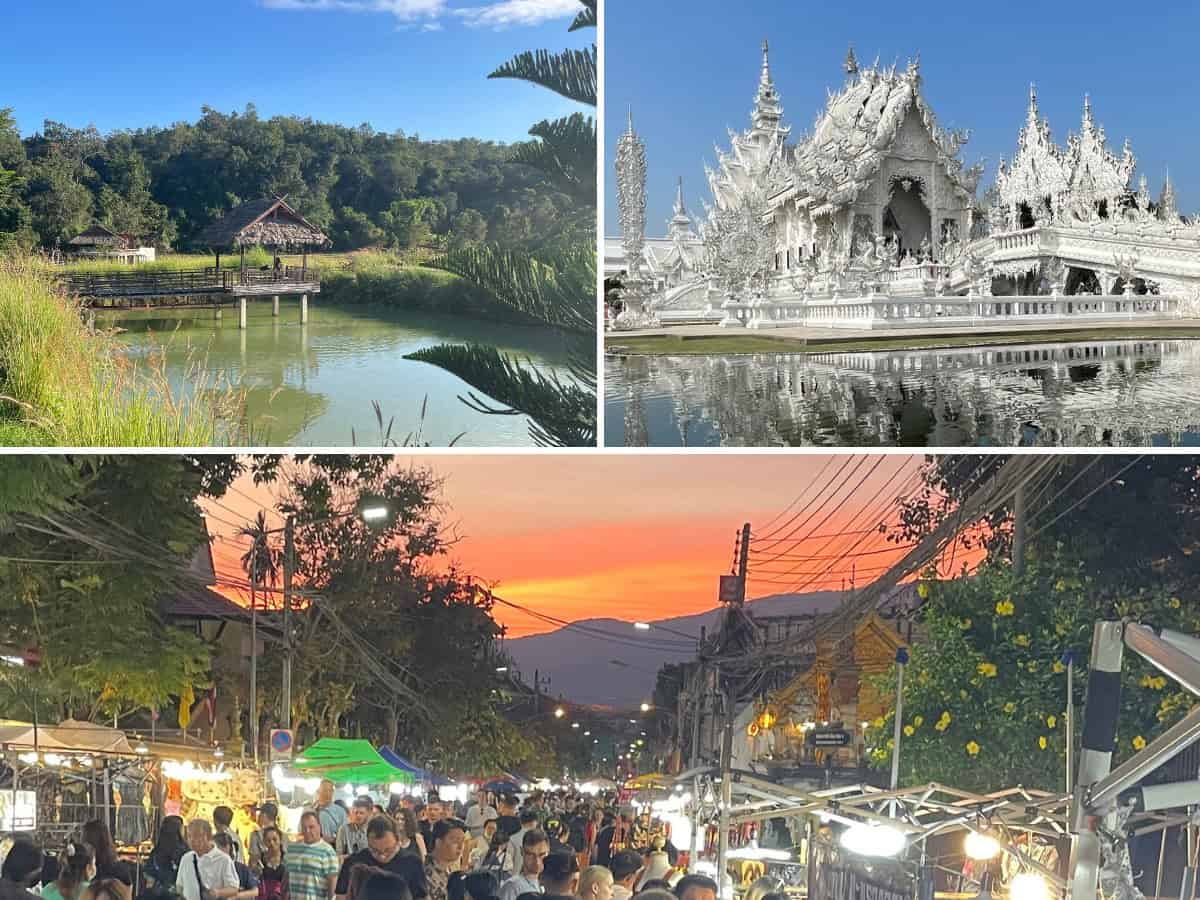
10 Days in Northern Thailand: Ultimate Itinerary
Northern Thailand is a completely different experience from the beaches and islands of the south, and honestly, it’s one of my favorite parts of the country.
Instead of turquoise water and limestone cliffs, you get misty mountains, ancient temples, hill tribe villages, and some of the best food in all of Thailand.
The pace is slower, the culture feels deeper, and the scenery is stunning in a quieter, more understated way.
This 10-day Northern Thailand itinerary is designed to give you a solid mix of Bangkok’s iconic temples and energy, Chiang Mai’s markets and mountain culture, and Chiang Rai’s famous temples and day trip opportunities, all without feeling rushed.
You’ll start with two days in Bangkok to knock out the must-see cultural highlights, then fly north to Chiang Mai for four days of temples, markets, elephant sanctuaries, and cooking classes.
From there, you’ll head to Chiang Rai for two days to see the White Temple, Blue Temple, and explore the Golden Triangle before flying back to Bangkok for your final two days and departure.
It’s a well-paced loop that balances culture, nature, food, and downtime, and it’s perfect for first-timers or anyone who wants to see Northern Thailand properly without constantly moving.
Whether you’re a couple, a solo traveler, a family, or a group of friends, this itinerary works.

10 Day Northern Thailand Itinerary Overview
- Bangkok: 2 Days including arrival, exploring major temples like the Grand Palace and Wat Pho, and diving into the city’s incredible street food scene
- Chiang Mai: 4 Days as your cultural and mountain base with visits to Doi Suthep Temple, an ethical elephant sanctuary, night markets, and optional cooking classes
- Chiang Rai: 2 Days for temple-hopping (White Temple, Blue Temple, Black House) and exploring the Golden Triangle
- Bangkok Return: 2 Days to wrap up your trip with last-minute exploring, shopping, or eating before your departure
Quick Travel Tips for Northern Thailand
- Timing Your Trip Matters: Northern Thailand has a cool season (November to February), hot season (March to May), and rainy season (June to October). Visit during the cool season for comfortable temperatures, clear skies, and stunning mountain views.
- Visa Requirements: Most travelers get a 30-day visa exemption on arrival (or 60 days depending on nationality). Double-check your country’s requirements, but for most people, no advance application is needed.
- Helpful Travel Apps: Grab for rides, 12Go for trains and buses, and Google Maps for navigation make getting around Northern Thailand simple.
- Cash Still Wins: While cards work at hotels and larger restaurants, cash is essential at markets, street stalls, temples, and small family-run spots. Don’t rely on cards alone outside of Chiang Mai and Bangkok.
- Look for Fee-Free ATMs: Purple ATMs (Siam Commercial Bank) and yellow ATMs (Krungsri Bank) often have lower withdrawal fees. Avoid currency conversion offers and always choose Thai Baht.
- Stay Scam-Smart: Common scams include tuk-tuk “tours” ending at gem shops, inflated fares, and fake tour operators. Book tours through your hotel, agree on prices upfront, and use Grab when possible.
Days 1–2: Arrival & Exploring Bangkok
You’ll kick off your 10-day Northern Thailand adventure in Bangkok, one of the most exciting and overwhelming cities in Southeast Asia.
It’s a place where ancient temples sit alongside glass skyscrapers, where street food vendors serve some of the best meals you’ll ever eat, and where the energy never stops. Bangkok is chaotic, but it’s also unforgettable.
Most international flights land in Bangkok, making it the logical starting point for this trip.
Before heading north to Chiang Mai, these first two days are all about soaking up the culture, visiting iconic temples, and eating as much Thai food as humanly possible.
If you’ve been to Bangkok before, you might be tempted to skip it entirely and fly straight to Chiang Mai.
But even a quick two days here sets the tone for the rest of your trip and reminds you why Thailand is such a special place to visit.
Day 1: Arrival, Settle In & Light Exploration
After arriving in Bangkok, take some time to settle in and get your bearings. Depending on your arrival time, you’ll likely have a few hours to ease into the city.
Start your exploration with a walk around your neighborhood. If you’re staying near Sukhumvit or Silom, you’ll find plenty of street food stalls, cafés, and markets within walking distance. Bangkok moves fast, and jumping straight into it helps you adjust to the pace and the energy.
When you’re ready for dinner, dive into Thai street food. Try pad thai from a street cart, grab some grilled skewers, or order a plate of khao pad (fried rice) from a local spot. The food in Bangkok is world-class, and you don’t need to spend much to eat incredibly well.
If you’ve got energy left, take a walk along the Chao Phraya River or explore one of the night markets.
Or just grab a Thai iced tea, relax, and call it an early night. You’ve got a full day of sightseeing tomorrow.

Day 2: Bangkok Highlights (Grand Palace, Wat Pho & Street Food)
Start your day early and head to the Grand Palace, one of the most iconic landmarks in Thailand.
The palace opens at 8:30 AM, and you’ll want to get there before the crowds and heat really kick in.
The architecture is stunning, the details are intricate, and walking through the grounds feels almost otherworldly.
Make sure you’re dressed appropriately: shoulders and knees covered, no flip-flops. If you show up in shorts or a tank top, you’ll either be turned away or forced to rent clothing at the entrance.
After the Grand Palace, walk over to Wat Pho, which is right next door. This is where you’ll find the famous Reclining Buddha, a massive golden statue that’s 46 meters long and absolutely mesmerizing.
Wat Pho is also the birthplace of traditional Thai massage, so if you want to get a massage here, you can. It’s affordable, and the setting is pretty cool.
By now, it’s probably midday and you’re hot, sweaty, and hungry. Head to a nearby restaurant or street food stall and eat something.
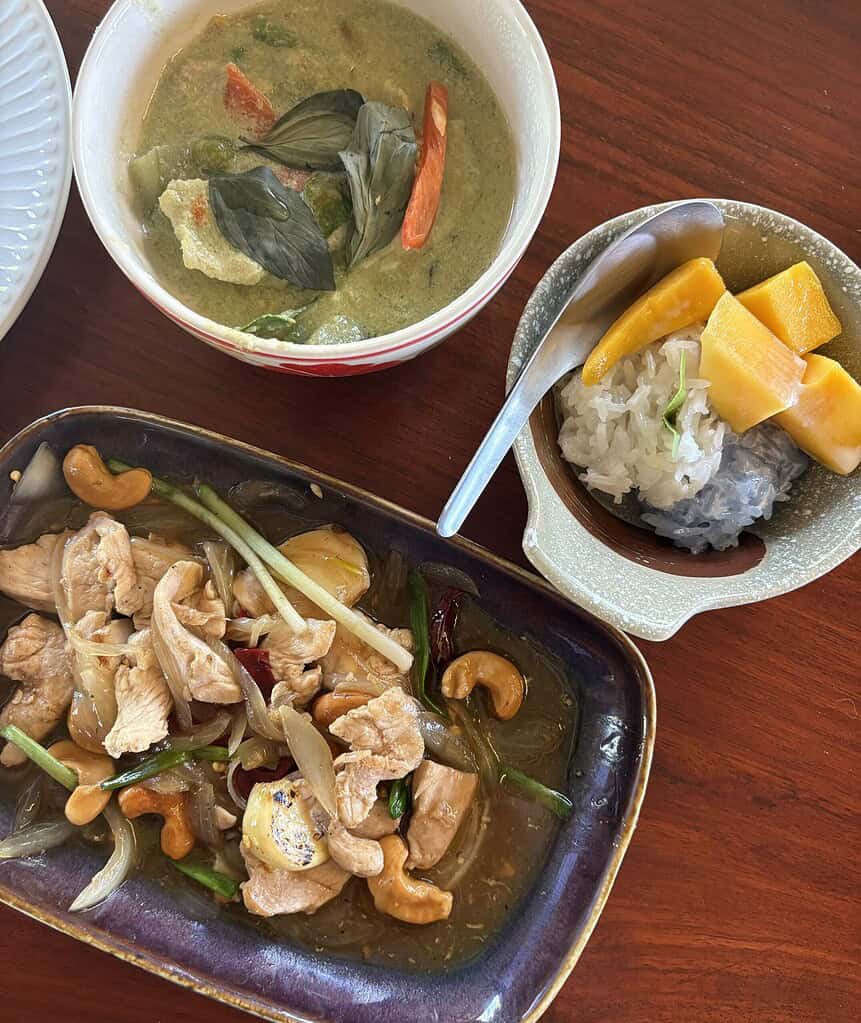
Green curry, pad see ew, mango sticky rice, whatever you’re craving, Bangkok delivers.
In the afternoon, you’ve got options. You can visit Wat Arun across the river, explore Chinatown, wander through one of the malls, or just head back to your hotel to rest before dinner. Bangkok’s heat is no joke, and there’s no shame in pacing yourself.
End your day with dinner at a rooftop bar, a riverside restaurant, or another street food spot.
Bangkok’s food scene is one of the best in the world, and you should take full advantage of it while you’re here.

Days 3–6: Chiang Mai (Culture & Mountain Base)
The next four days take you to Chiang Mai, the cultural heart of Northern Thailand and one of the most beloved cities in the country.
Chiang Mai is completely different from Bangkok. It’s smaller, slower, more walkable, and has a charm that feels both historic and creative at the same time.
The Old City is surrounded by ancient walls and moats, the temples are stunning, and the food scene is incredible.
This is where you’ll spend most of your time in the north, and these four days give you plenty of room to explore temples, visit an elephant sanctuary, take a cooking class, wander through night markets, and still have downtime to just enjoy the city.
Chiang Mai is also the perfect base for day trips to nearby mountains, villages, and natural areas. You’re not rushing through here,you’re settling in and experiencing it properly.
Day 3: Travel to Chiang Mai & Explore the Old City
your flight in advance to get the best price, and aim for a morning or early afternoon departure so you have time to explore once you arrive.
Once you land and check into your hotel, spend the afternoon exploring the Old City. Chiang Mai’s Old City is compact and easy to walk, and it’s filled with temples, cafés, shops, and street food stalls. Just wander, get lost a little, and soak it all in.
If you want to hit a few highlights, visit Wat Chedi Luang, one of the most impressive temple ruins in the city, and Wat Phra Singh, a beautiful active temple with intricate Lanna-style architecture.
Both are free to enter (donations appreciated), and they give you a great introduction to Chiang Mai’s temple culture.
In the evening, grab dinner at one of the local restaurants near the Old City. Chiang Mai is famous for khao soi, a rich coconut curry noodle soup that’s a Northern Thai specialty. Order it at least once while you’re here.
If it’s a Sunday, don’t miss the Sunday Walking Street Market, which takes over the main road in the Old City.
It’s one of the best night markets in Thailand, with food stalls, handmade crafts, live music, and a great energy.
If you’re here on a different night, check out the Saturday Walking Street or one of the smaller night markets instead.

Day 4: Doi Suthep Temple & Hmong Village
Start your day with a trip to Doi Suthep, one of the most sacred temples in Northern Thailand and one of the must-see sights in Chiang Mai.
The temple sits on a mountain about 15 kilometers outside the city, and the views from the top are incredible.
You can hire a red songthaew (shared truck taxi) from the Old City, book a private driver, or rent a scooter if you’re comfortable riding one.
The drive up the mountain is beautiful, and once you arrive, you’ll climb about 300 steps to reach the temple itself.
The golden chedi at the top is stunning, and on a clear day, you can see all of Chiang Mai spread out below.
Spend some time exploring the temple grounds, soaking in the views, and watching the monks and locals who come here to pray.
It’s one of those places that feels peaceful and sacred, even with tourists around.
On your way back down the mountain, stop at the Hmong Village near the base of Doi Suthep.
It’s a small hill tribe village where you can browse handmade crafts, try local snacks, and learn a bit about the Hmong people who live in the northern mountains. It’s low-key and worth a quick stop if you’ve got time.
Head back to Chiang Mai in the afternoon and spend the rest of the day relaxing, exploring more of the Old City, or grabbing a Thai massage.
In the evening, check out one of the night markets, either the Night Bazaar or the Chang Puak Gate market, both of which have great food and shopping.
Day 5: Ethical Elephant Sanctuary Day Trip
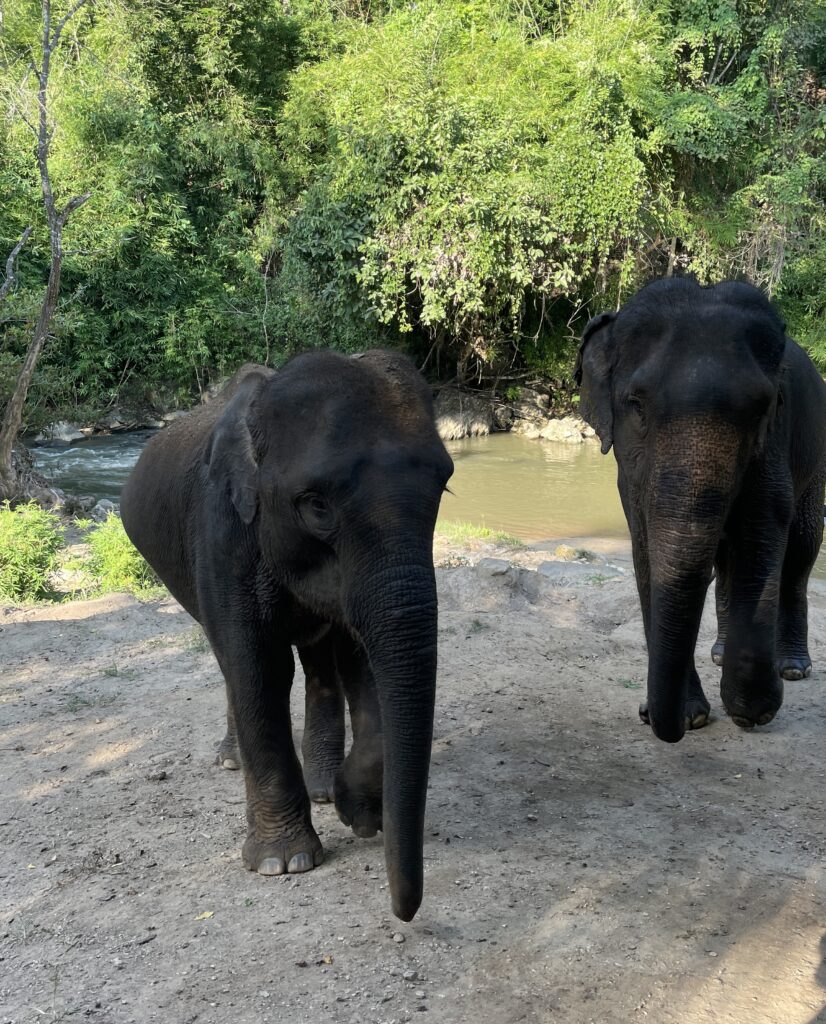
Day 5 is all about one of the highlights of Northern Thailand: spending time with elephants at an ethical sanctuary. This is one of those experiences that stays with you long after you leave.
Book your sanctuary visit in advance through a reputable operator. Look for places that focus on observation and feeding rather than riding, and make sure the sanctuary has good reviews and transparent practices.
Elephant Nature Park is one of the most well-known ethical sanctuaries near Chiang Mai, but there are several other good options as well.
Most sanctuary tours run all day. You’ll be picked up from your hotel in the morning, driven out to the sanctuary (usually about an hour outside the city), and spend the day feeding, bathing, and observing the elephants in a natural environment.
The guides will teach you about elephant behavior, rescue stories, and conservation efforts.
It’s an emotional, educational, and incredibly rewarding experience. You’ll get muddy, you’ll laugh, and you’ll probably take way too many photos. Just be present and enjoy it.
You’ll get back to Chiang Mai in the late afternoon or early evening. Grab dinner, relax, and call it an early night. Tomorrow’s another full day.
Day 6: Night Markets, Cooking Class or Relax
Day 6 is a flexible day, and you’ve got a few options depending on your energy level and interests.
If you want to learn how to cook Thai food, book a half-day or full-day cooking class. Chiang Mai has some of the best cooking schools in Thailand, and most classes include a market tour, hands-on instruction, and the chance to cook and eat several classic Thai dishes.
It’s fun, educational, and you’ll leave with recipes you can actually recreate at home.
If you’d rather skip the cooking class, spend the day exploring more of Chiang Mai.
Visit a few more temples, check out the Nimmanhaemin neighborhood (known for its trendy cafés, boutiques, and street art), or just wander and see where you end up.
In the evening, hit up one of Chiang Mai’s famous night markets. The Saturday Walking Street (if it’s Saturday) or the Sunday Walking Street (if it’s Sunday) are the best, but if you’re here on a weeknight, the Night Bazaar or the Ploen Ruedee Night Market are solid alternatives.
Eat as much street food as you can handle, browse the handmade crafts, and soak up the energy.
This is your last night in Chiang Mai, so make the most of it. Tomorrow you’re heading to Chiang Rai.
Days 7–8: Chiang Rai (Temples & Day Trips)
The next two days take you to Chiang Rai, a smaller, quieter city in the far north of Thailand that’s famous for its unique temples and proximity to the Golden Triangle.
Chiang Rai is less touristy than Chiang Mai, and the vibe is more laid-back and sleepy. But what it lacks in energy, it makes up for in stunning temples and interesting day trip options.
The White Temple, Blue Temple, and Black House are some of the most unique temple structures in all of Thailand, and they’re worth the trip on their own.
You’re only here for two days, so think of Chiang Rai as a quick, focused stop to knock out a few incredible sights before heading back to Bangkok.
Day 7: Travel to Chiang Rai & White Temple Visit
After breakfast in Chiang Mai, you’ll travel to Chiang Rai. You’ve got a few options: you can take a bus (about 3 hours), hire a private car, or book a shared minivan.
If you’re short on time or prefer convenience, flying is also an option, though the drive is scenic and gives you a better sense of the northern landscape.
Once you arrive and check into your hotel, head straight to the White Temple (Wat Rong Khun), which is about 15 minutes outside the city center. This is Chiang Rai’s most famous attraction, and it’s unlike any temple you’ve ever seen.
The White Temple is a contemporary art project designed by Thai artist Chalermchai Kositpipat, and it’s covered entirely in white plaster and mirrored glass that glitters in the sun.
The design is intricate, surreal, and loaded with symbolism, everything from pop culture references to Buddhist teachings. It’s beautiful, bizarre, and absolutely worth the visit.
Take your time walking through the grounds, and make sure to go inside the main temple hall (shoes off, no photos inside).
The interior murals are wild and unexpected, featuring everything from superhero characters to modern-day themes mixed with traditional Buddhist imagery.
After the White Temple, head back to Chiang Rai and spend the evening exploring the town.
The Chiang Rai Night Bazaar is smaller and quieter than Chiang Mai’s markets, but it’s still worth a walk-through for food and souvenirs. Grab dinner, relax, and get ready for another temple-heavy day tomorrow.

Day 8: Blue Temple, Black House & Golden Triangle
Day 8 is your last full day in the north, and it’s packed with unique sights. Start your morning at the Blue Temple (Wat Rong Suea Ten), which is about 10 minutes from the city center.
The Blue Temple is newer and less famous than the White Temple, but it’s just as stunning.
The entire structure is painted in deep blue with gold accents, and the interior is covered in intricate murals and a massive white Buddha statue.
It’s quieter than the White Temple and often less crowded, which makes it easier to appreciate the details.
After the Blue Temple, head to the Black House (Baan Dam Museum), which is about 15 minutes north of the city. Despite the name, it’s not a temple, it’s an art museum and collection of dark, dramatic structures designed by Thai artist Thawan Duchanee.
The buildings are made from dark wood and filled with animal bones, hides, and other natural materials, creating an eerie, almost gothic atmosphere. It’s fascinating, weird, and completely different from anything else you’ll see in Thailand.
If you’ve got time and energy left, you can take a trip to the Golden Triangle, where Thailand, Laos, and Myanmar meet at the Mekong River.
It’s about an hour’s drive from Chiang Rai, and while there’s not a ton to do there, it’s a cool spot to see the three countries converge and snap a few photos. There’s also a small museum and a giant golden Buddha statue overlooking the river.
Head back to Chiang Rai in the late afternoon, grab dinner, and pack your bags. Tomorrow you’re flying back to Bangkok for the final stretch of your trip.

Days 9–10: Return to Bangkok & Departure
Your final two days bring you back to Bangkok to wrap up the trip before heading home.
After spending a week exploring temples, mountains, and Northern Thai culture, Bangkok’s energy will hit you differently.
It’s loud, it’s busy, and it’s exciting in a completely different way. Use this time to revisit anything you missed, do some last-minute shopping, or just eat as much Thai food as possible before your flight.
Day 9: Travel Back to Bangkok & Last-Minute Exploring
After breakfast in Chiang Rai, you’ll fly back to Bangkok, which takes about 90 minutes. Once you land and check into your hotel, you’ll probably have a few hours before the day ends.
Use this time wisely. If there’s something you missed on Day 1 or Day 2, now’s your chance.
Maybe you want to explore a different neighborhood like Chinatown or Thonglor, hit up a rooftop bar with skyline views, do some last-minute shopping at one of Bangkok’s massive malls, or just eat as much street food as humanly possible before you leave.
Bangkok has incredible shopping if you’re into that. MBK Center is great for affordable Thai souvenirs and electronics, Siam Paragon is upscale and modern, and Chatuchak Weekend Market (if you’re there on a weekend) is one of the largest markets in the world with thousands of stalls selling everything you can imagine.
If you’re exhausted, that’s fine too. Order room service, pack your bags properly, and get a good night’s sleep before your flight tomorrow.

Day 10: Departure Day
Depending on your flight time, you might have a few hours to kill in the morning. If your flight’s in the afternoon or evening, grab breakfast, take a final walk around your neighborhood, or visit a nearby temple or market if you’re staying close to one.
If your flight’s early, just focus on getting to the airport on time. Bangkok traffic is unpredictable, so give yourself plenty of buffer time, especially if you’re flying out of Suvarnabhumi Airport during rush hour.
And that’s it. Ten days exploring Northern Thailand, done. You’ve seen temples, mountains, markets, elephants, and everything in between. Safe travels.
Best Time to Visit Northern Thailand
Northern Thailand has three distinct seasons, and timing your visit right is crucial for both comfort and safety.
Cool Season (November to February) – Best Time to Visit
This is when you want to go. Temperatures range from 15°C to 28°C (59–82°F), skies are clear, and mountain views are stunning.
December and January are peak season with higher prices and crowds, but the weather is perfect.

Hot Season & Burning Season (March to May) – AVOID
This is the worst time to visit Northern Thailand. Temperatures hit 35–40°C (95–104°F), but the real issue is burning season.
From late February through April, farmers burn crop fields across the region, creating massive smoke and haze.
Air Quality Index (AQI) levels regularly hit 200–300+ (anything above 150 is unhealthy, above 200 is dangerous).
The sky turns gray, visibility drops, and it becomes a legitimate health concern.
I religiously use the AirVisual app to monitor air quality in real time when I’m in Northern Thailand during these months. Download it if you’re visiting between February and April.
My honest advice: skip Northern Thailand entirely from mid-February through April. It’s not worth the health risk.
Rainy Season (June to October)
Rain picks up in June, with July through September being the wettest. The landscape is lush and green, but expect heavy, unpredictable rain. October is a sweet spot as rains taper off and the air clears.

Where to Stay in Each Place on This Itinerary
Northern Thailand covers a lot of ground, and staying in the right area can make your trip smoother and more enjoyable.
You don’t want to waste time commuting between your hotel and the sights, or miss out on the atmosphere of staying in the right neighborhood.
Choosing the right base helps you get more out of each day, whether that’s waking up inside Chiang Mai’s Old City walls or being close to Bangkok’s temples and street food.
Bangkok (Days 1–2 & 9–10)
For first-timers, staying near Sukhumvit or Silom is the sweet spot. Both areas offer quick access to the BTS Skytrain and MRT, a variety of restaurants and cafés, and a central location for exploring temples, markets, and nightlife.
- Sukhothai Bangkok – A luxury heritage hotel with traditional Thai design, lush gardens, and impeccable service. Perfect for travelers who want elegance and culture in the heart of the city.
- Novotel Bangkok Sukhumvit 20 – A modern mid-range hotel with a rooftop pool, spacious rooms, and easy access to the BTS. Great value for the location and amenities.
Chiang Mai (Days 3–6)
Staying inside or near the Old City is the best choice for first-timers. You’ll be walking distance from temples, cafés, and night markets, and everything feels more accessible.
If you want a quieter vibe, stay just outside the Old City in the Nimmanhaemin area, which is trendy and modern.
- 137 Pillars House – A stunning luxury boutique hotel set in a colonial-era teak mansion with lush gardens, a pool, and refined Thai elegance. Perfect for a high-end, intimate stay.
- The Rim Chiang Mai – A stylish mid-range hotel along the Ping River with modern rooms, a rooftop pool, and a great location just outside the Old City. Excellent value and atmosphere.
Chiang Rai (Days 7–8)
Most of Chiang Rai’s hotels are in or near the city center, which is convenient for accessing the temples and day trip departure points. The city is small, so you don’t need to overthink location too much.
- Le Meridien Chiang Rai Resort – A polished luxury resort on the outskirts of the city with spacious rooms, beautiful grounds, a pool, and a peaceful atmosphere. Great for unwinding after temple-hopping.
- The Riverie by Katathani – A well-rated mid-range hotel along the river with modern design, a pool, and a central location. Comfortable, stylish, and great value.
Plan Your Thailand Trip with Confidence
4 Hours of Expert Travel Advice — Routes, Scams to avoid, What to book, and more.
Final Thoughts on This Northern Thailand Itinerary
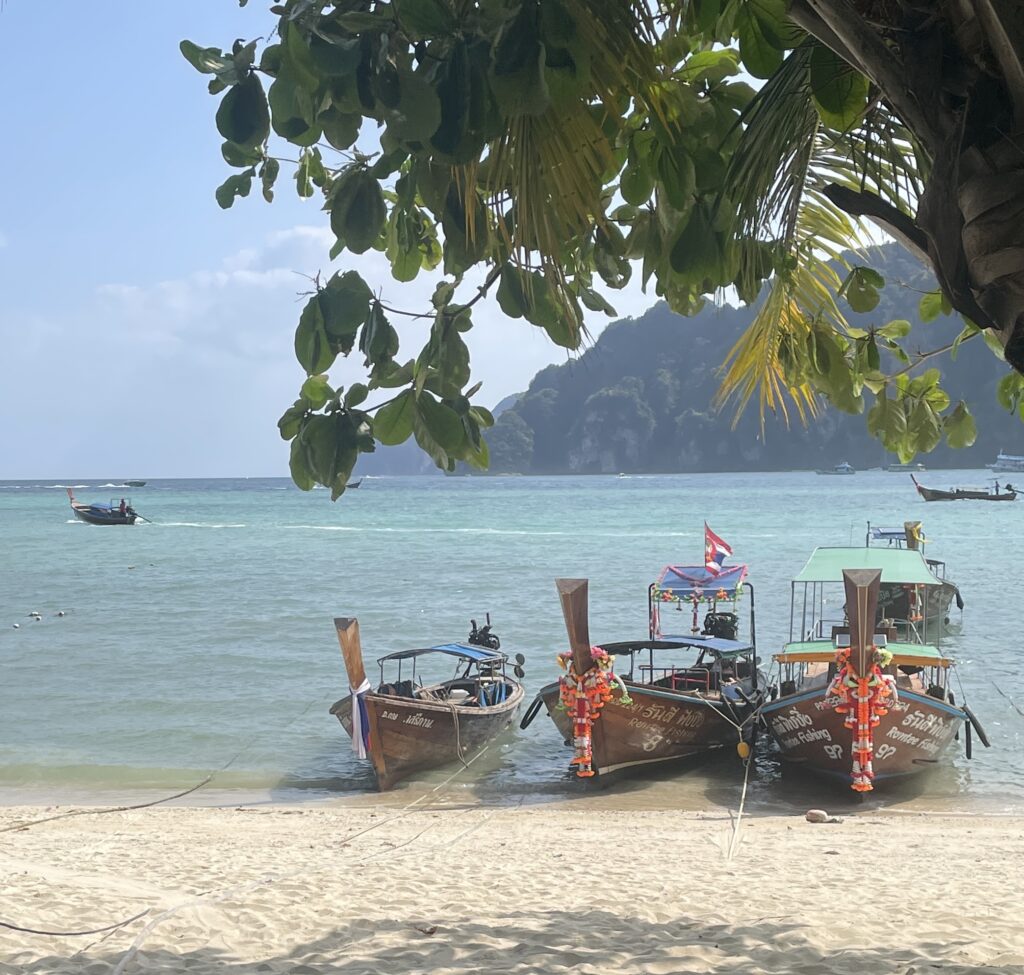
Northern Thailand feels completely different from the rest of the country, and in the best way possible.
The temples are stunning, the food is incredible, the mountains are beautiful, and the pace is slower and more thoughtful than the beaches and islands of the south.
This itinerary gives you enough time to experience all of that without feeling rushed. You’re spending real time in Bangkok, Chiang Mai, and Chiang Rai instead of bouncing between cities every other day, and that makes all the difference.
You might notice Pai isn’t on this itinerary. Pai is a small mountain town about three hours from Chiang Mai, known for waterfalls, viewpoints, and a laid-back backpacker and yoga scene. It’s beautiful, but it’s also overwhelmingly touristy.
Because the town is so small, the tourist presence is impossible to ignore, everywhere you look, it’s backpackers, tour groups, and Instagram seekers.
I’m just not a fan anymore. If you want nature and mountains without the crowds, Chiang Mai and Chiang Rai deliver that without the overwhelming tourist vibe.
Whether this is your first time in Thailand or your fifth, Northern Thailand has something special to offer. But if you’re still hung up on the South, browse my Southern Thailand itinerary.
Take your time, eat as much khao soi as you can handle, explore the temples, and don’t stress about seeing everything. You’ll be back anyway, trust me!
Last but not least, I highly recommend visiting during the Lantern Festival one of my most memorable travel experiences in my life! Have an amazing time in Northern Thailand, no matter when you go!

Is 10 days enough for Northern Thailand?
Yes, ten days gives you enough time to explore Bangkok, Chiang Mai, and Chiang Rai without feeling rushed. You’ll hit the major highlights, have time for day trips and activities, and still have downtime to relax and enjoy each place properly.
What’s the best time of year to visit Northern Thailand?
November through February during the cool season. The weather is comfortable, skies are clear, and it’s perfect for temples, trekking, and exploring. Avoid March and April due to burning season and extreme heat.
Should I spend more time in Chiang Mai or Chiang Rai?
Chiang Mai. It’s larger, has more to do, better food, and serves as a great base for day trips. Chiang Rai is worth two days for the temples, but Chiang Mai deserves at least four if you want to experience it properly.
Is this Northern Thailand itinerary good for families?
Yes. The pacing is relaxed, the activities are family-friendly (elephant sanctuaries, cooking classes, temples, markets), and the destinations are safe and accessible. Just be mindful of the heat if traveling with young kids during hot season.
