
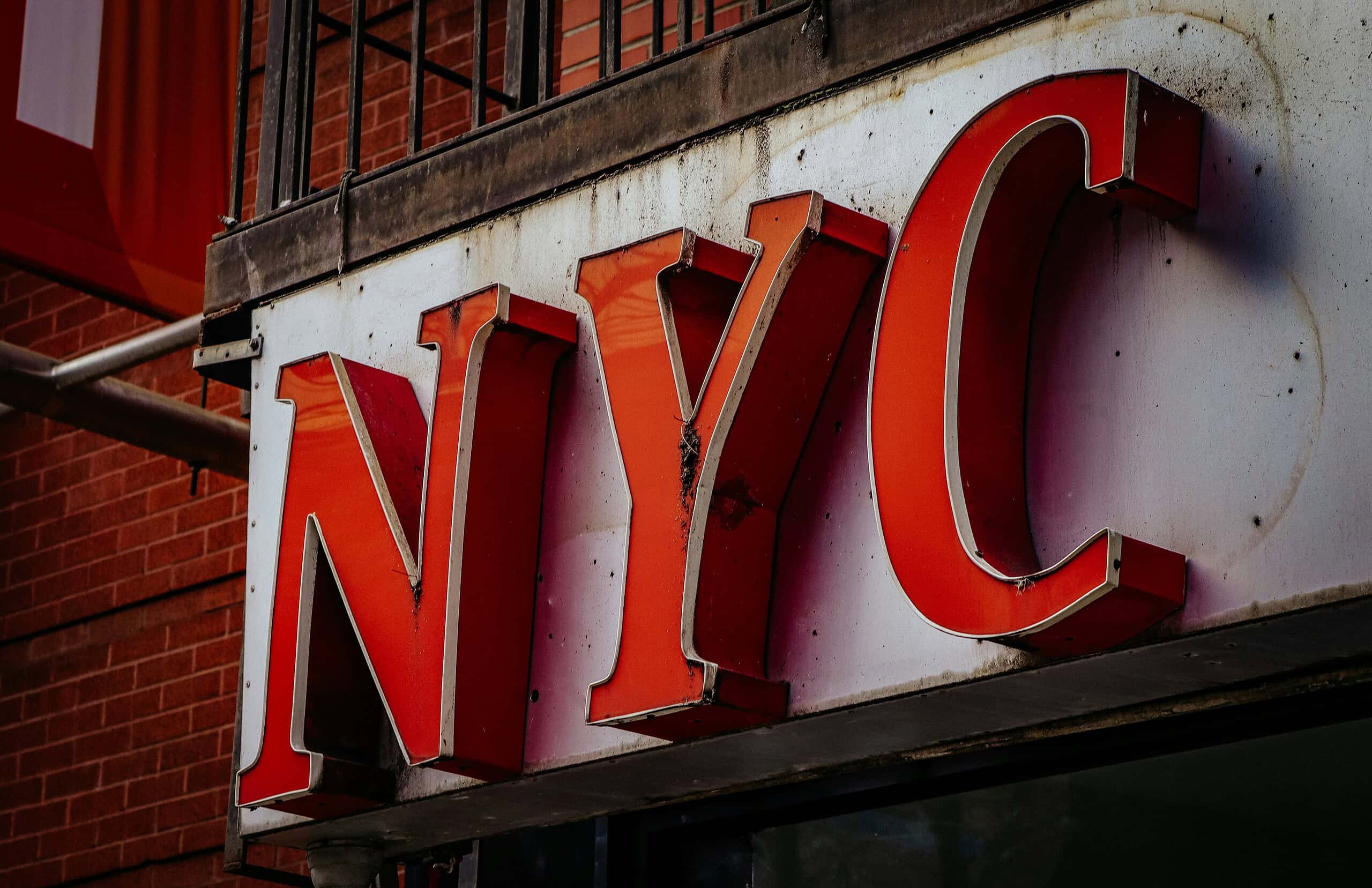
9 Must-Know Things to Know Before Visiting NYC
New York City is completely magical, but it’s also a place best experienced with a bit of preparation.
From the moment you arrive, the energy hits you: fast-paced, buzzing, and unforgettable. That said, having a few things to know before visiting NYC sorted ahead of time can make your visit way smoother.
This isn’t just any NYC travel article, it’s your must-know checklist before stepping foot in the city.
We’re covering everything from visa requirements and travel insurance to navigating the subway, handling the weather, what to wear, and yes, tipping culture too.
If you want your plans to run smoothly and avoid rookie mistakes, this guide is where your NYC trip planning should begin.

Check your Visa & Entry Requirements
Before you even think about booking that Broadway show or eyeing up bagels in the West Village, make sure you’re actually allowed into the country.
Depending on where you’re from, you might need a visa or qualify for the Visa Waiver Program (VWP) with an ESTA approval. No one wants a surprise at immigration. Processing times vary, so double-check well in advance.
You can check your eligibility and apply for the ESTA or appropriate visa via the official U.S. government website, and confirm VWP countries via the Visa Eligibility Checker.
No shady third-party services necessary. For a full overview, see the General US Entry Info.
Get Proper Travel Insurance Before You Go
Healthcare in the U.S. is expensive. Like, really expensive. A single emergency room visit can cost thousands of dollars, and that’s before any actual treatment.
If you’re visiting from abroad, your home country’s health coverage almost certainly won’t work in the U.S., and even if you’re American, standard insurance might not cover everything when you’re traveling.
Travel insurance isn’t just about medical emergencies either. It covers trip cancellations, lost luggage, stolen belongings, and unexpected delays. New York is generally safe, but pickpocketing happens, flights get canceled, and bags go missing.
Get coverage before you leave. It’s one of those things you hope you never need but will be incredibly grateful for if something goes wrong.
Don’t Let the Subway System Intimidate You

The NYC subway gets a bad rap, but honestly, it’s one of the best ways to get around the city. It runs 24/7, it’s cheap ($2.90 per ride as of 2025), and it’ll get you almost anywhere you need to go.
Yes, it can be confusing at first. The maps look like spaghetti, trains skip stops randomly, and the announcements are sometimes unintelligible. But once you understand the basics, it’s incredibly efficient.
Here’s what you need to know: uptown means north, downtown means south. Express trains skip smaller stops, local trains stop at every station.
Check the signs before you swipe in because some entrances are one-way only (uptown OR downtown, not both).
Get a MetroCard or use contactless payment (Apple Pay, Google Pay, credit card with tap) at the turnstile.
Download the MTA app or use Google Maps for real-time train updates. If you miss a train, another one’s coming in a few minutes.
The subway isn’t glamorous, but it’s functional, and you’ll save a ton of money compared to taxis or Ubers. Embrace it.
Wear Proper Shoes

This one sounds simple, but I’m serious. New York is a walking city, and you will walk way more than you think.
Even if you’re taking the subway everywhere, you’re still walking to the station, up and down stairs, through terminals, across neighborhoods, and around attractions.
Leave the cute-but-painful shoes at home. Your feet will hate you by day two if you’re trying to do Central Park in heels or explore Brooklyn in brand-new sneakers that haven’t been broken in yet.
Wear comfortable, supportive shoes that you’ve already worn before. Sneakers, broken-in boots, or walking sandals (if it’s warm) are your best bet.
New Yorkers dress well, but they also dress practically. You’ll see plenty of people in nice outfits with clean white sneakers.
Your Instagram photos won’t look any worse with comfortable shoes, but your trip will be way more enjoyable when your feet aren’t screaming at you.
Be Prepared for Price Shock

New York is expensive. You’ve probably heard this before, but it still catches people off guard when they’re actually here.
A cocktail at a decent bar? $18-$22. A slice of pizza? $4-$6. A sit-down dinner for two? Easily $100+ with tax and tip. Museum entry, Broadway tickets, attraction passes, all of it adds up fast.
Budget more than you think you’ll need. Even “cheap” meals in NYC aren’t that cheap compared to other cities.
If you’re coming from outside the U.S., remember that prices don’t include tax or tip, so that $15 burger is actually closer to $20 after everything.
There are ways to save money (street food, happy hour deals, free museum days), but don’t expect NYC to be a budget destination. Plan accordingly and you won’t be stressed every time you check your bank account.
Don’t Count on Perfect Weather

New York weather is unpredictable and seasonal extremes are real. Summers are hot and humid (think 85-95°F with sticky air), winters are cold and can be brutal (20-40°F with wind chill that cuts right through you), and spring and fall are gorgeous but inconsistent.
Check the forecast before you pack and layer your clothing. Even in summer, bring a light jacket for over-air-conditioned buildings and restaurants.
In winter, pack warm layers, a proper coat, gloves, and a hat because walking around frozen isn’t fun.
Rain happens year-round, so a compact umbrella or waterproof jacket is smart. And if you’re visiting in winter, expect the possibility of snow.
It’s beautiful for about 20 minutes, then it turns into grey slush. Don’t let weather ruin your trip. Just be ready for it.
Yes, NYC Is Safe — But Be Street Smart

New York gets a bad reputation from old movies and outdated stereotypes, but NYC is quite safe and is actually one of the safest major cities in the U.S. Violent crime is rare, especially in tourist-heavy areas like Manhattan.
That said, you still need to use common sense. Don’t flash expensive jewelry or leave your phone sitting on a table in a crowded area.
Keep your bag zipped and in front of you on the subway. Be aware of your surroundings, especially at night in quieter neighborhoods.
Pickpocketing does happen, particularly in Times Square, on crowded trains, and at busy tourist spots. Scams in NYC exist too (the classic “I need money for a MetroCard” or street performers who demand payment after you take a photo).
If something feels off, trust your gut. But overall, you’re more likely to get lost than get into trouble. Just stay alert and you’ll be fine.
NYC Is More Walkable Than You Think
People assume NYC is all taxis and subways, but walking is honestly one of the best ways to experience the city.
Most of Manhattan is laid out in a grid, so it’s hard to get completely lost, and you’ll stumble onto things you’d never see underground or in a car.
Distances can be deceiving though. On a map, it might look like a short walk from your hotel to Central Park, but 20 blocks in NYC is about a mile. That adds up fast, especially if you’re doing it multiple times a day.
Comfortable shoes (again, seriously) and a rough sense of direction will take you far. Walk when the weather’s nice and the distance is reasonable.
Take the subway when you’re tired or it’s too far. Mix both and you’ll get the full NYC experience.
Tipping Is Expected (And Not Optional)

Tipping in the NYC, isn’t just polite, it’s expected. Servers, bartenders, taxi drivers, and hotel staff all rely on tips as part of their income, and in NYC, the standard is 18-20% for good service.
At restaurants, tip 18-20% of the pre-tax total. At bars, $1-$2 per drink or 20% of the tab. For taxis and rideshares, 15-20%. Hotel bellhops and housekeeping? $2-$5 per service.
If you’re not used to tipping culture, it can feel awkward or excessive, but it’s just how things work here. Don’t skip it.
Servers in NYC make most of their money from tips, not hourly wages, and undertipping is seen as rude.
Factor tipping into your budget from the start so it doesn’t catch you off guard every meal.
NYC Packing List for Your Trip
Packing for NYC depends on when you’re visiting, but here are the essentials that work year-round:
Clothing:
- Comfortable walking shoes (broken in)
- Layers (even in summer, buildings are cold inside)
- A light jacket or sweater
- One nice outfit if you’re planning to go to a nicer restaurant or show
- Weather-appropriate outerwear (winter coat, rain jacket, etc.)
Accessories:
- Compact umbrella
- Crossbody bag or backpack (something secure and hands-free)
- Sunglasses (summer)
- Hat and gloves (winter)
Tech & Essentials:
- Phone charger and portable battery (you’ll use your phone a lot for maps and photos)
- Adapters if you’re coming from outside the U.S.
- Reusable water bottle (fill it up throughout the day)
- Hand sanitizer and tissues (trust me)
Documents:
- Passport & ID
- Travel insurance details
- Printed or digital copy of your hotel reservation
- Credit cards (chip-enabled, ideally with no foreign transaction fees)

Final Thoughts Before Visiting NYC
New York City is one of those places that lives up to the hype, but it’s also a city that rewards a little bit of planning.
Know your visa situation, get travel insurance, bring comfortable shoes, budget more than you think, and understand that tipping is non-negotiable.
Learn the subway basics, don’t let the weather surprise you, and stay street smart without being paranoid.
Most importantly, don’t try to do everything. You’re not going to see all of NYC in one trip, and that’s fine.
Pick a few neighborhoods, a few experiences, and actually enjoy them instead of sprinting from landmark to landmark.
New York moves fast, but you don’t have to. Take your time, walk around, eat good food, and let the city surprise you. That’s when NYC is at its best.

What’s the best time to visit NYC?
Spring (April to June) and fall (September to November) offer the best weather and fewer crowds than summer. Winter can be magical with holiday decorations, but it’s cold. Avoid July and August if you hate heat and humidity.
How much money do I need per day in NYC?
Budget $150–$250 per day for mid-range travel including meals, attractions, and transport. Budget travelers can get by on $75–$100, while luxury travelers should expect $300+.
Understanding NYC trip costs ahead of time helps avoid sticker shock, and remember to add tax and tips to everything you buy.
Is 4 days enough to visit NYC?
Four days in NYC is enough to see the highlights (Central Park, Times Square, museums, Brooklyn Bridge, good food), but you’ll be moving fast. Five to seven days lets you explore neighborhoods properly and not feel rushed.
Can you walk everywhere in NYC?
No, but you can walk a lot. Manhattan’s grid layout makes walking easy, and many neighborhoods are close together. You’ll still need the subway for longer distances (like Midtown to Brooklyn). Comfortable shoes are essential since you’ll easily walk 5–10 miles per day exploring the city.
