
What to Pack for Vietnam: 18 Things to Consider
Figuring out what to pack for Vietnam isn’t just about tossing clothes into a bag, it’s about packing with purpose.
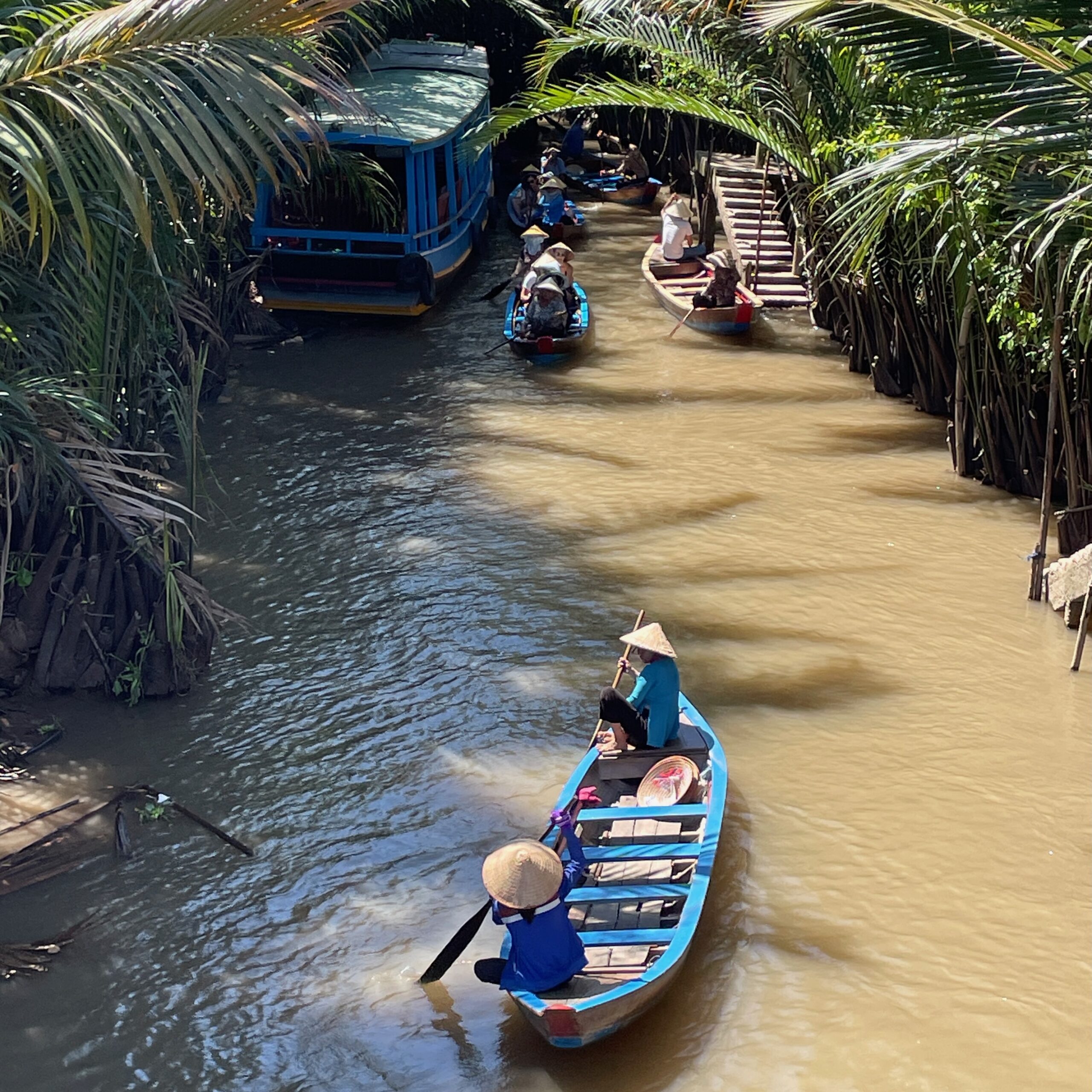
This S-shaped country stretches across different climates and terrains, from the misty mountains of Sapa to the steamy Mekong Delta, meaning your packing list needs to handle some variety.
Add in temple visits, motorbike rides, street food stops, and spontaneous beach days, and you’ve got yourself a trip that demands flexibility, not a suitcase full of “just in case” items.
Sure, you can buy things in Vietnam, and many travellers assume they’ll just shop when they get there, but the last thing you want is to spend precious time hunting for basics instead of exploring.
Even more importantly, you want to be ready with clothes and gear you actually like and feel comfortable using.
Whether you’re visiting during the humid summer months or the cooler, drier winter season, this guide covers exactly what to bring for your Vietnam trip so you’re ready for the adventure.
Lightweight Breathable Clothing
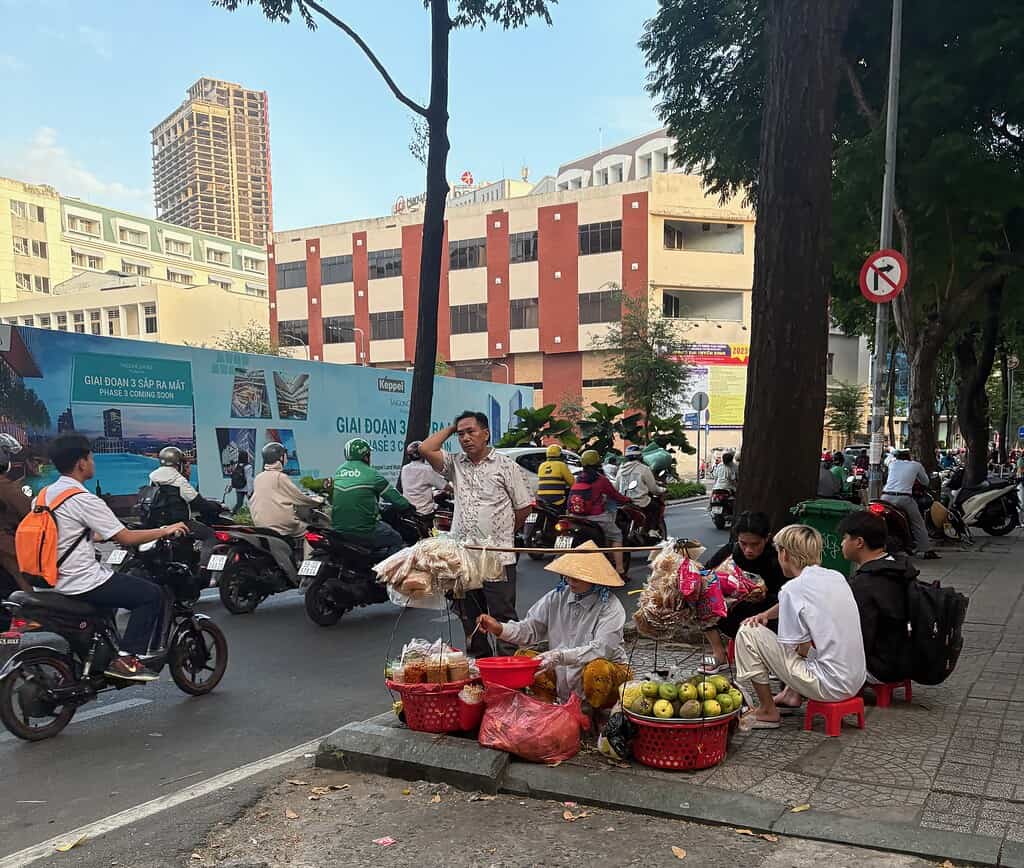
Vietnam’s tropical climate means you’ll be sweating, a lot, especially in southern Vietnam, places like Saigon or the Mekong Delta.
Packing lightweight, breathable clothing is the best way to stay comfortable and avoid that sticky, humid discomfort that can drag down your day. Think airy cotton, linen, or moisture-wicking fabrics.
Plus, clothing that keeps you cool also protects your skin from the sun, which you’ll appreciate if you’re spending hours on foot exploring temples, street markets, or rice fields.
You’ll also want to consider clothing that’s modest enough for cultural respect. When visiting pagodas or temples in places like Hue or Hanoi, covering your shoulders and knees is expected, so make sure a few longer pieces are in your bag.
Printed Copy of Your Vietnam Visa
If you’re entering Vietnam with a visa-on-arrival or an e-visa, bringing a printed copy is required.
Immigration officers at airports and land borders almost always ask for a physical copy of your approval letter or e-visa confirmation before allowing entry.
Many travelers assume a digital version on their phone will do, but that’s not always accepted.
Even your accommodation may ask for a hard copy at check-in, so it’s something you’ll want to have easily accessible.
I’m from Canada, a country that requires a visa for entry, and I always print two copies in advance, just in case one gets lost. I keep them in separate bags as a backup, and I’ve never regretted the extra prep.
Packable Rain Jacket or Poncho
Vietnam’s weather can flip fast, sunny one minute, full downpour the next. A lightweight, packable rain jacket or poncho is one of those essentials that doesn’t seem important until you’re stuck in a sudden tropical rainstorm.
This is especially true if you’re visiting during the rainy season (typically May to October) or traveling through central and northern cities like Hue, Hanoi, or Da Nang, where afternoon showers are a regular thing.
The goal here isn’t bulk, it’s something small enough to toss into your daypack, with a hood and ideally water-resistant zippers.
You’ll be glad you packed one when the skies open up mid-scooter ride or during a walking tour of the Old Quarter.
Comfortable Walking Shoes / Sandals
You’ll be walking a lot in Vietnam, whether through ancient towns like Hoi An, navigating street food stalls in Hanoi, or exploring temples and markets.
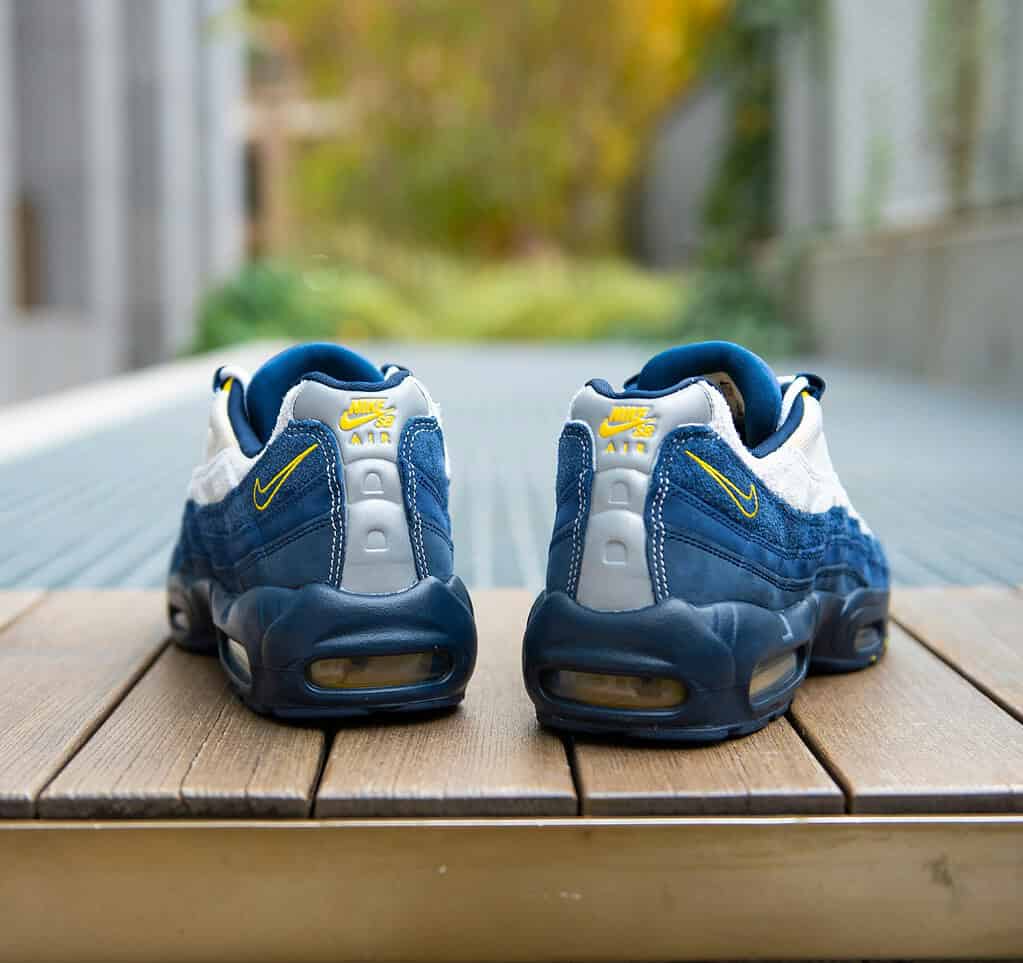
The terrain can be uneven, wet, or just plain busy, so comfortable footwear is essential.
Bring a pair of cushioned walking shoes for long days, and a pair of breathable sandals for hot weather or beach towns like Da Nang and Phu Quoc.
Prioritize support and durability, your feet will thank you after 15,000 steps in 90°F heat.
Swimwear
You don’t need a massive collection of swimwear, just one or two quality swimsuits will do.
Between Ha Long Bay cruises, days lounging on Da Nang’s beaches, or cooling off in natural springs, you’ll definitely be in the water at some point.
Most hotels in Vietnam have pools, and many tours include water activities, kayaking, snorkelling, or boat rides, so having swimwear on hand is key.
Ladies may want to pack a light sarong or quick-dry cover-up, which makes it easier to go from beach to lunch spot without having to change completely.
Power Bank
Vietnam is a place where your days can stretch long, especially if you’re navigating cities like Hanoi, riding overnight buses, or using your phone for maps, translations, and endless food photos.
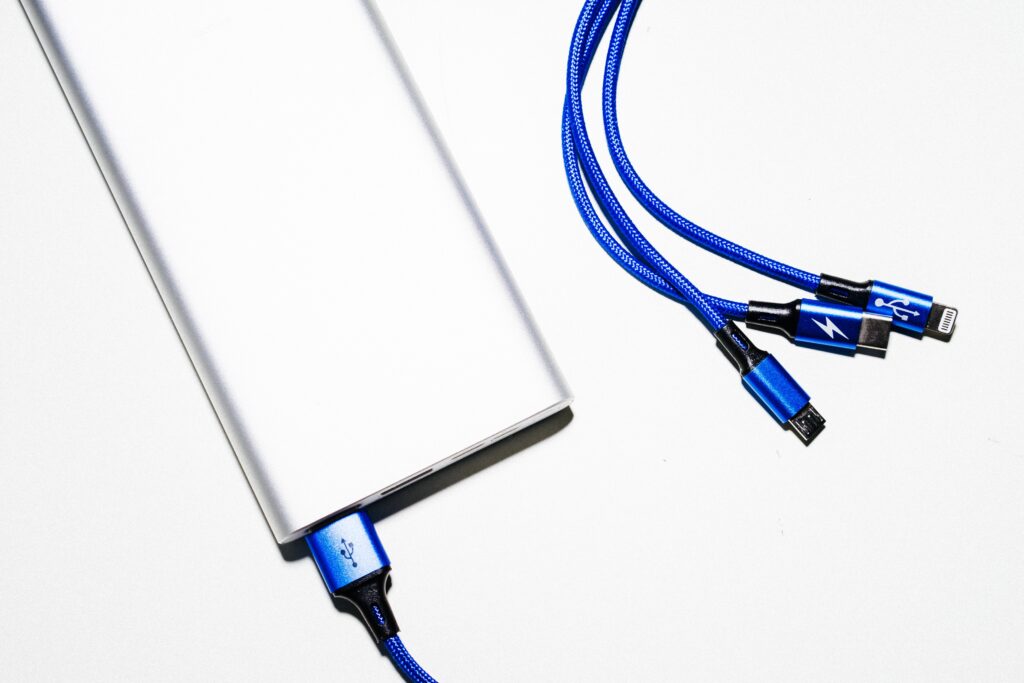
A high-capacity power bank ideally 10,000 mAh to 20,000mAh is one of the most practical things to pack. I personally prefer one that supports fast charging and has at least two USB ports.
It’s also a lifesaver when you’re out exploring and your phone hits low battery, which tends to happen when you’re snapping shots nonstop in Ha Long Bay or using your eSIM data to look up directions wherever you may be visiting.
Sunscreen (SPF 50+, Reef‑Safe)
The sun in Vietnam is deceptively strong, especially in coastal areas like Mui Ne, Da Nang, or Phu Quoc, where you’ll likely spend hours outdoors.
Even on overcast days, UV rays are intense, and a burn can sneak up on you quickly.
Bring a reef-safe, high-SPF (50+) sunscreen that’s non-greasy and sweat-resistant. This isn’t just about avoiding sunburn, it’s also about protecting your skin long-term while respecting marine life if you’re swimming or snorkelling.
Sunscreen can be pricey or limited in selection locally, and many Vietnamese drugstores stock whitening formulas, which may not be ideal if you’re just looking for solid sun protection. You’ll be glad you brought your own.
Money Clip
Vietnam is still largely a cash-based society, especially once you step outside major cities or international hotel chains.
You’ll be surprised by how many bills you accumulate, especially since the Vietnamese Dong (VND) comes in large denominations, and 500,000 VND notes aren’t uncommon.
A money clip helps keep all those bills organized, especially when you’re dealing with tens of thousands in cash for simple purchases like coffee, taxis, or local street food.
It’s also slimmer and more discreet than a bulky wallet, which is ideal for crowded markets or night buses.
Personally, I always keep one money clip in my day bag and another smaller stash tucked away at the hotel.
It keeps things efficient, tidy, and just feels more secure when handling that much paper currency on the go.
Travel Adapter (220V, Type A, C, and D Sockets)

Vietnam uses a 220V voltage system and typically supports Type A, C, and D plug sockets.
If you’re traveling from North America, the UK, or other regions, chances are your plugs won’t be compatible, which is why a universal travel adapter is essential.
I always bring one that has multiple USB ports, so I can charge my phone, power bank, camera, and headphones all at once. It’s especially handy if your hotel room only has one accessible outlet, which is more common than you’d think.
Also, make sure your devices are voltage-compatible with 220V, most modern electronics are, but double-check things like hair tools or electric razors before you plug them in.
Small Travel Umbrella
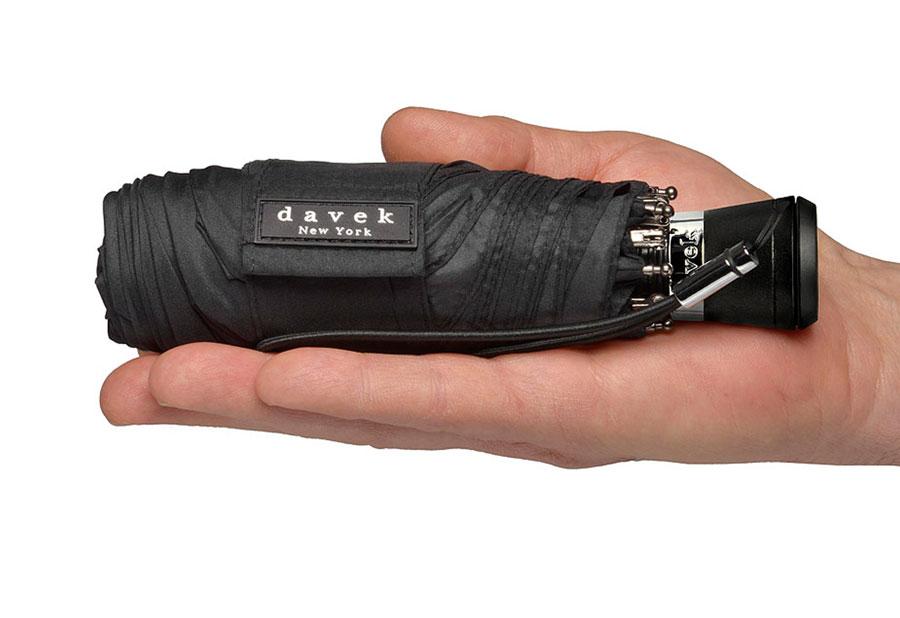
Vietnam’s weather can flip quickly, sunshine one minute, a full downpour the next. Especially during the rainy season or in cities like Hue and Hanoi, a small travel umbrella becomes essential.
A small travel umbrella is always on the top of my bring-to-anywhere list. If I’m being honest with you here, listen, at the end of the day, you never know when the rain can strike.
Sure, you can buy one locally, but the quality might not be there, and it might be too small. Just come prepared. That’s the best idea.
Also, it really depends on where you’re going in Vietnam. If you’re only visiting the south and it’s during the dry season, your chance of rain is lower.
But if you’re exploring the country more broadly, say, heading from Hanoi to Hoi An, rain definitely plays a factor no matter the time of year.
Make sure it’s compact, wind-resistant, and easy to pop open in a hurry. Bonus if it has UV protection, so you’re covered on both rainy and ultra-hot days.
Hat or Ball Cap
The sun in Vietnam can be relentless, especially during midday and in open areas like rice fields, coastal roads, or even while walking around cities like Hoi An and Hue. A hat or ball cap isn’t just about style, it’s about function.
Sunburned faces and overheating are real possibilities when you’re out sightseeing for hours.
Having a breathable hat offers direct UV protection and helps keep you cool, particularly in places where shade is hard to come by.
Ball caps are great for packing and work with just about any outfit, while wide-brimmed hats offer more coverage if you’re sensitive to the sun.
Sunglasses with UV Protection

Between Vietnam’s bright sun, long days of sightseeing, and reflective surfaces like water or concrete, a solid pair of sunglasses with UV protection is a must.
Whether you’re motorbiking through Ninh Binh, walking along the Mekong, or hopping on a boat in Ha Long Bay, your eyes are exposed to strong UV rays, even on cloudy days.
Polarized lenses are ideal, especially near water, as they cut down glare and make everything easier on your eyes.
Sure, you might be able to buy sunglasses once you land in Vietnam, but lets be real, if you’re buying them off the street from a vendor, the chances they’re actually UV-protected are slim.
Unless you’re shopping at a proper mall or a trusted retailer, you’re probably just getting tinted plastic. Why risk it? Show up prepared, bring the right pair from home, and save yourself the squinting.
Not to mention, squinting through every day gets exhausting fast, this is one of those small things that makes a big difference.
Fast‑Dry Towel
When traveling through Vietnam, especially during hot, humid days or water-based excursions, a fast-dry towel becomes your underrated hero.
Regular towels take forever to dry in tropical conditions and can start to smell if you pack them damp.
A microfibre or quick-dry version dries in just a couple of hours, folds down compactly, and fits easily into your daypack or suitcase.
It’s handy after a sweaty hike in Sapa, a swim at a beach in Da Nang, or even a rainy afternoon in Hanoi. You’ll also find it useful at hostels, waterfalls, or spontaneous dips in hotel pools.
This is one of those things you might not appreciate when packing, but you’ll be so glad you brought it once it saves the day (and your backpack from smelling like mildew).
Dry Bag / Waterproof Phone Pouch
Vietnam has no shortage of water adventures, boat rides in Tam Coc, kayaking in Halong Bay, or just getting caught in heavy tropical rain.
That’s why a dry bag or waterproof phone pouch is a smart addition to your packing list.
Whether you’re navigating a misty river or hopping on a ferry, keeping your valuables dry is a must. Phones, passports, and even cash can get ruined fast if you’re not prepared.
I always travel with a small 5L dry bag that holds the essentials and a simple waterproof pouch for my phone.
It gives peace of mind, especially in places where you’re constantly around water. And even if the skies are clear, it’s just as helpful during the rainy season.
Toiletry Kit (Travel‑Size)
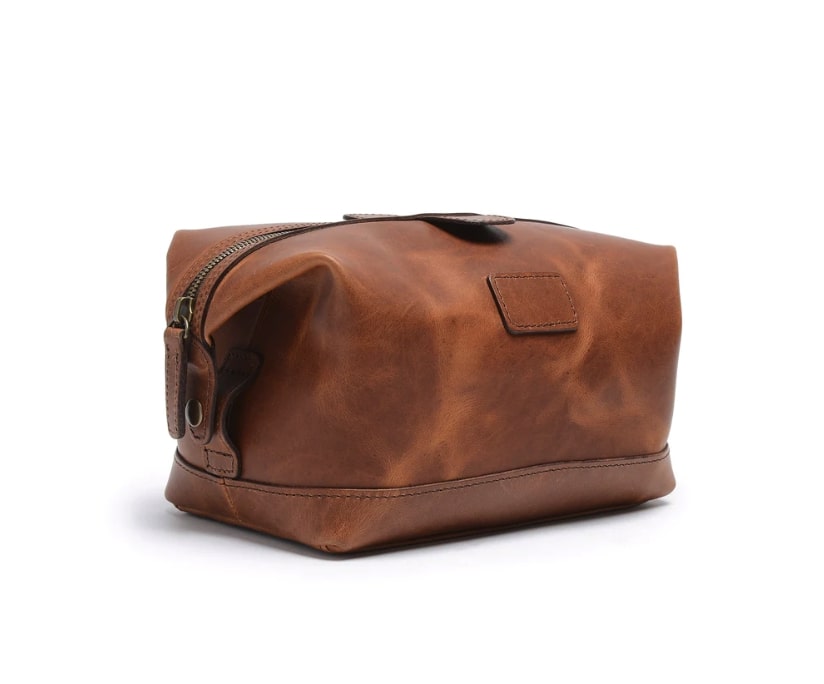
You’d be surprised how many travelers forget the basics when packing for Vietnam. A compact toiletry kit makes a big difference, especially when you’re hopping between cities or staying in budget accommodations where not everything is provided.
Think of it as your mini hygiene station: toothbrush, toothpaste, deodorant, shampoo, conditioner, body wash, skincare essentials, and anything else that keeps you feeling fresh.
With the humidity and heat in many parts of Vietnam, you’ll likely want to shower more often than usual.
Make sure your liquids meet carry-on size requirements if you’re packing light. I personally pack facial wipes and lip balm too, small items that make a big difference on long travel days or overnight buses.
And while you can find basics in Vietnam, brands and quality can vary. It’s easier (and cheaper) to bring what you already know works for you.
Lightweight Backpack / Daypack

This is often an item that many people miss. There are going to be days when you leave your hotel in Vietnam and you’re not coming back for hours.
A lightweight backpack or daypack becomes your best friend, not too bulky, but just enough to carry everything you’ll actually need.
Personally, I go for a small shoulder bag that’s comfortable for all-day use. I try to keep things compact: a slim power bank, tissues or napkins, my lip balm, phone, wallet, and, depending on what I’m doing, some sunscreen.
The size you choose may also depend on who you’re traveling with, but the key is that it’s lightweight and functional.
Actually, my shoulder bag is a leather one I picked up from Hoi An. If you’re visiting Hoi An, you could skip packing one altogether and pick up something beautiful and handmade locally.
Shopping is one of the best things to do in Hoi An, and trust me, the leather goods are top-tier.
Choose something water-resistant with comfy straps, and ideally, a hidden pocket for cash or your passport.
Whether you’re navigating busy city streets or hopping on a boat tour, you’ll be glad you’re not juggling your stuff in your hands all day.
Wireless Headphones

Wireless headphones are a smart addition to your Vietnam packing list, especially for downtime during travel.
Whether you’re relaxing on a long bus ride, walking along a peaceful beach shoreline, or tuning out during a lengthy excursion like the journey to the Mekong Delta, having a calming playlist or podcast on hand can make all the difference.
I don’t recommend wearing headphones when crossing busy intersections or navigating hectic city streets, Vietnam’s traffic, especially in cities like Hanoi or Saigon, demands your full attention.
That said, when you do have a quiet moment, headphones are perfect for carving out a bit of peace.
Local Currency + Backup Card

Vietnam is still very much a cash-first country. While cards are accepted in some hotels, restaurants, and larger stores, the majority of transactions, from local food stalls to taxis and markets, are cash only.
You’ll find yourself using Vietnamese Dong (VND) for nearly everything, and trust me, the denominations can feel a little overwhelming at first.
Bring enough local currency to cover your first few days, and plan to withdraw more from trusted ATMs once you’re there. There is usually a small withdrawal fee at most machines, so take out what you need in reasonable amounts to avoid frequent charges.
That said, VPBank ATMs, the green coloured bank, are known to be free for many international cards, one of my top tips for Vietnam, so keep an eye out for those during your travels.
It’s also a good idea to bring a backup card (or two). Cards can get lost, blocked, or declined, and you don’t want to be stuck without access to your funds.
Lastly, a money clip as mentioned earlier, it can be incredibly helpful in keeping your bills organized, especially since you’ll be carrying around stacks of currency that may all look the same at first glance.
How Vietnam’s Weather Affects What You Pack
Vietnam’s long, narrow geography means the weather can shift dramatically depending on where you are.
You could be enjoying sunshine in the south while it’s rainy or downright chilly in the north, all in the same week.
That’s exactly why your packing list needs to be shaped by both when and where you’re visiting. A little research goes a long way when it comes to preparing for Vietnam’s many microclimates.
The number of stories I’ve heard from travellers who totally misjudged the weather here? If I had a dollar for every time, I’d be somewhat rich by now.
One day someone’s freezing in Hanoi because they came in winter with nothing but t-shirts, totally unaware that they’d need actual layers up north, and another day someone’s confused why Sapa is so chilly, even though it’s not far from Hanoi. The mountain elevation throws them off.
On the flip side, the south, like Saigon, is much more predictable. Hot, humid, and fairly steady year-round. Even when you hit the rainy season in the south, you’re soaked, sure, but at least you’re not shivering. That’s more than we can say for the north in January.
So yeah, be strategic. One packing list won’t cover the whole country unless you think it through first.

Final Thoughts on What to Pack for Vietnam
Packing for Vietnam isn’t about stuffing your suitcase with everything you might need, it’s about packing smart for the trip you are taking.
Between the regional weather shifts, cultural etiquette, and all the epic adventures waiting for you (beaches, cities, mountains, and everything in between), having the right gear makes all the difference, especially once you know the important things to learn before your Vietnam trip.
Whether you’re temple-hopping in Hue, cruising through Ha Long Bay, or zipping through Hanoi’s traffic on a motorbike, this list was built to help you feel prepared, not overwhelmed.
Bring what makes you comfortable, what keeps you covered, and what supports a full day of exploring.
If you’re planning to visit Vietnam, like most tourists do, you’re probably not sticking to just one region.
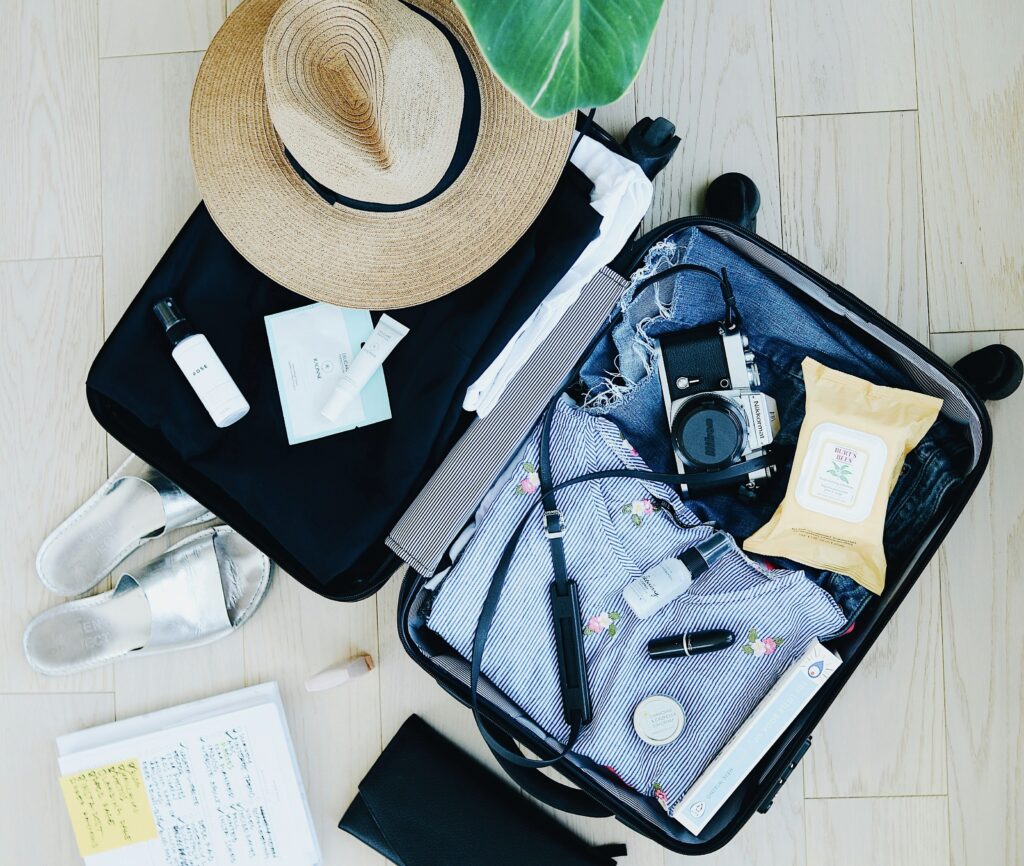
You’re likely exploring more than one region: the north, like Hanoi or Sapa; the central region, such as Da Nang or Hoi An; and the south, like Saigon.
That means your packing list needs to reflect Vietnam’s incredibly varied geography and weather.
Plan for it. Pack for it. Bring what works across climates, and keep things light, but thoughtful.
And while you’re preparing for the fun stuff, it’s also worth reading up on a few common scams in Vietnam to avoid, just to stay aware and make your trip go as smoothly as possible.
Enjoy your trip to Vietnam, it most likely won’t be your last. That’s what I learned years ago when I visited for the first time.

Can I buy everything I need in Vietnam?
You can buy many basics in Vietnam, but quality varies. Items like sunscreen, medicine, or electronics may be more expensive or harder to find in familiar brands.
It’s best to arrive with essentials like reef-safe sunscreen, good walking shoes, and your own power bank or travel adapter.
How should I prepare for Vietnam’s weather?
Vietnam’s weather varies greatly by region and season. The north can be cool in winter, while the south is typically hot year-round.
If you’re visiting multiple regions, pack with layers and weather shifts in mind. A lightweight rain jacket and umbrella are smart year-round.
What should I wear when visiting temples in Vietnam?
When visiting temples, dress modestly. This means covering your shoulders, chest, and knees, for both men and women.
Lightweight, breathable clothing that fits this guideline works best in the heat. A scarf or light wrap can also be helpful for quick coverage.
What should I not forget to pack for Vietnam?
A few must-haves often get missed: a travel adapter, lightweight rain jacket, good walking shoes, and a small umbrella. Vietnam’s weather can flip fast, pack smart to avoid surprises.
