
17 Things Nobody Tells You About Thailand
Thailand is one of those places that’s been hyped up so much online that you think you know exactly what to expect.
Temples, beaches, street food, tuk-tuks, yeah, you’ve seen the Instagram posts.
But here’s the thing: there are so many things nobody tells you about Thailand that only become obvious once you’re actually there.
The stuff that doesn’t make it into travel guides or listicles. The little surprises, quirks, and realities that catch first-timers completely off guard.
I’ve been to Thailand countless times, and my mom just visited for the first time recently.
Watching her experience it fresh reminded me how many assumptions people have before they go, and how quickly those assumptions get flipped once they land.
Some of these surprises are practical. Some are cultural. Some are just funny. But all of them are things I wish someone had mentioned before my first trip, and things that’ll make your experience smoother, more enjoyable, and way less confusing.
So if you’re planning your first Thailand trip, here are 17 things nobody tells you until you’re already there.
Thailand Is Way Safer Than You Think
This was the biggest surprise for my mom, and it’s one of the first things most first-timers mention after their trip.
Thailand has this reputation in the West as chaotic and slightly sketchy. Maybe it’s old backpacker stories or the general assumption that anywhere “exotic” must be dangerous. Whatever it is, people show up expecting to be on high alert.
The reality? Thailand is incredibly safe. You can walk around Bangkok at midnight. You can leave your phone on a table at a café.
You can take a tuk-tuk alone and be completely fine. Violent crime against tourists is extremely rare.
Obviously, use common sense. Petty theft happens in crowded tourist areas. But the idea that Thailand is dangerous is flat-out wrong, and it surprises almost everyone.
My mom kept saying she felt safer in Bangkok than in certain parts of Toronto. That tells you everything.
7-Eleven Is Basically a Lifestyle (Not Just a Convenience Store)
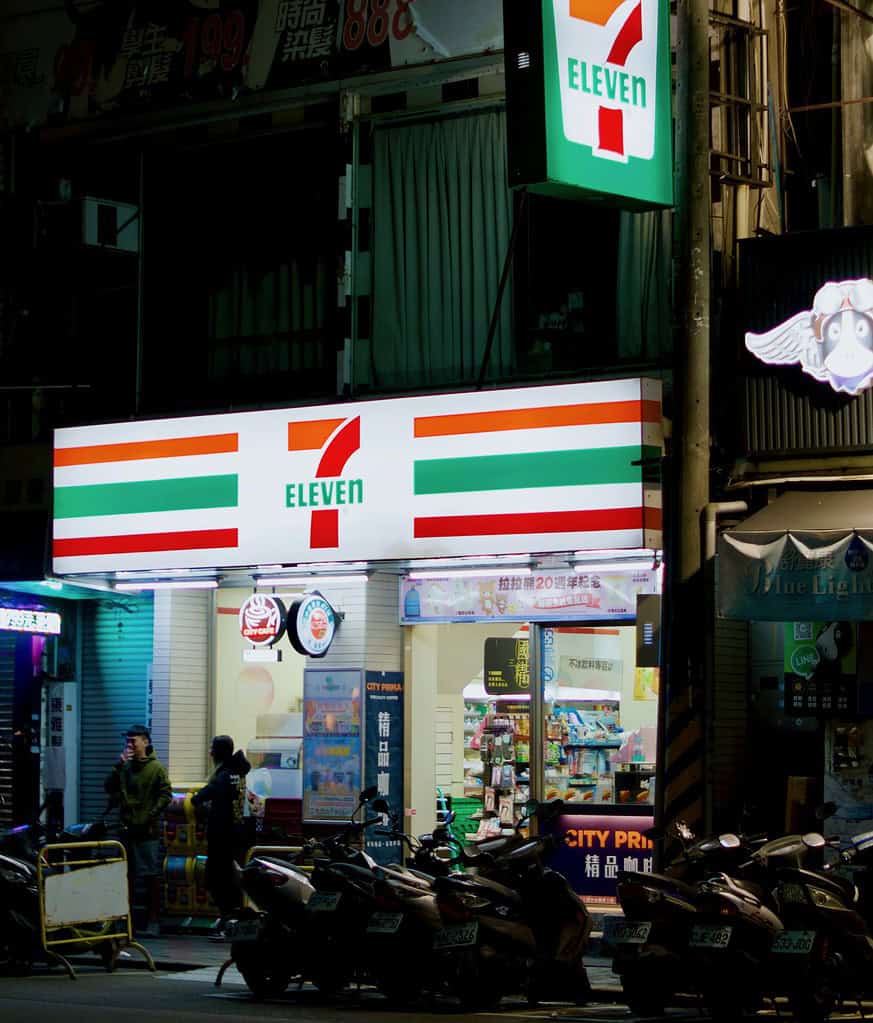
If you’ve never been to Thailand, you probably think of 7-Eleven as a generic convenience store. In Thailand, it’s a cultural institution, and you will become obsessed with it.
There’s a 7-Eleven on every block. Sometimes two. Bangkok alone has over 10,000 locations. You cannot escape them, and you won’t want to.
My mom visited one every day, multiple times. She joked that they sell everything except cars, and even then, she wasn’t entirely convinced.
Here’s what you can actually get: freshly made sandwiches, iced coffee better than Starbucks, hot meals, snacks, toiletries, SIM cards, phone chargers, cold towels, ice cream, beer, and about a thousand other things you didn’t know you needed.
They’re also air-conditioned, which matters when it’s 35°C outside. You’ll duck into a 7-Eleven to cool off, grab a cold drink, and regroup.
Within two days, you’ll have a favorite snack and a daily 7-Eleven routine. It’s just how Thailand works.
Night Markets Are More Than Just Shopping

Night markets in Thailand aren’t just tourist traps where you buy cheap souvenirs. They’re a legitimate part of Thai culture and daily life, and they’re one of the best parts of visiting.
My mom was shocked by how fun and convenient they are. She expected chaos, but found them organized, safe, and full of incredible food.
You’ll find handmade crafts, clothes, and street food stalls serving some of the best meals you’ll eat in Thailand.
The energy is lively but not aggressive. Vendors are friendly, prices are cheap, and the food pad thai, grilled skewers, mango sticky rice, is ridiculously good.
The most famous ones are in Chiang Mai (Saturday and Sunday Walking Street) and Bangkok (Rot Fai, Talad Neon), but almost every city has at least one running a few nights a week.
Go hungry, bring cash, and plan to spend a few hours wandering.
Plan Your Thailand Trip with Confidence
4 Hours of Expert Travel Advice — Routes, Scams to avoid, What to book, and more.
The Infrastructure Can Be Rough (Sidewalks, Roads, Tripping Hazards)
This catches a lot of first-timers off guard. Thailand’s tourism infrastructure is world-class, but the actual physical infrastructure, sidewalks, roads, steps—can be rough.
My mom tripped twice during her trip. Not because she’s clumsy, but because sidewalks are uneven, cracked, and sometimes just missing entirely.
There are random holes, exposed rebar, sudden drop-offs, and motorbikes parked in the middle of walkways.
In Bangkok especially, you’ll navigate broken pavement, construction zones, street vendors on walkways, and drainage grates that look ready to collapse.
Wear sturdy shoes with good grip. Watch where you’re stepping, especially at night. Don’t assume a sidewalk will stay level.
It’s not a dealbreaker, but it definitely surprises people who weren’t expecting it.
Some Areas Are Overwhelmingly Touristy
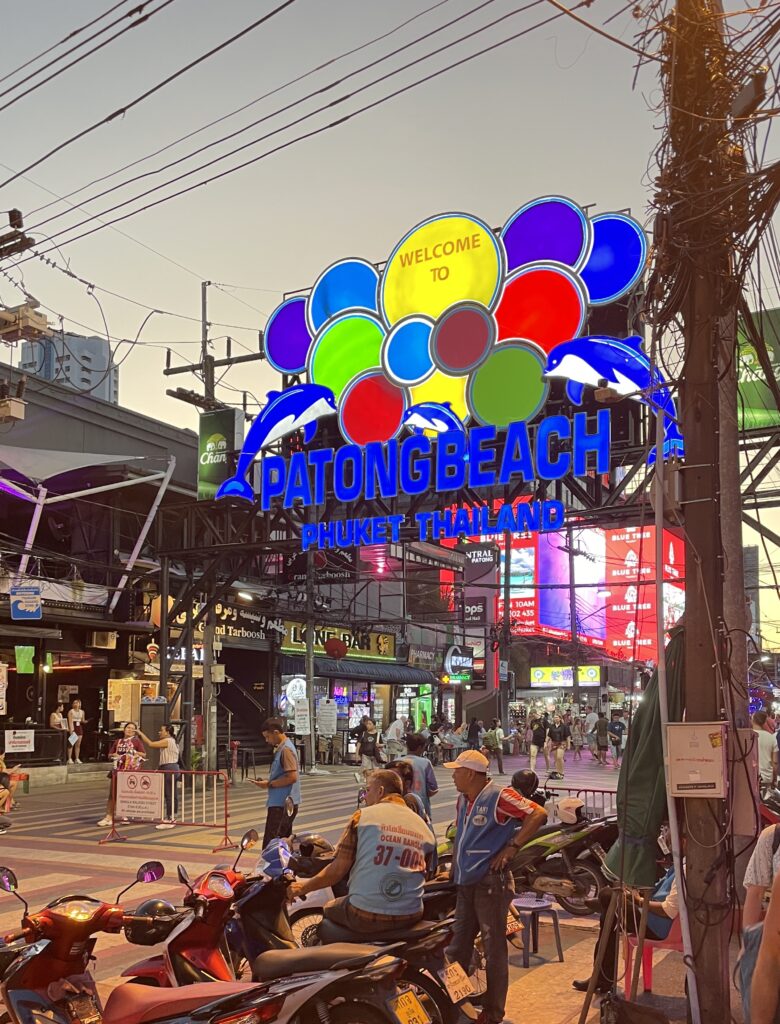
Thailand is touristy. You know this going in. But what nobody tells you is just how overwhelmingly touristy some areas actually are.
Places like Khao San Road in Bangkok, Patong Beach in Phuket, and Walking Street in Pattaya are almost entirely dominated by tourists.
You’ll see more Westerners than locals, hear more English than Thai, and feel like you’re in a theme park version of Thailand.
My mom mentioned this a few times. She expected to see more everyday Thai life and fewer tour groups.
The good news? It’s easy to escape. Stay in neighborhoods like Ari or Thonglor in Bangkok instead of Sukhumvit.
Visit smaller towns like Lampang or Nan. Eat at local restaurants instead of places with English menus.
Thailand has both the tourist zones and the real local life. Just be intentional about where you go.
Tuk-Tuks Are Everywhere (And Part of the Experience)
Tuk-tuks are iconic, and yes, they’re everywhere. You’ll see them buzzing around constantly in Bangkok, Chiang Mai, Phuket, and small towns.
Here’s what nobody tells you: they’re not the cheapest or most practical way to get around, but they’re fun as hell.
Tuk-tuks are loud, open-air, three-wheeled motorbike taxis that weave through traffic like they’re in a video game.
Drivers will try to charge you more than a metered taxi or Grab, and you’ll need to negotiate the price before you get in. And be careful of the common tuk tuk scams!
But the experience, wind in your face, dodging cars, feeling the chaos of Thai traffic up close, is worth it at least once. They’re also surprisingly safe. Drivers know what they’re doing.
Use Grab or metered taxis for practicality. Use tuk-tuks for the experience. And always agree on a price upfront.
Bangkok Is Massive (Like, Really Massive)

Most people know Bangkok is big, but nobody really understands how massive it is until they’re there.
Bangkok is one of the largest cities in Southeast Asia, sprawling across over 1,500 square kilometers with a population of over 10 million people. The scale of it is genuinely overwhelming at first.
Neighborhoods that look close on a map can take 45 minutes to reach by taxi because of traffic.
The BTS and MRT help, but they don’t cover the entire city. You’ll spend way more time in transit than you expect, and the first few days can feel disorienting.
My first time in Bangkok, I underestimated distances constantly. I’d think “oh, that’s only a few blocks away” and then realize it was a 30-minute walk in 35°C heat.
Give yourself time to get places. Don’t overpack your daily itinerary. And use Google Maps religiously.
The Beaches Are Genuinely Stunning (Not Overhyped)
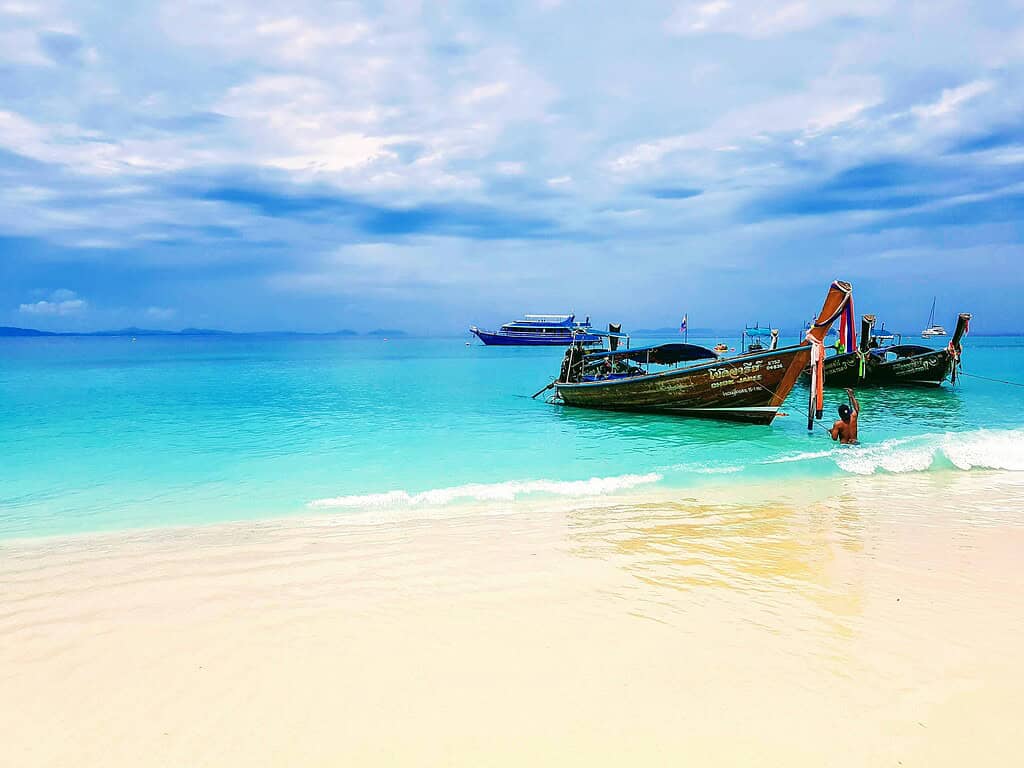
Thailand’s beaches have been plastered all over Instagram for years, and you’d think the hype would be exaggerated by now. It’s not.
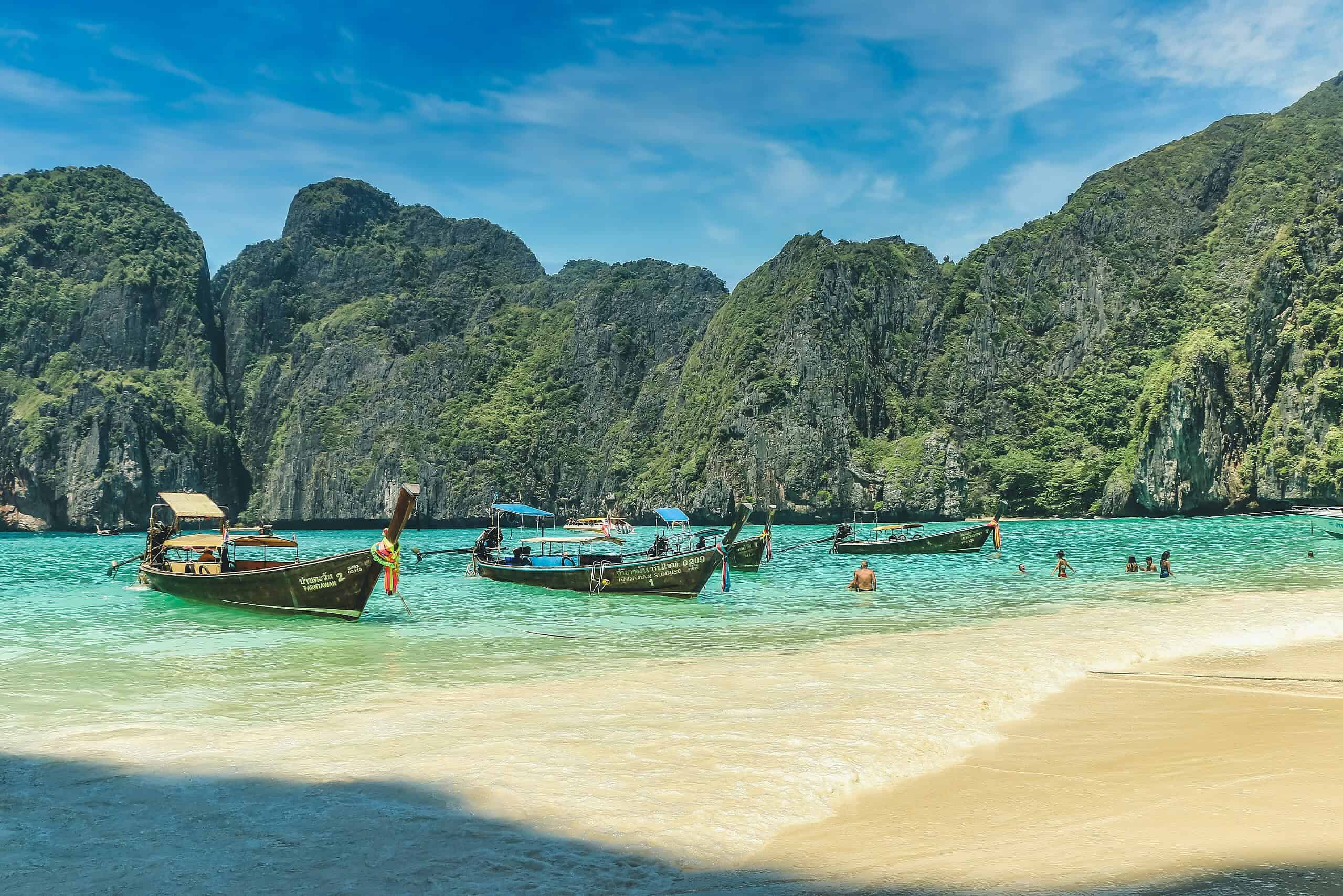
The beaches in Thailand, especially in the south, are genuinely that beautiful. White sand, turquoise water, limestone cliffs rising out of the ocean, palm trees everywhere.
It’s not just photo editing. It actually looks like that.
Places like Railay Beach, the Phi Phi Islands, Koh Lanta, and the Similan Islands are some of the most stunning coastal areas in the world, and they live up to every expectation.
What surprises people is just how accessible they are. You don’t need to spend thousands on a luxury resort to experience these beaches. You can stay in budget accommodations and still wake up to postcard views.
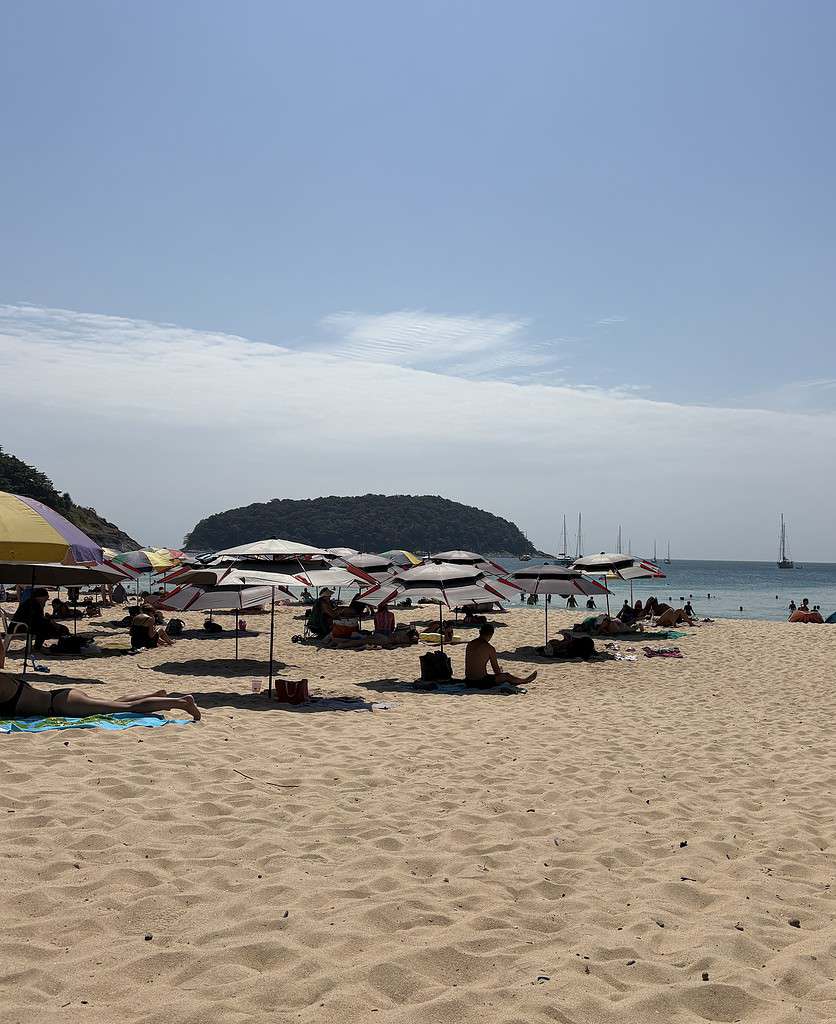
Just manage your expectations around crowds. The most famous beaches get packed, especially in peak season. But the beauty? That’s real.
Thai People Are Incredibly Welcoming
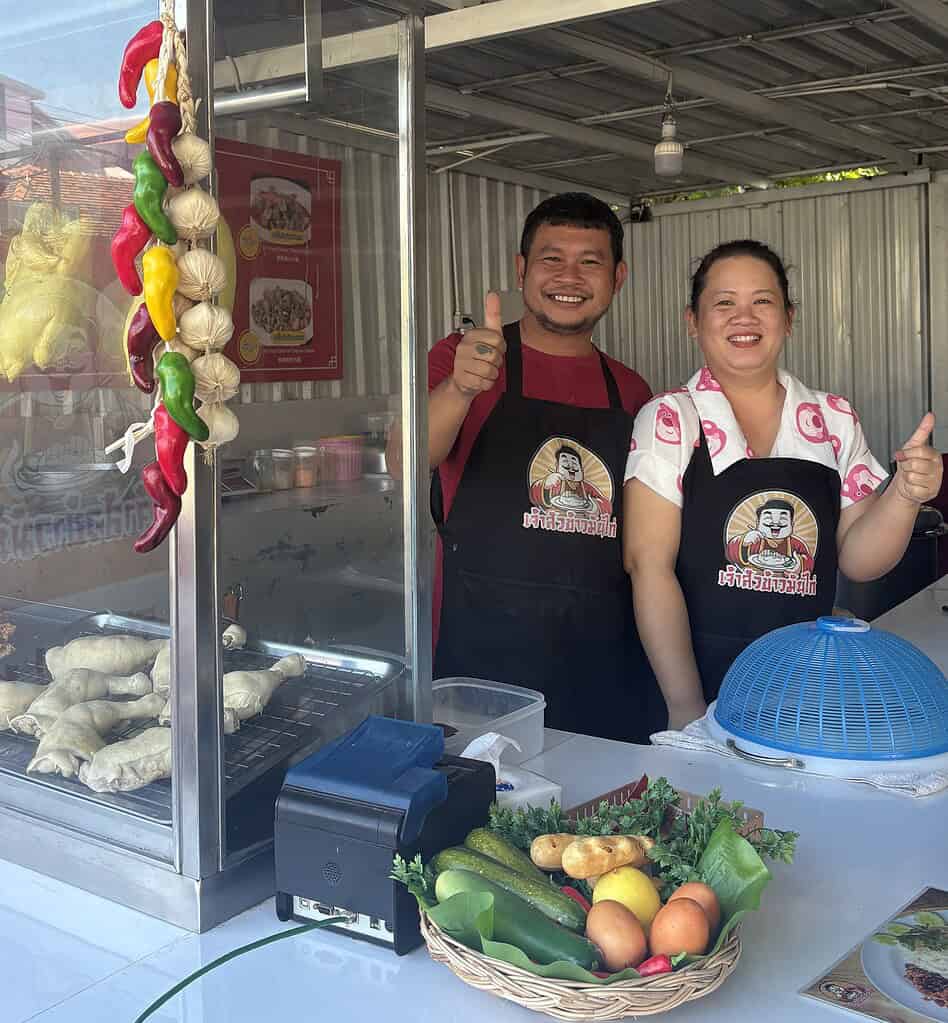
Thailand is called the “Land of Smiles” for a reason, and it’s not just a tourism slogan. Thai people are genuinely warm, friendly, and welcoming to visitors.
You’ll notice it immediately. Strangers will smile at you. Shopkeepers will chat with you even if you’re not buying anything.
Locals will go out of their way to help you if you’re lost or confused, even if there’s a language barrier.
This doesn’t mean everyone is your best friend or that there aren’t cultural differences to navigate.
But the general vibe is kind, patient, and hospitable in a way that stands out compared to a lot of other countries.
My mom kept commenting on how friendly everyone was, even in busy, touristy areas where you’d expect people to be more jaded.
It’s one of those intangible things that makes Thailand feel special and keeps people coming back.
The Food Is Better (And Cheaper) Than You Expect

You know Thai food is good. You’ve had pad thai and green curry back home. But nothing prepares you for how good it actually is when you’re eating it in Thailand.
The flavors are brighter, fresher, and more complex. Street food tastes better than most restaurants back home.
And it’s absurdly cheap, you can eat an incredible meal for $2-$3 from a street cart.
What surprises people is the variety. Thai food isn’t just pad thai and curry. There’s som tam (papaya salad), khao soi (coconut curry noodles), larb (spicy minced meat salad), moo ping (grilled pork skewers), boat noodles, sticky rice with mango, and hundreds of regional dishes you’ve never heard of.
You’ll also eat way more than you planned because everything is so cheap and accessible.
My mom and sister ate four times a day and still spent less on food than she would in a week back home. Come hungry. Try everything. Don’t skip the street food.
You’ll See Way More Temples Than You Planned

Thailand has over 40,000 Buddhist temples, and you will see a lot of them whether you plan to or not.
Even if you’re not particularly interested in temples, they’re everywhere. In cities, in small towns, on mountains, near beaches, tucked into alleys. You can’t avoid them, and honestly, they’re worth seeing.
What nobody tells you is how different they all are. Some are ancient ruins. Some are massive tourist attractions like Wat Pho or the Grand Palace.
Some are small neighborhood temples where locals go to pray and make offerings.
After a while, temple fatigue sets in and they start to blur together. But the first few you visit are genuinely awe-inspiring, and even the smaller ones have beautiful details and peaceful atmospheres.
Dress appropriately (shoulders and knees covered), take your shoes off before entering, and be respectful.
And don’t feel like you have to see every single one. Pick a few that interest you and skip the rest.
Dress Codes at Temples Vary (Some Strict, Some Relaxed)
Most travel guides tell you to cover your shoulders and knees at temples, and that’s true. But what nobody tells you is that enforcement varies wildly from temple to temple.
The Grand Palace in Bangkok? Extremely strict. You’ll be turned away or forced to rent clothing if you’re not covered properly. Wat Pho and other major tourist temples? Also pretty strict.
Smaller neighborhood temples or temples outside major cities? Way more relaxed. I’ve seen people in shorts and tank tops walk right in with no issues.
That said, it’s better to just dress appropriately from the start. Lightweight pants or a long skirt, a t-shirt that covers your shoulders, and shoes you can slip on and off easily. It’s respectful, it avoids awkward situations, and it’s not that hard.
Just know that if you’re visiting multiple temples in one day, the dress code might not be consistently enforced at all of them.
The Heat and Humidity Are No Joke

Everyone knows Thailand is hot. But knowing it and experiencing it are two completely different things.
The heat and humidity in Thailand, especially from March to May, can be genuinely oppressive.
We’re talking 35-40°C with humidity levels that make the air feel thick and heavy. You’ll sweat constantly. Walking outside for 10 minutes feels like a workout.
Air conditioning becomes a survival tool, not a luxury. You’ll plan your day around it, ducking into malls, cafés, and 7-Elevens just to cool off.
You’ll drink way more water than you think you need. And you’ll understand why locals move slowly and take afternoon naps.
The cool also known as dry season (November to February) is much more manageable, with temperatures in the 25-30°C range and lower humidity. If you have a choice, visit then.
Otherwise, accept the heat, dress in light breathable clothes, and embrace the fact that you’re going to be sweaty the entire time.
Public Restrooms Aren’t Always Western-Style
This is one of those practical things that catches people off guard if they’ve never traveled in Asia before.
Public restrooms in Thailand are generally clean and available, but they’re not always Western-style sit-down toilets.
You’ll encounter squat toilets, especially in smaller towns, markets, bus stations, and older buildings.
If you’ve never used one, it’s exactly what it sounds like. You squat over a porcelain basin in the floor. There’s usually a bucket of water or a hose for cleaning instead of toilet paper.
It’s not difficult once you get the hang of it, but it can be awkward the first time. Malls, hotels, airports, and tourist-heavy areas usually have Western toilets, so you’re not dealing with squat toilets constantly.
Also, even when there is toilet paper, many places ask you to throw it in the bin instead of flushing it. The plumbing can’t always handle it. Not a dealbreaker, just something to be aware of!
You’ll Want to Stay Longer Than You Planned

This happens to almost everyone. You book a week or two in Thailand thinking it’ll be enough, and by day three, you’re already planning how to extend your trip or come back.
Thailand has this way of pulling you in. The food, the people, the energy, the affordability, the variety, it all adds up to a place that’s really hard to leave.
You’ll realize you didn’t budget enough time. You’ll want to see more islands, spend more days in Chiang Mai, explore smaller towns you didn’t even know existed. You’ll meet other travelers who’ve been in Thailand for months and think “yeah, I get it now.”
If you can build flexibility into your trip, do it. Book one-way tickets, leave your return date open, or at least accept that your first Thailand trip probably won’t be your last.
Most people who visit Thailand once end up coming back. It’s just that kind of place.
The Pace of Life Is Slower (In a Good Way)
Thailand operates on a different rhythm than most Western countries, and it takes a few days to adjust.
Things move slower. Service at restaurants is slower. People walk slower. Traffic moves at its own chaotic pace, but the general vibe is unhurried.
There’s less of the constant rush and stress you’re used to back home.
At first, this might feel frustrating if you’re used to efficiency and speed. You’ll wait longer for your food. Taxis might take their time. Shop owners won’t rush you.
But once you settle into it, it’s actually one of the best parts of being in Thailand. You’ll stop checking your watch.
You’ll sit at a café for an hour without feeling guilty. You’ll realize that not everything needs to be rushed.
It’s a mindset shift, and it’s one of the reasons people feel so relaxed in Thailand even when they’re actively traveling and sightseeing. Embrace it. Slow down. That’s the whole point.
It’s one of the many reasons I frequent Thailand, it not just Thailand, it’s what Thailand does to me!
You’ll Have to Take the Escalator of Sadness
If you’ve spent any time in Thailand travel communities online, you’ve probably heard about the Escalator of Sadness. It’s a running joke among travelers, and it’s painfully real.
The Escalator of Sadness is the long, slow-moving escalator at Bangkok’s Suvarnabhumi Airport that takes you from the departure hall down to immigration and your gate.
It’s the last thing you experience before leaving Thailand, and it’s become a meme in the travel community because of how emotionally symbolic it feels.
You’re leaving paradise. You’re going back to real life. And this slow, never-ending escalator gives you plenty of time to reflect on that as you descend into the fluorescent-lit reality of airport bureaucracy.
It’s dramatic, sure. But also weirdly accurate. By the time you’re on that escalator, you’re already planning your return trip. Welcome to Thailand. You’ll understand the joke soon enough!
Final Thoughts on What Nobody Tells You About Thailand
Thailand is one of those places that’s impossible to fully prepare for, and honestly, that’s part of what makes it so special.
You can read all the travel guides, watch all the YouTube videos, scroll through endless Instagram posts, and you’ll still show up and be surprised by something.
The 7-Eleven obsession, the uneven sidewalks, the sheer scale of Bangkok, the fact that you actually feel safer here than you do back home, none of that really clicks until you’re there.
My mom’s first trip reminded me of that. Watching her experience Thailand fresh, with no preconceived ideas beyond what she’d seen online, was a good reset for me.
She was surprised by things I’d forgotten were surprising. She noticed things I’d stopped paying attention to.
And she fell in love with the place the same way most people do, not because it’s perfect, but because it’s real, chaotic, welcoming, and completely different from anywhere else.
Thailand isn’t flawless. The infrastructure has its rough edges. Some areas are way too touristy. The heat can be brutal.
But the food is incredible, the people are kind, the beaches are stunning, and the whole experience just works in a way that’s hard to explain until you’ve been.
If you’re planning your first trip, don’t stress about getting everything right. You won’t. You’ll make mistakes, miss things, overpay for a tuk-tuk, get lost in Bangkok, and probably eat something that doesn’t agree with you. That’s all part of it.
Just go. Be open to surprises. Eat the street food. Talk to locals. Spend too much time in 7-Eleven. And when you’re standing on that Escalator of Sadness at the airport, already planning your next trip back, you’ll get it.
Thailand does that to people. It’s a reason the over 120k Members in the Facebook Group I admin keep coming back!

Want to Master Thailand Travel Before You Go?
If you’ve made it this far, you’re clearly serious about making your Thailand trip as smooth and enjoyable as possible.
I created a 4-hour Thailand Travel Webinar that walks you through everything I’ve learned over years of visiting Thailand and helping thousands of people plan their trips.
It’s not a generic overview it’s in-depth, practical advice that teaches you how to build your own itinerary from scratch instead of relying on cookie-cutter plans or expensive tour companies.
You’ll learn how to navigate transportation, avoid common mistakes, balance beaches and culture, and get the kind of insider tips that only come from experience.
The webinar also includes helpful planning documents and checklists you can use while putting your trip together.
If you want to understand how Thailand works and plan the perfect trip with confidence, this is for you.
Plan Your Thailand Trip with Confidence
4 Hours of Expert Travel Advice — Routes, Scams to avoid, What to book, and more.
Is 10 days enough for a first trip to Thailand?
Yes, but it’ll be slightly rushed, especially if you’re flying in from far away.
Stick to two places max, Bangkok for arrival plus one other destination like Chiang Mai, Phuket, or Krabi. Trying to cram in more means you’ll spend more time traveling than actually experiencing Thailand.
What should I avoid doing in Thailand as a tourist?
Avoid pointing your feet at people or Buddha statues, touching people’s heads, disrespecting the monarchy, and getting visibly angry in public. Also skip drinking tap water and flushing toilet paper in older buildings.
For a full breakdown, check out cultural do’s and don’ts in Thailand, respect goes a long way.
Do I need to speak Thai to travel in Thailand?
No. English is widely spoken in tourist areas, hotels, and restaurants. Learning a few basic Thai phrases (hello, thank you, how much) goes a long way and locals appreciate the effort. Google Translate and Grab also make navigating easy.
How much cash should I carry in Thailand per day?
Carry 1,000–2,000 baht ($30–$60 USD) per day for street food, markets, tuk-tuks, and smaller vendors. Larger places take cards, but cash is king at night markets and temples. ATMs are everywhere, but check for withdrawal fees.
