

15 Things Nobody Tells You About Vietnam
Vietnam is one of those places that’s been hyped up so much online that you think you know exactly what to expect.
Motorbikes, pho, lanterns in Hoi An, Halong Bay, yeah, you’ve seen the Instagram posts.
But here’s the thing: there are so many things nobody tells you about Vietnam that only become obvious once you’re actually there.
The stuff that doesn’t make it into travel guides or listicles. The little surprises, quirks, and realities that catch first-timers completely off guard.
I’ve traveled to Vietnam multiple times, and every trip teaches me something new about how the country actually works versus how people think it works.
Some of these surprises are practical. Some are cultural. Some are just funny. But all of them are things I wish someone had mentioned before my first trip, and things that’ll make your experience smoother, more enjoyable, and way less confusing.
So if you’re planning your first Vietnam trip, here are 15 things nobody tells you until you’re already there.
Vietnam Is Way Safer Than You Think
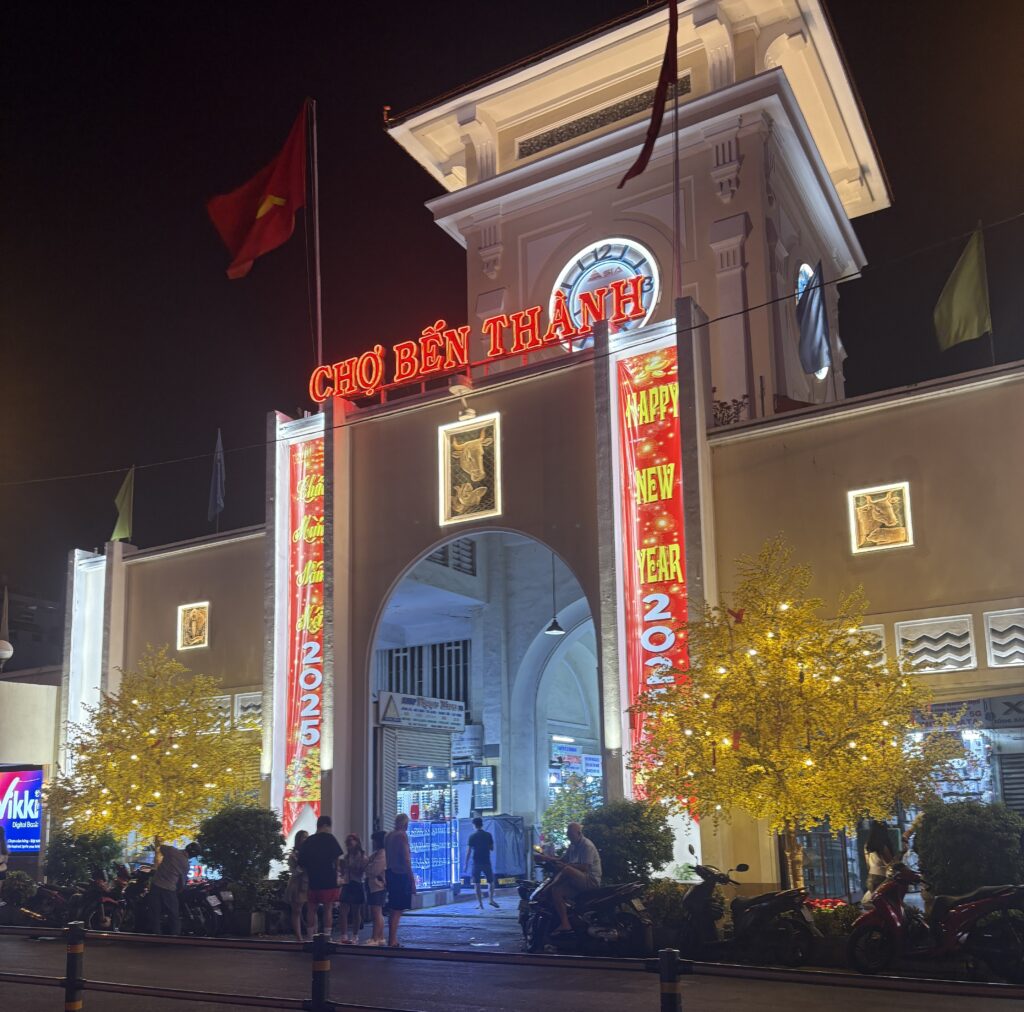
This is one of the biggest surprises for first-time visitors, and it’s something almost everyone mentions after their trip.
Vietnam has this reputation in the West as chaotic and slightly sketchy. Maybe it’s the motorbike traffic or old war-era associations. Whatever it is, people show up expecting to be on high alert.
The reality? Vietnam is incredibly safe. You can walk around Hanoi’s Old Quarter at midnight.
You can sit at a café with your phone on the table. You can take a xe om (motorbike taxi) alone and be completely fine.
Violent crime against tourists is extremely rare. Petty theft happens in crowded areas, but it’s not the norm.
The biggest safety concern you’ll face is crossing the street without getting hit by a motorbike.
Obviously, use common sense. Don’t flash expensive stuff. Keep your bag zipped in busy markets. But the idea that Vietnam is dangerous is flat-out wrong, and it surprises almost everyone who visits.
Most travelers say they felt safer in Vietnam than they do in major Western cities. That tells you everything.
Coffee Culture Is Next Level (And You’ll Become Addicted)

You know Vietnam produces coffee. You’ve probably heard of Vietnamese iced coffee. But nothing prepares you for how serious coffee culture actually is here.
Coffee shops are everywhere. Not just in tourist areas, literally everywhere. On every street corner, in residential neighborhoods, tucked into alleys. Hanoi alone has thousands of independent coffee shops.
And the coffee itself? Strong, rich, and dangerously good. Cà phê sữa đá (iced coffee with condensed milk) is the default, and it’s sweet, caffeinated perfection.
Cà phê trứng (egg coffee) in Hanoi is creamy and dessert-like. Cà phê đen (black coffee) is intense and unapologetically bitter.
But coffee culture in Vietnam isn’t just about the drink. It’s about sitting. People spend hours at coffee shops, watching the street, talking with friends, or just people-watching in silence.
You’ll stop for coffee multiple times a day. Once in the morning. Again mid-afternoon. Again because you walked past a cute café and couldn’t resist. It’s cheap ($1-2 per cup) and the vibe is relaxed in a way that makes you want to linger.
Within two days, you’ll have a favorite coffee order and a daily café routine. It’s just how Vietnam works.
The Motorbike Traffic Looks Terrifying (But You’ll Get Used to It)
Everyone warns you about the motorbikes in Vietnam. But seeing it and experiencing it are two completely different things.
The first time you try to cross a street in Hanoi or Ho Chi Minh City, you’ll freeze. Thousands of motorbikes flowing in every direction, no one stopping, horns blaring constantly. It feels impossible.
The trick is to walk slowly and steadily. Don’t stop. Don’t run. Don’t wait for a gap that doesn’t exist. Just step into traffic at a predictable pace, and the motorbikes will flow around you like water.
Locals make it look effortless. Tourists stand on the curb for five minutes trying to time their crossing perfectly, which doesn’t work.
It takes a day or two to build the confidence to just walk into traffic and trust the system. But once you do, it becomes second nature.
You’ll also get used to the constant honking. It’s not aggressive, it’s communication. A quick beep means “I’m here, don’t walk into me.” It’s actually kind of polite once you understand it.
Your first few street crossings will feel like a near-death experience. By day three, you’ll be jaywalking through rush hour traffic without thinking twice.
Sidewalks Are for Motorbikes, Not People
In Vietnam, sidewalks are not for pedestrians. They’re for motorbikes, street vendors, parked bikes, outdoor café seating, and basically everything except walking.
You’ll try to walk on the sidewalk and find it completely blocked. So you’ll walk in the street alongside motorbikes and cars, which feels chaotic at first but becomes normal quickly.
In Hanoi’s Old Quarter especially, sidewalks are packed with tiny plastic stools where people sit drinking coffee or eating pho. There’s no room to walk past, so you step into the road.
It’s not a design flaw, it’s just how things work. Streets are shared spaces. Pedestrians, motorbikes, cars, vendors, dogs, and delivery drivers all coexist in the same lane.
Watch where you’re stepping. Stay aware of traffic. And accept that walking in Vietnam is just different from what you’re used to.
Your planned evening stroll through Hanoi? You’ll be dodging motorbikes, stepping over curbs, and navigating vendor carts the whole time. It’s part of the experience.
Pho for Breakfast Is a Whole Different Experience

You’ve had pho before. You know it’s good. But eating pho for breakfast in Vietnam, from a street-side stall at 7 a.m., is a completely different experience.
First, it’s fresh. The broth is simmered overnight, the herbs are picked that morning, and everything is made to order in front of you. The flavor is brighter and more complex than any pho you’ve had outside Vietnam.
Second, breakfast pho is a ritual. Locals eat it standing or sitting on tiny plastic stools on the sidewalk. It’s quick, cheap (usually $1-2), and filling. You’ll see entire streets packed with people eating pho before work.
The etiquette is different too. You customize it yourself with fresh herbs, lime, chili, and bean sprouts. You slurp loudly (it’s normal). And you eat fast, these stalls aren’t designed for lingering.
What surprises people is how light pho feels in the morning. It’s not heavy or greasy. It’s nourishing and energizing, which is why locals eat it daily.
Try it at least once. Find a busy street stall, order by pointing, and eat like the locals do. It’s one of those small moments that makes Vietnam feel real.
Vietnamese People Are Incredibly Helpful (Once You Ask)
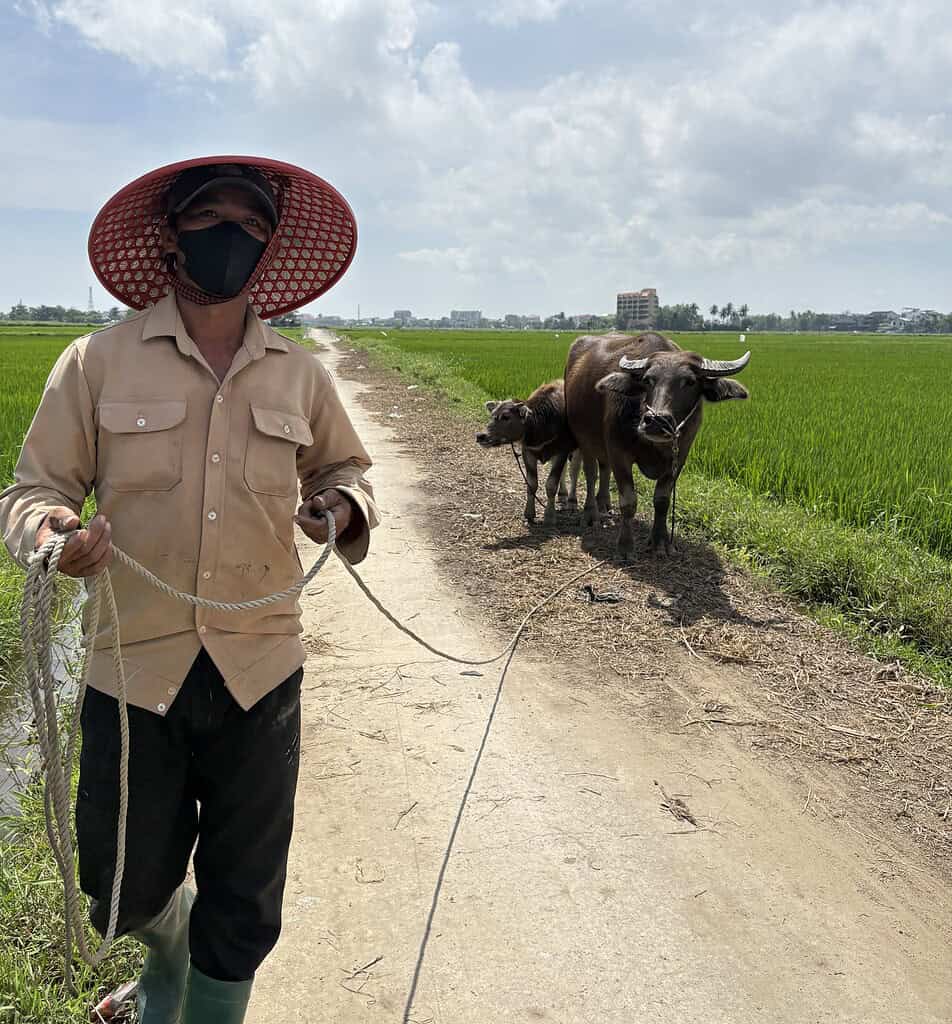
Vietnamese people are generally friendly and welcoming, but there’s a cultural difference in how helpfulness works here compared to Western countries.
In the West, people often offer help proactively. In Vietnam, people are happy to help, but you usually need to ask first.
If you’re lost, standing on a street corner looking confused won’t trigger someone to approach you.
But if you ask for directions, most people will stop what they’re doing to help, even if there’s a language barrier.
I’ve had locals walk me multiple blocks to make sure I found the right place. I’ve had shop owners call their English-speaking friend to translate. I’ve had strangers help me navigate bus routes and negotiate taxi prices.
The warmth is genuine, but it’s not always obvious at first. You have to initiate the interaction.
Also, smiling goes a long way. A smile and a polite “xin chào” (hello) opens doors. Even if you butcher the pronunciation, people appreciate the effort.
Don’t mistake quietness for unfriendliness. Once you engage, you’ll find that Vietnamese people are some of the most generous and patient hosts you’ll encounter anywhere.
The North and South Feel Like Different Countries
Vietnam is long and skinny, and the regional differences between North and South are way more pronounced than most people expect.
The North (Hanoi, Sapa, Halong Bay) feels more traditional and reserved. The food is lighter and less sweet. The pace is slower. The weather is cooler in winter. People are polite but not overly expressive.
The South (Ho Chi Minh City, Mekong Delta, Phu Quoc) is louder, faster, and more chaotic. The food is sweeter and bolder. The weather is hot year-round. People are more direct and outgoing.
Even the language sounds different. Northern Vietnamese is considered the “standard” dialect, but Southern Vietnamese has a distinct accent and different slang.
The coffee is different. The architecture is different. The street food varies by region. A bowl of pho in Hanoi tastes completely different from a bowl in Saigon.
If you’re visiting both regions, don’t expect them to feel the same. It’s almost like visiting two different countries that happen to share a border.
Plan accordingly. If you love chaos and energy, you’ll prefer the South. If you want history and tradition, the North is your vibe.
Haggling Is Expected (And Exhausting)

In markets, with street vendors, and sometimes even in shops, haggling is expected in Vietnam.
The first price you’re quoted is rarely the real price. It’s an opening offer. You’re expected to negotiate, and vendors expect you to negotiate.
For some people, haggling is fun. For others, it’s exhausting and uncomfortable.
Start by offering half of what they quote. Meet somewhere in the middle. And be prepared to walk away if the price doesn’t feel right. Often, walking away brings the price down fast.
Don’t haggle over tiny amounts just to win. A difference of 20,000 VND (less than $1) matters more to the vendor than it does to you. But also don’t overpay out of guilt or awkwardness.
After a few days, you’ll get tired of the constant back-and-forth. It’s just part of shopping in Vietnam, especially in tourist-heavy areas.
Fixed-price shops and modern malls don’t haggle, so if you want a break, stick to those. Your assumption that prices are prices? You’ll learn to negotiate quickly.
Vietnam Is Way Bigger Than It Looks on a Map

Most people know Vietnam is long, but nobody really understands how long until they’re trying to travel from Hanoi to Ho Chi Minh City.
Vietnam is over 1,600 kilometers from north to south. That’s a 30+ hour bus ride or a two-hour flight. Cities that look close on a map can take 8-12 hours by bus.
The distances add up fast, and travel days eat into your itinerary more than you expect. You can’t see the entire country in two weeks without spending half your time on buses.
Don’t try to cram Hanoi, Sapa, Halong Bay, Hue, Hoi An, Da Nang, Nha Trang, Dalat, and Ho Chi Minh City into 10 days. You’ll burn out.
Pick a region. North, Central, or South. Focus on that. You’ll enjoy it more than sprinting through the entire country.
Use domestic flights when possible. They’re cheap ($30-60) and save you from brutal overnight bus rides.
Your plan to see everything in two weeks? You’ll spend more time in transit than actually enjoying Vietnam.
The Infrastructure Is Surprisingly Modern in Cities
This surprises a lot of first-time visitors who expect Vietnam to feel underdeveloped.
Major cities like Hanoi, Ho Chi Minh City, and Da Nang have modern infrastructure. High-rise buildings, sleek shopping malls, metro systems (in Hanoi and HCMC), reliable internet, and efficient public services.
You can use Grab (Southeast Asia’s version of Uber) to get around easily. You can pay with credit cards or mobile payment apps. You can find international brands and Western amenities if you need them.
It’s not a backwater. It’s a rapidly developing country with a booming economy and serious investment in modernization.
That said, step outside the major cities and things change. Rural areas are less developed. Roads get rougher. English is less common. But the tourist infrastructure is solid even in smaller towns.
Don’t show up expecting Vietnam to be stuck in the past. It’s not. The contrast between old and new is part of what makes it interesting.
Street Food Is Incredible (And Cheap Beyond Belief)
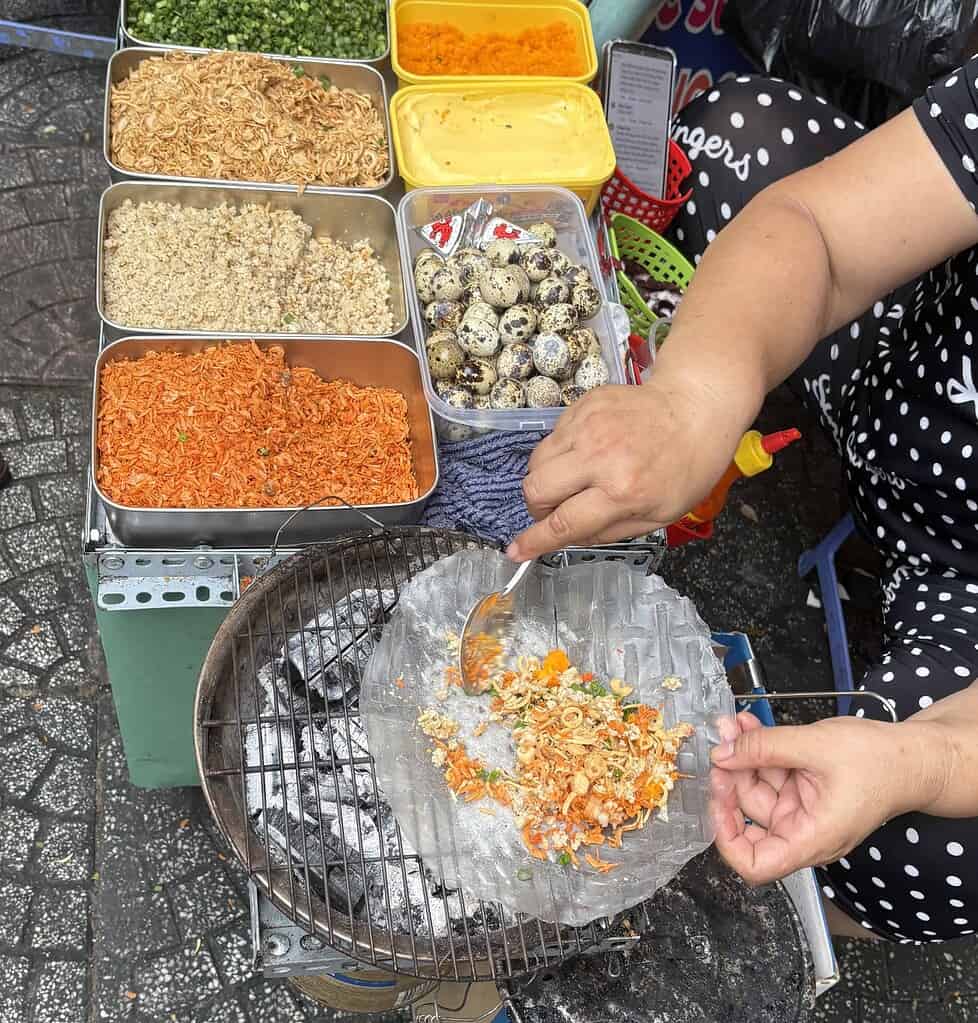
You know Vietnamese food is good. You’ve had banh mi and spring rolls. But nothing prepares you for how good street food actually is when you’re eating it in Vietnam.
The flavors are fresher, brighter, and more complex than anything you’ve had back home. Street food tastes better than most sit-down restaurants. And it’s absurdly cheap, you can eat an incredible meal for $1-3.
What surprises people is the variety. Vietnamese food isn’t just pho and banh mi. There’s bun cha (grilled pork with noodles), cao lau (Hoi An-style noodles), banh xeo (crispy savory pancakes), com tam (broken rice with grilled meat), and hundreds of regional dishes you’ve never heard of.
You’ll eat way more than you planned because everything is so cheap and accessible. Four meals a day becomes normal. Snacks between meals become routine.
The hygiene standards are generally good at busy stalls with high turnover. Fresh food cooked in front of you is usually safe. Use common sense, and you’ll be fine most of the time.
Come hungry. Try everything. Don’t skip the street food. It’s genuinely some of the best food you’ll eat anywhere in the world.
Conical Hats Are Actually Functional (Not Just for Photos)
You’ll see conical hats (nón lá) everywhere in Vietnam, and your first thought will probably be “tourist souvenir.”
But locals actually wear them. Farmers wear them in rice fields. Street vendors wear them in markets. Older women wear them while riding motorbikes.
They’re not a costume. They’re functional. The wide brim provides shade from the sun and protection from rain. They’re lightweight, breathable, and surprisingly effective.
In rural areas especially, you’ll see entire fields of people wearing conical hats while working. It’s part of daily life, not a photo op.
That said, tourists absolutely buy them as souvenirs, and vendors in tourist areas will try to sell you decorative versions. But the real ones, the ones locals use, are simple, cheap, and practical.
You can buy one for $2-5 at any market. Whether you actually wear it or just bring it home as a keepsake is up to you.
Your assumption that conical hats are just for show? You’ll realize pretty quickly that they’re still very much in use.
The Noise Never Stops (And You’ll Stop Noticing)
Vietnam is loud. Like, genuinely, relentlessly loud in a way that no guidebook fully captures.
Motorbike horns constantly. Construction noise. Street vendors shouting. Karaoke bars at full volume. Roosters crowing at 5 a.m. Dogs barking. Music blaring from shops.
It never stops. Even at night, there’s noise. Even in residential areas, there’s noise.
If you’re a light sleeper, bring earplugs. If you’re staying in a hotel near a busy street, expect to hear traffic all night. If there’s a karaoke bar nearby, prepare for off-key renditions of Vietnamese pop songs until midnight.
It’s part of the energy of Vietnam, but it’s also exhausting if you’re not used to it.
The good news? You get used to it. After a few days, you’ll stop noticing the horns. You’ll sleep through the roosters. You’ll tune out the street noise like a local.
Your plan to get a peaceful night’s sleep? Adjust your expectations or invest in good earplugs.
Scams Exist, But They’re Avoidable

Vietnam is generally safe, but scams targeting tourists are common enough that you need to stay alert.
Taxi scams are the most frequent. Drivers will take longer routes, claim the meter is broken, or quote inflated prices. Use Grab instead of random taxis whenever possible.
You’ll also encounter overcharging at markets, fake tour operators, and people selling you things you didn’t ask for and then demanding payment.
Some scams are obvious. Others are subtle. A friendly local who offers to show you around for free and then takes you to their cousin’s shop. A cyclo driver who agrees on a price and then demands triple at the end.
Stay alert. Agree on prices before you commit. Don’t hand over money until you’ve received what you paid for. And if something feels off, trust your gut.
Most people are genuine and helpful. But enough scams exist that you need to keep your guard up, especially in tourist-heavy areas like Hanoi’s Old Quarter and Ho Chi Minh City’s District 1.
Your assumption that everyone is trustworthy? You’ll learn to verify prices and details pretty quickly.
You’ll Want to Stay Longer Than You Planned
This happens to almost everyone. You book a week or two in Vietnam thinking it’ll be enough, and by day three, you’re already planning how to extend your trip or come back.
Vietnam has this way of pulling you in. The food, the people, the energy, the affordability, the variety, it all adds up to a place that’s really hard to leave.
You’ll realize you didn’t budget enough time. You’ll want to see more cities, spend more days in Hoi An, explore northern mountain towns you didn’t even know existed.
You’ll meet other travelers who’ve been in Vietnam for months and think “yeah, I get it now.”
If you can build flexibility into your trip, do it. Leave your return date open, or at least accept that your first Vietnam trip probably won’t be your last.
Most people who visit Vietnam once end up coming back. The country just has that effect on people.
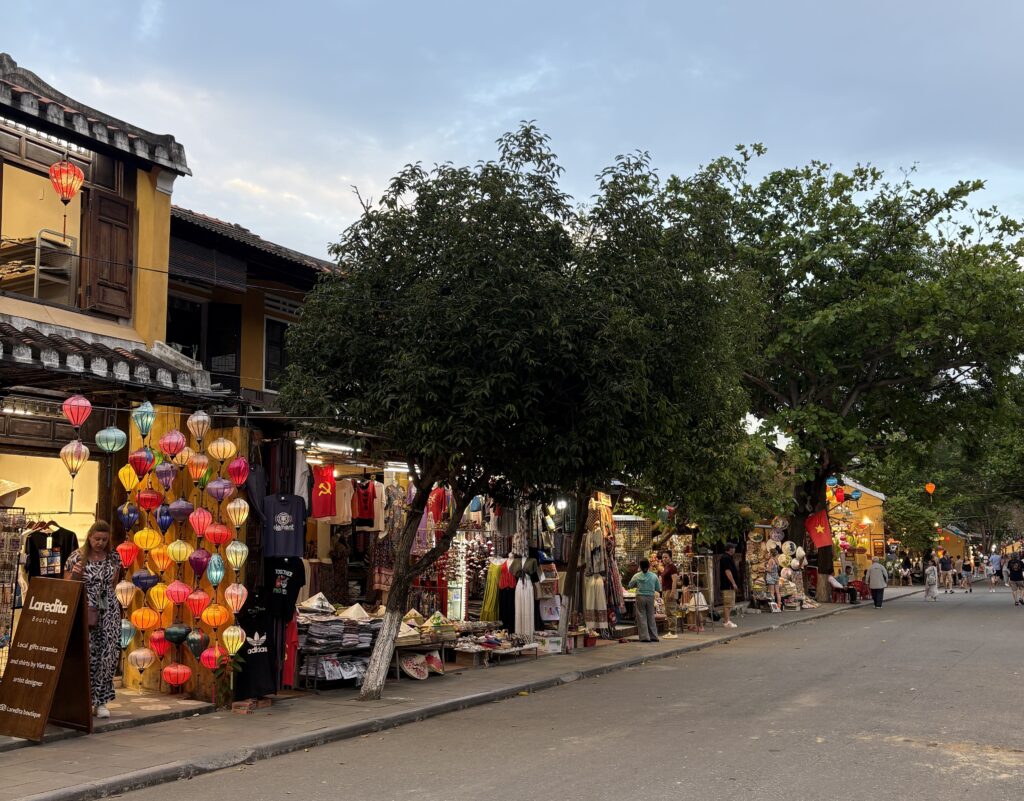
Final Thoughts on What Nobody Tells You About Vietnam
Vietnam is one of those places that’s impossible to fully prepare for, and honestly, that’s part of what makes it so special.
You can read all the travel guides, watch all the YouTube videos, scroll through endless Instagram posts, and you’ll still show up and be surprised by something.
The coffee obsession, the motorbike chaos, the fact that sidewalks aren’t for walking, the sheer scale of the country, none of that really clicks until you’re there.
Vietnam isn’t flawless. The noise can be overwhelming. Haggling gets old. Scams exist. But the food is incredible, the people are kind, the coffee is addictive, and the whole experience just works in a way that’s hard to explain until you’ve been.
If you’re planning your first trip, don’t stress about getting everything right. You won’t. You’ll make mistakes, overpay for a motorbike taxi, get lost in Hanoi’s Old Quarter, and probably have at least one meal that doesn’t agree with you. That’s all part of it.
Just go. Be open to surprises. Eat the street food. Try the coffee. Talk to locals. And when you’re at the airport leaving Vietnam, already planning your next trip back, you’ll get it.
Vietnam does that to people, it sure did it to me .. four years now I go yearly!

How many days do you realistically need in Vietnam for a first trip?
You need 10-14 days minimum. Anything less and you’re rushing. Vietnam is over 1,600 kilometers long, and travel days eat up more time than expected.
If you only have a week, pick one region and explore it properly instead of trying to see everything.
Should I book everything in advance or plan as I go in Vietnam?
Book your first few nights, domestic flights, and Halong Bay tours in advance. Everything else can be booked as you go.
Vietnam’s tourism infrastructure handles last-minute bookings well, and flexibility lets you stay longer in places you love. Exception: book everything ahead if traveling during Tet (late January/early February).
How much cash should I carry per day in Vietnam?
Carry 500,000-1,000,000 VND ($20-40 USD) per day for street food, markets, and taxis. Cards work at most hotels and restaurants, but cash is essential for local vendors and rural areas.
ATMs are everywhere in cities, just withdraw larger amounts less frequently to avoid fees piling up.
Is it normal to feel overwhelmed by Vietnam in the first few days?
Completely normal. The motorbike chaos, noise, heat, and sensory overload hit hard in the first 24-48 hours.
Most travellers feel stressed initially. Give it two or three days to adjust. Once you get used to the rhythm, the chaos becomes part of the experience.
