
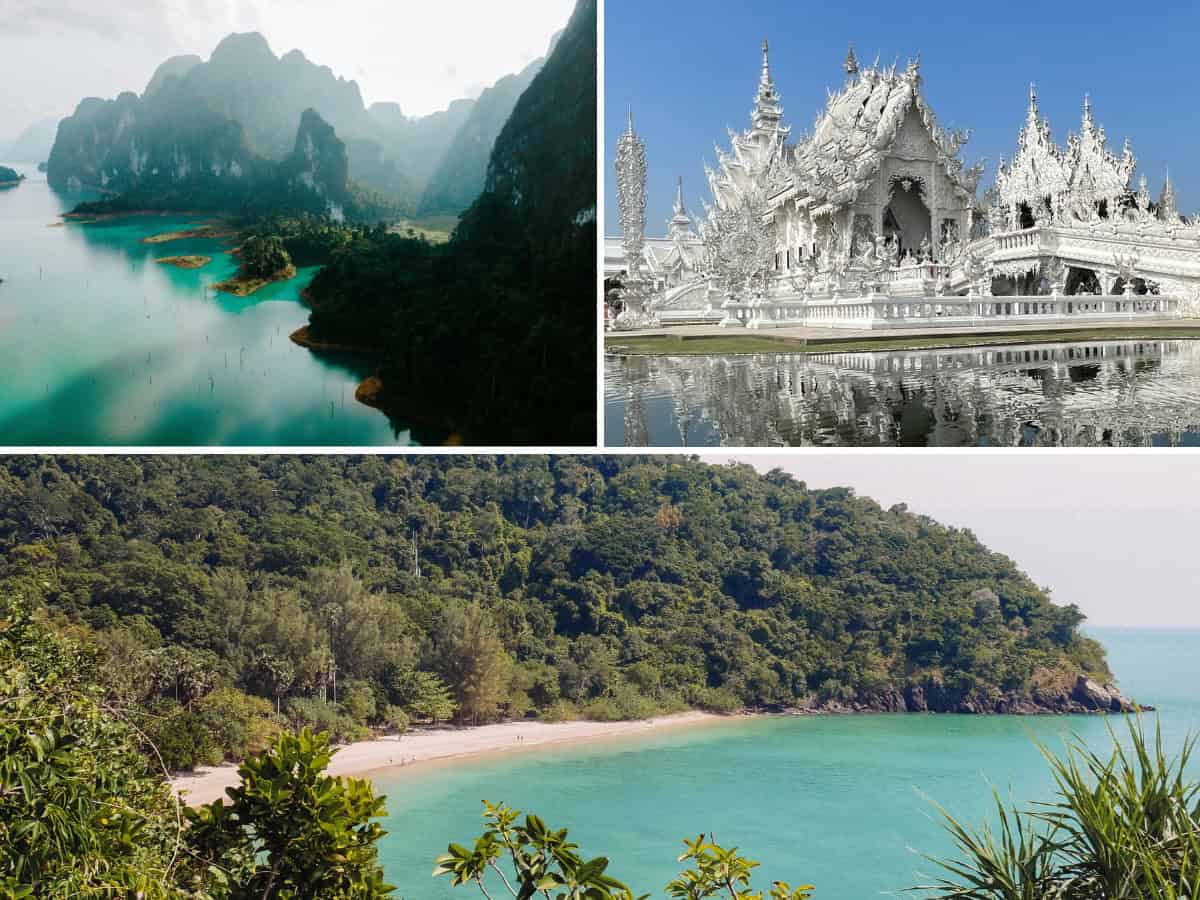
9 Must Visit Places in Thailand You Can’t Miss
Thailand is one of those countries that truly has it all: mountains, beaches, world-class street food, bustling cities, serene countryside, and a cultural heritage that spans thousands of years.
Whether you’re a first-time visitor or someone who’s returning for more, narrowing down where to go can be tough, because there’s so much to explore.
That’s where this list of must-visit places in Thailand comes in. I’ve laid out nine destinations that showcase the country’s diversity, from the north to the south, from iconic cities to hidden natural wonders.
These places each bring something different to the table, and by the end, you’ll get a feel for just how multifaceted Thailand really is.
I first visited Thailand years ago, and like so many others, I immediately understood why people keep coming back.
The warm interactions, rich cultural moments, incredible hospitality from locals, and outstanding cuisine made me fall in love with the country.
Since then, I’ve returned multiple times, and Thailand continues to surprise me. It’s a place that rewards exploration, patience, and curiosity. Here are nine must-visit places in Thailand you absolutely can’t miss.
Chiang Mai

If you want to understand Thailand’s cultural heart, Chiang Mai is where you start.
Located in the northern mountains, Chiang Mai is Thailand’s second-largest city, but it feels completely different from Bangkok.
It’s slower, greener, and more grounded in tradition. The city is home to over 300 Buddhist temples, night markets packed with handmade crafts and street food, and a thriving community of digital nomads, expats, and travelers who’ve made it their long-term base.
Chiang Mai plays a significant role in preserving Northern Thai culture, from its distinct Lanna architecture to its festivals like Yi Peng (the lantern festival) and Songkran (Thai New Year).
It’s also the gateway to hill tribe villages, elephant sanctuaries, and some of Thailand’s most beautiful mountain landscapes.
When you’re in Chiang Mai, start by exploring the Old City, a square area surrounded by ancient walls and moats. Visit Wat Phra Singh and Wat Chedi Luang, two of the most stunning temples in the city.
Wake up early and hike (or drive) up Doi Suthep to see the golden temple and panoramic views of the city below.
Don’t miss the Sunday Walking Street Market, one of the best night markets in Thailand, where you can buy handmade goods, try khao soi (Northern Thai curry noodles), and watch street performances.
For a deeper cultural experience, take a cooking class, visit an ethical elephant sanctuary, or explore the nearby hill tribe villages.
Chiang Mai also has an incredible café culture. You’ll find specialty coffee shops tucked into wooden houses, rice fields, and jungle settings.
It’s a city that invites you to slow down, stay longer, and soak in the rhythm of Northern Thailand.
Khao Sok National Park
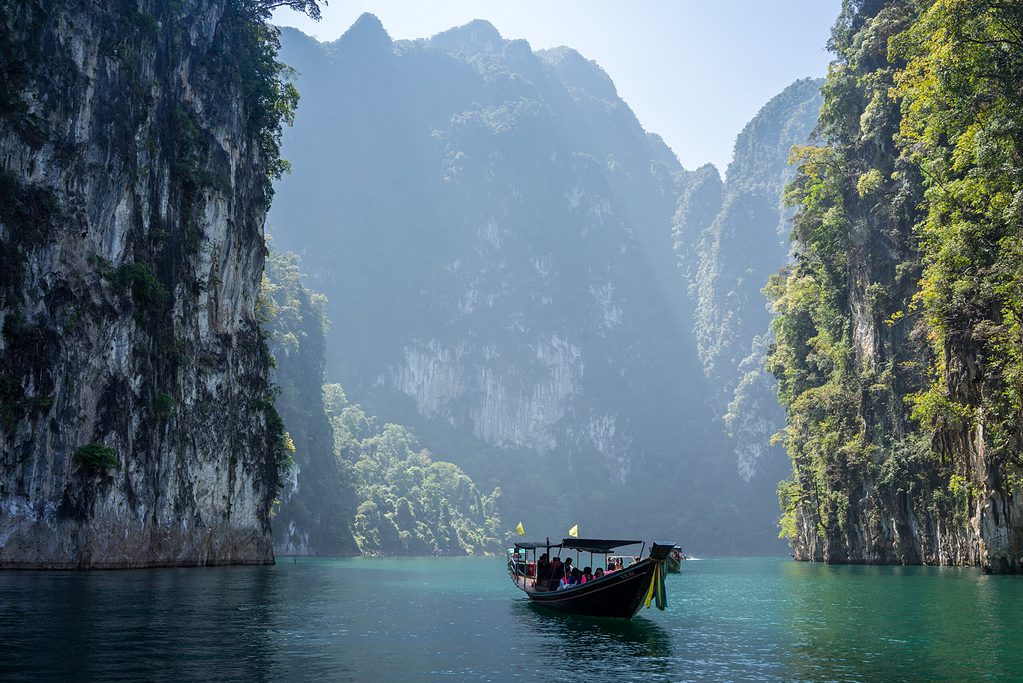
Khao Sok National Park is one of Thailand’s most underrated destinations, and it’s absolutely stunning.
Located in southern Thailand between Phuket and Krabi, Khao Sok is home to one of the world’s oldest rainforests, towering limestone cliffs, hidden caves, and Cheow Lan Lake, a massive reservoir surrounded by jungle-covered karsts that look like something out of a movie.
This is where you go if you want nature, adventure, and a break from Thailand’s beach and city scenes.
Khao Sok offers hiking, kayaking, wildlife spotting (including gibbons, hornbills, and even wild elephants), and floating raft houses where you can spend the night on the lake.
The best way to experience Khao Sok is by staying overnight on Cheow Lan Lake. You’ll sleep in a floating bungalow, wake up to misty mountains reflected in the water, and spend your days kayaking, swimming, and exploring caves.
It’s one of the most peaceful and surreal experiences you can have in Thailand. If you’re not into overnight trips, you can still visit the park for a day.
Hike through the jungle, spot wildlife, or take a guided tour to explore the caves and waterfalls.
Krabi (Railay Beach)

Krabi is one of Thailand’s most stunning coastal regions, and Railay Beach is the crown jewel.
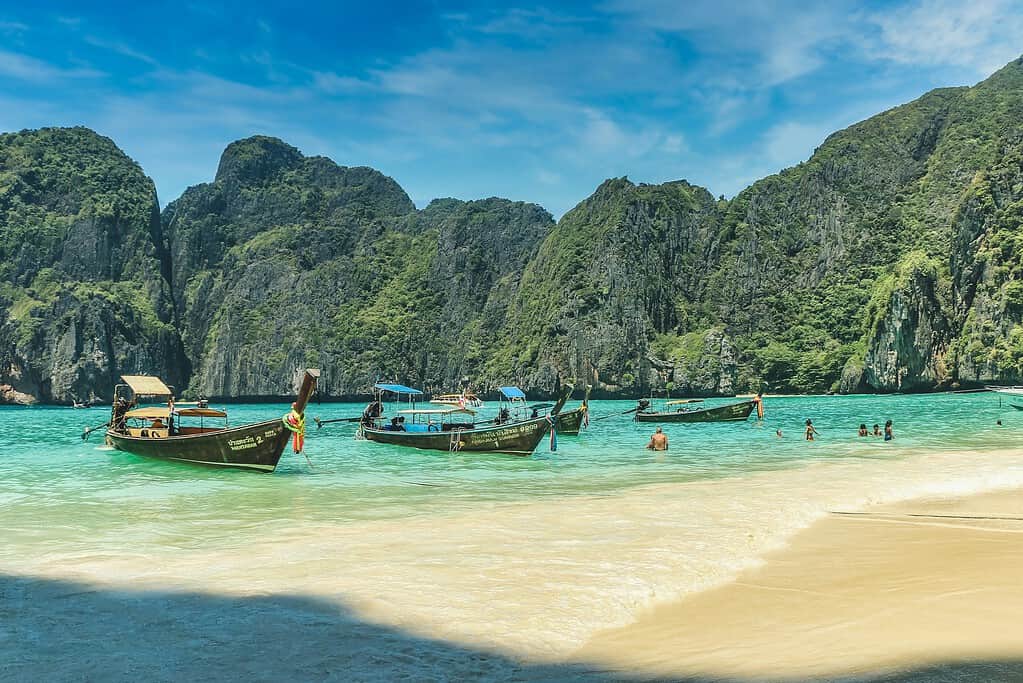
Railay is only accessible by boat (no roads lead in), which gives it an isolated, paradise-like feel. Towering limestone cliffs surround the beach, creating one of the most dramatic and photogenic coastlines in Southeast Asia.
It’s popular with rock climbers, Railay is one of the top climbing destinations in the world, but you don’t need to climb to enjoy it. The beaches are beautiful, the water is clear, and the vibe is relaxed and low-key.
There are four main beaches in Railay: Railay West (the main sunset beach), Railay East (more of a mangrove area where boats dock), Phra Nang Cave Beach (arguably the most beautiful), and Tonsai Beach (a quieter spot popular with climbers and backpackers).
You can also explore caves, hike to the Railay Viewpoint (steep but worth it), or take a longtail boat to nearby islands like Poda Island and Chicken Island for snorkeling and swimming.
Krabi itself is also worth exploring. Ao Nang is the main town and a solid base if you want more dining and accommodation options.
You can also visit the Emerald Pool and Hot Springs, or take a day trip to the famous Phi Phi Islands (though they’re significantly more touristy).
Railay feels like a hidden gem even though it’s well-known. The lack of road access keeps it quieter than other Thai beach destinations, and the landscape is genuinely breathtaking.
Ayutthaya

Ayutthaya is one of Thailand’s most important historical sites, and visiting it feels like stepping back in time.
Located just 80 kilometers north of Bangkok, Ayutthaya was once the capital of the Kingdom of Siam and one of the most powerful cities in Southeast Asia. Founded in 1350, it thrived for over 400 years before being destroyed by the Burmese army in 1767.
Today, the Ayutthaya Historical Park is a UNESCO World Heritage Site filled with ancient temples, crumbling palaces, and massive Buddha statues.
The ruins are spread out across the city, and exploring them by bicycle is one of the best ways to experience the site.
Don’t miss Wat Mahathat, famous for the Buddha head tangled in tree roots (one of Thailand’s most iconic images). Visit Wat Phra Si Sanphet, the former royal temple, and Wat Chaiwatthanaram, a stunning riverside temple with Khmer-style architecture.
Ayutthaya is also known for its street food. Try the grilled river prawns, boat noodles, and roti sai mai (a sweet Thai dessert).
You can visit Ayutthaya as a day trip from Bangkok (about 90 minutes by train or van), or stay overnight to explore at a slower pace.
I recommend staying at least one night, the temples are less crowded in the early morning and late afternoon, and the atmosphere is much more peaceful.
Ayutthaya offers a powerful reminder of Thailand’s rich history and resilience. Walking through the ruins, you get a sense of just how grand this city once was, and how much has changed over the centuries.
Koh Lanta
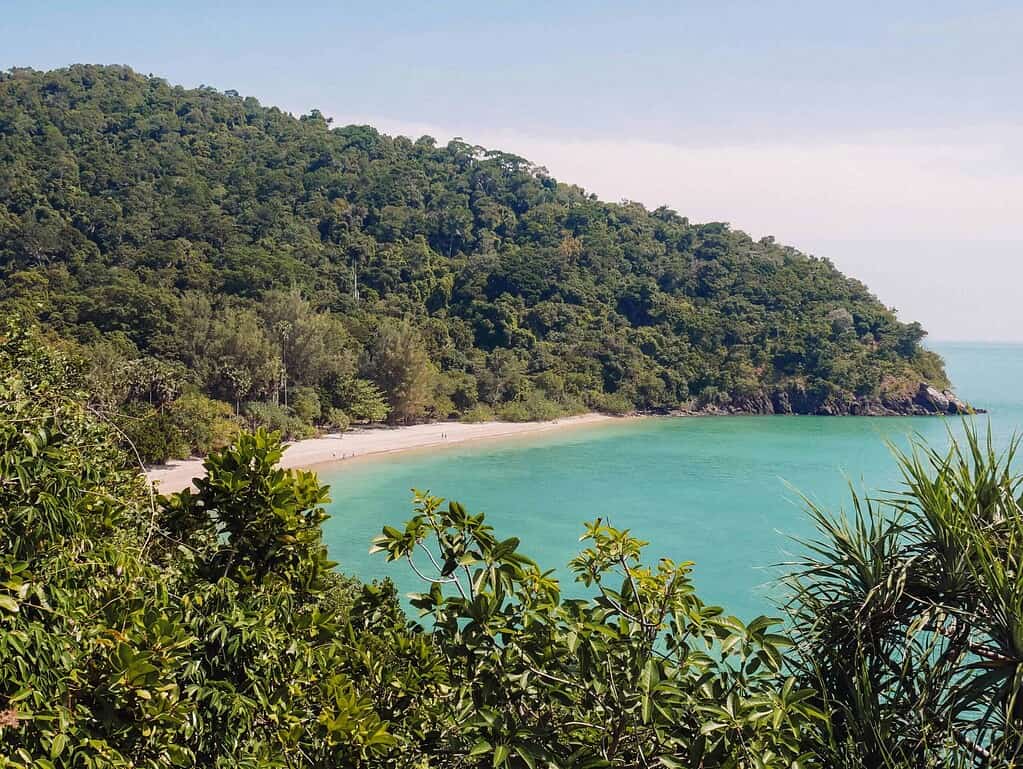
Koh Lanta is one of Thailand’s most laid-back islands, and it’s perfect if you want to escape the crowds without sacrificing beautiful beaches.
Located in the Andaman Sea near Krabi, Koh Lanta offers long stretches of sand, clear water, excellent diving and snorkeling, and a relaxed vibe that feels more local and less party-focused than islands like Koh Phi Phi or Koh Phangan.
The island has several beaches, each with its own personality. Klong Dao Beach is popular with families. Phra Ae (Long Beach) has a good mix of restaurants, bars, and resorts. Klong Nin and Kantiang Bay are quieter and more secluded.
Koh Lanta is also a great base for island hopping and diving. You can take boat trips to the nearby Koh Rok islands (some of the clearest water in Thailand), snorkel around Koh Haa, or dive at sites like Hin Daeng and Hin Muang, known for manta rays and whale sharks.
The island also has a charming Old Town on the east coast, where you can explore wooden stilt houses, seafood restaurants, and small shops selling local goods.
Koh Lanta moves at a slower pace than most Thai islands. It’s not a party destination. It’s a place to relax, read a book on the beach, watch the sunset, and enjoy fresh seafood without the noise and chaos of more touristy spots.
If you’re looking for a chill island vibe with great beaches and fewer crowds, Koh Lanta is one of the best places to visit in Thailand.
Kanchanaburi (Erawan Falls & Bridge over River Kwai)

Kanchanaburi is one of Thailand’s most historically significant and naturally beautiful regions, and it’s criminally underrated by most tourists.
Located about two hours west of Bangkok, Kanchanaburi is best known for the Bridge over the River Kwai, a World War II landmark tied to the infamous Death Railway built by Allied prisoners of war under Japanese occupation.
Visiting the bridge and the nearby war museums and cemeteries offers a sobering but important perspective on Thailand’s role in the war. The JEATH War Museum and the Kanchanaburi War Cemetery are both worth visiting if you’re interested in history.
But Kanchanaburi isn’t just about history. It’s also home to Erawan National Park, which features one of Thailand’s most beautiful waterfalls.
Erawan Falls is a seven-tiered waterfall with emerald green pools where you can swim. The hike to the top takes about 90 minutes, and each tier offers something different, some have small fish that nibble your feet, others have caves and rock formations.
The park is stunning, and it’s one of the best natural escapes near Bangkok. Bring water shoes, a swimsuit, and a waterproof bag for your phone.
You can also explore the nearby Hellfire Pass, a section of the Death Railway carved through solid rock, or take a train ride along the original railway route for a scenic and historically significant journey.
Kanchanaburi combines history, nature, and culture in a way that few other Thai destinations do. It’s a place that makes you think, while also giving you some of the most beautiful natural scenery in the country.
Chiang Rai (White Temple & Golden Triangle)

Chiang Rai is northern Thailand’s hidden gem, and it’s one of the most visually stunning places in the entire country.
Located further north than Chiang Mai, Chiang Rai is known for its unique temples, mountain scenery, and proximity to the Golden Triangle, where Thailand, Myanmar, and Laos meet.
The main attraction here is Wat Rong Khun, better known as the White Temple. Designed by Thai artist Chalermchai Kositpipat, this temple is unlike anything else in Thailand.
It’s pure white, covered in mirrored glass, and filled with surreal, contemporary art that blends Buddhism with modern pop culture references.
It’s controversial, unconventional, and absolutely mesmerizing. Whether you love it or find it over-the-top, you won’t forget it.
Chiang Rai also has the Blue Temple (Wat Rong Suea Ten), a vibrant electric-blue temple with intricate carvings and a massive white Buddha inside.
And if you want to complete the color theme, there’s also the Black House (Baan Dam Museum), a collection of dark wooden structures filled with art, bones, and animal hides, it’s eerie but fascinating.
Beyond the temples, Chiang Rai is the gateway to the Golden Triangle. You can visit the Golden Triangle viewpoint, explore the Hall of Opium Museum (which covers the history of the opium trade in the region), or take a boat ride along the Mekong River.
Chiang Rai is quieter and less touristy than Chiang Mai, which makes it feel more authentic and easier to explore. It’s a place where art, culture, and history collide in unexpected ways.
Bangkok

Bangkok is Thailand’s capital, economic engine, and cultural heartbeat, and it’s one of the most dynamic cities in Southeast Asia.
It’s a city of contrasts, ancient temples sit next to glassy skyscrapers, street food carts line up outside luxury malls, and tuk-tuks weave through traffic alongside brand-new BMWs. Bangkok never stops moving, and that energy is part of what makes it so addictive.
There are several essential experiences here. Visit the Grand Palace and Wat Phra Kaew (Temple of the Emerald Buddha), two of Thailand’s most iconic landmarks. Explore Wat Pho, home to the massive Reclining Buddha and traditional Thai massage.
Take a boat ride along the Chao Phraya River or explore the canals (khlongs) to see a quieter, more traditional side of the city.
Don’t miss the street food. Bangkok is one of the best food cities in the world, and you’ll find everything from pad thai and boat noodles to mango sticky rice and grilled skewers on almost every corner. Eat at Chinatown, visit Or Tor Kor Market, or just wander and follow the crowds.
Bangkok also has incredible rooftop bars, night markets (Rot Fai, Talad Neon, Train Night Market), shopping malls (MBK, Siam Paragon, Terminal 21), and a nightlife scene that ranges from low-key jazz bars to full-on club districts like RCA and Thonglor.
The city can feel overwhelming at first, the heat, the noise, the traffic, the sheer scale of it all.
But once you settle in and learn to navigate the BTS Skytrain and the MRT, Bangkok opens up in ways you didn’t expect.
Phuket
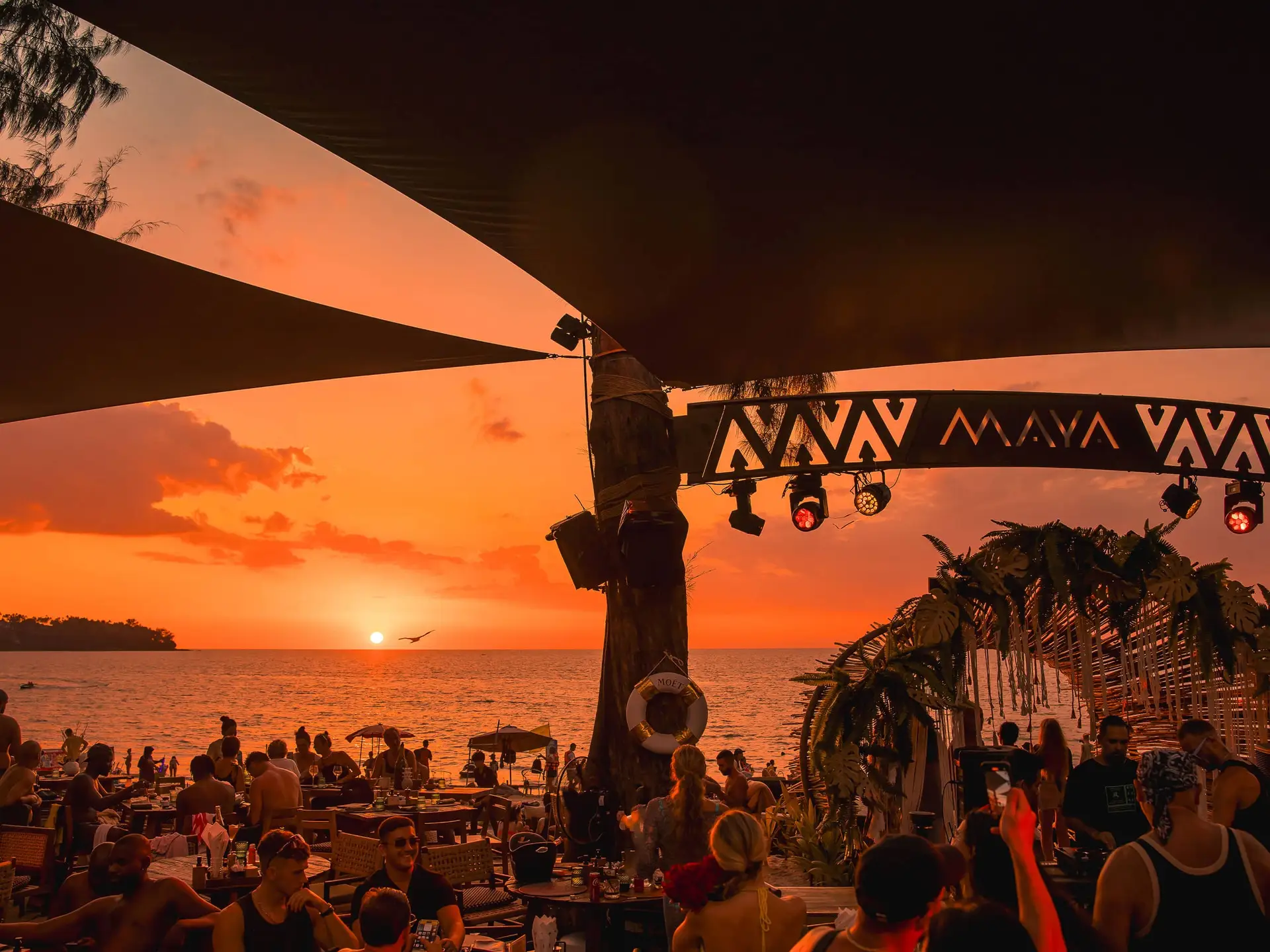
Phuket is Thailand’s largest island and one of its most famous beach destinations, and while it gets a reputation for being touristy, it still deserves a spot on this list.
Yes, Patong Beach is loud, crowded, and filled with tourists. But Phuket is a big island, and if you venture beyond Patong, you’ll find quieter beaches, local communities, and stunning coastal scenery.
Head to Kata and Karon beaches for a more relaxed vibe, or visit Kamala and Surin for upscale resorts and fewer crowds. Rawai Beach on the southern tip is a local fishing village with great seafood and a laid-back atmosphere.
Phuket is also the main jumping-off point for some of Thailand’s most famous islands. You can take day trips to the Phi Phi Islands, Phang Nga Bay (with its famous James Bond Island), or the Similan Islands for world-class diving and snorkeling.
The island also has cultural spots worth visiting. Phuket Old Town has colorful Sino-Portuguese architecture, street art, quirky cafés, and weekend night markets.
The Big Buddha offers panoramic views of the island, and Wat Chalong is Phuket’s most important Buddhist temple.
Phuket gets a bad rap from travelers who only experience the party scene in Patong and write off the entire island.
But if you explore beyond the main tourist zones, you’ll find that Phuket still has plenty to offer, beautiful beaches, great food, and easy access to some of Thailand’s most iconic islands.

Getting Around Thailand
Thailand is relatively easy to navigate, but how you get around really depends on how far you’re traveling and what kind of experience you’re after
For covering significant distances, domestic flights are fast and affordable. Airlines like AirAsia, Nok Air, and Thai Lion Air offer cheap flights between major cities and islands, often for $30-60 USD.
Trains are a scenic and budget-friendly option, especially for overnight trips. The route from Bangkok to Chiang Mai is one of the most popular, and sleeper trains give you a bed and a window seat for the journey.
Buses work for shorter distances and are widely available, but overnight sleeper buses can be hit or miss in terms of comfort and safety. If you’re taking a long bus ride, research the company first and stick to reputable operators.
Thailand’s tourism infrastructure is solid, and even if you don’t speak Thai, getting around is manageable with a little planning and patience.
Wrapping Up Thailand’s Top Destinations
Thailand is a country that surprises you in all the best ways, from the cultural depth of Chiang Mai to the jungle beauty of Khao Sok, the stunning cliffs of Railay, the ancient ruins of Ayutthaya, the laid-back vibe of Koh Lanta, and the chaotic energy of Bangkok.
Whether you’re drawn by its history, cuisine, natural beauty, or local culture, each of these must-visit places in Thailand offers something unique.
Together, they provide a well-rounded experience of what makes Thailand one of Southeast Asia’s most beloved destinations.
This list is a great place to start, but Thailand is a country that rewards those who take the time to explore.
Each visit reveals new favorites, fosters deeper connections, and creates unforgettable stories!
How many days do you need to visit Thailand?
You need at least 10-14 days to see Thailand’s highlights without rushing. If you only have a week, focus on one region, either the north (Chiang Mai, Chiang Rai) or the south (islands and beaches).
Two to three weeks gives you enough time to experience the cultural north, beach south, and Bangkok.
What’s the best time to visit Thailand?
The best time is November to February, when the weather is cooler and drier across most of the country.
March to May is hot season (35-40°C), and June to October is rainy season, though rain usually comes in short bursts rather than all day.
Is it easy to travel between destinations in Thailand?
Yes, domestic flights are cheap and frequent. Trains and buses connect major cities. Islands require ferries or speedboats.
Grab works in most cities for local transport. Thailand’s tourism infrastructure makes getting around straightforward even for first-time visitors.
Should I visit Phuket or skip it for less touristy islands?
Phuket is touristy, but it’s also convenient and well-connected. If you want easy access to day trips (Phi Phi, Phang Nga Bay) and don’t mind crowds, it’s worth visiting.
If you prefer quieter vibes, skip Phuket and head to Koh Lanta, Koh Tao, or Railay instead.
