
13 Vietnamese Phrases to Know Before You Visit
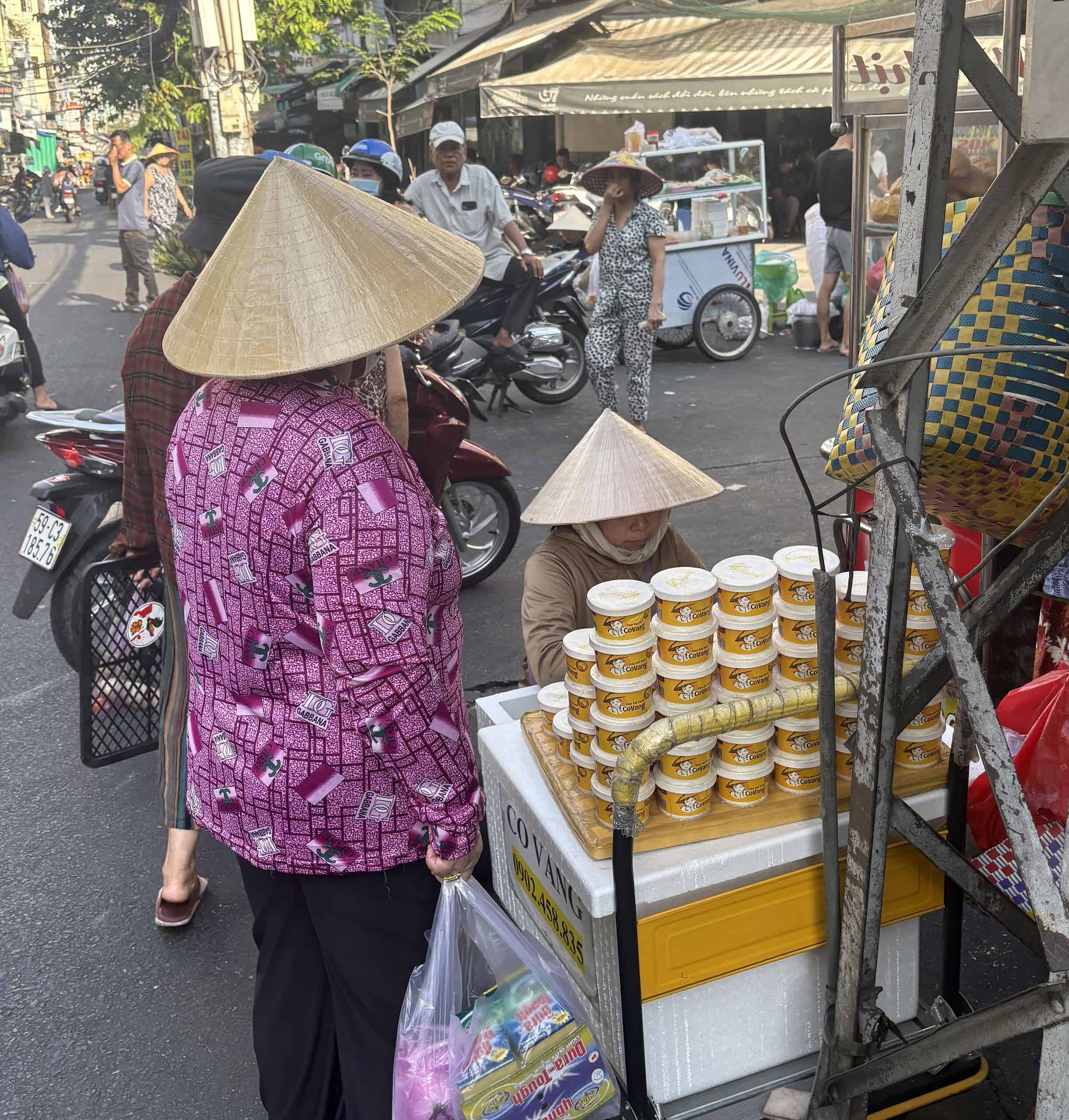
Vietnam is one of those countries that hits you with everything at once: chaotic motorbike traffic, incredible street food, stunning landscapes, and a pace of life that takes a minute to adjust to.
But if you really want to connect with the country beyond just what you see and eat, knowing a few Vietnamese phrases before you arrive can go a long way.
We’re not talking fluency here. Just basic, useful Vietnamese expressions that make it easier to get around, show respect, and make locals smile.
Because here’s the thing: Vietnamese people don’t expect you to speak the language perfectly, but they do appreciate when you try.
This list isn’t about being perfect. It’s about bridging the gap, whether you’re ordering pho at a street stall, asking for directions in Hanoi’s Old Quarter, or just saying hello at a café.
Hello: Xin Chào
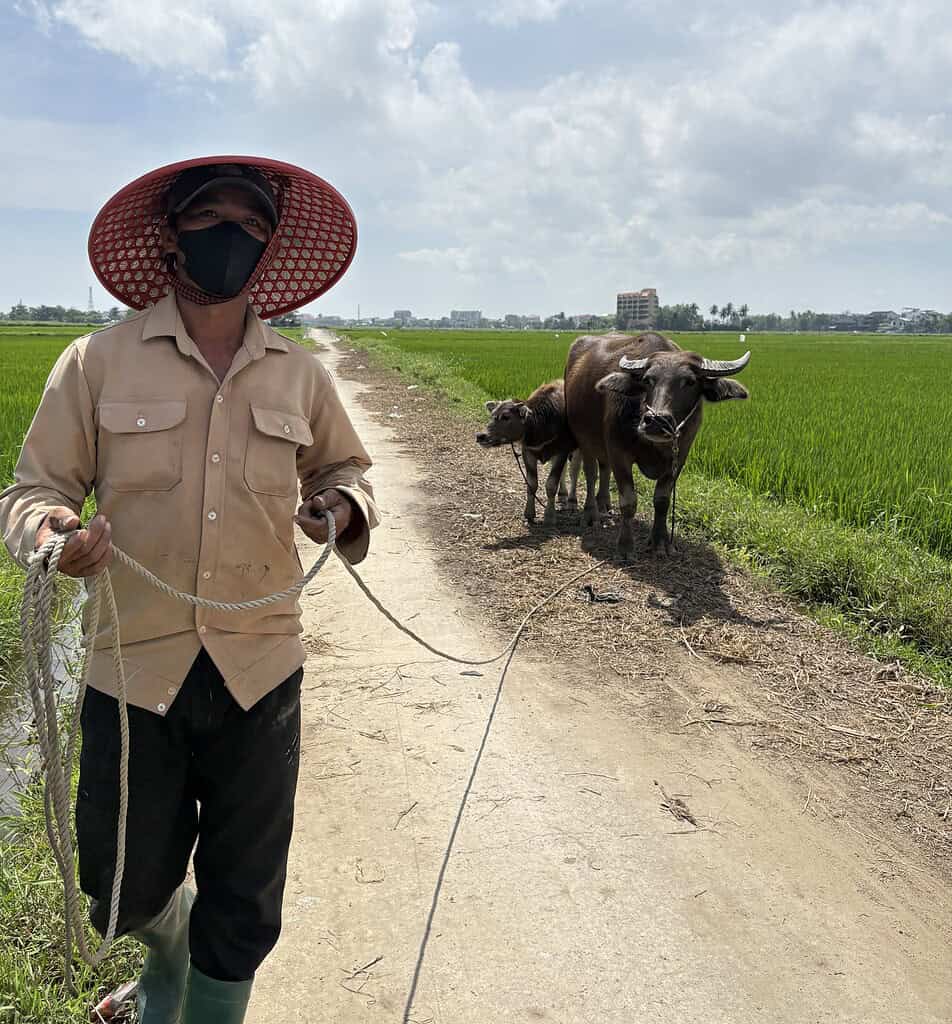
Let’s start with the most essential phrase you’ll use daily in Vietnam: Xin Chào, which means “Hello.”
Pronunciation: Sin chow
It’s polite, simple, and can be used any time of day, morning, afternoon, or evening.
Unlike Thai, Vietnamese doesn’t change the greeting based on your gender. Xin Chào works for everyone, which makes it easier to remember and use.
You’ll hear it constantly, at hotels, restaurants, shops, and on the street. And when you say it back, even with imperfect pronunciation, locals will appreciate the effort.
Pair it with a smile, and you’re already off to a good start.
Vietnamese people are generally reserved at first, but a friendly Xin Chào can break the ice and set a positive tone for any interaction.
Thank You: Cảm Ơn
If there’s one phrase that will instantly earn you smiles throughout Vietnam, it’s Cảm Ơn, which means “Thank you.”
Pronunciation: Gahm un
Whether someone helps you cross the street, hands you your coffee, or points you in the right direction, using this simple phrase shows respect and appreciation.
You can also add “rất nhiều” (zat nyew) to say “Thank you very much,” but honestly, just Cảm Ơn on its own works perfectly fine.
Even if your pronunciation isn’t spot-on, the effort alone is what matters. Vietnamese people are kind and patient with foreigners trying to speak their language.
I’ve had street vendors light up when I thanked them in Vietnamese instead of English. It’s a small gesture, but it makes a difference.
Use it liberally. After meals, when someone holds the door, when a motorbike taxi drops you off, Cảm Ơn is one of those phrases you’ll say multiple times a day.
Not Spicy: Không Cay

Phrase: Không Cay
Pronunciation: Khom kai (like “calm” without the L, then “kai”)
Vietnamese food is famous for fresh, balanced flavors, but don’t be fooled, it can still pack serious heat.
If you don’t have a high spice tolerance, you’ll want to get familiar with Không Cay, which means “not spicy.”
In tourist areas, vendors are used to adjusting spice levels for foreigners and might even ask you about it when you order. But don’t assume they always will.
Some dishes, like bún bò Huế (spicy beef noodle soup) or bún riêu (crab noodle soup with chili paste), can come with a serious kick depending on where you are and how it’s prepared.
Street food stalls often have fresh chilies, chili oil, or chili sauce on the table, so you can control the heat yourself. But if you want to be safe from the start, just say Không Cay when you order.
You can also say “Ít cay” (eat kai), which means “a little spicy” if you want some flavor without the full burn.
This phrase will save you from sweating through a meal you otherwise can’t finish.
How Much?: Bao Nhiêu?
Phrase: Bao Nhiêu?
Pronunciation: Bow nyew (like taking a bow, then saying “new”)
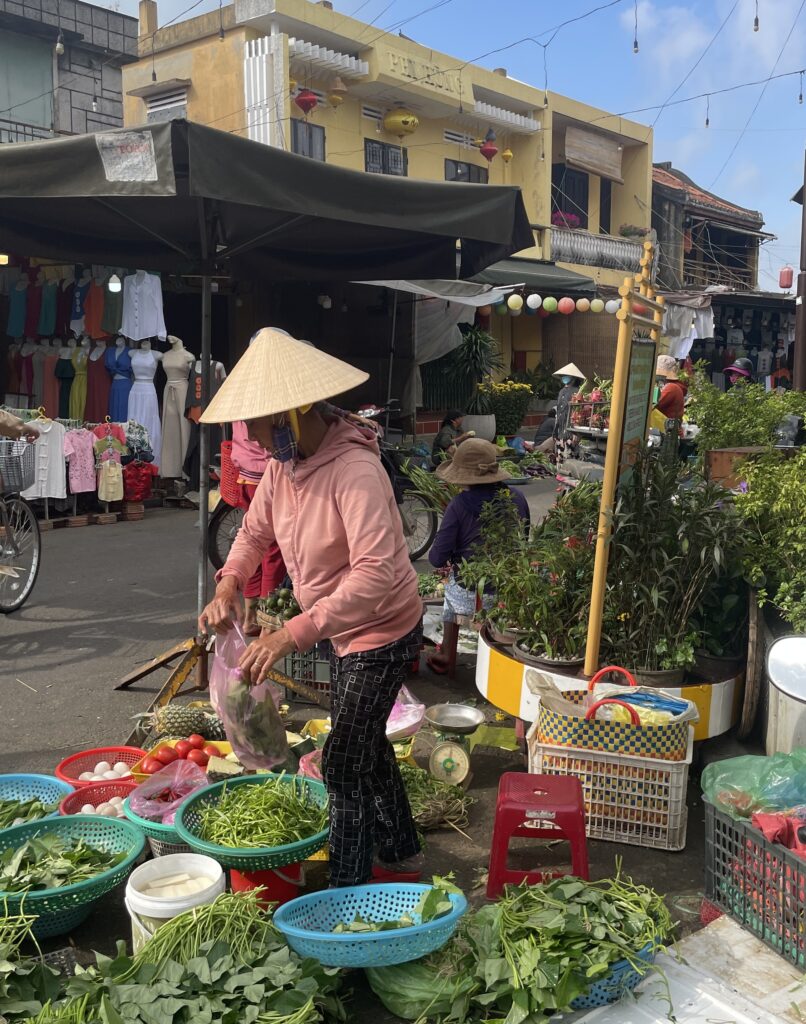
If you’re planning to shop in local markets, grab a coffee, or buy snacks from a street vendor, this is one of the most useful Vietnamese phrases to know.
Bao Nhiêu? simply means “How much?”, and it’s a phrase you’ll find yourself using constantly, especially in places where prices aren’t clearly listed.
While many vendors in Hanoi, Ho Chi Minh City, and other tourist-heavy spots speak some English, don’t count on it in smaller towns or more local areas.
And even when English is spoken, using Bao Nhiêu shows that you’re making an effort to engage with the culture, which locals appreciate.
Bonus tip? If you’re shopping at places like Ben Thanh Market or Dong Xuan Market, asking Bao Nhiêu might help when negotiating a better deal.
Just be prepared, the first price you hear is almost never the final price. Haggling is expected, so don’t be shy about negotiating.
Where is the Bathroom?: Nhà Vệ Sinh Ở Đâu?
Phrase: Nhà Vệ Sinh Ở Đâu?
Pronunciation: Nya vay sin uh dow
This is one of those essential phrases that you won’t realize you need until, well, you really need it.
Whether you’re wandering through a bustling market, hanging out at a café, or exploring temples, public restrooms aren’t always clearly marked, especially outside major cities.
While many locals will understand the word “toilet,” using the Vietnamese phrase Nhà Vệ Sinh Ở Đâu shows cultural effort and can help speed things along if someone doesn’t speak English.
Most Vietnamese people are incredibly kind and will happily point you in the right direction.
Also, don’t expect Western-style restrooms everywhere. In more rural areas or even some older public facilities, you might find squat toilets and bring-your-own toilet paper situations, so having this phrase handy (and a travel pack of tissues) is never a bad idea.
Cafés and restaurants usually have clean bathrooms, so if you’re desperate, ducking into a coffee shop is always a solid backup plan.
Excuse Me & Sorry: Xin Lỗi

Phrase: Xin Lỗi
Pronunciation: Sin loy
Whether you’re bumping into someone in a crowded market, trying to get someone’s attention politely, or needing to apologize, Xin Lỗi is one of the most versatile Vietnamese phrases to know.
It essentially means both “excuse me” and “sorry,” depending on the context.
Use it when weaving through a tight crowd, when reaching past someone at a food stall, or if you accidentally bump into someone, which, let’s be honest, happens a lot when you’re navigating Hanoi’s Old Quarter or HCMC’s District 1.
You don’t need to overuse it, but dropping a respectful Xin Lỗi in the right moment can go a long way in showing locals that you’re trying to be courteous, something appreciated in Vietnamese culture.
It’s also useful when you need to interrupt someone politely or get a waiter’s attention at a busy restaurant.
Yes & No: Vâng & Không
Phrase: Vâng / Không
Pronunciation: Vung (like “bung” with a V) / Khom (like “calm” without the L)
In Vietnamese, Vâng is the polite way to say “Yes,” while Không means “No.”
Vâng is formal and respectful, so it’s great when speaking to older people, shop owners, or anyone you want to show respect toward. In casual situations, you might also hear “có” (gaw), which is a more informal “yes.”
Không is straightforward and works in almost any situation. You can use it to decline something politely or to answer a yes/no question.
Unlike Thai, Vietnamese doesn’t have gendered language markers, so these words work for everyone regardless of gender.
Use Vâng to confirm something like “yes, that’s right,” and Không to gently or politely decline or correct.
This pair is essential in markets, conversations, and when navigating yes/no questions with locals.
Check, Please: Tính Tiền

Phrase: Tính Tiền
Pronunciation: Tin tyen (like “tin” then “tee-en”)
When you’re finished eating at a restaurant in Vietnam, you’ll need this phrase to ask for the bill. Tính Tiền means “calculate the money,” and it’s the polite way to say “check, please” in Vietnamese.
Don’t expect your server to bring the bill without being asked. In many Vietnamese eateries, especially smaller or more local spots, it’s typical to sit and relax after a meal until you specifically request it.
Using this phrase shows both politeness and cultural awareness. Even in places where staff speak English, making the effort to say Tính Tiền will usually earn you a smile or nod of appreciation.
It’s also a handy phrase to know at street food stalls, casual restaurants, or when you’re enjoying a bowl of pho and want to wrap up without awkwardly waving someone down.
You can also motion for the bill by making a writing gesture in the air, it’s universally understood and works just as well.
I Don’t Understand: Tôi Không Hiểu
Phrase: Tôi Không Hiểu
Pronunciation: Toy khom hew
Sometimes language barriers happen, and that’s okay. Whether someone’s speaking Vietnamese too quickly or using unfamiliar vocabulary, Tôi Không Hiểu simply means “I don’t understand.”
It’s one of the most practical phrases to have on hand as a traveler, especially when exploring local areas where English isn’t widely spoken.
Saying Tôi Không Hiểu with a polite smile shows that you’re trying to engage, not just tuning out or ignoring the situation.
You can also follow it up by asking “Nói chậm hơn được không?” (noy cham hon dook khom), which means “Can you speak slower?”, but honestly, just the first phrase alone usually does the trick.
Use this when asking for directions, speaking with hotel or transportation staff, or even just trying to understand a menu, it’s a great way to signal you need a little extra help.
Vietnamese people are generally patient and will often try to find another way to communicate, whether that’s using hand gestures, showing you on a map, or finding someone nearby who speaks English.
Delicious: Ngon
Phrase: Ngon
Pronunciation: Nawn (rhymes with “lawn”)
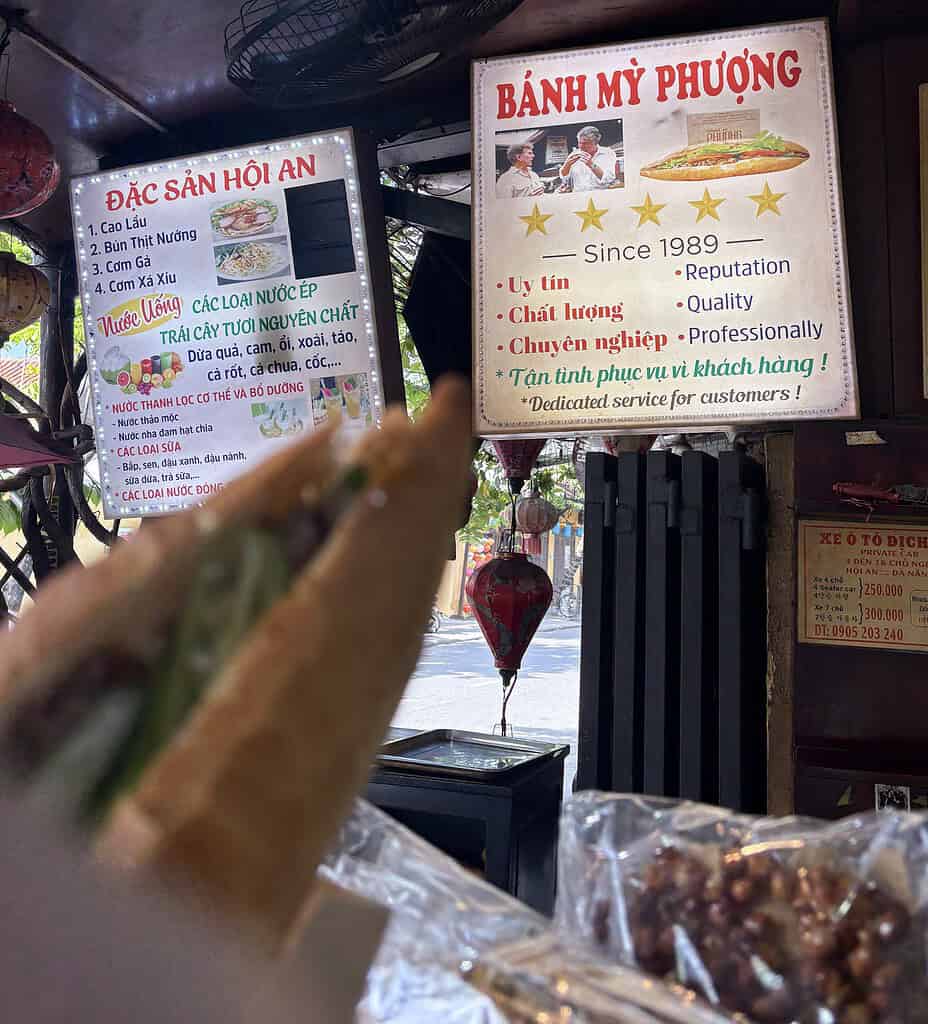
If there’s one word you’ll want to use over and over again in Vietnam, it’s this one. Ngon means “delicious,” and whether you’re slurping noodles at a street cart, enjoying bánh mì, or sitting down at a family-run restaurant, this simple word goes a long way.
Vietnamese people take great pride in their food, and complimenting a meal with a genuine Ngon is always appreciated.
You’ll often see locals light up when they hear a foreigner using it, it’s a small gesture that bridges language barriers in the best way possible.
You can also kick it up a notch by saying one of these instead:
Ngon lắm: “Very delicious”
Ngon quá: “So delicious” (more emphatic)
I personally love saying Ngon lắm after a great bowl of pho or a perfectly crispy bánh xèo. The reaction from vendors and restaurant owners? Always priceless.
This phrase comes in handy whenever you’re enjoying Vietnam’s incredible cuisine, whether it’s a steaming bowl of bún chả, a savory bánh cuốn, or sweet chè (Vietnamese dessert).
Dropping a Ngon is one of those effortless ways to connect with locals and show your appreciation for their food culture.
Goodbye: Tạm Biệt

Phrase: Tạm Biệt
Pronunciation: Tam bee-yet
Tạm Biệt is the standard way to say “Goodbye” in Vietnamese, friendly, polite, and used in most everyday situations.
You’ll hear it from shopkeepers, café staff, or hotel workers as you head out for the day.
In more casual situations, you might also hear “Chào” (chow) used as both “hello” and “goodbye,” which is common among friends or in informal settings.
But Tạm Biệt is the safer, more respectful option, especially when speaking to people you don’t know well.
It’s simple, but ending your interactions with a cheerful Tạm Biệt leaves a positive impression, especially after a great meal, helpful conversation, or a day of exploring.
Water, Please: Cho Tôi Nước
Phrase: Cho Tôi Nước
Pronunciation: Cho toy nook (like “book” but with an “n”)
This is a practical phrase you’ll use constantly, especially in Vietnam’s heat and humidity.
Cho Tôi Nước means “Give me water, please,” and it’s one of the simplest ways to ask for water at a restaurant, café, or street stall.
In many places, water is served automatically, but in smaller local spots, you might need to ask for it.
You can also specify:
Nước lạnh: Cold water (nook lan)
Nước đá: Ice water (nook dah)
Water is usually cheap or free at most restaurants, but bottled water is the safest option if you’re concerned about tap water.
This phrase is especially useful when you’re eating street food and need something to wash it down, or when you’re walking around in 35°C heat and need to rehydrate.
One More (Beer): Thêm Một Bia
Phrase: Thêm Một Bia
Pronunciation: Tem moat bee-ah
If you’re planning to enjoy Vietnam’s beer culture, and you should, this phrase will come in handy.
Thêm Một Bia means “One more beer,” and it’s the perfect phrase to use when you’re sitting at a bia hơi (fresh beer) spot or a street-side café and want to order another round.
Vietnamese beer culture is relaxed and social. People sit on tiny plastic stools, drink fresh draft beer, and chat for hours.
It’s cheap (often less than $1 per glass) and genuinely one of the best ways to experience local life.
Bia hơi is light, refreshing, and perfect for hot days. And when you’re ready for another, just say Thêm Một Bia and you’re good to go.
You can also use “Thêm một” (tem moat) for ordering one more of anything, coffee, bánh mì, whatever you want. It’s a versatile phrase that works in almost any ordering situation.

Tips for Pronouncing Vietnamese Words Correctly
Vietnamese is a tonal language with six tones, which means pronunciation can impact meaning more than in English.
But don’t stress, locals don’t expect you to be fluent. They genuinely appreciate the effort, even if your pronunciation isn’t perfect.
That said, a few pronunciation tips will definitely help you sound more natural and be better understood:
Tones matter, but context helps — Vietnamese has six tones, and words can change meaning depending on pitch. But as a tourist, people generally understand you through context and your willingness to try.
“Ng” is pronounced from the back of the throat — It sounds like the “ng” in “sing.” Words like “Ngon” or “Không” start with this sound, which can feel awkward at first.
“Nh” sounds like “ny” — So “Nhà” (house) sounds like “nya.” It’s softer than a hard “n.”
Listen and repeat — The best way to improve is by listening to how locals say things and mimicking them. Don’t be embarrassed, Vietnamese people are incredibly patient and encouraging.
Slow down — Don’t rush through the words. Speaking slowly and clearly is better than rushing and mispronouncing.

Should You Learn Vietnamese Phrases Before Visiting Vietnam?
Here’s the thing, you don’t need to learn Vietnamese to visit. Vietnam is one of Southeast Asia’s most popular tourist destinations, and with that comes accessibility.
In most popular areas, Hanoi, Ho Chi Minh City, Hoi An, Da Nang, you’ll find that many Vietnamese people speak at least a bit of English, enough for basics like ordering food or giving directions.
So yes, Vietnam is surprisingly easy to navigate, even if you never speak a word of Vietnamese. However, learning just a few phrases can go a long way.
It’s not really about necessity, it’s about connection. When you say “Cảm ơn” instead of “thank you,” or “Không cay” to skip the spice, you’re showing locals that you care enough to make an effort. Even if your pronunciation is slightly off, it’s the effort that gets appreciated.
I’ve had so many moments, especially in smaller towns or with street vendors, where a simple Vietnamese phrase sparked a smile, a laugh, or even a conversation I wouldn’t have had otherwise. That human connection? It’s priceless.
Put in a bit of effort. Don’t be a tourist, be a traveler. Besides these Vietnamese phrases, these Vietnam travel tips can also help you prepare for your trip.
Is Vietnamese hard to learn for English speakers?
Vietnamese is challenging because it’s a tonal language with six tones, meaning the same word can have different meanings depending on pitch.
But you don’t need fluency to travel, just a few basic phrases go a long way, and locals appreciate the effort even if your pronunciation isn’t perfect.
Do most people in Vietnam speak English?
In major cities like Hanoi, Ho Chi Minh City, and Da Nang, many people in the tourism industry speak basic English.
Outside tourist areas and in smaller towns, English is less common. Learning a few Vietnamese phrases helps bridge the gap.
What’s the most important Vietnamese phrase to know?
“Cảm ơn” (thank you) is probably the most important. It’s polite, easy to say, and you’ll use it constantly. Pair it with “Xin chào” (hello) and you’re already making a great first impression.
Can I get by in Vietnam without speaking Vietnamese?
Yes, absolutely. Vietnam’s tourism infrastructure is solid, and many people in tourist areas speak enough English to help you.
But learning a few phrases makes your trip smoother, more enjoyable, and helps you connect with locals beyond the surface level.
