
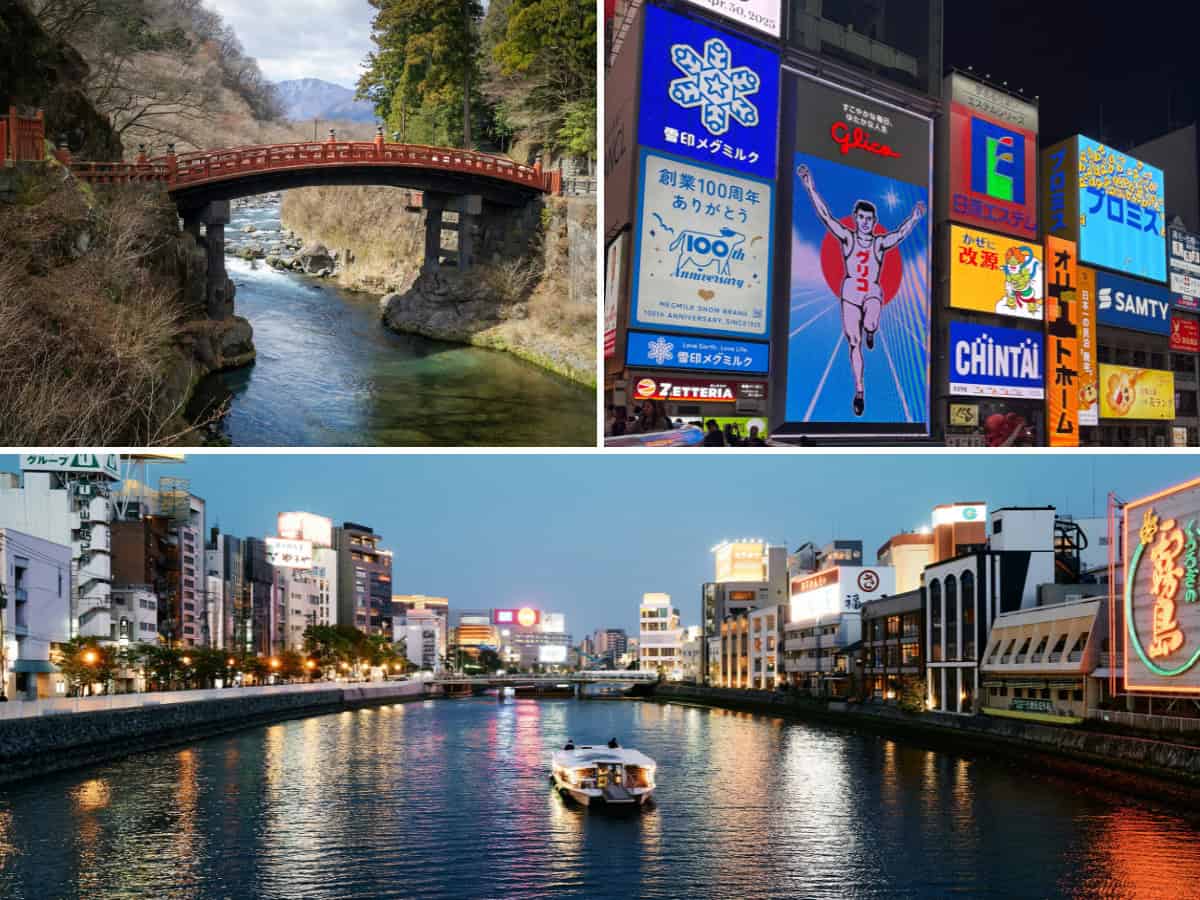
11 Cheapest Places in Japan to Visit
Are you planning a trip to Japan and looking for the cheapest places in Japan to visit?
Japan has a reputation for being expensive, and honestly, it can be if you’re staying in Tokyo hotels, eating at high-end sushi spots, and riding shinkansen (bullet trains) across the country without a rail pass.
But here’s the truth: Japan is also incredibly affordable if you know where to go and how to travel smart.
Yes, cities like Tokyo and Kyoto have become pricier in recent years. But they’re still manageable for budget-conscious travelers, especially backpackers and solo travelers who prioritize street food, hostels, and local experiences over luxury.
Here’s something important to remember: even if your accommodation costs a bit more than expected, local food in Japan is incredibly cheap and delicious, and that alone can dramatically stretch your budget in Japan.
This list doesn’t focus on remote villages or destinations with nothing to do. Instead, we’ll explore the best cheap places in Japan for tourists, locations filled with things to see and do, from historic cities and cultural landmarks to coastal towns and mountain escapes.
Osaka
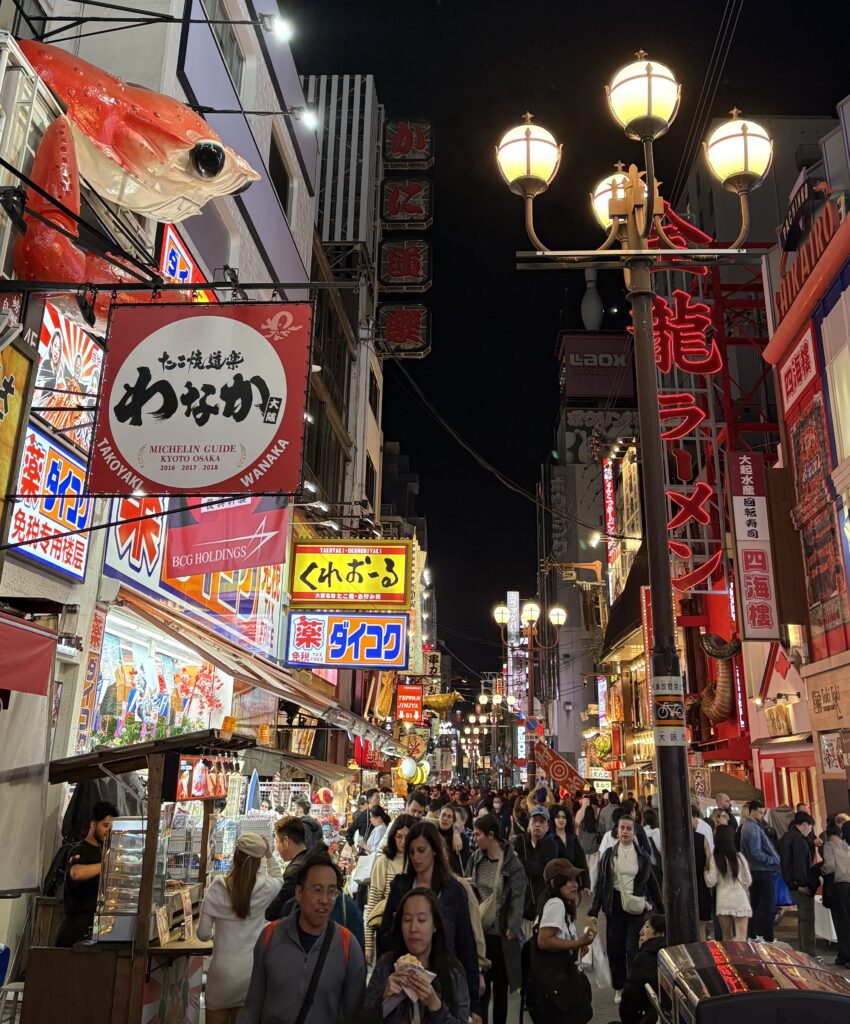
Average Daily Visitor Cost: $53+ USD
Osaka is Japan’s third-largest city, and hands down, one of the cheapest major cities to visit in Japan.
This vibrant, working-class city is known for its incredible street food, friendly locals, and laid-back energy compared to the formality of Tokyo or Kyoto.
It’s also extremely well-connected, with direct flights into Kansai International Airport and excellent rail access to the rest of Japan.
Once you arrive, you’ll find that nearly everything, from accommodations to food and transportation, is surprisingly affordable compared to Tokyo.
There’s a reason Osaka has become a favorite among budget travelers and backpackers.
The city is filled with bustling food streets, neon-lit districts, historic castles, and lively nightlife, all without the price tag of Japan’s more expensive cities.
Whether you’re eating takoyaki (octopus balls) in Dotonbori, exploring Osaka Castle, or browsing quirky shops in Amerikamura, Osaka lets you experience authentic Japanese culture without overspending.
The city is also a great base for exploring nearby destinations like Kyoto, Nara, and Kobe—all reachable within an hour by train.
Hiroshima

Average Daily Visitor Cost: $54+ USD
Hiroshima is a coastal city in western Japan, best known for its tragic history as the first city to experience an atomic bomb attack during World War II.
Today, Hiroshima is a thriving, modern city with a powerful message of peace and resilience.
Visiting the Hiroshima Peace Memorial Park and Museum is a sobering but essential experience that offers deep historical context.
Beyond its history, Hiroshima is also one of Japan’s most affordable cities to visit. Accommodation, food, and transportation are all reasonably priced, and the city offers plenty to see and do without breaking the bank.
Don’t miss Miyajima Island, located just a short ferry ride from the city. The island is home to the famous floating torii gate at Itsukushima Shrine, one of Japan’s most iconic landmarks. The island also has hiking trails, temples, and friendly deer roaming freely.
Hiroshima’s local specialty is okonomiyaki, a savory Japanese pancake layered with cabbage, noodles, pork, and sauce. It’s delicious, filling, and cheap, exactly what budget travelers need.
Hiroshima is also well-connected to other cities via shinkansen, making it a convenient stop on any Japan itinerary.
Fukuoka

Average Daily Visitor Cost: $65+ USD
Fukuoka is the largest city on Japan’s southern island of Kyushu, and it’s one of the most underrated and affordable cities in the country.
The city has a relaxed, modern vibe with excellent shopping, nightlife, and food, especially food.
Fukuoka is famous for its yatai (street food stalls) that line the streets at night, serving ramen, yakitori, and other local dishes at incredibly low prices.
Hakata ramen, Fukuoka’s signature dish, is rich, creamy, and absolutely delicious. You can get a bowl for around $6-8 USD, and it’s worth every yen.
Fukuoka is also a great base for exploring southern Japan. Nearby destinations include Dazaifu (a historic temple town), Beppu (famous for hot springs), and Nagasaki (known for its tragic history and beautiful harbor).
The city is well-connected by air and rail, with Fukuoka Airport located just minutes from the city center, one of the closest major airports to a downtown area in the world.
If you want to experience modern Japan with great food, friendly locals, and lower costs than Tokyo or Osaka, Fukuoka is one of the best cheap places to visit in Japan.
Nara
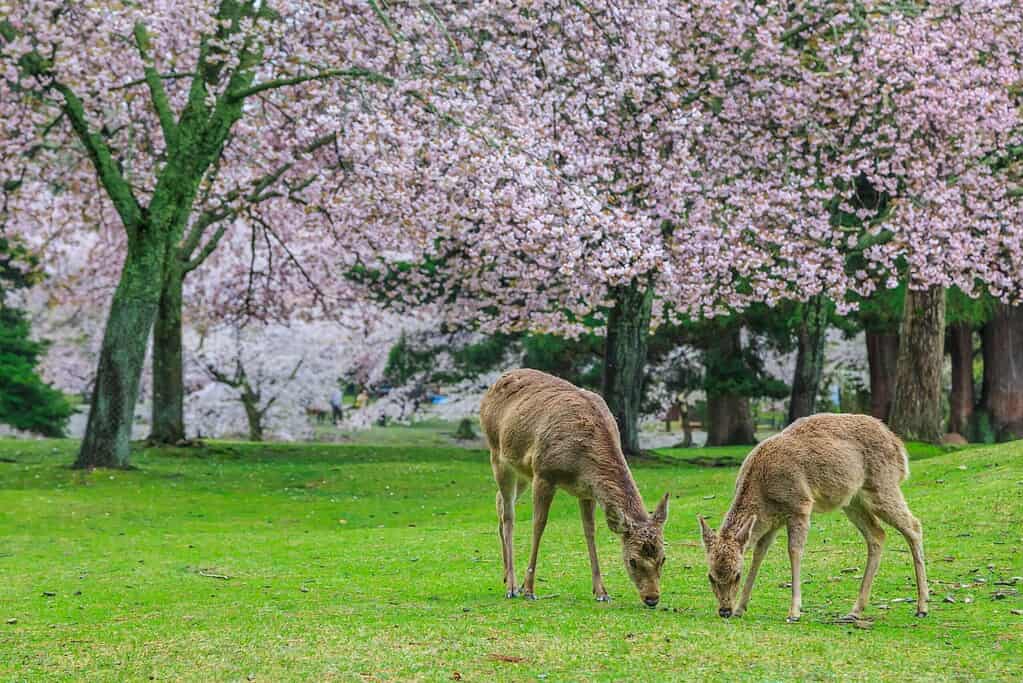
Average Daily Visitor Cost: $69+ USD
Nara is a small, historic city located just 45 minutes from Osaka by train, and it’s one of the most charming and affordable destinations in Japan.
The city is famous for its free-roaming deer that live in Nara Park. These deer are considered sacred and have become a symbol of the city.
You can buy crackers to feed them, and they’ll bow politely before taking the food, it’s adorable and genuinely unique.
Nara is also home to Todaiji Temple, one of Japan’s most important and impressive Buddhist temples.
Inside is a massive bronze Buddha statue that’s over 15 meters tall, it’s breathtaking in person.
The city has a peaceful, laid-back atmosphere that feels worlds away from the chaos of Osaka or Kyoto.
You can easily explore Nara in a day trip, but staying overnight lets you experience the city when the crowds thin out and the deer roam freely through the quiet streets.
Food and accommodation in Nara are affordable, and the city’s compact size makes it easy to explore on foot or by bicycle.
If you’re already visiting Osaka or Kyoto, Nara is an easy, budget-friendly addition to your itinerary.
Kamakura
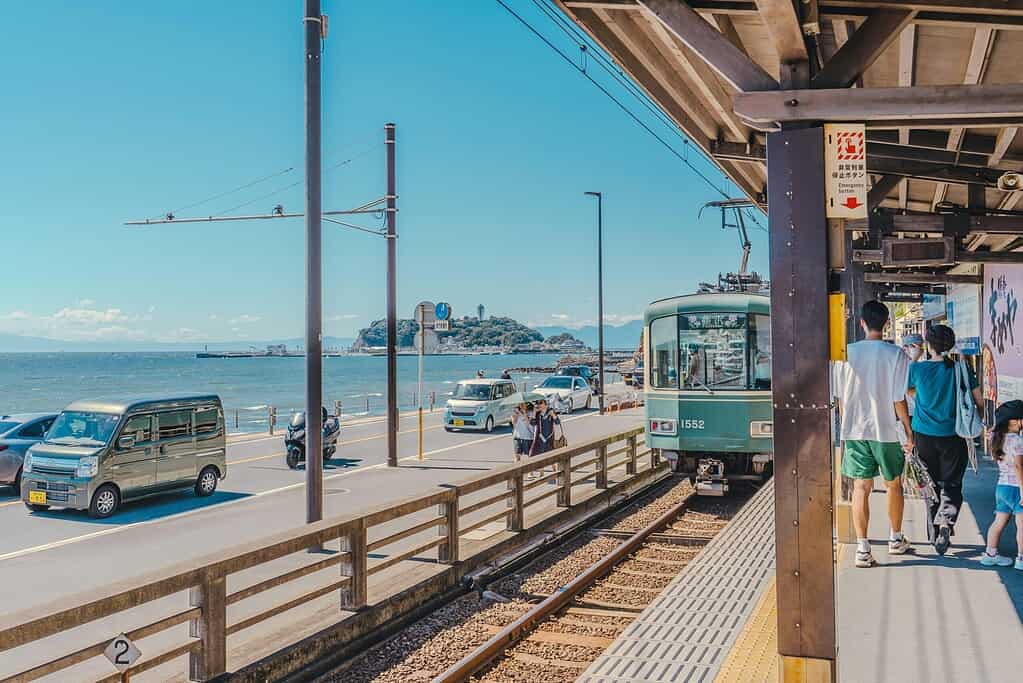
Average Daily Visitor Cost: $70+ USD
Kamakura is a coastal town just an hour south of Tokyo, known for its historic temples, giant Buddha statue, and beautiful beaches.
The town was once the political center of medieval Japan, and today it’s filled with temples, shrines, and hiking trails that offer stunning views of the ocean and surrounding hills.
The Great Buddha (Daibutsu) at Kotokuin Temple is Kamakura’s most famous landmark, a massive bronze statue sitting serenely outdoors. You can even go inside the statue for a small fee.
Kamakura also has excellent hiking trails, including the Daibutsu Hiking Course, which connects several temples and offers panoramic views of the town and coastline.
The beaches in Kamakura are popular in summer, and the town has a laid-back, beachy vibe that contrasts sharply with Tokyo’s urban intensity.
Food in Kamakura is affordable, especially if you stick to local spots serving donburi (rice bowls), ramen, and fresh seafood.
Kamakura is a perfect day trip or overnight escape from Tokyo, offering history, nature, and beach vibes without the high costs of staying in the capital.
Nikko
Average Daily Visitor Cost: $70+ USD
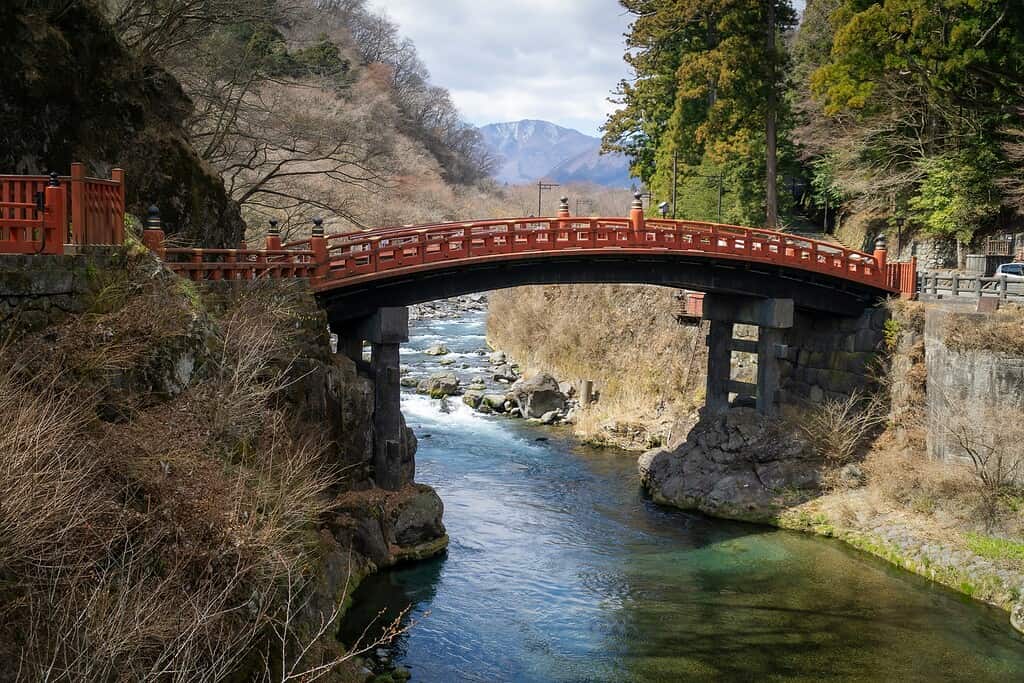
Nikko is a mountain town north of Tokyo, famous for its ornate shrines, beautiful national park, and stunning natural scenery.
The main attraction is Toshogu Shrine, a UNESCO World Heritage Site and one of the most elaborately decorated shrines in Japan.
The intricate carvings, gold leaf, and vibrant colors make it one of the most visually impressive temples in the country.
Nikko is also home to stunning natural attractions like Kegon Falls, Lake Chuzenji, and the Nikko National Park, which offers hiking trails, hot springs, and mountain views.
The town is accessible from Tokyo by train (about 2 hours), making it a popular day trip destination.
But staying overnight lets you explore the area more thoroughly and experience the town after the day-trippers leave.
Accommodation in Nikko ranges from budget guesthouses to traditional ryokan (Japanese inns), and food is affordable, especially if you eat at local restaurants serving soba, tofu, and other regional dishes.
Nikko is one of those places that feels worlds away from Tokyo despite being so close.
If you want to experience Japan’s natural beauty and traditional shrines without going too far from the capital, Nikko is a great budget-friendly option.
Matsumoto
Average Daily Visitor Cost: $75+ USD
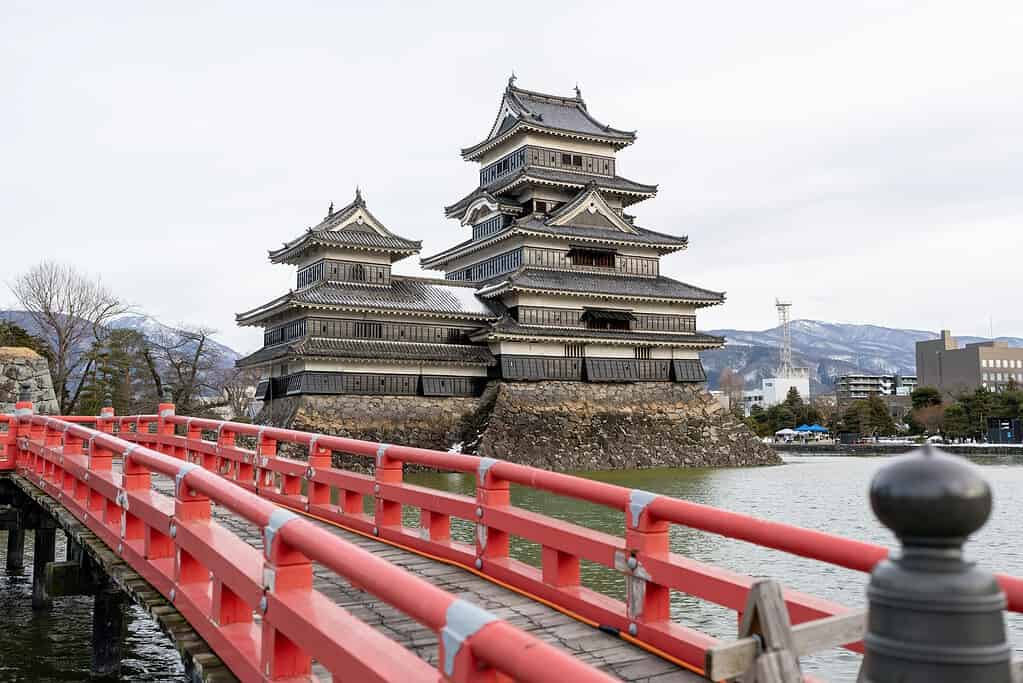
Matsumoto is a small city in the Japanese Alps, known for its stunning original castle, mountain scenery, and relaxed atmosphere.
Matsumoto Castle is one of Japan’s few remaining original castles (most were destroyed or rebuilt), and it’s one of the most beautiful.
The black exterior and surrounding moat make it incredibly photogenic, especially during cherry blossom season.
The city is also a gateway to the Northern Alps and nearby hot spring towns like Kamikochi and Norikura.
If you’re into hiking, skiing, or just enjoying mountain scenery, Matsumoto is a great base.
Food in Matsumoto is affordable and features mountain specialties like soba noodles, grilled river fish, and local sake. The city also has a charming old town area with traditional storefronts and small museums.
Matsumoto is accessible by train from Tokyo (2.5-3 hours) or Nagoya, making it a convenient stop on a Japan itinerary focused on central Honshu.
If you want to experience Japan’s castle history and mountain culture without the crowds of more famous destinations, Matsumoto is one of the best cheap places to visit in Japan.
Nagasaki
Average Daily Visitor Cost: $75+ USD
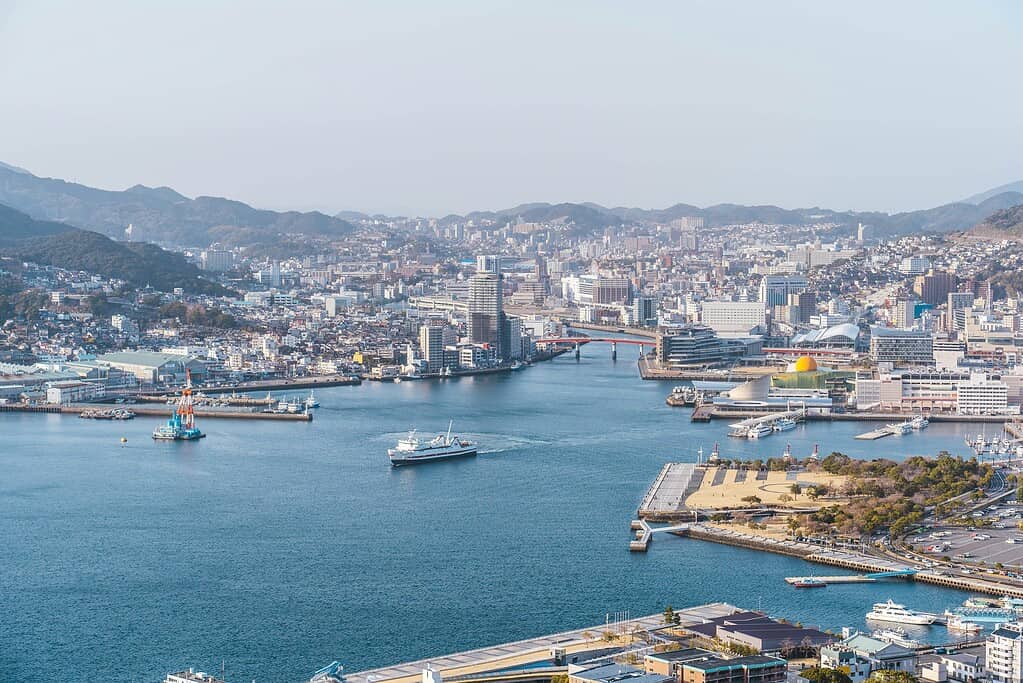
Nagasaki is a historic port city in southern Japan, known for its tragic history, stunning harbor, and unique blend of Japanese and Western influences.
Like Hiroshima, Nagasaki was devastated by an atomic bomb during World War II. The Nagasaki Peace Park and Atomic Bomb Museum offer powerful and educational experiences that are essential for understanding Japan’s modern history.
Beyond its history, Nagasaki is a beautiful city with colorful buildings, hillside neighborhoods, and excellent food.
The city has a strong Chinese influence, and dishes like champon (a hearty noodle soup) and sara udon (crispy fried noodles) are local specialties.
Don’t miss Glover Garden, a hilltop park with Western-style mansions and stunning views of the harbor, or take the ropeway up Mount Inasa for one of Japan’s best night views.
Nagasaki is also one of the cheapest major cities in Japan, with affordable accommodation, food, and transportation.
It’s less touristy than cities like Osaka or Kyoto, which gives it a more authentic, local feel.
If you’re visiting Fukuoka or exploring Kyushu, Nagasaki is absolutely worth adding to your itinerary.
Takayama
Average Daily Visitor Cost: $80+ USD
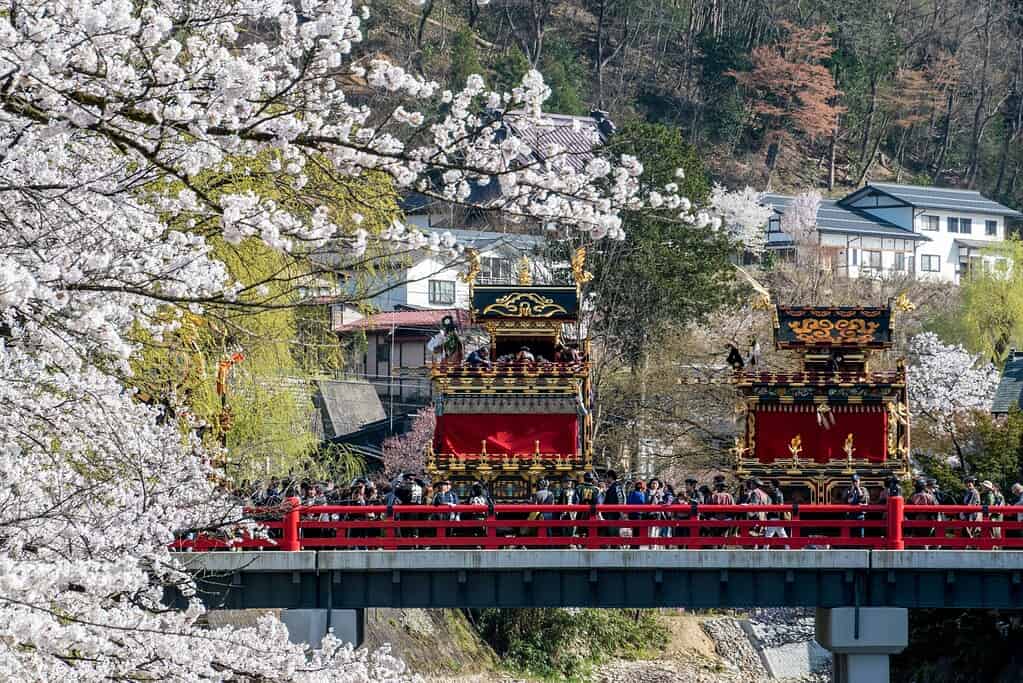
Takayama is a beautifully preserved mountain town in the Japanese Alps, known for its traditional wooden buildings, sake breweries, and morning markets.
The town feels like stepping back in time. The old town district (Sanmachi Suji) is filled with Edo-period merchant houses, tea shops, and craft stores selling local goods like lacquerware and ceramics.
Takayama is also famous for its festivals, particularly the Takayama Matsuri in spring and fall, which are considered some of Japan’s most beautiful traditional festivals.
The town is surrounded by mountains and serves as a gateway to nearby attractions like Shirakawa-go (a UNESCO World Heritage village with traditional thatched-roof houses) and the Tateyama Kurobe Alpine Route.
Food in Takayama is excellent and affordable. Try Hida beef (the local specialty), soba noodles, and sake from one of the town’s many breweries.
Many breweries offer free tastings, which is a nice bonus for budget travelers.
Takayama is accessible by train from Nagoya (2.5 hours) or via bus from Kanazawa or Tokyo.
It’s one of those rare places in Japan that feels genuinely untouched by mass tourism while still being easy to visit.
Kanazawa
Average Daily Visitor Cost: $80+ USD
Kanazawa is a historic city on the west coast of Japan, known for its well-preserved Edo-period districts, traditional crafts, and stunning gardens.
Often called “Little Kyoto,” Kanazawa offers a similar cultural experience to Kyoto but with fewer tourists and lower prices.
It’s a hidden gem for travelers who want to experience traditional Japan without the crowds.
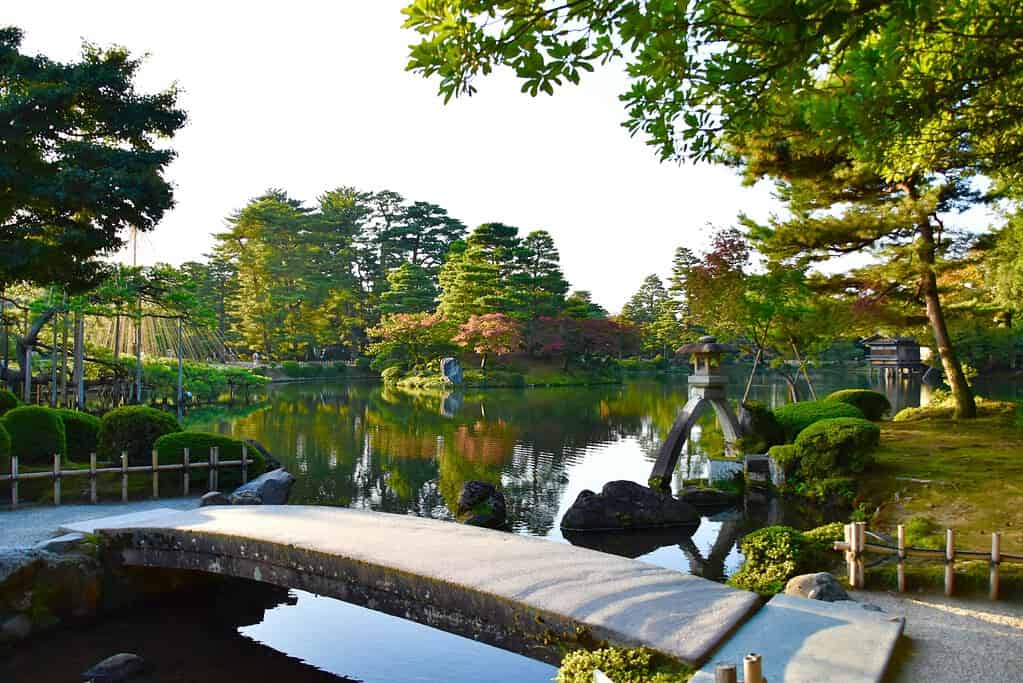
The city is home to Kenrokuen Garden, one of Japan’s three most beautiful landscape gardens.
Visiting in different seasons offers completely different experiences, cherry blossoms in spring, lush greenery in summer, and snow-covered landscapes in winter.
Kanazawa also has beautifully preserved geisha and samurai districts where you can walk through historic streets lined with wooden buildings, tea houses, and museums.
Food in Kanazawa is excellent and affordable. The city is famous for fresh seafood from the nearby Sea of Japan, and the Omicho Market is a great place to try sushi, sashimi, and grilled fish at reasonable prices.
Kanazawa is easily accessible from Tokyo (2.5 hours by shinkansen) or Osaka (2.5 hours), making it a perfect addition to any Japan itinerary.
Kyoto (Budget Districts)

Average Daily Visitor Cost: $80+ USD
Kyoto is expensive, yes. But it doesn’t have to be if you know where to stay and how to explore on a budget.
Instead of staying in central Kyoto near the main temples and tourist areas, base yourself in neighborhoods like Fushimi, Kurama, or areas along the Keihan Line. These districts are quieter, more local, and significantly cheaper for accommodation.
Many of Kyoto’s most iconic temples and shrines are free or very cheap to visit. Fushimi Inari Shrine (the famous torii gate tunnel) is completely free.
Kinkakuji (Golden Pavilion) costs around $4 USD. Arashiyama Bamboo Grove is free to walk through.
Kyoto also has excellent street food and affordable restaurants in areas like Nishiki Market and Gion. You can eat well for under $10 USD per meal if you avoid touristy spots.
The city is well-connected by bus and train, and a day pass for unlimited bus rides costs around $6 USD, well worth it if you’re temple-hopping.
Kyoto is cultural, historic, and beautiful. And while it’s the most expensive city on this list, it’s still manageable for budget travelers who plan smart.
Tips for Visiting Japan on a Budget
Japan has a reputation for being expensive, but your daily expenses can vary depending on your travel style.
Whether you’re backpacking or looking to stretch your vacation dollars, these tips will help you stay within budget while exploring the best of Japan.
Budget travel in Japan isn’t about sacrificing comfort, it’s about spending smart. These tips can help you experience the country’s best places without overspending.
- Eat at Conveyor Belt Sushi and Chain Restaurants: Skip high-end sushi restaurants and eat at kaiten-zushi (conveyor belt sushi) spots like Sushiro or Kura Sushi. Plates start at around $1-2 USD, and the quality is still excellent. Chain restaurants like Yoshinoya and Sukiya serve filling rice bowls for under $5 USD.
- Get a JR Pass if You’re Traveling Between Cities: The Japan Rail Pass is expensive upfront but saves you a ton of money if you’re taking multiple shinkansen trips. A 7-day pass costs around $280 USD but covers unlimited travel on most JR trains, including bullet trains.
- Stay in Hostels or Capsule Hotels: Japan has excellent hostels and capsule hotels that are clean, safe, and affordable. Prices range from $20-40 USD per night, and many include free breakfast or communal kitchens.
- Use Local Buses and Subway Passes: Day passes for unlimited subway or bus travel are available in most major cities for around $5-8 USD. Use them to save money while exploring.
- Visit Free Temples and Shrines: Many of Japan’s most famous temples and shrines are free to enter. Fushimi Inari, Meiji Shrine, and Senso-ji are all free and offer incredible experiences.
- Shop at Convenience Stores for Meals: 7-Eleven, Lawson, and FamilyMart sell cheap, delicious meals like onigiri (rice balls), bento boxes, and instant ramen. You can eat well for under $5 USD per meal.
Japan Budget Destinations: Final Thoughts
Japan doesn’t have to break the bank. While Tokyo and Kyoto can be expensive, there are still many affordable destinations in Japan that offer rich experiences without the price tag.
From cities like Osaka and Hiroshima to mountain towns like Takayama and coastal escapes like Kamakura, Japan offers a wide range of destinations where your money goes further without sacrificing culture or comfort.
Whether you’re planning a short vacation or an extended stay, you’ll find that the best budget destinations in Japan still deliver incredible value.
Spend wisely, explore locally, and take your time. That’s the key to making the most of Japan on a budget.
Lastly, make sure to avoid doing anything of these tourist mistakes in Japan before your visit!

Is Japan expensive to visit?
Japan can be expensive, but it’s manageable on a budget if you eat at local restaurants, stay in hostels or capsule hotels, and use rail passes for transportation. Cities like Osaka, Hiroshima, and Fukuoka are significantly cheaper than Tokyo.
What’s the cheapest city to visit in Japan?
Osaka is generally considered the cheapest major city to visit in Japan. Accommodation, food, and transportation are all more affordable than Tokyo or Kyoto, and the city offers excellent street food and cultural experiences.
Is the JR Pass worth it for budget travelers?
If you’re traveling between multiple cities (like Tokyo to Osaka to Hiroshima), the JR Pass is absolutely worth it.
One round-trip shinkansen ticket from Tokyo to Osaka costs around $250 USD, so the 7-day pass ($280 USD) pays for itself quickly.
Can you eat cheap in Japan?
Yes. Conveyor belt sushi, chain restaurants, ramen shops, and convenience stores all offer delicious, filling meals for under $5-10 USD.
Street food and local izakayas (Japanese pubs) are also affordable options.
