

19 Tourist Scams in Bali to Watch Out For
Bali is one of the most extraordinary travel destinations in the world, and the moment you land at Ngurah Rai International Airport, you get your first reminder that tourist scams in Bali are very much real.
Before you’ve even collected your luggage, the energy in arrivals hits you. Unofficial drivers crowding the exit.
Random individuals approaching with prices that sound reasonable until you know what the journey should actually cost.
Locals and opportunists positioned strategically throughout the terminal, waiting for jet-lagged, disoriented tourists who haven’t yet figured out where they’re going or what anything costs. The airport is where Bali’s scam ecosystem introduces itself, and it doesn’t stop there.
None of this should put you off. Bali is genuinely extraordinary, the temples, the rice terraces, the surf, the food, the culture. Most people you’ll encounter on the island are warm, honest, and genuinely hospitable.
But a small number of individuals have built an entire operation around tourists who arrive unprepared, and knowing what they’re running is the difference between a trip you remember for the right reasons and one you spend recovering from financially.
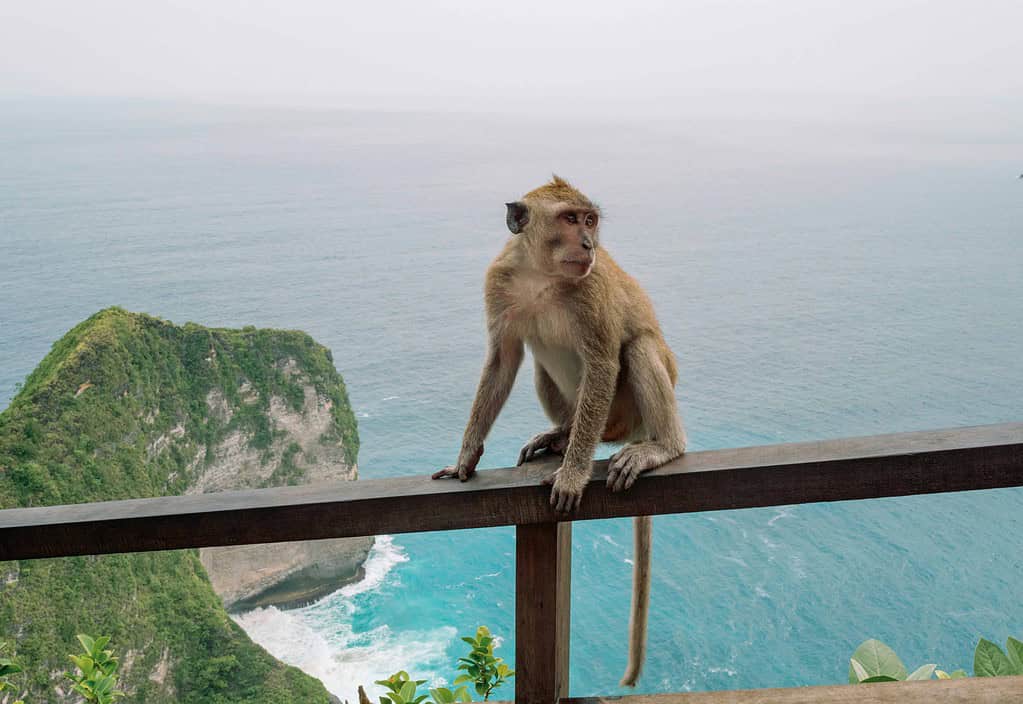
Airport Taxi Scam
The airport scam sets the tone for everything that follows, and it works because it targets you at your most vulnerable, tired, disoriented, carrying all your luggage, and not yet sure what anything in Bali costs.
The moment you exit the arrivals terminal at Ngurah Rai, unofficial drivers descend. They’re confident, friendly, and persistent.
They’ll quote prices that sound vaguely reasonable to someone who hasn’t researched the journey, until you discover those prices are two or three times what the trip should cost.
Some will follow you as you walk, lowering the price with each step to create a sense of deal-making. Others work in groups, creating a general atmosphere of pressure that makes accepting the first offer feel like the path of least resistance.
The correct approach is to pre-book your Bali airport transfers before you land. Fixed-rate transfers arranged through your accommodation or a reputable operator eliminate the negotiation entirely.
Alternatively, use the official metered taxi counter inside the terminal rather than accepting any offer from someone who approaches you unsolicited.
The price difference between an unofficial airport driver and a proper metered transfer is significant, and the airport is the single easiest scam to avoid in Bali simply by being prepared before you arrive.
ATM Skimming

ATM skimming in Bali is one of the most technically sophisticated scams on this list and one of the most financially damaging when it happens.
Card cloning devices attached to compromised ATMs capture your card details and PIN in seconds, silently, invisibly, and with consequences that only become apparent days later when unauthorized transactions appear on your account from the other side of the world.
The highest-risk ATMs are isolated, unbranded, or standalone machines not attached to a bank branch, the kind that appear conveniently near beach areas and tourist zones.
These machines are specifically targeted because they carry less oversight than bank-branch ATMs and are used by tourists who don’t know better.
Stick to ATMs attached to actual bank branches, BCA, BNI, Mandiri, and CIMB Niaga are the most reliable. Always cover your hand when entering your PIN. Check your bank account balance after every withdrawal and monitor it daily throughout your trip.
A Wise card is an excellent complement, it carries excellent exchange rates and allows you to lock the card instantly from the app.
Fake Bluebird Taxis
Bluebird is Bali’s most reputable taxi company and has been for decades. Their drivers display identification, use functioning meters, and wear blue batik uniforms. They’re the standard recommendation for safe taxi travel across the island.
Scammers know this reputation better than tourists do. They paint their cars the exact same shade of blue, apply a similar bird logo, and position themselves in the same areas where legitimate Bluebird taxis operate.
Once you’re in the car, the meter is mysteriously broken and a flat rate significantly higher than it should be appears.
The defense is straightforward: download the official Bluebird app before you arrive. It works like Uber and books a verified driver directly. If hailing a cab from the street, check the URL printed on the windshield, the specific ID number on the door, and whether the driver is wearing the correct blue batik uniform.
A real Bluebird driver will turn on the meter immediately without prompting. If they don’t, or if the meter is suddenly broken, get out.
Dodgy Money Changers

The money changer scam is the most practiced and most polished tourist scam in Bali, and it has been refined over years of high-volume tourist traffic into something approaching a performance art.
Small street-side money changers in Kuta, Seminyak, Legian, and tourist areas throughout the island advertise rates that look marginally better than everywhere else. The rate is the bait.
Once you hand over your currency, the counting begins, fast, theatrical, sometimes done twice to establish trust. What you don’t see is the palming of bills, the sleight-of-hand fold that removes notes from the bundle, or the replacement of legitimate bills with lower-denomination notes buried in the middle of the stack.
A TikTok video filmed in Ubud showing this exact technique went viral in 2025 with 1.9 million views, prompting Bank Indonesia to launch moneychangerbali.com, a public portal where you can verify whether a money changer is officially licensed.
Use only licensed operators, BMC and Central Kuta are consistently recommended. Always be the last person to count the money before you walk away. Count it twice. If something feels off, walk out before handing anything over.
The Nusa Penida Taxi Mafia
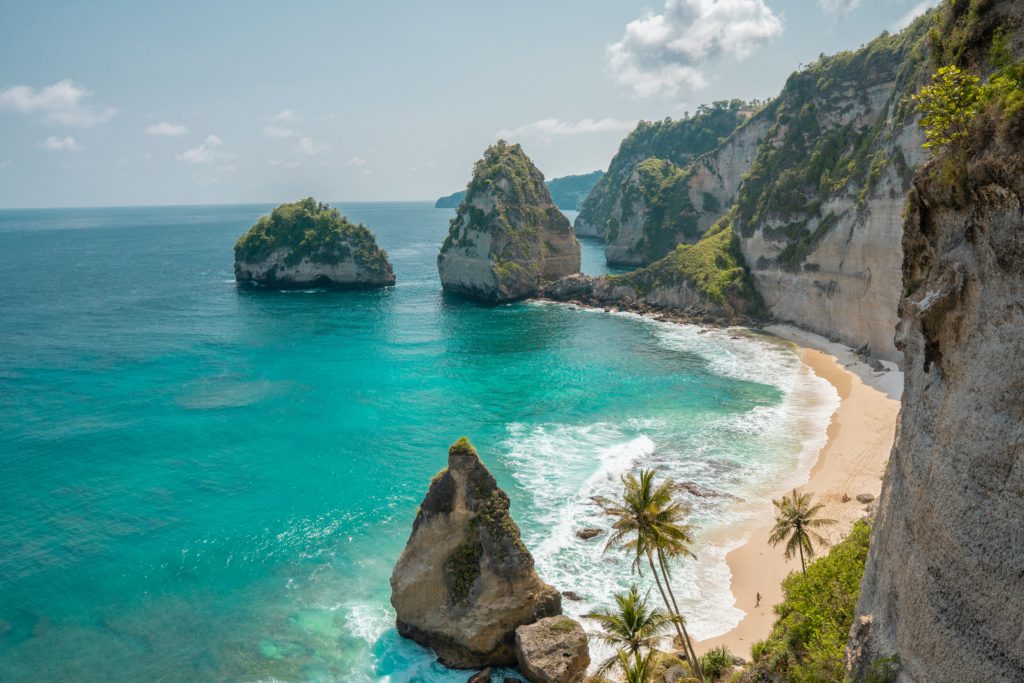
Nusa Penida deserves its own entry because the transport situation there is genuinely unlike anything else in the Bali region, and most visitors arrive completely unprepared for it.
Grab and Gojek do not operate on Nusa Penida. The local taxi driver community has organized itself into a system that controls pricing across the island, with agreed fixed rates that cannot be negotiated and no ride-hailing app competition to create pricing pressure.
It sounds concerning but it’s worth clarifying: this isn’t dangerous and the drivers are generally professional. The issue is purely financial, Nusa Penida transport costs are significantly higher than equivalent distances on the Bali mainland, and without Grab or Gojek, you have no reference point for what a fair price should be.
The smart move is to arrange your Nusa Penida driver in advance through your accommodation or a reputable booking platform before you arrive on the island.
Get a full-day price agreed before the boat docks rather than negotiating at the pier where options are limited and prices are set.
Booking a private car and driver for the day is the most cost-effective and practical way to navigate the island, six passengers can typically share one vehicle, which distributes the cost significantly.
Motorbike Rental Damage Scam
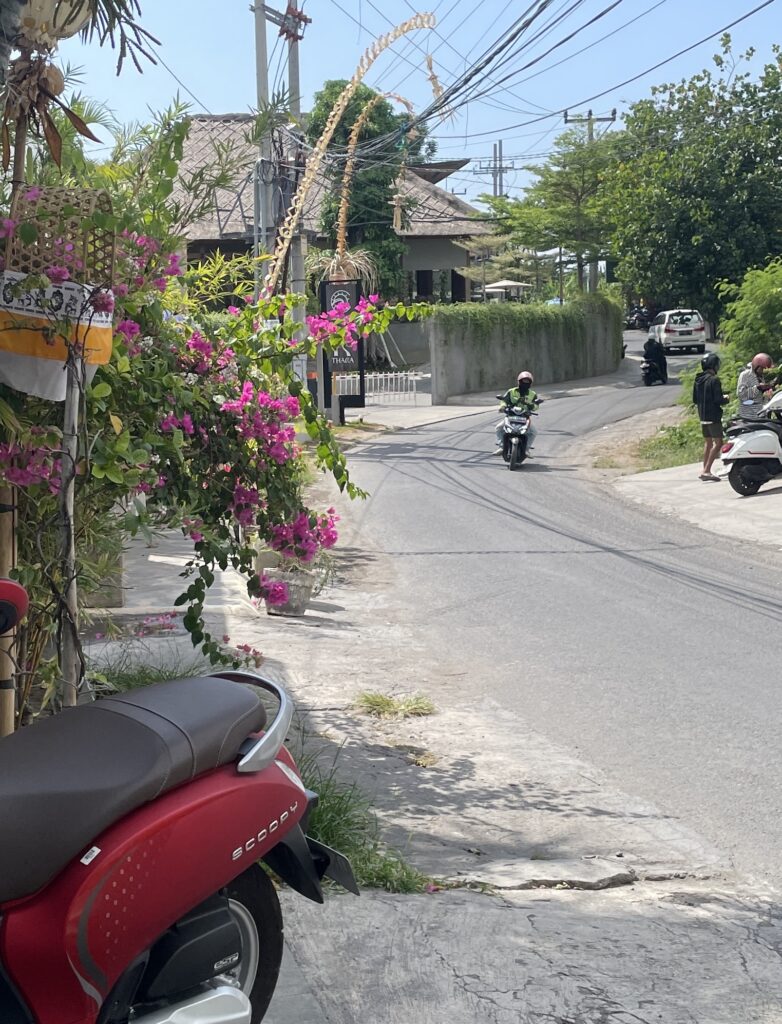
Renting a motorbike in Bali is one of the great freedoms of being on the island, and the damage scam that sometimes follows it is one of the most documented and most preventable on this list.
The script is consistent: you return the bike at the end of the rental period. The rental owner walks slowly around the vehicle with the energy of someone assessing a Picasso.
They locate a scratch or dent, one that was already there when you picked it up, and present it as damage you caused. Without photographic evidence of the bike’s pre-existing condition, you have no defense and the bill that follows can be substantial.
The fix takes three minutes when you pick the bike up: photograph every surface, every scratch, every dent, every worn area with timestamped photos on your phone.
Show the photos to the rental owner before you sign anything and make sure they acknowledge what was pre-existing. That documentation ends the scam entirely.
Rent from operators recommended by your accommodation rather than from walk-up shops near popular tourist areas where the practice is more common.
Broken Meter Taxis

The broken meter taxi is one of the oldest and most frequently reported transport scams in Bali, concentrated in high-traffic tourist areas like Kuta, Legian, and the immediate vicinity of popular nightlife zones.
The setup is simple. You get in a taxi. The driver smiles and says the meter is broken, or doesn’t mention it at all and simply doesn’t turn it on.
By the time you’ve reached your destination, a flat rate considerably above what the metered fare would have been is presented as the price. At that point, your bags are out of the car and your leverage is gone.
The defense is equally simple: insist on the meter before the car moves. If the driver claims the meter is broken, get out. Use Grab or Gojek for transport wherever both apps operate in Bali, the price is locked in before you confirm the booking and the entire journey is tracked.
For areas where Grab and Gojek operate, there is genuinely no reason to negotiate with a street taxi.
Planning a solid Bali itinerary before you arrive helps you understand which transport options are available in each area, particularly useful in areas where ride-hailing apps have limited coverage.
Mandatory Donation Scam at Temples
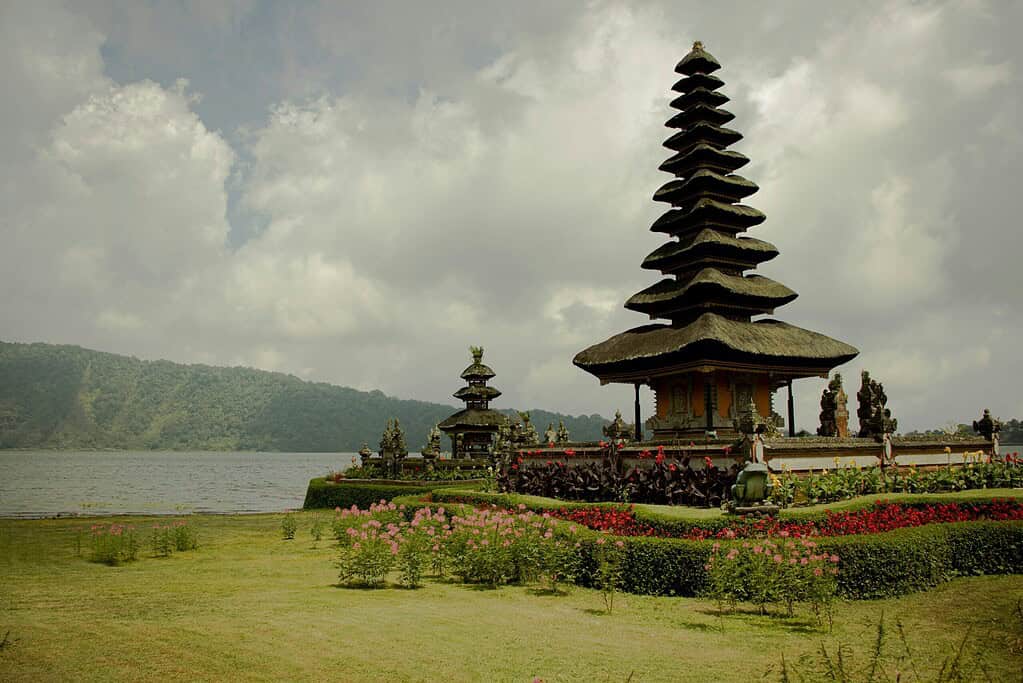
Bali’s temples are among the most beautiful spiritual sites in Southeast Asia and among the most scammed locations on the island, which says more about tourist volume than about the temples themselves.
The mandatory donation scam operates near temple entrances where unofficial individuals position themselves to intercept tourists before the legitimate ticket counter.
They present donation requests with urgency, religious authority, or mild guilt, showing lists of names and amounts that previous visitors supposedly contributed, creating social pressure to match or exceed them.
The amounts requested are often 50,000-200,000 IDR per person for what should be a much smaller official entry fee or a voluntary contribution.
These individuals have no official connection to the temple. Official temple entry fees are always paid at a fixed booth with a printed ticket.
Research the official entry price for any temple you plan to visit before you go. Pay only at the official ticketing booth. If someone approaches you before you reach that booth requesting money, politely walk past them.
Corrupt Police Officers on Motorbike Stops

This is one of the most serious scams on this list because it involves actual authority figures, or people presenting themselves as such, and the power dynamic makes it harder to push back against.
Rogue Bali police officers, known locally as oknum, target tourists riding motorbikes for real or fabricated violations. The most common scenario: you’re stopped at a checkpoint or pulled over on a quieter road.
The officer identifies a violation, no helmet, no international driving permit, improper lane use, and offers to “settle” the matter informally for cash. The amounts are typically IDR 200,000-500,000. A formal written ticket would create a paper trail and expose the officer.
In January 2025, two Bali police officers were actually detained for extorting a Colombian tourist. In May 2026, a viral video showed officers attempting to extort tourists caught on camera, they let the tourists go once they realized they were being recorded.
The key phrase: “Saya minta tilang resmi”, I want a formal written fine. This request for official documentation typically ends most extortion attempts because it creates accountability the officer doesn’t want. Do not pay unofficial cash fines on the spot.
The “Temple Is Closed” Redirect Scam

This scam runs on confidence and local knowledge, and it works because tourists have no immediate way to verify what they’re being told.
A friendly local, usually on a scooter, pulls up alongside you as you approach a popular temple or tourist site. They tell you the temple is closed today: ceremony, special religious day, renovation, private event.
The reason changes but the outcome is consistent. They then offer to take you to a “better” alternative or their “cousin’s” batik factory, art gallery, or workshop.
The temple is almost never actually closed. Ubud Palace, Tanah Lot, and the Ubud Market are among the most frequently “closed” locations in this scam, and are genuinely rarely closed to visitors.
The defense is to simply walk past anyone who approaches you with unsolicited information about a closure. Check Google Maps for current hours.
Continue to the entrance and verify the closure yourself before accepting anyone’s word for it. The “informant” will typically disappear once you keep walking.
Knowing what not to do in Bali before you arrive, including ignoring unsolicited directions from strangers, eliminates this scam entirely.
Villa Deposit Scam
As Bali has grown into one of the world’s most desirable villa rental destinations, a parallel scam industry has emerged targeting tourists looking for luxury accommodation at attractive prices.
The scam involves fake villa listings, often using stolen photos from legitimate properties, that collect deposits or full payment before the tourist arrives, after which the villa either doesn’t exist, is already booked by someone else, or the “owner” is completely unreachable.
Bali’s villa association recorded at least 101 victims of villa rental fraud in 2025 with losses reaching hundreds of millions of rupiah. Two Australians transferred over AU$120,000 for a Pererenan villa that didn’t exist.
Book villas through verified platforms, Airbnb, Booking.com, and established Bali-specific agencies with physical offices and verifiable track records.
Never pay by direct bank transfer based on a social media listing or a website you found through a generic search. Verify the villa’s address independently before transferring any money.
Fake Tour Operators

Bali’s tour operator landscape is a mix of genuinely excellent local businesses and a smaller number of operators who take full payment upfront for an experience that either doesn’t exist or bears no resemblance to what was sold.
The fake tour operator scam typically involves approaches on the street, near beaches, or at accommodation in tourist areas, a friendly pitch for a day trip, snorkeling excursion, or cultural tour at a price that sounds reasonable.
Full payment is collected in advance. What follows is either complete non-delivery, a significantly downgraded version of the promised experience, or a tour vehicle that never shows up.
Book any Bali tour through your accommodation, through Klook, through Viator, or directly with a verified operator that has a physical presence and a review history.
Never pay in full to someone who approached you on the street with no verifiable booking confirmation, no physical address, and no digital presence.
The ++ Menu Trap
This one isn’t a scam in the traditional sense, it’s a pricing structure that Bali’s tourist-facing restaurants use consistently and that catches visitors off guard on the bill without technically deceiving them.
Menus at many restaurants in Bali show base prices followed by “++”, two small plus signs that most tourists don’t register. Those two plus signs mean government tax plus mandatory service charge will be added to the final bill.
The combined addition runs 15-21% above the menu price at most establishments. At higher-end tourist restaurants it can push toward 30%.
The word “Nett” on a menu means the price shown is the final price, what you see is what you pay. “++” means the bill will be higher. Know the difference before you order.
This is worth checking when planning your best things to do in Bali, particularly any beach club or restaurant reservations where pricing transparency matters before you commit to a table.
Overpriced “Handmade” Goods
Bali has a genuinely extraordinary artisan tradition, woodcarving, batik, silverwork, ceramics, and a parallel market of factory-produced goods from Java and further afield that are sold as locally handcrafted at prices that reflect the story rather than the product.
The wood carving that the vendor describes as hand-carved by a craftsman in Ubud came from a warehouse. The “locally made” batik sarong has a made-in-China tag sewn into the lining.
The dreamcatcher was imported wholesale. None of this is illegal, but the “handmade” premium being charged is entirely fabricated.
If authentic Balinese craftsmanship matters to you, and it should, because the real thing is extraordinary, visit the artisan workshops directly. The silverworking village of Celuk, the woodcarving center of Mas, and the batik studios of Ubud all allow you to see the production process, verify authenticity, and buy directly from the people who made it.
Spiked Drink / Fake Arak Scam

This is the most physically dangerous scam on this list and deserves serious attention.
Bali and the Gili Islands have a documented history of methanol-contaminated alcohol being served to tourists in bars and clubs under the name of arak, a traditional Indonesian spirit.
Methanol poisoning from contaminated arak has killed and permanently blinded tourists. It is not a theoretical risk.
The scam operates in two forms. The first involves bars and clubs serving cheap, locally produced arak that contains dangerous methanol levels without disclosure.
The second involves someone spiking your drink, typically at a busy nightlife venue, to rob you while incapacitated.
Drink alcohol only at established, reputable venues. Never accept drinks from strangers. If a cocktail or spirit tastes unusual, particularly if it has a chemical aftertaste, smells wrong, or burns differently from what you expect, stop drinking it immediately.
The symptoms of methanol poisoning, headache, nausea, visual disturbance, can take hours to appear. Seek medical attention immediately if you experience them after drinking.
Souvenir Market Pricing
Every souvenir market in Bali operates on tourist pricing as the opening position, and the gap between that opening price and what the item is actually worth is consistently significant.
A sarong quoted at 200,000 IDR opens at a fair negotiating price of 60,000-80,000 IDR. Silver jewelry quoted at 500,000 IDR closes reasonably at 200,000-250,000 IDR.
Carved wooden items, painted artwork, clothing, and handicrafts all follow the same logic: the first price quoted to a visible tourist is not the real price.
Research approximate fair prices online before you shop. Start your counter-offer at 40-50% of the opening quote. Be willing to walk away, in markets across Bali, walking away triggers a follow-up offer that’s frequently closer to fair value than anything offered while you were standing still.
Exploring best areas to stay in Bali that are slightly removed from the main tourist corridors also puts you in areas where market pricing is less aggressively tourist-facing.
Fake Parking Attendants
This scam is minor in individual financial impact and significant in cumulative frequency, because it happens at almost every popular beach, temple, and tourist attraction in Bali.
Unofficial individuals in high-visibility vests or casual clothing position themselves at parking areas near popular sites and collect parking fees from tourists.
The parking is often free or has a legitimate attendant elsewhere on the site. The unofficial collector simply intercepts tourists before they find the real parking system.
The amounts are small, typically 5,000-20,000 IDR, which is exactly why the scam persists. The individual cost doesn’t feel worth confronting. But across multiple sites per day over a week of sightseeing, the total adds up.
Before paying any parking fee, confirm the parking is actually paid and that you’re paying the right person.
Legitimate parking attendants at official sites typically have a fixed booth, a receipt system, or a standardized sign with pricing. If none of those are present, the “attendant” may not be official.
Awareness of tourist mistakes in Bali, including paying parking fees without verifying they’re legitimate, consistently saves money across a full trip.
Distraction and Phone Snatch Scam

The distraction scam and motorbike phone snatch are the two most physically immediate scams in Bali, and the phone snatch in particular happens fast enough that most victims don’t realize what occurred until the bike is already gone.
The phone snatch: you’re walking along a road or standing at the side of the street with your phone out, looking at Google Maps, taking a photo, checking a message.
A motorbike with two riders approaches from behind. The passenger grabs the phone from your hand and the bike disappears into traffic within seconds. Recovery is virtually impossible.
The distraction scam: someone approaches with excessive friendliness, a conversation starter, an offer to take your photo, a question about directions. While you’re engaged, a second person quietly removes valuables from your bag or pocket.
The fix for both: keep your phone in a bag or front pocket rather than in your hand while walking. Use a bag with a zip rather than an open tote.
Stay alert when anyone approaches you with unsolicited friendliness in a busy tourist area. In particularly crowded areas, keep valuable items in a money belt under your clothing.
The best beach clubs in Bali and similar popular venues are where these scams concentrate, awareness in those environments is higher-value than general vigilance across the whole island.
Art Student Gallery Scam
This scam runs on friendliness and cultural curiosity, two things that make it particularly effective on first-time visitors to Bali who are genuinely interested in the local culture.
A friendly local approaches you near Ubud or Seminyak, presenting themselves as an art student.
They’re charming, enthusiastic about their work, and invite you to their “end of year exhibition”, a chance to see real Balinese art in an authentic setting. The gallery is a commercial shop with heavily overpriced paintings.
Emotional pressure and guilt tactics are applied to make you feel obligated to purchase something. Items that should cost a fraction of the asking price are sold to tourists who feel they’ve been personally invited and don’t want to be rude.
If you’re genuinely interested in Balinese art, and Ubud’s authentic gallery scene is extraordinary, research established galleries before you arrive rather than accepting invitations from strangers on the street. The real Balinese art scene doesn’t require street recruitment to find its audience.
Planning your where to stay in Bali around Ubud specifically gives you access to the genuine gallery district without the street-level pressure.

Final Thoughts on Tourist Scams in Bali
Reading a list like this can make Bali sound like a place designed to take your money. It isn’t.
Bali is one of the warmest, most genuinely welcoming destinations in the world. The Balinese people have a cultural identity rooted in hospitality, generosity, and a spiritual philosophy that shapes daily life in visible and meaningful ways.
The vast majority of interactions you’ll have on the island are honest, warm, and memorable for entirely the right reasons.
The scams above are real, but they’re operated by a small number of individuals taking advantage of tourists who arrive unprepared. Preparation removes most of the vulnerability entirely. Know your airport transfer options before you land.
Use Grab and Gojek wherever they operate. Photograph your rental vehicle before driving away. Use licensed money changers and bank-branch ATMs. Don’t accept unsolicited directions or invitations from strangers near tourist sites.
Do those things and Bali gives you everything that makes it one of the most extraordinary places in the world to spend time. The scammers exist at the edges of an experience that is, at its heart, genuinely remarkable.
The best time to visit Bali is whenever you can get there, just make sure you arrive knowing what to watch out for.
Is Bali safe for tourists?
Yes. Bali is one of the safer destinations in Southeast Asia for international visitors. Violent crime targeting tourists is rare. The scams that exist are almost entirely financial rather than physical, and most are entirely avoidable with basic preparation and awareness.
What is the most common scam in Bali?
The money changer short-count scam and the airport unofficial taxi are the two most consistently reported.
Both target tourists at moments of vulnerability, handling cash for the first time in a new currency, or arriving disoriented after a long flight, and both are straightforward to avoid with advance preparation.
Should I use Grab or Gojek in Bali?
Yes, for any journey where both apps operate, they’re the default recommendation. Price is locked in before you confirm, the route is tracked, and you have a record of the entire trip.
They eliminate the broken meter taxi and fare negotiation situations entirely. Note that neither app operates on Nusa Penida.
How do I avoid ATM scams in Bali?
Use ATMs attached to actual bank branches, BCA, BNI, Mandiri, and CIMB Niaga are the most reliable. Avoid isolated or unbranded machines. Always cover your PIN when entering it. Monitor your bank account daily throughout your trip and consider a Wise card as a complement to your main card.
