
5 Bali Entry Requirements to Know in 2026
Indonesia’s entry process has changed a lot in the last two years, and most of it now happens on your phone before you even land in Bali.
What used to be a paper form filled out on the plane is now a handful of online steps, and skipping one of them can mean real friction at Ngurah Rai Airport rather than a quick fix at the counter.
This isn’t a complicated system once you know what’s involved, but it is a system worth taking seriously, since the requirements aren’t optional and immigration has gotten noticeably stricter about enforcing them.
This isn’t a legal guide, and Indonesia’s entry rules have shifted more than once in recent years.
So treat this as a working checklist to confirm closer to your travel date rather than something to lock in months ahead. Here’s what to have sorted for your Bali entry requirements in 2026.
Passport Valid for at Least 6 Months
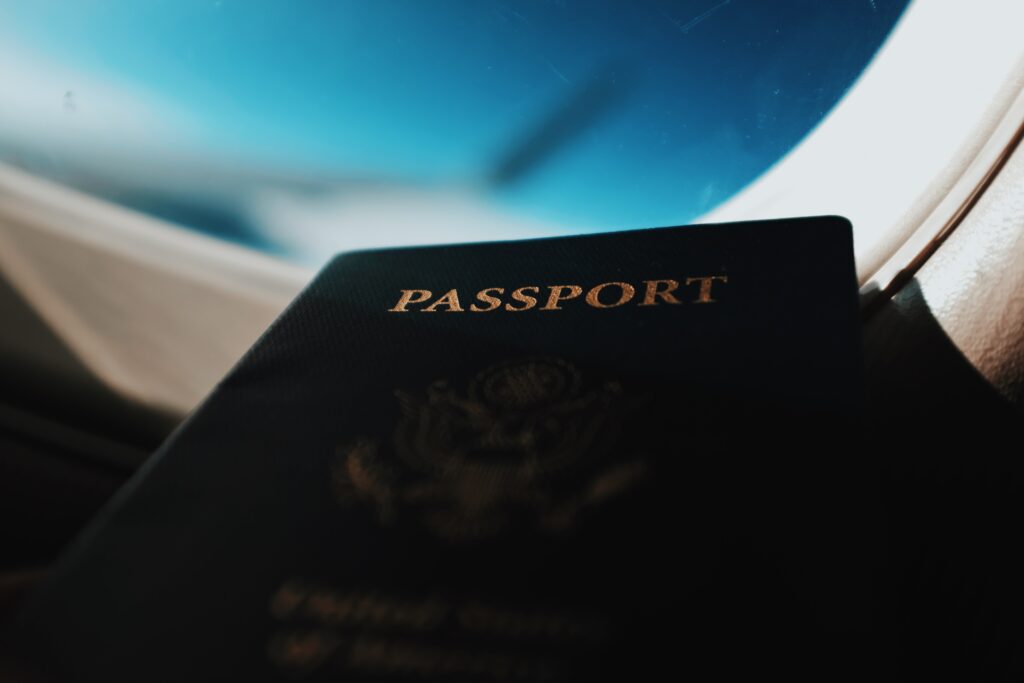
Your passport needs to be valid for at least 6 months from your date of arrival in Indonesia, with at least two blank pages for entry and exit stamps.
This is checked at multiple points, sometimes by the airline before you’re even allowed to board, and again by immigration when you land.
This is one of the simplest requirements to get right and one of the most common reasons travelers run into trouble at check-in.
If your passport is getting close to that window, renew it well before you book flights rather than cutting it close.
Visa on Arrival or e-VOA for Your Nationality
Most tourists visiting Bali use the Visa on Arrival, commonly called the VOA or B1 visa, available to citizens of over 90 eligible countries.
It costs IDR 500,000, roughly USD 35, and grants a 30-day stay that can be extended once for another 30 days, 60 days total.
You have two ways to get it. The e-VOA lets you apply online before you fly, which skips the payment counter at the airport and speeds up your arrival considerably.
Or you can pay the same fee in person at the Visa on Arrival counter after landing, cash and card are both generally accepted, though cash is the safer backup since card readers occasionally go offline during busy overnight arrivals.
If your nationality isn’t on the eligible list, you’ll need to apply for the appropriate visa at an Indonesian embassy before you travel rather than expecting to sort it on arrival.
Always confirm your specific country’s status on the official immigration portal close to your travel date, since eligibility lists have changed before.
Proof of Onward or Return Travel

Immigration can ask to see evidence that you’re planning to leave Indonesia within your permitted stay, so having a return or onward ticket ready is part of the standard entry process, not an optional extra.
Some travelers have reported this being checked more consistently in 2026 than in previous years, with immigration systems cross-referencing this information more actively.
A confirmed return flight or a ticket onward to another country both satisfy this.
If your plans are genuinely open-ended, a flexible or refundable onward ticket that you can adjust later is a common workaround rather than locking into a fixed departure date you’re not ready to commit to.
The All Indonesia Arrival Card
This is the one requirement that applies to absolutely everyone, no exceptions, including Indonesian citizens themselves.
The All Indonesia Arrival Card, sometimes still referred to by its older name the e-CD, combines what used to be three separate forms, immigration, customs, and health declarations, into a single online submission.
It has to be completed within 3 days before your arrival through the official government portal, it’s completely free, and once submitted you’ll receive a QR code by email that immigration scans when you land.
Save a screenshot of it on your phone in case airport wifi is slow or unreliable when you arrive.
One important warning here, there’s only one official site for this, and it doesn’t cost anything to use.
A number of third-party sites and agents have popped up charging a fee for something that takes a few minutes to do yourself for free.
If a site is asking you to pay for the arrival card itself, you’re not on the real one. This mandatory arrival card has turned into one of the most common Bali scams, again, it’s free!
Confirmed Accommodation for at Least Your First Night

You’ll need to provide your Bali accommodation details, address to provide as part of the arrival process, whether that’s a hotel, villa, or the address of wherever you’re staying, so having your first night sorted before you fly is necessary even if the rest of your trip is completely unplanned.
This doesn’t need to cover your entire stay, just enough to show where you’re headed when you land.
If you prefer figuring out accommodation as you go, book at least the first couple of nights in advance specifically to satisfy this, then sort the rest once you’ve settled in.
The Bali Tourism Levy — What It Is and Who’s Exempt
This is the one requirement that’s genuinely unique to Bali rather than Indonesia as a whole, and it catches a lot of travelers off guard because it’s completely separate from your visa.
Every foreign tourist visiting Bali is required to pay a one-time levy of IDR 150,000, about USD 10, per person, including children.
It’s officially called the Foreign Tourist Levy, introduced in February 2024 to fund cultural preservation, environmental protection, and tourism infrastructure across the island. You pay it through the official Love Bali portal before you travel, or at a payment counter at the airport if you haven’t sorted it in advance, cashless payment only.
Enforcement has genuinely tightened. Dedicated levy checkpoints now operate at Ngurah Rai Airport, and Tourism Police conduct spot checks at popular sites like Uluwatu and Tanah Lot.
If you’re caught without proof of payment, you’ll simply be asked to pay on the spot, it’s not a dramatic situation, just an inconvenience worth avoiding.
A few groups are exempt, Indonesian citizens, KITAS or KITAP residency permit holders, diplomatic visas, student visas, and Golden Visa holders, but several of these exemptions need to be applied for in advance through the Love Bali portal rather than simply shown at the counter.
And the same warning applies here as with the arrival card, only use the official Love Bali site, unofficial sites charging inflated fees for this are common.

Bali Tourism Levy Confusion
I want to be honest about something I ran into myself. I visited Bali a few months ago and did what most people do before a trip, I researched whether I actually had to pay the tourism levy.
What I found online was a mess of mixed opinions, and after speaking with a few other travelers on the ground, I understood why.
Here’s the reality as far as I can tell. The levy was introduced more as a goodwill contribution to help preserve the island, its culture, and its environment, than as a strictly enforced fee at every single entry point.
From what I experienced and heard from others, most immigration officers simply aren’t asking for it. If they do ask, it’s not a big deal, you just pay it on the spot and move on.
That said, I’ve also seen plenty of people online who feel strongly that you should pay it regardless of whether it’s checked, and honestly, I get that too. It’s IDR 150,000, roughly ten dollars, which isn’t a lot to contribute toward keeping a place like Bali looking after itself.
So take this for what it’s worth, my own experience rather than a guarantee of how things work for you.
The official requirement stands as I described it earlier in this article, but in practice, enforcement seems inconsistent, and I wanted to share that honestly rather than pretend it’s black and white.

Final Thoughts
None of these requirements are complicated on their own, but Indonesia’s entry process has changed meaningfully in the last couple of years, paper forms replaced by digital ones, separate declarations merged into single systems, and enforcement that’s noticeably stricter than it used to be.
What was true for your last trip, or what a friend told you based on their visit a year ago, isn’t necessarily accurate anymore.
Work through this checklist in the weeks before you fly, then do one final check of the official sources close to your departure date.
Getting this part right means you can spend your energy on the parts of the trip that are actually fun.

Do I need a visa to visit Bali as a tourist?
Most travelers from eligible countries can get a Visa on Arrival or e-VOA, costing IDR 500,000 and valid for 30 days, extendable once to 60 days total.
Check your specific nationality’s eligibility on the official immigration portal before you travel.
What is the All Indonesia Arrival Card?
It’s a mandatory online form combining immigration, customs, and health declarations into one submission, required for every traveler entering Indonesia, including citizens.
It’s free, completed within 3 days of arrival, and generates a QR code that’s scanned on landing.
Is the Bali Tourism Levy the same as my visa fee?
No, they’re completely separate. The levy is IDR 150,000 per person and funds cultural and environmental initiatives specific to Bali, while your visa fee covers your actual entry permission. Most tourists need to pay both.
How long does my passport need to be valid to enter Bali?
At least 6 months from your date of arrival, with a minimum of two blank pages for stamps.
Airlines often check this before boarding, so renew well ahead of travel if your passport is approaching that window.
