

6 Thailand Entry Requirements to Know in 2026
Planning a trip to Thailand comes with a lot of exciting decisions, where to go, what to eat, which islands to prioritize, but before any of that matters, there are a handful of entry requirements that can make or break whether you even get through immigration smoothly.
These aren’t the kind of thing you want to figure out at the check-in counter. A missing document or an expired passport can mean getting turned away by the airline before you’ve even boarded, regardless of how well planned the rest of your Thailand itinerary is.
This isn’t a comprehensive legal guide, and immigration rules can shift with little warning, so treat this as a starting checklist to work through in the weeks before you fly, then confirm the specifics directly with official sources closer to your travel date.
Here are the six various Thailand entry requirements to know of for your visit in 2026.
Passport Valid for at Least 6 Months
This is the most basic requirement and also the one that catches people off guard most often, usually because they assumed their passport had more time left than it actually does.
Thai immigration generally wants your passport valid for at least 6 months beyond your date of entry.
In practice, airlines often check this before you even get to the gate, so a passport sitting right at the edge of expiry can stop your trip before it starts, even if Thailand itself might have let you in.
If your passport is getting close to that 6 month window, renew it well before you book flights.
This is one of those details that’s completely within your control and has zero excuse for going wrong.
Thailand Digital Arrival Card (TDAC)
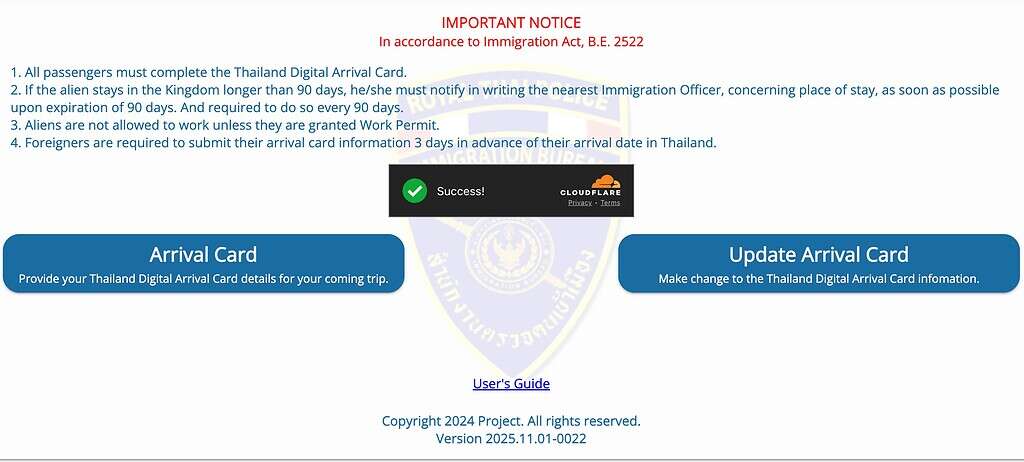
The TDAC is now a mandatory step for basically every foreign traveler entering Thailand, whether you’re arriving by air, land, or sea.
It replaced the old paper arrival card, and it needs to be completed online before you travel.
You’ll fill it out within a set window before your flight, typically somewhere between 1 and 3 days ahead of arrival, so this isn’t something to do weeks in advance.
It’s free to submit directly through the official government portal, and you’ll want to have your passport details, flight information, and accommodation address on hand when you fill it out.
Be careful here, there’s only one official TDAC website, and it costs nothing to use. A number of scam sites and third party agents have popped up charging a fee for something you can do yourself in a few minutes for free. If a site is asking you to pay, you’re not on the real one.
Again, please be careful, there are countless websites replicating the official one, keep in mind TDAC IS FREE.
Print or save a copy of your confirmation. Having it ready to show at immigration speeds things up considerably compared to fumbling for it on your phone in a long arrival queue.
The Correct Visa or Visa Exemption for Your Nationality
This is the requirement that changes the most, and it’s exactly why immigration topics like this deserve a second and third check before you fly rather than trusting whatever you read months in advance.
Most travelers from eligible countries can currently enter Thailand without applying for a visa in advance, receiving a stamped exemption on arrival instead.
How many days that exemption covers depends entirely on your nationality, and this specific number has been under review recently, so don’t lock in a rigid itinerary based on an assumed length of stay without confirming it close to your departure date.
If you’re planning to stay longer than whatever exemption applies to you, or if your nationality doesn’t qualify for one, you’ll need to look into a tourist visa or another appropriate visa category well before you travel, since these typically require advance processing through a Thai embassy or consulate rather than something you can sort on arrival.
Proof of Onward or Return Travel

Immigration officers can ask to see evidence that you’re not planning to stay in Thailand indefinitely, and having an onward ticket which proves plans to leave Thailand avoids an awkward conversation at the counter.
A return flight or an onward ticket to another country is the standard way to satisfy this. It doesn’t need to be for the exact date your visa exemption or visa expires, just something that shows you have a plan to leave the country.
Airlines sometimes ask for this at check-in too, before you’ve even reached Thai immigration.
If your plans are genuinely open ended, a fully refundable or low cost onward ticket that you can cancel later is a common workaround travelers use rather than committing to a fixed departure date they’re not ready to lock in.
Confirmed Accommodation for at Least Your First Night

You’ll need an address to provide during the TDAC process and potentially at immigration, so having your first night sorted before you fly isn’t optional, even if the rest of your trip is completely unplanned.
This can be a hotel booking, a hostel reservation, or an address if you’re staying with someone.
It doesn’t need to cover your entire trip, just enough to show where you’re headed when you land.
If you’re the type of traveler who prefers to figure out accommodation as you go, book at least the first night or two in advance specifically to have this covered, then sort the rest once you’re on the ground.
Proof of Sufficient Funds

This one is rarely enforced in practice, but it’s officially part of the entry requirements and worth understanding rather than dismissing entirely.
Thailand technically requires visitors to show they have enough money to support their stay, generally cited as a baseline amount per person, higher for families traveling together. That amount is 20K THB / $550 USD.
In reality, most travelers are never asked to prove this, but immigration officers do have the discretion to ask, particularly if something else about your entry raises questions.
A bank statement, cash on hand, or a credit card with available credit are all reasonable ways to satisfy this if you’re ever asked.
It’s not something to stress over, but it’s also not something to assume will never come up.

Don’t Try to Beat the System With a Visa Run
If you’ve spent any time in Thailand travel forums, you’ve probably heard of the visa run, crossing a land border and coming straight back to reset your stamp without ever really leaving.
It used to be a fairly common workaround for travelers who wanted to stretch their stay past what their exemption technically allowed.
That workaround is effectively dead now. Immigration doesn’t just look at the entry in front of them anymore, they review your entire passport history, and a pattern of repeated short entries with no long-stay visa to back it up is enough to get you denied at the border, even if each individual crossing looked fine on its own.
Thailand’s Immigration Bureau has been running an active enforcement campaign this year under the banner “No Entry, No Stay, No Escape,” and the numbers behind it are real, tens of thousands of foreigners have already been denied entry in 2026 alone.
Land border crossings specifically are capped at two visa-exempt entries per calendar year, with a maximum 15-day stay each and no extension available.
If you’re planning to be in Thailand longer than your exemption allows, the honest answer is to apply for the appropriate visa before you go rather than planning around hopping across a border and back.
It’s no longer the reliable loophole it once was, and getting flagged for it can mean a denied entry rather than a minor inconvenience.

Thailand Immigration Legislation Is Usually Delayed
If you spend any time in Thailand travel groups on social media, you’ll notice something fairly consistent, there’s always some headline about a new rule, a policy change, or an entry requirement that’s supposedly about to take effect.
Here’s the thing worth understanding about how Thailand’s immigration system actually works, legislation gets approved and legislation taking effect are two very different milestones, and there’s often a real gap between them.
A change can get approved at a cabinet level and still sit for weeks or months before it’s formally published and enforced at the border.
The visa exemption length is a good current example of this pattern, a reduction was approved, but whether it’s actually in force depends entirely on formal publication, not the date it was announced.
This isn’t a reason to ignore the news or stop paying attention. It’s a reason to treat headlines as an early warning rather than a confirmed reality, and to do one final check of the official requirements shortly before you fly rather than relying on something you read weeks or months earlier.
Rules here can and do shift, sometimes with very little notice once they’re actually enforced, so staying a little flexible and double checking close to your travel date is simply part of planning a Thailand trip properly.
Being aware of common scams in Thailand and knowing the best time to visit Thailand for your specific plans matters too, but none of that helps if you can’t get through the airport in the first place.
Get the paperwork right first, then focus on the fun part, whether that’s the must visit places in Thailand on your list or working through your own Thailand budget travel tips for the trip ahead.

Do I need a visa to visit Thailand as a tourist?
Most travelers from eligible countries can currently enter without applying for a visa in advance, receiving a stamped exemption on arrival instead.
Exact eligibility and length of stay depend on your nationality and current rules, so confirm this close to your travel date rather than relying on older information.
What is the Thailand Digital Arrival Card?
It’s a mandatory online form that replaced the old paper arrival card, required for all foreign travelers entering Thailand by air, land, or sea. It’s completed within a short window before arrival and is free to submit through the official government portal.
How long does my passport need to be valid to enter Thailand?
Generally at least 6 months beyond your date of entry. Airlines often check this before boarding, so renew your passport well ahead of travel if it’s getting close to that window.
Will Thailand’s entry rules change again before I travel?
Possibly. Thailand’s immigration rules have shifted more than once in recent years, and approved changes don’t always take effect immediately.
Always do a final check of official requirements shortly before your flight rather than trusting information from months earlier.
