
Best Time to Visit Japan: Month-by-Month Guide
Japan isn’t just a place you visit. It’s an experience that transforms completely depending on the time of year.
The weather, the festivals, the landscapes, and even the atmosphere of the country shift dramatically from season to season.
Cherry blossoms in spring, humid festival nights in summer, fiery red maples in autumn, and snow-covered temples in winter, Japan offers four entirely distinct versions of itself, and choosing when to go shapes your trip just as much as where you decide to go.
I’ve visited Japan across different seasons, and each time it felt like discovering a different country.
The same streets, the same cities, the same temples, completely transformed by the season surrounding them.
This month-by-month breakdown will help you figure out the best time to visit Japan based on your interests, your budget, and the kind of experience you’re after, whether that’s catching the cherry blossoms in Kyoto, experiencing a summer matsuri festival, hiking through golden autumn forests, or exploring a snow-covered ryokan in the Japanese Alps.
Spring in Japan (March – May)
Spring is arguably the most iconic season in Japan, and for good reason.
The country’s famous cherry blossoms, sakura, transform parks, temple grounds, riverbanks, and castle moats into something that genuinely doesn’t look real.
The bloom typically runs from late March through mid-April depending on the region, and the Japanese tradition of hanami (flower viewing picnics beneath the trees) turns every park into a communal celebration.
Temperatures rise from cool in March to pleasantly warm by May, making spring ideal for outdoor exploration, walking between temples and shrines, and spending long afternoons in Japan’s extraordinary parks and gardens.
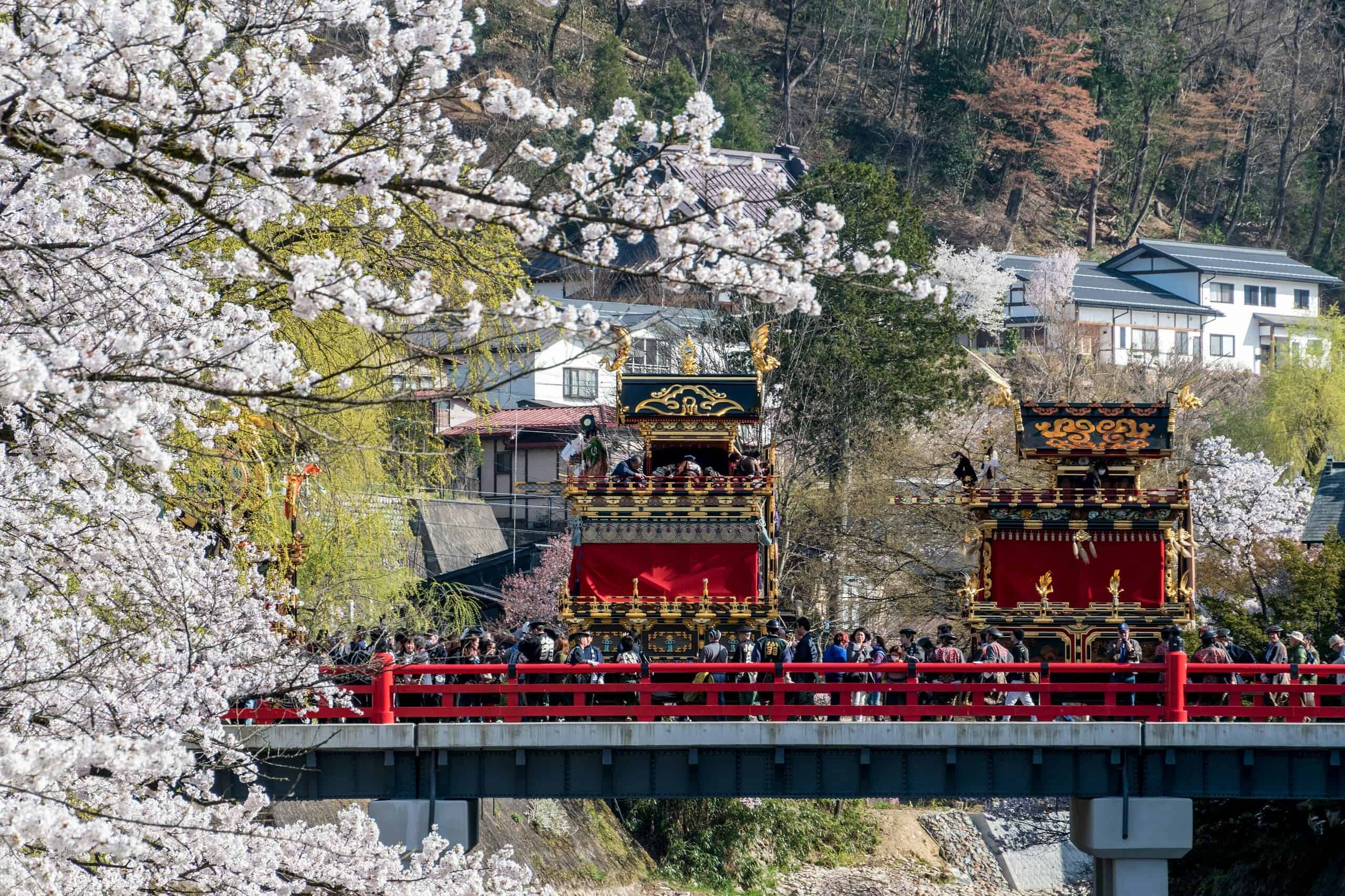
Events are packed throughout the season. The Takayama Spring Festival in April is one of the most beautiful traditional festivals in the country.
Hirosaki Castle in Aomori becomes one of the world’s most spectacular cherry blossom viewing spots.
And as spring progresses toward May, the fresh green of new leaves replaces the pink of the blossoms with its own quiet beauty.
The trade-off is crowds and cost. Cherry blossom season is Japan’s peak travel period. Hotels fill up months in advance, prices surge, and popular viewing spots can feel overwhelmed. Plan early or accept the consequences.
March — Cold but Cherry Blossoms Arriving in the South
March is technically spring, but it still carries the chill of winter across most of Japan. Average temperatures range from 5–13°C depending on the region, and northern areas like Tohoku and Hokkaido remain firmly in winter conditions.
That said, the cherry blossoms begin their northward journey through the country starting in Kyushu and the southern regions.
By late March, Tokyo and Kyoto typically see the first blooms, and the anticipation across the country is palpable.
This is a good month for visiting southern Japan, Fukuoka, Nagasaki, Kagoshima, before the crowds descend on the central regions.
Museum visits, onsen (hot spring) towns, and indoor cultural experiences work well for the colder northern areas.
Hotel rates in early March are still relatively reasonable. By the final week when Tokyo’s blossoms begin to open, prices jump sharply.
April — Peak Bloom, Peak Everything
April is Japan’s most spectacular and most demanding month to visit simultaneously.
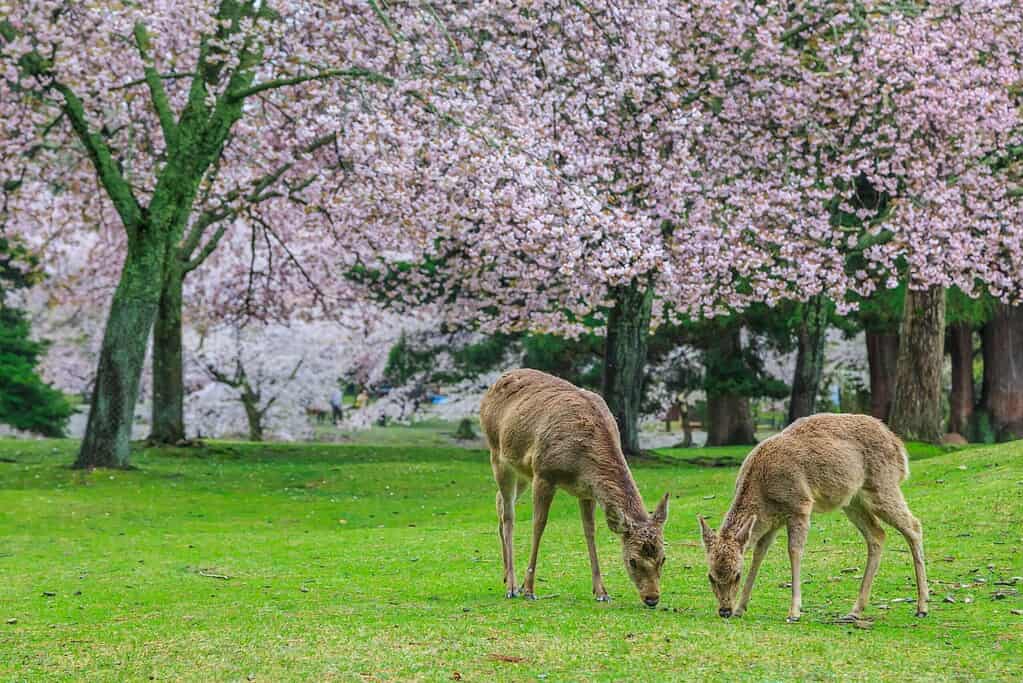
The cherry blossoms reach their peak across the central and northern regions in early to mid-April, turning locations like Maruyama Park in Kyoto, Shinjuku Gyoen in Tokyo, Hirosaki Castle in Aomori, and Philosopher’s Path in Kyoto into extraordinary scenes. The country collectively pauses to celebrate.
It is also the most expensive, most crowded, and most logistically challenging time to travel in Japan.
Golden Week, Japan’s cluster of national holidays, falls at the end of April into early May, adding domestic tourists to the already heavy international visitor numbers.
Book accommodation for April at least four to six months in advance. Have restaurant reservations sorted before you arrive.
And manage expectations around crowds at the most famous viewing spots, the beauty is real, but so is the volume of people sharing it with you.
May — Warm, Green & Underrated
May is one of the best kept secrets for Japan travel and one of my personal recommendations for first-time visitors.
The cherry blossoms are gone, which means the crowds from peak sakura season have thinned considerably.
Temperatures settle between 17–23°C across most of central Japan, warm enough for comfortable outdoor exploration without the oppressive humidity that arrives in June.
The landscape transitions from pink blossom to fresh, vivid green in a way that’s quietly stunning.
Golden Week in early May brings a surge of domestic tourists, so the first week is best avoided or planned around carefully.
But from mid-May onward, Japan is comfortable, beautiful, and noticeably less frantic than April.
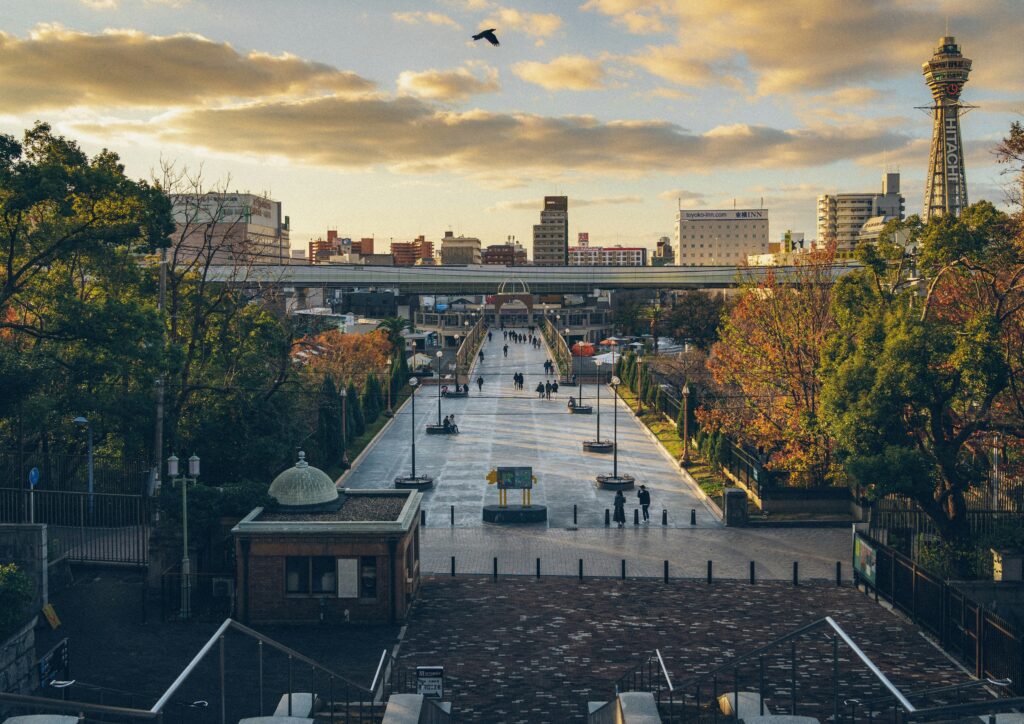
The Kanda Matsuri festival in Tokyo and the Aoi Matsuri in Kyoto both fall in May, offering glimpses of traditional festival culture without the extreme crowds of cherry blossom season.
Summer in Japan (June – August)
Summer in Japan is intense, and not always in the way visitors expect. The rainy season (tsuyu) runs from roughly mid-June through mid-July, bringing persistent grey skies and heavy rainfall across most of Honshu.
Once it clears, the full heat of summer arrives, and Japan’s summer heat is not to be underestimated.
Temperatures regularly sit between 30–38°C with humidity levels that make the air feel physically heavy.
For many visitors, this is also one of the most culturally rich times to be in Japan. Summer matsuri festivals light up cities and towns nationwide.
Obon, the Buddhist festival honoring ancestors, takes place in mid-August and is one of Japan’s most important cultural events. Fireworks displays (hanabi) happen almost every weekend across the country.
If you can handle the heat and the rain, summer offers a version of Japan that’s genuinely unforgettable. If you struggle in humidity, it can be a genuinely difficult experience.
June — Rainy Season and Hidden Beauty
June is Japan’s rainy season, and that single fact keeps many visitors away, which, for the right type of traveler, is exactly the appeal.
Average temperatures range from 20–27°C, and rainfall is frequent though rarely all-day. The wetness brings its own particular beauty to Japan: moss gardens in Kyoto become extraordinarily vivid, hydrangea bloom across the country’s hillsides and temple gardens, and the misty landscapes around mountain areas like Nikko and Hakone feel otherworldly.
Accommodation prices drop noticeably from the April peak. Crowds at major tourist sites thin out.
And the Japan that emerges through the rain, quieter, greener, less photographed, has a genuine appeal for visitors who appreciate a different kind of beauty.
Pack a compact umbrella and quick-dry clothing. Plan indoor options for heavy rain days. And consider that some of Japan’s most beautiful photographs are taken in June.
July — Festivals, Heat & Summer Energy
July is when Japan’s summer energy peaks alongside its temperature. Expect highs of 28–35°C with persistent humidity that makes even shaded outdoor spaces feel warm.
The tsuyu rainy season typically ends in mid-July, and what follows is full summer, bright skies, intense heat, and a festival calendar that runs almost continuously.
The Gion Matsuri in Kyoto is one of Japan’s oldest and most spectacular festivals, running throughout July with the main procession on the 17th.
Tenjin Matsuri in Osaka and Sumida River Fireworks in Tokyo are also July highlights that draw enormous crowds.
Okinawa and Japan’s southern islands are at their best for beach visits in July, clear water, full summer conditions, and a tropical island atmosphere that feels completely distinct from the rest of Japan.
Keep water on you constantly. Use convenience stores as air-conditioned rest stops. Plan heavy outdoor sightseeing for early morning before the heat peaks.
August — Peak Heat, Obon & Summer Festivals
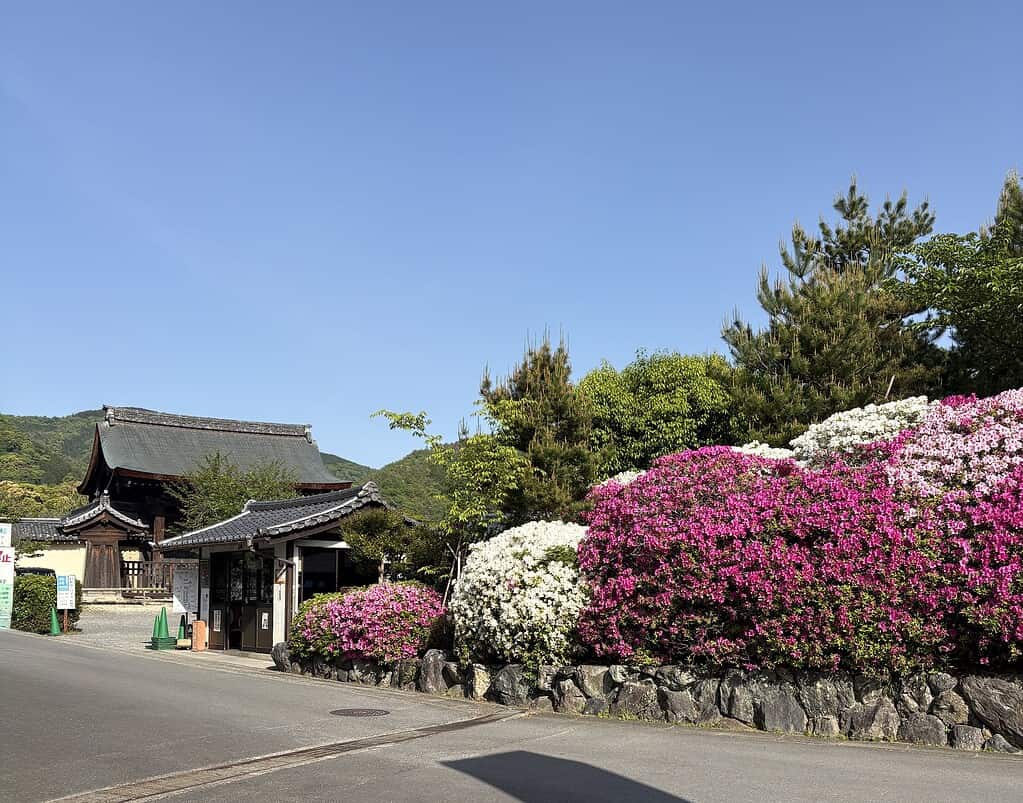
August is the hottest month in Japan, and also one of its most culturally significant.
Temperatures between 28–36°C are standard across central Japan, with humidity making the actual feel considerably higher.
Locals and tourists alike structure their days around avoiding the midday heat, early morning temple visits, air-conditioned museum afternoons, evening festivals.
Obon, typically falling in the second week of August, is when Japanese families return to their hometowns to honor ancestors.
It’s one of the country’s most important cultural events, accompanied by Bon Odori (traditional dance festivals) in neighborhoods across Japan. For cultural depth, this is one of the most rewarding times to be in the country.
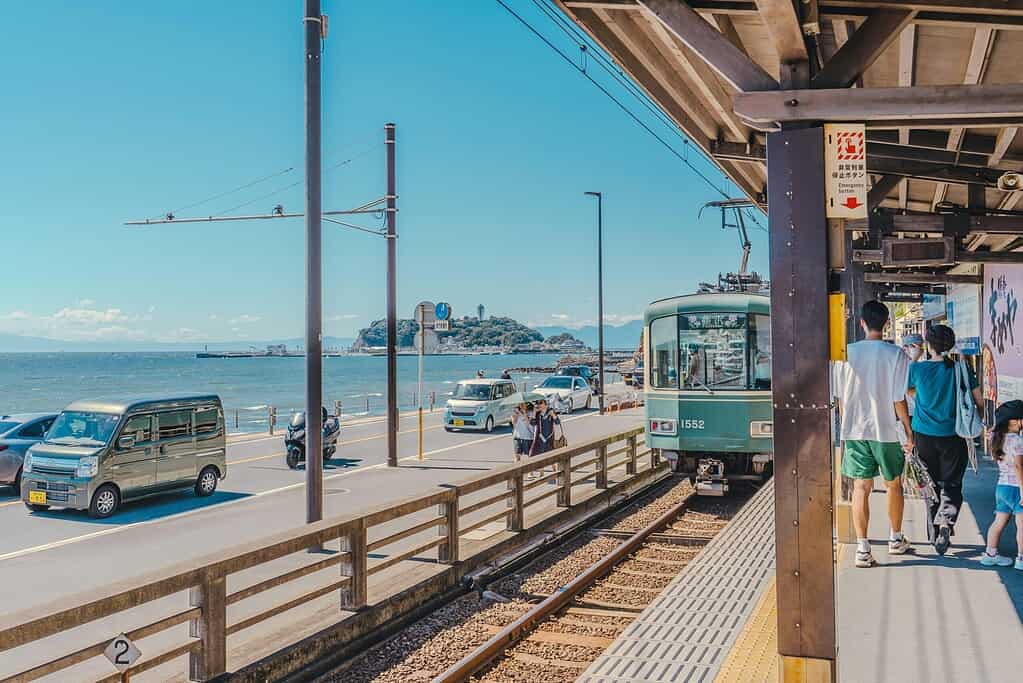
This is also when Japan’s beaches, particularly in Kanagawa, Chiba, and the Izu Peninsula near Tokyo, reach peak summer activity. Enoshima and Kamakura beaches fill with locals on weekends.
Sunscreen, a handheld fan, and a refillable water bottle are non-negotiable in August. The heat is serious.
Autumn in Japan (September – November)
Autumn is arguably the best time to visit Japan, and if you ask most experienced Japan travelers, they’ll tell you October and November without hesitation.
The oppressive summer heat and humidity lift. The landscapes transform from green to extraordinary gradients of red, orange, and gold as the koyo (autumn foliage) spreads southward through the country from October through November.
Temples and shrine grounds that are beautiful year-round become genuinely spectacular when surrounded by autumn color.
Temperatures range from 10°C to 23°C depending on the month and region, making it the most physically comfortable season for the extended walking and outdoor exploration that Japan rewards.
The light in autumn Japan is cinematic. The air is crisp. And unlike cherry blossom season, the foliage peak doesn’t have the same single-week intensity, it lingers, shifts, and moves through the country over several weeks.
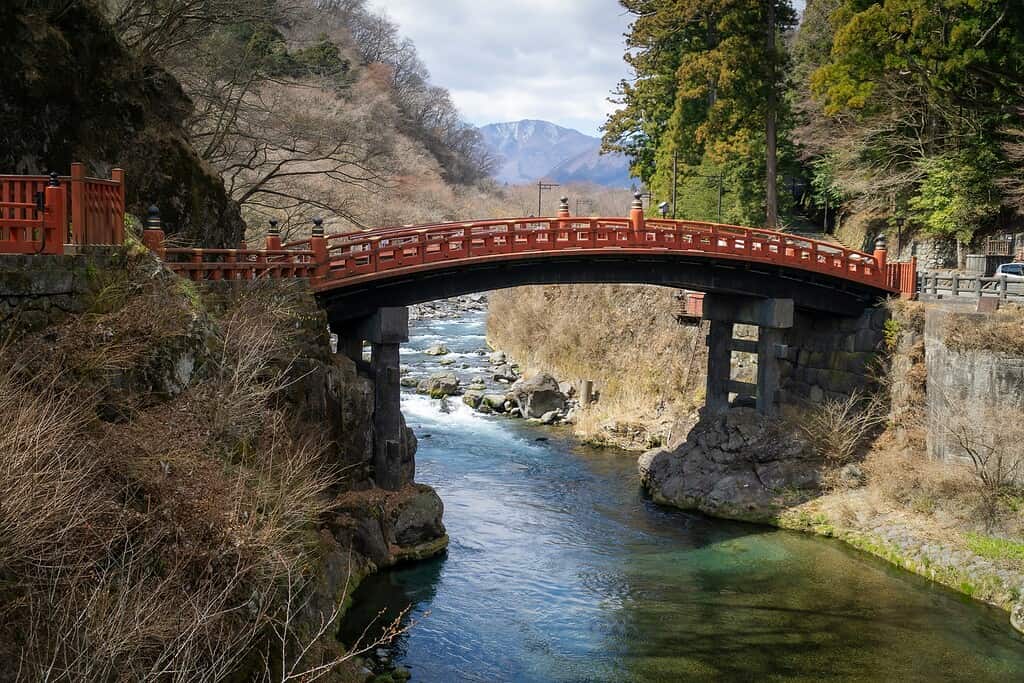
September — Warm, Quieter & Transitional
September sits between summer and autumn in Japan, warmer than ideal but noticeably more manageable than August.
Average temperatures range from 22–28°C, and humidity begins to drop as the month progresses.
Typhoon season peaks in September, and Japan does experience significant typhoons, particularly in the western and southern regions.
Check weather forecasts carefully and have flexible plans if traveling in the first half of the month.
The crowds from summer begin to ease, and the final weeks of September offer a window of good temperatures and lighter tourist numbers before the autumn foliage season fully ignites.
It’s a solid month for visiting areas like the Japanese Alps or exploring rural Japan without peak season pressure.
October — Crisp Air, Peak Foliage Beginning
October is when Japan starts to show its autumn colors, and the transformation is extraordinary.
Temperatures settle between 15–22°C across central Japan, genuinely ideal for outdoor exploration. T
he koyo begins in Hokkaido in early October and pushes southward through the month, reaching Tokyo, Kyoto, and Osaka by late October to early November.
This is one of the best months to visit Japan’s mountain regions. Nikko’s autumn foliage is among the most spectacular in the country.
The Japanese Alps around Kamikochi and Matsumoto turn vivid red and gold. Hakone with views of Mount Fuji framed by autumn leaves is exactly as beautiful as it sounds.
Pack layers, morning and evening temperatures drop noticeably even when afternoons are comfortable.
And start monitoring accommodation availability if you’re planning a late October trip to Kyoto, which begins to fill up as foliage season approaches.
November — Peak Foliage, Japan at Its Most Beautiful
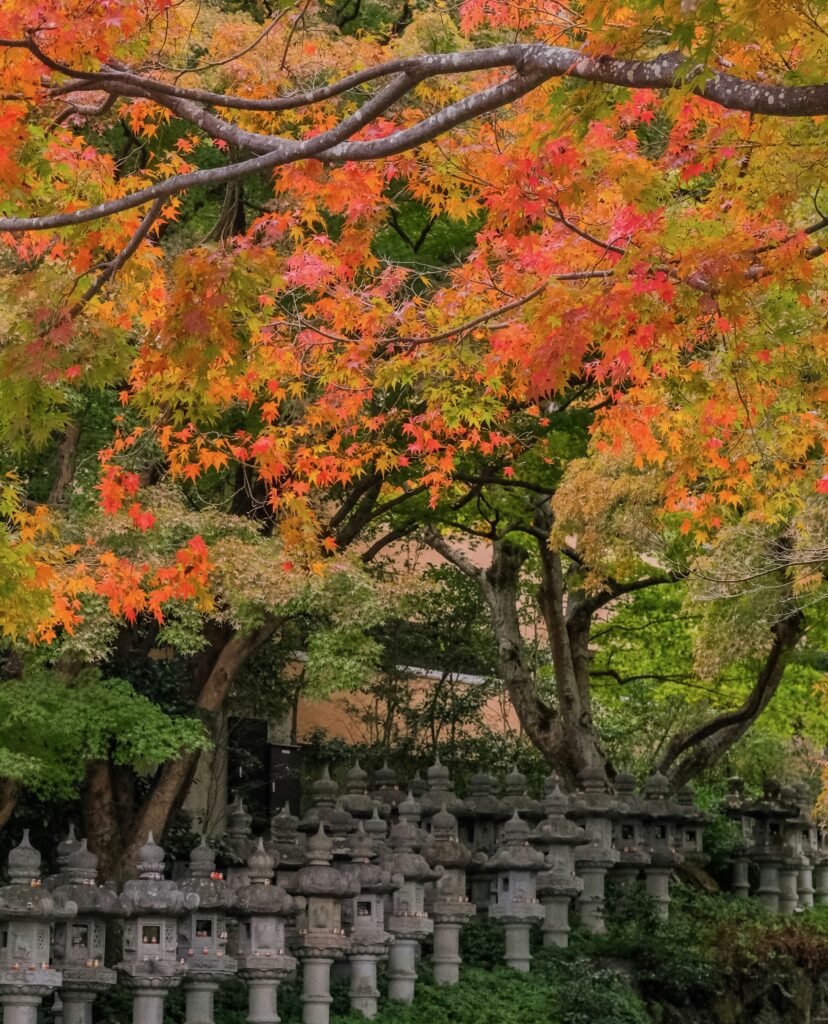
November is, for many visitors and residents alike, the single most beautiful month in Japan.
The koyo reaches its peak across central and southern Japan, Kyoto’s Tofukuji, Eikando, and Arashiyama temples surrounded by blazing red maples are among the most stunning natural displays in Asia.
Tokyo’s Shinjuku Gyoen, Rikugien Garden, and Hamarikyu turn vivid gold and orange. Hiroshima’s Shukkei-en and Miyajima Island glow with autumn color.
Temperatures average 10–18°C, cool enough for comfortable all-day walking, warm enough that heavy winter layers aren’t yet required.
The light on clear November days in Japan is extraordinary, and the country’s photography reflects it.
The trade-off, as with cherry blossom season, is crowds and cost at the most famous foliage locations.
Kyoto in November requires advance booking. But the experience justifies the planning.
Winter in Japan (December – February)
Japan in winter is cold, often snowy, and quietly magical in ways that most visitors who skip it entirely never discover.
Temperatures range from -5°C to 8°C depending on the region, with Hokkaido, the Japanese Alps, and the Sea of Japan coast receiving heavy snowfall that transforms the landscape into something that looks like it belongs on a postcard.
Tokyo and Kyoto see occasional light snow but rarely the heavy falls of the north. Onsen (hot spring) culture peaks in winter, there is genuinely nothing better than sitting in an outdoor hot spring bath with snow falling around you, and Japan has perfected this experience.
January and February see the lowest tourist numbers of the year, the best hotel rates, and the shortest lines at major attractions.
For travelers who don’t mind cold and know how to dress for it, winter offers an uncrowded, affordable, and genuinely beautiful version of Japan.
December — Festive Illuminations & Crisp Cold
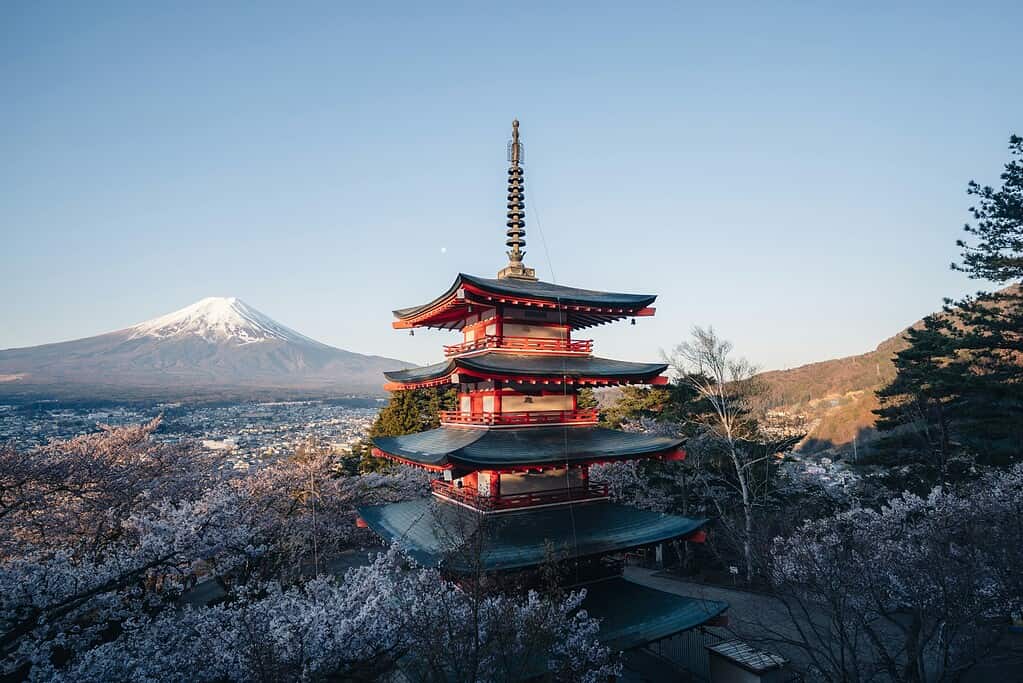
December brings a distinct festive energy to Japan, though it looks very different from Christmas celebrations in the West.
Average temperatures range from 3–10°C across central Japan, with colder conditions in the north and mountains. Japan’s Christmas is a largely secular, romantic occasion, couples exchange gifts, KFC becomes inexplicably traditional (a marketing campaign from the 1970s that never stopped), and illumination events light up cities across the country with spectacular light installations.
The illuminations at Roppongi Hills, Shinjuku Southern Terrace, and Nabana no Sato in Mie Prefecture are genuinely worth experiencing.
Odaiba’s waterfront illuminations with views of Rainbow Bridge are a Tokyo highlight.
New Year’s (Oshogatsu) is Japan’s most important holiday. Hatsumode, the first shrine visit of the year, draws enormous crowds to major shrines including Meiji Jingu in Tokyo and Fushimi Inari in Kyoto in the first three days of January.
If you’re in Japan for New Year’s, plan for crowds at major shrines and book accommodation well in advance.
January — Cold, Quiet & Excellent Value
January is one of the coldest months in Japan but also one of the most rewarding for budget-conscious travelers.
After the New Year crowds clear, typically by January 4th or 5th when the holiday period ends, Japan becomes noticeably quieter.
Museum lines shorten, popular temples are easier to visit without crowds, and hotel rates drop to some of their lowest points of the year.
Average temperatures sit between -2°C and 8°C in Tokyo and Kyoto, colder further north. Hokkaido in January is a serious winter destination, the Sapporo Snow Festival in early February approaches, and ski resorts across the island are at their best. Japan’s powder snow, particularly in Niseko and Rusutsu, is considered among the finest in the world.
Dress properly for the cold and January in Japan is an genuinely excellent time to visit.
The country doesn’t stop functioning in winter, the food, the culture, and the onsen experience are all as compelling as any other season.
February — Snow Festivals & First Signs of Spring
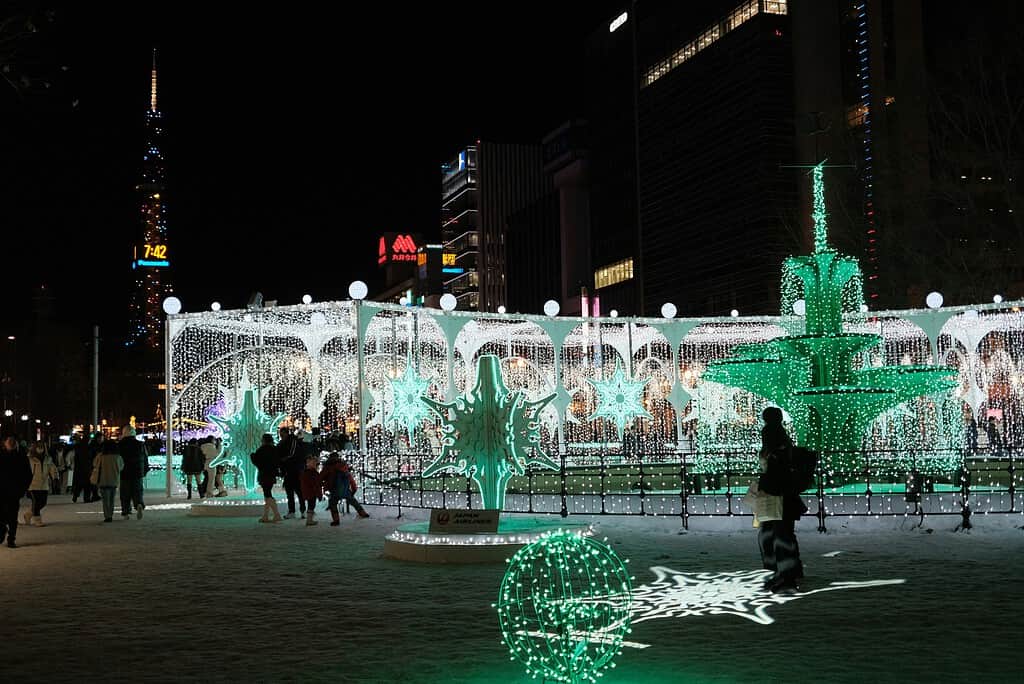
February remains deep winter across most of Japan but carries a sense of anticipation as the season begins its slow turn.
The Sapporo Snow Festival, one of Japan’s most famous winter events, takes place in early February, drawing visitors from across the world to see enormous snow and ice sculptures constructed throughout the city. It’s a genuinely spectacular event and worth planning a Hokkaido visit around.
Temperatures average -1°C to 6°C in central Japan, with Hokkaido considerably colder.
Ski season is at its peak across the Japanese Alps, Hakuba, Nozawa Onsen, and Shiga Kogen are all world-class destinations that attract serious skiers and snowboarders.
By late February, the first plum blossoms (ume) begin to appear across southern Japan, the quiet prelude to the cherry blossom season that follows six to eight weeks later.
Visiting a plum blossom garden in late February is one of Japan’s understated seasonal pleasures.
Hotel rates and flights in February are among the most affordable of the year outside ski resort towns. If budget matters and cold doesn’t bother you, February is genuinely excellent value.
High Season in Japan
Japan’s high season has two distinct peaks, and understanding both helps you plan and budget more effectively.
The first and most intense is cherry blossom season, late March through mid-April, when international and domestic visitors converge on the country simultaneously and accommodation in major cities becomes genuinely difficult to secure without months of advance planning.
Prices for hotels in Tokyo and Kyoto during peak bloom week can double or triple compared to the low season.
The second peak is autumn foliage season in November, particularly in Kyoto, which sees visitor numbers and accommodation prices approach cherry blossom levels at the most famous temple grounds.
Golden Week, the cluster of national holidays from late April into early May, creates a third surge driven primarily by domestic Japanese travel, making popular destinations crowded and train tickets scarce if not booked in advance.
Expect premium pricing, full accommodation, advance-booking requirements for popular restaurants and experiences, and crowds at major sites during all three of these periods. Plan accordingly, or plan around them.
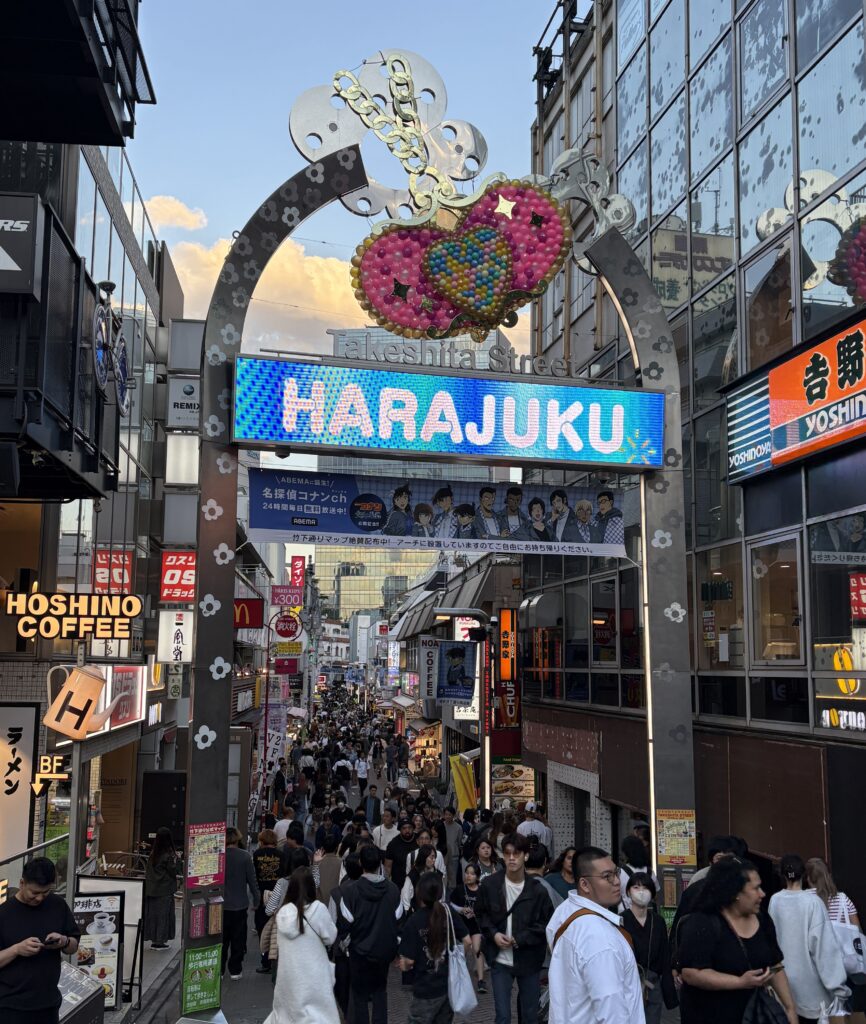
Shoulder Season in Japan
Japan’s shoulder seasons, May after Golden Week, June, September, and early October, offer a compelling balance of good conditions, manageable crowds, and more reasonable pricing.
Late May is particularly underrated. The cherry blossoms are gone, the summer heat hasn’t fully arrived, the landscapes are brilliantly green, and the tourist numbers from peak spring have noticeably subsided. Major temples and shrines are accessible without the wall-to-wall crowds of April.
September carries the tail end of summer heat but sees the beginning of the transition to autumn.
Early October before the foliage peaks offers excellent weather and good availability before November’s crowds arrive.
These windows are where experienced Japan travelers often position their visits, getting the best of the seasons without the worst of the crowds and costs.
Low Season in Japan
Japan’s low season runs from mid-January through late February, after the New Year holiday period ends and before the first hints of spring appear.
This is when Japan is most accessible from a cost and crowd perspective. Hotel rates are at their annual low in most cities.
Major attractions like Fushimi Inari in Kyoto and Senso-ji in Tokyo are visited at a fraction of their peak season volume. Restaurant reservations are easier. The bullet train doesn’t sell out.
The obvious trade-off is cold. January and February in Japan require proper winter clothing, a good coat, layers, gloves, and boots for any outdoor exploration.
The cold in Kyoto and Tokyo is manageable. The cold in Hokkaido and the Japanese Alps is serious and requires genuine winter preparation.
If you’re focused on indoor cultural experiences, food, museums, and onsen, the low season can be one of the most enjoyable times to visit Japan.
You experience the country on its own terms, without the layer of tourist infrastructure that peak season requires.
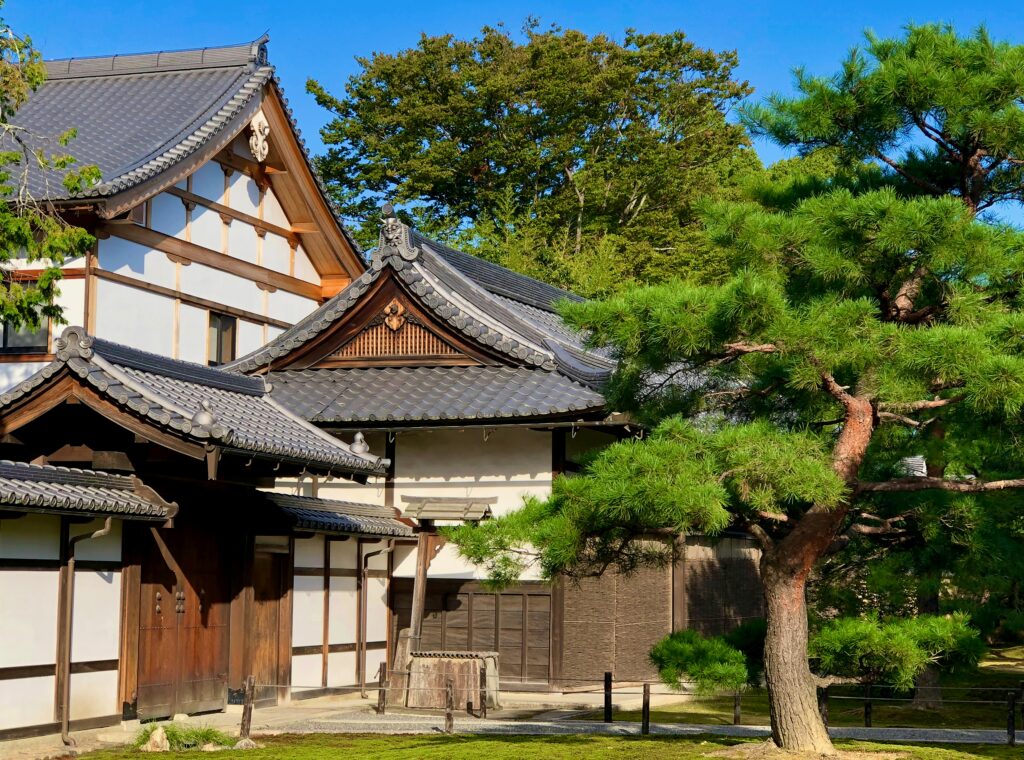
Final Thoughts on the Best Time to Visit Japan
Having visited Japan across multiple seasons, I can tell you honestly that every single time of year offers something genuinely worth experiencing.
Spring’s cherry blossoms are as spectacular as advertised. Summer’s festivals carry a cultural energy that nothing else matches.
Autumn’s foliage is among the most beautiful natural phenomena I’ve encountered anywhere in the world.
And winter’s quiet, snowlit temples and extraordinary onsen culture offer a Japan that most visitors never see.
The best time to visit Japan comes down to what kind of traveler you are and what kind of experience you’re after.
If crowds and logistics don’t intimidate you and you want the iconic visual experience, cherry blossom season in April is worth the effort.
If you want a beautiful, comfortable, less frantic visit, May or October are your best bets. If budget matters most and you can handle cold, January and February deliver Japan at exceptional value.
Whatever season you choose, Japan will reward you. It’s that kind of country. Enjoy your visit!
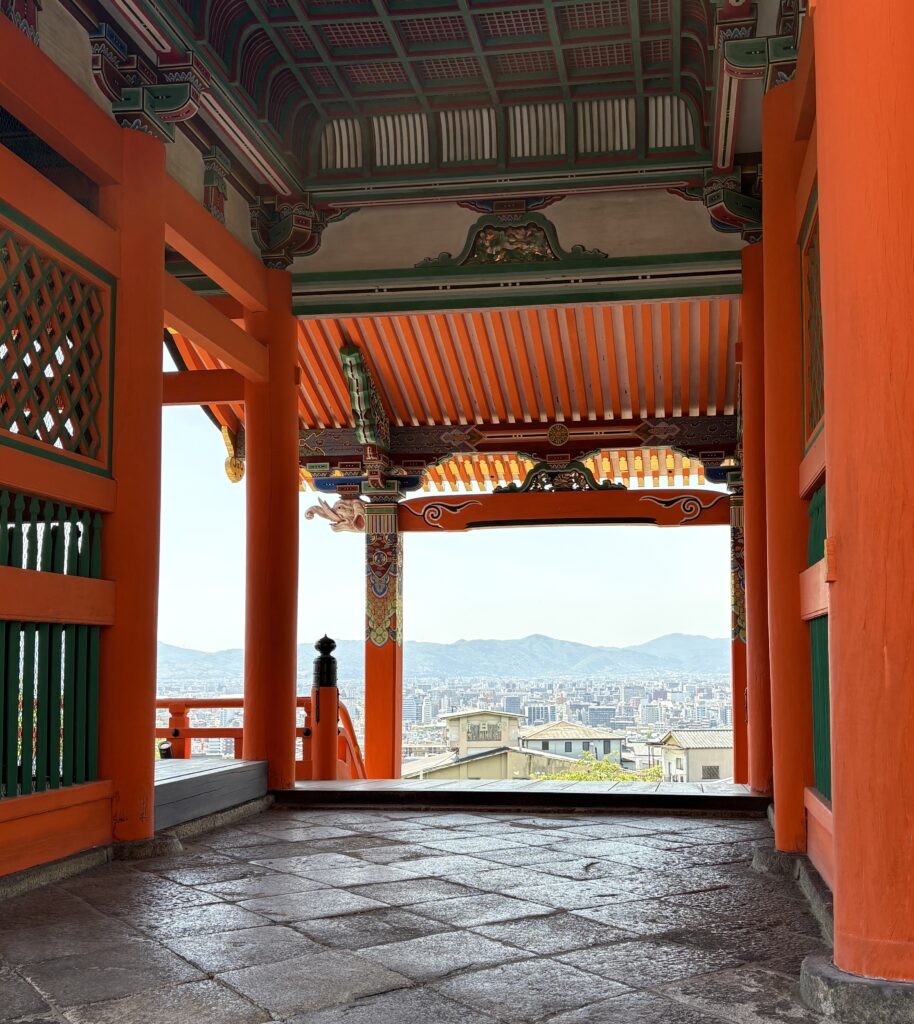
What is the best month to visit Japan?
October and November are widely considered the best months for most visitors, comfortable temperatures, stunning autumn foliage, and manageable crowds compared to cherry blossom season.
April is spectacular for cherry blossoms but requires significantly more advance planning and budget. May is an excellent underrated option for first-time visitors.
Is Japan too crowded during cherry blossom season?
Popular viewing spots in Kyoto and Tokyo during peak bloom week are genuinely very crowded.
If you plan to visit during this period, book accommodation at least four to six months in advance, have restaurant reservations arranged before you arrive, and go to major spots early in the morning.
When is the cheapest time to visit Japan?
Mid-January through February, after the New Year holiday period ends, is typically the most affordable window.
Hotel rates are at their annual low, attractions are less crowded, and flights tend to be cheaper than during spring or autumn peak periods.
The trade-off is cold weather, though proper layering makes it very manageable.
What should I pack for Japan regardless of season?
Comfortable walking shoes are non-negotiable, Japan requires significant daily walking. A compact umbrella works year-round given the country’s unpredictable rain.
Layers are essential in spring and autumn when temperatures shift between morning and afternoon.
Summer requires breathable clothing, sunscreen, and a portable fan. Winter demands a proper coat, gloves, and thermal layers for outdoor exploration.
