
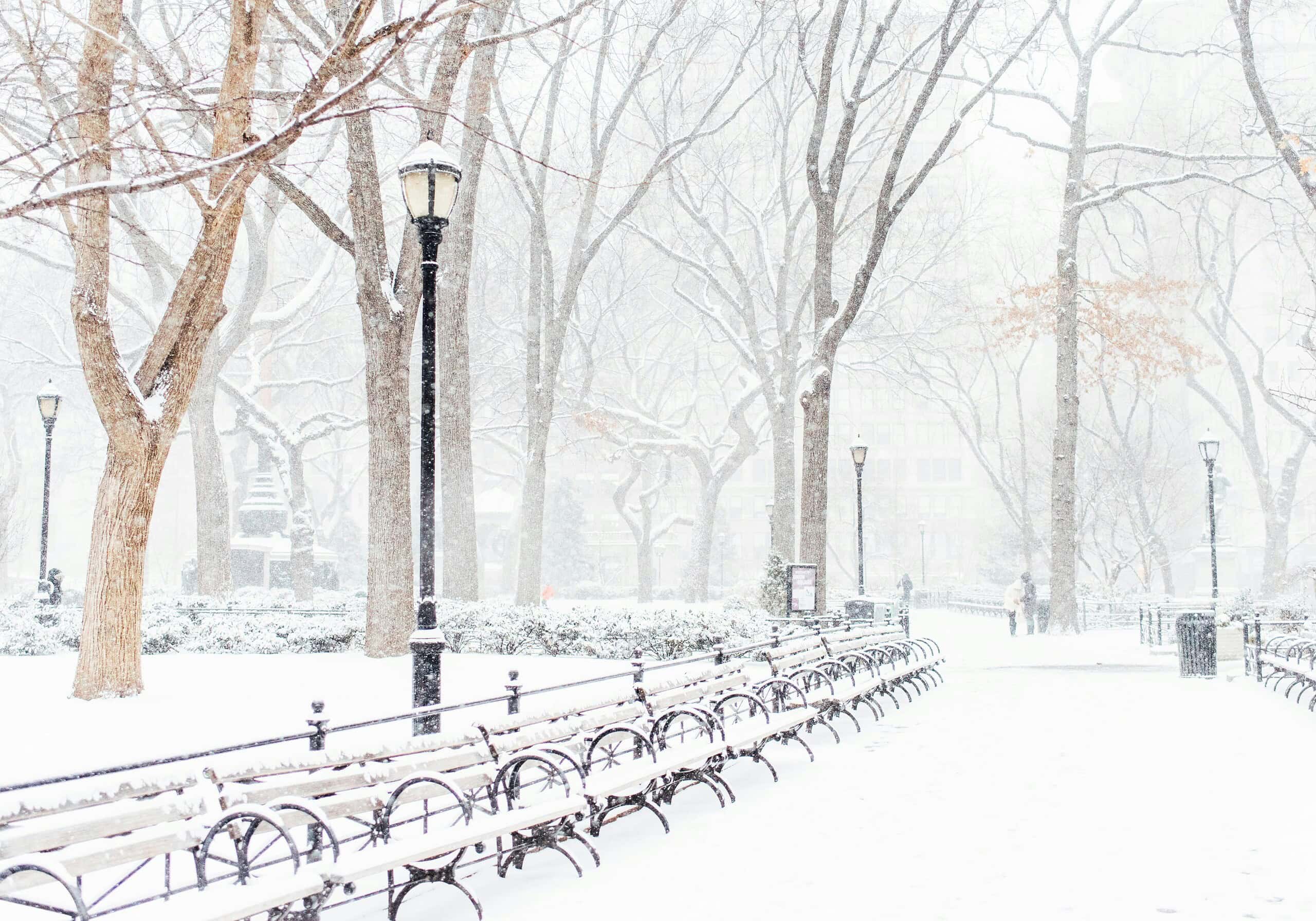
NYC in Winter: Essential Survival Guide
NYC in winter is one of those travel experiences that either completely wins you over or leaves you shivering on a Midtown corner wondering what you were thinking. The difference between the two almost always comes down to preparation.
New York in the colder months is genuinely extraordinary, the holiday decorations, the quieter museums, the restaurant reservations that are suddenly available, the city wrapped in a specific cinematic atmosphere that summer simply can’t replicate.
But it’s also cold in ways that catch visitors off guard, unpredictable in ways that no single weather app fully captures, and occasionally brutally windy in ways that make even a short walk between subway stations feel like a personal challenge.
This guide covers everything you need to know before you land, what to wear, what to bring, what to expect month by month, where to warm up, and how to navigate New York City in winter without spending your whole trip cold, wet, and underprepared.
Before you even think about packing, make sure you’ve done your research on must know things before visiting NYC, winter adds a layer of logistics that first-time visitors consistently underestimate.

What to Bring to NYC
Packing for NYC in winter is one of the most important decisions you’ll make before the trip.
The cold is real, the wind is aggressive, and the gap between someone who packed correctly and someone who didn’t is immediately visible on any Manhattan sidewalk in January. Here’s what actually matters.
Clothing
The single most important principle for NYC winter clothing is layering. New York’s indoor heating is extraordinarily aggressive, museums, restaurants, subway cars, and shops are often uncomfortably warm while the street outside is below freezing.
You need to be able to add and remove layers constantly throughout the day or you will be cold, then sweating inside, and back and fourth.
A solid NYC packing list for winter centers on this layering system above everything else.
- Thermal base layers — Lightweight thermals worn under everything else form the foundation of your winter layering system. Merino wool is ideal, it regulates temperature, manages moisture, and doesn’t smell after a full day of wearing. Synthetic thermal options work well too. Don’t skip this layer; it makes everything else more effective.
- Mid layer — sweater or fleece — A medium-weight sweater or fleece sits between your base layer and outer coat. This is the layer you remove when you’re inside and replace when you go back out. Wool or synthetic fleece both work well. This layer does more work than most visitors give it credit for.
- Proper winter coat — Not a fashion coat. Not a light puffer. A genuinely insulated, wind-resistant, preferably waterproof outer layer that hits at least to the hip. NYC’s wind tunnels between Midtown skyscrapers are aggressively cold, a coat that looks good but doesn’t actually insulate is a problem you’ll notice by day two.
- Warm hat that covers your ears — Heat loss through an uncovered head in NYC winter is significant and immediate. A hat that covers your ears is non-negotiable. Beanies work perfectly. Ear muffs are an alternative if hats aren’t your preference but something covering your ears is essential.
- Gloves — Touchscreen-compatible gloves are worth the small premium — you’ll be using your phone constantly for maps, Uber, and photography and removing gloves repeatedly in the cold gets old fast. Leather gloves with a warm lining work better than thin knit versions in genuinely cold temperatures.
- Scarf — A proper scarf rather than a decorative one. The gap between your coat collar and your hat is where cold air finds you on particularly brutal days. Fill it.
- Waterproof boots with good grip — Slush is the defining footwear challenge of NYC winter. Snow looks clean when it falls and turns into grey, wet, chemically-treated slush within hours of hitting a Manhattan street. Boots that aren’t waterproof fail immediately. Boots without grip become dangerous on icy patches. Bring boots that handle both.
- Extra socks — Merino wool socks specifically. Wet feet from slush infiltration are one of the most miserable winter experiences — a spare pair in your bag saves the afternoon when your current pair loses the battle.
- One smart outfit — NYC winter evenings in restaurants, Broadway shows, and rooftop bars have a quiet style standard. One versatile smart outfit, a decent shirt or blouse with clean trousers or a dress, covers every evening situation without requiring a suitcase full of formal options.
Important Items
Beyond clothing, these are the practical items that move from optional to essential during a NYC winter visit.
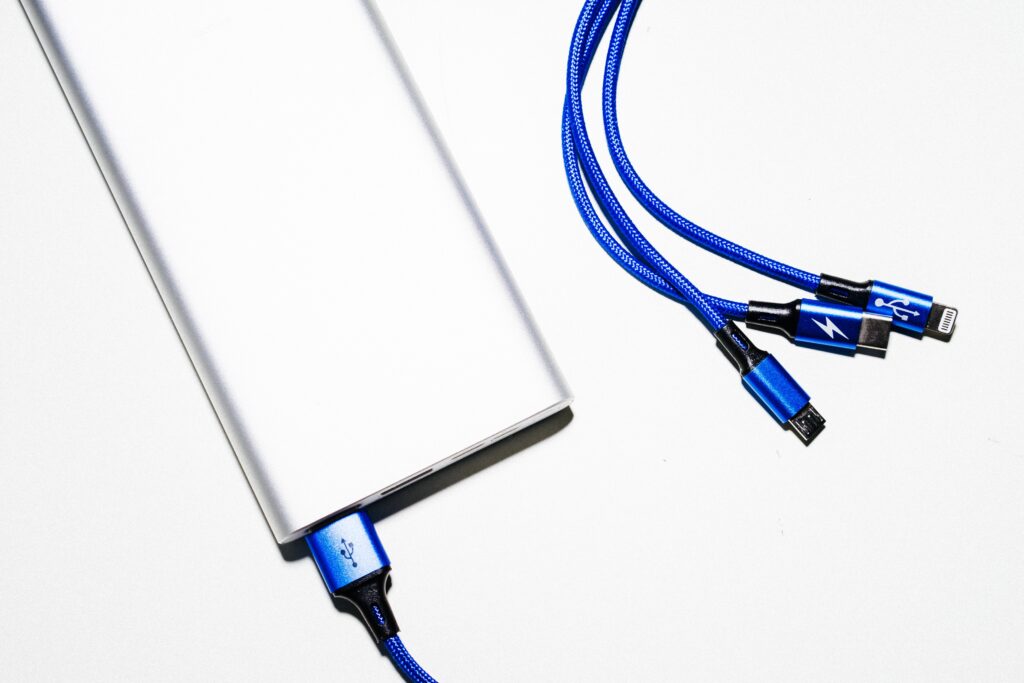
- Portable power bank — Cold weather drains phone batteries significantly faster than normal operating temperatures. Add constant map navigation, photography, and rideshare bookings and your phone is working overtime in conditions specifically designed to kill its battery. A charged power bank in your bag eliminates this problem entirely.
- Compact umbrella — NYC winter brings rain as often as snow, and being caught without an umbrella in a cold rain is significantly worse than being caught in a summer shower. A compact model fits in any bag and handles both rain and light snow effectively.
- Reusable water bottle — The combination of heavy indoor heating and cold dry air is genuinely dehydrating in winter. You’ll be moving between aggressively heated interiors and cold outdoor air constantly throughout the day. Staying hydrated matters more than most visitors expect and buying individual water bottles repeatedly is expensive and unnecessary.
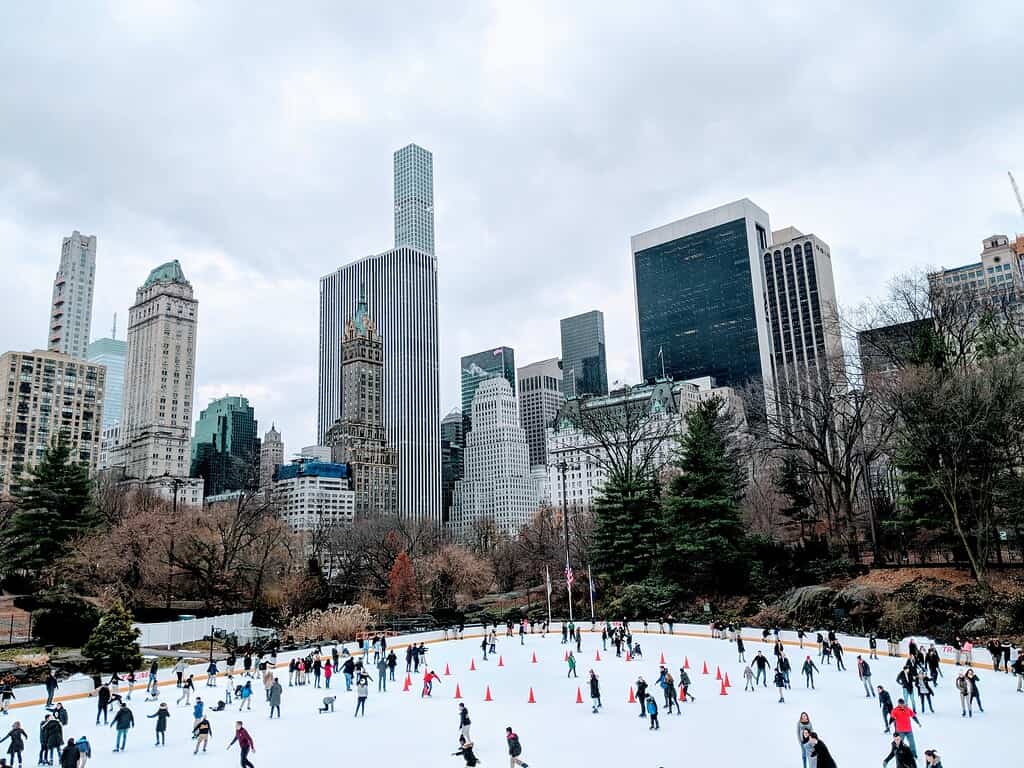
- Hand warmers — Disposable hand warmers available at any pharmacy for $3-5 per pair provide immediate relief on particularly brutal days. Useful for extended outdoor activities — ice skating, watching the Rockefeller Center tree, outdoor market browsing, where you’re stationary in the cold rather than moving through it.
- Lip balm — NYC’s winter combination of cold air, dry indoor heating, and wind is genuinely brutal on lips. Bring your preferred brand from home rather than paying premium pharmacy prices for it in Manhattan.
Good to Have
These items aren’t mandatory but consistently make a winter NYC trip more comfortable.
- Thermal insoles — Boots that are waterproof aren’t always well-insulated. A pair of thermal insoles adds meaningful warmth underfoot on full walking days without requiring different footwear.
- Small daypack or tote — Layers come on and off constantly in NYC winter. A small bag to stuff your hat, gloves, and scarf into when you enter a restaurant or museum — rather than carrying them in your hands all evening — is genuinely useful.
- Portable steamer or wrinkle spray — Packing a winter coat and multiple layers into a suitcase produces wrinkled clothing. A small travel steamer or wrinkle-release spray keeps your smart evening outfit looking like you intended it to.
- Melatonin or sleep aids — NYC hotel rooms can be noisy, and winter heating systems in older Manhattan buildings make clicking and clanking sounds through the night. If you’re a light sleeper, prepare accordingly.
Average Weather in NYC in Winter
Understanding what each winter month in New York actually delivers, not just average temperatures but wind chill, precipitation type, and what a typical day feels like, is the difference between packing correctly and arriving underprepared.
Knowing the best time to visit NYC within the winter window can genuinely shape your entire experience.
Note that wind chill in New York is consistently 9-27°F (5-15°C) lower than the actual air temperature due to the city’s urban wind tunnel effect between tall buildings. Always dress for the wind chill figure rather than the thermometer.
November
November is NYC’s transitional month, autumn giving way to winter with the shift typically arriving in the second or third week.
Early November can still deliver comfortable days in the 54-61°F (12-16°C) range with minimal wind.
By late November, temperatures regularly drop to 37-46°F (3-8°C) and the first genuinely cold days of the season arrive with them.
Wind chill brings apparent temperatures below freezing on colder days in late November even when the thermometer hasn’t crossed that threshold. Snow is possible from mid-November but not common, rain and grey skies are more typical.
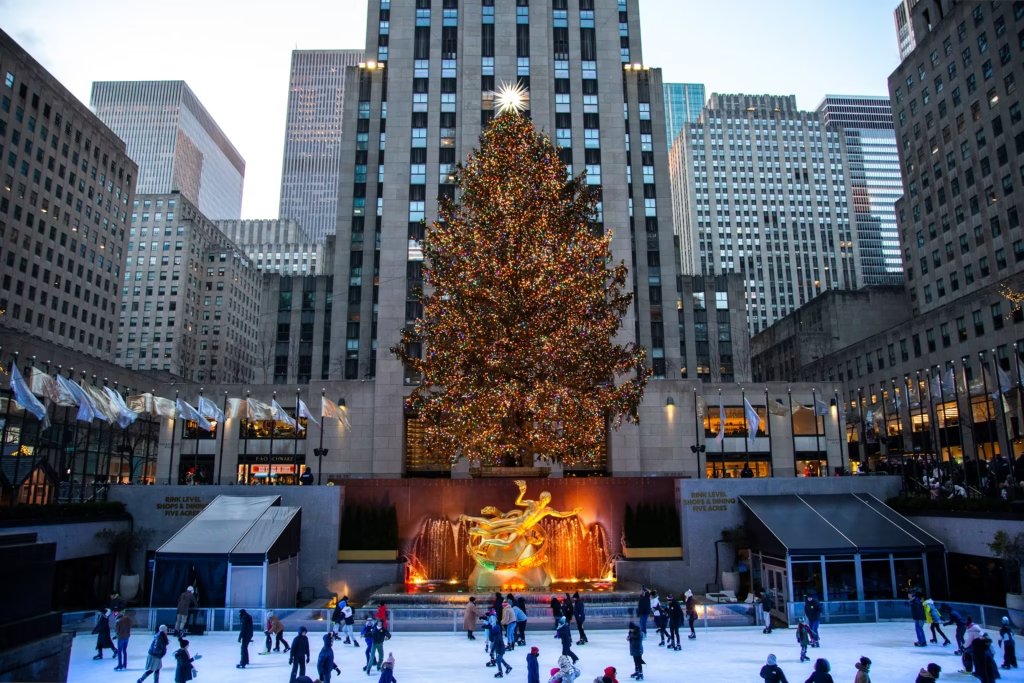
November is also when NYC at Christmas begins its transformation. The Rockefeller Center tree arrives in mid-November. The holiday window displays on Fifth Avenue appear.
The Bryant Park Winter Village opens. By Thanksgiving the city has shifted into full holiday mode, making late November one of the most atmospherically special times of the year in New York.
NYC holiday activities peak through November’s final weeks, the Macy’s Thanksgiving Parade on Thanksgiving morning is one of the city’s great annual spectacles and worth the early alarm if you’re visiting during this period.
December
December delivers New York’s full holiday experience alongside its first genuinely serious winter weather.
Temperatures average 34-46°F (1-8°C) with regular drops below freezing overnight and during cold snaps. Wind chill pushes apparent temperatures to 23°F (-5°C) or below on the coldest days.
Snow becomes more probable through December, New York averages 2-4 inches (5-10 cm) of snowfall during the month across multiple events.
When it snows in December, the city transforms into the exact version of itself that appears in every holiday film ever made. Central Park in fresh snow. The decorated brownstones of the West Village under a white coating.
The Rockefeller Center tree reflected in the ice of the rink below. These images exist in December and almost exclusively in December.
Hotel prices peak dramatically in December, particularly the Christmas week through New Year period. Book where to stay in NYC months in advance for this window or face either premium pricing or poor availability.
The best areas in NYC to stay in during December are those with easy subway access to Midtown holiday attractions without paying the Times Square area premium.
January
January is New York’s coldest month and its quietest tourism month simultaneously. Temperatures average 27-39°F (-3 to 4°C) with regular periods below freezing throughout the day.
Wind chill figures of 10-14°F (-10 to -15°C) are possible during cold snaps and genuinely felt on exposed skin.
Snow accumulation is at its highest probability in January, the city averages 8-10 inches (20-25 cm) of snowfall during the month.
Fresh snowfall is beautiful. The slush that follows within 24 hours of any snow event is not. Waterproof boots earn their place in January more than any other month.
The upside of January’s cold is equally significant. Hotels are at their annual cheapest following the holiday premium. Museum lines are their shortest.
Restaurant reservations that require weeks of advance booking in October and November are often available with a few days notice. Broadway shows have the easiest ticket access of the year.
NYC budget travel tips work hardest in January, the combination of low hotel rates, Restaurant Week deals typically launching mid-January, and reduced crowd levels across all major attractions makes it the most financially accessible month of the year to visit New York.
February
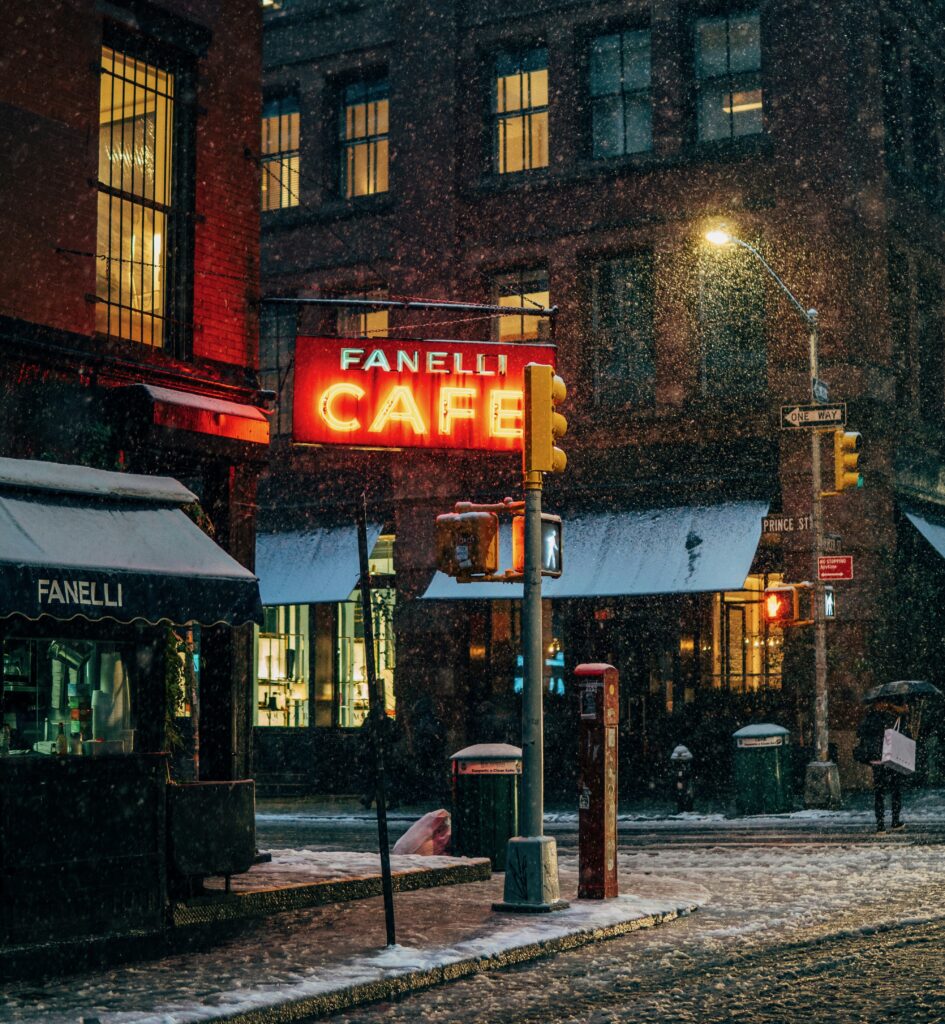
February maintains January’s cold with average temperatures of 28-41°F (-2 to 5°C) and continues the same snow probability.
Valentine’s Day brings a specific romantic energy to the city, restaurants book out for the weekend surrounding it and the city has a warmth of atmosphere that the general cold doesn’t diminish.
Late February occasionally offers the first hints of approaching spring, a day or two of 46-50°F (8-10°C) that feels almost shocking in its relative warmth after weeks of freezing temperatures.
Don’t be fooled into lightening your packing based on a warm February day forecast, the cold returns reliably within 48 hours.
Lunar New Year falls in January or February and brings extraordinary celebrations to Chinatown in Manhattan and Flushing in Queens, one of the most vibrant and most photographed events of the NYC winter calendar.
March
March is winter’s exit and spring’s tentative arrival, and it delivers both simultaneously in ways that require flexibility.
Early March regularly produces the coldest and snowiest days of the season, late-season blizzards are not unheard of in New York and March storms are often the heaviest of the winter.
By mid-to-late March, temperatures begin climbing toward 50-59°F (10-15°C) and the city starts to stir. Cherry blossom season begins in late March in the warmest years.
The tourist volume that characterized the summer and holiday seasons starts returning. Prices and availability begin adjusting accordingly.
March is when your 4 day NYC itinerary can go in genuinely different directions depending on the week, a late March visit might deliver spring-like conditions or a surprise blizzard. Pack for winter regardless of what the forecast says when you book.
Useful Places
NYC in winter creates a specific daily rhythm of moving between cold outdoor spaces and warm indoor ones, and knowing where to go for warmth, supplies, and essentials makes the whole experience significantly more manageable.
One thing worth saying before the list: have a loose plan before you leave the hotel each day. Not a minute-by-minute itinerary, but more than one destination in mind.
Mindlessly wandering in January or February, figuring out where to go next while standing on a cold corner, is one of the most avoidable winter discomforts in New York.
Know your first stop, have a second one in mind, and use the places below as warm checkpoints between them rather than last-resort refuges.
- Grand Central Terminal — One of the most beautiful public spaces in New York and one of the best free warming stops in the city. The main concourse is heated, stunning, and open to anyone. The Dining Concourse below has food options at every price point. When the cold hits unexpectedly and you need to stop and warm up without spending money, Grand Central is your best option in Midtown.
- Duane Reade and CVS — New York’s ubiquitous pharmacy chains are on virtually every block in Manhattan and carry everything a winter visitor might urgently need. Hand warmers, lip balm, cold medication, umbrellas, extra socks, basic winter accessories, all available at standard pharmacy prices without having to find a specialty store. When something goes wrong with your winter preparation, Duane Reade is almost always the nearest solution.
- Bodegas — Open early, open late, warmer than the street, and stocked with hot coffee, breakfast sandwiches, and everything you need to start a cold morning correctly. The bodega bacon egg and cheese before a winter sightseeing day costs $5-7 and is one of the most specifically New York experiences available regardless of season. A solid understanding of NYC budget travel tips always starts here.
- The Metropolitan Museum of Art — Not just a cultural institution but a genuinely excellent full-day indoor destination for cold or rainy winter days. The Met’s suggested admission policy means you can contribute what you choose rather than paying the full $30. Spending four hours inside one of the world’s great museums while it’s 2°C outside is exactly the kind of day NYC winter rewards.
- Shopping Malls and Department Stores — Fifth Avenue’s department stores — Saks, Bergdorf Goodman, Bloomingdale’s, and the various indoor shopping centers across Manhattan function as warm public spaces as much as retail destinations during winter. Browsing is free. The warmth is immediate. In December, the window displays are worth stopping for entirely on their own terms.
- Coffee Shops — New York’s coffee shop culture reaches its peak utility in winter. A $5 coffee buys you 45 minutes of warmth, a seat, a phone charging opportunity, and a break from the cold that structures the day rather than interrupting it. The West Village and SoHo neighborhoods have some of the best independent coffee shops in the city, worth knowing for a midday reset between outdoor sightseeing stretches.

Important Advice
Surviving NYC in winter well comes down to a handful of specific habits. These aren’t generic cold weather tips, they’re specific to how New York’s winter operates.
- Always check the wind chill, not just the temperature — The weather app number and what it actually feels like on a Manhattan corner are consistently different things. A 3°C day with 30 km/h winds feels like -8°C in Midtown. Dress for the wind chill figure every single day without exception. This single habit eliminates the most common winter unpreparedness situation in New York.
- Plan indoor destinations for the coldest days — Museums, Broadway shows, food halls, galleries, and the city’s extraordinary restaurant scene all operate independently of weather. Building indoor-heavy days around weather forecasts rather than fighting through brutal conditions to reach outdoor attractions makes winter significantly more enjoyable. A NYC bucket list in winter looks different from summer, lean into the indoor experiences that are genuinely better in the colder months.
- Use the subway for everything — never wait for a taxi in the cold — Standing on a Manhattan street waiting for a rideshare in -5°C wind chill while watching the estimated arrival time extend is one of winter NYC’s most avoidable discomforts. The subway is underground, heated, and always faster than surface traffic in winter conditions. Get an OMNY-compatible card or use contactless payment and default to the subway for every journey it covers.
- Watch for ice on subway grates and cellar doors — NYC’s sidewalks have metal subway grates, cellar doors, and utility covers that become genuinely dangerous skating rinks when temperatures drop below freezing after rain or light snow. Walk around them rather than across them. This is second nature to New Yorkers and worth adopting immediately.
- Eat and drink your way through winter properly — NYC’s food scene in winter has a specific pleasure that summer doesn’t offer. Hot pastrami at Katz’s Deli. Clam chowder in a bread bowl at a Chelsea Market vendor. Mulled wine at the Bryant Park Winter Village market. A hot bodega coffee at 7am before the city fully wakes up. Winter eating in New York is its own category of experience and one of the genuine pleasures of visiting in the cold months. Understanding scams in NYC matters here too — tourist-facing restaurants near major winter attractions overprice consistently.
- Book everything in advance for December — The holiday period in New York requires more advance planning than any other time of year. Hotels, restaurants, Broadway shows, holiday market visits with timed entry, ice skating time slots, December New York runs on reservations in a way that January does not. Arrive in December without bookings and you’ll spend the trip working around what’s already full.
Final Thoughts on NYC in Winter
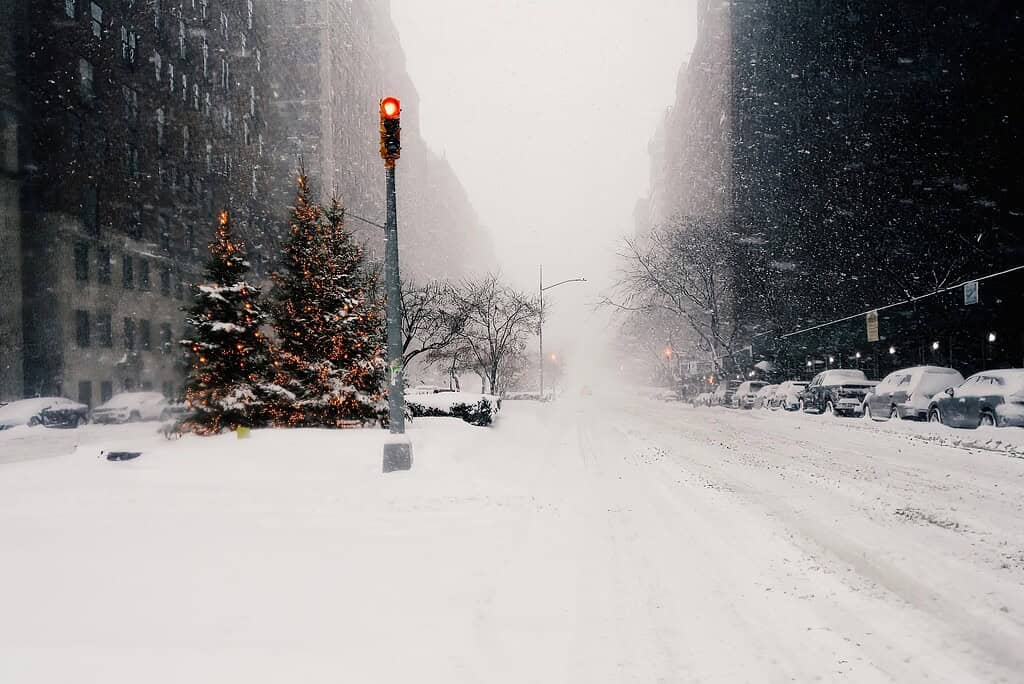
Winter in New York is not for everyone, and it doesn’t pretend to be. The cold is real, the wind is aggressive, and January’s grey stretches require a genuine tolerance for the kind of weather that keeps most tourists home.
But the visitors who show up prepared, with the right coat, the right boots, the right understanding of what each month delivers, access a version of New York that summer visitors never see. Quieter museums.
Available restaurant tables. A city that belongs slightly more to the people who live there than to the people passing through.
The holiday magic of December. The extraordinary value of January. The romantic atmosphere of February. The tentative first warmth of March arriving like a reward for getting through the rest of it.
Pack correctly. Check the wind chill every morning. Keep the subway on your mental map at all times.
Find the nearest bodega. Stay warm enough to actually enjoy what New York’s winter is offering rather than spending it counting down to warmer weather.
New York in winter gives you the real city. That’s worth a good coat and a pair of waterproof boots.
What should I pack for NYC in winter?
A proper insulated winter coat, waterproof boots with grip, thermal base layers, hat, touchscreen gloves, and a scarf are non-negotiable.
You’ll be moving between heated interiors and cold exteriors constantly, the layering system is everything. Check the full NYC packing list before you go.
How cold does NYC get in winter?
January averages -3 to 4°C with wind chill regularly hitting -10 to -15°C during cold snaps.
December and February are similar. Always dress for the wind chill figure, not the thermometer.
Is NYC worth visiting in winter?
Yes. Smaller crowds, lower hotel prices outside the holiday window, easier restaurant reservations, and a cinematic atmosphere make it one of the most underrated times to visit. January offers the best value of the entire year.
Where should I stay in NYC in winter?
For December, proximity to Midtown holiday attractions matters. For January and February, outer borough hotels in Long Island City or Williamsburg offer dramatically lower rates with easy subway access at $3 per ride regardless of distance.
Check the best areas in NYC to stay in for a full breakdown.
