
15 Reasons Your NYC Trip Won’t Go as Planned
New York City is one of those places where everyone tells you it’s going to be incredible, and they’re right. But what they don’t tell you is that almost nothing will go exactly as you planned.
And listen, I’m a planner. I map out itineraries, research the best neighborhoods and restaurants, book everything in advance, and show up thinking I’ve got it all figured out.
But through years of visiting NYC, I’ve learned that your plans will shift whether you want them to or not.
Sometimes it’s in a good way. You’ll stumble into a jazz bar you didn’t know existed, fall in love with a neighborhood you weren’t planning to visit, or decide to add an extra day because leaving feels impossible.
Other times, it’s obstacles you didn’t see coming, subway delays that kill your schedule, prices that blow your budget, or exhaustion that hits way harder than expected.
This isn’t necessarily a bad thing. It’s just how New York works. But it helps to know what you’re walking into so you’re prepared when things don’t unfold the way you imagined.
Here are fifteen reasons your NYC trip won’t go as planned, and what to expect when they happen.
The Subway Will Betray You More Than Once
You know the subway exists. You’ve seen it in movies. You think you’re ready for it. You’re not.
The NYC subway is simultaneously the best and most frustrating part of getting around the city. When it works, it’s fast, cheap, and gets you anywhere. When it doesn’t, it derails your entire day.
Delays happen constantly. Trains skip stops. Weekend service changes reroute entire lines. Express trains become local. Local trains sit in tunnels for 15 minutes with no explanation.
You’ll plan to take the train at 9 a.m. and arrive by 9:30 a.m., and then you’ll spend 20 minutes on a hot platform waiting for a train that never shows up.
Or the train will stop between stations and you’ll sit there, sweating, with no idea when it’ll move again.
Download the Citymapper app. Check service alerts before you leave. Always add buffer time. And accept that sometimes, despite your best planning, the subway will just ruin your morning.
Your plan to rely entirely on the subway? You’ll end up walking or taking Ubers more than you thought.
Walking Distances Are Longer Than They Look
New York looks compact on a map. It’s not. The blocks in Manhattan are deceptively long, especially the north-south avenues.
What looks like “just a few blocks” on Google Maps can easily be a 20-minute walk. And if you’re walking crosstown (east to west), add even more time.
I’ve made this mistake more times than I can count. I’ll think “oh, it’s only 10 blocks” and then realize I’ve been walking for 30 minutes and I’m sweating through my shirt.
And that’s just distance. Add in crowds, traffic lights, construction, and the fact that you’re stopping to look at things, and suddenly that “quick walk” has eaten an hour of your day.
Wear comfortable shoes. Seriously. Your feet will hurt by day two if you don’t. And don’t assume you can walk everywhere just because the map makes it look close.
Use the subway or buses for longer distances. Save your energy for the neighborhoods you actually want to explore.
Your plan to walk everywhere and soak in the city? Your feet will start filing complaints by noon.
Times Square Is Worse Than You Imagined
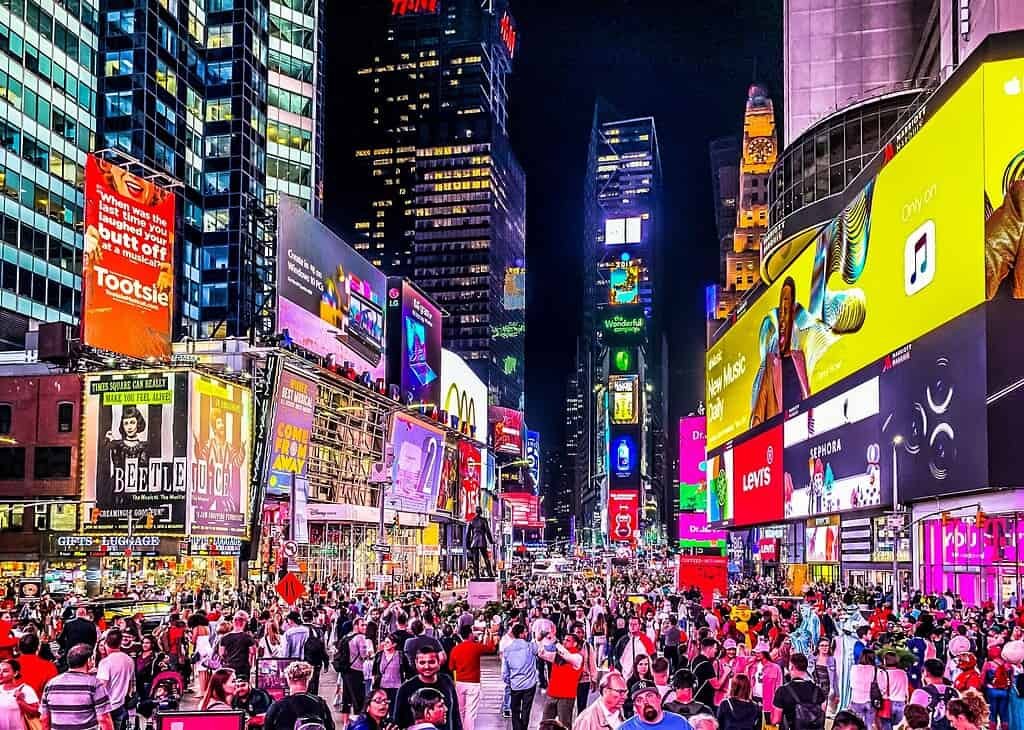
Everyone warns you about Times Square. You think you’re prepared. You’re not.
Times Square is overwhelming in a way that’s hard to describe until you’re standing in the middle of it.
It’s loud, crowded, chaotic, and filled with giant LED screens, street performers, costume characters trying to charge you for photos, and tourists moving at a glacial pace.
If you were expecting some magical New York moment here, you’ll be disappointed. It’s mostly just stressful.
The good news? You don’t need to spend more than 10 minutes there. See it, take your photo, and leave. There are a million better neighborhoods in NYC that actually feel like New York.
Avoid eating in Times Square. Avoid shopping in Times Square. Just take your picture and get out.
Your plan to explore Times Square and soak in the energy? You’ll want to escape within five minutes.
You’ll Underestimate How Exhausting NYC Actually Is
New York is a lot. And I don’t just mean in a fun, exciting way. I mean it’s genuinely exhausting.
The city never stops moving. The noise, the crowds, the constant stimulation, it all adds up.
You’re walking miles every day, navigating subway stairs, dodging people on sidewalks, and processing a million things at once.
By day three or four, you’ll be tired in a way you didn’t expect. Not just physically tired, but mentally drained.
I’ve had trips where I planned to go full-speed the entire time, and by day five I just needed to sit in a park for two hours and do nothing.
Build rest into your NYC itinerary. Don’t pack every single day with activities. Give yourself mornings to sleep in or afternoons to just wander without a plan.
New York rewards you for slowing down sometimes. You’ll enjoy it more if you’re not running on fumes the whole trip. Your packed itinerary with zero downtime? You’ll be begging for a break by midweek.
Street Food Isn’t What You Expected
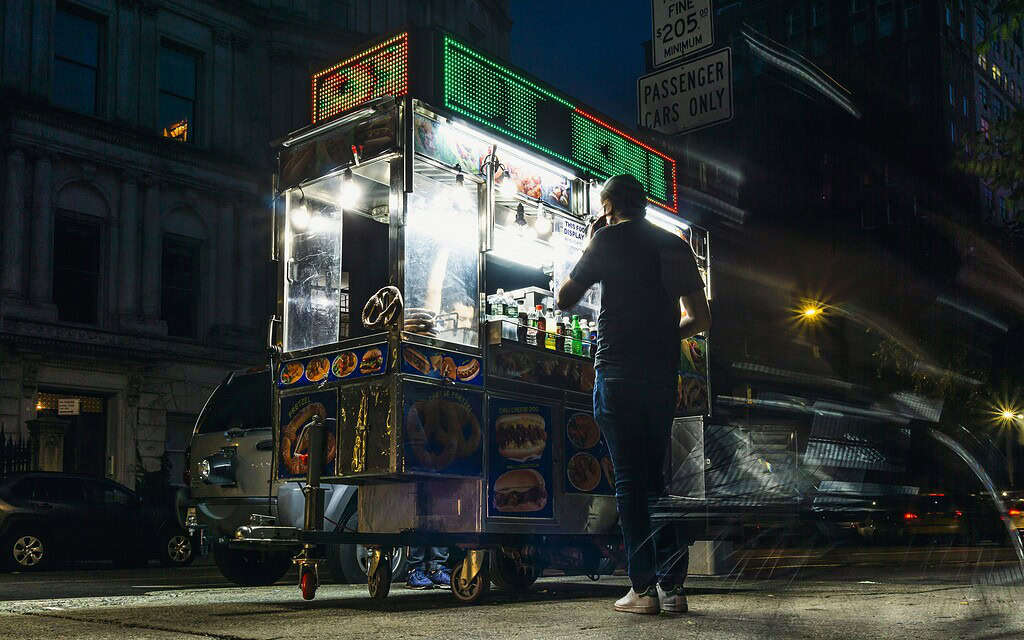
New York street food is iconic. Hot dogs, pretzels, halal carts, it’s part of the experience. But it’s not always what first-timers imagine.
Street cart food can be hit or miss. Some carts are incredible. Others are just mediocre, overpriced, or not as fresh as you’d hoped.
The famous $1 pizza slices? They exist, but quality varies wildly. Some are perfectly fine late-night fuel. Others taste like cardboard with cheese on top.
Halal carts like the famous Halal Guys are solid, but also touristy and often have long lines. You can find equally good (or better) halal food at less-hyped carts.
My advice? Don’t avoid street food, but also don’t assume every cart is going to blow your mind. Ask locals where they eat. Look for carts with lines of actual New Yorkers, not just tourists.
And yes, try a bagel. But go to an actual bagel shop, not a random cart.
Your plan to live off street food the whole trip? You’ll want to mix in some sit-down meals after a few days.
Tipping Culture Will Catch You Off Guard
If you’re not from the U.S., New York’s tipping culture is going to feel aggressive and confusing.
You’re expected to tip almost everywhere. Restaurants, bars, coffee shops, taxis, hotel staff, food delivery, it all adds up fast. And the baseline is 18-20% now, not 15%.
Even places where you order at a counter and get your own food will flip the iPad around with tip options starting at 18%. It feels awkward to press “no tip,” so most people just tip anyway.
If you’re on a budget, factor tipping into your daily expenses. It’s not optional in New York, and it will add 20-30% to almost every meal and service you pay for.
Tipping in taxis is expected (15-20%). Tipping hotel housekeeping is expected ($3-5 per night). Tipping bartenders is expected ($1-2 per drink).
It’s part of the culture, and service workers rely on it. But if you’re not prepared for it, your budget will take a hit. Your carefully calculated meal budget? Add 20% to everything.
Weather Is More Unpredictable Than You Think

New York weather doesn’t follow a predictable script, and it will mess with your plans more than once.
Summer is hot and humid. Winter is cold and miserable. Spring and fall are beautiful but unpredictable. You’ll have a perfect 70°F day followed by a random cold snap or a torrential downpour.
I’ve had April trips where I needed a winter coat one day and a t-shirt the next. I’ve had September trips where it rained for three days straight.
Check the forecast obsessively. Pack layers. Bring a small umbrella or a rain jacket. And don’t assume “spring” or “fall” means mild, pleasant weather the entire time.
If it rains, indoor activities like museums are your best bet. But expect them to be more crowded because everyone else had the same idea.
Your plan to spend every day walking around outside? The weather might force you indoors more than you expected.
You’ll Get Priced Out of Things You Wanted to Do
New York is expensive. You know this going in. But it’s worse than you think.
Broadway tickets are $150-$300+. Observation decks like Top of the Rock or One World Observatory are $40-$50 per person.
Museum entry fees add up. Even “cheap” activities like grabbing drinks can easily cost $15-20 per drink in Manhattan.
You’ll want to do everything, and then you’ll look at prices and realize you have to make choices.
My advice? Prioritize. Pick one or two expensive activities you really care about, and fill the rest of your trip with free or cheap things.
Walking the High Line, exploring Central Park, wandering Brooklyn Bridge, visiting free museum hours, there’s plenty to do that won’t destroy your budget.
But accept that you’re not going to do it all. New York is designed to drain your wallet.
Your plan to see a Broadway show, hit three observation decks, and go to five museums? Pick two.
Touristy Restaurants Aren’t Worth It
The restaurants near major tourist attractions are almost always overpriced, mediocre, and packed with people who don’t know any better.
Times Square restaurants charge $20 for a burger that would cost $12 anywhere else. Little Italy is mostly a tourist trap with inflated prices and Americanized Italian food. The restaurants right next to Central Park or near Penn Station are rarely worth it.
New Yorkers don’t eat at these places. And neither should you. Walk a few blocks away from the major attractions.
Ask your hotel staff or Airbnb host where they eat. Look for places packed with locals, not tourists with cameras.
The best food in New York is in the neighborhoods, West Village, East Village, Williamsburg, Astoria, Jackson Heights. That’s where you’ll find the real deal.
Your plan to just eat wherever is convenient near your tourist stops? You’ll spend more and eat worse.
The Pace Will Overwhelm You at First
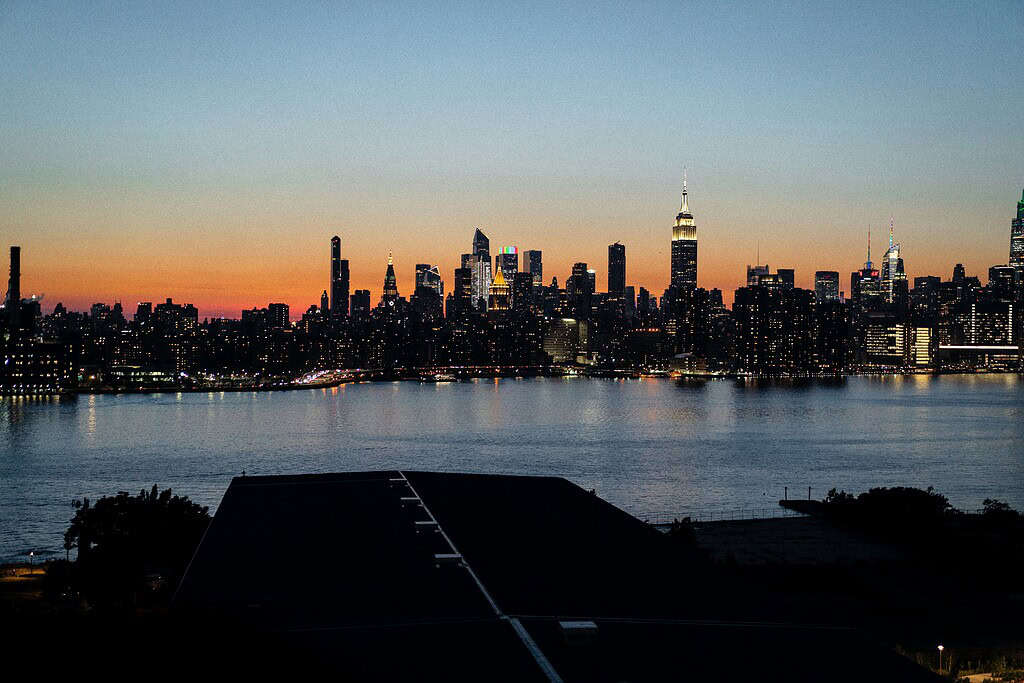
New York moves fast. And if you’re not used to it, the first day or two can feel like sensory overload.
People walk fast. They talk fast. They order fast. They expect you to keep up. If you’re standing still on a sidewalk looking at your phone, someone will nearly run into you.
Subway etiquette is strict. Stand to the right on escalators. Don’t block the doors. Move quickly. New Yorkers have zero patience for tourists who don’t know the unspoken rules.
It’s not that people are rude (well, sometimes they are), it’s just that the city runs at a different speed than most places.
Give yourself grace for the first couple days. You’ll adjust. But expect to feel a little frazzled at first.
Your plan to blend in like a local from day one? You’ll be moving at half-speed and getting stared at.
You’ll Want to Stay Longer Than You Planned
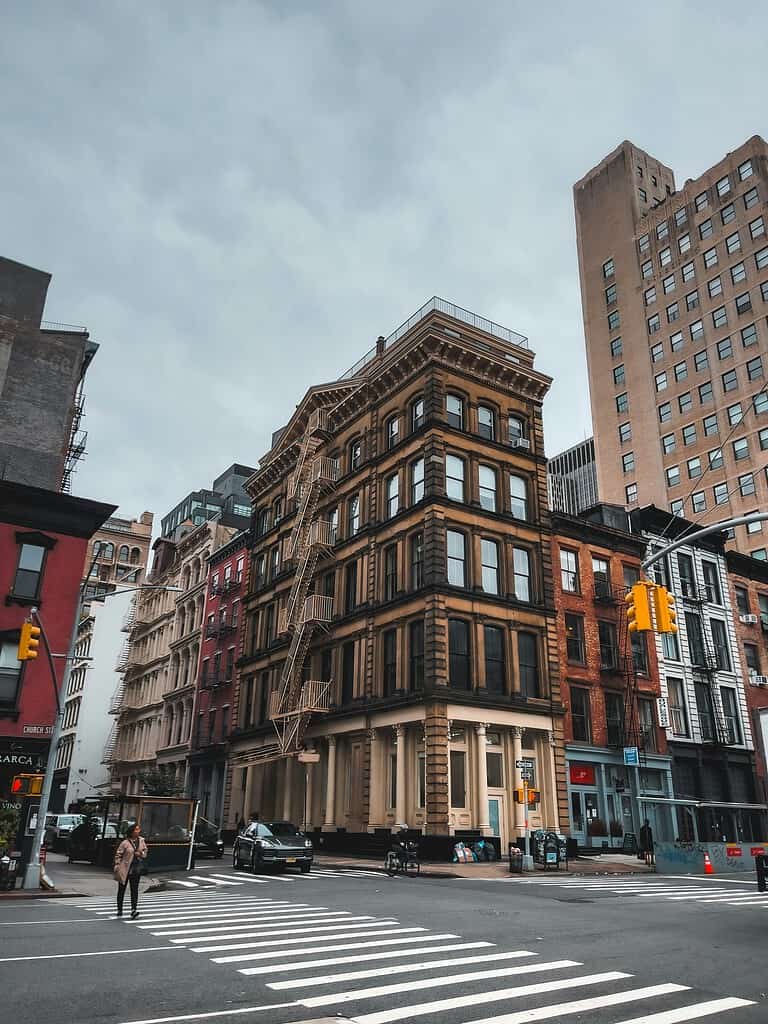
This one is almost guaranteed. No matter how long you planned to stay in New York, it won’t feel like enough.
You’ll fall in love with a neighborhood and realize you need more time there. You’ll find a coffee shop, a bookstore, or a park that makes you want to cancel your evening plans and just stay put.
New York has a way of making you want to slow down even though the city itself never does. The food is incredible.
The energy is addictive. And once you start to figure out how it all works, leaving feels harder than you expected.
I’ve had trips where I planned four days and immediately wanted to add two more. I’ve rescheduled flights and extended hotel stays because I just wasn’t ready to go.
Build flexibility into your plans if you can. Leave room to stay longer in neighborhoods you love.
Your tightly packed five-day itinerary? You’ll start wishing you had a week.
Bodegas Will Become Your Daily Routine
This sounds ridiculous, but it’s true. Bodegas in New York are not the same as convenience stores back home.
New York bodegas are everywhere, open late (or 24/7), and stocked with everything you didn’t know you needed. Snacks, drinks, sandwiches, coffee, beer, toiletries, umbrellas, phone chargers, and the best chopped cheese you’ll ever have.
You’ll stop in multiple times a day. Once for a coffee in the morning. Again for a snack. Again because you need gum or a bottle of water. Again because you’re starving at midnight and nothing else is open.
It becomes part of your routine. My friends who visit from Toronto are obsessed with bodegas. Every trip, multiple stops. It’s just that convenient.
Don’t underestimate how much you’ll rely on bodegas during your trip. They’re genuinely one of the best parts of New York infrastructure.
Your plan to avoid convenience stores and only eat at restaurants? You’ll be in a bodega within 24 hours.
Everything Takes Longer Than Google Maps Says
Google Maps is a liar in New York. Or at least, it’s wildly optimistic.
It’ll tell you a trip takes 20 minutes, and then you’ll spend 10 minutes waiting for the train, 5 minutes navigating crowds, and another 5 minutes walking from the station to your actual destination. Suddenly that “20-minute trip” took 40.
And that’s if everything goes smoothly. Add in subway delays, construction detours, or getting turned around because you exited the wrong subway entrance, and it gets worse.
I’ve missed reservations, shown up late to tours, and blown entire time buffers because I trusted Google Maps and didn’t account for New York reality.
Always add 10-15 minutes to whatever Google Maps says. Check subway alerts. And accept that sometimes, despite your best planning, you’ll just be late.
Your plan to schedule things back-to-back with tight windows? You’ll be stressed and running late constantly.
You’ll Spend Way More Money Than You Expected

New York is expensive, but it’s easy to spend way more than you budgeted for.
Food, drinks, activities, transportation, tips, it all adds up fast. And then you start adding spontaneous stuff.
A Broadway lottery ticket you won. A rooftop bar with a view. A vintage shop in SoHo. A bakery in the West Village you stumbled into.
You’ll also spend money on things you didn’t anticipate. Replacing shoes that gave you blisters. Pharmacy runs for pain relievers. An emergency umbrella because it started pouring. Ubers when the subway fails you.
New York makes it easy to spend money because everything is right there. And when you’re only in town for a few days, it’s tempting to just say yes to everything.
Set a realistic daily budget and track your spending. Leave room for spontaneous stuff. And don’t assume you’ll stick to your plan.
Your plan to keep to a strict budget? You’ll blow past it by day three.
Your Feet Will Hurt More Than You Thought Possible
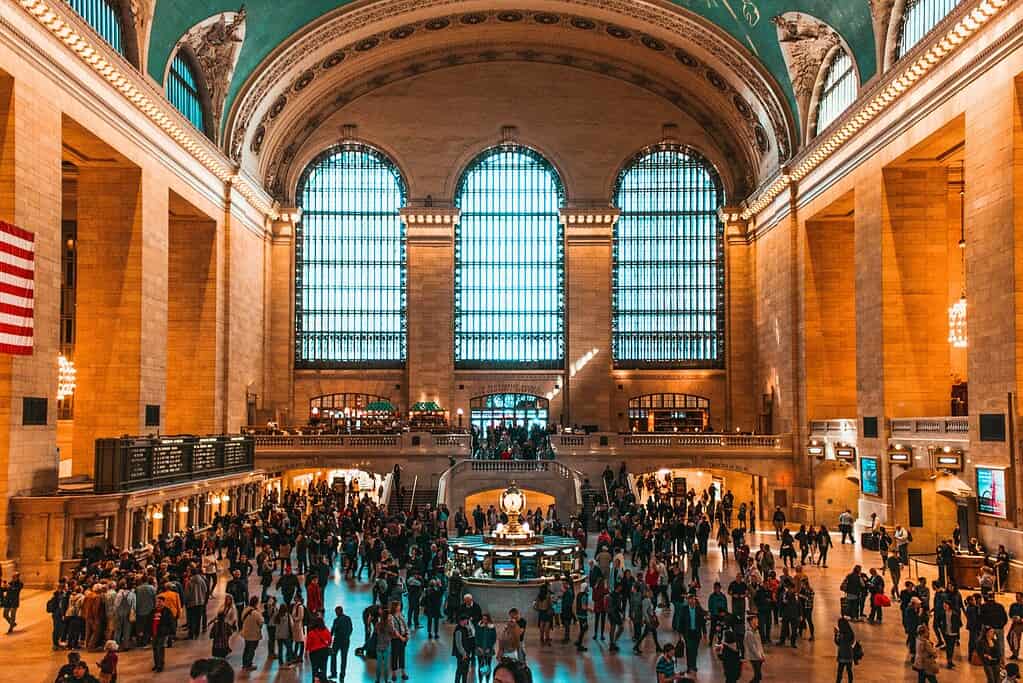
This deserves its own section because it’s genuinely brutal. You will walk more in New York than you’ve walked in years. Miles and miles every single day.
Subway stairs, uneven sidewalks, standing on trains, walking between neighborhoods, it never stops.
By day two, your feet will hurt. By day three, you’ll be limping. By day four, you’ll be seriously considering just staying in your hotel.
Bring comfortable shoes. I’m not talking about “cute sneakers.” I’m talking about actual, supportive, broken-in walking shoes. Blisters will ruin your trip faster than anything else on this list.
Take breaks. Sit in parks. Rest your feet whenever you can. Don’t push through the pain thinking it’ll get better. It won’t.
Your plan to wear fashionable shoes and power through? Your feet will revolt by day two.
Final Thoughts on What Won’t Go as Planned in NYC
If there’s one thing you should take away from this, it’s that your NYC trip will not go exactly as planned. And that’s okay.
You’ll deal with subway chaos, walking distances that destroy your feet, crowds that overwhelm you, and prices that blow your budget.
You’ll spend more money than you planned, want to stay longer than you booked, and realize halfway through that your carefully researched itinerary needed way more flexibility.
But here’s the thing, those unplanned moments are often the best parts of the trip. The bodega sandwich at 1 a.m. that hits different.
The jazz bar you stumbled into in the Village. The extra hour you spent in Central Park just watching people because you were too tired to keep moving.
New York has a way of taking your plans and gently (or not so gently) rerouting them. Sometimes it’s frustrating.
Sometimes it’s exhausting. But most of the time, it leads you somewhere better than where you were headed.
So plan your trip. Do your research. Book your tickets. But leave room for things to go sideways. Because they will, and that’s exactly what makes New York unforgettable.
How many days do you realistically need for a first trip to NYC?
Four to five days is the sweet spot for a first visit. Three days feels rushed and you’ll spend more time in transit than actually enjoying the city.
A week is ideal if you can afford it, but five days gives you enough time to see the major sights, explore a few neighborhoods properly, and not feel like you’re sprinting the entire trip.
Should you stay in Times Square or avoid it completely?
Stay nearby for convenience, but don’t spend your actual time there. Hotels near Times Square give you easy access to the subway and Broadway, but Times Square itself is overwhelming, touristy, and not where you want to eat or hang out.
Is the subway really that confusing for first-timers?
It’s not confusing, it’s just unpredictable. The map makes sense and trains go where they’re supposed to. The problem is delays, service changes, and weekend reroutes that aren’t always announced clearly.
Download Citymapper, check service alerts before you leave, and give yourself buffer time.
How much should you realistically budget per day in NYC?
Budget $200-300 per person per day minimum, not including your hotel. That covers food ($60-80), one attraction ($40-60), transportation ($15), tips (20% on everything), and a drink or two. If you’re doing Broadway, observation decks, or nicer restaurants, add another $100-150. NYC is expensive and your budget will take a hit.
