

9 Things to Know Before Visiting Thailand
Thailand is one of those countries that completely takes you by surprise. It’s vibrant, layered with culture, and incredibly welcoming, but it also runs on its own rhythm, and that can catch travellers off guard.
Whether it’s your first visit or your fifth, there are always a few things to know before visiting Thailand that can make your experience smoother.
We’re talking about visa rules, what to expect on arrival, a few cultural expectations you really don’t want to mess up, and how to avoid simple mistakes that could make your trip a lot more complicated than it needs to be.
If you want to hit the ground running, avoid the typical tourist slip-ups, and stay respectful along the way, this list has you covered.
And if you’re still figuring out what to pack for your trip, refer to my Thailand packing list for everything you’ll need to know!
TDAC Must Be Completed
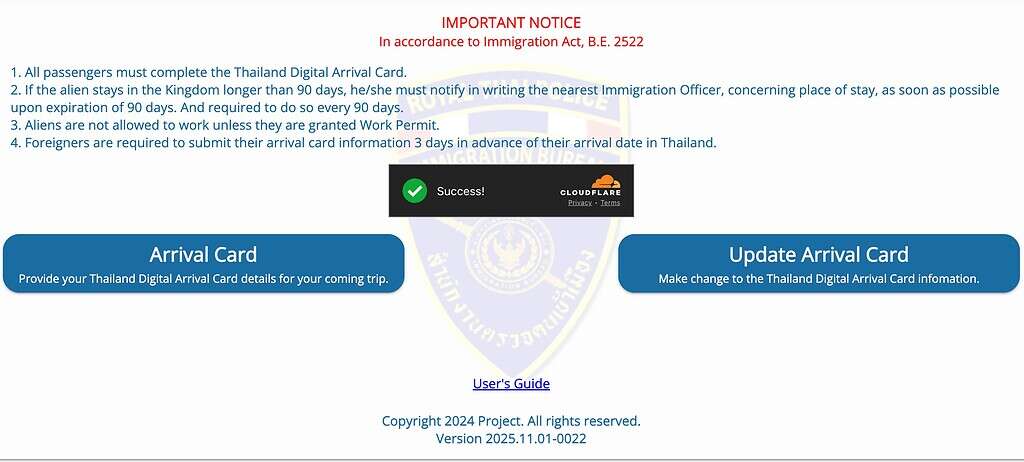
Before you even board your flight to Thailand, make sure you’ve filled out the Thailand Digital Arrival Card (TDAC), it’s required for all incoming travellers.
The process is simple enough, but some travelers have reported issues with the website.
If that happens to you, try switching to a different browser or using incognito mode, that usually fixes the glitch.
Once you’ve completed the form, you’ll be sent a confirmation email with your QR code. Take a screenshot, save the photo, and keep the email handy in case immigration asks to see it. It’s better to have it ready than scramble last minute at the airport.
One of the most common scams in Thailand right now is tied to the TDAC form. Scammers have created fake websites charging travellers to fill out the form, sometimes as high as $50 or more, when in reality, the TDAC is completely free and requires no payment whatsoever.
I made a Facebook video about this recently. On my flight from Vancouver to Bangkok, I was seated between two passengers who both ran into issues with the form.
One had filled in the wrong arrival info because of time zone confusion, and the other told me he had paid for a “fast-tracked” TDAC.
He never got a confirmation, and I had to break the news that there’s no such thing. There’s only one real form, it’s free, and confirmation should be instant.
There are booths and sections at the airport where you can complete your TDAC upon arrival if you haven’t done it beforehand.
However, it’s something you might as well get done early, it makes the arrival process smoother and saves you from unnecessary stress, especially if the immigration line is long.
Know the Visa Rules Before You Go
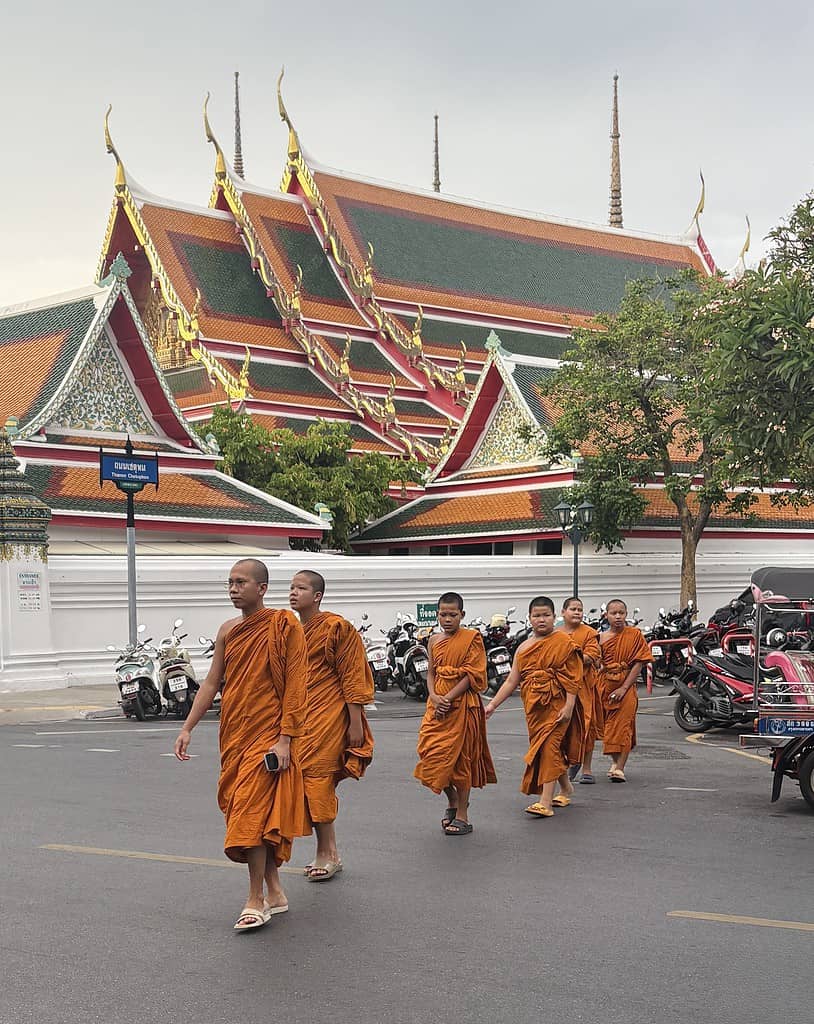
If you’re from a visa-exempt country, you are eligible to stay in Thailand for up to 60 days.
This includes an initial 60-day stay plus an option for 30-day extension, which you can request at an immigration office with completed documents.
Keep in mind, however, that the process for extending your stay may vary depending on the province, what’s required in Bangkok might be different from what’s requited in Phuket or Chiang Mai.
If you overstay your visa, be prepared to pay a fine of 500 Baht per day, up to a maximum of 20,000 Baht.
And don’t assume you can just do a quick border run to reset your stay, Thailand has been cracking down on this practice, especially if you’ve been staying in the country for extended periods without leaving.
For example, travellers who’ve been in Thailand for 90 days and attempt a quick border hop to Vietnam or another neighbouring country for a day or two may be denied re-entry.
On the other hand, if you’re doing a full Southeast Asia trip and plan to leave Thailand for a week or two before returning, you’re unlikely to face any issues. Thai immigration is primarily watching for those who appear to be living in the country long-term without the proper visa.
Also worth knowing: Thailand has an onward travel requirement. Technically, you’re expected to show proof of your departure from the country upon arrival.
This could be a flight ticket or some form of booked transportation. While many travellers, including myself, have entered the country without being asked for it, there is always a chance the airline might check at check-in, or Thai immigration may ask upon arrival. If you’re unable to provide proof, you could be denied boarding or entry.
That said, there are countless visitors every year who enter without onward tickets and have no issues at all. Still, it’s worth being prepared just in case.
For the most up-to-date and country-specific visa information, check your government’s official travel site before departing.
Respect the Monarchy — Seriously
In Thailand, the monarchy is deeply respected, and any form of criticism, mockery, or disrespect toward the royal family is illegal under lèse majesté laws.
This applies both online and in person, even casual jokes, memes, or offhand comments can lead to serious consequences, including fines and jail time. The Thai government enforces these laws strictly, and they’re not something to take lightly.
Avoid conversations, comments, or any social media posts about the royal family, not just while you’re in the country but even leading up to your trip.
Beyond legality, it’s also about cultural respect. As a visitor to Thailand, it’s important to be mindful of not only local laws, but also the customs and values that shape daily life.
Respecting the monarchy is part of that, and showing awareness is something you must keep in mind.
Planning your first trip and feeling overwhelmed? Join my webinar below where I walk you through what to know before visiting, plus insider tips you won’t find in guidebooks!
Plan Your Thailand Trip with Confidence
4 Hours of Expert Travel Advice — Routes, Scams to avoid, What to book, and more.
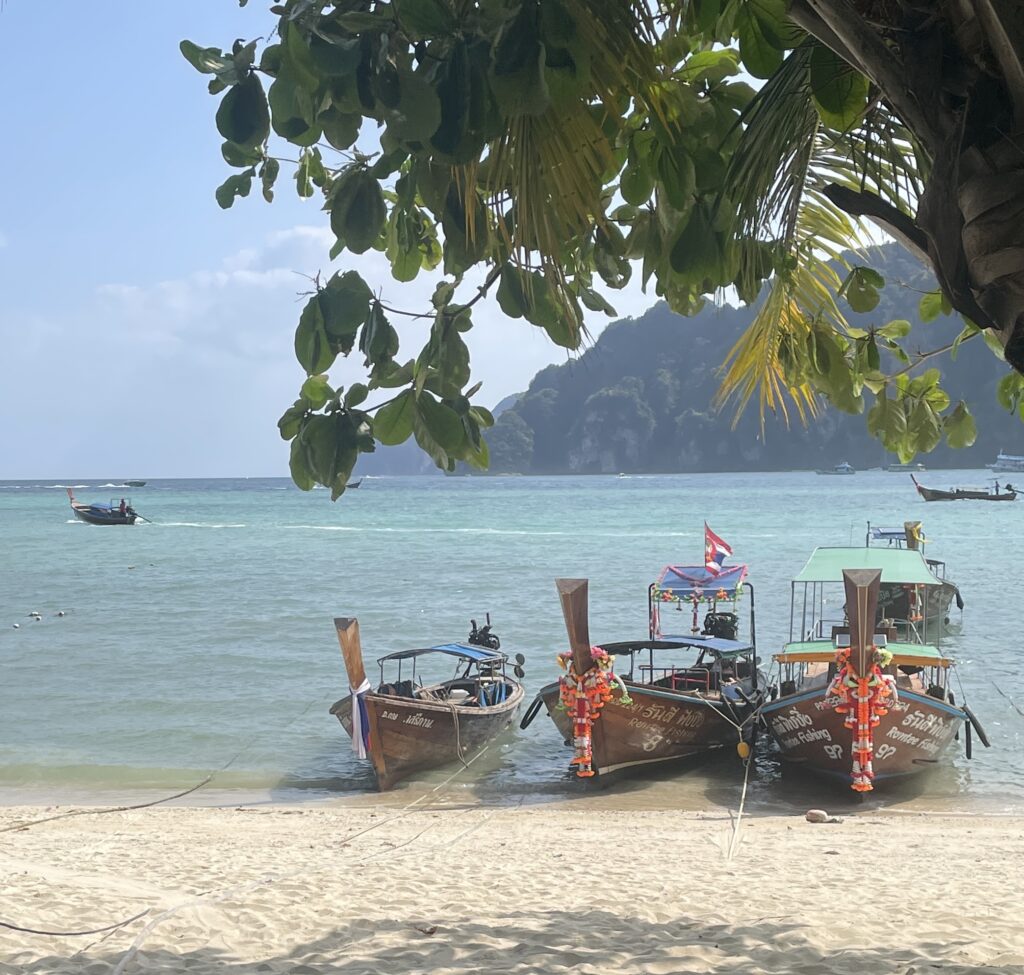
Be Careful of Thailand’s Intense Heat
Thailand’s heat and humidity can be intense, especially if you’re not used to tropical climates.
Whether you’re exploring temples in Bangkok or lounging on the beaches of Phuket, the sun can take a toll fast.
Many travellers underestimate just how dehydrating and draining the heat can be. Drink water regularly, you have no excuses 7-Eleven shops are everywhere, and seek shade when possible.
Wear light, breathable clothing and listen to your body, if you’re feeling dizzy, fatigued, or overly hot, it’s time to take a break.
Heat exhaustion is common, but it’s preventable with a bit of care. Many people don’t take heat exhaustion seriously, but you should.
Red Flags Mean Dangerous Water — Don’t Swim

When it comes to red flags on Thai beaches, you’re going to hear a lot of different opinions online about whether to take them seriously.
But let’s be real, this is coming from someone who’s spent multiple months each year in Thailand, and who regularly follows local news: drownings happen, and they often happen because visitors ignore red flag warnings.
These flags aren’t there just for show. They’re placed by lifeguards to indicate unsafe swimming conditions, including strong currents, dangerous waves, or changing tides. If you choose to enter the water despite these warnings, you’re doing so at your own risk.
Also consider when you’re visiting Thailand. During the off-season (roughly mid-April through December for most of the country, except areas like the Gulf of Thailand), the seas, especially in places like Krabi and Phuket, tend to be rougher, with stronger swells and unpredictable conditions.
Bottom line? The lifeguards know the beaches better than anyone. If you see a red flag, trust it and stay out of the water. Your safety is worth more than a swim.
Thailand Defamation Laws
Thailand’s defamation laws are strict, and they extend to online content as well. You can be sued or even criminally charged for making accusations or negative claims about individuals or businesses, even if what you’re saying is true.
Tourists have faced legal trouble for leaving harsh reviews online or complaining publicly about hotels, restaurants, or tour companies. What might seem like a harmless rant back home can escalate quickly in Thailand.
Even truthful statements can be considered defamation under Thai law if they damage someone’s reputation and aren’t in the public interest.
This applies to social media posts, Google reviews, and even private forums. The law prioritizes maintaining public harmony and respect over personal expression.
Your best bet? Keep things light, casual, and far from aggressive. For example, if the soup was cold or service felt rushed, it’s okay to mention it, just avoid judgmental or accusatory language.
Reviews that come across as personal attacks, overly emotional, or sarcastic are best avoided. Handle serious disputes privately or through proper channels.
At the end of the day, you’re a guest in the country, and showing respect for both the culture and legal system goes a long way in keeping your travels smooth and drama-free.
Stay Aware of Common Tourist Scams in Thailand

Let’s get this out of the way: yes, scams happen in Thailand, just like they do in many tourist-heavy countries.
That doesn’t mean you should be paranoid, but you should definitely be aware.
Most scams in Thailand are low-stakes and opportunistic, like an inflated tuk-tuk fare, overpriced boat tours, or someone telling you a temple is “closed” and redirecting you to a shop or tailor they get a commission from.
Others can be more serious, like fake TDAC websites or rental scams with motorbikes and jet skis.
The key is staying alert without overthinking it. Do your research, know the ballpark prices of things, and always trust your gut. If something feels off or too good to be true, it probably is.
And here’s the truth: 99% of Thai locals are kind, helpful, and honest. But like anywhere in the world, the small 1% of opportunists are the ones that give everyone else a bad rep.
Save the Tourist Police Number: 1155
Thailand has a dedicated Tourist Police force, and yes, they’re actually helpful.
If you ever find yourself in a tricky situation, whether it’s dealing with a scam, losing your passport, or needing help with translation, you can dial 1155, the official Tourist Police hotline. They speak English and are specifically trained to assist foreigners.
This isn’t your average emergency line, it’s tailored to help tourists navigate the unique challenges that might come up while visiting.
You can also approach Tourist Police booths in major cities, tourist hubs, and at the airport.
Hopefully, you’ll never need it, but knowing this number exists is a small thing that can make a big difference if something goes wrong.
7-Eleven Will Become Your Best Friend
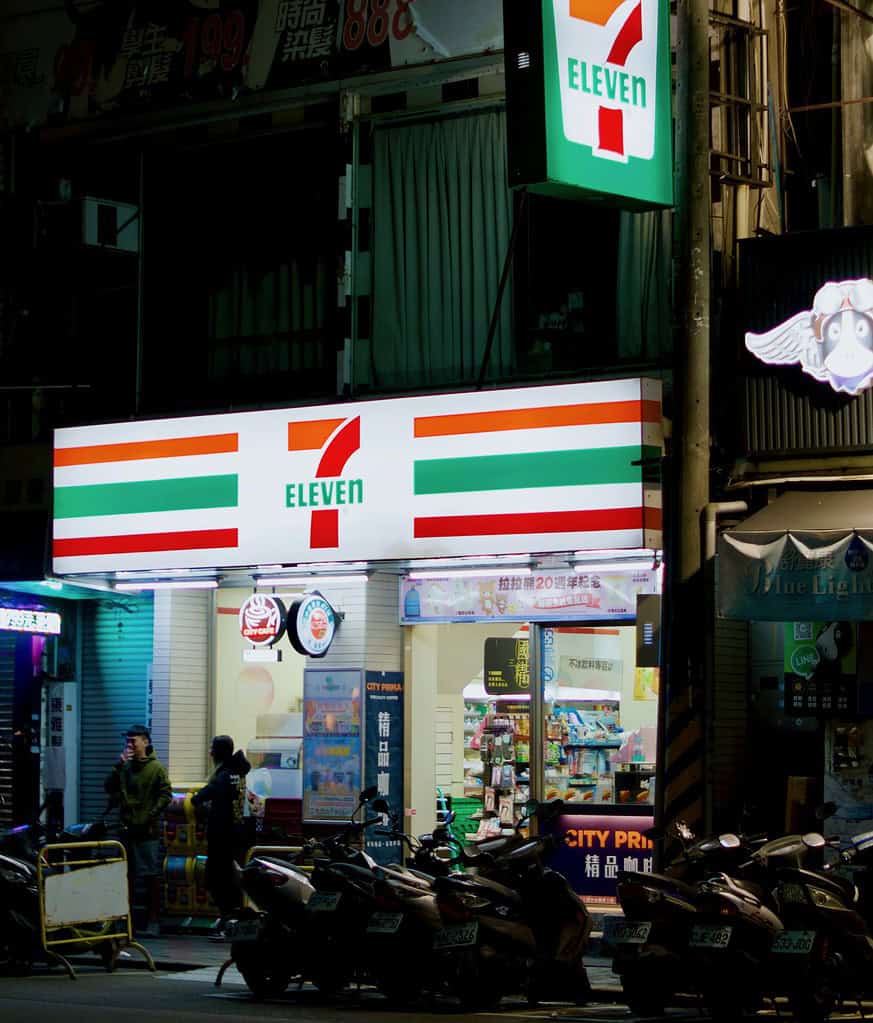
It sounds funny, but once you land in Thailand, you’ll quickly understand why 7-Eleven is practically part of the culture here.
Need medicine? Go to 7-Eleven. Need water? Go to 7-Eleven. Need souvenirs, a snack, a cold drink, or a break from the heat so you can enjoy some AC while figuring out what else to buy, maybe even a new pair of headphones? Go to 7-Eleven. You get the point.
These stores are everywhere, open 24/7, and stocked with everything from toiletries and electronics to hot meals and iconic toasties.
Honestly, Thailand 7-Eleven snacks you MUST try are a whole experience of their own.
Whether you’re hungry, unprepared, or just curious, 7-Eleven will quickly become your new best friend in Thailand… whether you like it or not!

What to Expect When You Land in Thailand
Once your plane touches down and it’s time to begin your trip to Thailand, the arrival process is fairly straightforward, but knowing what to expect can make it much smoother.
Immigration:
Your first stop will be immigration. If you’ve completed your Thailand Digital Arrival Card (TDAC), make sure to have your QR code screenshot ready, or access to the email confirmation.
This form can be completed up to 72 hours before your flight. It helps to have it ready to make your entry smoother and avoid delays at immigration.
Customs:
After immigration, you’ll move through customs. This is usually a quick process unless you’re carrying items that raise red flags.
Airport Overview – Here’s a quick breakdown of the major airports you might land in:
- BKK – Bangkok Suvarnabhumi: This is Thailand’s largest and busiest international airport, and most visitors will arrive here. Immigration lines can look intimidating, but they often move faster than expected depending on the time of day. If it’s your first time landing here, it helps to know how to get into Bangkok from BKK Airport so you can move on quickly once you clear customs.
- DMK – Don Mueang Airport (Bangkok): A smaller, secondary airport in Bangkok mostly used for budget airlines and regional flights. If you’re flying within Asia, try to fly into DMK. It’s far less crowded and quicker to get through.
- CNX – Chiang Mai International Airport: Small and efficient. SIM card stalls and taxi counters here tend to be more straightforward. It’s a convenient and smooth experience overall.
- HKT – Phuket International Airport: This is one of Thailand’s busiest airports after BKK. It can get crowded, especially during high season, but is still manageable.
SIM Cards & Taxis/Ride Sharing Apps/Transfers
SIM card stalls are readily available in all airports, but be cautious. In some places, the taxi counters can be pushy or overpriced.
Personally, I recommend using ride-share apps like Grab or Bolt, both are widely used throughout Thailand and tend to be more reliable and transparent in pricing. Download the app before, get your information setup so when you land you can be on your way!
Arrival Tip: Show Up With Some Thai Baht
It’s smart to arrive with at least 500 to 1,000 THB in cash. Some stalls, taxis, or even small shops may not accept card payments. However there are plenty of ATM’s at any airport you’ll arrive at.
By the way if you’re landing in BKK, the cheapest way to exchange currency is by using SuperRich, they have the most competitive rates and they have a branch conveniently located in Bangkok’s main BKK airport.
This is one of my many top travel tips for Thailand, have a wonderful visit to the Land of Smiles!

Do I need to complete the Thailand T.8 (TDAC) card before arriving?
Yes, all travellers are required to complete the T/DAC form online within 72 hours before arrival. It’s free and quick just make sure to screenshot your QR code in case of email delays.
How long can I stay in Thailand without a visa?
Citizens of visa-exempt countries can stay for up to 60 days, with the option to extend for another 30 at a local immigration office. Overstaying can lead to fines or penalties.
Is it safe to drink tap water in Thailand?
No, stick to bottled water only for drinking and brushing your teeth. Bottled water is affordable and widely available at places like 7-Eleven.
What’s the best way to get from the airport to the city?
Airports have SIM card and taxi counters, but it’s often better to use rideshare apps like Grab or Bolt, especially in places like Bangkok or Phuket for convenience and price transparency.
