
17 Reasons Your Vietnam Trip Won’t Go as Planned
Vietnam is one of those places where everyone tells you it’s going to be incredible, and they’re right. But what they don’t tell you is that almost nothing will go exactly as you planned.
And listen, I’m a planner. I map out itineraries, research the best routes, book buses and trains in advance, and show up thinking I’ve got it all figured out.
But through my time traveling in Vietnam, I’ve learned that your plans will shift whether you want them to or not.
Sometimes it’s in a good way. You’ll stumble into a lantern-lit street in Hoi An you didn’t know existed, meet other travelers who convince you to add an extra stop, or fall in love with a city you only planned to pass through.
Other times, it’s obstacles you didn’t see coming, motorbike traffic that paralyzes you with fear, stomach issues that derail a full day, or border crossings that take three times longer than expected.
This isn’t necessarily a bad thing. It’s just how Vietnam works. But it helps to know what you’re walking into so you’re prepared when things don’t unfold the way you imagined.
Here are seventeen reasons your Vietnam trip won’t go as planned, and what to expect when they happen.
The Motorbike Traffic Will Overwhelm You at First
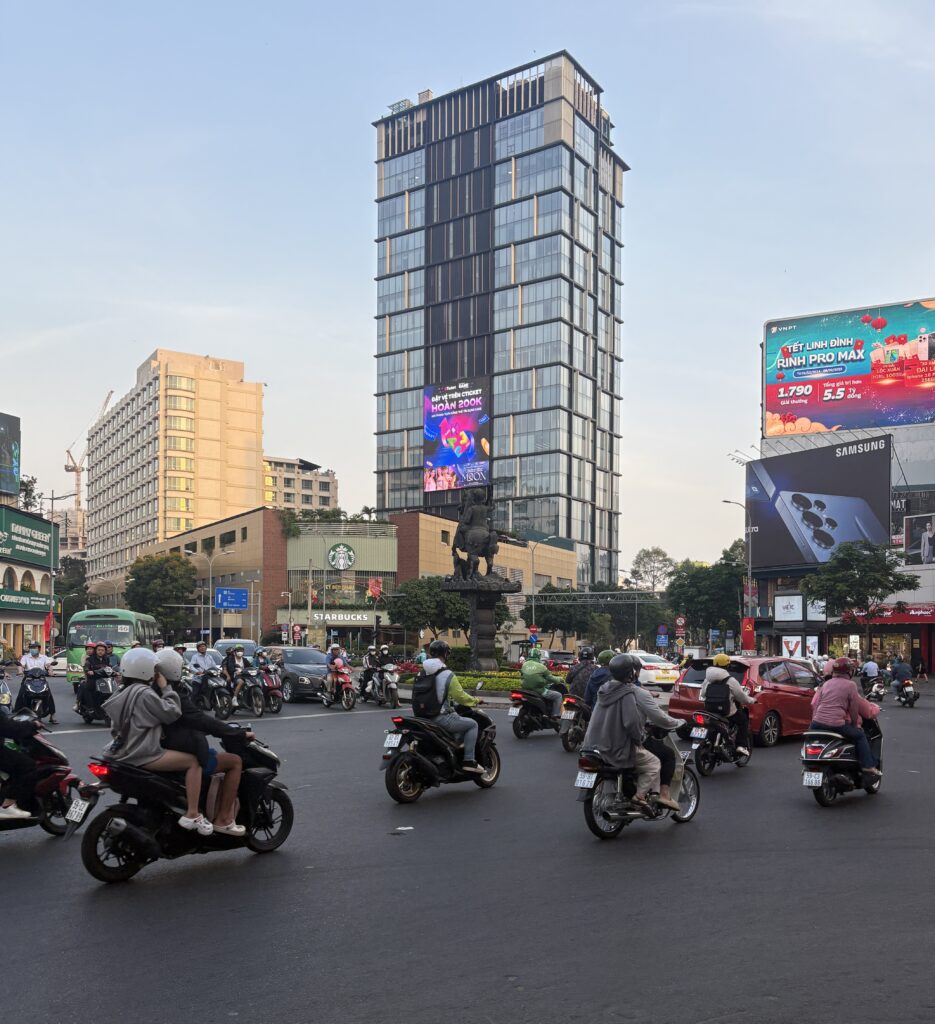
You know Vietnam has a lot of motorbikes. Everyone knows Vietnam has a lot of motorbikes. But knowing it and experiencing it are two completely different things.
Crossing the street in Hanoi or Ho Chi Minh City feels like a life-or-death decision your first time. Thousands of motorbikes flowing in every direction, no one stopping, horns blaring constantly.
The trick is to walk slowly and steadily. Don’t stop. Don’t run. Just keep moving at a predictable pace and the motorbikes will flow around you like water.
Locals make it look easy. Tourists freeze on the curb for five minutes trying to find a gap that doesn’t exist.
It takes a day or two to build the confidence to just walk into traffic and trust that it’ll work. But once you do, it becomes second nature.
Your carefully planned walking routes through the Old Quarter? You’ll spend the first hour too terrified to cross the street.
Street Food Safety Isn’t What You Were Told
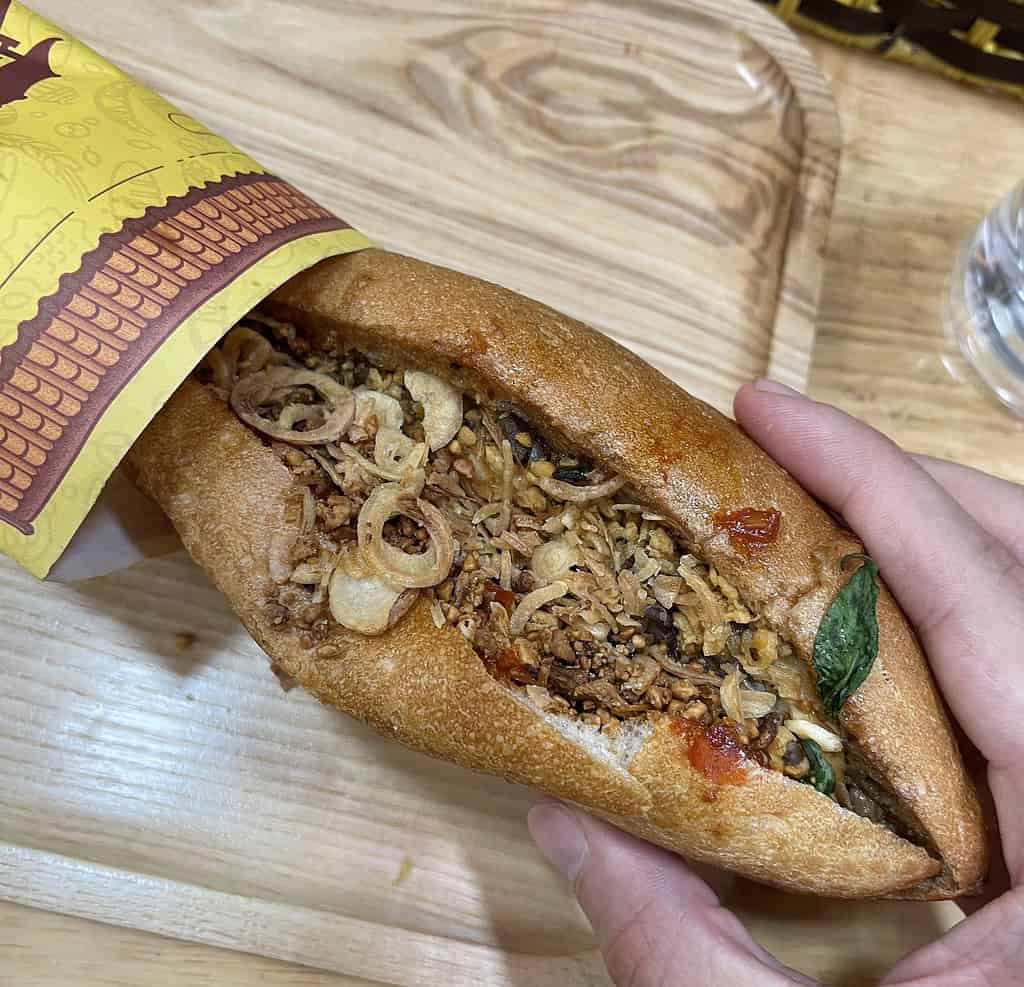
Everyone has an opinion about street food in Vietnam, and most of it is wrong.
Some people will tell you street food is totally safe and you’ll never get sick. Others will tell you to avoid it entirely. The truth is somewhere in the middle.
Street food in Vietnam is generally safe if you’re eating at busy stalls with high turnover. Fresh food that’s cooked in front of you and served hot is usually fine.
The problem is when food sits out for hours, when hygiene standards slip, or when your stomach just isn’t used to the local bacteria.
I’ve eaten street food all over Vietnam and been fine most of the time. But I’ve also had days where my stomach wasn’t happy. It happens.
Use common sense. Eat at busy places. Avoid anything that looks like it’s been sitting out. Wash your hands.
And accept that there’s still a chance your stomach might not agree with something.
Your plan to eat street food every meal? You might need to dial it back after a few days.
Border Crossings Take Longer Than You Think
If you’re traveling overland from Cambodia, Laos, or China into Vietnam, border crossings will take longer than you expect.
What should be a 30-minute process can easily turn into two or three hours. Lines are long. Officials move slowly. Paperwork gets checked multiple times.
And if you’re crossing at a land border during peak travel season, add even more time. Buses full of tourists, locals hauling goods, and everyone waiting in the same line.
Some borders are more efficient than others. But none of them are fast.
Bring snacks. Bring water. Bring patience. And don’t schedule anything tight on the day you’re crossing a border.
Your plan to cross the border and immediately catch a connecting bus? You’ll probably miss it.
Your Stomach Will Rebel at Some Point (Even If You’re Careful)

This is the one nobody wants to hear, but it’s true. At some point during your Vietnam trip, there’s a decent chance your stomach will have opinions.
It might be food poisoning from something you ate. It might be a stomach bug from bacteria your body isn’t used to. It might be dehydration, heat exhaustion, or just general travel fatigue catching up with you.
I’ve been to Vietnam and had days where I felt fine and days where I didn’t. It’s not always preventable.
Sometimes your stomach just rebels, and you spend a day feeling miserable in your hotel room.
Pack Imodium, electrolyte packets, and any stomach medication you trust. Know where the nearest pharmacy is.
Stay hydrated. And if your stomach does act up, don’t panic. It usually passes within a day or two.
The good news? Vietnamese pharmacies are well-stocked and cheap. You can walk in, explain your symptoms, and walk out with medication that actually works.
Your packed itinerary with no rest days? You might need to clear a day to recover.
The Heat and Humidity Hit Harder Than You Expect

Vietnam is hot. And humid. And the combination of both will hit you harder than you think.
The heat in Central and Southern Vietnam, especially from April to September, can be genuinely oppressive. We’re talking 35-40°C with humidity that makes the air feel thick and heavy.
You’ll sweat constantly. Walking outside for 10 minutes feels like a workout. Your clothes will be drenched by midday.
Air conditioning becomes a survival tool. You’ll plan your day around it, ducking into cafés, restaurants, and hotels just to cool off.
If you’re visiting during the cooler months (November to February), it’s much more manageable.
But if you’re there during the hot season, accept the heat, dress in light breathable clothes, and embrace the sweat.
Your carefully planned full-day walking tours? You’ll cut them short. That’s just reality.
Vietnam Is Way Bigger Than It Looks on a Map
Most people know Vietnam is long, but nobody really understands how long until they’re trying to get from Hanoi to Ho Chi Minh City.
Vietnam is over 1,600 kilometers from north to south. That’s a 30+ hour bus ride or multiple domestic flights.
Cities that look close on a map can take 12 hours by bus or train. The distances add up fast, and travel days eat into your itinerary more than you expect.
Don’t try to see the entire country in two weeks. Pick a region. North or South or Central. Focus on that. You’ll enjoy it more than sprinting through the entire country.
Use domestic flights when possible. They’re cheap and save you from brutal overnight bus rides.
Your plan to see Hanoi, Sapa, Halong Bay, Hue, Hoi An, Da Nang, Nha Trang, Dalat, and Ho Chi Minh City in 10 days? You’ll spend more time in transit than actually enjoying Vietnam.
Scams Are More Common Than You’d Like

Vietnam is generally safe, but scams targeting tourists are common enough that you need to stay alert.
Taxi scams are the most frequent. Drivers will take longer routes, claim the meter is broken, or quote inflated prices. Use Grab instead of random taxis whenever possible.
You’ll also encounter overcharging at markets, fake tour operators, and people selling you things you didn’t ask for and then demanding payment.
Some scams are obvious. Others are subtle. A friendly local who offers to show you around for free and then takes you to their cousin’s shop. A cyclo driver who agrees on a price and then demands triple at the end.
Stay alert. Agree on prices before you commit. Don’t hand over money until you’ve received what you paid for. And if something feels off, trust your gut.
Most people are genuine and helpful. But enough scams exist that you need to keep your guard up.
Your assumption that everyone is trustworthy? You’ll learn to verify prices and details pretty quickly.
The Rainy Season Isn’t as Predictable as You Think
Vietnam’s rainy season varies by region, and it’s not as simple as “avoid these months.”
The North has rain from May to October. The South has rain from May to November. Central Vietnam gets hit hardest from September to December.
But rainy season doesn’t mean it rains all day every day. It usually means short, heavy downpours in the afternoon or evening.
You can still have beautiful mornings and explore without issues. But the timing is unpredictable. Sometimes it rains for 20 minutes. Sometimes it rains for three hours straight.
And when it rains in Vietnam, it rains. Streets flood. Motorbikes splash through ankle-deep water. Getting around becomes a mess.
Bring a small travel umbrella or a rain jacket. Wear sandals that can get wet. Don’t plan outdoor activities assuming the weather will cooperate.
Your beach day during rainy season? It might be sunny. Or it might get cancelled by a storm.
Overnight Buses and Trains Aren’t Always Comfortable
Overnight buses and trains in Vietnam are a budget traveler’s best friend. They save you a night of accommodation and get you to your next destination while you sleep.
But they’re not always comfortable. Sleeper buses have narrow beds, limited legroom, and questionable cleanliness. The roads are bumpy. Drivers honk constantly. You’ll get woken up multiple times.
Trains are better, but still hit-or-miss. Hard sleepers are exactly what they sound like. Soft sleepers are more comfortable but book up fast.
Some people sleep fine. Others barely sleep at all. If you’re doing an overnight bus or train, manage your expectations. Bring earplugs. Bring a sleep mask. And accept that you might arrive tired.
Your plan to save money with overnight buses and wake up refreshed? You’ll probably need a nap when you arrive.
You’ll Underestimate How Cheap Everything Actually Is

Vietnam is affordable, but it’s cheaper than most people expect. Street food meals cost $1-3. Coffee is $1-2. Beer is $0.50-1. Accommodation ranges from $10-30 per night depending on your budget.
Even nicer restaurants, tours, and activities are shockingly affordable compared to Western prices.
You’ll budget a certain amount per day and realize you’re spending half of what you planned.
The temptation is to upgrade everything. Nicer hotels, fancier meals, more tours. And honestly, you can afford to without blowing your budget.
But the affordability also means you’ll say yes to more things. An extra massage. A cooking class. A day trip you weren’t planning. It all adds up, but it’s still cheap.
Your strict budget? You’ll probably underspend and then splurge on things you didn’t plan for.
Language Barriers Exist Outside Tourist Areas
In major tourist areas like Hanoi, Ho Chi Minh City, Hoi An, and Halong Bay, English is common enough that you’ll get by fine.
Outside those areas? Not so much. Menus won’t have English translations. Hotel staff might not speak English. Ordering food becomes a game of pointing and hoping.
Download Google Translate. Learn a few basic Vietnamese phrases. And be prepared to communicate with gestures and patience.
Most locals are friendly and will try to help even if there’s a language barrier. But it’s harder than you expect when you’re trying to order food or ask for directions.
Your assumption that English will work everywhere? It won’t, and you’ll need to adapt.
Sidewalks Are for Motorbikes, Not Walking
In Vietnam, sidewalks are not for pedestrians. They’re for motorbikes, street vendors, parked bikes, and outdoor seating.
You’ll try to walk on the sidewalk and find it completely blocked. So you’ll walk in the street alongside motorbikes and cars.
It’s chaotic, but it’s normal. Locals do it without thinking. Tourists find it stressful at first.
Watch where you’re stepping. Stay aware of traffic. And accept that walking in Vietnam is just different.
Your planned evening stroll through Hanoi’s Old Quarter? You’ll be dodging motorbikes the whole time.
You’ll Want to Stay Longer Than You Planned
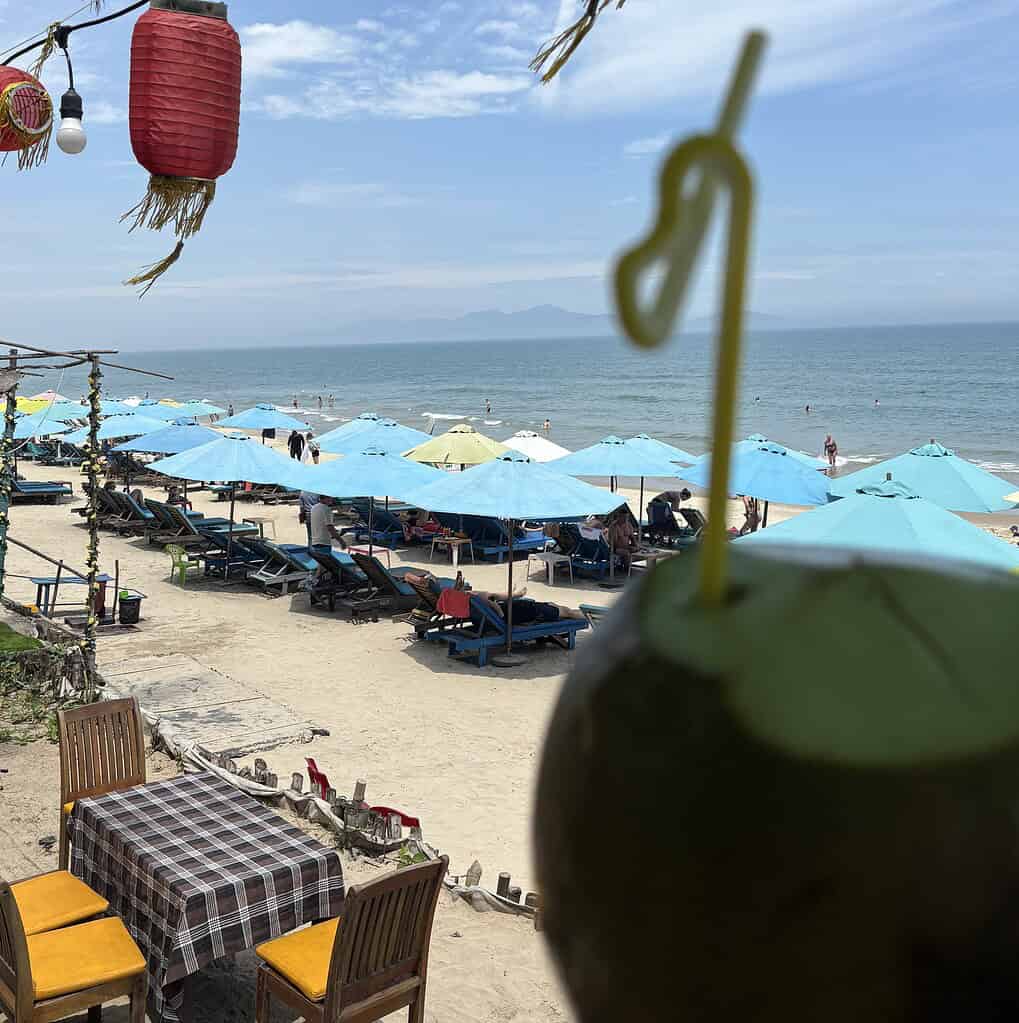
This one is almost guaranteed. No matter how long you planned to stay in Vietnam, it won’t feel like enough.
You’ll fall in love with Hoi An and realize you need more time there. You’ll meet other travelers who tell you about places you didn’t know existed.
You’ll find a café or a neighborhood that makes you want to cancel your next destination and just stay put.
Vietnam has a way of making you want to slow down. The food is incredible. The people are welcoming. And once you settle in, leaving feels harder than you expected.
I’ve had trips where I planned to spend three days somewhere and ended up staying a week. I’ve rescheduled buses, extended hotel bookings, and completely scrapped parts of my itinerary because I just wasn’t ready to move on.
Build flexibility into your plans if you can. Leave room to stay longer in places you love.
Your tightly packed two-week itinerary? You might start wishing you had three.
Coffee Culture Is Next Level

Vietnamese coffee is incredible, and coffee culture in Vietnam is a whole vibe that nobody prepared you for.
Coffee shops are everywhere. They’re not just for caffeine. They’re for sitting, people-watching, working, or just killing time.
And the coffee itself? Strong, sweet, and served over ice. Cà phê sữa đá (iced coffee with condensed milk) is the default, and it’s dangerously good.
You’ll stop for coffee multiple times a day. Once in the morning. Again mid-afternoon. Again because you walked past a cute café and couldn’t resist.
Coffee in Vietnam is cheap ($1-2) and the café culture is one of the best parts of daily life.
Your plan to limit your caffeine intake? Vietnam’s coffee will ruin that immediately.
Haggling Is Expected (And Exhausting)
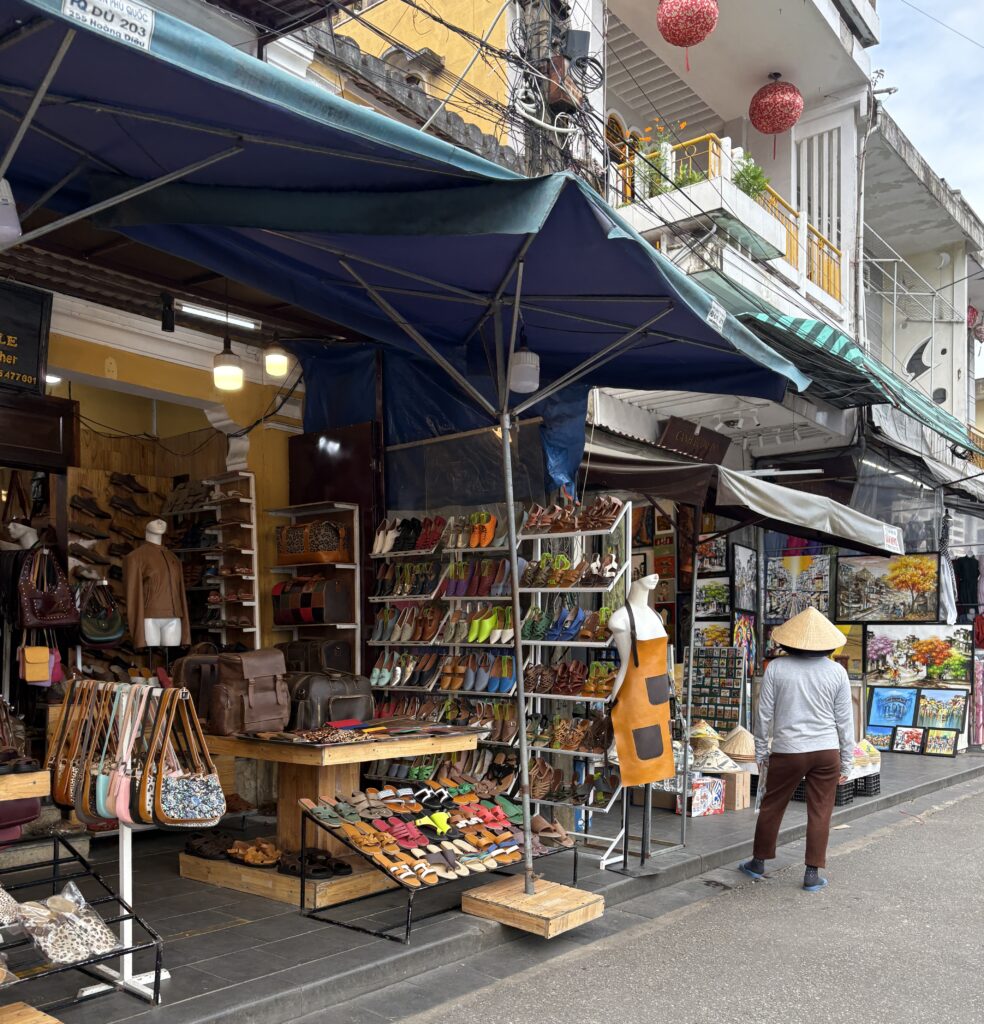
In markets, with street vendors, and sometimes even in shops, haggling is expected.
The first price you’re quoted is rarely the real price. It’s an opening offer. You’re expected to negotiate.
For some people, haggling is fun. For others, it’s exhausting. Start by offering half of what they quote.
Meet somewhere in the middle. And be prepared to walk away if the price doesn’t feel right.
Don’t haggle over tiny amounts just to win. But also don’t overpay because you feel awkward about negotiating.
It’s part of the culture, and vendors expect it. But after a few days, you might get tired of the constant back-and-forth. Your plan to just pay asking price? You’ll overpay for everything.
Traffic Will Eat Up More Time Than You Budgeted
Traffic in Vietnam, especially in Hanoi and Ho Chi Minh City, is no joke. And it will mess with your schedule more than you expect.
Rush hour turns a 20-minute drive into an hour-long crawl. Even outside of rush hour, traffic is unpredictable. Construction, motorbikes everywhere, narrow streets, anything can cause delays.
You’ll think you have plenty of time to get somewhere, and then you’ll spend 45 minutes stuck in traffic watching the clock.
Buses, taxis, Grab, you’re at the mercy of traffic. Always add buffer time. If something starts at 6 p.m., plan to leave by 4:30 p.m.
Check Google Maps traffic before you go. And accept that sometimes you’ll just be late.
Your plan to squeeze in one more activity before dinner? Traffic might kill that idea.
You’ll Spend Way More Money Than You Expected
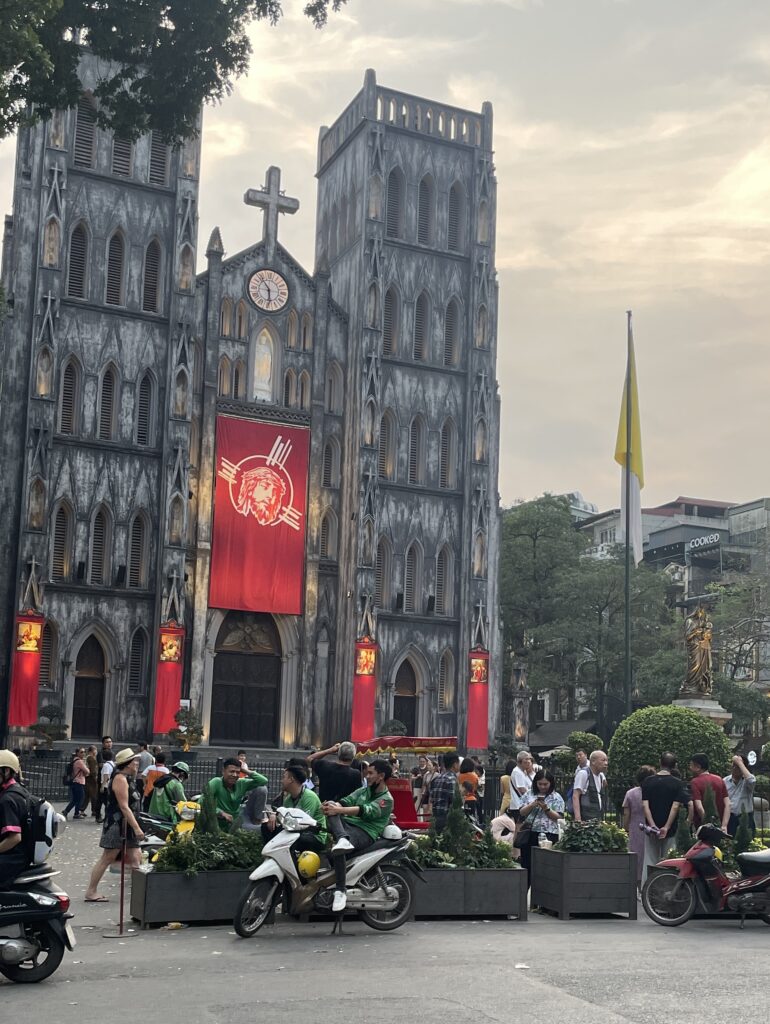
Vietnam is affordable, but it’s easy to spend way more than you budgeted for.
Street food is cheap. Accommodation is cheap. Transport is cheap. But then you start adding things up.
Tours, entrance fees, nice dinners, drinks, shopping, massages, spontaneous day trips, it all adds up fast.
You’ll also spend money on things you didn’t anticipate. Extra laundry because you’re sweating through clothes.
Medication from the pharmacy. Replacing shoes that broke. Extending your hotel stay because you don’t want to leave.
Vietnam makes it easy to spend money because everything feels affordable in the moment. But those small purchases stack up quickly.
Set a realistic daily budget and track your spending. Leave room for spontaneous stuff. And don’t assume “cheap country” means you won’t overspend. Your plan to stick to a strict budget? You’ll blow past it by week one.
Final Thoughts on What Won’t Go as Planned in Vietnam
If there’s one thing you should take away from this, it’s that your Vietnam trip will not go exactly as planned. And that’s okay.
You’ll deal with motorbike chaos, stomach issues, heat you weren’t ready for, and scams you didn’t see coming.
You’ll spend more money than you budgeted, want to stay longer than you planned, and realize halfway through that your carefully researched itinerary needed way more flexibility.
But here’s the thing, those unplanned moments are often the best parts of the trip. The street food stall you stumbled into at midnight.
The extra days you stayed in Hoi An because leaving felt wrong. The random café in Hanoi that ended up being your favorite spot.
Vietnam has a way of taking your plans and gently (or not so gently) rerouting them. Sometimes it’s frustrating.
Sometimes it’s inconvenient. But most of the time, it leads you somewhere better than where you were headed.
So plan your trip. Do your research. Book your buses and trains. But leave room for things to go sideways. Because they will, and that’s exactly what makes Vietnam unforgettable.

How many days do you realistically need in Vietnam for a first trip?
You need 10-14 days minimum. Anything less and you’re rushing. Vietnam is over 1,600 kilometers long, and travel days eat up more time than expected. If you only have a week, pick one region and explore it properly instead of trying to see everything.
Should I book everything in advance or plan as I go in Vietnam?
Book your first few nights, domestic flights, and Halong Bay tours in advance. Everything else can be booked as you go.
Vietnam’s tourism infrastructure handles last-minute bookings well, and flexibility lets you stay longer in places you love. Exception: book everything ahead if traveling during Tet (late January/early February).
How much cash should I carry per day in Vietnam?
Carry 500,000-1,000,000 VND ($20-40 USD) per day for street food, markets, and taxis. Cards work at most hotels and restaurants, but cash is essential for local vendors and rural areas.
ATMs are everywhere in cities, just withdraw larger amounts less frequently to avoid fees piling up.
Is it normal to feel overwhelmed by Vietnam in the first few days?
Completely normal. The motorbike chaos, noise, heat, and sensory overload hit hard in the first 24-48 hours. Most travelers feel stressed initially.
Give it two or three days to adjust. Once you get used to the rhythm, the chaos becomes part of the experience.
