
14 Reasons Your Thailand Trip Won’t Go as Planned
Thailand is one of those places where everyone tells you it’s going to be amazing, and they’re right. But what they don’t tell you is that almost nothing will go exactly as you planned.
And listen, I’m a planner. I map out itineraries, research the best temples and beaches, book everything in advance, and show up thinking I’ve got it all figured out.
But through years of traveling to Thailand, I’ve learned that your plans will shift whether you want them to or not.
Sometimes it’s in a good way. You’ll stumble into a night market you didn’t know existed, fall in love with a neighborhood you weren’t planning to visit, or decide to stay an extra week because leaving feels impossible.
Other times, it’s obstacles you didn’t see coming, burning season air quality, traffic that eats your entire afternoon, or getting sick despite being careful.
This isn’t necessarily a bad thing. It’s just how Thailand works. But it helps to know what you’re walking into so you’re prepared when things don’t unfold the way you imagined.
Here are fourteen reasons your Thailand trip won’t go as planned, and what to expect when they happen.
The Heat and Humidity Will Hit You Harder Than You Think
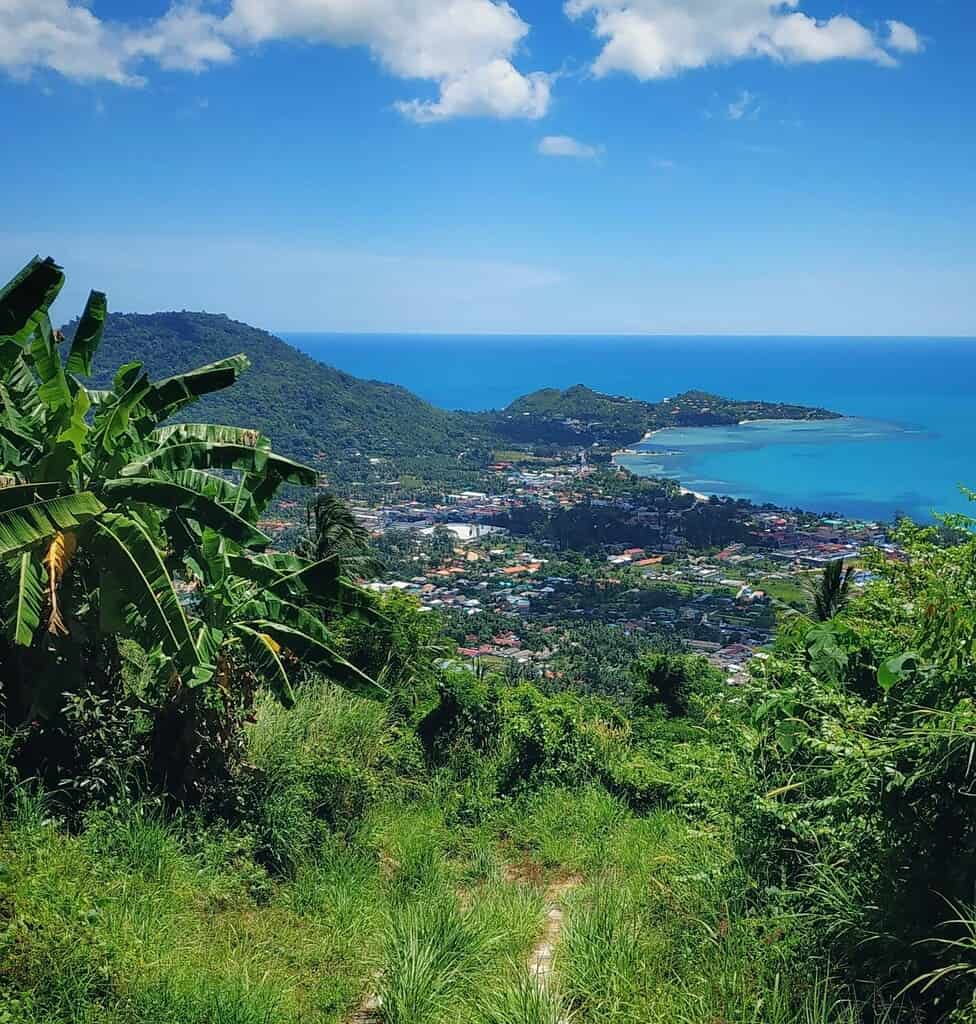
You know Thailand is hot. Everyone knows Thailand is hot. But knowing it and experiencing it are two completely different things.
The heat and humidity, especially from March to May, can be genuinely oppressive. We’re talking 35-40°C with humidity that makes the air feel thick and heavy. You’ll sweat constantly, and walking outside for 10 minutes feels like a workout.
Air conditioning becomes a survival tool. You’ll plan your day around it, ducking into malls, cafés, and 7-Elevens just to cool off.
You’ll drink way more water than you think you need, and you’ll understand why locals move slowly and take afternoon naps.
If you’re visiting during the cool season (November to February), it’s much more manageable.
But if you’re there during hot season, accept the heat, dress in light breathable clothes, and embrace the sweat.
Your carefully planned full-day walking tours? You’ll cut them short. That’s just reality.
Sidewalks and Infrastructure Are Rougher Than You Expect
This catches a lot of first-timers off guard. Thailand’s tourism infrastructure is world-class, but the actual physical infrastructure, sidewalks, roads, steps—can be rough.
Sidewalks are uneven, cracked, and sometimes just missing entirely. There are random holes, exposed rebar, sudden drop-offs, and motorbikes parked in the middle of walkways.
In Bangkok especially, you’ll navigate broken pavement, construction zones, and drainage grates that look ready to collapse.
My mom tripped twice during her trip. Not because she’s clumsy, but because the ground is genuinely unpredictable.
Wear sturdy shoes with good grip. Watch where you’re stepping, especially at night. Don’t assume a sidewalk will stay level.
It’s not a dealbreaker, but it’s definitely something that surprises people. Your planned evening stroll through the city? You’ll be watching your feet the whole time.
Some Areas Are Way More Touristy Than You Imagined
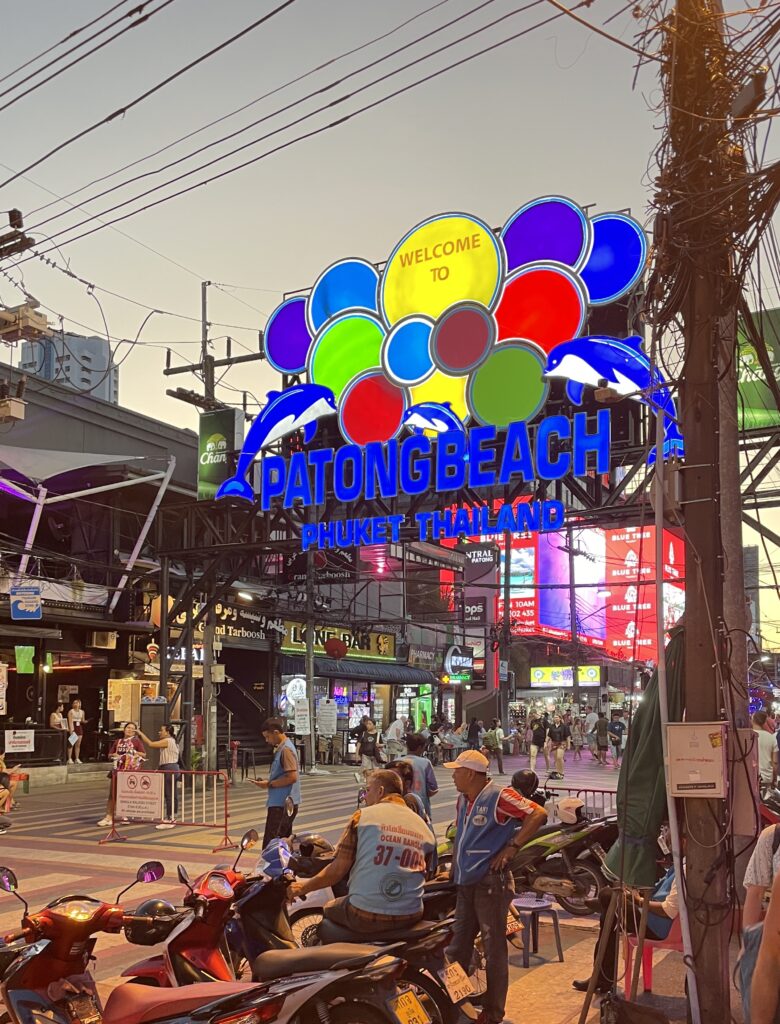
Thailand is touristy. You know this going in. But what nobody tells you is just how overwhelmingly touristy some areas actually are.
Places like Khao San Road in Bangkok, Patong Beach in Phuket, and Walking Street in Pattaya are almost entirely dominated by tourists.
You’ll see more Westerners than locals, hear more English than Thai, and feel like you’re in a theme park version of Thailand.
If you were expecting authentic Thai culture in these areas, you’ll be disappointed. That version of Thailand exists, but you have to be intentional about finding it.
The good news? It’s easy to escape. Stay in neighborhoods like Ari or Thonglor in Bangkok. Visit smaller towns like Lampang or Nan. Eat at local restaurants instead of places with English menus.
Thailand has both the tourist zones and the real local life. Your itinerary might need adjusting once you realize which one you’re in.
Burning Season Will Ruin Your Northern Thailand Plans

If you’re planning to visit Northern Thailand between mid-February and April, this is the one that will completely derail your plans.
Burning season is when farmers burn crop fields to clear land. This creates massive smoke and haze, and the air quality becomes genuinely dangerous.
The Air Quality Index regularly hits 200, 300, or higher in Chiang Mai and Chiang Rai. Anything above 150 is unhealthy. Above 200 is dangerous.
The sky turns gray. Visibility drops. You can’t see the mountains. Your temple visits and trekking tours will feel miserable because you’re breathing thick, smoky air.
I use the AirVisual app religiously to monitor air quality during these months. My advice? Skip Northern Thailand entirely from mid-February through April. It’s not worth the health risk, and it won’t be the experience you imagined.
Your Northern Thailand itinerary? Reschedule it or move it south, trust me or you will regret it!
You’ll Underestimate How Big Bangkok Actually Is
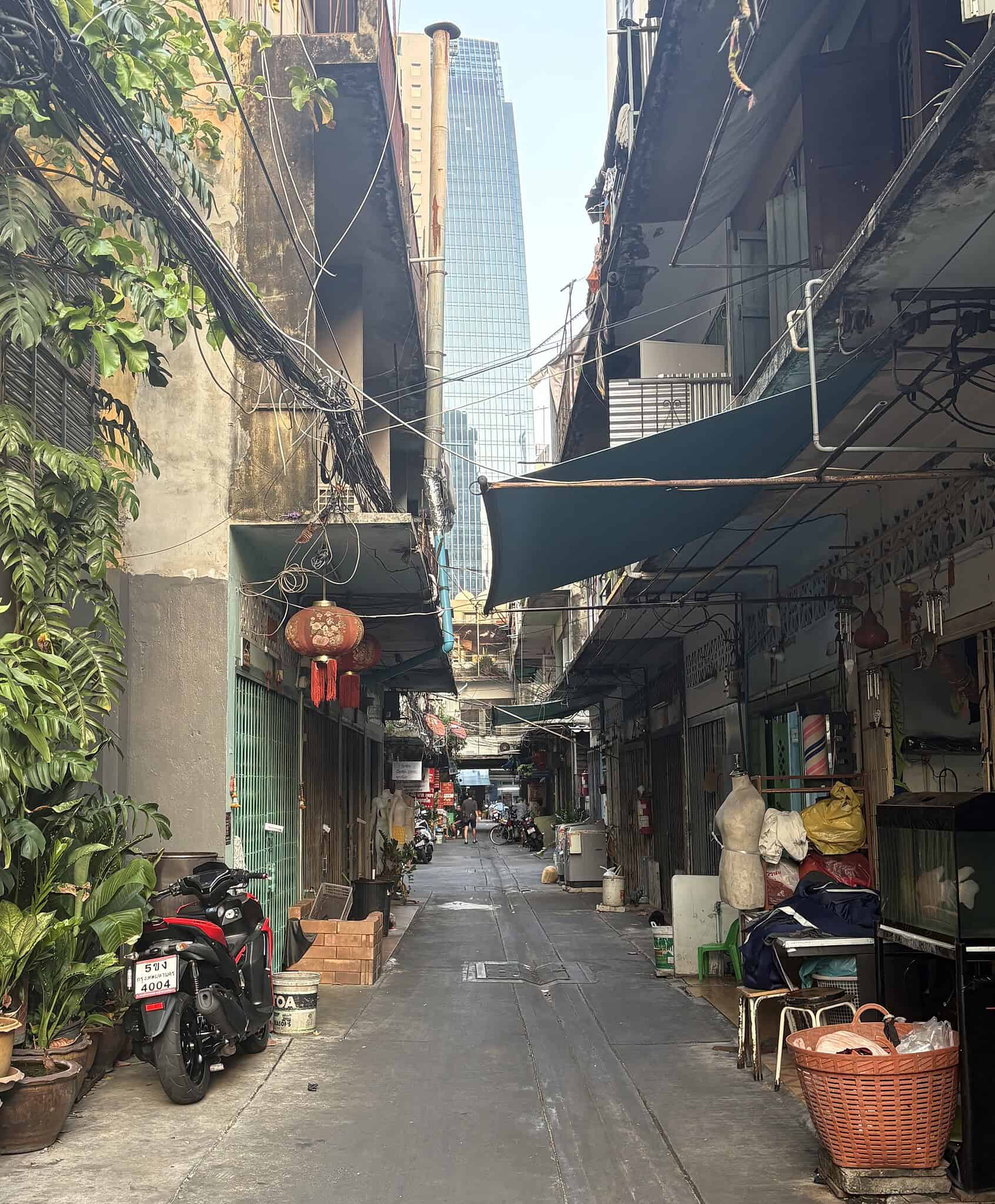
Most people know Bangkok is big, but nobody understands how massive it is until they’re trying to get from one side of the city to the other.
Bangkok sprawls across over 1,500 square kilometers with a population of over 10 million people.
Neighborhoods that look close on a map can take 45 minutes to reach by taxi because of traffic. The BTS and MRT help, but they don’t cover the entire city.
My first time in Bangkok, I underestimated distances constantly. I’d think “that’s only a few blocks away” and then realize it was a 30-minute walk in 35°C heat, or that taking a taxi during rush hour meant sitting in traffic for an hour.
Give yourself time to get places. Don’t overpack your daily itinerary with things on opposite sides of the city.
Use Google Maps and factor in traffic. Your plan to see five attractions in one day? You’ll be lucky to hit three.
Street Food Safety Isn’t What You Were Told
Everyone has an opinion about street food safety in Thailand, and most of it is wrong.
Some people will tell you street food is totally safe and you’ll never get sick. Others will tell you to avoid it entirely. The truth is somewhere in the middle.
Street food in Thailand is generally safe if you’re eating at busy stalls with high turnover. Fresh food that’s cooked in front of you and served hot is usually fine.
The problem is when food sits out for hours, when hygiene standards slip, or when your stomach just isn’t used to the local bacteria.
I’ve eaten street food all over Thailand and been fine most of the time. But I’ve also gotten sick. It happens. Even locals get sick sometimes.
Use common sense. Eat at busy places. Avoid anything that looks like it’s been sitting out. Wash your hands. And accept that there’s still a chance your stomach might not agree with something.
Your plan to eat street food every meal? You might need to dial it back after a few days.
Temple Dress Codes Aren’t Consistently Enforced
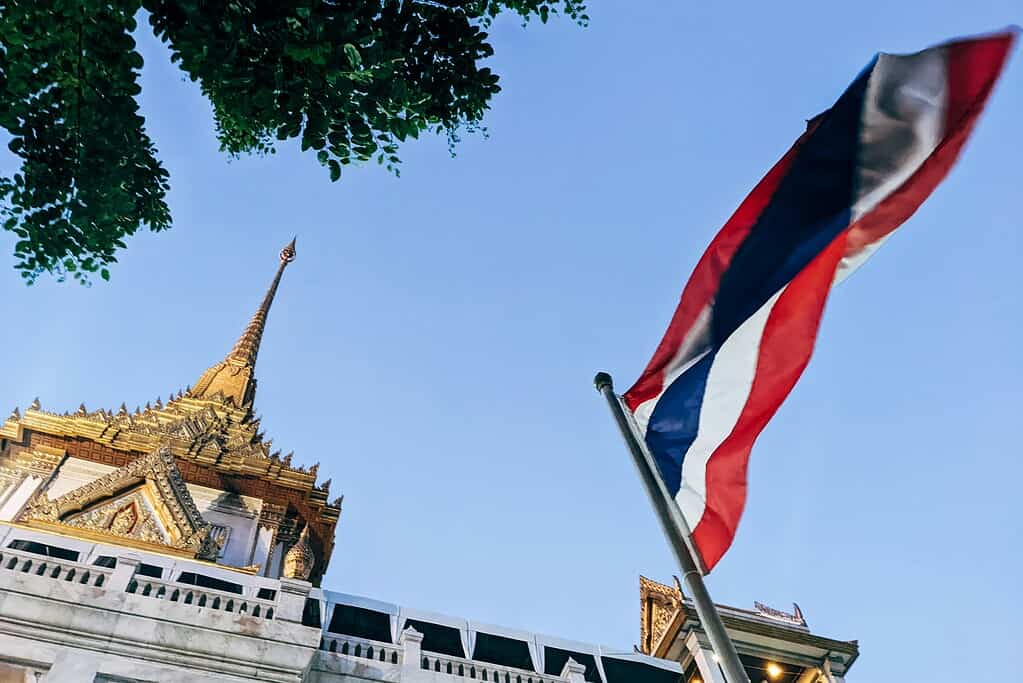
You’ll read that temples require covered shoulders, no shorts, and modest clothing. And that’s true. But the enforcement of these rules is wildly inconsistent.
At major temples like the Grand Palace in Bangkok, they’re strict. You’ll be turned away or forced to rent baggy pants if you show up in shorts.
At smaller temples, especially outside tourist areas, nobody will say anything even if you’re wearing a tank top.
This inconsistency is confusing. You’ll dress modestly for one temple and feel overdressed. You’ll show up casually to another and get denied entry.
My advice? Always bring a light scarf or sarong you can throw on to cover your shoulders or legs. It takes up almost no space in your bag and saves you from having to rent overpriced cover-ups at temple entrances.
Respect the dress code when it’s enforced, but don’t stress too much if you see other tourists breaking the rules at smaller temples. Just be prepared to adjust.
Your plan to visit temples in whatever you’re wearing? Bring backup coverage.
You’ll Get Sick at Some Point (Even If You’re Careful)
This is the one nobody wants to hear, but it’s true. At some point during your Thailand trip, there’s a decent chance you’ll get sick.
It might be food poisoning from something you ate. It might be a stomach bug from bacteria your body isn’t used to. It might be dehydration, heat exhaustion, or just general travel fatigue catching up with you.
I’ve been to Thailand multiple times, and I’ve gotten sick more than once despite being careful. It’s not always preventable.
Sometimes your stomach just rebels, and you spend a day or two feeling miserable in your hotel room.
Pack Imodium, electrolyte packets, and any stomach medication you trust. Know where the nearest pharmacy is. Stay hydrated. And if you do get sick, don’t panic. It usually passes within a day or two.
The good news? Thai pharmacies are excellent, well-stocked, and cheap. You can walk in, explain your symptoms, and walk out with medication that actually works.
Your packed itinerary with no rest days? You might need to clear a day to recover.
The Rainy Season Isn’t as Predictable as You Think

Thailand’s rainy season is supposed to run from June to October, but that doesn’t mean it rains all day every day. And it also doesn’t mean you won’t get rain outside of those months.
Rainy season in Thailand usually means short, heavy downpours in the afternoon or evening, not all-day rain. You can still have beautiful sunny mornings and explore without issues. But the timing is unpredictable. Sometimes it rains for 20 minutes. Sometimes it rains for three hours straight.
And even during the dry season, you can still get hit with random storms. Weather in Thailand doesn’t follow a strict schedule.
The bigger issue is flooding. When it rains hard, streets flood fast. You’ll see water ankle-deep or higher in low-lying areas, and getting around becomes a mess.
Bring a small travel umbrella or a rain jacket. Wear sandals that can get wet. Don’t plan outdoor activities assuming the weather will cooperate just because it’s technically dry season.
Your beach day during rainy season? It might be sunny. Or it might get cancelled by a storm.
Tuk-Tuk Prices Are All Over the Place

Tuk-tuks are iconic, fun, and part of the Thailand experience. They’re also a complete gamble when it comes to pricing.
There’s no standard rate. Prices depend on distance, time of day, your bargaining skills, and whether the driver thinks you’re a tourist who doesn’t know better.
You might pay 100 baht for a ride one day and get quoted 300 baht for the same distance the next.
Some drivers are fair. Others will try to massively overcharge you, especially near tourist areas. And if you don’t negotiate the price before getting in, you’re setting yourself up for an argument at the end of the ride.
Always agree on a price before you get in. Use Grab or Bolt as a reference to see what a fair rate should be. And be prepared to walk away if the price feels ridiculous.
Tuk-tuks are fun for short rides and photo ops, but they’re not always the most practical or affordable option.
Your plan to take tuk-tuks everywhere? You’ll probably switch to Grab after a few overpriced rides.
You’ll Want to Stay Longer Than You Planned
This one is almost guaranteed. No matter how long you planned to stay in Thailand, it won’t feel like enough.
You’ll fall in love with a neighborhood and realize you need more time there. You’ll meet other travelers who tell you about places you didn’t know existed.
You’ll find a beach or a café or a night market that makes you want to cancel your next destination and just stay put.
Thailand has a way of making you want to slow down. The pace of life is different. The food is incredible. The people are welcoming. And once you settle in, leaving feels harder than you expected.
I’ve had trips where I planned to spend three days somewhere and ended up staying a week.
I’ve rescheduled flights, extended hotel bookings, and completely scrapped parts of my itinerary because I just wasn’t ready to move on.
Build flexibility into your plans if you can. Leave room to stay longer in places you love.
Your tightly packed two-week itinerary? You might start wishing you had three.
7-Eleven Will Become Your Daily Routine
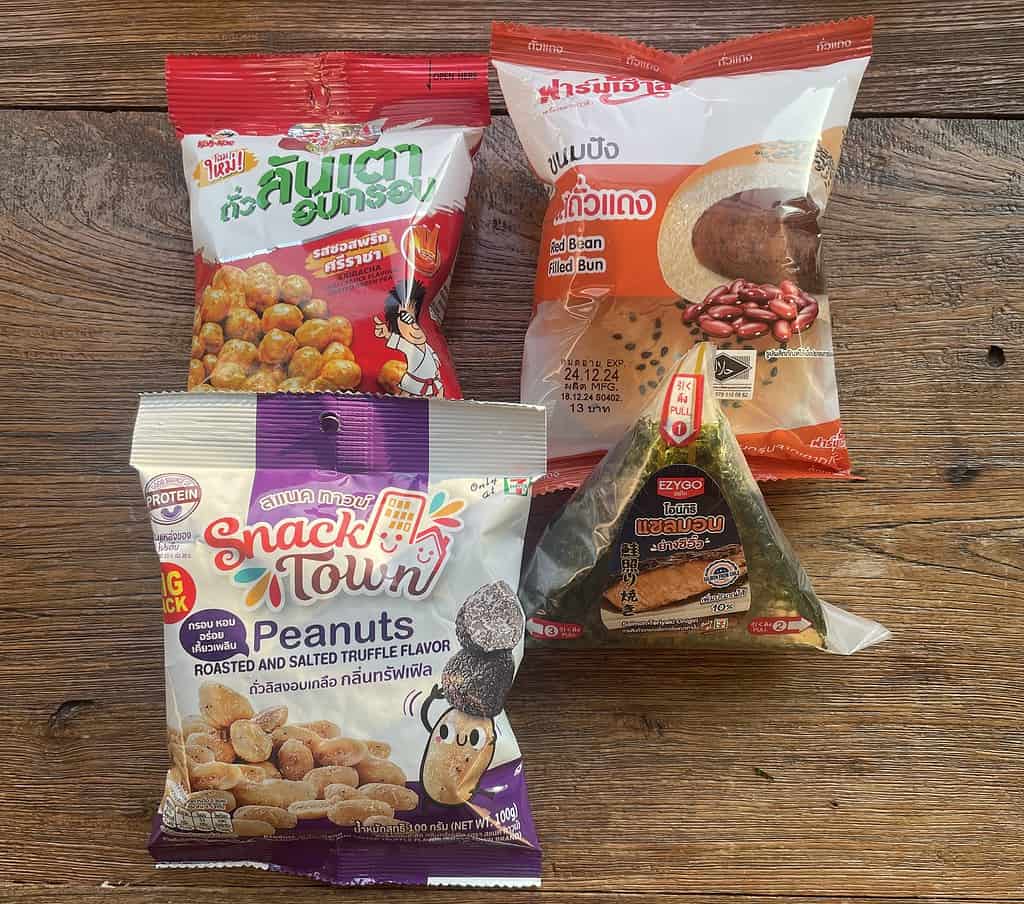
This sounds ridiculous, but it’s true. 7-Eleven in Thailand is not the same as 7-Eleven back home.
Thai 7-Elevens are everywhere, open 24/7, air-conditioned, and stocked with everything you didn’t know you needed.
Cold drinks, snacks, instant noodles, toiletries, SIM cards, ATMs, clean bathrooms, and even decent meals.
You’ll stop in multiple times a day. Once for a cold water after walking in the heat. Again for a snack. Again because you need change for a tuk-tuk. Again because it’s air-conditioned and you just need a break.
It becomes part of your routine. My mom was obsessed with Thai 7-Elevens during her trip. Every day, multiple stops. It’s just that convenient.
Don’t underestimate how much you’ll rely on 7-Eleven during your trip. It’s genuinely one of the best parts of Thailand’s infrastructure.
Your plan to avoid convenience stores and eat local the whole time? You’ll be in 7-Eleven within 24 hours.
Traffic Will Eat Up More Time Than You Budgeted
Traffic in Thailand, especially in Bangkok, is no joke. And it will mess with your schedule more than you expect.
Rush hour in Bangkok can turn a 20-minute drive into an hour-long crawl. Even outside of rush hour, traffic is unpredictable. Construction, accidents, rain, festivals—anything can cause a backup.
You’ll think you have plenty of time to get somewhere, and then you’ll spend 45 minutes sitting in a taxi watching the meter climb while you barely move.
The BTS and MRT are faster and more reliable, but they don’t go everywhere. Taxis and Grab are convenient, but you’re at the mercy of traffic.
Always add buffer time. If something starts at 6 p.m., plan to leave by 4:30 p.m. Check Google Maps traffic before you go. And accept that sometimes you’ll just be late.
Your plan to squeeze in one more activity before dinner? Traffic might kill that idea.
You’ll Spend Way More Money Than You Expected
Thailand is affordable, but it’s easy to spend way more than you budgeted for.
Street food is cheap. Accommodation is cheap. Transport is cheap. But then you start adding things up.
Tours, entrance fees, nice dinners, drinks, shopping, massages, spontaneous boat trips to islands you didn’t plan to visit, it all adds up fast.
You’ll also spend money on things you didn’t anticipate. Extra laundry because you’re sweating through clothes.
Medication from the pharmacy. Replacing shoes that broke. Extending your hotel stay because you don’t want to leave.
Thailand makes it easy to spend money because everything feels affordable in the moment. But those small purchases stack up quickly.
Set a realistic daily budget and track your spending. Leave room for spontaneous stuff. And don’t assume “cheap country” means you won’t overspend.
Your plan to stick to a strict budget? You’ll blow past it by week one.
Final Thoughts on What Won’t Go as Planned in Thailand
If there’s one thing you should take away from this, it’s that your Thailand trip will not go exactly as planned. And that’s okay.
You’ll deal with heat you weren’t ready for, sidewalks that try to trip you, traffic that eats your afternoon, and probably a few surprises you didn’t see coming.
You’ll spend more money than you budgeted, want to stay longer than you planned, and realize halfway through that your carefully researched itinerary needed way more flexibility.
But here’s the thing, those unplanned moments are often the best parts of the trip. The night market you stumbled into because you got lost.
The extra days you stayed on an island because leaving felt wrong. The random café you ducked into to escape the heat that ended up being your favorite spot.
Thailand has a way of taking your plans and gently (or not so gently) rerouting them. Sometimes it’s frustrating.
Sometimes it’s inconvenient. But most of the time, it leads you somewhere better than where you were headed.
So plan your trip. Do your research. Book your accommodations. But leave room for things to go sideways. Because they will, and that’s exactly what makes Thailand unforgettable.
What happens if I get sick or injured in Thailand without travel insurance?
You’ll pay out of pocket, and it can get expensive fast. Thai private hospitals require upfront payment.
A single night in a good hospital can cost more than your flight. Travel insurance covers medical expenses, emergency evacuation, and trip cancellations if something goes wrong.
What should I avoid doing in Thailand as a tourist?
Avoid pointing your feet at people or Buddha statues, touching people’s heads, disrespecting the monarchy, and getting visibly angry in public. Also skip drinking tap water and flushing toilet paper in older buildings.
How much cash should I carry in Thailand per day?
Carry 1,000–2,000 baht ($30–$60 USD) per day for street food, markets, tuk-tuks, and smaller vendors.
Larger places take cards, but cash is king at night markets and temples. ATMs are everywhere, but check for withdrawal fees.
Can I realistically see Bangkok, Chiang Mai, and the islands in two weeks?
Yes, but only if you keep it simple. Stick to Bangkok (3 days), Chiang Mai (3-4 days), and one southern beach area (5-6 days).
Don’t try to island hop both coasts or add extra cities. More destinations means more time packing, unpacking, and traveling instead of actually enjoying Thailand.
