

25 Must Do Things in Japan: Ultimate Bucket List
Japan is one of those countries that genuinely changes you. Not dramatically. Just quietly. You arrive with high expectations and Japan exceeds them anyway.
I’ve visited multiple times and still find myself talking about it more than almost anywhere else I’ve been, which is exactly why putting together a proper Japan bucket list felt overdue.
The first time I stood at Shibuya Crossing and watched thousands of people move in every direction without a single collision, I understood immediately that this country operates on a different level.
Drinking matcha in a quiet Kyoto garden while looking at centuries-old bonsai. Riding the Shinkansen for the first time and watching the countryside blur past at 300 kilometers per hour.
Eating a $30 Wagyu stick from a Kyoto market stall that was worth every yen and going back for another.
Ducking into a 7-Eleven at midnight for the fifth time that day and somehow finding something new worth eating.
Japan is endlessly interesting, endlessly surprising, and genuinely one of the best travel decisions you’ll ever make. These are the must do things in Japan that belong on every itinerary, and a few quieter ones that don’t always make the obvious lists.
Some are non-negotiable. Others are the kind of thing you stumble into and end up talking about for years.
Stand at Shibuya Crossing
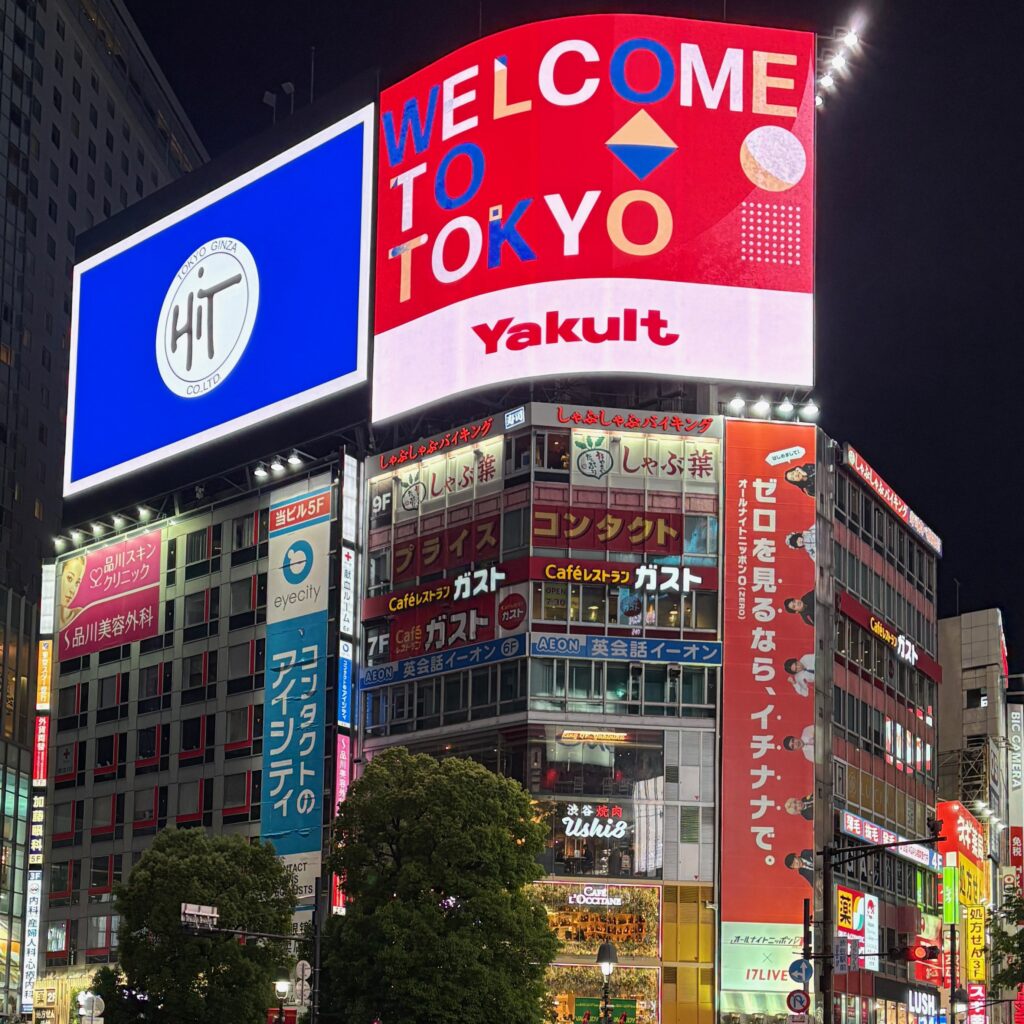
Nothing prepares you for Shibuya Crossing in person. You’ve seen it in photos, in films, in every Japan travel video ever made.
Then you stand at the edge when the light turns and watch thousands of people flood the intersection from every direction simultaneously, organized, efficient, completely unbothered, and it genuinely stops you in your tracks.
The crossing itself takes about 30 seconds to walk. The experience of watching it from the edge or from above is something else entirely.
Go to the Starbucks on the second floor of Shibuya Scramble Square for an elevated view of the whole spectacle.
Go at ground level too. Go at rush hour for maximum volume and at night when the surrounding screens and billboards light everything up in a way that feels overwhelming in the best possible sense. It sounds like a cliché until you’re actually standing there.
Ride the Shinkansen
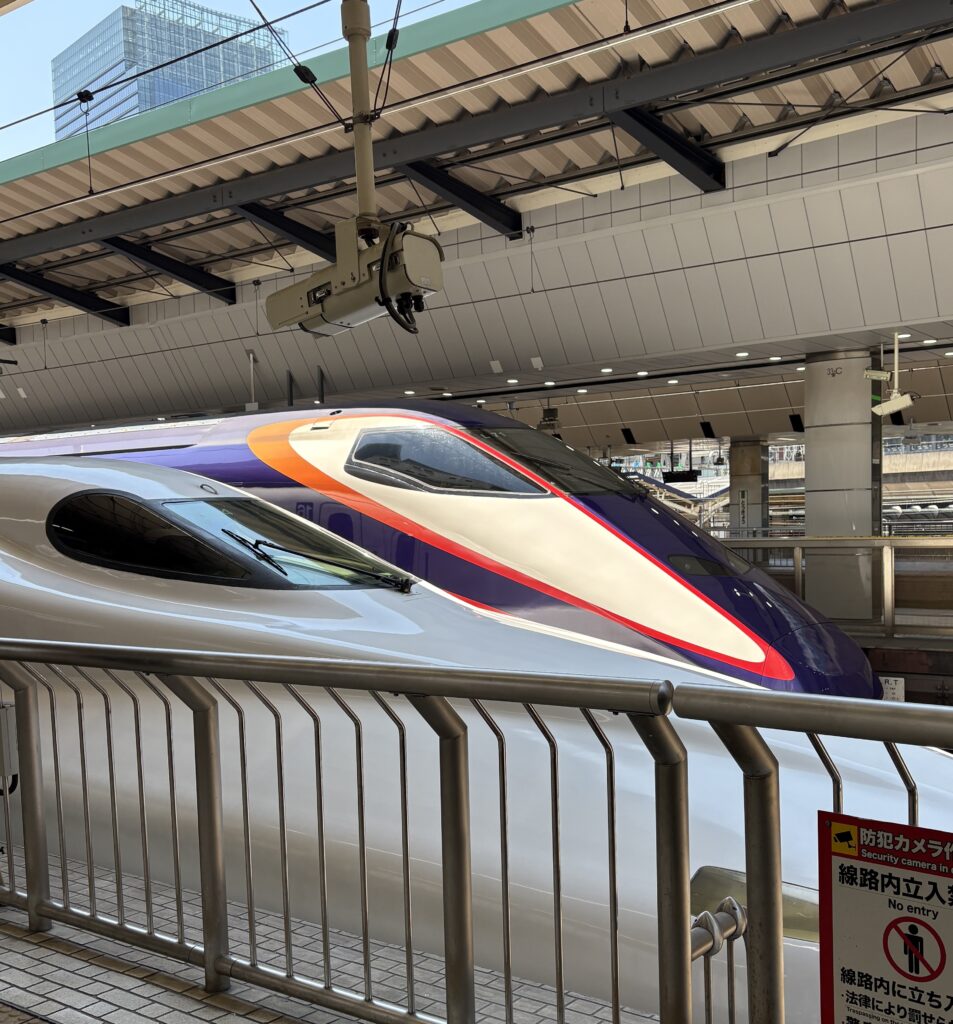
The Shinkansen departs exactly on time, to the second. It accelerates to 300 kilometers per hour so smoothly you barely feel it.
The countryside outside blurs into streaks of green and then opens up, and if you’re on the right side of the train between Tokyo and Kyoto on a clear day, Mount Fuji appears through the window without any warning and disappears before you’ve fully processed what you’re looking at.
Buy an ekiben, a train bento box, from the station vendors before you board and eat it on the train.
The quality is better than it has any right to be and eating it while watching Japan pass outside the window is one of the most distinctly Japanese travel rituals you’ll experience.
Even if the JR Pass math doesn’t work for your specific itinerary, ride the Shinkansen at least once. It’s worth the individual ticket price.
Walk Through Fushimi Inari
Thousands of vermillion torii gates donated by businesses and individuals over centuries line the trails winding up Mount Inari behind the main shrine in Kyoto.
Walking through them, particularly on the upper trails where the crowds thin and the cedar forest closes in around you, is genuinely unlike anything else.
The lower sections near the entrance fill up from mid-morning onward. Go before 8 a.m. to experience the gates in near silence with only birdsong and the occasional other early visitor. Go in the evening for the atmospheric low light filtering through the torii on the descent back down.
The full hike to the summit and back takes about two to three hours. You don’t have to go all the way, even the first 20 to 30 minutes of walking delivers the experience most visitors come for.
It’s free, open 24 hours, and one of the most memorable things you’ll do in Japan.
Drink Matcha in Kyoto
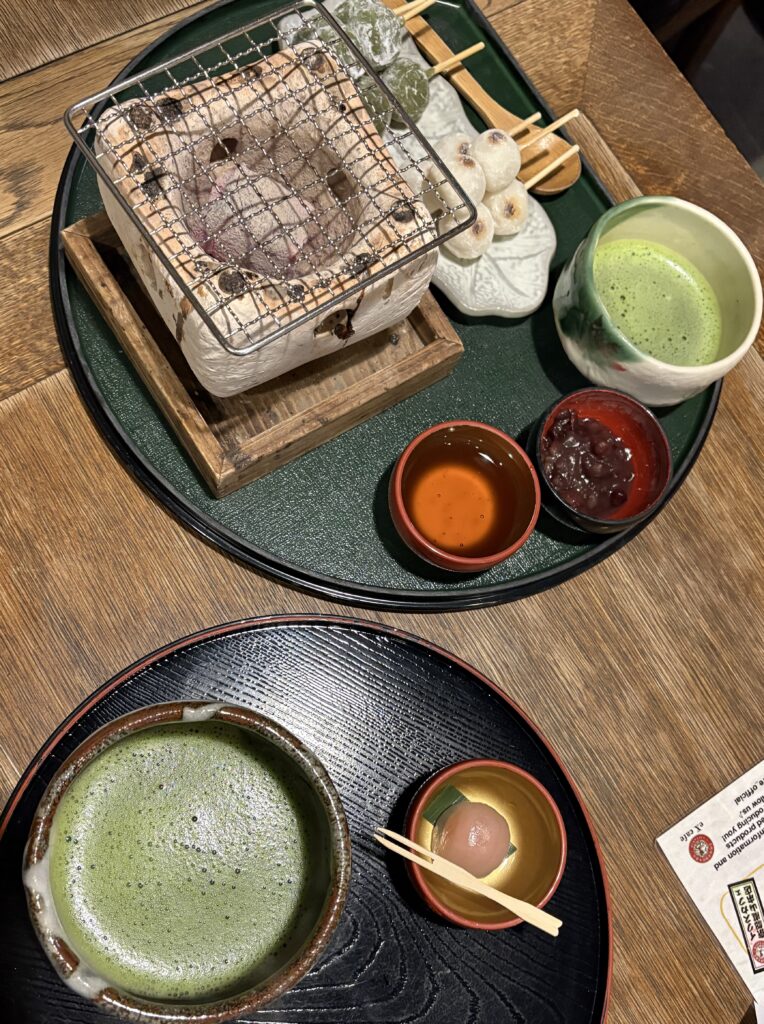
Kyoto is the home of Japanese tea culture and drinking proper ceremonial matcha here, not a matcha latte from a chain, actual matcha prepared correctly and served with care, is one of those quiet, specific experiences that stays with you long after you leave.
The bitterness. The texture. The weight of the ceramic bowl held in both hands. The garden visible through an open shoji screen. It’s a small thing that feels significant in the context of where you are and what surrounds you.
Ippodo Tea near Nijo Castle is one of the most respected tea houses in the city and worth seeking out.
The Uji area, about 30 minutes south of Kyoto by train, is the matcha-producing heartland of Japan and worth a half-day trip specifically for this experience. Slow down for it. Order it properly. Don’t rush the bowl.
Spend a Morning at Tsukiji Outer Market

The inner wholesale market has moved to Toyosu, but Tsukiji’s outer market in Tokyo remains one of the greatest food experiences in Japan.
The narrow lanes are packed with vendors selling fresh seafood, tamagoyaki (rolled egg), pickled vegetables, dried goods, and some of the best sushi and sashimi you’ll eat anywhere during your trip.
The energy in the early morning is unlike anything else in Tokyo, vendors calling out, smoke rising from grills, the smell of the ocean mixed with charcoal.
Get there between 8 and 10 a.m. for the best selection before the crowds and heat of midday arrive. Eat as you walk. Try the sea urchin if you’re open to it.
Buy a kitchen knife if you’re serious about cooking at home, the quality and price combination is extraordinary and hard to match anywhere else. Go hungry and plan to stay at least two hours.
Explore Kyoto’s Temples and Gardens

Kyoto has over 2,000 temples and shrines and each has its own distinct character, history, and specific beauty worth experiencing properly.
Kinkakuji, the Golden Pavilion, is genuinely dazzling reflected in the pond in morning light. Ryoanji’s rock garden is hypnotic in its restraint and simplicity, the kind of place where you sit for longer than you planned.
Ginkakuji and the Philosopher’s Path connecting it to Nanzenji offer one of the best extended walking routes in the entire city.
Some of the best experiences come from smaller, less famous temples where you can sit in a garden for an hour without crowds pressing around you and actually absorb what you’re looking at.
Don’t try to see every major temple in a single day. Pick three or four and give them real time. Kyoto rewards the visitor who slows down more than almost any other city in Japan.
Explore a Don Quijote Store
Don Quijote, often just called Donki by locals, is one of Japan’s most chaotic and genuinely entertaining retail experiences, a discount megastore stacked floor to ceiling with everything from snacks and cosmetics to electronics, costumes, and things you didn’t know you needed until you saw them.
The stores are famously cramped, loud, and open late, some locations run 24 hours, with narrow aisles packed so densely it can feel more like a treasure hunt than a shopping trip.
It’s genuinely one of the best places to find souvenirs, Japanese snacks, skincare, and quirky novelty items, often at prices lower than more polished department stores.
Locations exist across nearly every major city, with especially large flagship stores in areas like Shibuya, Dotonbori, and Akihabara.
No reservation or planning required, just wander in during your trip and give yourself at least 30 minutes, you’ll likely need it.
Stay in a Ryokan
At least one night in a traditional Japanese inn is worth building into your budget and your itinerary.
The experience is total and unlike anything a regular hotel offers. You arrive, change into a provided yukata, and spend the evening in tatami rooms with low tables and futon bedding laid out by staff.
A multi-course kaiseki dinner, local, seasonal, prepared with extraordinary care across eight to twelve courses, is served in your room or a private dining area. The outdoor onsen if the ryokan has one completes the experience entirely.
The food alone is worth the price of the stay. The transition into a completely different pace of life for 24 hours is what makes it memorable.
Hakone, Kyoto, and the Izu Peninsula all have excellent ryokan options at various price points. Book well in advance, the best ones fill months ahead.
Eat Wagyu Beef

Japanese Wagyu is one of the great food experiences in the world, and if there’s one thing worth splurging on during your Japan trip, this is it without question.
The marbling. The texture. The way it dissolves rather than requiring you to chew it. Nothing you’ve eaten before tastes quite like it, and the gap between Wagyu in Japan and Wagyu anywhere else in the world is significant enough to make the comparison feel unfair.
Market stalls in Kyoto’s Nishiki Market and in Kobe sell Wagyu skewers for around $20-30, expensive for street food and absolutely worth every yen.
I’ve gone back for a second one already knowing exactly what it would cost and felt no regret whatsoever.
If your budget allows, a sit-down teppanyaki restaurant serving proper Wagyu is an entirely different level of the same experience.
Explore Arashiyama

Arashiyama in western Kyoto is one of those areas where Japan’s beauty concentrates in a way that makes it genuinely hard to believe.
The bamboo grove is the famous part, a short path through towering green stalks that filter the light into something diffuse and atmospheric, particularly in the early morning before crowds arrive.
Go before 8 a.m. for something approaching solitude and a completely different experience from what you’ll find at midday.
But Arashiyama is substantially more than the bamboo. Tenryuji Temple with its extraordinary pond garden.
The small lanes lined with tofu restaurants and matcha shops. The Togetsukyo Bridge over the Oi River. The forested hills above the town with hiking trails that most visitors never find.
Give Arashiyama a full morning or afternoon rather than a rushed hour and a half.
Visit Nara and Feed the Deer
Nara is one of the easiest and most genuinely delightful day trips from Kyoto or Osaka, and the experience of walking through the park surrounded by freely roaming sacred deer is unlike anything else in Japan.
The deer have lived in Nara Park for over a thousand years and are considered messengers of the gods.
They’re completely unbothered by humans, will bow politely to request shika senbei crackers, and will follow you persistently if they think you’re holding food.
Todaiji Temple, housing a 15-meter bronze Buddha that is one of the largest in the world, sits within the park and is absolutely worth the entrance fee.
Take the train from Kyoto (45 minutes) or Osaka (35 minutes). Arrive early and combine the deer park with the temple and surrounding shrine district for a full, unhurried half-day.
Discover Dotonbori in Osaka
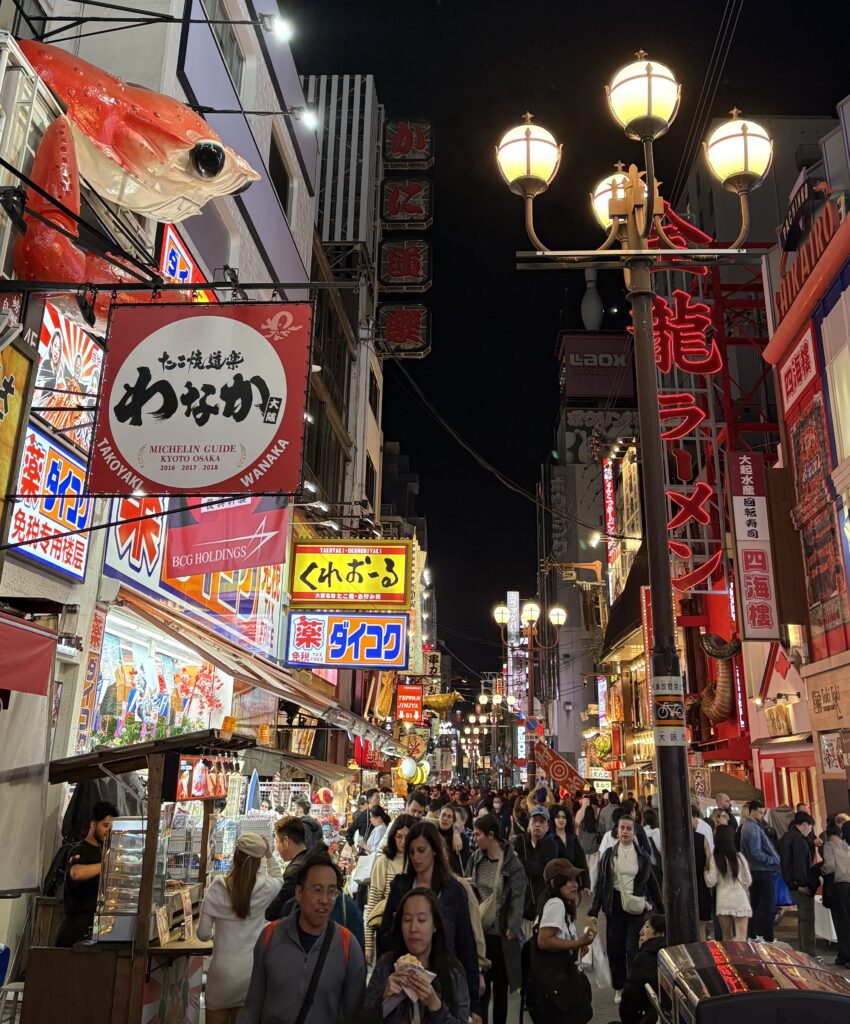
Dotonbori is Osaka’s entertainment district running along a canal in the heart of the city, and it’s one of the most visually overwhelming and genuinely fun places in Japan.
The giant mechanical crab rotating above a seafood restaurant. The Glico running man sign illuminated at night.
Takoyaki being cooked fresh on the street. Ramen shops, izakayas, and food vendors operating at full volume until the early hours of the morning. The canal lit up with neon reflecting off the water in a way that makes the whole district feel perpetually alive.
Eat your way through it. Takoyaki, okonomiyaki, kushikatsu. Osaka takes its food culture seriously in a way that even Tokyo can’t quite match, and Dotonbori is where you feel that most directly and immediately.
Take a Day Trip to Hiroshima and Miyajima
Hiroshima and the nearby island of Miyajima are best combined into a single day, and together they give you an emotional and visual range that’s hard to match anywhere in Japan.
The Peace Memorial Museum in Hiroshima is essential and genuinely difficult. It documents the atomic bombing from the ground level, photographs, artifacts, personal accounts, in a way that is graphic, unflinching, and completely necessary for understanding the country you’re traveling through. Walk through it slowly. Read the captions.
Then take the train and short ferry ride to Miyajima Island, where the famous floating torii gate of Itsukushima Shrine rises from the water at high tide.
The island has friendly deer, forested hiking trails, and some of the best autumn maple viewing in Japan. Book this day early in your trip. It will reframe everything else you see.
Explore Shinjuku at Night

Shinjuku at night is one of the most layered and electric urban experiences in the world, and the best version of it isn’t the main streets, it’s what’s tucked behind them.
Golden Gai is a cluster of impossibly small bars, most seating fewer than ten people, each with its own specific personality, décor, and regular crowd.
Finding one that feels right, sitting in it for two hours, and talking to whoever ends up next to you is one of those Tokyo experiences that simply cannot be planned.
Memory Lane is a narrow alley of yakitori smoke, paper lanterns, and tiny counter seats that looks like it belongs to a completely different era and somehow still exists in the middle of one of the world’s most modern cities. Go without an agenda. Wander until something pulls you in.
Visit Senso-ji in Asakusa

Tokyo’s oldest and most significant temple manages to retain genuine spiritual weight despite being one of the most visited sites in the country.
The Kaminarimon gate with its massive red lantern is the image most associated with the temple.
The Nakamise shopping street leading to the main hall is lined with vendors selling traditional sweets and souvenirs. The main hall itself is impressive in scale and atmosphere even on a busy afternoon.
Go early, before 8 a.m. if possible, to experience the incense smoke and the sound of prayer without thousands of other visitors around you. Watch what locals do and follow their lead.
The surrounding Asakusa neighborhood is one of the most traditionally atmospheric in all of Tokyo. Stay and wander after the temple visit.
Soak in an Onsen
An outdoor onsen with steam rising from the water while the air around you is cool is one of those experiences that sounds straightforward and turns out to be something you remember for a long time.
The minerals in the water. The temperature. The silence. The complete absence of anything you’re supposed to be doing other than being exactly where you are.
Onsen culture comes with specific etiquette, shower thoroughly before entering, no swimwear in traditional baths, tattoos may restrict access at some facilities.
Knowing this before you arrive makes the experience significantly more comfortable.
Hakone is the most accessible onsen destination from Tokyo, about 90 minutes by train. A ryokan stay typically includes access. Don’t leave Japan without doing this at least once.
Experience TeamLab
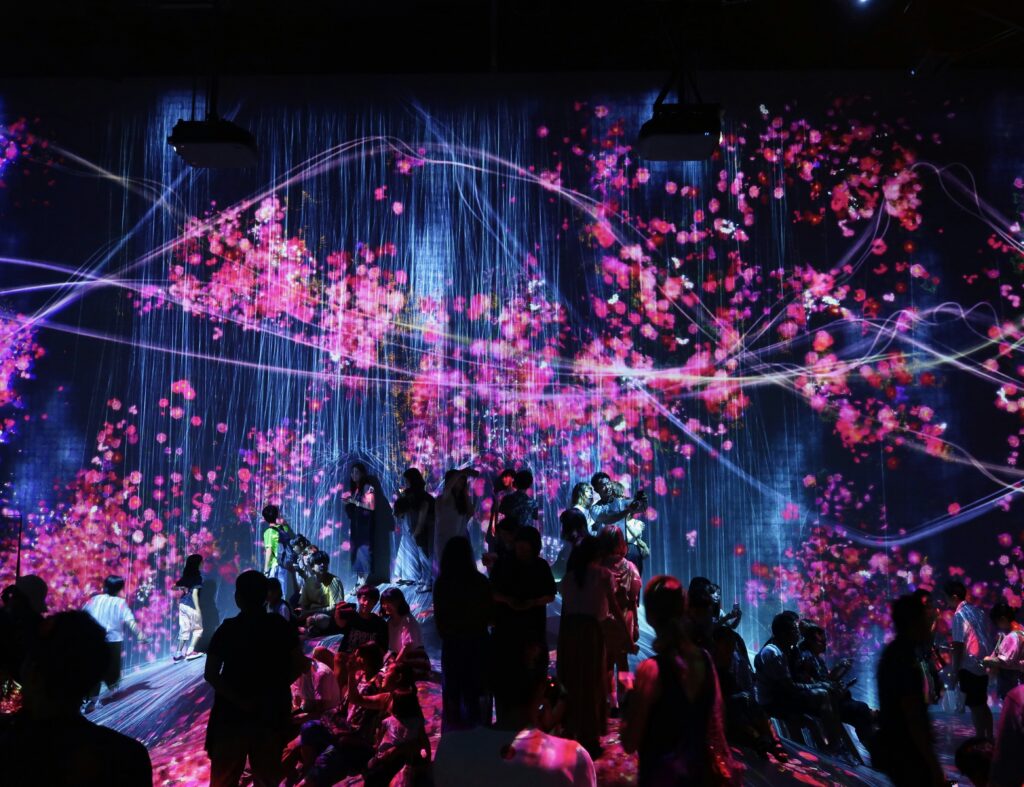
TeamLab creates immersive digital art installations where light, sound, and movement interact with visitors in real time, and the experience consistently exceeds expectations even for people who have seen every photo in advance.
Walking through rooms of infinite reflected light, spaces where virtual flowers bloom when you touch them, or environments where your movement directly affects the art surrounding you is unlike any gallery or museum experience you’ve encountered before. It’s one of those things that doesn’t fully translate until you’re inside it.
TeamLab Planets in Toyosu and TeamLab Borderless in Azabudai Hills are the two main Tokyo locations. Book tickets online well in advance, they sell out regularly during peak seasons.
Go in the evening for the most atmospheric and visually dramatic experience.
Visit the Snow Monkeys of Jigokudani
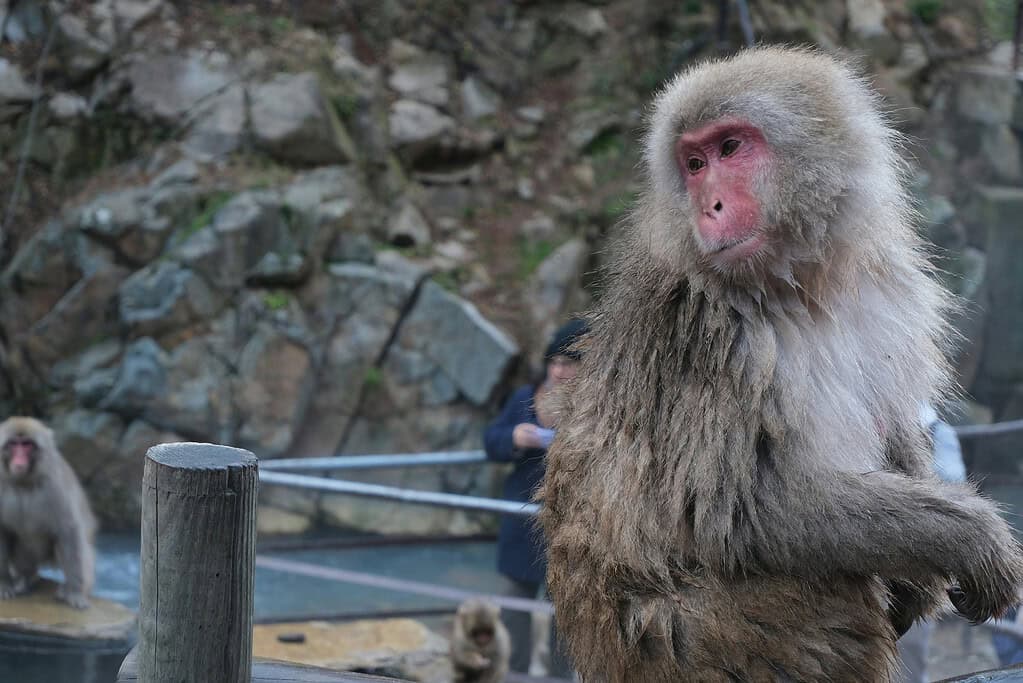
Watching wild Japanese macaques soak in steaming hot springs surrounded by snow is one of the most surreal wildlife experiences Japan offers, and Jigokudani Monkey Park in Nagano delivers exactly that.
These are the famous “snow monkeys” that show up in nature documentaries worldwide, and seeing them in person, some dozing with eyes half closed, others grooming each other at the pool’s edge, genuinely lives up to the photos.
The park is most spectacular from December through March when snow blankets the surrounding forest, though the monkeys are present year-round and the hot spring pool is active regardless of season.
Take the train from Tokyo to Nagano (about 90 minutes on the Shinkansen), then a local bus toward Yudanaka, followed by a 30-minute walk through forest trails to reach the park entrance. Bring proper winter footwear if visiting in the colder months, the walking path can get icy.
Eat Ramen Like a Local
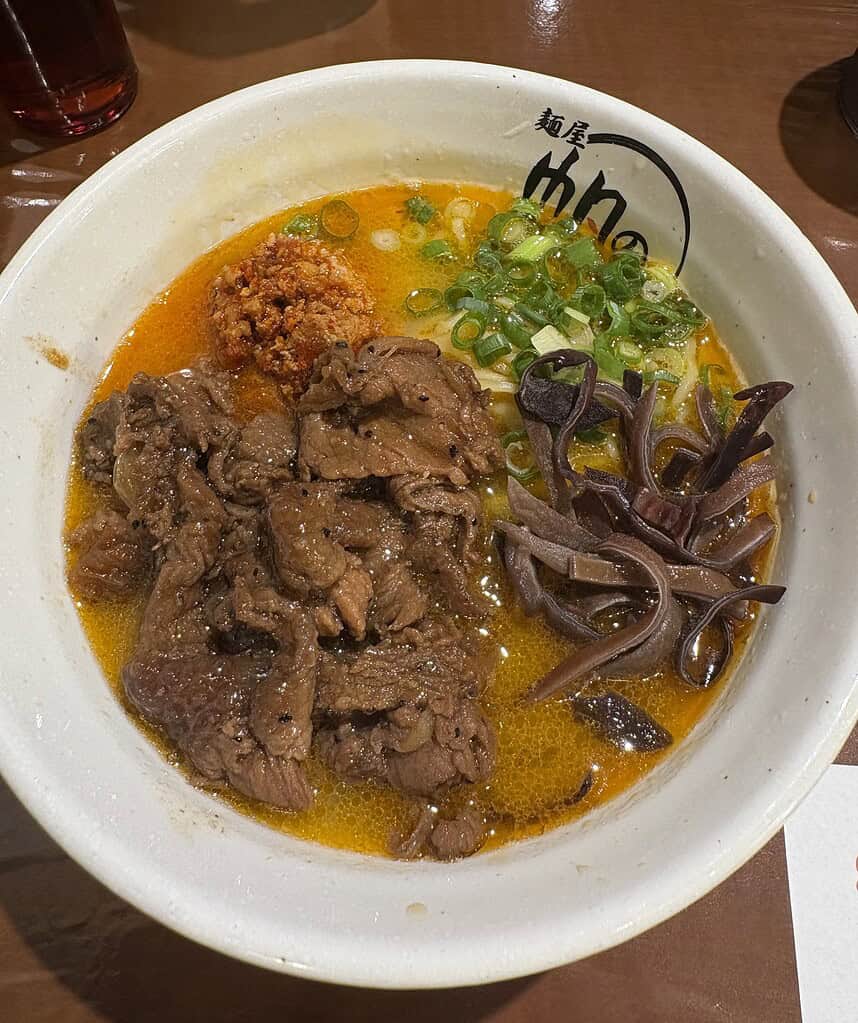
Japan’s regional ramen styles are as different from each other as different cuisines, and eating your way through them across the country is one of the genuine pleasures of the trip.
Tonkotsu in Fukuoka, rich, creamy pork bone broth with thin noodles. Shoyu in Tokyo, clear soy-based broth with wavy noodles and bamboo shoots.
Miso in Sapporo, thick and rich, topped with corn and butter. Shio in Hakodate, light salt-based broth that’s delicate and clean.
Find ramen through local recommendations rather than tourist lists. The best spots often have lines, no English menu, and a ticket machine at the entrance where you order before you sit.
Use Google Translate, point at what looks right, eat at the counter. The ticket machine system is standard practice. Figure it out before your table is called.
See Mount Fuji

Mount Fuji appears and disappears. Cloud cover hides it for days and then it reveals itself suddenly, 3,776 meters of near-perfect symmetry rising above everything around it with a presence that’s hard to describe until you’ve experienced it.
Hakone is the best base for views from a comfortable distance. Lake Ashi on a clear morning with Fuji reflected in the water is extraordinary.
Kawaguchiko in the Fuji Five Lakes region puts you at the base of the mountain with multiple viewing points across the lake.
Climbing Fuji is a separate undertaking, the official season runs July to early September and requires planning.
Even if you never leave the train, look out the right window between Tokyo and Kyoto on a clear day. It’s enough.
Explore Nishiki Market in Kyoto
Five blocks of covered market in central Kyoto that locals call “Kyoto’s Kitchen,” with over a hundred vendors selling pickled vegetables, fresh tofu, grilled skewers, Japanese sweets, fresh fish, and things you can’t identify but absolutely should try anyway.
The market has operated for centuries and still functions as a genuine working food market rather than a tourist attraction that happens to sell food. The difference is noticeable in the quality and variety of what’s available.
The Wagyu skewers sold at several stalls here are exceptional. The matcha soft serve is excellent. The pickled vegetable variety alone is worth the visit.
Go hungry. Walk through it twice. Buy things to take back to your accommodation for later.
Walk Philosopher’s Path during Cherry Blossom Season
A 2-kilometer stone walkway along a canal in northern Kyoto lined with cherry trees, connecting Ginkakuji to Nanzenji Temple through one of the quietest and most beautiful stretches of the city.
Named for the Kyoto University philosopher who walked it daily in meditation, the path earns its name.
Walking it slowly, stopping at the small cafés and independent shops along the route, and arriving at Nanzenji to find the enormous wooden gate rising above you is one of those Kyoto sequences that stays with you.
In cherry blossom season it’s extraordinary and crowded. Outside that window it’s quieter and just as beautiful in a more understated way. Walk north to south, Ginkakuji toward Nanzenji. Slow down for this one.
Spend Time in a Japanese Convenience Store

7-Eleven, Lawson, and FamilyMart in Japan operate at a level that makes every other convenience store in the world look embarrassing, and treating them as a genuine part of your Japan experience is exactly the right approach.
Onigiri, fresh sandwiches, hot foods, excellent coffee, seasonal snacks, premium pastries, desserts that restaurants elsewhere would charge real money for, all available 24 hours, all consistently good.
I’ve stopped in multiple times a day on every Japan visit without once feeling like I was compromising on anything.
The egg salad sandwiches. The strawberry daifuku. The hot corn soup from the machine at the counter.
Budget a daily convenience store allowance and take it seriously. It’s one of the best parts of being in Japan.
Watch Sunrise at a Shinto Shrine
The best version of Japan’s shrine culture isn’t the mid-afternoon visit with tour groups. It’s the early morning, before the crowds arrive and before the day’s routine begins.
Fushimi Inari at first light. Meiji Jingu in Tokyo before 8 a.m. when the forested approach through the towering torii is quiet enough to hear birds in the trees above you.
The smaller neighborhood shrines in Kyoto where a single local comes to pray before work and you’re the only other person there.
These moments, unhurried, with incense smoke drifting and the sound of water from the purification basin, are when Japan’s spiritual culture reveals itself most honestly and most beautifully. Set the alarm. It’s worth the lost sleep every single time.
Ski or Snowboard in Hokkaido
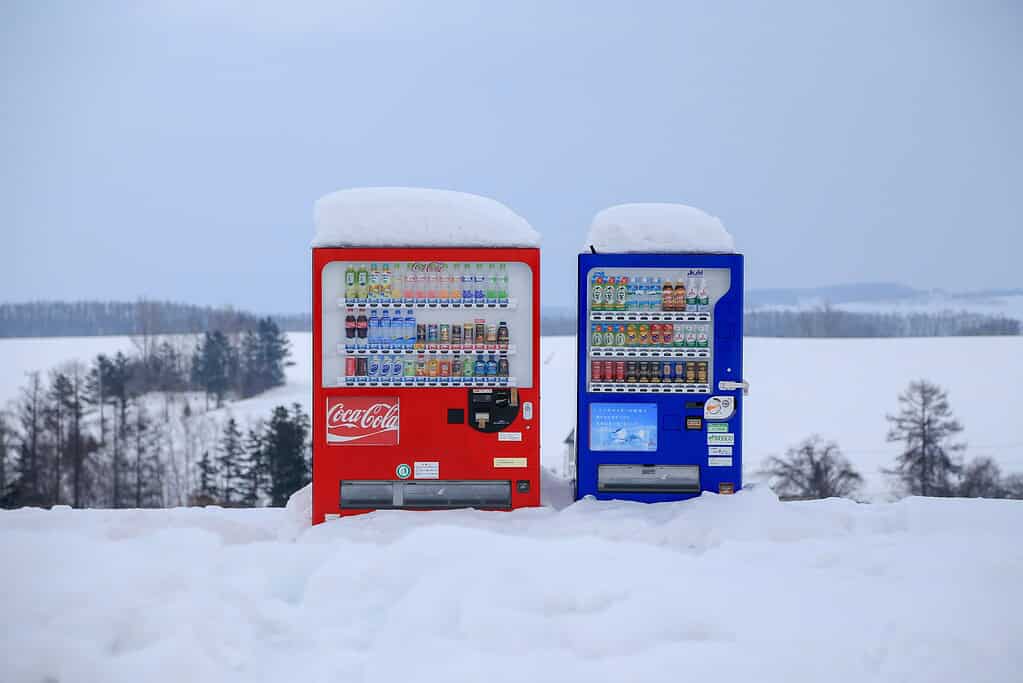
Hokkaido’s powder snow is considered among the finest in the world, and for skiers and snowboarders, a trip built around Niseko or Rusutsu is genuinely one of the best mountain experiences Japan has to offer.
The snow here is famously light and dry, a result of cold Siberian air picking up moisture over the Sea of Japan, and resorts regularly report some of the highest annual snowfall totals of any ski destination on earth.
Niseko in particular has developed a strong international scene, with English-speaking staff, international dining options, and a lively après-ski atmosphere that blends Japanese and Western culture.
Peak season runs January through February for the deepest snow, though the season generally stretches from December into early April.
Fly into Sapporo’s New Chitose Airport, then take a shuttle or train to whichever resort town you’re basing yourself in, most connections run under three hours.
Final Thoughts on Your Japan Bucket List
Japan delivers on every level, food, culture, history, architecture, nature, and a particular quiet beauty that takes a few days to tune into and then you can’t stop noticing everywhere you look.
The list above is a starting point. Your trip will fill in the rest. You’ll find something not on this list, a back alley izakaya, a garden nobody told you about, a convenience store item you become unreasonably attached to, and that thing will be what you talk about first when you get home.
Go slowly when Japan asks you to. Eat everything at least once. Ride the Shinkansen with the window seat. Come back. You will want to.
How many days do you need for a Japan bucket list trip?
Two weeks covers the main highlights without feeling completely rushed, Tokyo, Kyoto, Osaka, Hiroshima, and a day trip or two in between. Three weeks lets you slow down and add Nara, Hakone, and more time in places you love.
Anything under ten days means making hard choices about what to skip.
What is the single best thing to do in Japan?
A full day in Kyoto covering Fushimi Inari in the early morning, a temple garden in the afternoon, and Nishiki Market for food gives you the most complete version of what makes Japan extraordinary in a single day.
Is Japan expensive for tourists?
More so than Southeast Asia but comparable to Western Europe for a comfortable trip.
Daily costs run approximately $150-250 USD including accommodation, food, and local transport.
Convenience stores, standing sushi bars, and ramen shops keep food costs manageable. Shinkansen travel and accommodation during peak seasons are where the budget climbs fastest.
What should I do in Japan if it’s my first visit?
Split your time between Tokyo and Kyoto as your two main bases. Add Osaka and at least one day trip to either Nara or Hiroshima.
This covers cultural depth, extraordinary food, energy, and historical context without overloading a first itinerary. You’ll be back for everything you missed, almost everyone is.
