
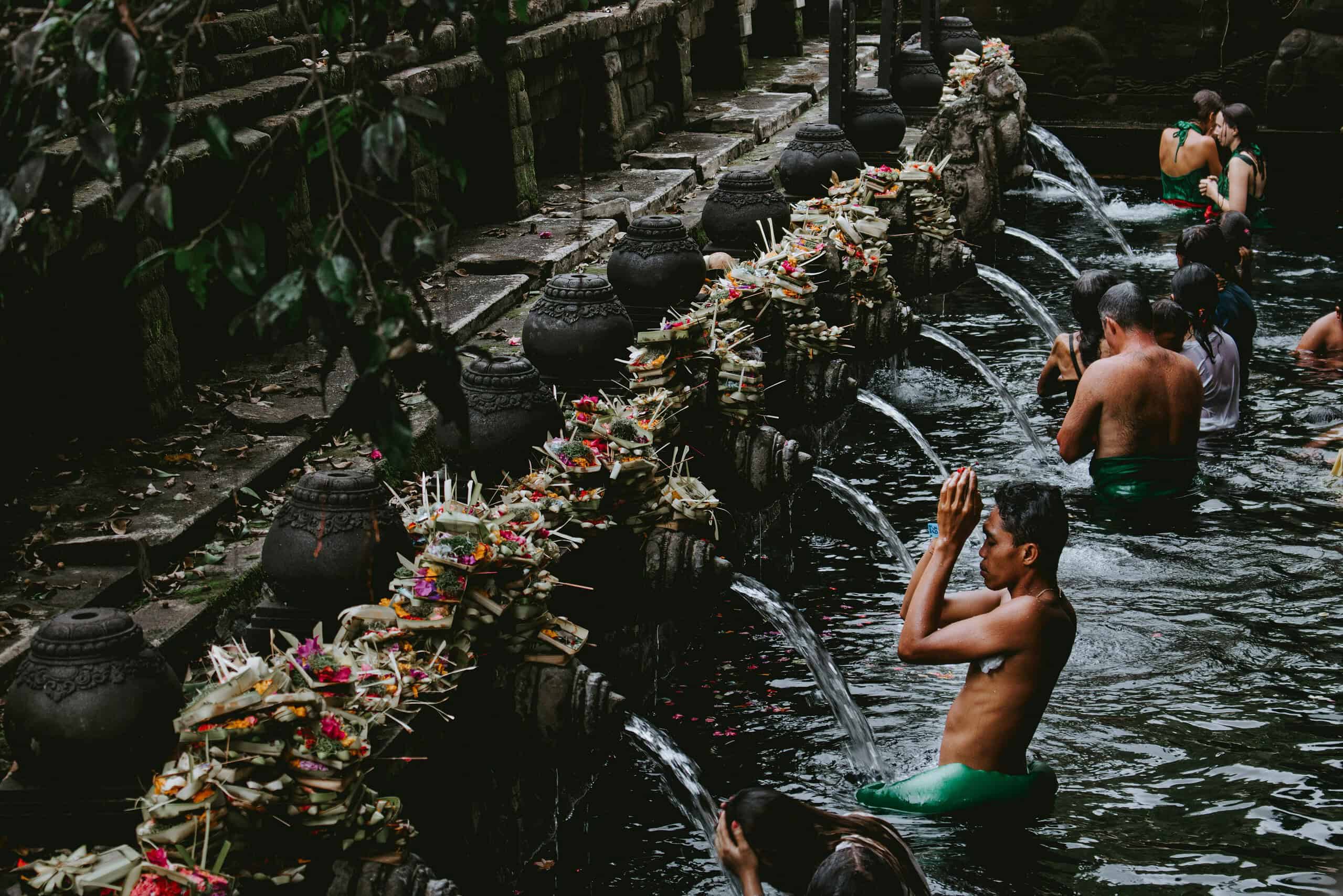
19 Bali Cultural Etiquette Tips to Know
Bali draws visitors from every corner of the world, and it’s easy to see why. But let’s be honest, a lot of tourists show up expecting nothing more than a party island.
They’re more focused on building the perfect Bali itinerary than on actually understanding the place they’re visiting, treating the island’s culture as background noise instead of something worth engaging with.
That mindset is completely wrong. Bali is deeply spiritual, rooted in Balinese Hinduism, and its customs shape daily life in ways visitors don’t always notice until they’ve already crossed a line.
It’s also not just a matter of good manners anymore. Immigration officials have tightened Bali entry requirements in recent years, and tourists have genuinely been banned and deported for disrespecting local customs and sacred sites, it’s far from a rare, one-off story.
Here are 19 cultural etiquette tips in Bali to know before you visit, so you travel as a respectful guest instead of becoming another cautionary tale.
Wear a Sarong When Visiting Temples
Both men and women are expected to wear a sarong and sash when entering a Balinese temple, covering the legs and waist.
Most temples rent or lend them for free right at the entrance, so you don’t need to pack your own, though bringing one makes things easier if you’re temple-hopping often.
Skipping this isn’t a minor oversight to locals, it’s treated as a real breach of etiquette.
Popular temples like Uluwatu and Tirta Empul enforce this strictly, and staff will stop you at the gate if you’re not properly dressed.
Don’t Step on Canang Sari (Daily Offerings)
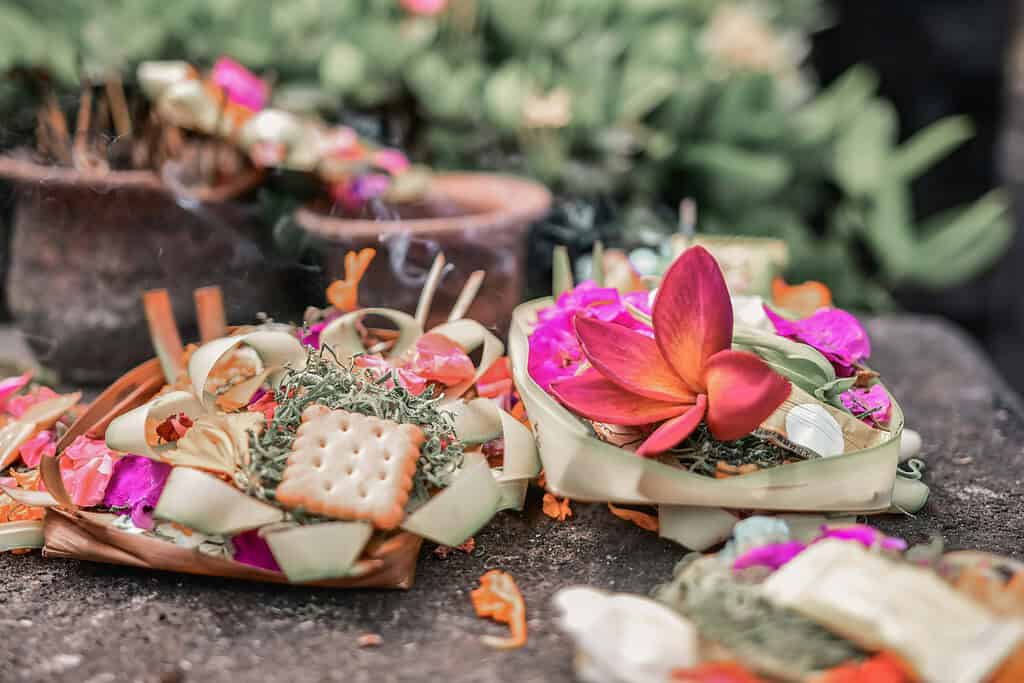
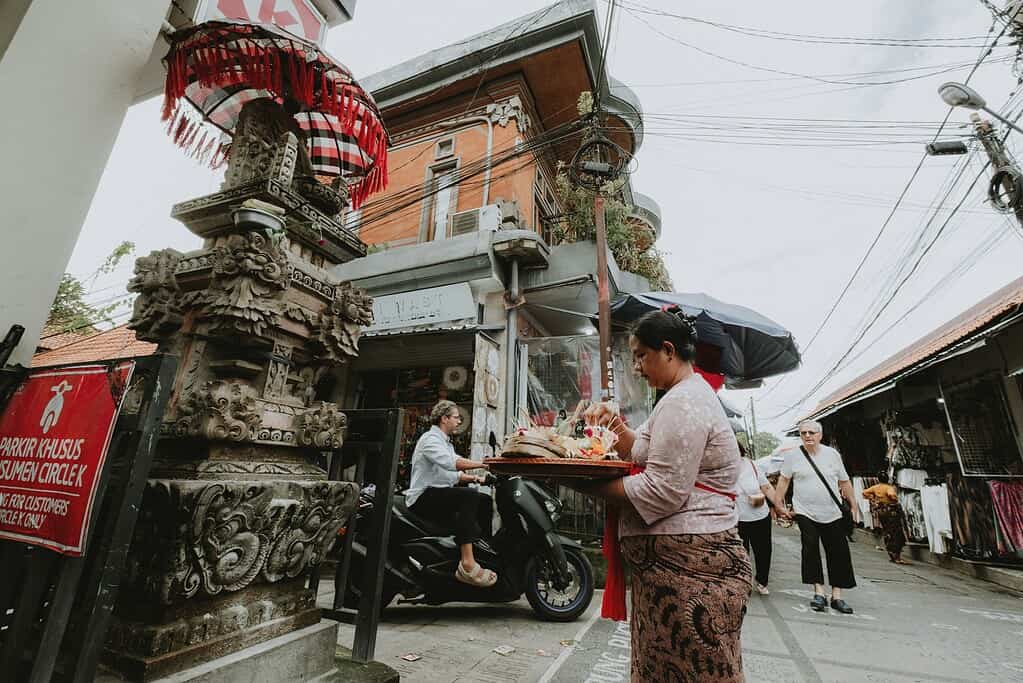
You’ll see small woven palm-leaf baskets filled with flowers, rice, and incense placed on sidewalks, doorsteps, and shrines everywhere on the island.
These are canang sari, daily offerings Balinese Hindus make to honor the gods. Stepping on or over one, even accidentally, is considered highly disrespectful, so watch your feet and walk around them.
If you do step on one by mistake, a quick, sincere apology goes further than you’d expect, locals understand tourists aren’t trying to be careless.
Cover Shoulders and Knees at Sacred Sites
Beyond the sarong itself, covering your shoulders matters too. Tank tops, crop tops, and anything sleeveless should stay out of temple grounds.
A light scarf or wrap is worth keeping in your bag for spontaneous temple visits, especially in more rural or traditional areas where expectations run stricter than the tourist zones.
I’d rather overpack a scarf I never use than get turned away from a temple I planned my whole day around.
Know the Menstruation Rule for Temple Entry
Traditionally, women on their period are asked not to enter temple grounds in Bali. This comes from the Balinese Hindu concept of ritual purity, not judgment toward the individual, and it’s a custom taken seriously across the island.
It’s worth knowing ahead of time so it doesn’t catch you off guard at the entrance. This isn’t something staff will typically ask about outright, so it really comes down to following it honestly out of respect.
Don’t Point Your Feet at People or Shrines

Feet are considered the lowest and, symbolically, the dirtiest part of the body in Balinese culture. Pointing them at a person, an altar, or a shrine is genuinely offensive here.
When you’re sitting, especially inside a temple or someone’s home, cross-legged or kneeling is the safer position.
It sounds like a small detail, but it’s one of those habits that’s easy to forget until you catch yourself mid-stretch in a temple courtyard.
Use Your Right Hand for Giving and Receiving
When you’re handing someone money, a gift, or an offering, use your right hand, or both hands together for something more formal.
The left hand is traditionally considered unclean in Balinese and broader Indonesian custom, so this small habit genuinely matters more than it might seem.
It’s an easy one to build into muscle memory after a day or two, and locals notice when visitors make the effort.
Never Climb on Temples, Statues, or Sacred Trees

This one’s landed more than a few tourists in real trouble. Climbing on temple structures, sacred statues, or trees considered holy isn’t just frowned upon, it’s one of the more common reasons foreigners end up banned or deported from Bali entirely.
Treat these sites the way you’d treat any active place of worship, because that’s exactly what they are.
Social media has only made this worse, since the pull of a dramatic photo has pushed more tourists to ignore the rule entirely.
Avoid Touching People’s Heads
The head is considered the most sacred part of the body in Balinese Hindu belief, sometimes described as the seat of the soul.
Even a casual, well-meaning gesture like ruffling a kid’s hair can come across as intrusive here.
Keep your hands away from people’s heads, no exceptions for how harmless it might seem back home.
This applies to adults just as much as kids, so resist the urge even if a child seems to be inviting the attention.
Stay Quiet and Respectful During Ceremonies

Balinese life is built around a constant rhythm of ceremonies, from small daily rituals to major temple festivals.
If you happen upon one, observe quietly from a respectful distance rather than treating it like a show put on for tourists.
Loud conversation or wandering into the middle of a ceremony breaks the atmosphere for everyone involved.
If you’re genuinely curious what’s happening, a local guide or even a friendly bystander can usually explain quietly without disrupting anything.
Don’t Walk Through a Ceremony Procession
Processions move through streets and villages regularly, and cutting through one to save a few minutes is a real faux pas.
Wait patiently on the side until it passes. It ties into a bigger Balinese value called Tri Hita Karana, the idea of harmony between people, nature, and the spiritual world, and impatience doesn’t fit that philosophy.
These processions rarely last more than a few minutes, so the wait is shorter than it usually feels in the moment.
Dress Modestly Even Outside Temples
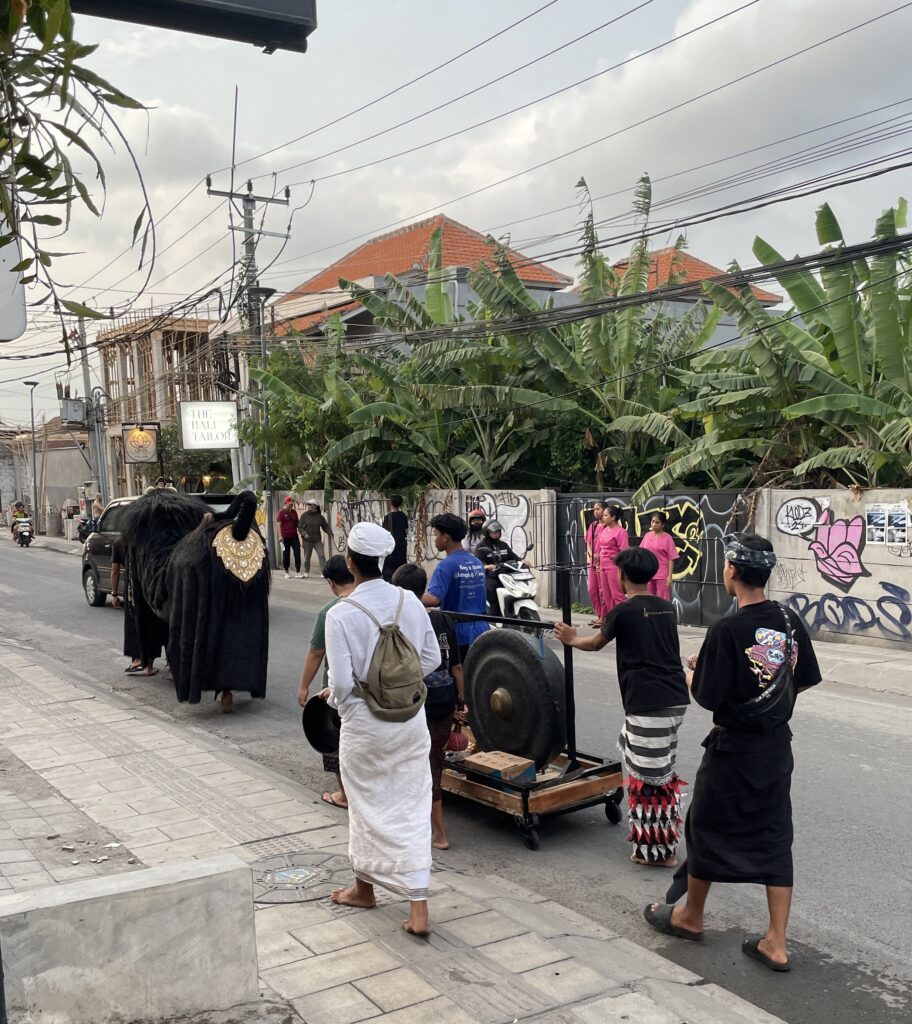
Beach towns like Seminyak and Canggu are relaxed about swimwear and casual clothing, but that same outfit won’t fly in a village, local market, or more traditional part of the island.
Carry a cover-up, and read the room as you move between tourist zones and everyday Balinese life.
Ubud is a good example of this shift, it feels noticeably more conservative than the beach clubs of Canggu just a short drive away.
Learn a Few Basic Indonesian Greetings
A simple “Om Swastiastu” (a traditional Balinese Hindu greeting) goes a long way, and locals genuinely appreciate the effort even if your pronunciation isn’t perfect.
“Terima kasih” covers thank you, and greetings like “Selamat pagi” (good morning) round out the basics. It costs nothing and earns you real goodwill. Even fumbling the pronunciation tends to get a warm smile rather than any judgment.
Respect Nyepi, the Day of Silence
Nyepi is the Balinese New Year, and it’s unlike anything else on the island’s calendar. For 24 hours, the entire island shuts down, no lights, no noise, no flights, no leaving your accommodation, not even a walk on the beach.
Local village guards patrol the streets, and tourists who try to sneak out have faced arrest, fines, and deportation.
If your trip overlaps with it, plan around it in advance. Even the airport shuts down completely, so this isn’t something you can work around once you’re already on the island.
Avoid Inappropriate Photos at Sacred Sites
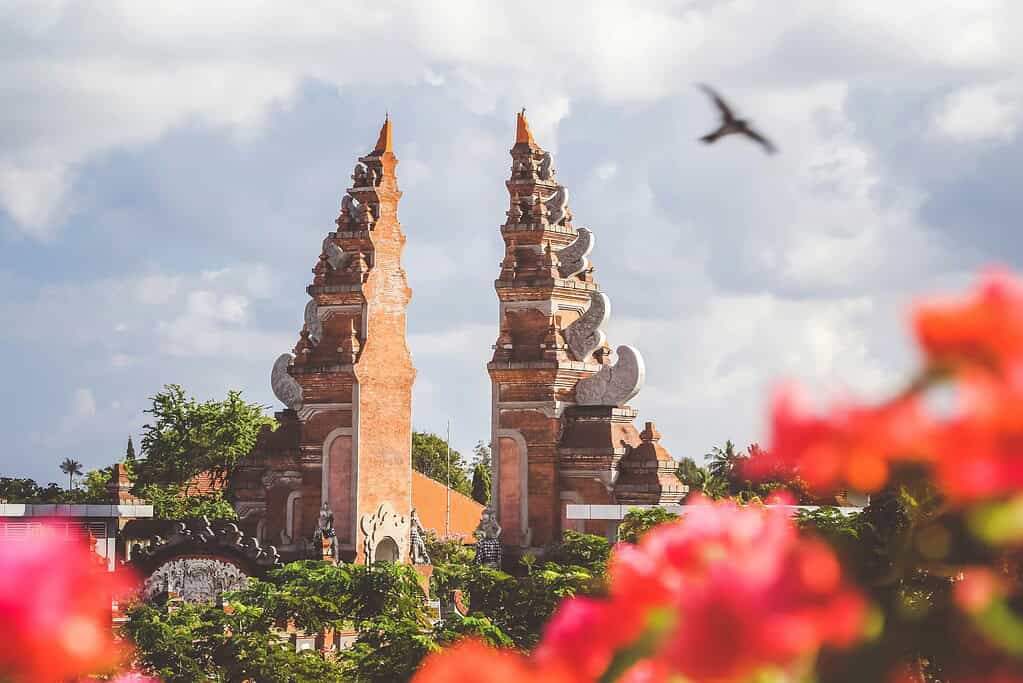
Posing disrespectfully near an altar, climbing something sacred for a photo, or taking inappropriate pictures at a temple has genuinely gotten tourists deported from Bali.
Photography itself is usually fine, just stay mindful of what you’re actually photographing and how you’re behaving while you do it.
A good rule of thumb, if you wouldn’t do it inside a church or mosque back home, don’t do it here either.
Keep Public Displays of Affection Minimal
Balinese culture leans reserved when it comes to public affection. Holding hands is generally fine, but anything beyond that is best kept for private spaces, especially anywhere near a temple or ceremony.
It’s a small adjustment that goes a long way in blending in respectfully. Save the bigger moments for your hotel room or a private beach away from temples and village centers.
Bargain Politely, Not Aggressively
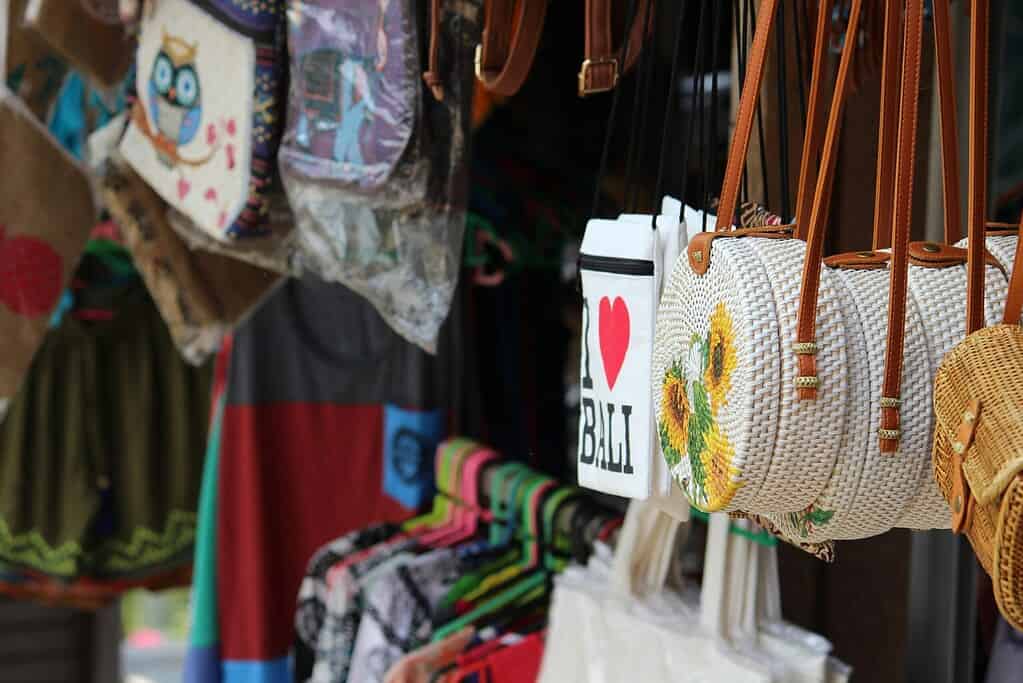
Haggling is normal and expected at markets, but keep it friendly. A smile and a bit of good humor gets you further than an aggressive counteroffer ever will.
If a vendor won’t budge, say thank you and walk away politely, that’s part of the process here, not a personal insult.
Starting with a smile and a little small talk almost always gets a better price than jumping straight into negotiating.
Ask Before Photographing Locals or Ceremonies
Most Balinese people are happy to be photographed if you simply ask first. Snapping photos of someone mid-ceremony or mid-prayer without permission, especially for a social media post, is one of the more common ways tourists disrespect sacred moments here.
A quick, polite ask fixes this entirely. Most people genuinely appreciate being asked, and it often turns into a nice interaction instead of an awkward one.
Be Mindful of Left-Hand Use
Beyond giving and receiving items, the left-hand rule extends further than most visitors expect.
If you’re eating with your hands at a local warung, stick to your right hand. Passing food or touching shared items with your left hand carries the same unclean association, even outside formal settings.
It takes a bit of conscious effort at first, but it becomes second nature after a few meals.
Respect Local Norms Around Alcohol and Public Behavior

Alcohol is legal and easy to find in tourist areas, but Bali isn’t the lawless party island some visitors treat it as.
Indonesia’s legal and moral codes have tightened in recent years, and public intoxication or disorderly behavior is taken seriously, especially outside the main tourist strips.
Read the room, and remember you’re a guest on an island most locals consider genuinely sacred.
What flies in Canggu or Kuta at 2am won’t fly the same way in a quiet village just a short drive inland.
Final Thoughts on Respecting Bali Cultural
Bali gives an enormous amount to the people who visit it, but let’s be honest, that only holds up if you’re actually willing to meet the island halfway.
Treating it as nothing more than a party destination is exactly the mindset that gets people into trouble here, and it sells the place short in every way that matters.
None of these 19 tips require perfection. Balinese Hinduism runs deep, but locals aren’t expecting visitors to master every custom overnight, they’re watching for genuine effort and basic respect instead.
A lot of that effort starts before you even land, knowing what to pack for Bali means you’ll actually have a sarong, a cover-up, and modest clothing ready to go instead of scrambling at a temple gate.
What they won’t forgive is the attitude that got tourists banned and deported in the first place, showing up, ignoring the culture, and treating sacred spaces like a backdrop for a good time.
That’s not a rare mistake anymore, and it’s an entirely avoidable one. Respect goes both ways too, so staying alert to common scams in Bali is just as much a part of traveling smart here as knowing the cultural etiquette itself.
Show up curious, stay mindful of where you are, and Bali tends to give back a version of itself that the average tourist never gets to see.

Do I really need to wear a sarong at every temple in Bali?
Yes, at any active temple. Most temples provide sarongs and sashes for free right at the entrance, so you don’t need to own one, just be ready to put it on before you step inside.
What happens if I accidentally break a cultural rule in Bali?
Honest mistakes are generally understood and forgiven, especially if you correct course quickly and respectfully.
The real trouble comes from repeated disregard or refusing to adjust once you’ve been told, that’s when things escalate.
Can non-Hindus enter Balinese temples?
Yes, most major temples welcome visitors of any faith, as long as you follow the dress code and behave respectfully.
Some inner sanctums are reserved for worshippers only, so follow posted signs or staff guidance.
Will Nyepi affect my trip if I’m not visiting for the holiday itself?
It can, even if you’re not specifically planning around it. If your dates happen to overlap with Nyepi, the entire island shuts down for 24 hours, flights included, so it’s worth checking the calendar when picking your travel dates.
