
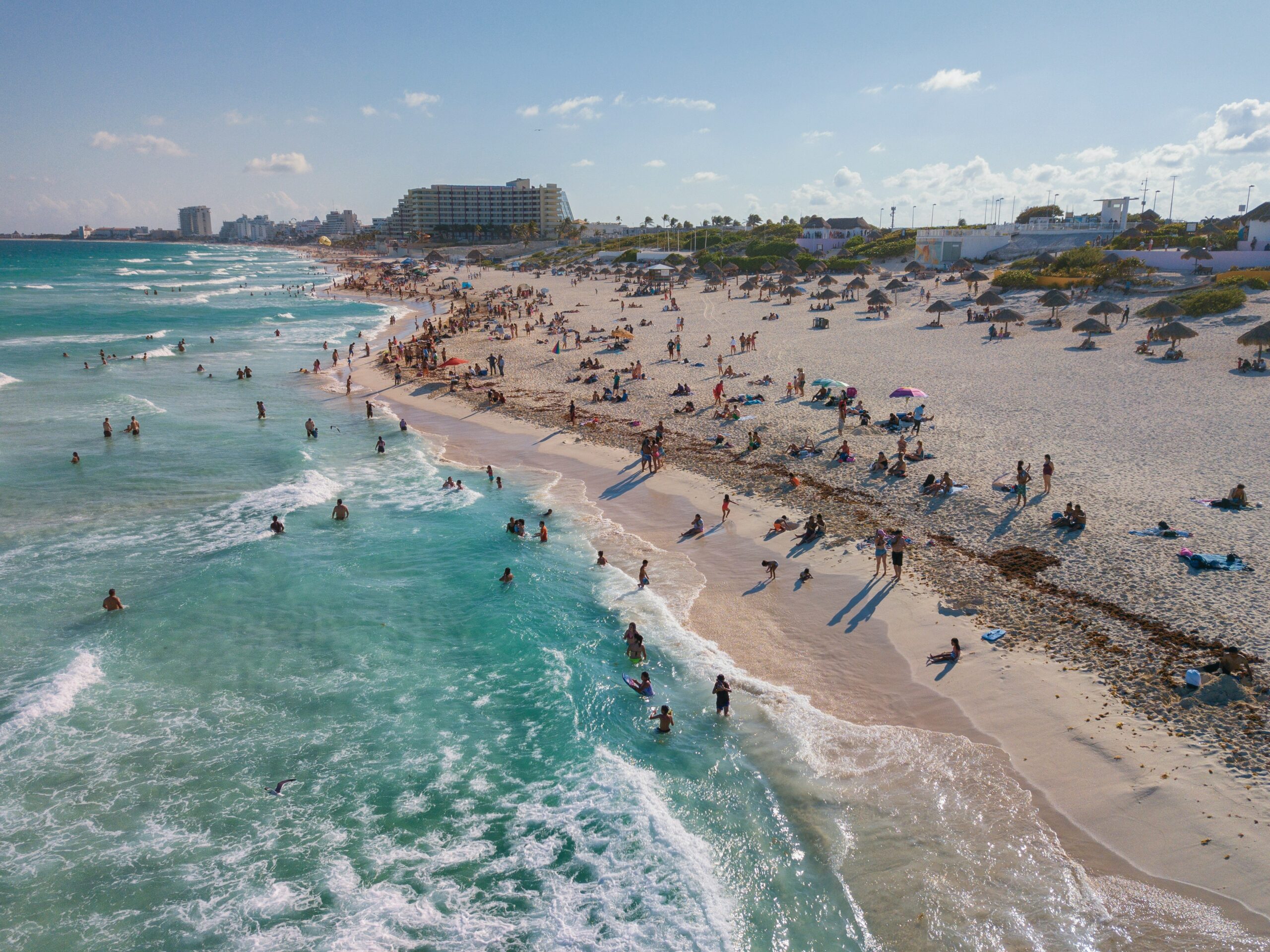
Best Time to Visit Cancun & the Riviera Maya: Month-by-Month
The Riviera Maya and Cancun get lumped together constantly, but technically, they’re two separate places.
Cancun sits at the northern tip of this coast, while the Riviera Maya actually starts just south of it, around Puerto Morelos.
From there it runs down through Playa del Carmen and Tulum, out to islands like Cozumel and Isla Holbox, along with inland spots like Bacalar that behave completely differently from the coast itself.
Figuring out the best time to visit Cancun and Riviera Maya comes down to understanding two things, dry season versus wet season, and hurricane risk layered over the second half of the year.
The good news is the core climate is close enough across this region that one guide genuinely covers it well.
But there are real regional differences worth knowing before you book, sargassum hits some beaches far harder than others, Bacalar’s lagoon is physically incapable of getting seaweed since it isn’t connected to the sea, and Isla Holbox’s dirt roads turn a rainy week into a genuinely different experience than a rainy week in Cancun’s Hotel Zone.
I’ve spent time across this coast in different seasons, and the difference between a well-timed trip and a poorly-timed one here isn’t subtle.
This guide breaks down what to expect month by month, plus the regional quirks that make Bacalar, Holbox, and Cozumel worth understanding on their own terms rather than lumping them in with Cancun by default.

Quick Answer: Best Time to Visit Cancun & the Riviera Maya
If you want the short version, January through March is the strongest overall window, dry weather, minimal sargassum, and calm seas, though it comes with peak crowds and peak pricing. November is a close second, offering nearly the same conditions with noticeably fewer people and lower rates.
June through October carries the highest risk on two fronts, hurricane season peaks in this stretch, and sargassum tends to build up heaviest on Cancun and Playa del Carmen beaches during the same months. That said, this is also when prices drop the most, and spots like Bacalar and Isla Holbox handle this window very differently than Cancun’s Hotel Zone does.
The right month really comes down to what you’re optimizing for, weather, budget, or crowd size, and the breakdown below covers exactly that, month by month.
Dry Season in Cancun & Riviera Maya (November – April)
Dry season is when this entire region operates at its most reliable. Rainfall drops to just a handful of light-shower days across an entire month-long stay, humidity eases off considerably, and temperatures settle into a genuinely comfortable range across the whole coast.
This is also when sargassum is at its lowest, historically the cleanest window for the postcard turquoise water this region is known for.
The trade-off is straightforward. Everyone knows this is the good window, so prices climb and crowds build steadily from November through the Christmas and New Year peak, easing slightly in January and February before Spring Break and Semana Santa crowds return in March and April.
November — A Strong Bet, But Still a Transitional Month
November sits right at the edge of the seasonal shift, and while it often delivers some of the best conditions of the year, it’s worth being honest that it’s still technically transitional rather than a guaranteed sure thing.
Hurricane season doesn’t officially close until November 30, and while direct storm risk drops off noticeably by this point, it hasn’t fully cleared the way December has.
Sargassum is generally easing from its summer peak too, though not always completely gone this early.
When it lands well, and it often does, you’re looking at reliably warm days around 27°C (80°F), low humidity, and genuinely dry-season quality weather.
Crowds are still light and holiday pricing hasn’t kicked in yet, which makes it one of the better value windows of the year if the gamble pays off.
Experienced travelers on this coast do tend to circle November early when booking flexible dates, but it’s worth going in with realistic expectations rather than treating it as a lock. Some years it’s essentially December weather with November pricing.
Other years, an early cold front or a lingering storm system pushes things later than the calendar suggests.
December — Festive Crowds and Cooling Temperatures
December brings the Christmas and New Year rush, and pricing across the entire region reflects it, this is peak season in full effect and its an excellent month for fun day tours!
Temperatures are among the coolest of the year, though “cool” here still means comfortable, pleasant days with occasional cold fronts from the north, locally called nortes, that can drop conditions to 23°C (73°F) days and cooler nights for two to four days at a stretch.
Sargassum is minimal this month, and Bacalar’s lagoon is entering its most vividly colored stretch of the year, since clear December skies make the water’s famous seven shades of blue genuinely striking.
Book well ahead if you’re traveling around the holidays specifically, accommodation across Cancun, Playa del Carmen, and Tulum fills up months in advance for this window.
January — Cool, Clear, and Underrated
January is one of the most pleasant months on this coast. Once the Christmas and New Year crowds clear, prices drop noticeably while the weather remains excellent, clear skies, comfortable temperatures averaging 23°C (73°F), and low humidity throughout.
This is also peak season for Bacalar’s lagoon color and one of the better months for visiting Chichen Itza before the equinox crowds arrive in March.
Sargassum has historically been low in January, though it’s worth noting 2026 saw some early, atypical arrivals even during this normally clean window, a good reminder to check current conditions regardless of the season you’re traveling in.
February — Balanced and Reliable
February mirrors January closely but runs slightly warmer, and it’s genuinely one of the most balanced months of the year across the region.
Reliable sunshine, minimal rainfall, low sargassum risk, and pricing that’s noticeably lower than what March and April bring once Spring Break season begins.
Occasional nortes can still pass through, bringing brief cooler, windier stretches, but they clear within a day or two.
If diving or snorkeling is a priority or visiting the cenotes in Mexico, this window through April offers some of the clearest water conditions of the year, Cozumel’s visibility regularly exceeds 30 meters during this stretch.

March — Driest Month, Rising Crowds
March is technically the driest month on this coast, with the lowest rainy-day count of the entire year.
It’s also when things start to shift, Spring Break season builds through the month, and the Chichen Itza spring equinox on March 20 draws serious crowds for the famous shadow-serpent effect on El Castillo.
Temperatures climb steadily, days in the high 20s°C (mid-80s°F) become the norm rather than the exception.
Sargassum risk remains generally low this month, though beach conditions can vary week to week.
If you’re planning time in Playa del Carmen, March is a strong month for it, warm enough for full beach days but before the peak heat and crowds of April fully arrive.
April — Warming Fast, Peak Crowds
April is the last full month of dry season, and it delivers the warmest temperatures of the dry-season stretch alongside some of the year’s biggest crowds.
Spring Break carries into early April most years, and Semana Santa, the week before Easter, brings a significant wave of domestic Mexican tourism that catches some international visitors off guard.
Weather-wise, April is still reliably dry with minimal rain, but humidity starts building noticeably as the month progresses toward the wet season ahead.
Book accommodation well in advance if your dates land anywhere near Semana Santa, hotels across the entire coast, from Cancun to Tulum, fill up fast for this specific week.
Wet & Hurricane Season in Cancun & Riviera Maya (May – October)
Wet season doesn’t mean constant rain, it means afternoon and evening thunderstorms layered over otherwise hot, humid days, with hurricane risk building through the middle of the season before easing toward November.
Atlantic hurricane season runs officially from June 1 through November 30, with peak activity historically falling in September and October.
Here’s the context worth keeping in mind, direct hurricane hits on Cancun specifically are genuinely rare, roughly once every four to five years on average, and this stretch of coast has seen only two major direct hits in over 40 years.
Most wet-season days pass with nothing more dramatic than a heavy afternoon downpour that clears by evening.
That said, sargassum becomes a real factor during this window, and it’s worth understanding which beaches handle it well and which don’t before you book.
May — The Sleeper Favorite
May sits right at the edge of the seasonal transition, technically pre-hurricane season on the Caribbean side, and it’s genuinely one of the more underrated months on this coast.
Days are hot and mostly dry still, with shoulder-season pricing that hasn’t caught up to the actual conditions yet.
Whale shark season begins mid-May, officially May 15, off Isla Holbox and Isla Mujeres, making this the first real window to combine decent weather with the chance to swim alongside them.
Sargassum is starting to build during May but hasn’t hit its peak yet, so beach conditions are generally still good, particularly early in the month.
June — Hurricane Season Begins
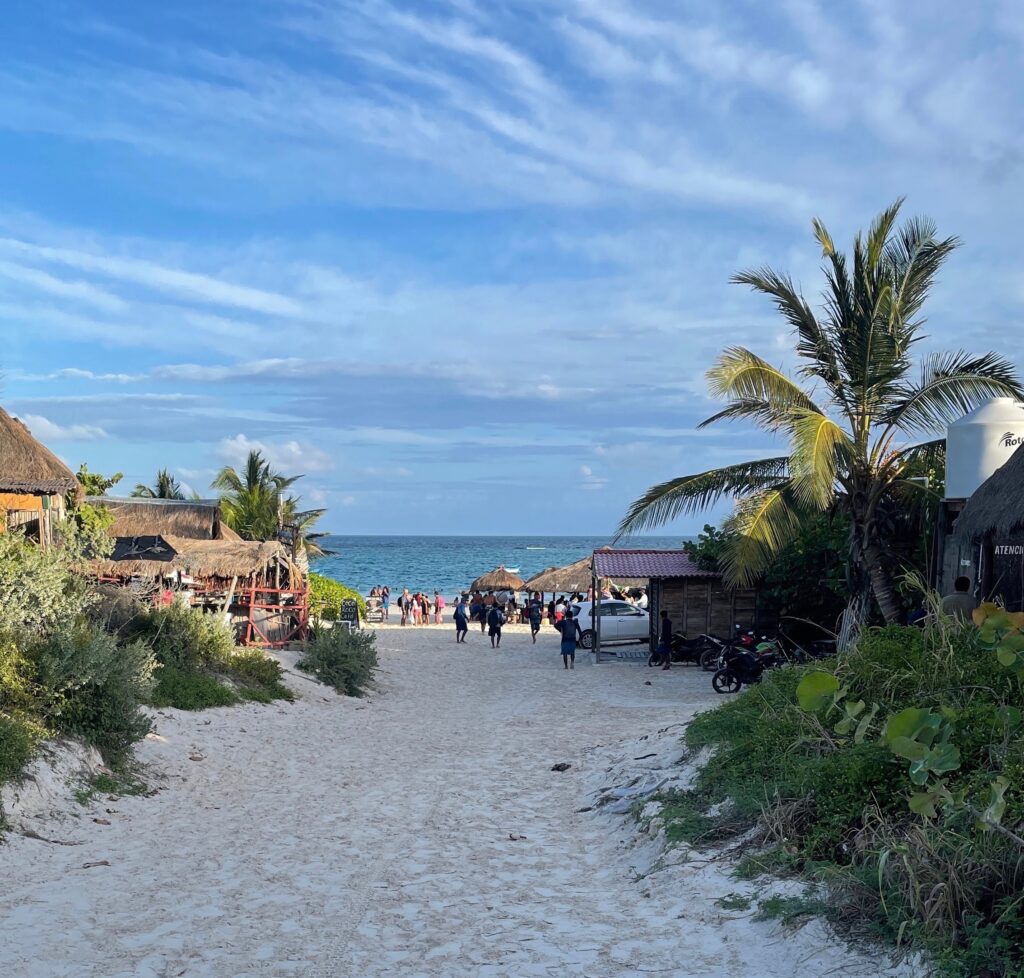
June marks the official start of hurricane season, though the practical risk this early in the season remains low.
It’s also the wettest month on record for this stretch of coast, with noticeably higher humidity than anything the dry season delivered.
Whale shark season is building toward its peak, though June can bring rougher seas on tour days compared to July and August.
Sargassum starts becoming a genuine factor on open-facing beaches this month. Families traveling with school-aged kids find June works well, moderate crowds, low storm odds this early, and brief afternoon showers rather than all-day washouts.
July — Peak Heat, Building Sargassum
July delivers the hottest daytime temperatures of the year, regularly reaching 31–34°C (88–93°F), paired with sargassum at or near its seasonal peak across the mainland coast.
Hurricane risk remains relatively low this month compared to what’s coming in August and September, making it a reasonable value window for families balancing budget against weather.
Whale shark encounters improve steadily through July, with mid-July through August widely considered the strongest window for both sighting numbers and manageable conditions.
If sargassum on the beach is a dealbreaker for you, this is a month to base yourself somewhere with natural protection, more on that in the regional notes below.

August — Peak Whale Sharks, Rising Storm Risk
August is peak whale shark season, arguably the single best month for the experience, with hundreds gathering off Holbox and Isla Mujeres to feed.
It’s also hot and humid with intensifying afternoon storms, and hurricane activity is climbing meaningfully as Atlantic sea temperatures reach their annual peak.
Sargassum is typically at the tail end of its peak this month, often beginning to ease in the final week or two.
Late August specifically is worth targeting if your schedule allows, North American schools go back into session around the third week, easing both crowds and prices while whale shark numbers remain strong.
September — Hurricane Season’s Statistical Peak
September is the statistical peak of Atlantic hurricane activity, with the season’s climatological high point falling right around September 10th.
This doesn’t mean a storm is guaranteed, most years still pass without a direct impact, but it’s the month where genuinely monitoring the forecast matters most if you’re committed to traveling during it.
The upside is real value, hotel rates bottom out 40–60% below peak season pricing, and sargassum begins easing from its summer high.
Whale shark season is winding down through mid-September before closing entirely. Travel insurance with weather coverage is worth having for any trip booked in this window.
October — Easing Risk, Lowest Prices
October carries elevated hurricane risk into its earlier weeks before conditions gradually calm as the month progresses, and it remains one of the two cheapest months of the year alongside September. Rainfall and sargassum both continue easing from their summer peaks.
It’s worth knowing that one of this region’s two major direct hurricane hits in the last 40-plus years, Hurricane Wilma, made landfall in October 2005, a useful reminder that while direct hits are rare, this month isn’t entirely without precedent.
For budget-focused, flexible travelers comfortable monitoring forecasts and booking refundable accommodation, October delivers genuine value.

Shoulder and Transitional Months — A Bit of a Gamble
The months sitting right on the seam between dry and wet season, late April into May, and October into November, don’t fit neatly into either category, and that’s worth being upfront about rather than pretending there’s a guaranteed outcome either way.
Late April can still deliver classic dry-season conditions, or it can tip into early wet-season humidity and the season’s first real storms, it genuinely varies year to year.
May itself often lands on the better side of that gamble, generally hot and dry with wet season still a few weeks from fully arriving, but it’s not a guarantee, and 2026 has already shown some atypical early-season patterns worth checking before you lock in dates.
The same applies in reverse at the other end of the calendar. Early November can either extend wet-season humidity and lingering storm risk a little further than expected, or it can deliver exactly the clean, dry conditions that make full November such a strong month.
Late October behaves similarly, some years ease into dry-season weather early, others hold onto wet-season patterns longer than the calendar suggests.
If you’re booking a trip that lands in one of these transitional windows, build in some flexibility where you can, refundable accommodation, travel insurance, and a realistic expectation that you’re playing slightly better odds than peak wet season, but not the sure thing that January or February represents.
Regional Notes — Where the Coast Genuinely Differs
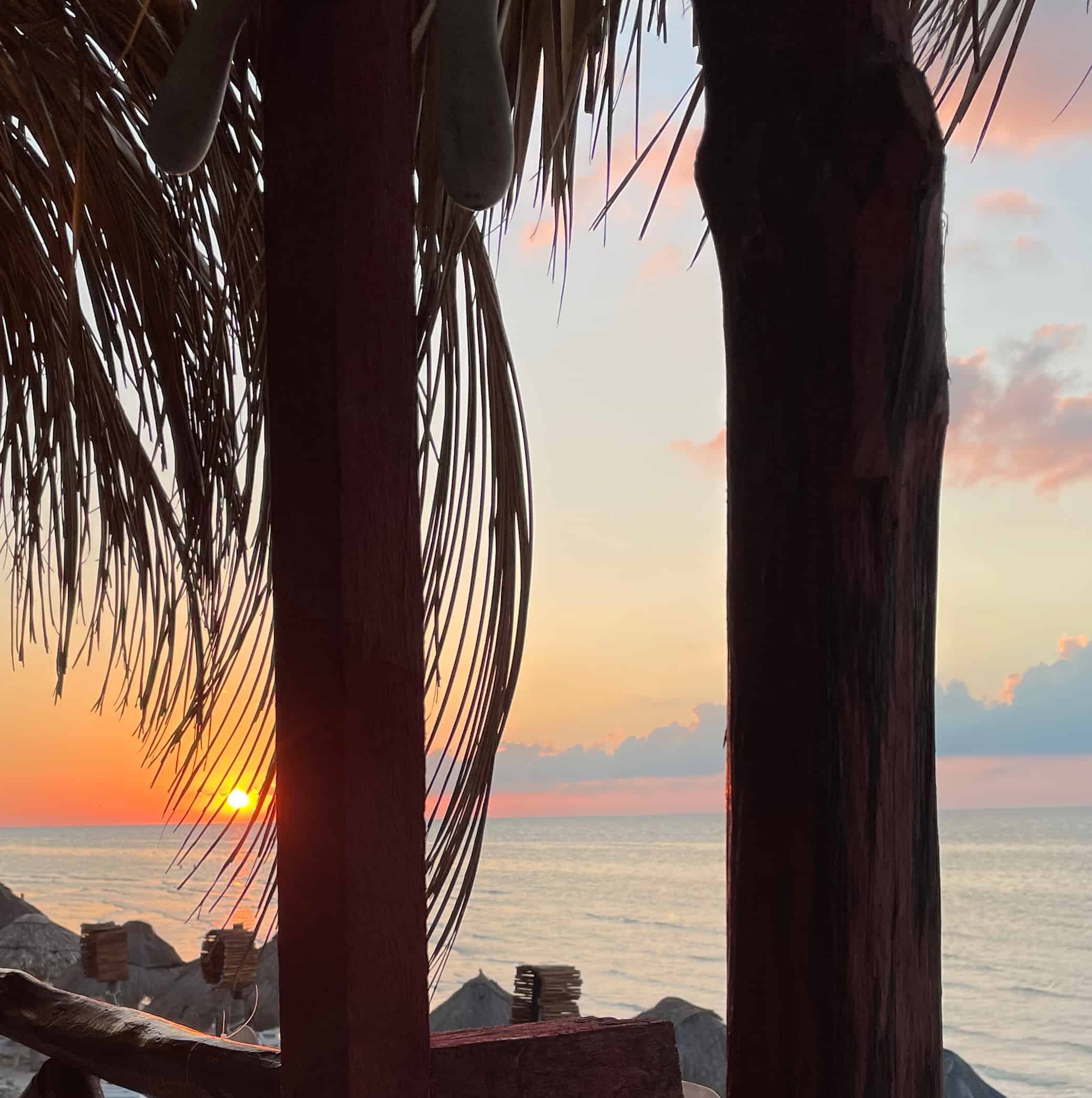
Not every part of this region experiences the seasons the same way, and a few of these differences are significant enough to shape where you base yourself.
Cancun, Playa del Carmen, and Tulum don’t face sargassum equally, and it comes down to coastline orientation. Cancun’s Hotel Zone has a protective northern-facing stretch that gives it a real edge, though it isn’t fully immune.
Playa del Carmen sits more exposed, with aggressive daily cleanup near Fifth Avenue keeping mornings noticeably cleaner than afternoons in peak season.
Tulum is consistently hit hardest, its open coastline takes the full brunt with little natural protection.
None of this makes any of these spots skip-worthy, all three offer plenty beyond the beach. Just time a Tulum trip for November through March if a pristine beach matters most, and keep your Playa del Carmen itinerary flexible enough to swap beach time for cenotes or a Cozumel day trip if conditions aren’t ideal.
Isla Mujeres and Puerto Morelos both get a version of the same protection. Playa Norte tends to stay relatively clear thanks to its orientation, and Puerto Morelos benefits from a small offshore reef. Both are solid bases if you want beach reliability without giving up proximity to Cancun.
Isla Holbox follows the same broad dry and wet season pattern as the mainland, but unpaved roads make the wet season feel different. Rain turns its sandy streets muddy fast, and the peak rainy stretch in September and October can limit what’s practical to do.
The island’s biggest quirk is that its two star attractions, clean beaches and whale shark season, don’t overlap well, both run on roughly the same calendar.
December through February brings the cleanest beaches, while mid-July through August brings the strongest whale shark encounters.
Cozumel benefits from simple geography. Its western, leeward coast stays notably cleaner than beaches facing the open Atlantic current, even when Tulum and Akumal are buried in sargassum.
It’s also home to some of the best diving visibility on this coast, especially late October through February, when conditions regularly exceed 30 meters. Worth reading a full Cozumel travel guide if diving is your main draw here.
Bacalar is the clearest exception to everything above. The lagoon is freshwater and isn’t connected to the sea, so sargassum simply can’t appear there, no matter what’s happening on the coast.
Dry season, roughly November through April, is when its famous multi-shade blue is most vivid, with December through March generally peak.
Rainy season still brings afternoon storms and rising hurricane-adjacent risk in September and October, but sargassum is a non-issue year-round.
Final Thoughts on the Best Time to Visit Cancun & Riviera Maya
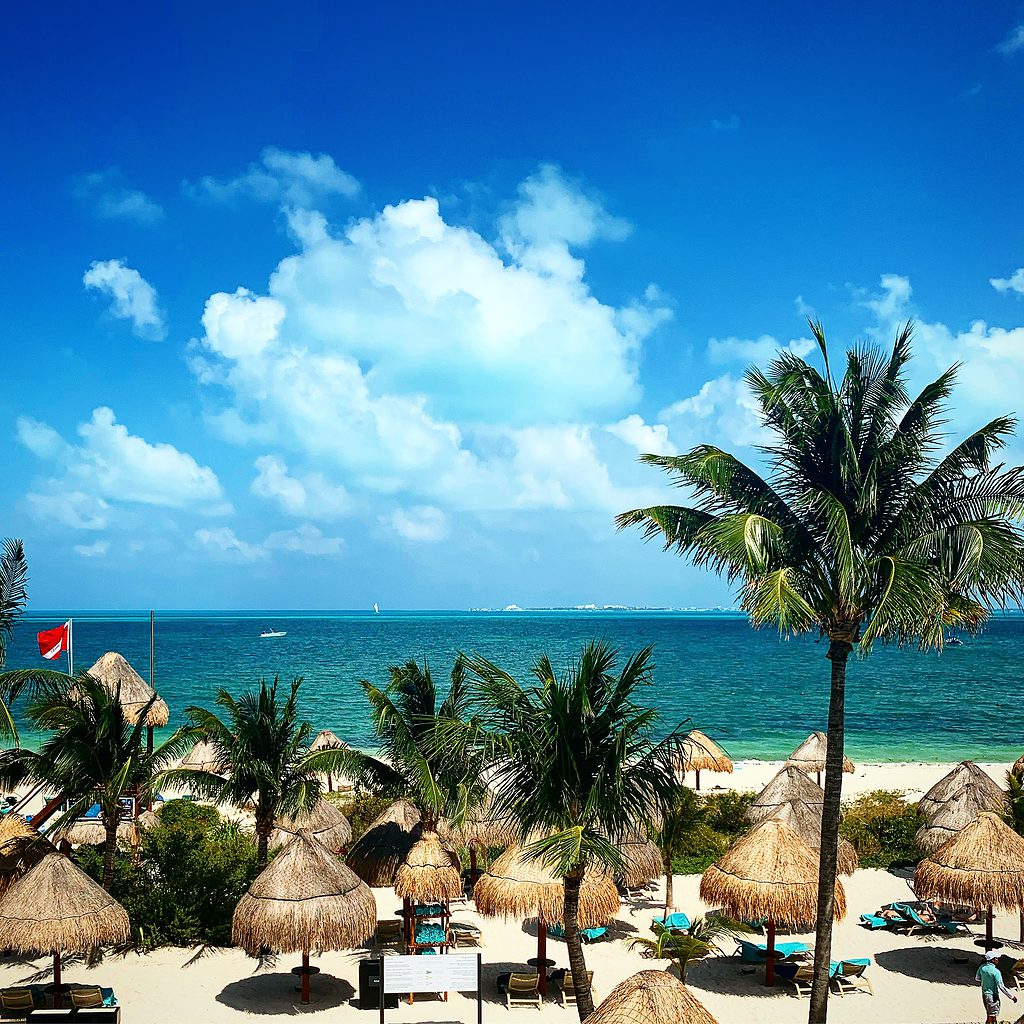
There isn’t a single wrong time to visit this coast, but there is absolutely a version of this trip that matches your priorities far better than another.
If a guaranteed clean beach and reliable sunshine matter most, November through February is close to a sure thing, but as you’ve seen, some months are safer than others.
If you’re chasing whale sharks or want the best value of the year and can handle some monitoring of the forecast, the wet season delivers plenty in return for the risk.
What I’d stress most is that this region rewards a little research before you book rather than assuming Cancun’s weather is Tulum’s weather is Bacalar’s weather.
They’re close together on a map and genuinely different in practice, especially once sargassum and hurricane timing enter the picture.
Wherever you land on the coast, it’s worth doing a bit of homework before you go, and reading up on common scams in Mexico so you’re not caught off guard by anything unrelated to the weather itself is a good place to start. Get the timing right, and this coast delivers on almost everything it promises.
What is the best month to visit Cancun and the Riviera Maya?
November is often strong, but still transitional, hurricane season closes November 30, and sargassum is usually easing rather than gone.
When it lands well, expect warm, dry weather and pre-holiday pricing. January and February are the safer bet, hurricane season is closed, sargassum is lowest, crowds are lighter.
When is hurricane season in Cancun, and how risky is it really?
Official season runs June 1 through November 30, peaking in September and October.
Direct hits are rare, roughly once every four to five years, with only two major hurricanes in over 40 years. Travel insurance is worth having for August through October trips.
When is sargassum worst on this coast, and where can I avoid it?
Sargassum runs April through October, peaking June through August. Tulum and Akumal get hit hardest, while Bacalar never sees it at all, and Cozumel’s western coast, Playa Norte, and Puerto Morelos stay relatively cleaner even in peak months.
When can I swim with whale sharks near Cancun?
Season runs May 15 through September 15 off Holbox and Isla Mujeres, with mid-July through August the strongest window.
Note this overlaps with peak sargassum season, so it’s a genuine trade-off, not a season with both perfect beaches and whale sharks at once.
