
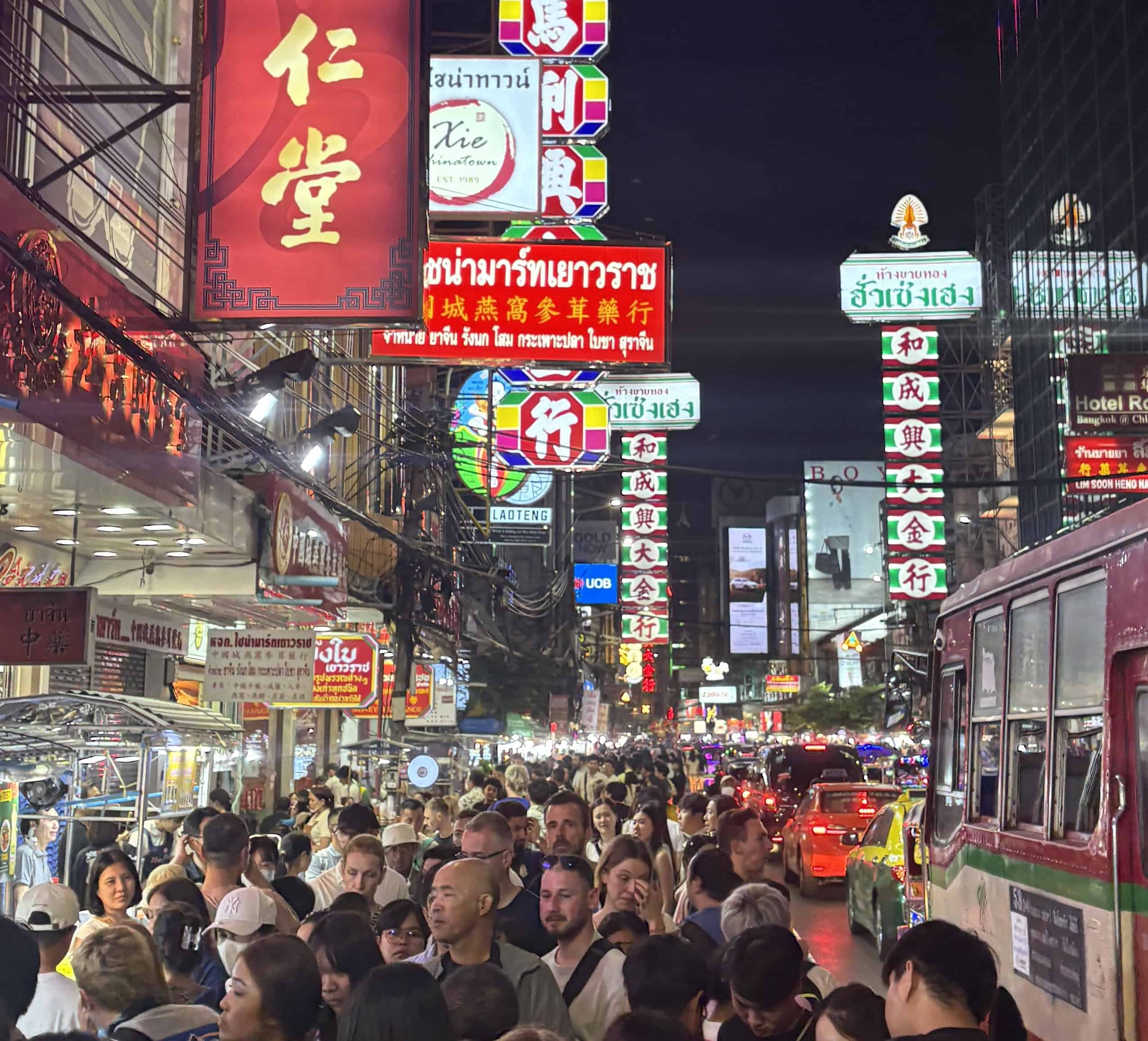
Is Thailand Safe to Travel? 14 Must Know Tips
Thailand is one of the safest and most welcoming countries in the world, and that’s not just a cliché.
From the friendly, laid-back locals to the vibrant energy of its cities and islands, there’s a reason millions of travellers return here again and again (including myself), I’m currently typing this sitting in Thailand right now.
Now, is Thailand safe to travel? Yes, absolutely, but that doesn’t mean there aren’t things worth being aware of.
You’re not heading somewhere where you need to constantly look over your shoulder, far from it. What we’re talking about here isn’t dramatic risks, but safety precautions and helpful know-before-you-go tips.
And honestly, some would argue that a few of the safety concerns in Thailand aren’t even about the country itself, but rather who’s visiting it.
Thailand is one of the most visited countries in the world, attracting all kinds of travellers, and sometimes it’s the tourists who bring the chaos more than anything else.
After many months spent in Thailand myself, I’ve learned what to watch out for and here are some safety tips for Thailand you must absolutely keep in mind.
Watch Your Belongings at the Beach

Thailand’s beaches are stunning, but like most popular tourist hotspots, they can be easy targets for petty theft, especially when you’re swimming or leaving your things unattended.
And while you may assume it’s locals you need to be cautious of, more often than not, it’s actually tourists stealing from other tourists.
So when you’re at the beach, don’t just toss your bag down and head into the water.
Keep an eye on your belongings, or better yet, bring a dry bag you can take with you or leave your valuables locked up back at your hotel.
Or what I like to do if I’m solo is befriend or ask the person next to my lounge chair to keep an eye for my things, and if I do so, it’s usually a family I ask.
A little strategy goes a long way, and helps make sure your beach day stays carefree.
Check your RideShare (Grab, Bolt) Vehicle License Plate
Before I even set foot in Southeast Asia years ago, this was one of the safety habits I picked up, and it’s one I’ve stuck with ever since.
Always double-check the license plate before getting into any rideshare vehicle like Grab or Bolt.
Why? Because I’ve heard countless stories of travellers getting into the wrong car or motorbike, thinking it was their ride, only to end up in a confusing or drama-filled situation.
Just because someone walks up and says “Grab?” doesn’t mean they’re your driver. In fact, this is a known scam in busy areas and airports across both Thailand and Vietnam.
Recently, someone in my Thailand travel group shared a story from Phuket where a motorbike driver who wasn’t the confirmed Bolt driver ended up wanting more money for the ride, turns out it wasn’t even their Bolt driver.
These situations are avoidable, and the solution is simple: check that the license plate matches what’s listed in the app.
It only takes a second and can save you from unnecessary headaches or unfair charges.
Stay Smart When Renting Scooters & Motorbikes
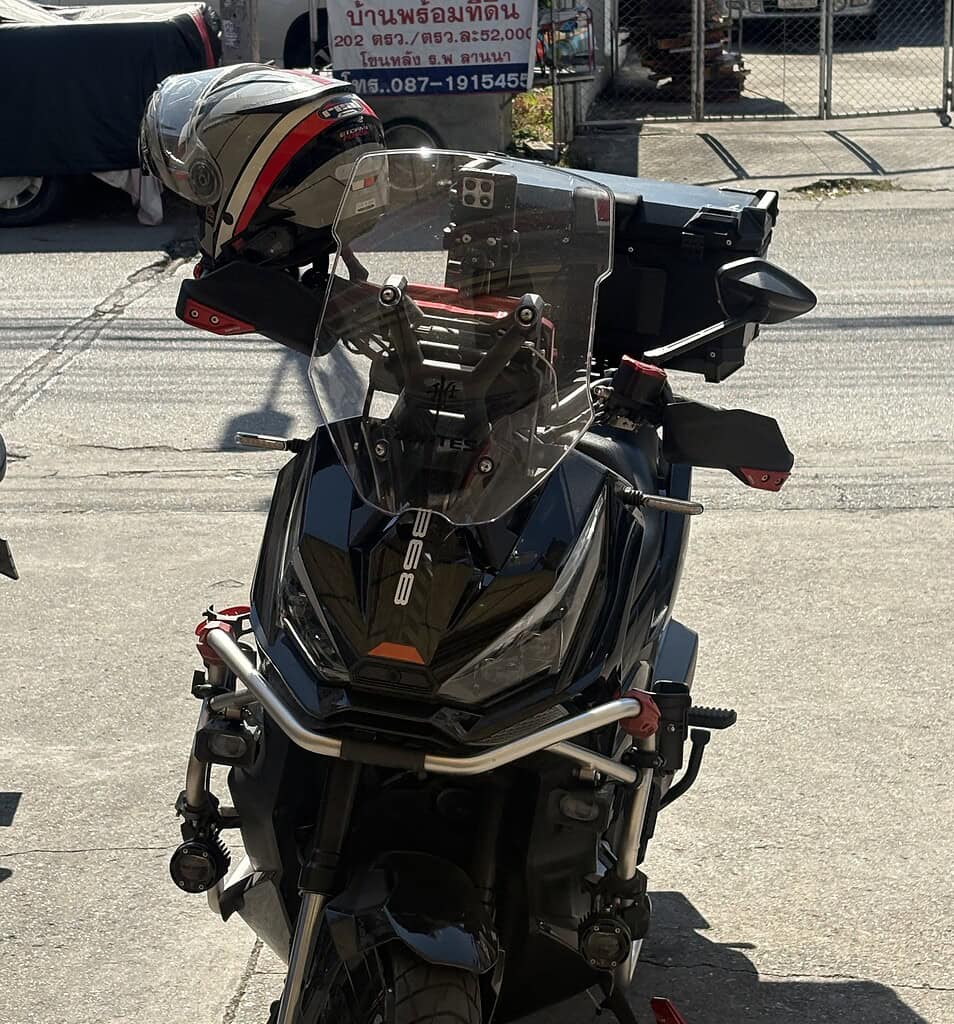
Renting a scooter in Thailand is a fun and flexible way to get around, especially on the islands, but it’s also something to approach with serious caution.
If you don’t know how to ride a scooter and you aren’t properly licensed, don’t do it. One accident can cost you your life, or someone else’s, and there are countless reports of this happening in Thailand almost daily.
Add to that: transportation in Thailand is already super affordable. With apps like Grab and Bolt, plus tuk-tuks, buses, and taxis in cities like Bangkok and Chiang Mai, there’s really no excuse to take unnecessary risks.
And yes, you do need an International Driving Permit (IDP) to ride legally, something many travellers overlook.
Without it, you risk fines, insurance issues, and even legal trouble if something goes wrong.
Scooters are a blast when you’re confident, trained, and fully covered. But if you’re not? Skip it. You’ll still get around easily, and safely and last but not least wear a helmet!
Families Should Avoid Staying in Nightlife Areas
Thailand’s nightlife is world-famous, and for good reason. Cities like Bangkok, Phuket, and Pattaya are known for their electric energy after dark, drawing in backpackers, partygoers, and yes, even Hollywood films (part of The Hangover Part II was filmed in Bangkok).
But while this scene has its appeal, it’s not the most suitable environment for families.
Nightlife districts like Khao San Road (Bangkok), Bangla Road (Phuket), and Pattaya’s Walking Street can get rowdy, loud, and attract a mix of sketchy characters, late-night fights, or shady activity.
While you might not see it all right away, the vibe can quickly shift after sunset in these areas and streets.
If you’re visiting Thailand with kids, it’s best to stay in quieter, family-friendly neighbourhoods a bit removed from these areas.
Refer to my Thailand family destinations guide for the best places to visit in Thailand with families, I also cover where to stay in each place there.
You’ll still have access to everything you need, great food, attractions, and transportation, without being right in the middle of the party.
Plan Your Thailand Trip with Confidence
4 Hours of Expert Travel Advice — Routes, Scams to avoid, What to book, and more.
Red Flags on Beaches Mean Don’t Swim
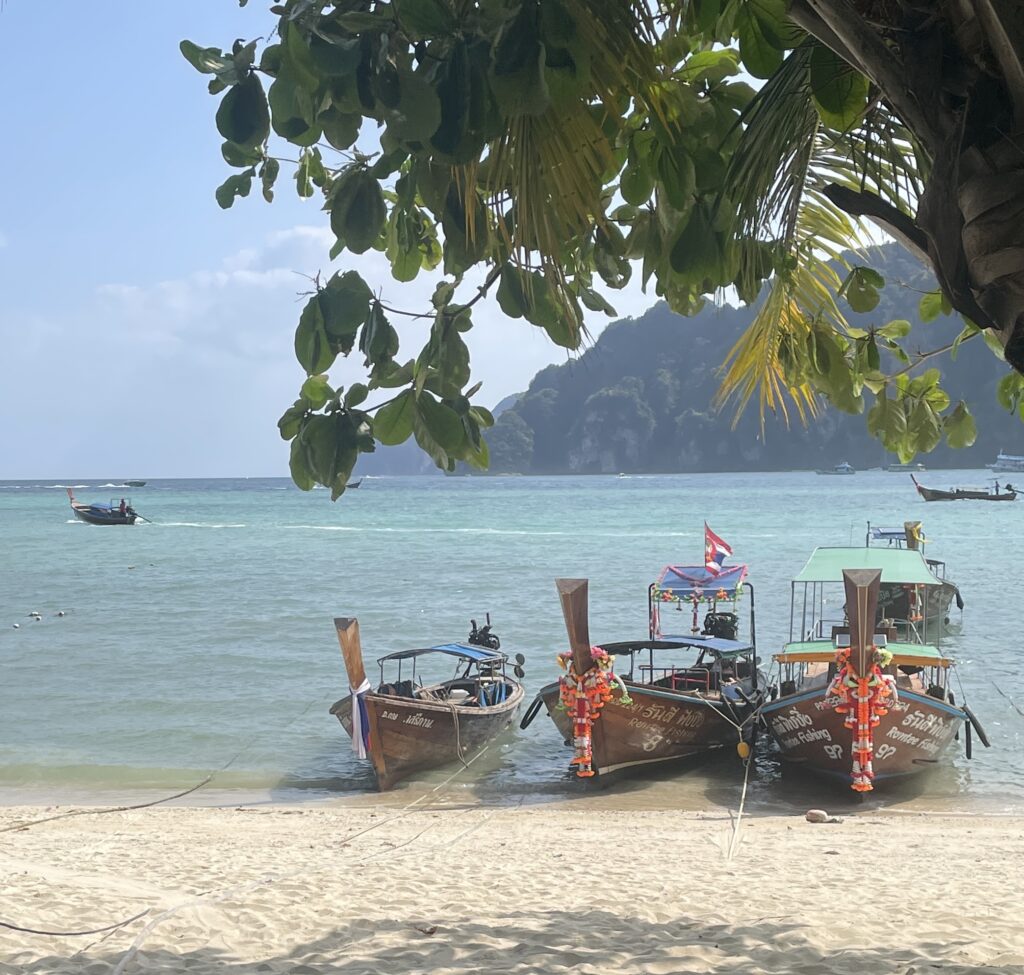
Thailand’s beaches might look calm and inviting, but red flags posted in the sand are there for a reason, and ignoring them can be dangerous.
These flags signal strong currents, dangerous tides, or conditions that make swimming unsafe.
Even if the water appears still, rip currents can be unpredictable and stronger than you expect.
This is especially important to pay attention to during Thailand’s southern off-season (typically May through October), when monsoon conditions can make the ocean even more unpredictable.
Lifeguards aren’t always present on every beach, especially the more local or less-developed ones, so it’s extra important to respect the warning signs.
Every year, tourists get into trouble simply because they underestimate the ocean or assume it’s “just a flag.” While others don’t just end up in trouble but they get swept in and unfortunately drown.
When in doubt, don’t go in. There are plenty of safe places to swim in Thailand, just make sure it’s the right time and spot to do it.
Watch Your Step: No Seriously
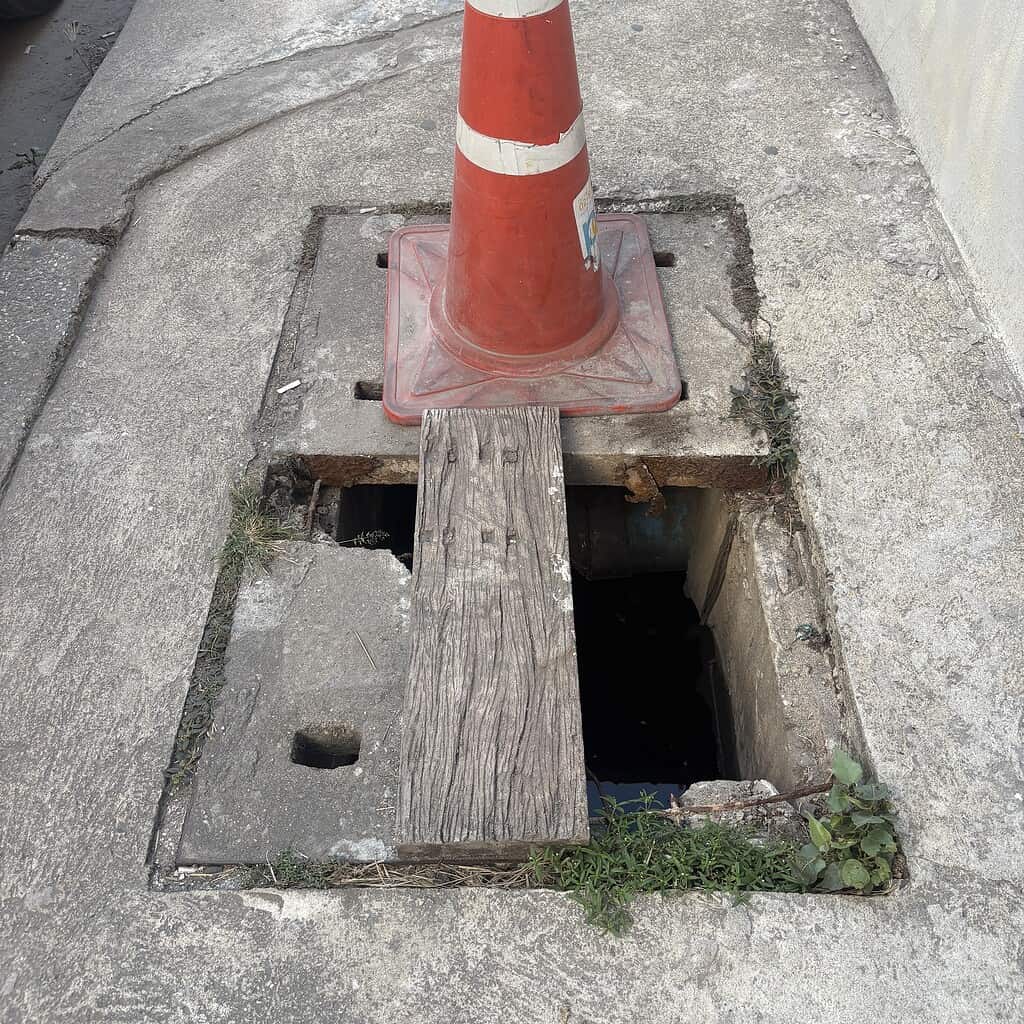
It might sound like a joke, but in Thailand, “watch your step” is genuinely solid advice.
Sidewalks can be uneven, broken, or simply vanish into open drains or random curbs, especially in older neighbourhoods or less developed areas.
And yes, motorbikes do sometimes use sidewalks to skip traffic, so walking isn’t always as straightforward as it might seem.
I’ll be honest, I’ve almost rolled my ankle more times than I can count, and I’m someone who actually looks down while walking.
One bad step could ruin your trip, especially if you’re constantly on the move like most travellers.
So take a second, stay aware, and save yourself the pain (literally). It’s a small habit that makes a big difference.
Be Aware of Soi Dogs (Street Dogs)
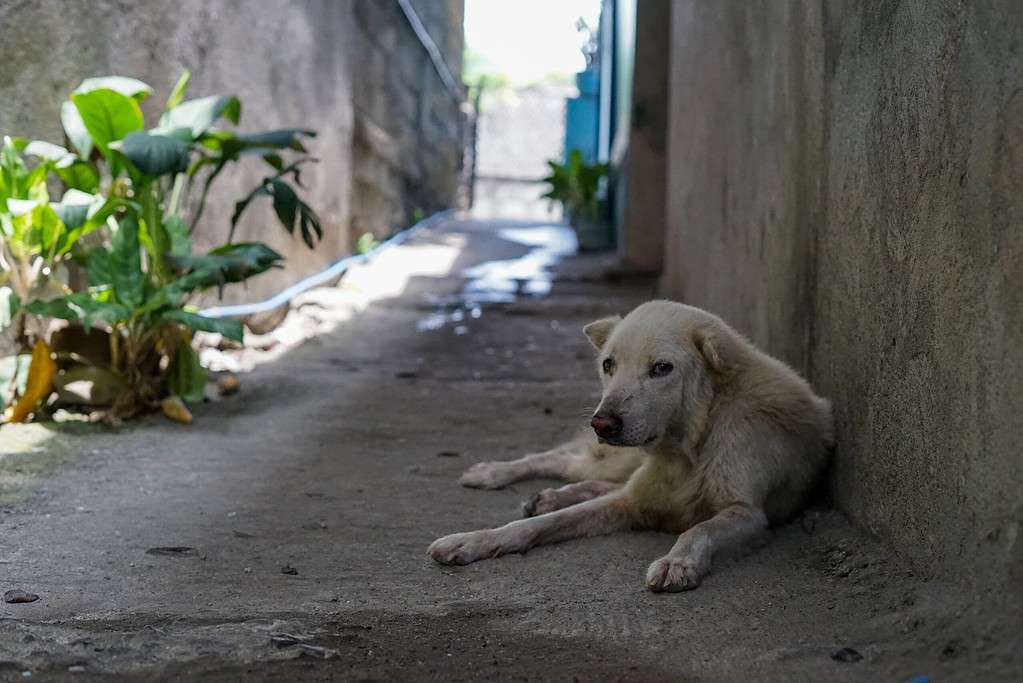
In many parts of Thailand, especially in less touristy areas or smaller towns, you’ll come across soi dogs, or street dogs.
Most of the time, these dogs are harmless and used to people. They roam freely, often nap in the shade, and are just part of the local backdrop.
That said, it’s smart to stay alert. While many soi dogs are calm, some can be territorial, especially at night or if they feel threatened.
Avoid petting them, feeding them, or getting too close, particularly if you see signs of aggression or if they’re in groups.
If you’re walking around late, try to stay on well-lit main roads and avoid quiet alleyways where stray dogs may gather.
And as a general precaution, it’s wise to make sure your travel vaccinations are up to date, including rabies, just in case.
For most travellers, soi dogs are nothing more than background characters in daily Thai life, but a little awareness goes a long way.
Avoid Riding Scooters in Heavy Rain
OK, so maybe my earlier warning about scooters doesn’t apply to you, you’ve got your license, you wear your helmet, and you’re confident behind the handlebars. That’s great.
But here’s something many travelers aren’t prepared for: Thailand’s heavy rain.
During the wet season or even just a random afternoon downpour, the roads can get seriously slick.
Conditions change fast, and riding a scooter in the rain isn’t just uncomfortable, it’s genuinely risky. One wrong turn or sharp brake, and you could find yourself skidding out, or worse.
Sure, you might see locals or even some tourists zipping around like it’s no big deal. But remember, this is their turf.
They’ve been riding these roads for years and know exactly how to handle those conditions. That doesn’t mean you should try to do the same.
If the rain starts pouring, play it safe. Delay your ride, pull over and wait it out, or opt for a different mode of transport. A bit of patience now can save you a whole lot of pain later.
Be Aware of Alcohol Safety & Counterfeit Liquor
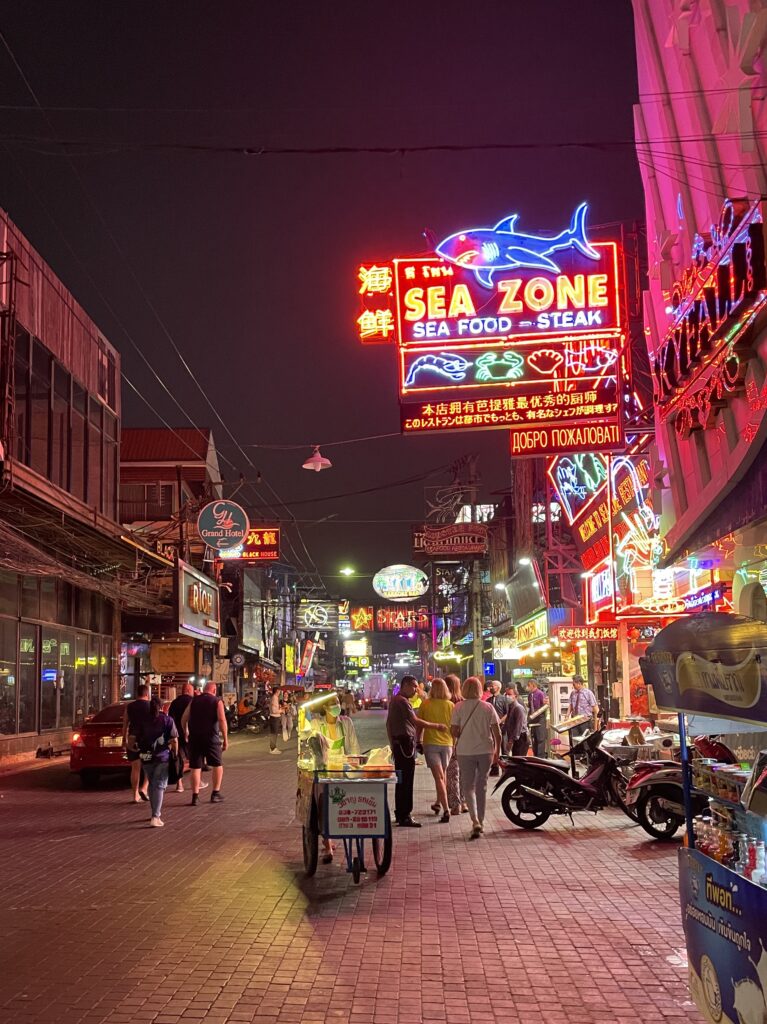
One thing many travellers don’t realize is that alcohol safety in Thailand isn’t just about drinking responsibly, it’s about being aware of what you’re actually drinking.
Counterfeit liquor is a real issue in parts of Southeast Asia, including Thailand. That cheap bucket or cocktail you’re handed at a bar might not be what you think it is.
In some cases, bootleg or unregulated alcohol is mixed in, which can lead to anything from a splitting headache to something much more serious.
This is especially common in nightlife-heavy areas, where alcohol is sold at dirt-cheap prices, and quality control is not a priority. If something tastes off or too strong, trust your gut.
Stick to reputable bars and restaurants, and avoid random pop-up stalls or unregulated “bucket stands” that don’t have clear branding or are offering shockingly low prices.
Be Cautious in Nightlife Streets
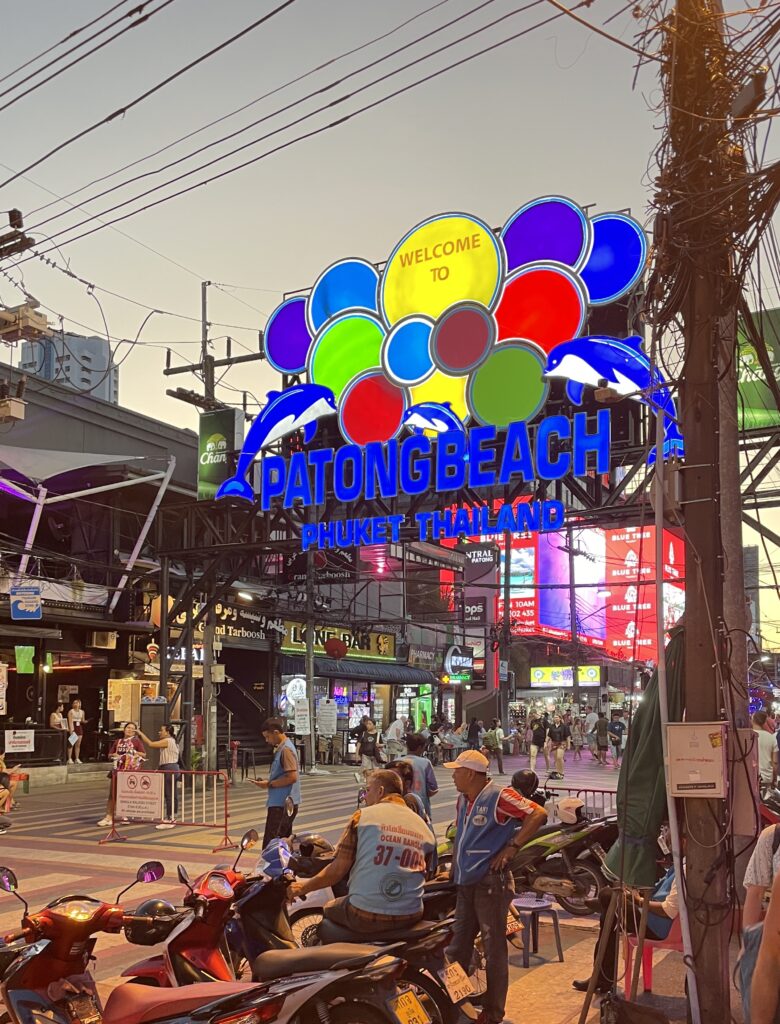
Nightlife districts in Thailand, like Khao San Road in Bangkok or Bangla Road in Phuket, can be a blast, but they’re also places where things can go sideways quickly if you’re not paying attention.
Whether you’re there with a partner, solo, or in a group, it’s important to stay aware. Pickpocketing and petty theft do happen in these crowded, chaotic environments.
Overcharging is also common, from inflated bar tabs to dodgy drink scams, especially if you’re not keeping an eye on your bill.
And while most nights are just loud and lively, some turn messy. It’s not uncommon to see fights break out, often between tourists who’ve had too much to drink.
The key here isn’t to avoid these spots entirely, they’re part of the Thailand experience for many, but to approach them with caution. Stick with your group, keep an eye on your stuff, and know your limits.
Know the Seasonal Risks: Flooding & Monsoons
Seasonal weather in Thailand can quickly become a safety concern, especially during monsoon season (May to October).
Flash floods, like the chest-high ones recently seen in Vietnam’s Hoi An, can also happen in Bangkok and Chiang Mai. I’ve personally waded through knee-deep water during a storm, it’s not fun.
On the islands, heavy rain can cause rough seas, leading to risky boat rides and dangerous beach conditions. Always check the forecast before heading out.
In Northern Thailand, burning season (Feb–Apr) brings poor air quality, especially in Chiang Mai. It can be hazardous, particularly for children or anyone with respiratory issues.
Planning around the season you’re visiting is one of the easiest ways to stay safe.
Stay Alert in Traffic & Crossing Streets

You might be thinking, really? This made the list? Yes, and for good reason. I’m not just passing through Thailand for a week here and there.
I’ve spent serious time here, and just earlier today while writing this in Chiang Mai, a scooter zipped past me by mere inches on a quiet community side street.
It’s a reminder that even in less crowded areas, things can happen fast. Whether you’re in Bangkok, Chiang Mai, or a beach town, traffic doesn’t always behave the way you’d expect. Motorbikes often come from all directions, sometimes even on sidewalks.
Stay off your phone while walking, and when possible, walk facing traffic so you can see what’s coming.
Cross streets cautiously, wait for a break in traffic, and don’t assume anyone will slow down just because you’re in a crosswalk.
It’s best to stay aware of your surroundings and being mindful of how quickly things can change, even on what looks like a quiet street.
Avoid Tap Water in Thailand
Thailand’s tap water isn’t considered safe for drinking, not for locals and definitely not for travellers.
While it’s generally okay to brush your teeth with it in most tourist areas, you should avoid drinking it directly or using it to make ice unless you’re certain it’s been filtered.
Thankfully, bottled water is cheap and widely available everywhere from 7-Elevens to street vendors. Many hotels and guesthouses even offer free daily bottles.
You can also consider bringing a reusable bottle with a built-in filter if you want to cut down on plastic.
But just stay away from the tap water at all costs, having an upset stomach in Thailand visiting won’t be fun!
Get Travel Insurance: Just Get it
Far too many travelers, especially younger ones, skip travel insurance, thinking, “What could really happen?”
But that’s exactly the issue. You don’t need travel insurance… until you do. And by the time you realize that, it’s already too late.
You get travel insurance before you need it, so that if something does go wrong, you’re covered when it matters.
Medical emergencies, scooter accidents, food poisoning, lost luggage, canceled flights, all of it can seriously disrupt your trip (and your wallet).
Some travellers might already be covered without realizing it, especially if you booked your trip with a credit card that includes travel insurance benefits. Definitely check with your provider to see what’s included.
As someone who travels full-time, I’m not covered through a credit card because of the way I move from place to place.
I personally use SafetyWing, which lets me stay insured month to month, no matter where I am. It gives me peace of mind, and that alone makes it worth it.

Final Thoughts on Safety in Thailand
And there you have it, all the key safety tips for visiting Thailand. If you started this article wondering, “Is Thailand really unsafe?”, now you know exactly what I meant.
Yes, Thailand is absolutely one of the safest countries to visit, and millions of travellers come and go each year without issue, ranking in the top 10 most visited countries in the world annually.
But that doesn’t mean it’s without its quirks or cautionary points. Most of the safety concerns aren’t about danger, they’re about being smart, alert, and prepared.
Keep these tips in mind, and your trip will not only be safer, but smoother and more enjoyable too.
Plan Your Thailand Trip with Confidence
4 Hours of Expert Travel Advice — Routes, Scams to avoid, What to book, and more.
Is it safe to travel to Thailand as a solo traveler?
Thailand is one of the most popular destinations for solo travellers thanks to its friendly locals, vibrant backpacker scene, and well-developed tourism infrastructure. Like anywhere, stay aware of your surroundings and use common sense.
Is Thailand safe to visit for families with children?
Yes, families with kids often have a fantastic time in Thailand. Just avoid staying in nightlife-heavy areas, and be mindful of food, traffic, and sun safety, especially with younger children.
Are there any areas in Thailand that are unsafe for tourists?
Most of Thailand is safe for tourists, but it’s smart to stay cautious in nightlife zones late at night and avoid border regions with active travel advisories.
Is it safe to drink tap water in Thailand?
No, tap water in Thailand is not considered safe to drink. Stick to bottled water, which is widely available and inexpensive, even locals usually avoid drinking straight from the tap.
