
12 Japan Travel Mistakes That’ll Cost You Money
Japan travel mistakes rarely announce themselves. They look like a smart purchase, a convenient shortcut, or a hotel booking that can wait until next month. Then the bill arrives, and it is bigger than it needed to be.
Japan has a reputation for being expensive, but most of the damage comes from avoidable decisions made before and during the trip, not from the country itself.
Plenty of the best experiences cost very little, and the transport system is excellent value when you use it properly.
I put together the 12 mistakes that cost travelers the most money, from airport transfers and rail passes to hotel timing and insurance.
None of this means skipping the fun. It simply means spending your yen on ramen, temples, and train rides instead of on fees and markups.
Let me show you where the money quietly leaks, and how to plug each hole.
Buying the JR Pass Without Checking the Math
The JR Pass used to be a no-brainer. Then prices jumped in 2023, and they rose again on October 1, 2026.
A 7-day ordinary pass now costs ¥53,000, which is well over $300, while the 14-day and 21-day passes cost ¥84,000 and ¥105,000.
Here is the problem. Many travelers buy it automatically, then use it for a loop that never comes close to paying for itself.
A Tokyo to Osaka Shinkansen ticket costs roughly ¥15,000 one way, so even a round trip is around ¥30,000, far below the price of the pass. Add a few local rides and a day trip, and you may still come out ahead without it.
The pass can make sense for itineraries with several long Shinkansen legs packed into a short window, such as Tokyo to Hiroshima to Kyoto and back within seven days.
Do the math before you buy. List every long train journey you plan, price each one on a route planner, and compare the total to the pass.
The pass covers JR lines only, so subways and private railways still cost extra. If you are staying in one region, a regional rail pass is often the better fit.
Exchanging Money at the Airport
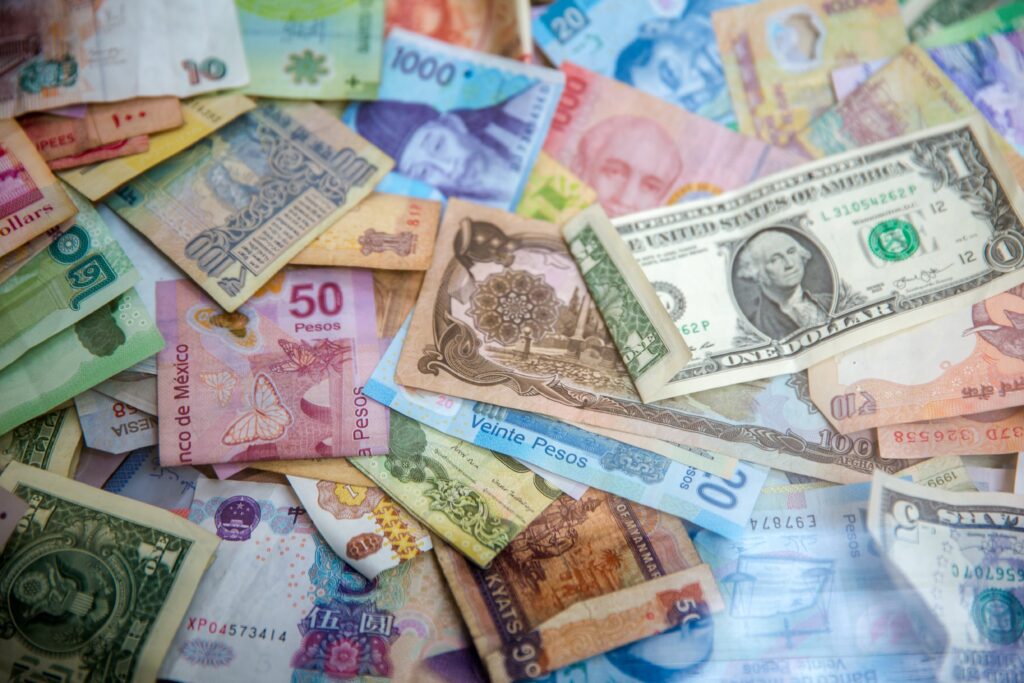
It is tempting to land, spot a currency exchange counter, and sort out your yen in one quick stop. I understand the appeal, but it is one of the more expensive ways to get cash.
Exchange counters at airports and other tourist hubs generally offer worse rates than ATMs, and they often add their own fees.
The gap is usually several percent, which means you lose money before you have even left the terminal.
A better move is to use an ATM. The ones at 7-Eleven stores are the most reliable for foreign cards, with a fee of ¥110 to ¥220 per withdrawal plus whatever your home bank charges.
Since the fee applies each time, take out larger amounts less often instead of grabbing small sums every day. If you want a little cash for the train ride into town, withdraw a modest amount from an airport ATM.
Check your card’s foreign ATM fees before you go. If the machine offers to convert the amount into your home currency, decline and choose yen.
Japan still runs on cash in many places, so you will want some on you. Keep a small backup stash in a separate spot, so one lost wallet does not leave you stranded. Just get your cash the smart way.
Taking a Taxi From the Airport Instead of the Train

After a long flight, a taxi sounds like a reasonable reward. At Narita, it is a very expensive one.
Fixed fares to central Tokyo run roughly ¥21,000 to ¥30,000, plus expressway tolls of up to ¥3,700. That is well over $130, and sometimes more than $200, for a ride that takes 60 to 90 minutes.
The train costs a fraction of that. The Keisei Skyliner runs to Ueno or Nippori for ¥2,470 in about 40 minutes, and the Narita Express reaches Tokyo Station for ¥3,070.
Both need a reserved seat, and both are comfortable and easy to follow. The airport limousine bus costs about ¥3,200 and drops you near your hotel.
Haneda is a different story, and it is worth checking before you book flights. The airport sits much closer to the city, so a taxi costs roughly ¥6,900 to ¥9,100 plus tolls.
Even so, the Keikyu Line to Shinagawa costs around ¥330, and the Tokyo Monorail to Hamamatsucho costs around ¥520, both in under 20 minutes.
Before you leave the airport, buy your train ticket at the counter or a machine, where staff can usually help in English.
A taxi only makes sense if you land very late, after the trains have stopped, or you are carrying a lot of bags. Otherwise, buying a train ticket takes a few minutes and saves a serious amount of money.
Not Redeeming Your Tax-Free Shopping

Japan has long been a great place to shop tax free, which is exactly why this mistake is easy to make.
Until October 31, 2026, tax was taken off at the register. That changed on November 1, 2026.
Under the new system, you pay the full price, including the 10% consumption tax, and claim the tax back when you leave the country. If you skip the airport step, you have simply paid 10% more.
Here is how it works. Show your passport at the store, spend at least ¥5,000 before tax at one shop on one day, and keep every receipt.
Before you leave Japan, scan your passport at the tax-free kiosk in the departure area.
A green result means you are done, and a red result sends you to a customs counter with your purchases.
Do this before you check your bags, because customs may need to see the goods, and finish within 90 days of purchase. Leave extra time at the airport, since you must complete it before boarding.
Refund methods and timing depend on the shop, so ask at the register how you will be paid.
Keep each receipt’s items together, because if one item is missing, that whole receipt can be rejected.
Booking Hotels for Cherry Blossom or Foliage Season Too Late
Cherry blossom season and autumn foliage season are the two moments when everyone wants to be in Japan at the same time.
Cherry blossoms usually peak from late March into early April, and the foliage in places like Kyoto usually peaks in late November.
The same room that costs one price in February can cost double or more during those weeks, and the best properties sell out first, sometimes months ahead.
The mistake is assuming you can sort out accommodation closer to the date. By then, you are choosing between expensive options and far-away ones.
Book early, ideally three to six months ahead for peak weeks, and choose rates with free cancellation so you can adjust if your plans change.
Bloom dates shift from year to year, so flexibility is worth a lot. Watch the cherry blossom forecast as your dates get closer, and build your city order around it.
If Kyoto prices look painful, consider staying in Osaka and visiting Kyoto as a day trip, since the two are close by train.
You can also visit just before or after the peak weeks, when the scenery is still lovely and the rates drop. Peak season is beautiful, so plan ahead and pay less to enjoy it.
Eating Right Beside the Major Attractions
You have just finished exploring a famous temple, you are hungry, and the restaurant directly across the street has a menu with photos in five languages. I get it. But convenience has a price.
Restaurants right beside the major sights tend to charge more for meals that are often average, because they know foot traffic will fill the tables anyway. Walk just five to ten minutes in any direction and the prices usually drop, while the quality climbs.
Look for set lunch menus, called teishoku, which bundle a main dish, rice, soup, and sides at a good price, especially at midday.
Small ramen, soba, and udon shops tucked down side streets are worth hunting for, and department store food halls and convenience stores are great backups when you want something cheap and quick.
A simple rule works well. If the restaurant exists mainly to serve the crowd outside it, keep walking. Check recent reviews on a map app and pick the place where you see locals sitting down.
A convenience store breakfast and a department store lunch box eaten in a park can end up being a highlight instead of a compromise. Your wallet and your taste buds will both thank you.
Not Using a Wise Card or an IC Card
Small fees do not feel like a problem until you add them up. Many bank cards charge a foreign transaction fee on every purchase, and a few percent on each swipe becomes a noticeable chunk of your budget across a two-week trip. Add poor exchange rates, and the leak gets bigger.
A travel card can help. Multi-currency cards such as Wise let you hold and spend yen at rates close to the mid-market rate with low fees, if one is available in your country.
Check the current fees yourself, since they vary. And when a card terminal offers to charge you in your home currency, always choose yen.
The second tool is an IC card like Suica or Pasmo. It works on trains and buses across the country, and also at convenience stores, vending machines, many cafes, and taxis in major cities. That means fewer ATM trips, fewer fees, and no fumbling for coins at the ticket machine.
You can add Suica to your phone’s wallet or pick up a card at a station, then top it up with cash or in the app.
Between the right card and an IC card, you plug the leaks quietly. Keep one backup card in a different bag, because a locked or lost card is a much bigger problem than any fee.
Overpacking and Forwarding Luggage in Every City
Japan makes luggage forwarding wonderfully easy, and that is exactly what makes it a money trap.
Services like Yamato’s takkyubin will send a bag from one hotel to the next, usually arriving the following day, for roughly ¥2,000 to ¥3,500 per bag depending on size, weight, and distance.
That sounds reasonable for one bag. Now picture two bags across a three-city trip. Six forwards at ¥2,000 to ¥3,500 each comes to ¥12,000 to ¥21,000, and that is before you count the overnight bag you need while your suitcase is in transit.
The real fix is to pack less. A carry-on and a daypack are plenty for most trips, because laundry is easy in Japan.
Pack light layers that mix and match, and you will be surprised how little you actually need. Many hotels have coin laundries, and most cities have them nearby.
Large bags also cause trouble on the Shinkansen, where oversized luggage needs a reserved seat, and in packed stations with endless stairs. Station coin lockers cost a few hundred yen if you need to drop a bag for the day.
Save forwarding for one hard leg, such as a long transfer with a big bag, rather than using it everywhere.
Visiting During Golden Week Without Knowing What It Is
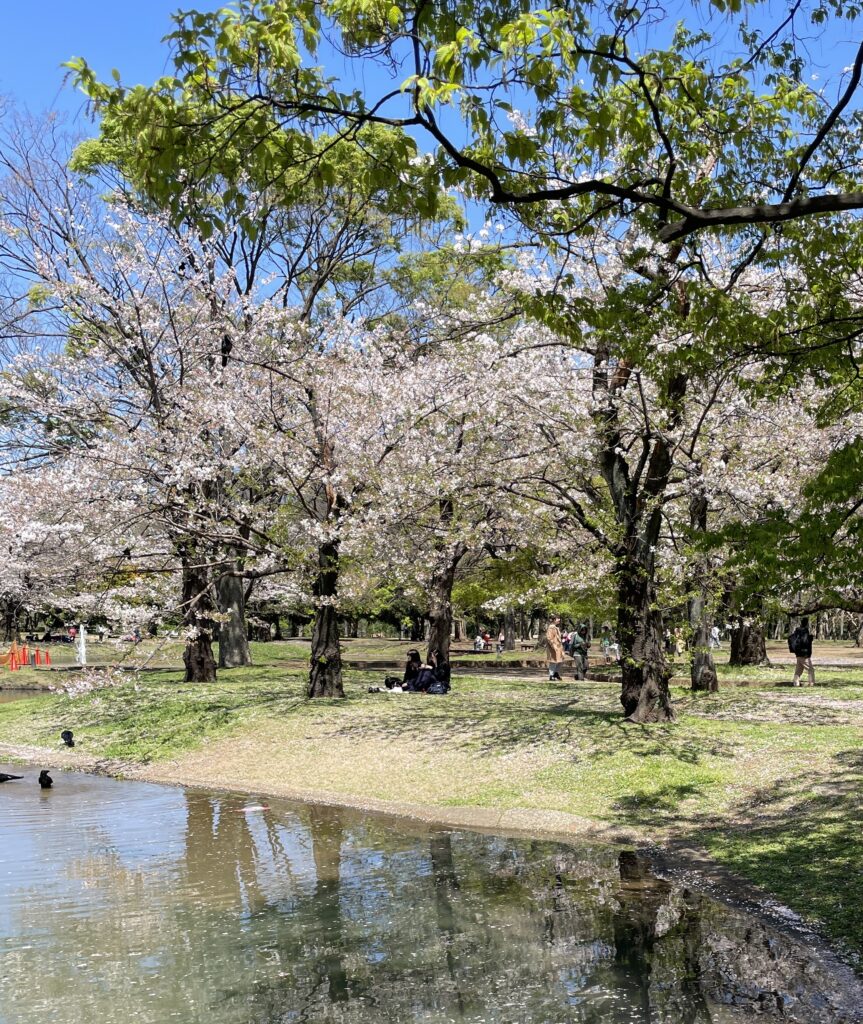
Golden Week is a cluster of public holidays in late April and early May, and it is one of the busiest travel periods of the year in Japan.
Many locals take time off at once, so trains, hotels, and popular attractions fill up. In 2027, it runs from April 29 to May 5.
The mistake is landing in the middle of it without knowing what is happening. Prices spike, bookings disappear, and you may find yourself stuck in crowds when you hoped for a calm trip.
Planning helps a lot. Book hotels about three to six months ahead, reserve Shinkansen seats as soon as sales open one month before travel, and book popular restaurants a month or two in advance.
The heaviest travel days tend to be around April 29 and 30 going out and May 4 and 5 coming back.
Do not worry about everything closing, since most shops, restaurants, and attractions stay open.
The issue is scarcity, not closure. If your dates are flexible, avoid Golden Week altogether.
Obon in mid-August and the New Year period are also busy, so check the holiday calendar before you book.
Even trains between cities take longer when stations are crowded, so build extra time into your transfer days.
Booking Tours Through Your Hotel Concierge
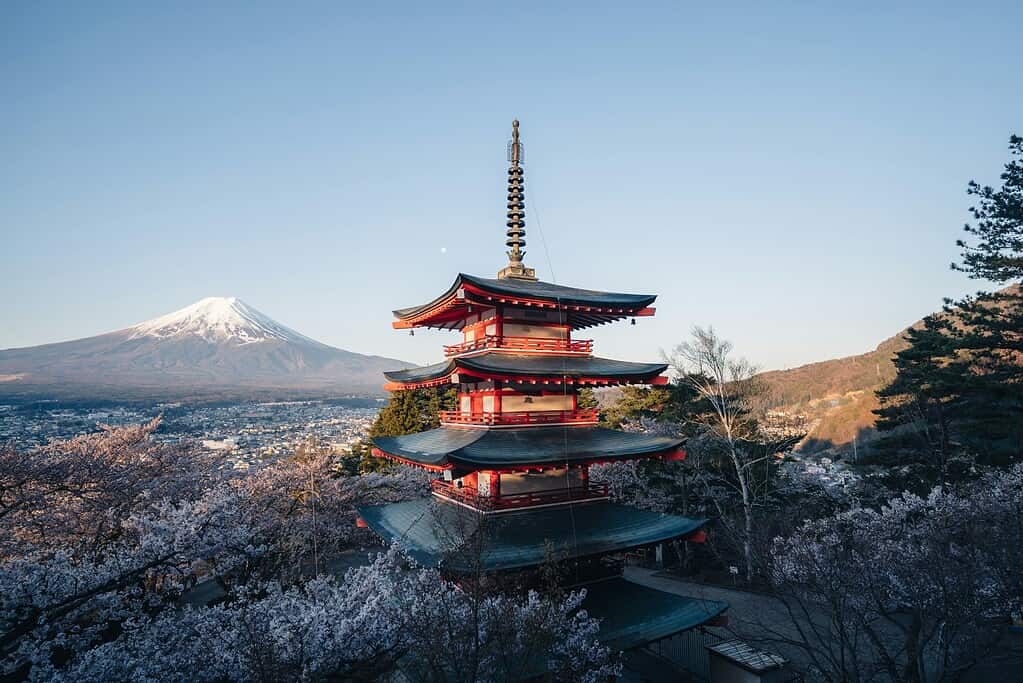
Hotel concierges are helpful, and they are great for restaurant recommendations. But booking tours through the front desk is often one of the pricier ways to do it. The tour is usually the same one sold online, with a commission added.
Booking platforms like Klook, along with local operators, often list the same experiences for noticeably less, sometimes by a wide margin.
They also show real reviews, itinerary details, and cancellation terms, which makes comparing easy.
Before you book, check what is included. Some tours bundle entry tickets, transport, and a guide, while others only cover the meeting point and leave you to pay for the rest. Choose free cancellation where you can, since weather can change plans.
And ask whether you need a tour at all. Many famous spots, including Kyoto’s temples and Nara’s deer park, are easy to reach by train and bus, and you can explore them on your own for the price of a ticket. Use the concierge for advice, and book the actual tour yourself.
Pay attention to meeting points and start times too, because a cheaper tour that starts across the city can cost you in travel time.
Not Tracking Your Daily Spending
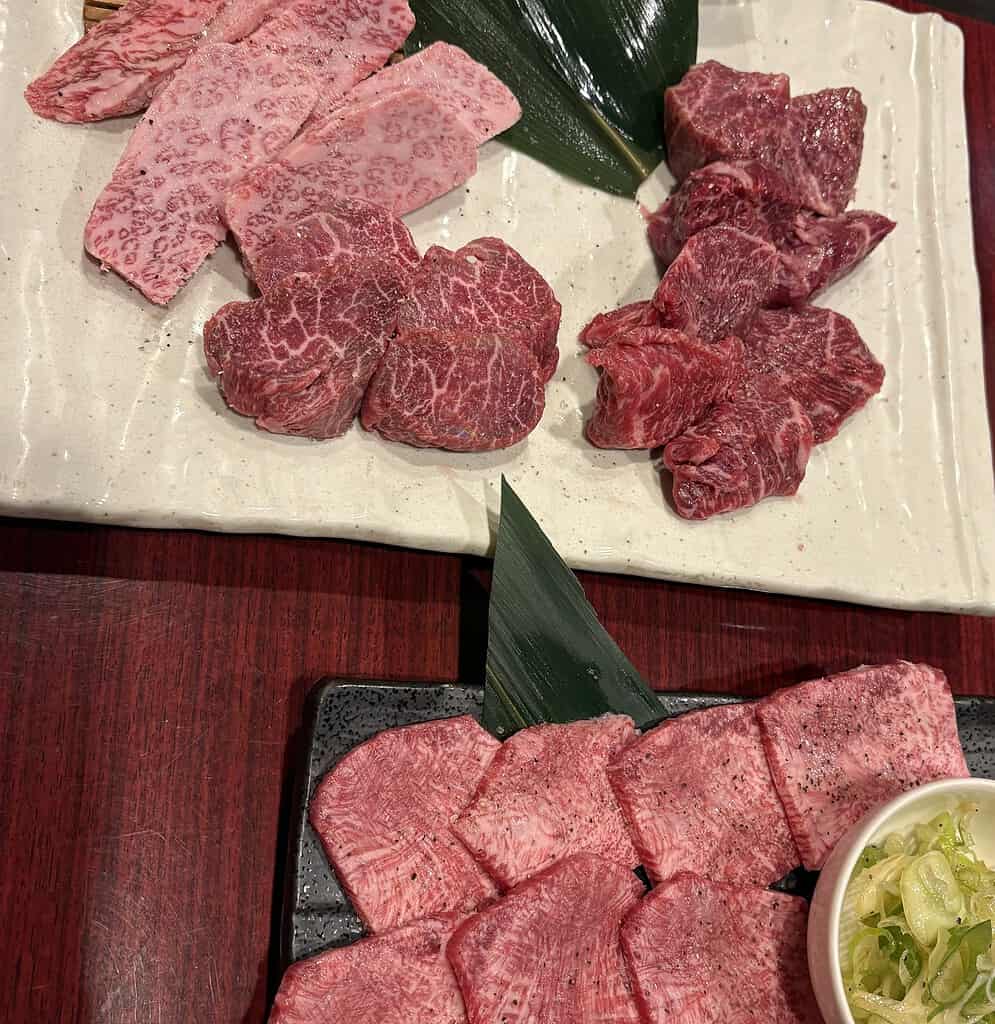
Japan has a sneaky way of making spending feel justified. I am typing this from Tokyo, where I have spent the past month, and it has shocked me how fast costs creep up.
A 300 yen snack here, a vending machine drink there, and then the bigger ones: a yakiniku dinner, an omakase sushi night, a premium unagi don for lunch. Each one felt worth it at the time.
But it all stacks up quickly. The trouble is that you rarely notice, because the yen amounts look small and a card tap does not feel like spending.
The fix is simple. Decide on a daily budget in yen before you leave, and write it down. Track your spending in your phone’s notes or a budgeting app each evening, which takes about two minutes. Review it halfway through the trip, so you can adjust before it is too late.
Separate big-ticket items, like hotels and train tickets, from daily spending so you know what is actually flexible.
If you splurge on a sushi night, balance it with a cheap day, like a convenience store breakfast and a free shrine.
Tracking is not about being strict. It is about knowing where your money goes so you can spend it on the things you love.
Skipping Travel Insurance
Travel insurance feels like an optional extra until you need it. In Japan, the stakes are higher than many travelers realize.
The national health insurance system does not cover short-term visitors, so you pay the full bill for treatment.
That bill can be steep. A first visit to a large hospital without a referral costs at least ¥7,000 before any treatment.
For anything serious, Japan’s tourism board has warned that a major accident can cost ¥7.5 million, around $47,000, or more.
Calling an ambulance by dialing 119 is free regardless of nationality, but the hospital care that follows is not.
A good policy covers medical care, emergency evacuation, trip cancellation, and delayed or lost bags.
Providers such as SafetyWing offer travel medical coverage for short and long trips, and you can compare options before you fly. Read the fine print for exclusions, activity limits, and pre-existing conditions.
Do not assume your credit card or home health plan has you covered abroad. Check before you go.
Save your policy number and the insurer’s emergency contact on your phone, and screenshot them in case you lose signal. A small premium is one of the best trades on this entire list.
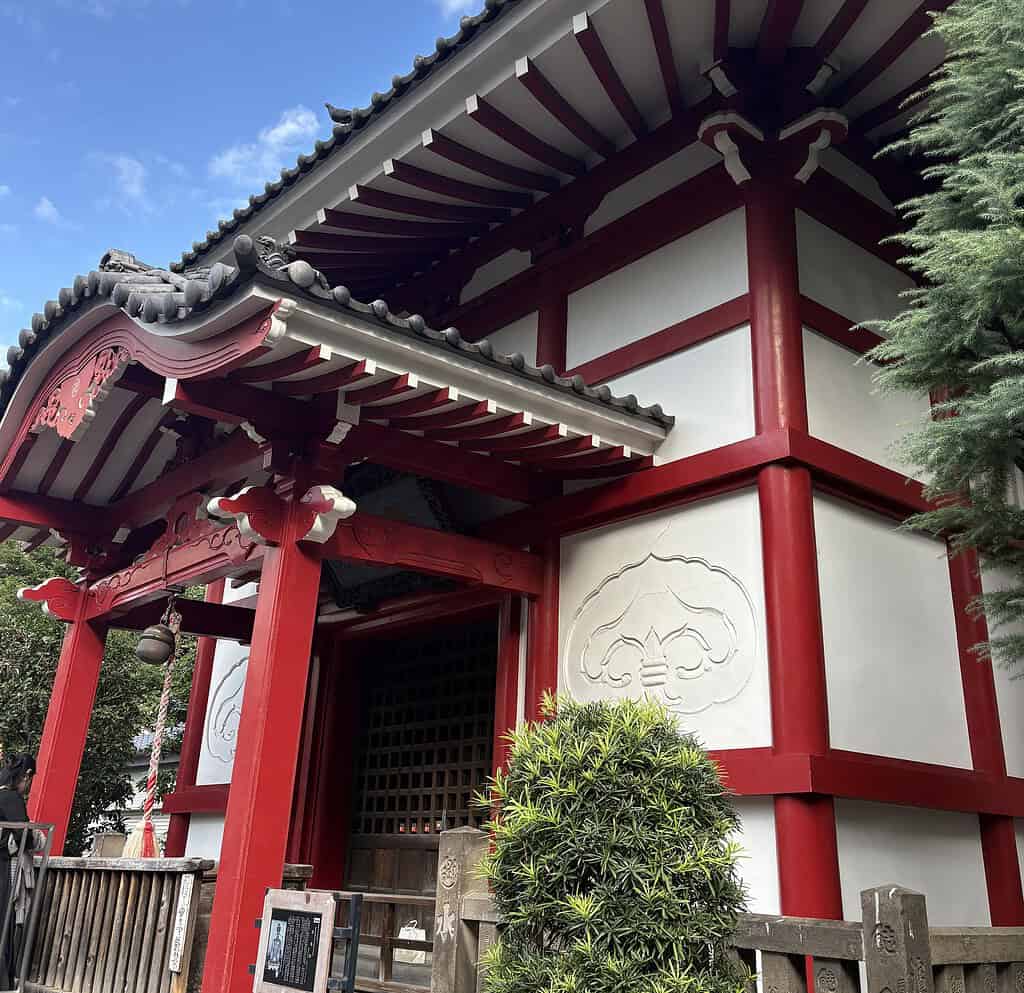
Final Thoughts on Japan Travel Mistakes
Japan does not have to be as expensive as its reputation suggests. Most of the mistakes in this guide come down to the same thing: making decisions on autopilot, without checking the numbers.
Do the JR Pass math, take the train from the airport, and use an ATM instead of an exchange counter. Book your hotels early, eat a few blocks from the crowds, and pack light.
Compare tours, avoid peak holiday weeks, track your spending, and buy insurance. If you only remember three things, make them the JR Pass math, the airport train, and travel insurance, since those decisions carry the biggest price tags.
None of these steps takes away from the trip. They simply free up money for the things you came for, whether that is one more bowl of ramen, a Shinkansen ride, or another night in Kyoto. Plan smart, spend well, and enjoy your trip to Japan!
Is the JR Pass worth it?
Only for itineraries with several long Shinkansen journeys in a short window.
A 7-day ordinary pass now costs ¥53,000, so price your trains individually first. Many one-region or Tokyo, Kyoto, and Osaka trips cost less with single tickets.
What is the cheapest way to get from the airport to Tokyo?
From Narita, the Keisei Skyliner at ¥2,470 or the Narita Express at ¥3,070 beat a taxi by a wide margin.
From Haneda, the Keikyu Line at around ¥330 or the Tokyo Monorail at around ¥520 is the cheapest option.
Do I still need cash in Japan?
Yes. Cards work in most hotels and larger shops, but small restaurants and local spots may take cash only.
Withdraw yen from a 7-Eleven ATM and keep an IC card topped up for transit and small purchases.
Do I need travel insurance for Japan?
I strongly recommend it. Japan’s national health insurance does not cover short-term visitors, so you would pay the full cost of treatment.
A policy with medical and evacuation coverage protects you from a very large bill.
