

24 Scams in Mexico to Watch Out For
Scams in Mexico are rarely dramatic. Most of them are small, polite, and designed to separate you from a few hundred pesos before you realize what happened.
I focus mostly on the Riviera Maya in this guide, from Cancun and Playa del Carmen down to Tulum and Isla Mujeres, because that is where most first-time visitors land and where the same tricks come up again and again.
Let me be clear first: Mexico is a wonderful place to travel, and the vast majority of trips go smoothly.
This is not meant to scare you. Think of it as a quick briefing from someone who would rather you spend your money on tacos and cenotes.
I have listed the scams roughly in the order you will run into them, from the moment you land to your last day on the beach. Spot the pattern once, and you will see it coming every time.
Airport Transfer Touts and Fake “Official” Desks
Your first scam can start before you even leave the terminal. At Cancun airport, friendly people in official-looking shirts stand between you and the exit, offering “official” transport, “free” shuttles, or help with your bags.
Some are legitimate. Many work on commission, and the price they quote can be several times what a pre-booked transfer costs.
Keep walking until you are outside, even if someone looks official.
How to avoid it: Book a private transfer before you fly so a driver is waiting with your name on a sign. The ADO bus from the airport to Cancun, Playa del Carmen and beyond is a cheap, reliable alternative.
Timeshare Presentations

This is the classic. Someone offers a free breakfast, a discounted tour, free transfers, or a cheap resort stay, and all you have to do is attend a “quick 90 minute presentation.”
It rarely stays quick. These sessions can run for several hours and rely on pressure, long sales pitches, and offers that are only good “today.”
You will find them at the airport, in hotel lobbies, and on busy streets. Booking a stay at one of the best resorts in Cancun directly costs you the room rate and nothing else, and it spares you the sales pitch entirely.
How to avoid it: Politely say “no, gracias” to anyone offering something free in exchange for your time. If you do attend, set a firm end time and never sign anything on the spot.
Unmetered Taxi Fares

Most taxis in Cancun, Playa del Carmen and Tulum do not use meters, which means the fare is whatever the driver decides it should be. Tourists, hotel zones, and ferry docks tend to get the highest quotes.
The good news is that InDrive and Uber operate more and more around the Riviera Maya, so I use both apps instead of dealing with the headache of haggling with a taxi.
The fare is set before you get in, you can see the route, and there is no awkward negotiation at the end. Check both, because prices differ, and InDrive lets you suggest your own fare.
How to avoid it: Use the apps. If you must take a taxi, agree on the price before you get in and carry small bills.
Fake Rideshare Drivers
Apps solve a lot, but they come with their own catch. Occasionally someone waiting outside a hotel or airport will claim to be your Uber, or a driver will pick you up and then insist the app is not working and ask for cash.
At some pickup points, like the airport, taxi unions are not always welcoming to ride-hailing drivers, so your driver may ask you to meet a short walk away.
That is normal, but follow the app instructions rather than a stranger’s.
How to avoid it: Check the plate, car model, and driver photo before you open the door. Ask the driver to say your name, and sit in the back.
Secret Tips Added at the Card Machine
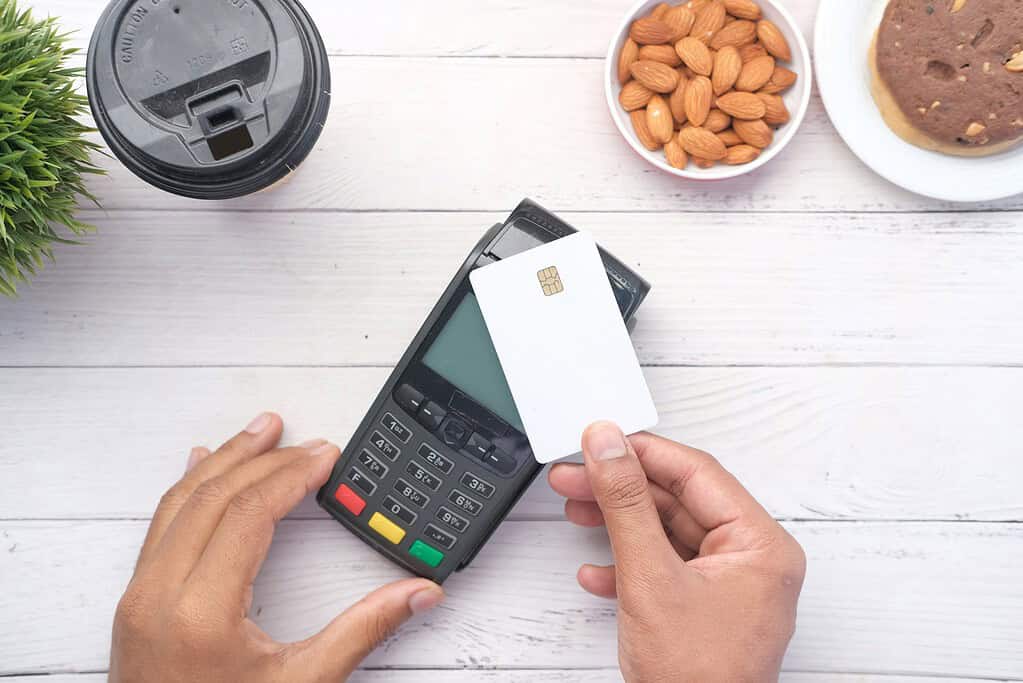
This one is different from restaurants that charge a service fee. Those are stated openly on the menu or the bill, so you know what you are paying before you pay it. What I am describing here is deception.
The server brings over the card machine, you tap or insert your card without thinking, and you move on with your night.
Later you check your statement and find a tip you were never asked about. The amount was entered on the terminal before it reached your hands, so it is easy to miss. The tip should always be your decision, not theirs.
How to avoid it: Read the amount on the screen before you pay, and compare it to the bill. If the total looks higher, ask what it includes.
Rental Car Insurance Bait and Switch
You find a rental online for a few dollars a day, book it, and feel pretty smart. Then you reach the counter and learn that Mexican third-party liability insurance is mandatory and was never included in that price. Suddenly the bill is many times what you expected.
This is one of the most common complaints about renting a car in Mexico, and it usually starts with third-party booking sites that advertise the base rate only.
How to avoid it: Book directly with the rental company and choose a rate with mandatory insurance included.
Read the final price carefully before you sign, and decline extras you did not ask for.
Fake Damage Claims at Car Return
You drop the car off, hand over the keys, and an agent walks around the vehicle. A few minutes later they point out a scratch you do not remember and charge your card to fix it.
It is not always a scam, but it happens often enough to take seriously, especially with small local agencies. Your best protection is proof.
How to avoid it: Take a slow video of the entire car before you drive away, including the roof, bumpers, wheels, and the interior. Do the same when you return it, and ask for a signed paper confirming the car came back with no new damage.
Gas Station Pump Tricks
Gas stations in Mexico are full service, and a few attendants take advantage of that.
The pump may not be reset to zero, the amount can be quietly rounded up, or you may be shortchanged in a quick cash swap.
None of this is hard to prevent, and most attendants are perfectly honest. It simply pays to pay attention for the sixty seconds it takes to fill up.
How to avoid it: Get out of the car, check that the pump reads zero before the attendant starts, and say “cero, por favor.” State the amount out loud when you hand over cash, count your change, and keep your card in sight.
Fake and Tampered ATMs

Standalone ATMs on busy streets and in tourist areas are where card skimmers tend to turn up.
A loose card slot, a strange keypad, or a machine that has been placed in an odd spot are all red flags.
Even a legitimate ATM may charge a high fee, and some will push you to accept a bad conversion rate (more on that below).
How to avoid it: Use ATMs inside bank branches or attached to them, preferably during the day. Cover the keypad when you enter your PIN, and check your account afterward. Withdraw larger amounts less often to cut down on fees.
Paying in Dollars at Bad Exchange Rates
Plenty of shops, tour desks, and restaurants in the Riviera Maya accept US dollars, and that convenience is exactly why it can cost you.
The rate they use is often set well below the real exchange rate, so every dollar goes less far than it should.
It is rarely a deliberate scam. It is simply a quiet tax on tourists who do not have pesos on hand.
How to avoid it: Pay in pesos whenever you can. Withdraw some cash on arrival from a bank ATM, and keep small bills and coins for taxis, tips, and street food.
Dynamic Currency Conversion

When a card terminal or an ATM asks whether you want to pay in your home currency or in pesos, it sounds like a helpful option. It is not.
The machine converts the amount at its own exchange rate, which is almost always worse than what your bank offers.
As someone from Toronto, I see this one pitched as Canadian dollars all the time, and it applies equally to US dollars or euros.
How to avoid it: Always choose to pay in pesos. If the staff select the home currency for you, ask them to cancel the transaction and run it again in pesos.
Card Skimming at Restaurants
Your server takes your card to the back to “run it” and returns a few minutes later with a receipt. It usually goes fine.
Once in a while, that card is scanned and copied before it comes back.
I am not saying you should never hand over a card. I am saying you should have a few simple habits so you never need to worry about it.
How to avoid it: Ask for a portable card terminal to be brought to the table, which is standard at most restaurants. Better yet, use contactless payments or a phone wallet, and check your statements while you travel.
Bill Padding and Surprise Charges
You finish a meal, ask for the bill, and notice an extra drink you never ordered, a mysterious “service” line, or a tip that has already been added.
In busy tourist restaurants, it happens a lot more than it should. Seafood sold by weight can also surprise you, since the final price depends on a number nobody mentioned.
How to avoid it: Check the bill line by line before you pay. Some restaurants add a service charge automatically, so confirm before you tip on top of it. Ask for prices up front on anything that is not on the menu.
Tourist Trap Bar Tabs on Fifth Avenue
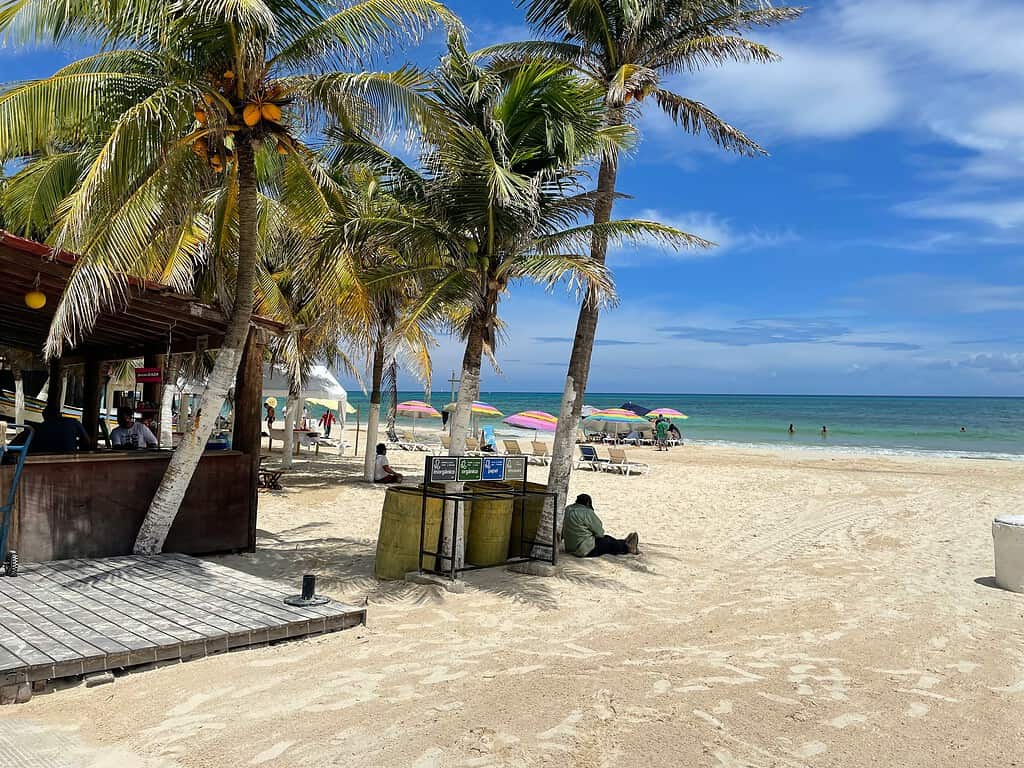
Playa del Carmen’s Fifth Avenue is lively, fun, and full of people trying to pull you into their bar with a free shot or a two for one deal.
The trouble starts when the bill arrives with inflated prices, extra fees, or drinks that were never ordered.
If you are planning your evenings, my Playa del Carmen itinerary covers the best way to enjoy the street without getting caught in a tab you did not agree to.
How to avoid it: Look at the drink prices before you sit down, pay for each round as it arrives, and skip any place that will not show you a menu.
Watered-Down and Counterfeit Drinks
A cheap cocktail can come at a hidden cost. Some bars water down their spirits or refill premium bottles with low-quality alcohol, and in the worst cases the liquor is contaminated.
You are paying for one thing and getting another, and it can also affect your health. The risk is higher at unlicensed bars, street stalls, and anywhere the price looks too good to be true.
How to avoid it: Stick to well-reviewed bars and resorts, and order sealed bottles or cans when you can. Never accept an open drink from a stranger, and get medical help immediately if you feel unusually unwell after only a drink or two.
Fake Police and Bribe Requests
Being pulled over by a police officer who says you have broken a rule, then suggests you can pay a “fine” on the spot, is a well-known situation in Mexico. It is stressful, especially when you are in a rental car and unsure of the local rules.
Knowing the common tourist mistakes in Mexico will help you avoid giving anyone a legitimate reason to stop you in the first place.
How to avoid it: Stay calm and polite. Ask the officer for their name and badge number, and ask for a written ticket that you can pay at the station. Carry a copy of your passport rather than the original, and call 911 if you feel unsafe.
“Free” Tours With Hidden Costs
Street offers for a free tour, free snorkeling trip, or a “special” price for today only often come with strings.
The advertised price may leave out park fees, equipment rental, environmental taxes, or forced stops at gift shops where you are expected to spend money.
It is not that all tours are bad. It is that the best-value ones are rarely sold on the street.
How to avoid it: Compare options and read reviews before you commit. When you are choosing among the Cancun day tours, book through a trusted platform where the price is clear, the inclusions are listed, and the cancellation policy is simple.
Fake Cenote Entry Fees and Unofficial Guides

Cenotes are one of the highlights of the Riviera Maya, and a few people have figured out how to profit from that.
Roadside “attendants” may wave you into a lot and demand a parking fee, or insist you hire a guide and rent a life jacket before you can enter.
Some cenotes do charge a legitimate entrance fee, and it is often fairly priced. The problem is when the price is unclear or the person charging it is not actually connected to the site.
How to avoid it: Check the entrance price online before you go, and pay only at the official ticket booth.
If you are building a list, my picks for the cenotes to visit are a good place to start, and it is worth checking their current fees first.
Unofficial Guides at Chichen Itza and Mayan Ruins
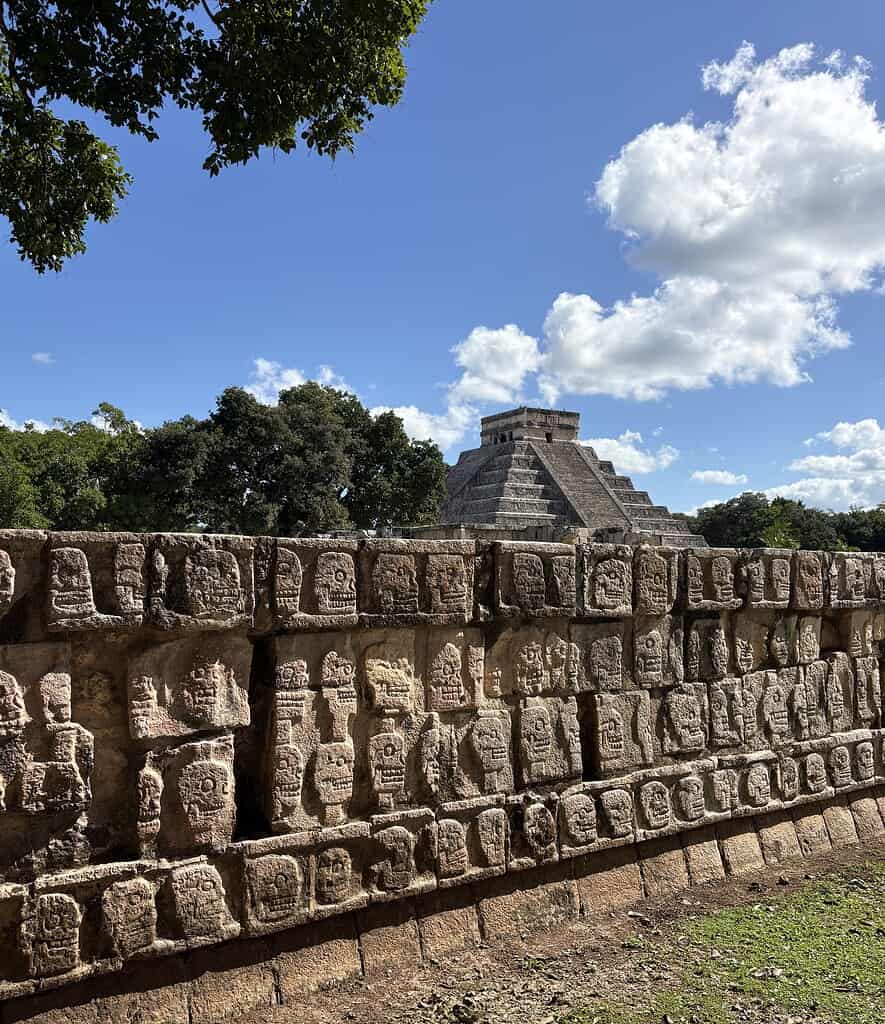
At popular ruins like Chichen Itza, freelance guides approach visitors in the parking lot and near the entrance, claiming to be official and quoting a price per person. The tour may be accurate, or it may be a rushed walk that costs far more than it should.
Official guides carry credentials, while freelancers often will not mention that until you ask.
How to avoid it: Buy your entrance tickets only at the official ticket windows. If you want a guide, ask to see their license first and agree on the price and the length of the tour before you start walking.
Golf Cart Damage Claims on Isla Mujeres

Golf carts are the best way to see Isla Mujeres, and they are also where visitors tend to run into trouble.
A shop points out a dent or scratch at return and holds your deposit until you pay for a repair you never caused.
It is a fun island with plenty to do, as I describe in my guide to the best things to do in Isla Mujeres, and the cart is worth renting. It is just worth renting carefully.
How to avoid it: Choose a reputable shop with good recent reviews. Photograph and film the cart from every angle before you leave, test the brakes, and read the rental agreement.
Bracelet and Braid Hustlers on the Beach
A smiling vendor approaches, takes your hand, and begins tying a bracelet on your wrist before you have said a word.
Or someone starts braiding your hair “as a gift.” Then comes the demand for payment, often with some pressure.
It is easy to feel awkward and just give in, which is exactly what they count on. A simple, firm response is usually enough.
How to avoid it: Keep your hands to yourself, say “no, gracias” clearly, and keep walking. Do not accept anything placed on you or handed to you, even if it is described as free.
Pushy Street Photographers and Photo-Op Scams
Some people carry parrots, iguanas, or costumes, and put them on you before asking if you want a picture.
Others offer to take photos with your camera and then ask for a tip, or for far more than a tip.
It looks like harmless fun until the price comes up, and the amount is often decided afterward.
How to avoid it: Never let anyone put an animal or an object on you without agreeing on a price first. Politely decline, and skip any photo ops where the animals look stressed or unwell.
Pickpockets in Crowded Areas
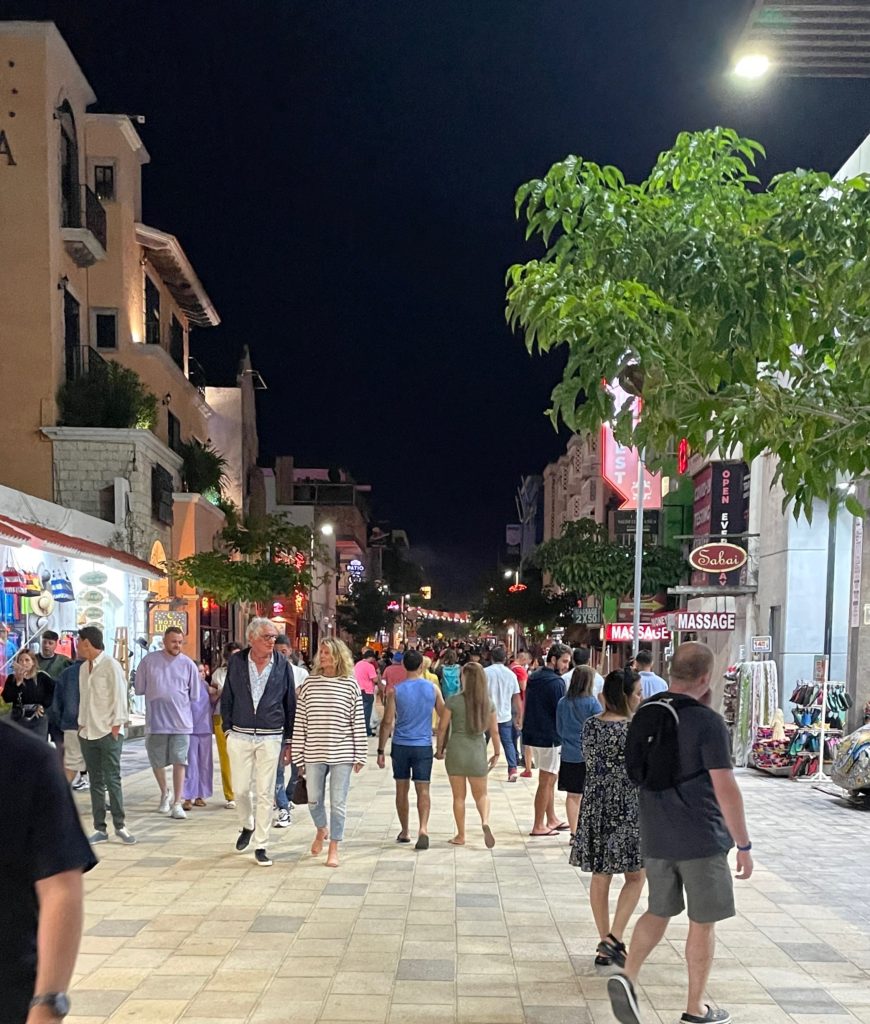
Pickpockets work crowded places like the ADO bus terminal, local markets, ferry lines, and busy streets in Cancun and Playa del Carmen.
They tend to target phones in back pockets, open bags, and anyone distracted by a map or a sales pitch.
It is the same kind of theft you can find in any major tourist destination, and a few simple habits go a long way.
Some of the items I always bring are included in my packing list for Mexico, including an anti-theft bag.
How to avoid it: Use a zipped crossbody bag worn in front, keep your phone in a front pocket, and leave your passport in the hotel safe.
Fake Rentals and Airbnb Listings
You find a gorgeous beachfront apartment for a great price. The host asks you to pay outside the booking platform, perhaps by bank transfer, because it is “faster” or “cheaper.”
Then the listing disappears, or you arrive to find the place does not exist.
Fake rentals show up on social media groups and classified sites more often than on major booking platforms, and they are especially common during peak season.
How to avoid it: Book only through the platform, and never pay by wire transfer or in advance outside it.
Read the reviews carefully, ask for a video call of the property, and be suspicious of prices that seem too low.

Final Thoughts on Scams in Mexico
Look, Mexico is a fun time. The beaches are beautiful, the food is some of the best in the world, and the people I have met along the Riviera Maya have been warm, helpful, and welcoming. The vast majority of your interactions will be just that.
But when it comes to scams, there are a few things worth watching out for, and most of them come down to the same habits.
Agree on prices before you buy anything, pay in pesos, say no politely and keep walking, and never hand over money or documents under pressure.
Notice that nearly every scam on this list depends on you being rushed, tired, or too polite to say no.
That is why the first day of a trip is the riskiest. You have just landed, you are jet lagged, and you are looking for an easy answer.
Slow down, do a little research, book the important things ahead of time, and you will avoid almost all of it. A few smart choices let you enjoy Mexico the way it is meant to be enjoyed.

Is Mexico safe for tourists?
Yes, millions of visitors travel to Mexico every year without a problem, and tourist areas like Cancun, Playa del Carmen, and Tulum are heavily visited.
Most issues are petty theft and overcharging rather than anything serious. Stay aware, avoid walking alone late at night, and check your government’s current travel advisory before you go.
What is the most common scam in Cancun?
Timeshare presentations are the most common. They start with an offer of something free, like a tour, breakfast, or discounted stay, in exchange for your time. The pitch usually takes much longer than promised. Overpriced taxis and airport transfer touts are close behind.
How do I get out of a timeshare presentation?
Be polite but firm, and repeat that you are not interested. You never have to sign anything or hand over a card.
If the sales rep keeps pressing, simply stand up and walk out. Better still, decline the offer before it begins.
What should I do if I get scammed in Mexico?
Start by contacting your bank to freeze or replace any card involved.
Then report the incident to the local tourist police or your hotel, and save receipts, photos, and messages. For serious cases, call 911 and contact your country’s embassy or consulate.
