

16 NYC Travel Mistakes That’ll Cost You Money
New York City has a reputation for being expensive, and that reputation isn’t wrong. Hotel rooms cost more than most cities.
A cocktail at a decent bar runs $18-25. A taxi from JFK to Manhattan hits $70 before tipping. And the general cost of existing in New York for a week adds up faster than most first-time visitors expect.
But the NYC travel mistakes that cost visitors the most money aren’t the city’s fault, they’re the decisions made before and during the trip that quietly inflate the bill.
Staying in the wrong neighborhood. Taking taxis when the subway covers the same ground in less time for $3. Eating at tourist-facing restaurants when identical food exists two blocks away at half the price.
I visit New York here and there, it’s only 90 minutes from Toronto, and every trip reinforces the same observation: the gap between an expensive New York experience and an affordable one comes down almost entirely to a handful of specific decisions.
Not Booking Your Hotel Early Enough
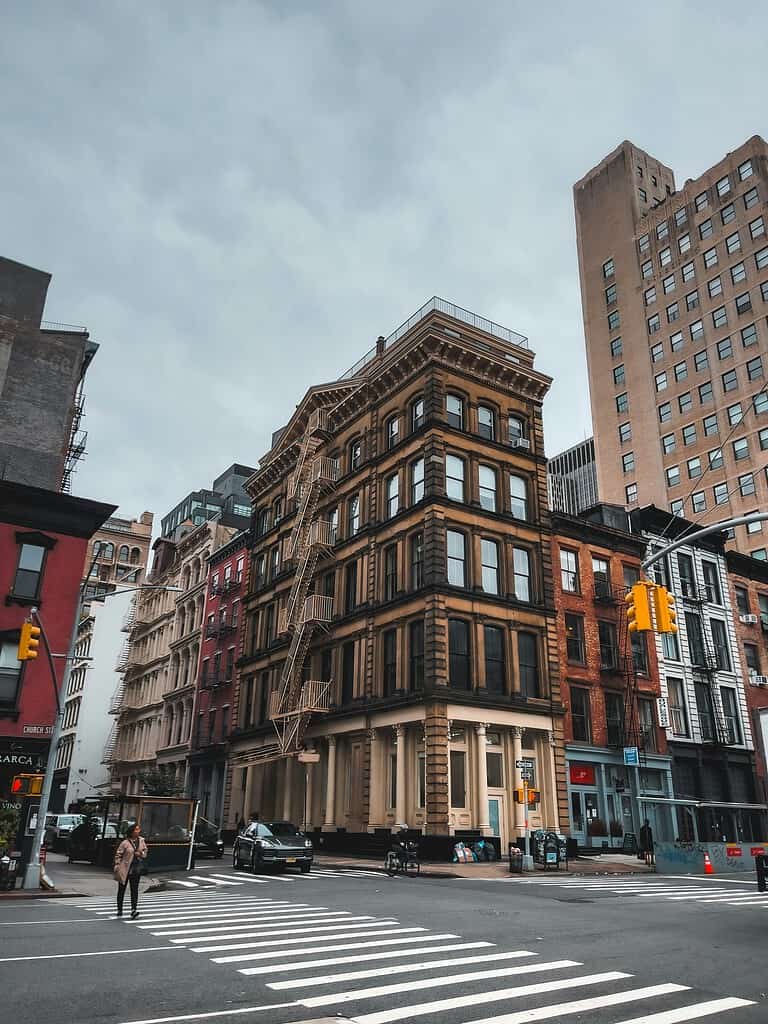
New York hotel pricing operates on simple supply and demand principles, and demand for New York hotel rooms is high year-round, not just during peak holidays.
The hotel that costs $180 per night booked two months in advance costs $280-350 booked two weeks out for the same dates, same room, same experience.
The difference isn’t a special deal, it’s just paying normal pricing rather than scarcity pricing. And during genuinely high-demand periods, Christmas and New Year’s, major events, summer weekends, rooms at reasonable prices disappear entirely if you wait too long.
New York doesn’t have an obvious “off season” the way beach destinations do. The city is busy year-round.
Events, fashion weeks, marathons, holidays, and the general volume of international tourism mean that waiting to book your hotel is consistently more expensive than booking early.
Book your New York hotel the moment your flights are confirmed. Two to three months in advance is a reliable window for most dates. For Christmas, New Year’s, and major event weekends, push that to four to six months.
Skipping Travel Insurance
This is the mistake with the highest potential financial consequence on the entire list, and it’s the one most visitors rationalize skipping because nothing bad is going to happen.
New York’s healthcare system is world-class and extraordinarily expensive without coverage.
An emergency room visit for something as routine as a bad fall or food poisoning generates bills that run $3,000-15,000 USD for international visitors without insurance. A serious injury requiring surgery and hospitalization runs significantly higher.
Travel insurance for a New York trip costs $50-100 USD depending on your home country and coverage level. That comparison, $75 versus a potential $10,000 medical bill, makes the decision straightforward.
Add trip cancellation coverage and you’re also protected against flight disruptions, lost luggage, and itinerary changes that would otherwise cost you directly.
Skipping travel insurance to save $75 on a trip that costs $2,000-3,000 is the most financially irrational decision on this list. Don’t make it.
Paying Full Price for Broadway Shows
Broadway shows are one of New York’s signature experiences, and the assumption that they’re always expensive is one of the most persistent and costly myths in NYC travel planning.
Full-price Broadway tickets run $80-250 per person depending on the show and seat location. That price is real. It’s also largely avoidable with minimal planning.
TKTS in Times Square sells same-day and next-day tickets for many Broadway and Off-Broadway shows at 20-50% off face value.
The booth opens at 3 p.m. for evening shows and 10 a.m. for matinees. The selection varies by day but is usually substantial, covering both long-running shows and newer productions.
Rush tickets, released on the day of performance directly through theater box offices or apps like TodayTix and the Show-Score app, bring many premium shows down to $30-50 per ticket.
Lottery programs for popular shows offer similar pricing with a randomized selection process. Student rush programs offer comparable savings for valid student ID holders.
Broadway at full price is expensive. Broadway with 20 minutes of research is significantly more accessible and genuinely one of the best value entertainment experiences New York offers.
Eating Breakfast at Your Hotel

Hotel breakfast in New York is one of the most consistent and most avoidable NYC daily budget drains on any NYC trip.
A hotel breakfast, eggs, toast, coffee, juice, runs $25-45 per person at most mid-range Manhattan hotels.
The same meal at a neighborhood diner costs $12-18. A bacon, egg, and cheese sandwich from the bodega nearest to your hotel costs $4-7 and is genuinely what New Yorkers actually eat for breakfast.
The bodega breakfast sandwich, served on a roll, made to order, eaten standing or walking, is a New York institution. Coffee from a bodega runs $2-3.
Starting your day at a bodega instead of the hotel breakfast room saves $20-40 per person per day before you’ve even started sightseeing.
Across a five-day trip for two people, that difference is $200-400, real money that went to a hotel breakfast that wasn’t better than the bodega version.
Find the nearest bodega on your first morning and make it a routine. You’ll eat like a local and spend like one too.
Booking Attraction Tickets at the Door

New York’s major attractions, the Empire State Building, One World Observatory, the Statue of Liberty ferry, the 9/11 Museum, all offer online advance ticket pricing that is either the same as or cheaper than door pricing, and always saves you from standing in lines that can run 45-60 minutes during peak season.
The Statue of Liberty ferry in particular requires advance booking, tickets sell out and arriving without one means turning around.
The Empire State Building’s express pass, which skips the main queue, is significantly cheaper purchased online in advance than at the door when it’s even available.
Beyond cost, booking in advance gives you a confirmed time slot that lets you plan your day efficiently rather than discovering a two-hour wait that disrupts your entire itinerary.
Spend 30 minutes before your trip booking every paid attraction you plan to visit. It costs the same or less and eliminates the single most frustrating time-wasting experience in New York tourism.
Not Using the Subway and Taking Taxis and Ubers Everywhere
New York’s taxi and rideshare culture is a consistent and significant budget drain that the subway eliminates almost entirely for the majority of journeys across the city.
A taxi from Midtown to the Brooklyn Bridge runs $25-40 depending on traffic and tipping. The same journey on the subway costs $3.00 and takes comparable or less time during peak hours when Manhattan traffic is at a standstill.
A week of daily taxi use in New York versus subway use creates a transportation cost difference of $100-200 for a solo traveler.
The subway runs 24 hours a day, seven days a week, costs $3.00 regardless of distance, and connects virtually every corner of the five boroughs.
It is faster than a taxi for most Midtown and Lower Manhattan journeys during business hours and early evening when traffic is heaviest.
Use OMNY contactless payment, tap your credit card, debit card, or smartphone directly on the reader at every turnstile. No card to purchase, no fare to calculate.
After 12 rides in a seven-day period the weekly cap kicks in and every additional ride is free, meaning your maximum weekly transit spend is $35 regardless of how many times you ride.
Taxis and Ubers have their place, late night in an outer borough, airport runs with luggage, situations where the subway genuinely doesn’t work. For everything else, the subway is faster, cheaper, and the correct choice every time.
Eating Near Times Square
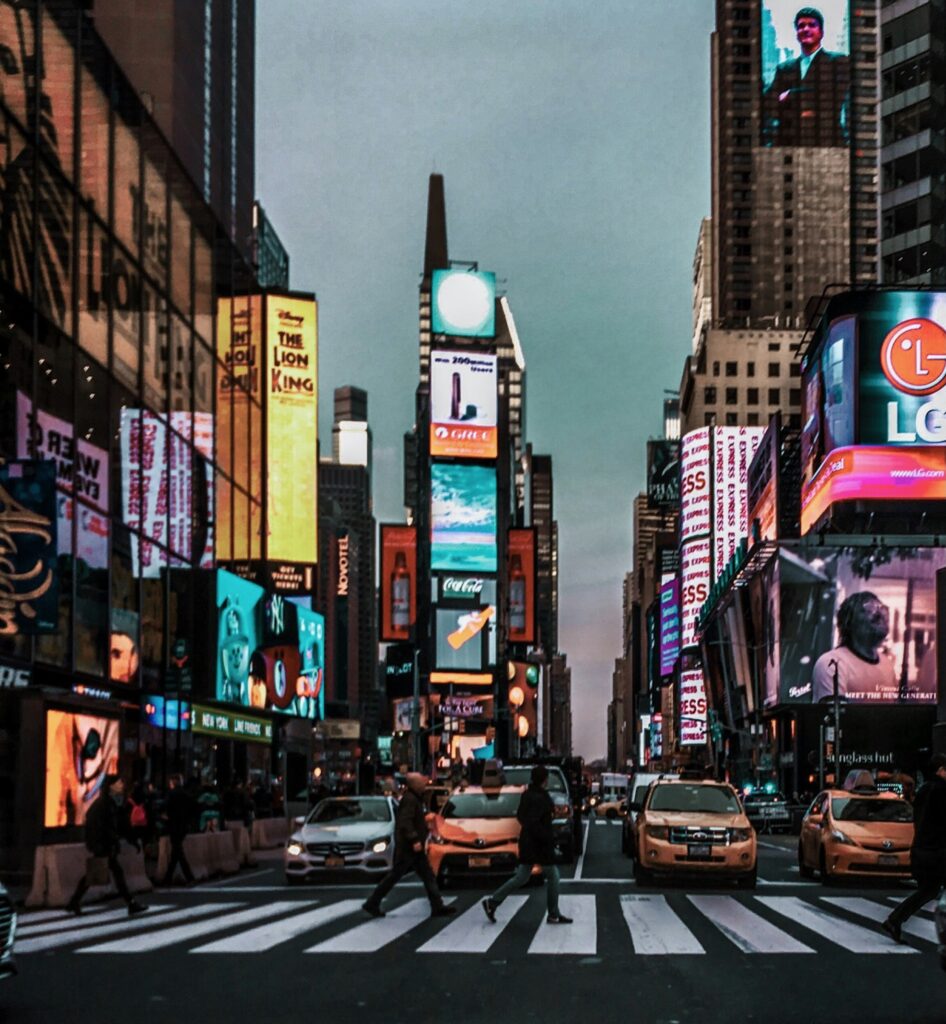
Times Square restaurant pricing is its own category of inflation, and eating in the immediate vicinity is one of the fastest ways to inflate your daily food budget without any corresponding improvement in quality.
A pasta dish at a restaurant on or immediately adjacent to Times Square costs $28-40. The same dish at an Italian restaurant three blocks west in Hell’s Kitchen costs $16-22.
A slice of pizza near Times Square runs $5-7. The same slice from a neighborhood pizzeria five minutes away costs $3-4.
The markup isn’t random, it’s the premium charged by businesses that know their customer has already committed to the location and may not know or care to walk elsewhere. The food is rarely better. It is reliably more expensive.
Times Square is worth visiting for the spectacle, particularly at night. It is not worth eating at. Walk five minutes in any direction, Hell’s Kitchen to the west, the streets of the Theater District, or any avenue heading north or south, and you’re immediately in a neighborhood where restaurants price for locals rather than tourists.
Not Checking All Three NYC Airports Before Booking Flights
Most international visitors default to JFK as the obvious New York airport choice, and for many routes that’s the right call. But not checking all three airports, JFK, Newark, and LaGuardia, before booking consistently leaves money on the table.
Newark often surfaces cheaper fares particularly on United routes and transatlantic connections, but the ground transport equation matters.
A taxi from Newark to central Manhattan runs $70-100 with tolls. The Newark Airport Express shuttle bus to Penn Station costs $18 one way and is significantly faster and cheaper than a taxi. The NJ Transit train plus AirTrain combination costs around $17.
The key is doing the full math, flight price difference minus the ground transport cost difference, before concluding which airport is actually cheaper for your specific trip and destination within the city.
LaGuardia is the closest airport geographically to Midtown but has no direct rail connection, making it taxi or rideshare dependent for most travelers.
Check all three before booking. Run the full cost calculation including ground transport. The cheapest flight doesn’t automatically produce the cheapest total arrival cost.
Not Taking Advantage of OMNY’s Weekly Fare Cap
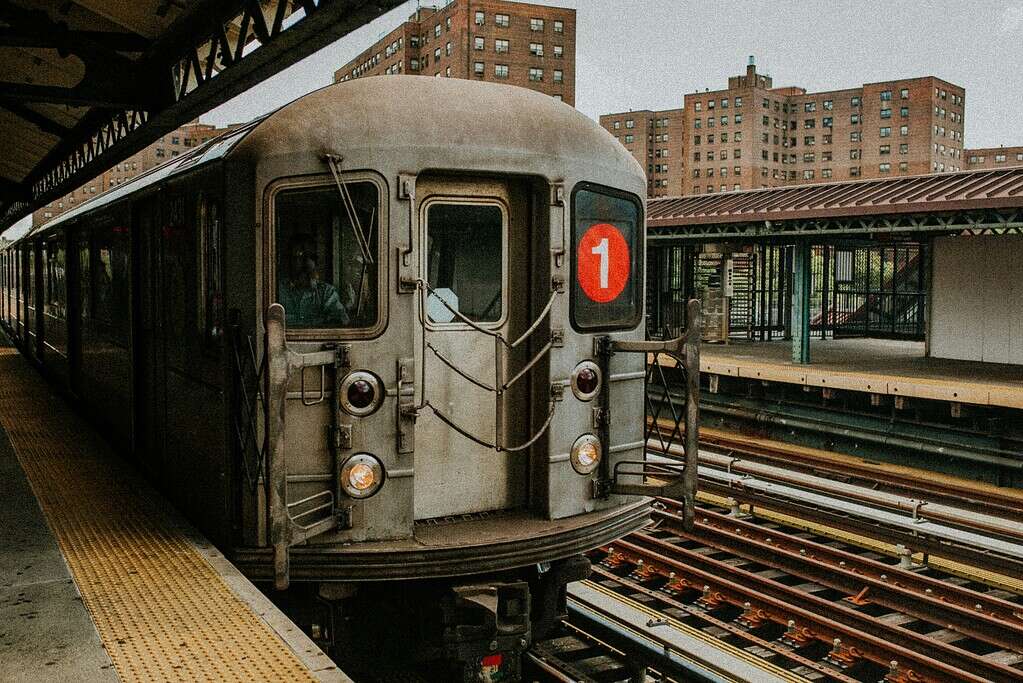
Most visitors to New York buy individual subway rides without realizing that OMNY’s automatic weekly fare cap makes unlimited riding available without any upfront purchase or registration.
Here’s how it works: tap the same contactless card or device for every subway and local bus ride.
After 12 paid rides in a seven-day period, totaling $36, every additional ride for the remainder of that week is completely free. The cap resets automatically with your next tap after the seven-day window.
For active sightseers covering multiple NYC neighborhoods daily, 12 rides happens by day four or five of a week-long trip. Every subway journey after that point costs nothing.
The critical detail: you must use the same payment method for every single ride. Switching between your physical credit card and your phone wallet, even if they’re linked to the same account, resets the tracking and you never hit the cap.
Pick one method on day one and use it exclusively for every transit tap throughout your trip.
Not Checking for Free Museum Days
New York has some of the finest museums in the world, and most visitors pay full admission without knowing that virtually every major institution offers free or pay-what-you-wish access on specific days or during specific hours.
The Metropolitan Museum of Art has a suggested admission of $30 but operates on a pay-what-you-wish basis, you can legally pay $1 and walk in without issue.
The Brooklyn Museum is completely free on the first Saturday of every month. MoMA PS1 in Long Island City is free to visit.
The American Museum of Natural History has a similar suggested-but-optional admission structure.
Completely free institutions include the New York Public Library’s main branch on Fifth Avenue, one of the most beautiful public rooms in America, the National Museum of the American Indian in Lower Manhattan, and the entire collection of Chelsea galleries which rival any museum in the city at no cost.
Research free days and hours before your trip. The savings across a week of cultural activity in New York are substantial, and the experience at a pay-what-you-wish museum is identical to the full-price version.
Staying in the Times Square Area
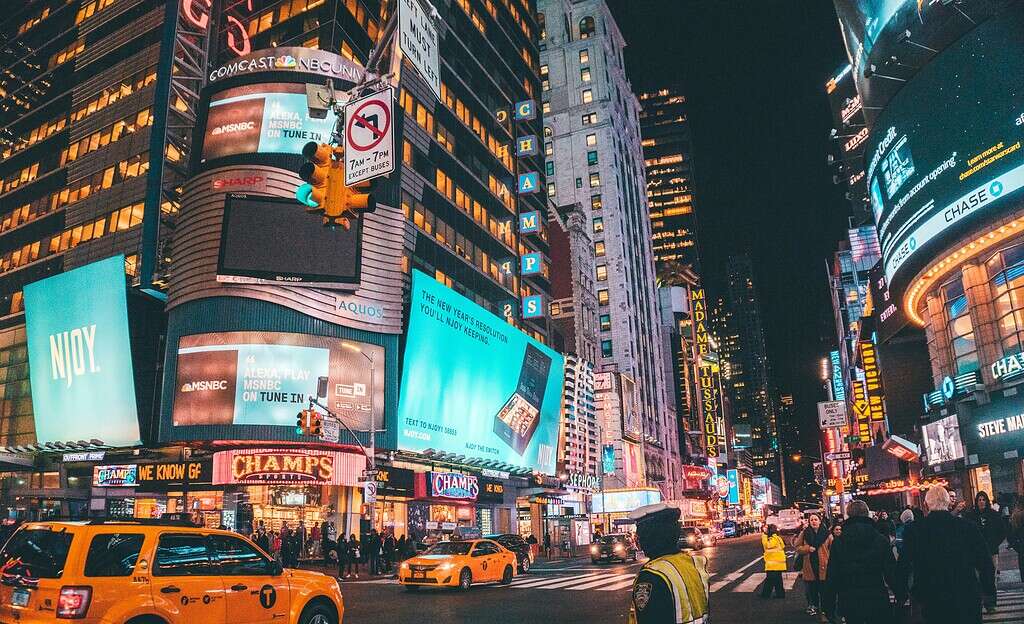
Times Square hotel rates are among the highest in Manhattan, and the location premium you’re paying for delivers an experience that most visitors would actively prefer to escape.
The noise is constant, traffic, sirens, crowds, and the general energy of one of the most commercially intense intersections on earth, at all hours.
The immediate neighborhood has limited genuine restaurant and bar options beyond tourist-facing chains.
And the hotels themselves are pricing the location rather than the room quality, meaning you’re paying a significant premium for less space and lower quality than equivalent money buys in other neighborhoods.
The same budget that gets you a cramped Times Square room gets you a genuinely good hotel in other cheaper NYC areas like Hell’s Kitchen two blocks west, the Lower East Side, or the outer borough options that put you on the subway and in Midtown in 15-20 minutes.
Times Square is worth experiencing as a spectacle. It is one of the worst places in New York to base yourself for an actual trip.
Stay somewhere with a neighborhood, restaurants worth eating at, and hotel rates that reflect quality rather than postcode.
Booking Tours and Activities Through Your Hotel
Hotel concierges in New York earn commissions on tour bookings, and those commissions are built directly into the prices they quote.
The same Circle Line harbor cruise, the same helicopter tour, the same food tour of the Lower East Side, all available at lower prices through direct booking or comparison platforms.
Viator, Klook, and direct operator websites consistently price activities 15-30% below what hotel concierges charge for the same experiences.
For an activity costing $120 per person, that difference is $18-36 per person before the group multiplier.
Ask your hotel for recommendations, the concierge often knows the best operators. Then take that recommendation and book directly with the operator or through a comparison platform rather than through the hotel itself.
You’re getting the same experience at a lower price with no meaningful effort beyond the booking channel switch.
Eating at Tourist-Facing Restaurants with Photo Menus
The laminated photo menu outside a New York restaurant is a reliable indicator of inflated pricing, and eating at these establishments regularly across a trip meaningfully inflates your food budget.
A pasta dish at a tourist-facing restaurant in Midtown or near major attractions costs $28-38. The same quality dish at a neighborhood Italian restaurant in the West Village or Carroll Gardens costs $18-24.
A burger at a tourist restaurant near the High Line costs $22-28. The same burger at a neighborhood spot costs $14-18.
The gap exists because tourist-facing restaurants price for one-time visitors who don’t know what things should cost and won’t be returning to compare. Neighborhood restaurants price for locals who know the market and come back regularly.
Walk away from photo menus and English-speaking touts. Find where locals eat. The food is reliably better and the price is reliably lower every single time.
Not Using Happy Hour
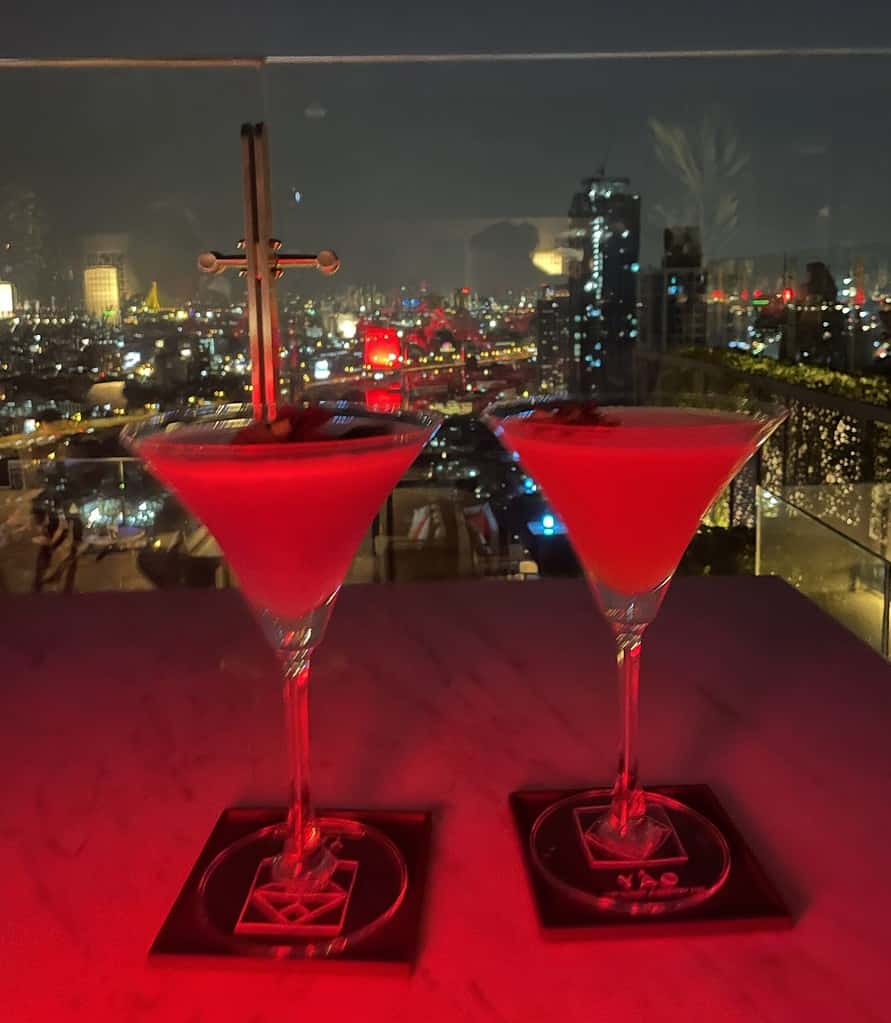
New York has a genuine and well-developed happy hour culture, and using it strategically saves significant money on what would otherwise be one of the city’s biggest daily expenses.
A standard cocktail at a decent Manhattan bar runs $18-24 during evening pricing. The same cocktail at the same bar during happy hour, typically 4-7 p.m. on weekdays, costs $10-14. Draft beers drop from $9-12 to $5-7. Some establishments include discounted food as well.
Plan your bar time for late afternoon and transition to restaurants for dinner rather than ordering full rounds at evening prices.
The West Village, East Village, Lower East Side, and Williamsburg all have strong happy hour cultures with genuinely good bars participating.
Across a week of evening drinks, the difference between happy hour and evening pricing for two people is $80-150. That’s a Broadway show. Or two nice dinners. Or a significant portion of a hotel night.
Skipping the Bodega and Paying Café Prices Every Morning
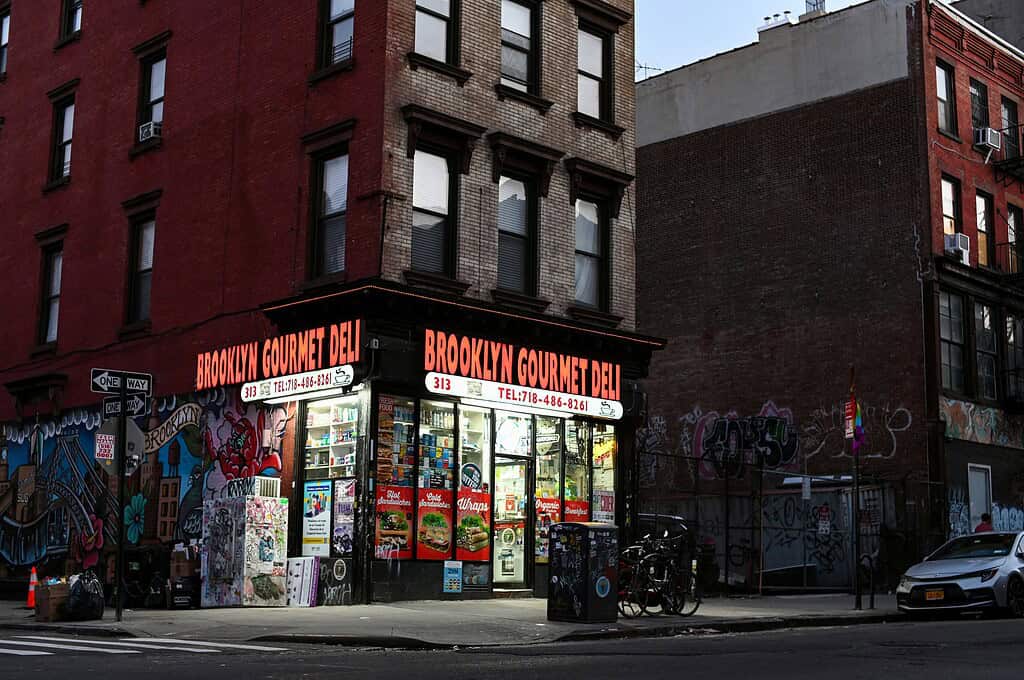
New York’s specialty coffee shops charge $6-9 for a latte. The same coffee from a bodega costs $2-3.
Across a five-day trip starting every day at a trendy café, that’s $30-45 in coffee spending alone before you’ve done anything else.
The bodega solution isn’t a compromise. New York bodegas make good coffee, deli-style, reliable, hot, ready in 30 seconds.
Pair it with the bodega bacon egg and cheese for $4-7 and you’ve had the authentic New York breakfast experience for $6-10 total versus $30-40 at a hotel or café.
Beyond the morning routine, bodegas solve multiple daily spending problems cheaply.
Cold drinks, snacks, phone chargers, basic toiletries, quick meals at 11 p.m., all available at bodega prices rather than tourist area convenience store prices.
Find your nearest bodega on day one. Make it your morning routine. It’s how New Yorkers actually start their days and it’s one of the most genuine local experiences available in the city.
Renting a Car in NYC
Renting a car in New York City is one of the most reliably expensive and counterproductive decisions any visitor can make, and it happens regularly enough to include on this list.
Parking in Manhattan costs $40-80 per day at a garage, more in certain neighborhoods and during peak periods. Traffic makes driving between most Manhattan destinations slower than the subway.
Congestion pricing adds additional costs for driving into central Manhattan. And the stress of navigating New York traffic while trying to sightsee is a legitimate quality-of-life cost beyond the financial one.
The subway costs $3.00. Taxis and rideshares handle the situations the subway doesn’t. The Roosevelt Island Tram covers the same fare as a subway ride. For trips to the outer boroughs, the subway reaches almost everywhere that matters.
There is no scenario in New York City where a rental car improves the experience and doesn’t simultaneously create expensive, stressful problems.
If you need to leave New York, day trips to the Hudson Valley, the Catskills, or Long Island’s beaches, rent a car specifically for that day trip and return it before paying for urban parking overnight.

NYC Is Expensive But Budget Friendly
New York City costs more than most cities. That is simply true and not worth arguing against.
But expensive and unaffordable are not the same thing, and New York, perhaps more than any other major city in the world, offers a complete budget experience that runs parallel to the expensive one at every level.
The subway that costs $3 takes you to the same neighborhoods as the $40 taxi. The bodega breakfast that costs $7 is better than the $30 hotel version.
The free park, the free museum, the free Staten Island Ferry with Statue of Liberty views, none of these are consolation prizes. They’re genuine New York experiences that happen to cost nothing.
Central Park is free. The Brooklyn Bridge walk is free. The New York Public Library’s main reading room is free. Shakespeare in the Park is free. The High Line is free. The view from the Brooklyn waterfront is free.
The energy of walking through SoHo or the West Village or Astoria or Jackson Heights costs nothing beyond the subway fare to get there.
New York’s reputation for expense comes from the version of the city that exists in Times Square hotels, tourist-area restaurants, and full-price Broadway tickets.
That version is expensive. The version available two blocks in any direction from those decisions is significantly more affordable and frequently more interesting.
The mistakes on this list are expensive because they’re the tourist version of New York. Avoid them and you’re accessing the real version, which costs considerably less and delivers considerably more.

Final Thoughts on Costly NYC Travel Mistakes
New York rewards the visitor who pays attention and punishes the one who doesn’t, not harshly, but consistently and cumulatively across the small decisions that add up to a week’s worth of spending.
The subway versus the taxi. The bodega versus the hotel breakfast. The TKTS booth versus full-price Broadway. The outer borough hotel versus Times Square. None of these are dramatic sacrifices.
They’re just the decisions that separate a New York trip that costs $3,000 from one that costs $1,800 for essentially the same experience, sometimes a better one.
New York is worth every dollar you spend there. It’s also worth spending fewer dollars than you might think.
The city doesn’t require the expensive version to deliver what makes it one of the most extraordinary places in the world to spend time.
Book smart, eat local, take the subway, and spend your money on the things that actually matter to you. New York will take care of the rest.

What is the biggest financial mistake tourists make in NYC?
Staying near Times Square combines the highest hotel prices with the worst neighborhood value in the city. Paired with not booking early enough, it’s the decision that inflates a New York budget before you’ve even arrived.
Is NYC actually affordable to visit?
More than its reputation suggests. The subway costs $3, many of the best experiences are free, and neighborhood restaurants price reasonably. The expensive version of New York is concentrated in tourist areas, avoid those and the city becomes significantly more accessible.
How do I save money on Broadway in NYC?
TKTS in Times Square sells same-day tickets at 20-50% off. Rush tickets through TodayTix or direct box offices bring many shows down to $30-50. Full-price Broadway is always the most expensive option and rarely the only one available.
What is the OMNY weekly fare cap in NYC?
After 12 paid rides in a seven-day period using the same contactless payment method, every additional ride that week is free, capping your weekly transit spend at $35. Use the same card or device for every tap. Switching methods resets the tracking entirely.
