

11 Thailand Travel Mistakes That’ll Cost You Money
Thailand has a reputation for being affordable, and for the most part that reputation is earned. Street food costs next to nothing.
Accommodation is cheap by global standards. Local transport is a fraction of what you’d pay back home.
But Thailand travel mistakes that cost money are more common than most visitors realize, and they’re especially common precisely because everything feels so affordable in the moment.
When a beer costs $2 and a meal costs $3, it’s easy to stop paying attention to where the money actually goes. And that’s exactly when it starts disappearing.
Having been to Thailand more times than I can count, and I’ve made some of these mistakes myself.
I’ve also watched other travelers make them in real time, the taxi negotiation that went sideways, the last-minute flight that cost twice what it should have, the hotel booking that didn’t happen until high season had already priced everything reasonable out of reach.
These aren’t obscure pitfalls. They’re the specific, avoidable decisions that separate travelers who come home saying Thailand was incredible and affordable from those who spent significantly more than planned and aren’t entirely sure where it went.
Skipping Travel Insurance
This is the one mistake on this list with the potential to cost not hundreds but thousands of dollars, and it’s the one most travelers rationalize skipping because Thailand feels safe and nothing bad is going to happen.
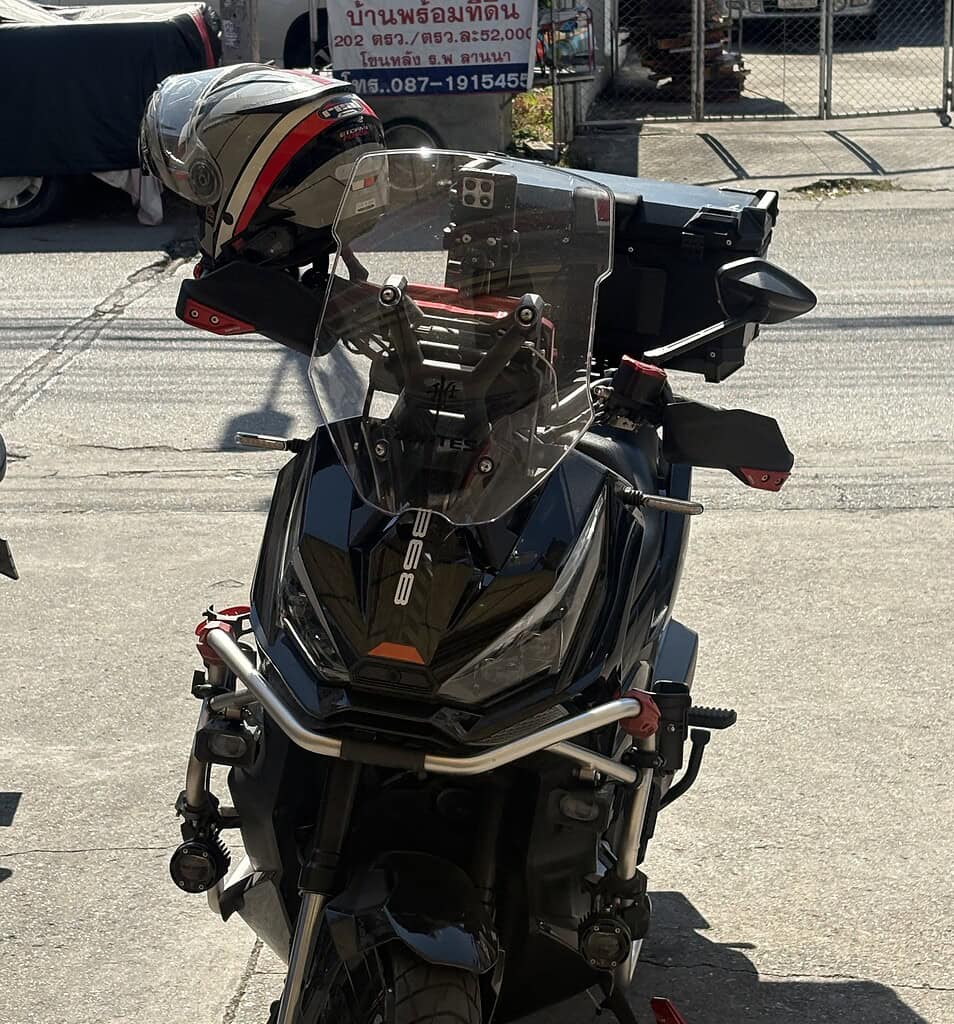
Thailand’s private hospitals, Bumrungrad in Bangkok, Bangkok Hospital across multiple locations, are genuinely excellent. They’re also expensive without coverage.
A serious motorbike accident requiring surgery and a hospital stay can generate bills that run $10,000-30,000 USD. A medical evacuation back to your home country runs significantly higher.
Thailand’s roads are statistically among the most dangerous in the world. Motorbike accidents involving tourists happen regularly. Food poisoning requiring IV treatment and an overnight hospital stay is not rare.
None of this requires bad judgment on your part, it just requires being somewhere that things occasionally go wrong.
Travel insurance for a two-week Thailand trip costs $50-100 USD depending on your coverage level and home country.
That comparison, $75 versus $20,000, makes the decision straightforward. Skipping it to save $75 on a trip that costs $2,000-3,000 is the most financially irrational mistake on this entire list.
Buying Domestic Flights Last Minute
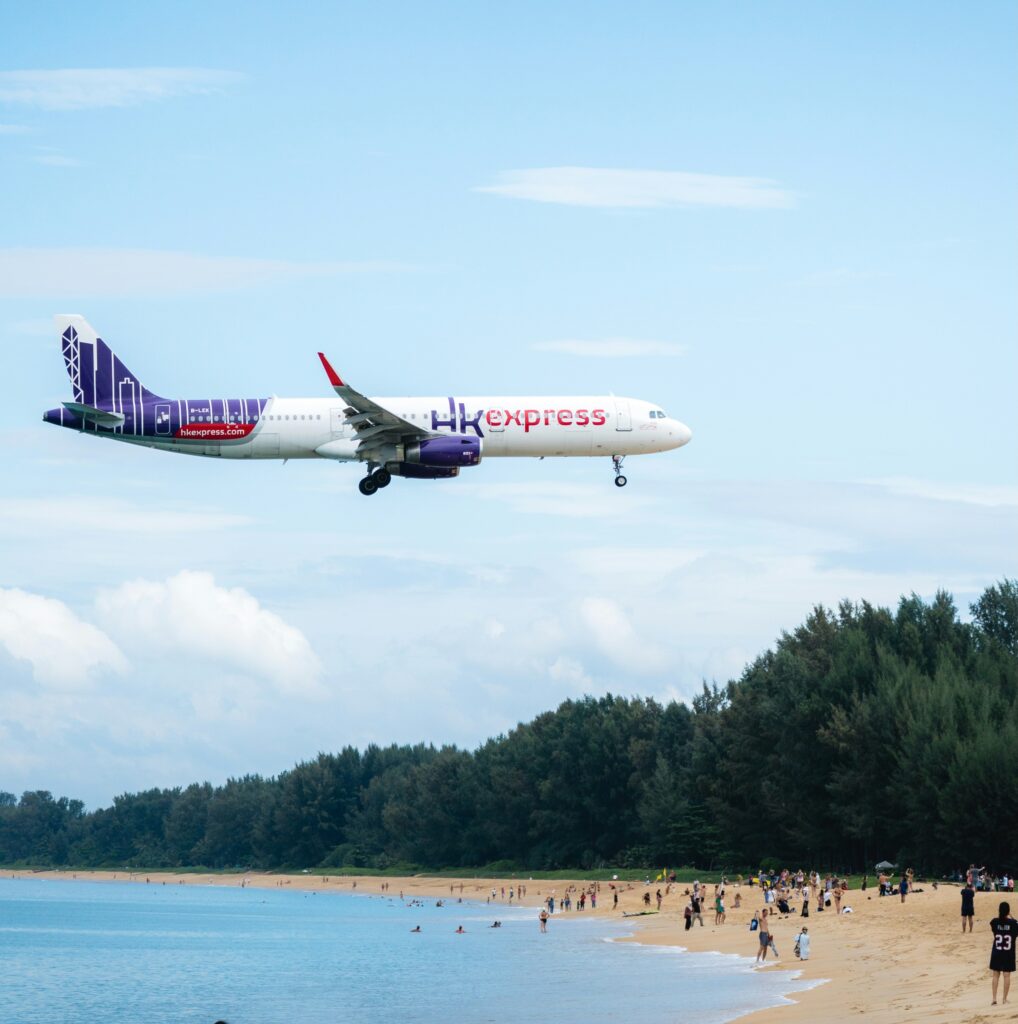
Thailand’s budget airline network, AirAsia, Nok Air, Thai Lion Air, connects Bangkok to Phuket, Chiang Mai, Koh Samui, and every major destination in the country at prices that can be extraordinary when booked in advance and genuinely painful when booked last minute.
Bangkok to Phuket booked two to three months out regularly comes in under $30-40 USD. The same route booked two weeks out during high season runs $80-150 USD or more.
The flight is identical. The experience is identical. The price difference exists entirely because of when you decided to book.
During high season, December through April, domestic routes fill up fast as international visitor numbers peak alongside Thai domestic tourism. Waiting until you’re sure about your itinerary costs real money on routes you were always going to take anyway.
Book domestic flights the moment your international flights are confirmed. The prices only move in one direction as departure approaches.
Visiting Northern Thailand During Burning Season
This mistake costs money in the most frustrating way possible: you pay high season prices for an experience that burning season has fundamentally compromised.
Burning season runs from mid-February through late April across Northern Thailand. Farmers burn crop fields across the region, and the smoke accumulates in the valleys and mountains around Chiang Mai and Chiang Rai, creating air quality conditions that range from unhealthy to hazardous.
The AQI regularly hits 200-300 during peak burning weeks. The mountains disappear behind gray haze. The famous viewpoints at Doi Suthep and Doi Inthanon become pointless.
Hotels in Chiang Mai don’t reduce prices during burning season. Tours don’t discount for the degraded experience.
You pay the same rates for trekking tours conducted in smoky air, temple visits under gray skies, and a city that looks nothing like the photos that convinced you to go.
Northern Thailand between November and February is extraordinary, cool, clear, and genuinely one of the best regional experiences in Southeast Asia. The same destination from mid-February through April is a completely different proposition.
Check the AirVisual app before booking any Northern Thailand trip. If burning season overlaps with your dates, move it. The experience difference justifies the itinerary adjustment completely.
Booking Peak Season Accommodation Late

Thailand’s high season runs December through April, and accommodation pricing during this window operates on simple supply and demand principles that punish late bookers consistently.
The guesthouse in Krabi that costs 600 THB per night in September costs 1,500 THB in January, if it’s available at all.
The beachfront bungalow on Koh Lanta that you assumed you’d find on arrival in February doesn’t exist at any reasonable price by the time you’re looking two weeks out.
What remains is either significantly overpriced or significantly worse than what you wanted.
The fix is straightforward: book accommodation two to three months in advance for any high season travel, and four to six months in advance for the Christmas and New Year window when demand is at its absolute peak.
The money saved by booking early isn’t a discount, it’s just paying the normal price rather than the scarcity price.
The difference between those two numbers in peak season Thailand is real and consistent.
Not Using the BTS Skytrain and MRT in Bangkok

Bangkok traffic is one of the most consistent budget drains in Thailand, and it’s entirely avoidable for the majority of journeys across the city.
A taxi from Sukhumvit to the Grand Palace during peak hours can take 90 minutes and cost 300-500 THB. The same journey on the BTS Skytrain and MRT takes 30 minutes and costs 40-60 THB.
The taxi costs more, takes longer, and sits in traffic while the meter climbs. The rail system costs a fraction, moves efficiently, and deposits you at your destination on a predictable schedule.
Bangkok’s BTS and MRT network covers most major tourist areas, shopping districts, and neighborhoods visitors spend time in.
Planning your accommodation near a BTS or MRT station, and defaulting to rail for every journey the network covers, is one of the single most effective daily budget decisions available in Bangkok.
Get a Rabbit Card for the BTS at any station. Load it with enough credit for several days of travel. Use Grab only for destinations the rail system doesn’t reach. The difference across a week of Bangkok sightseeing is significant.
Not Pre-Purchasing Your Checked Baggage Allowance on Budget Airlines
Budget airlines in Thailand, AirAsia, Nok Air, Thai Lion Air, base their advertised fares on cabin baggage only.
Checked luggage is a separately purchased add-on, and the pricing structure is specifically designed to extract maximum cost from travelers who leave this decision until the airport.
Adding 20kg checked baggage during online booking costs approximately 200-400 THB depending on the route and airline. Adding the same baggage at the airport check-in counter costs 600-1,500 THB or more, sometimes approaching the base ticket price itself.
I always pre-purchase my 25kg checked baggage allowance at the time of booking. It costs a fraction of the airport price, locks in the weight I need, and removes one stressful variable from the check-in process entirely.
If you’re doing multiple domestic flights across Thailand, which is the smart way to cover significant distances efficiently, this mistake compounds across every single segment.
The total overspend on baggage fees across a multi-flight itinerary adds up to a meaningful amount that pre-purchasing eliminates completely.
Booking Tours Through Your Hotel
Hotel concierges and guesthouses in tourist areas earn commissions on tour bookings, and those commissions are built into the prices they quote you.
The same island hopping tour, elephant sanctuary visit, or cooking class available through your hotel is almost always available at lower prices through other channels.
Platforms like Klook and Viator display prices transparently, have competitive rates, and carry review systems that help you evaluate quality before booking. Local tour operators in every major destination quote prices that reflect their actual costs rather than a hotel markup.
The price difference varies by tour and destination but consistently runs 20-40% cheaper when booked through the right channel versus a hotel concierge.
On a tour costing 2,000 THB, that’s 400-800 THB saved per person. For a couple across several tours during a two-week trip, the total is meaningful.
Ask your hotel for recommendations, they often know the best operators. Then book directly with those operators or through a comparison platform rather than through the hotel itself.
Eating and Drinking in Tourist Areas
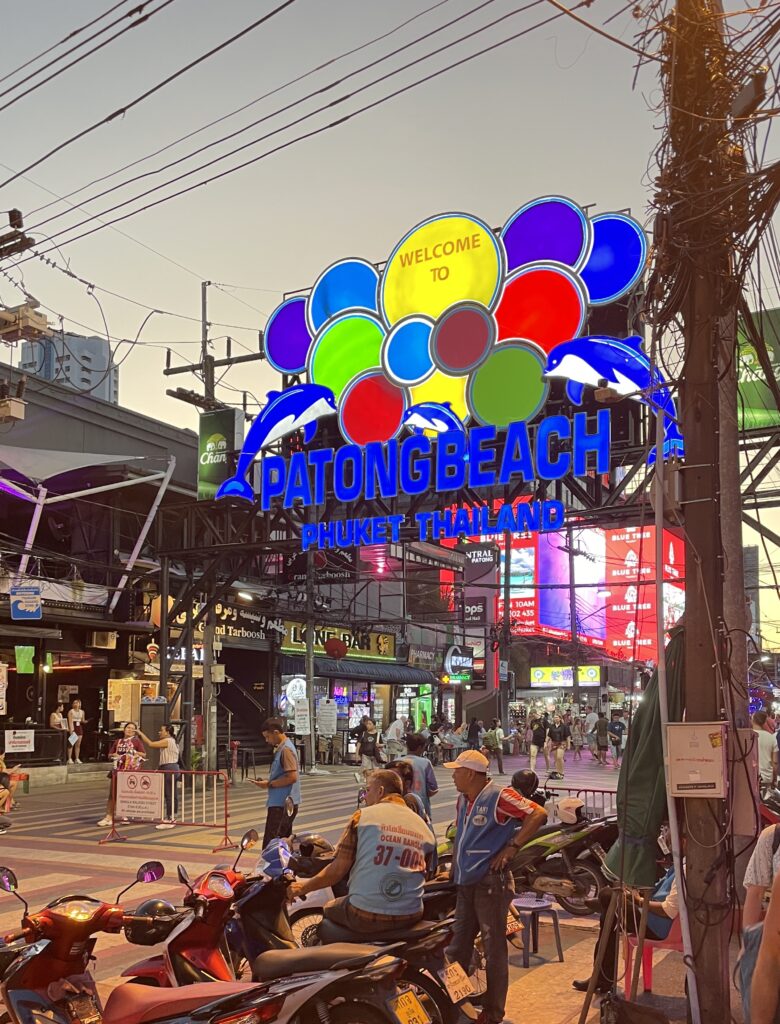
Thailand’s tourist restaurant markup is one of the most consistent and predictable pricing distortions in any travel destination in the world, and falling into it repeatedly across a trip significantly inflates your food budget for no quality gain.
A pad thai at a restaurant on Khao San Road or in Patong costs 180-250 THB. The same dish at a street stall two blocks in any direction from the tourist zone costs 60-80 THB.
The street stall version is usually better because the cook makes it hundreds of times a day for locals who notice the difference.
The same applies to drinks. A beer at a tourist bar runs 150-200 THB. A beer from a 7-Eleven costs 45-55 THB.
A cocktail at a beach club on Koh Samui costs 350 THB. The same cocktail at a local bar costs 120 THB.
The pattern is consistent across every tourist area in Thailand. Walk away from the photo menus and English touts. Find where locals eat.
Follow the lunch crowds at midday. Your food budget across two weeks behaves very differently depending on which side of this line you spend most of your meals.
Taking Taxis Instead of Using Grab
Bangkok taxi culture has a well-established tourist pricing problem, and most visitors who arrive without knowing about Grab encounter it within their first day.
Street taxis in Bangkok routinely refuse to use the meter, particularly near airports, tourist attractions, and entertainment area, and instead quote flat rates that bear no relationship to what the journey actually costs.
Without a reference point, you have no leverage and no way to know if the quoted price is reasonable.
Grab eliminates this entirely. The price is displayed before you confirm the booking. The route is tracked. You have a record of the journey and a feedback system that incentivizes drivers to behave correctly.
Download Grab before you land. Set up your payment method in advance. Use it as the default for every journey where a metered taxi or ride-share makes sense.
The savings across a full trip aren’t enormous individually, but the consistency of paying fair prices rather than tourist prices every single time adds up, and the elimination of the negotiation friction is worth as much as the money saved.
Not Negotiating Tuk-Tuk Prices Before Getting In

Tuk-tuks are one of Thailand’s most iconic experiences and one of its most consistent tourist pricing traps.
There is no meter. There is no regulated fare. The price is whatever the driver quotes and whatever you accept before you get in.
In tourist areas, around Khao San Road, near the Grand Palace, in Patong Beach, opening tuk-tuk prices are often two to three times what a fair fare would be.
Drivers read tourist unfamiliarity and price accordingly. Once you’re seated and moving, you’ve accepted the opening quote by default.
The fix is simple and non-negotiable: always ask the price before you sit down. Use Grab as a reference for what a similar journey should cost.
Counter-offer at 60-70% of the opening quote. Be prepared to walk away, that’s the moment prices often drop.
Tuk-tuks are worth taking for the experience. Just take them on your terms rather than theirs.
Paying Full Price for Tours Without Comparing
Thailand’s tour pricing varies wildly for identical or near-identical experiences, and the difference between the first price you’re quoted and what comparison shopping reveals is consistently significant.
The island hopping tour quoted at your beach hotel for 2,500 THB per person is available at 1,600 THB through a local operator 200 meters away.
The elephant sanctuary advertised at your guesthouse for 3,500 THB is on Klook for 2,200 THB.
The cooking class on the flyer in your lobby is available directly through the school for 20% less than the intermediary is charging.
Twenty minutes of comparison shopping before booking any activity in Thailand routinely saves 400-1,000 THB per person per activity.
Across a two-week trip with five or six paid activities, that’s a meaningful total that required almost no effort to capture.
Get the recommendation from whoever you’re talking to. Then spend 20 minutes comparing prices before you commit. Every single time.

Thailand Isn’t Getting Expensive — It’s Getting More Popular
Let’s be honest about something: Thailand’s costs have risen, and pretending otherwise doesn’t help anyone planning a trip.
But context matters. Thailand is the eighth most visited country in the world, and Bangkok holds the title of most visited city on the planet.
That’s not a coincidence, it’s the result of years of word-of-mouth, social media exposure, and a destination that genuinely delivers on its promise.
I run a Facebook group of over 100,000 Thailand travel enthusiasts, and the energy in that community tells you everything you need to know about how people feel about this country. Demand is real, sustained, and growing.
What’s driving costs up isn’t Thailand getting worse, it’s Thailand getting discovered by more people every year.
More demand means higher accommodation pricing in peak season, busier beaches, and tourist areas that have learned exactly what international visitors will pay.
That said, put Thailand next to almost anywhere else in the world and it remains genuinely affordable. My sister visited Bangkok for the first time this past winter and understood it immediately, you can go to Bangkok and spend very little, or you can go and spend plenty.
The country accommodates both completely. A street food lunch costs $2. A Michelin-starred dinner costs $30.
A beachfront bungalow costs $25. A luxury resort costs $200. Thailand doesn’t force your budget, it responds to it.
The mistakes on this list exist because Thailand’s affordability creates a false sense of financial security.
Everything feels cheap in the moment. The bill at the end of two weeks tells a different story if you’re not paying attention.

Final Thoughts on Costly Thailand Travel Mistakes
Thailand is still one of the best value travel destinations in the world. That statement is true regardless of how many people visit, how popular it gets, or how much peak season prices have climbed in recent years.
But value doesn’t mean automatic, it means available to the traveler who makes intentional decisions about where the money goes.
Avoid these eleven mistakes and Thailand delivers everything its reputation promises at a price that makes the trip genuinely worth it.
Make them, and you’ll spend significantly more than you planned for an experience that’s essentially the same.
The choice between those two versions of the same trip is made before you land, in how you book, what you compare, and whether you pay attention to the details that quietly determine where the money ends up.

What is the biggest financial mistake tourists make in Thailand?
Skipping travel insurance. One serious incident without coverage generates bills that dwarf everything else on this list.
After that, booking domestic flights and peak season accommodation late consistently costs the most for what are otherwise identical experiences.
Is Thailand still affordable in 2026?
Yes, relative to most international destinations. Street food, local transport, and guesthouses remain genuinely cheap.
Peak season beach accommodation and tourist-area restaurants have risen, but the affordable version of Thailand is still very much available for travelers who know where to spend.
When is the cheapest time to visit Thailand?
Eat where locals eat rather than at photo-mMay through October offers 40-60% lower accommodation prices than peak season.
November is the sweet spot, dry season returns but December pricing hasn’t kicked in yet. Avoid mid-February through April for Northern Thailand due to burning season regardless of budget.
Is Grab available everywhere in Thailand?
Grab operates in Bangkok, Chiang Mai, Phuket, Pattaya, and most major tourist destinations across Thailand.
In smaller towns, remote islands, and rural areas it’s less reliable or unavailable entirely, those are the situations where negotiating tuk-tuk and taxi prices directly matters most. Always download and set up Grab before you land rather than figuring it out on arrival.
