
16 Scams in Japan to Avoid When Visiting
Let me be upfront about something before we dive in: Japan is one of the safest countries I’ve ever visited. Possibly the safest.
Scams in Japan exist, but they’re nothing like what you’ll encounter in Vietnam, Thailand, or most major tourist destinations in Southeast Asia.
People here return lost wallets with all the cash still inside. Locals will go out of their way to help you navigate the subway even if there’s a language barrier.
You can leave your bag at a café table while you grab your coffee and come back to find it exactly where you left it.
Japan operates on a completely different level of trust and social order. The vast majority of people you encounter will be genuinely kind, helpful, and honest.
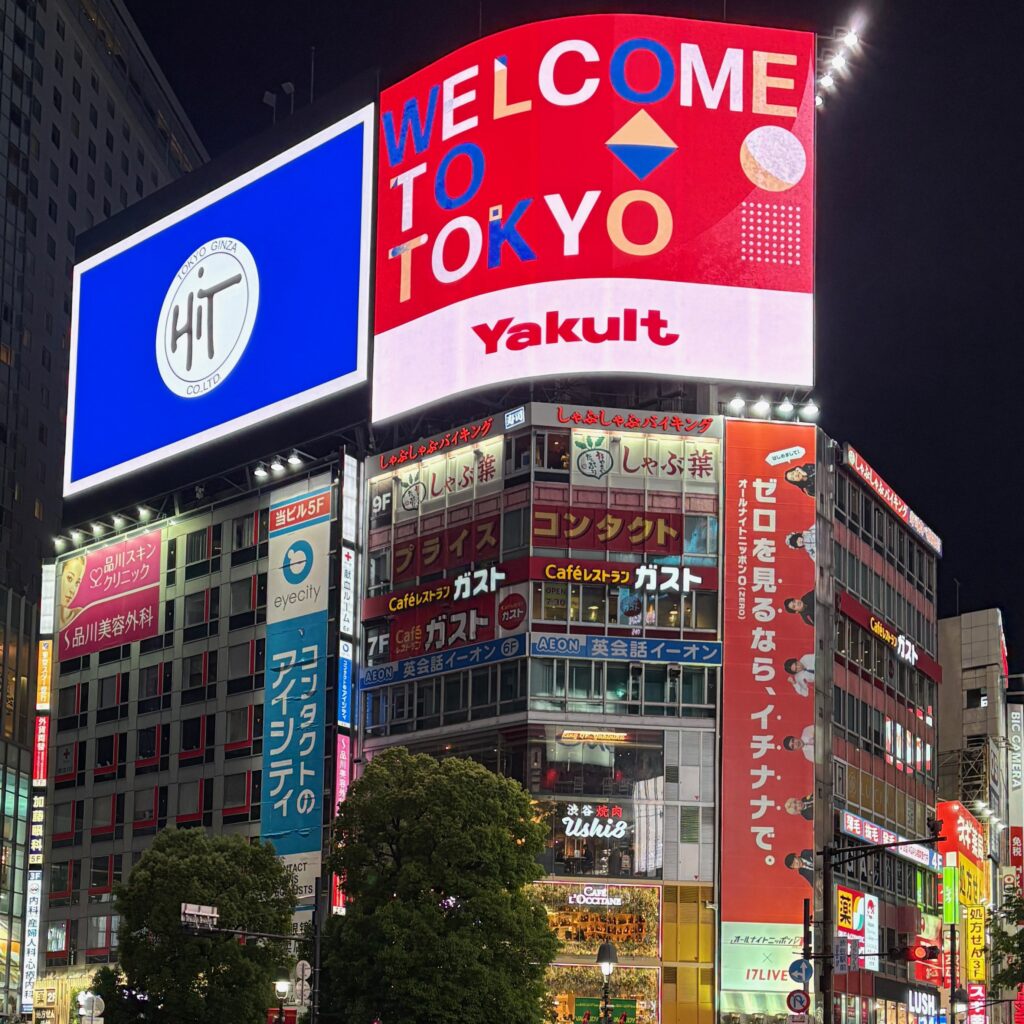
That said, tourist-targeted schemes have carved out their own space, particularly in high-traffic areas like Shinjuku, Kabukicho, Dotonbori, and the backstreets of Tokyo’s nightlife districts.
I’ve experienced the energy of Shinjuku at night firsthand, and let’s just say some of the gentlemen working the doors of certain establishments can be remarkably persistent.
There’s a whole world operating just below the surface in certain parts of Japan’s entertainment districts that first-time visitors aren’t always prepared for.
Shinjuku Kabukicho Hostess & Host Club Traps
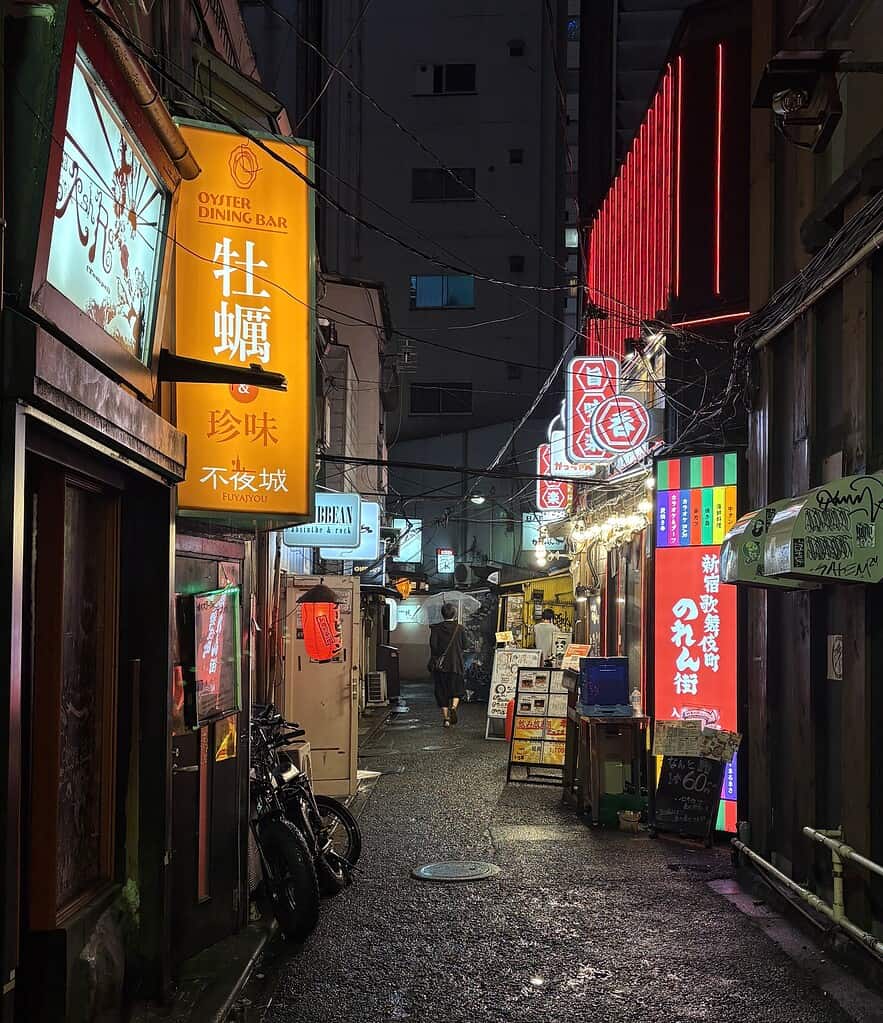
This is the one I know personally, and it’s the most important one on this list if you’re planning to explore Tokyo’s nightlife.
Kabukicho is Shinjuku’s entertainment district, home to legitimate bars, restaurants, and izakayas alongside a dense network of host and hostess clubs.
These clubs are not scams in themselves, they’re a legal part of Japanese entertainment culture. The scam is how tourists get pulled into them.
Touts work the streets aggressively, particularly targeting solo male travelers. They approach with perfect English, a friendly demeanor, and promises of cheap drinks and beautiful company.
What they don’t tell you upfront is the full pricing structure. Once you’re inside, drinks are heavily marked up, companionship charges are added per hour, and the bill at the end bears no resemblance to what was implied outside.
I’ve personally seen these guys in action on the streets of Shinjuku. They’re usually African, some are local Japanese but they can be persistent, and very good at what they do.
How to avoid it: If someone approaches you on the street in Kabukicho offering to take you somewhere, politely decline and keep walking.
Legitimate bars don’t need street recruiters. If you want to explore the nightlife, go to clearly marked establishments with visible menus and prices posted outside.
Overpriced “English Menu” Restaurants
Japan has an incredible food culture, and the vast majority of restaurants are completely honest.
But in heavily touristed areas like Asakusa, Dotonbori, and around major shrines, a small number of restaurants operate with two-tier pricing.
The setup is simple. You’re handed an English menu with significantly higher prices than the Japanese menu on the same table. Sometimes the English menu lists items in rounded, inflated numbers.
Sometimes certain items appearing on the Japanese menu are removed entirely from the English version.
It’s not aggressive, and it’s not dangerous. But you can end up paying 20-40% more than a local sitting at the next table.
How to avoid it: Use Google Translate’s camera function to scan Japanese menus. Many restaurants also have picture menus that are consistent across languages.
Eating slightly away from the most tourist-heavy blocks almost always results in better prices and more authentic food anyway.
Fake Monks Asking for Donations
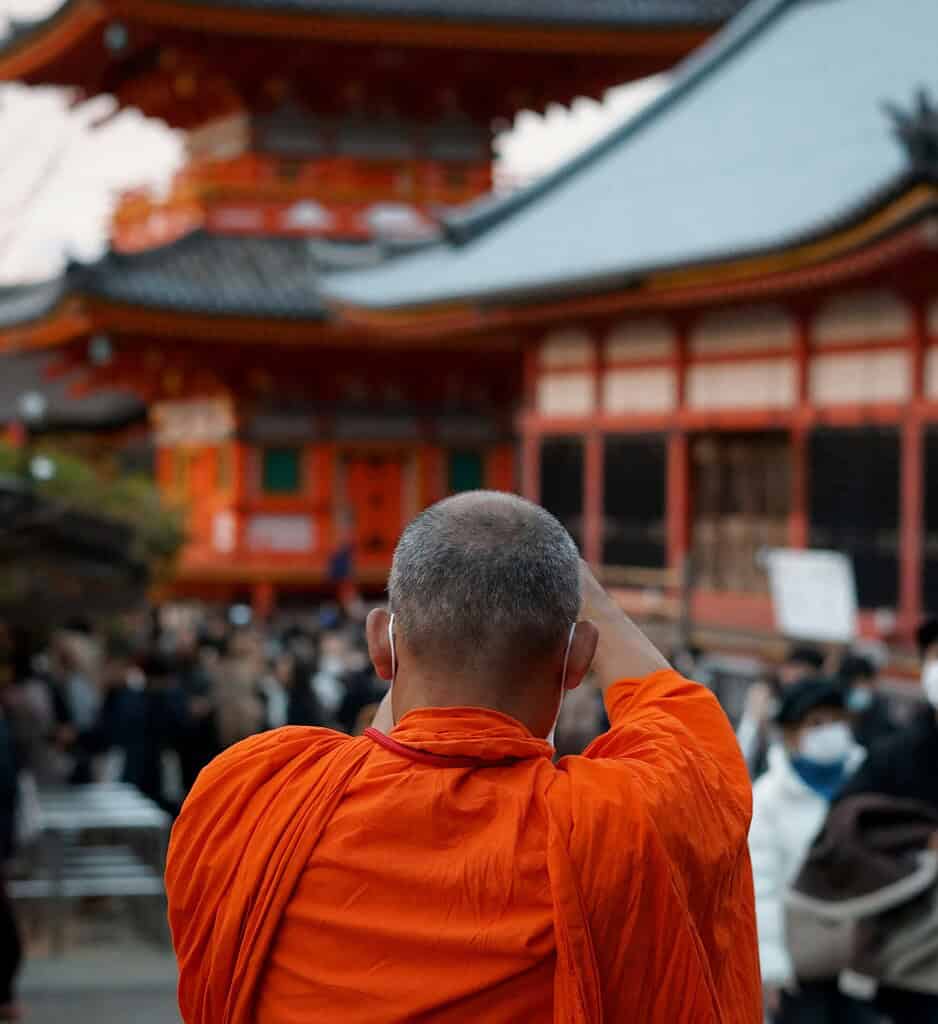
This one surprises people because Japan has a genuine and deeply respected Buddhist tradition. The scam works precisely because of that respect.
In popular areas near major temples, you may encounter individuals dressed in Buddhist robes who approach tourists, hand them a small charm or bead, and then request a “donation.”
The charm feels like a gift. The request feels like a spiritual obligation. And before you know it, you’ve handed over money for something you didn’t ask for.
Real Buddhist monks in Japan do not solicit donations on the street or approach tourists unprompted. Legitimate temples have donation boxes and clearly marked gift shops.
How to avoid it: Politely decline anything handed to you by a robed individual on the street.
If you want to make a genuine temple donation, do it inside the temple grounds at the designated offering area.
Attraction Ticket Scalping
Popular attractions in Japan, teamLab Borderless, Studio Ghibli Museum, certain sumo tournaments, and cherry blossom season events, frequently sell out weeks or months in advance. This creates a market for ticket scalpers.
You’ll find listings on secondary platforms, sometimes outside the venues themselves, offering tickets at significantly marked-up prices.
In some cases, the tickets are outright fake and won’t scan at the entrance.
How to avoid it: Always purchase tickets through official websites or authorized vendors only. For Studio Ghibli Museum, tickets are only available through official channels (Lawson convenience stores in Japan or the museum’s official international booking system).
If you missed official tickets, the experience is gone, there’s no reliable secondary market worth trusting.
Rigged Arcade Games and Prize Machines
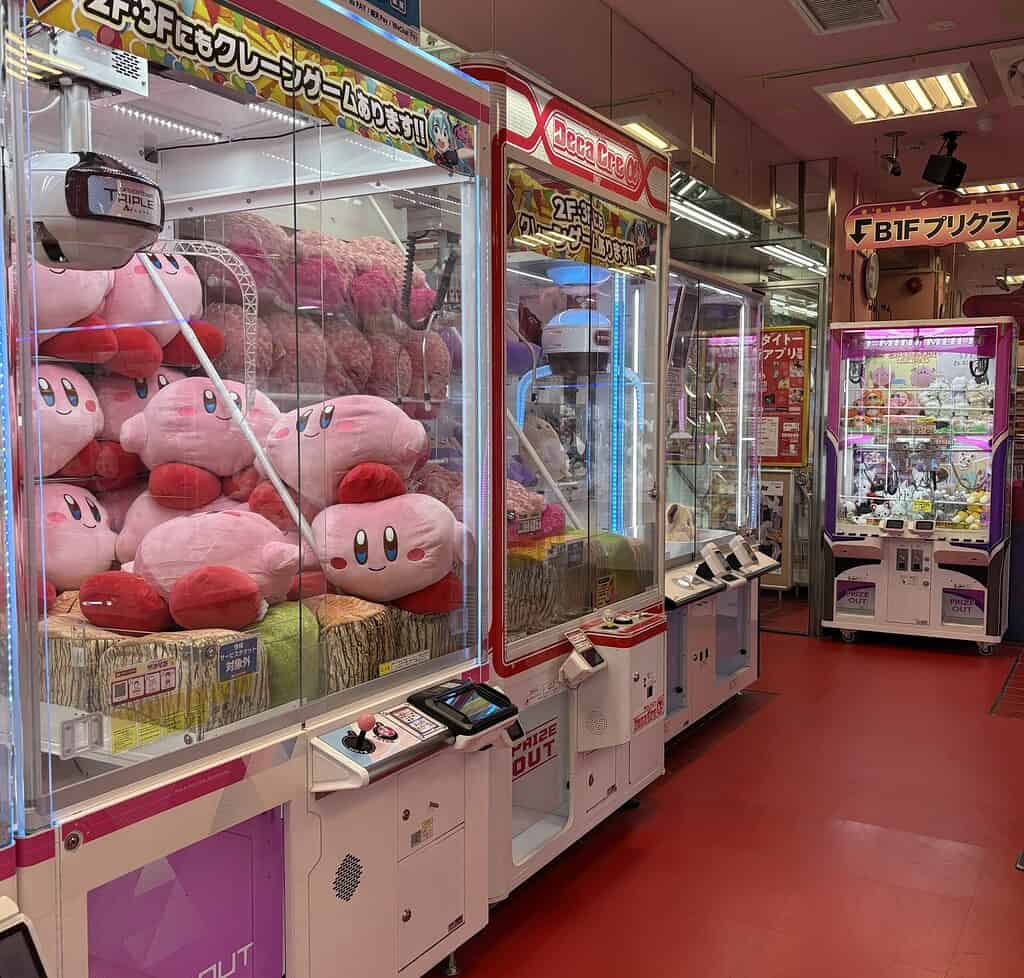
Japan’s arcades are legendary, and most of them are completely legitimate and genuinely fun.
But in certain tourist-heavy areas, crane games and prize machines are sometimes calibrated to make winning nearly impossible regardless of skill.
The machines look enticing. The prizes are visually appealing. And the cost per play is low enough that you keep trying.
But some operators deliberately set the claw grip strength below the minimum required to lift a prize, meaning no matter how well you position it, you simply cannot win.
It’s not illegal exactly, but it’s dishonest and designed to drain small amounts of money continuously.
How to avoid it: Set a firm budget before you start playing arcade games and stick to it. If a machine seems suspiciously impossible despite multiple well-placed attempts, it probably is.
Legitimate game centers in Japan tend to be well-known chains with reputations to protect.
Short-Changing at Smaller Shops
Japan’s larger convenience stores, chain restaurants, and department stores are essentially scam-proof.
The systems are automated, receipts are standard, and change is often dispensed by machine.
But at smaller, independent shops in busy tourist areas, short-changing does occasionally happen.
It can be subtle, rounding down your change, handing back the wrong note denomination, or conveniently misunderstanding the amount owed.
It’s rarely aggressive or dramatic. It’s often designed to seem like an honest mistake.
How to avoid it: Count your change before leaving any small shop. IC cards like Suica or Pasmo eliminate the issue entirely for transit and convenience store purchases since everything is tapped and tracked automatically.
Gem and Jewelry “Investment” Scams

This one targets higher-spending tourists and tends to operate more subtly than street-level scams.
The setup involves being invited, sometimes through a seemingly chance encounter, sometimes through a tour connection, to visit a gem or jewelry shop.
Inside, staff present certain stones or pieces as rare investment opportunities with guaranteed resale value.
Prices are significantly inflated. The “investment” framing is designed to make the purchase feel financially rational.
Once you leave Japan, you’ll find the items are worth a fraction of what you paid and have no resale value on any legitimate market.
How to avoid it: Never purchase jewelry or gemstones as “investments” while traveling, regardless of how convincing the presentation is.
If you want to buy jewelry in Japan, do it from established, clearly branded retailers with transparent pricing.
The “Photography Help” Distraction Scam
This one is less common in Japan than in Europe or Southeast Asia, but it has been reported in crowded tourist spots like Senso-ji in Asakusa and popular areas around Kyoto.
The setup involves someone asking you to help them take a photo. While you’re focused on the camera or phone, an accomplice moves in to go through your bag, jacket, or pockets. It’s a classic distraction technique adapted for tourist-heavy environments.
How to avoid it: Keep your bag zipped and in front of you at all times in crowded areas.
If someone asks for photo help, it’s fine to assist, just stay aware of your surroundings and don’t set your own bag down on the ground while you do it.
Taxi Overcharging for Foreign Visitors
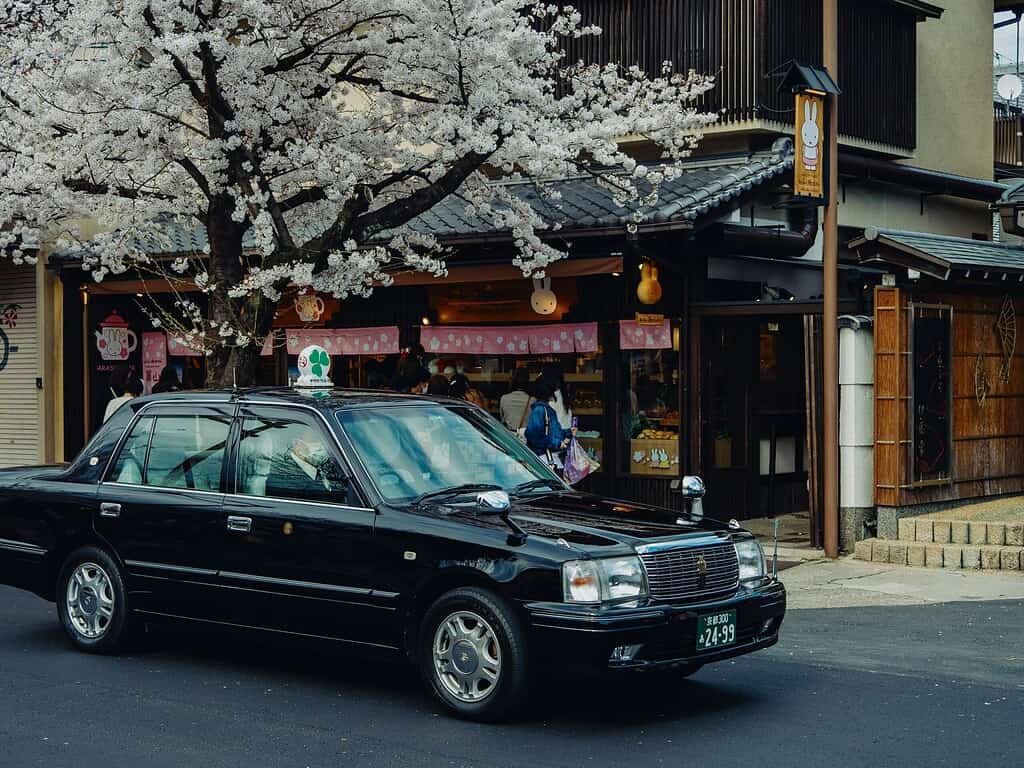
Japan’s taxi system is generally reliable and metered, but isolated cases of overcharging do occur, particularly around airports, major train stations, and nightlife districts late at night.
The most common version involves a driver taking a longer route than necessary, either banking on the fact that you don’t know the city or that you’re too tired or disoriented to notice.
Some will also claim toll fees that don’t exist or add charges that aren’t displayed on the meter. This is far less common in Japan than in most other countries, but it exists.
How to avoid it: Use Google Maps to get a rough sense of the route before you get in. IC cards and apps like GO (Japan’s main taxi app) allow for transparent, trackable rides.
For airport transfers especially, book through your hotel or an official airport taxi service.
Overpriced Souvenir Shops Near Major Attractions
Japan’s souvenir culture is genuinely wonderful. There’s real craft and care in a lot of what’s sold near temples, shrines, and tourist districts.
But pricing in the immediate vicinity of major attractions is reliably inflated compared to shops just a few streets away.
The same matcha Kit-Kats, the same folded paper fans, the same ceramic items sold two minutes from Senso-ji or Fushimi Inari will cost noticeably more than the exact same products at a convenience store, local market, or shop one block off the main tourist drag.
It’s not a scam in the traditional sense, but it’s worth knowing about.
How to avoid it: Do your souvenir shopping at Don Quijote, local supermarkets, or neighborhood shops rather than the stalls immediately surrounding major attractions. You’ll pay less and often find better quality and variety.
Fake Wi-Fi Hotspots
Japan has excellent public Wi-Fi infrastructure, particularly in Tokyo, Osaka, and Kyoto. But in crowded tourist areas and major train stations, fake or insecure Wi-Fi networks have been reported.
These networks mimic the names of legitimate public Wi-Fi services. Once connected, your data, including login credentials, banking information, and personal details, can be intercepted.
How to avoid it: Purchase a pocket Wi-Fi device or a local SIM card on arrival, both are widely available at major airports and are the safest and most reliable way to stay connected throughout your trip.
Avoid logging into banking or sensitive accounts on any public network regardless of how legitimate it appears.
Izakaya Hidden Charges and Seat Fees
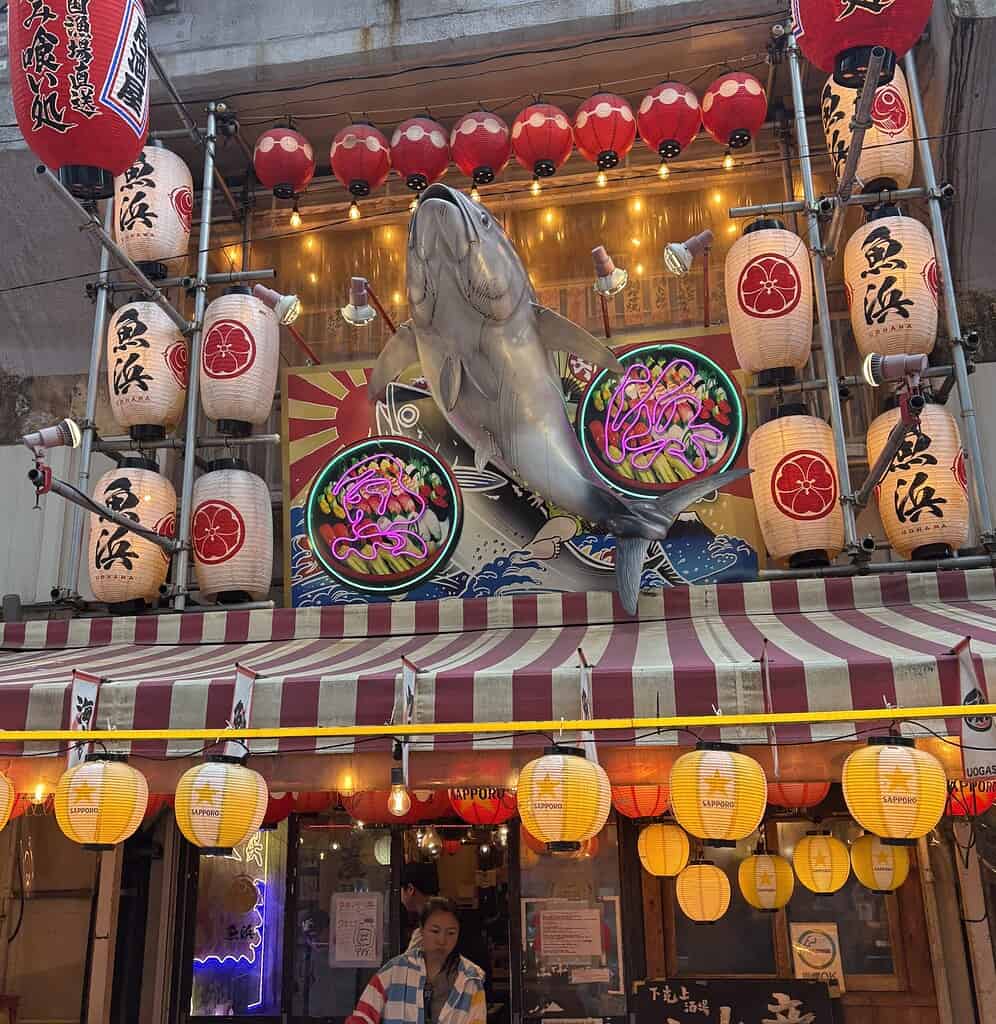
Izakayas are one of Japan’s great pleasures, casual dining bars where you order small plates and drinks over a long, relaxed evening.
Most are completely legitimate. But some, particularly in tourist-heavy areas, have charges that aren’t communicated upfront.
The most common one is the otoshi, a small appetizer automatically brought to your table that you’ll be charged for whether you asked for it or not. This is actually a legitimate cultural practice in Japan, similar to a cover charge.
The problem occurs when the fee isn’t disclosed or is set significantly higher than normal for a tourist establishment.
Some venues also charge a “table fee” or “seat charge” that appears only on the bill.
How to avoid it: Ask about any table fees or mandatory charges before you sit down. The otoshi itself is normal Japanese practice, but the amount should be modest (usually $3-5 USD equivalent). If a venue isn’t transparent about charges upfront, find somewhere that is.
Nightclub Drink Scams
Beyond the hostess and host clubs of Kabukicho, regular nightclubs and bars in entertainment districts occasionally operate their own version of drink scams targeting foreign visitors.
The most common version involves someone, sometimes another customer, sometimes a planted individual, offering to buy you a drink or joining your table.
Rounds are ordered freely. When the bill arrives, everything at the table is on your tab, including drinks you didn’t order and people you didn’t invite.
Another version involves drink prices that are not clearly posted and quoted verbally at a reasonable amount, only for the written bill to reflect a much higher figure.
How to avoid it: In any bar or club in Japan’s entertainment districts, confirm drink prices before ordering.
Keep track of what arrives at your table. If anyone you don’t know joins your group and starts ordering, be very clear about separate bills from the start.
Pickpocketing on Crowded Transit
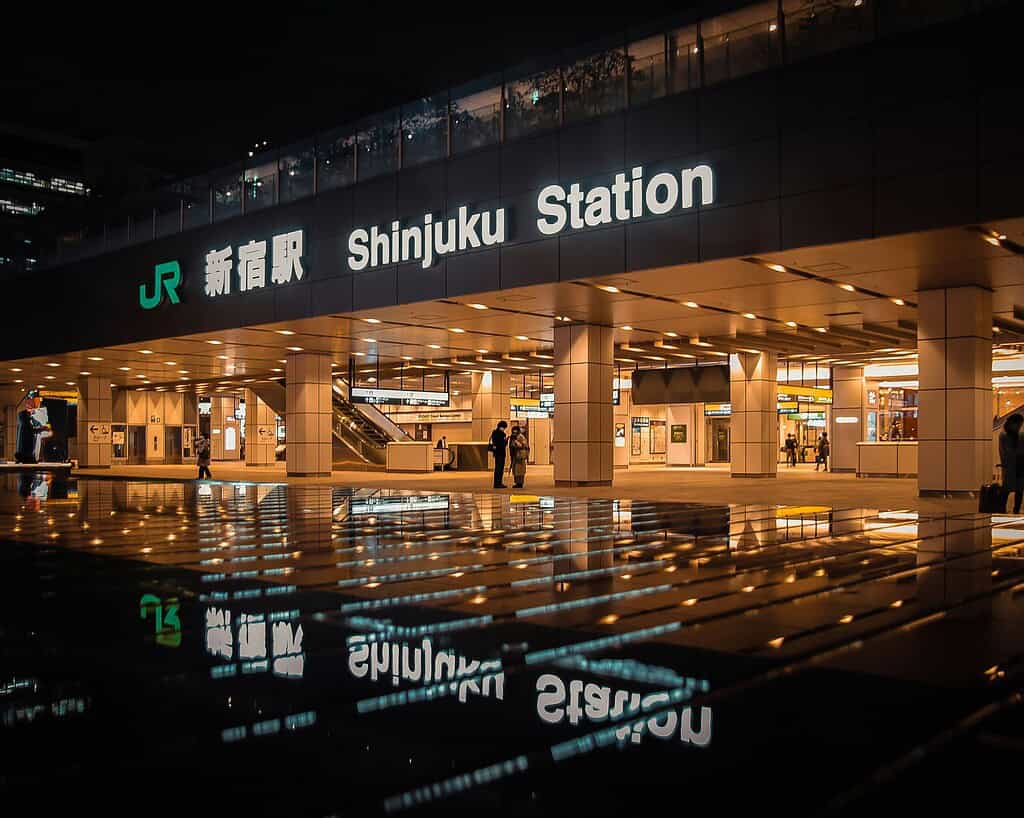
Japan’s petty crime rate is extraordinarily low by global standards. But on extremely crowded metro lines, particularly the Yamanote Line in Tokyo during rush hour, the Osaka subway, and peak-season tourist trains, pickpocketing does occur.
I’ve heard of this happening in Tokyo, and while it’s rare, crowded transit creates the same opportunities for opportunists that it does anywhere in the world.
Rush hour trains in Japan are legitimately packed beyond what most international visitors have experienced.
How to avoid it: Keep your bag in front of you on crowded trains. Don’t keep your phone or wallet in your back pocket.
If you’re carrying a backpack, wear it on your front in heavily packed carriages. The risk is low, but the habit is worth maintaining.
Fake or Misrepresented Tour Packages
Japan’s tourism industry is well-regulated, but in high-demand periods like cherry blossom season and autumn foliage, opportunistic operators do surface with packages that don’t deliver what’s advertised.
Common issues include group sizes far larger than promised, transportation that doesn’t match what was described, skipped stops on itineraries, and guides who speak minimal English despite being advertised as English-speaking.
This is more of a misrepresentation than a traditional scam, but the financial and experiential impact is real.
How to avoid it: Book tours through reputable platforms like Viator, GetYourGuide, or Klook, all of which have review systems and refund policies.
Avoid booking tours through flyers picked up in hostels or from individuals approaching you near major attractions.
Currency Exchange Rip-Offs
Japan is still a heavily cash-based society, which means currency exchange matters more here than in many other destinations. Not all exchange points are created equal.
Airport exchange counters, hotel exchange desks, and certain private exchange booths in tourist areas offer significantly worse rates than banks or post office ATMs.
The difference can be meaningful over the course of a longer trip in Japan.
Some exchange counters also advertise “zero commission” while quietly building the markup into an unfavorable rate.
How to avoid it: Use 7-Eleven ATMs, Japan Post ATMs, or Japan Post Bank ATMs for cash withdrawals. These accept most international cards and offer fair exchange rates.
Wise cards are also excellent for Japan travel, giving you close to mid-market rates on every transaction. Avoid exchanging large amounts at airports if you can wait until you reach the city.
Final Thoughts on Scams in Japan
Japan remains one of the safest and most welcoming countries you’ll ever visit, that’s for sure.
The scams on this list are real, but they exist in the margins of a country that operates with a level of honesty and social trust that’s genuinely rare in the world.
Most of your interactions in Japan will be the opposite of a scam. A shopkeeper who chases you down the street because you left your change.
A subway passenger who offers to help you figure out the right line without you even asking. A convenience store clerk who carefully places your purchase in a bag with both hands and bows as you leave.
That’s the real Japan. And it’s the experience that will define your trip far more than any of the situations above.
The Shinjuku nightlife area operates by its own rules, and knowing that going in keeps you from getting drawn into something you didn’t intend.
Beyond that, the most effective protection in Japan is the same as anywhere: stay aware, confirm prices before you commit, and trust your instincts when something feels off.
Go to Japan. Eat everything. Get lost in the train system. Bow too many times. Come back with more photos than storage space. Just know what’s out there so nothing catches you off guard.
Is Japan safe for tourists?
Yes, Japan is consistently ranked among the safest countries in the world for travelers.
Violent crime against tourists is extremely rare, and the general culture of honesty and social order makes it far safer than most major tourist destinations. Scams exist but are isolated and typically non-violent.
Where in Japan are tourists most likely to encounter scams?
Tokyo’s Shinjuku and Kabukicho district, Osaka’s Dotonbori area, and heavily touristed spots like Asakusa and Kyoto’s main temple corridors are the most common locations.
High foot traffic and large numbers of first-time visitors create the conditions that scammers look for.
Is it safe to use ATMs in Japan?
Yes, but stick to 7-Eleven ATMs, Japan Post ATMs, or Japan Post Bank ATMs, which accept most international cards and offer fair exchange rates.
Avoid exchanging money at airport counters or hotel desks where rates are significantly worse. A Wise card is also a strong option for Japan travel.
What should I do if I realize I’ve been scammed in Japan?
Stay calm and don’t escalate the situation physically. Japan has a strong police presence in tourist areas, and the koban (small neighborhood police boxes) found throughout major cities are easy to locate and staff speak basic English in tourist-heavy areas.
Keep records of any transactions, take photos where possible, and report the incident if significant money is involved.
