

Best & Worst Time to Visit Thailand by Region
The best time to visit Thailand isn’t a single answer, it’s completely different depending on which part of the country you’re going to.
The weather, the crowds, and the version of Thailand you’ll encounter shift dramatically from region to region and month to month.
What makes November perfect for Bangkok and Phuket can make Koh Samui a complete washout.
What makes February magical in Chiang Mai can turn March into a smoky, hazy health concern in the exact same city.
This is where most Thailand travel guides get it wrong. They give you one answer as if the country runs on one weather system. It doesn’t.
Thailand has three distinct regional weather patterns, and understanding which one applies to where you’re going is the most important planning decision you’ll make before you book.
I’ve visited Thailand across multiple seasons and regions, and the timing shaped each experience more than almost anything else I planned for.

Central & Southern Thailand
Bangkok, Ayutthaya, Phuket, Krabi, Koh Lanta, Koh Phi Phi, and the wider Andaman Coast all share broadly the same weather pattern.
If your trip combines Bangkok with a southern Andaman beach destination, the timing advice in this section covers both stops on your itinerary simultaneously.
The pattern is straightforward: a dry season running from November through April that delivers clear skies, lower humidity, and ideal beach conditions.
Followed by a wet season from May through October bringing heavy rain, rough Andaman seas, and significantly fewer tourists across the board.
Dry Season: November – April
November
November marks the arrival of the dry season and represents one of the most underrated months to visit Central and Southern Thailand.
The rains clear quickly, temperatures settle into a comfortable 25–32°C range, and humidity drops to genuinely manageable levels after months of wet season heat.
The beaches on the Andaman Coast, Phuket, Krabi, Railay Beach, are calm, clear, and at their most inviting.
Diving and snorkeling visibility improves dramatically. Bangkok becomes pleasant for long days of sightseeing without the brutal heat of the months prior.
Importantly, hotel rates in the first two weeks of November are still at shoulder-season pricing before high season fully kicks in toward the end of the month.
If you want peak dry season conditions at lower cost, early November is genuinely one of the best value windows of the entire year.

December
December is peak season in full effect across Central and Southern Thailand, and it earns that status.
Temperatures sit between 25–33°C with consistently clear skies and the best beach conditions of the year.
The Andaman Coast is at its absolute finest, calm seas, warm water, and long sunny days that make every beach destination look exactly like its Instagram version.
The trade-off is crowds and cost. December, particularly the Christmas and New Year window, is the most expensive time to visit Thailand.
Hotels in Phuket and Krabi charge their annual peak rates. Flights fill up months in advance. Popular spots like Railay Beach, the Phi Phi Islands, and Koh Lanta are at maximum capacity.
Book accommodation and flights at least three to four months in advance if December is your window. The weather absolutely justifies the effort.
January
January is arguably the single best month to visit Central and Southern Thailand, and it’s hard to make a strong argument against it.
The dry season is in full swing, temperatures sit comfortably between 24–31°C, skies are consistently clear, and the post-New Year crowd has thinned noticeably from the December peak.
It’s the sweet spot of the season, full peak weather conditions without the absolute maximum crowds and prices of late December.
Diving conditions around the Similan Islands, which run their season from roughly October through May, are excellent in January with outstanding visibility.
Snorkeling, kayaking, island hopping, everything outdoor and water-based in Southern Thailand is at its best.
If you have flexibility on timing and can only visit Thailand once, January on the Andaman side is genuinely hard to beat.

February
February continues the excellent conditions of January with reliable blue skies and temperatures ranging from 24–32°C across Central and Southern Thailand.
It’s still firmly peak season, though the post-Valentine’s Day period sees a slight easing of crowds compared to the January rush.
The Andaman Coast is outstanding through February, seas remain calm, beach days are consistently good, and evening temperatures are comfortable without being cold.
Bangkok is extremely pleasant for sightseeing with low humidity making long days walking between temples and markets genuinely enjoyable rather than exhausting.
Chinese New Year falls in February most years, bringing a surge of regional tourists and a festive atmosphere to Bangkok’s Chinatown that’s worth experiencing if the timing lines up.
March
March marks the beginning of the transition out of the dry season, and you can feel it.
Temperatures start climbing toward the hot season range of 30–38°C, and humidity begins returning to levels that make outdoor activity more demanding.
The Andaman Coast beaches are still good, seas remain calm, but midday heat becomes increasingly intense.
It’s still a perfectly reasonable time to visit Southern Thailand if beaches are your primary goal.
Water temperatures are warm, visibility for diving remains solid, and crowds are noticeably thinner than January and February, which means better pricing and more relaxed vibes at popular destinations.
Bangkok in March starts to feel genuinely hot and sticky during the middle of the day.
Plan outdoor sightseeing for early morning and late afternoon, and build in air-conditioned breaks at cafés, malls, or museums during peak heat hours.
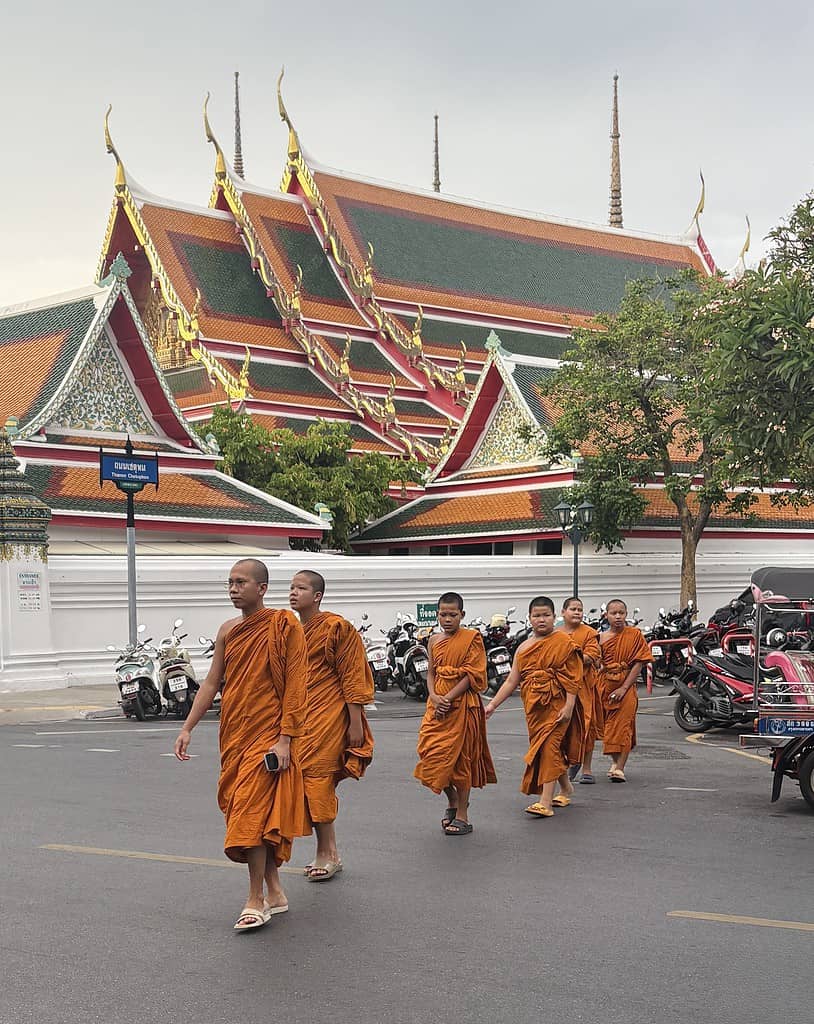
April
April is the hottest month across Central and Southern Thailand, with temperatures regularly hitting 35–40°C across most of the country.
If you’re visiting in April, heat management becomes a real part of your daily planning.
That said, April carries one of Thailand’s most extraordinary cultural events: Songkran, the Thai New Year water festival, falls in mid-April.
For several days, the entire country erupts into city-wide water fights. Streets become rivers. Locals and tourists drench each other with buckets, water guns, and hoses.
It’s chaotic, joyful, and one of the most fun experiences Thailand offers. If you’re in Bangkok or Chiang Mai during Songkran, embrace it completely.
Beach conditions on the Andaman Coast are still reasonable in April, though the heat makes extended outdoor time challenging. By late April, the first signs of the wet season begin appearing.
Wet Season: May – October
May
May is when the wet season arrives across Central and Southern Thailand and the shift is noticeable.
Rain doesn’t mean all-day downpours, the typical pattern is heavy showers in the afternoon or evening, often followed by clearing skies.
But the frequency and intensity increase through the month, and Andaman seas begin getting rough.
Some boat services to outer islands start reducing frequency in May. Smaller resorts on Koh Phi Phi and similar islands begin closing for the season.
Hotels drop significantly in price across the Andaman Coast and Southern Thailand generally. The landscape turns vivid green in a way the dry season simply cannot match.
For travelers prioritizing value, emptier beaches, and a more local atmosphere over guaranteed sunshine, May on the Andaman side is worth serious consideration.

June & July
June and July settle into the wet season rhythm, warm, humid, with afternoon and evening rains that are heavy but rarely consume the entire day.
Temperatures average 27–33°C. Bangkok can feel oppressive with heat and humidity combined during these months.
Southern beach destinations on the Andaman Coast are quieter and considerably cheaper.
Some travelers specifically choose this window for the dramatically lower prices and emptier beaches, accepting that a portion of each day will involve rain.
If flexibility and budget matter more than guaranteed beach days, June and July work better than most people expect.
The Andaman seas are rough through these months, making boat trips to outer islands less comfortable and outer dive sites less accessible. Stick to sheltered bays and closer dive sites if you’re in the water.
August & September
August and September are the heart of the wet season, and September is statistically the wettest month across much of Thailand.
Rain is frequent, sometimes lasting multiple hours rather than the typical afternoon burst. Flooding can occur in low-lying areas of Bangkok. Andaman seas are at their roughest of the year.
These are the months most travelers avoid, and for good reason if guaranteed sunshine and calm seas are priorities.
That said, accommodation prices are at rock bottom, popular sites are extremely uncrowded, and Bangkok’s cultural offerings, temples, markets, museums, street food continue completely unaffected by the weather.
If your Thailand trip is primarily cultural rather than beach-focused, August and September in Bangkok and Central Thailand are manageable and genuinely affordable.
October
October is the tail end of wet season for Central and Southern Thailand, and it’s a month of gradual transition.
Rain frequency decreases progressively through the month, and by late October the Andaman Coast begins clearing as the dry season approaches. Seas calm noticeably from their September peak.
Early October is still solidly wet season, don’t book a beach holiday expecting dry conditions.
Late October, however, offers an interesting window: improving weather, dramatically low accommodation prices, and the knowledge that the best season is just weeks away.
It’s a reasonable value play if you’re flexible and willing to work around variable weather in the first half of the month.

Gulf of Thailand Islands
Koh Samui, Koh Phangan, and Koh Tao operate on an almost completely opposite weather calendar from the Andaman Coast, and this catches more first-time visitors off guard than almost any other aspect of Thailand travel planning.
While the Andaman Coast and Bangkok are enjoying their dry season peak from November through April, the Gulf of Thailand islands experience their wettest and roughest months during this same period, particularly October through December.
Conversely, when the Andaman Coast is in wet season, the Gulf islands are often at their best.
This is the single most important regional weather distinction in Thailand. Many travelers book Koh Samui in December expecting the same conditions they’d find in Phuket and arrive to heavy rain and rough seas. Don’t be that traveler.
Best Season: February – September
February through April is the peak period for the Gulf islands, warm, relatively dry at 27–34°C, with calm seas and excellent diving conditions on Koh Tao.
This is when the Gulf islands are at their most inviting and the contrast with the crowded, expensive Andaman Coast happening simultaneously is a real advantage.
May through August is a mixed but manageable period. Showers become more frequent but the Gulf’s rainy season is notably gentler than what hits the Andaman Coast at the same time.
Temperatures stay around 27–33°C and plenty of sunny days still occur. The Full Moon Party on Koh Phangan continues drawing international crowds regardless of weather.
Koh Tao diving remains solid through the summer months with good visibility at most sites.
September sees wetter, more overcast conditions, but nothing approaching the severity of November and December.
Low season pricing and genuinely low crowds make it workable for budget-conscious travelers who don’t mind an overcast day or two.

Worst Season: October – December
October is when conditions on the Gulf islands begin deteriorating seriously. Heavy rain, strong winds, and rough seas build progressively through the month.
By late October, Koh Samui and Koh Phangan are experiencing genuinely challenging weather. Some resorts reduce services and boat connections become less frequent.
November is the worst month for the Gulf islands without question. Heavy tropical rainfall, rough seas, and strong winds make beach holidays miserable and boat trips between islands potentially dangerous.
While the Andaman Coast celebrates the glorious return of its dry season in November, the Gulf islands are at their annual low point. This is the most critical regional timing mistake to avoid in Thailand.
December continues the Gulf’s worst season. Koh Samui sees significant rainfall and rough conditions through much of the month.
Some years improve by late December, but it’s not reliable. If December is your only window for the Gulf islands, book refundable accommodation, set expectations appropriately, and consider whether the Andaman side might serve your beach holiday better.

Northern Thailand
Chiang Mai, Chiang Rai, and Pai operate on a distinct weather system with three clearly defined periods.
And one of them carries a health warning that most travel guides don’t address with the seriousness it deserves.
Cool Season: November – February
November through February is the best time to visit Northern Thailand and one of the best times to be anywhere in the country.
November marks the transformation. Rains clear, temperatures drop to a genuinely comfortable 18–28°C during the day with cool evenings, and the landscape emerges from the wet season vivid and lush.
Chiang Mai’s Yi Peng Lantern Festival, where thousands of paper lanterns are released into the night sky simultaneously, typically falls in November and is one of the most visually extraordinary cultural events in Southeast Asia. Planning a trip around it is completely justified.
December is peak season in the North. Temperatures of 15–28°C with cool evenings make it ideal for trekking, exploring hill tribe villages, and spending long days sightseeing without heat fatigue.
Pack a light jacket, at higher elevations temperatures can drop below 10°C after dark, which feels genuinely cold after acclimatizing to Thai heat.
January is arguably the best month in the North. Clear skies, excellent air quality, comfortable temperatures of 20–29°C, and the full range of Northern Thailand experiences at their best ethical elephant sanctuaries, cooking classes, mountain trekking.
Chiang Rai’s extraordinary temples. January tourism peaks but the region handles it better than the crowded southern beach towns.
February continues all of this with the Chiang Mai Flower Festival in early February adding a colorful cultural event to an already excellent month. Enjoy February fully. By mid-March, everything changes dramatically.

Burning Season: March – May
Read this section carefully if Northern Thailand is anywhere on your itinerary. Burning season happens when farmers across Northern Thailand, Myanmar, and Laos burn crop fields to clear land for the next growing cycle.
The smoke produced accumulates across the valleys and mountains, trapped by the topography, creating air quality conditions that go well beyond unpleasant. They are genuinely dangerous.
By mid-March, the AQI in Chiang Mai regularly hits levels classified as unhealthy to very unhealthy.
The mountains disappear behind gray-brown haze. Famous viewpoints at Doi Suthep and Doi Inthanon become pointless, there’s nothing to see through the smoke.
The sky loses its blue. The entire visual character of Northern Thailand that makes it worth visiting simply disappears.
April is typically the worst month of burning season. AQI readings above 300 have been recorded in bad years, a level at which outdoor activity causes measurable harm to healthy adults. People with respiratory conditions, children, and the elderly face serious risk.
I monitor air quality using the AirVisual app when traveling in this region. My honest, direct advice: do not plan a Northern Thailand trip from mid-February through late April.
The burning season is not a quirk to plan around, it’s a reason to reschedule entirely. Move your Northern Thailand visit to November through February without hesitation.
May brings returning rains that wash the smoke out progressively. Early May can still have poor air quality days, but by late May conditions have typically recovered and the landscape begins greening again as the wet season arrives.

Rainy Season: June – October
June through August brings relief from the burning season heat and smoke with consistent afternoon rainfall, high humidity, and temperatures of 25–32°C.
The landscape turns extraordinary, waterfalls that are dry in cool season run full and dramatic, rice fields glow vivid green across the valleys, and the mountains surrounding Chiang Mai look genuinely spectacular.
Tourist numbers drop significantly during rainy season in the North. Accommodation prices fall, popular sites are uncrowded, and Chiang Mai’s extraordinary café culture and night markets operate completely regardless of rain.
It’s a genuinely appealing season for travelers who prioritize atmosphere and value over perfect weather.
September and October are the wettest months, with frequent heavy rainfall and occasional trail closures in national parks.
The countryside in October is at its most dramatically beautiful, full rivers, peak waterfall flow, and an intensity of green that disappears quickly once the dry season arrives.
By late October, the rain begins easing and the transition back to cool season begins. November is just around the corner.

The In-Between: Thailand’s Two Transitional Months
April and November are Thailand’s two transitional months, and they deserve specific attention because they sit between seasons in ways that create both opportunity and risk depending on which region you’re visiting.
April is the end of the Andaman dry season. Conditions are still solid on the coast but getting hot. Songkran in mid-April is a genuinely unmissable cultural experience.
Crowds thin from the February-March peak and prices have started dropping from January highs, making it reasonable value for the Andaman side.
For the Gulf islands, April is still in its good season window. For Northern Thailand, April is burning season and should be avoided entirely.
November is the mirror image. For the Andaman Coast and Bangkok, November is the triumphant return of the dry season, excellent conditions at prices that haven’t yet hit December peaks.
For Northern Thailand, November is the beginning of the cool season’s best months and the Yi Peng lantern festival. For the Gulf islands, November is the worst month of the year without exception.
The takeaway is simple: April and November are excellent months for specific regions and the wrong choice for others.
Use this guide to map your exact destinations against these transitional months before you commit to booking anything.

High Season in Thailand
High season across Central and Southern Thailand and the Andaman Coast runs November through April, with December and January representing the absolute peak for both weather quality and tourist volume.
For the Gulf islands, high season runs roughly February through September. For Northern Thailand, November through February is peak.
Expect the best beach conditions, the clearest skies, and the most comfortable temperatures during these respective windows, alongside the highest hotel rates, the busiest beaches, and the most competition for accommodation at popular destinations.
Book flights and hotels at least three to four months in advance for the December-January Andaman peak.
The Christmas and New Year window in Phuket, Krabi, and Koh Lanta fills up faster than most first-time visitors anticipate.
Low Season in Thailand
Low season across Central and Southern Thailand runs May through October when the wet season keeps the majority of international tourists away and prices drop substantially across the board.
Hotels that charge peak rates in January offer the same rooms for 40-60% less in July. Beaches that are packed shoulder-to-shoulder in February are nearly empty in August.
Restaurants that need advance reservations in December are easy to walk into in September.
The trade-off is real, rain is consistent, Andaman seas are rough, and some smaller resorts and boat services reduce operations during the deepest wet season months.
But mornings are frequently clear, afternoons bring dramatic tropical downpours that pass, and the landscape is greener and more lush than at any other time of year.
For travelers who prioritize value, fewer crowds, and a more authentic local experience over guaranteed sunshine every day, low season Thailand delivers in ways that peak season simply cannot.

Final Thoughts on the Best and Worst Time to Visit Thailand
Thailand’s weather is more nuanced than most travel guides suggest, and getting the regional timing right makes a bigger difference than almost any other planning decision you’ll make.
The Andaman Coast in November and Koh Samui in November are not the same experience.
Chiang Mai in January and Chiang Mai in April are barely recognizable as the same destination. These regional distinctions matter enormously, and now you have the full picture.
For most first-time visitors, November through February covers the widest range of Thailand destinations reliably, excellent for Bangkok and the Andaman Coast, ideal for Northern Thailand, and increasingly good for the Gulf islands from January onward.
If value matters more than perfect conditions, May and June on the Andaman side offer dramatically lower prices with manageable weather. And if Northern Thailand is calling, protect yourself from the burning season.
Check AirVisual before you book, plan your visit between November and February, and you’ll experience one of the most beautiful and rewarding regions in Southeast Asia at its absolute best.

What is the best month to visit Thailand overall?
January, the Andaman Coast is at peak condition, Bangkok is comfortable, Northern Thailand is excellent, and the Gulf islands have recovered from their November-December wet season. It covers the widest range of destinations reliably.
Is rainy season in Thailand worth visiting?
For budget travelers, yes. Low season on the Andaman side brings 40-60% lower hotel prices and emptier beaches.
Rain typically comes in afternoon bursts rather than all-day downpours. If value matters more than guaranteed sunshine, it’s worth considering.
Why is Koh Samui’s weather so different from Phuket?
The two coasts run on opposite weather calendars. When Phuket is in dry season (November-April), the Gulf of Thailand is in its wettest months.
Booking Koh Samui in December expecting Phuket conditions is the most common Thailand timing mistake.
Should I avoid Northern Thailand during March and April?
Yes. Burning season from mid-February through April creates dangerous air quality in Chiang Mai and Chiang Rai, with AQI regularly hitting hazardous levels. Visit between November and February instead.
