
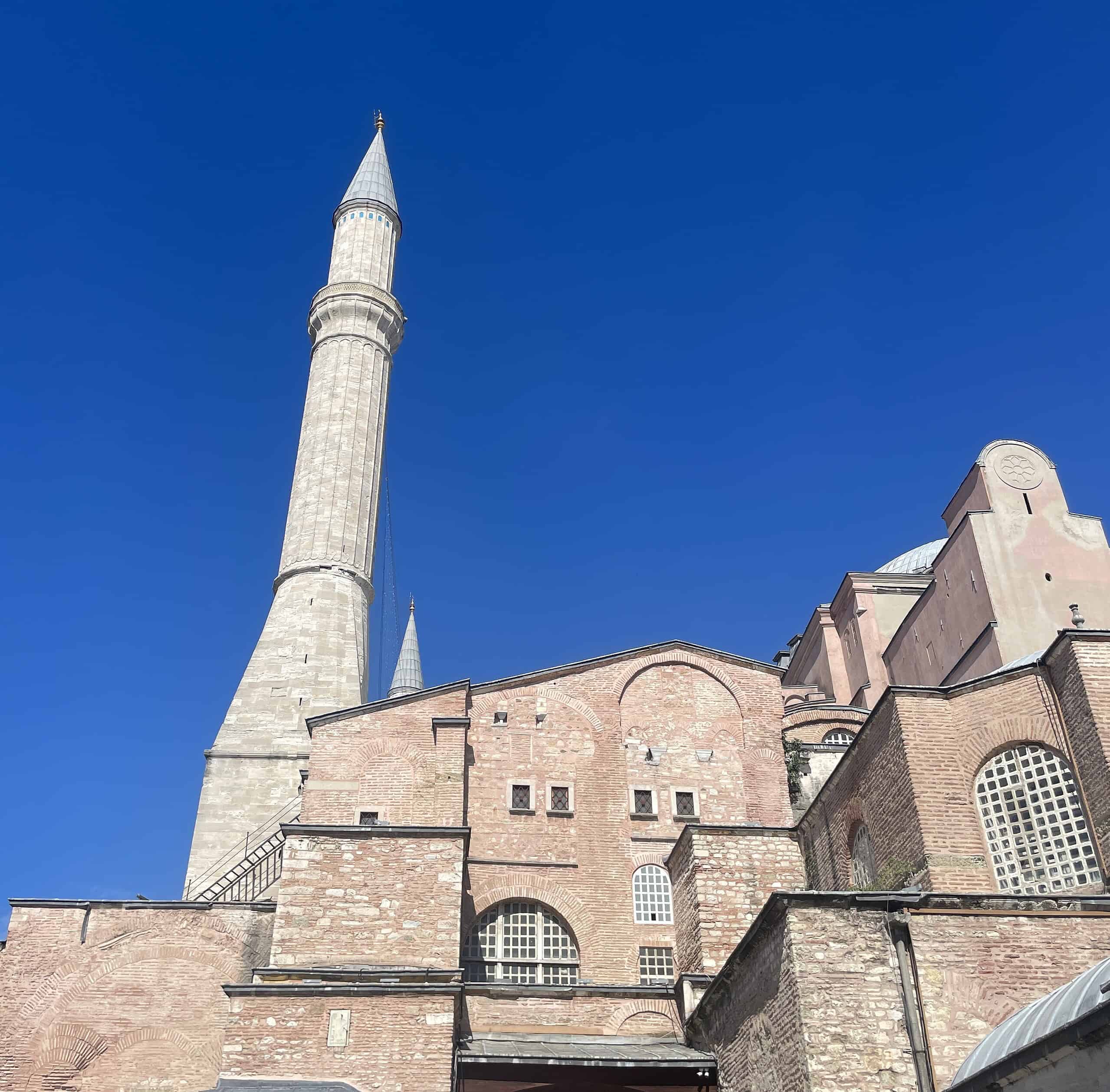
25 Scams in Turkiye to Watch Out For
Turkiye is one of the most rewarding destinations in the world, incredible food, layers of history stacked on top of each other, and some of the warmest hospitality you’ll find anywhere.
But it’s also one of the most visited countries on earth, and that volume of tourists has created a genuine ecosystem of scams in Turkiye that target visitors specifically, especially in Istanbul.
None of these are reasons to avoid Turkey. They’re reasons to walk in prepared. Here are 25 scams to know about before you land, plus exactly how to avoid each one.
The Taxi Meter Scam
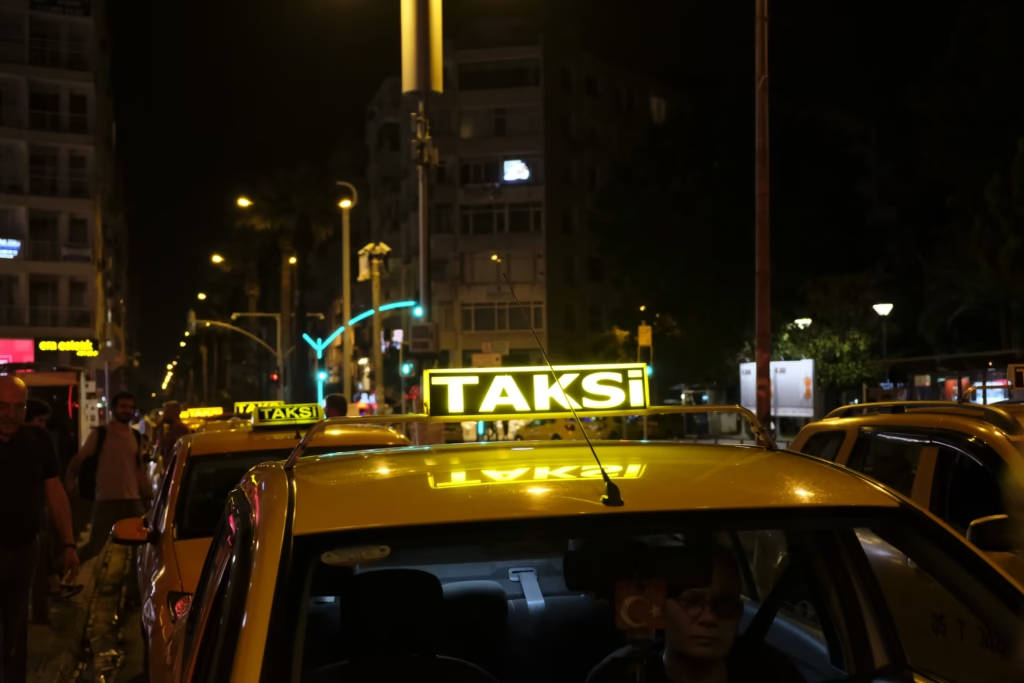
Taxi drivers in Istanbul and other major cities sometimes claim the meter is broken, take a deliberately long “scenic” route, or simply refuse to give change when you pay with a larger bill.
Use BiTaksi, InDriver, or an official app-based ride instead of hailing an unmarked cab off the street, and always confirm the meter is running before you pull away from the curb.
The Shoe Shine Drop Trick
A shoe shiner walking ahead of you “accidentally” drops one of his brushes. You pick it up and hand it back, and he offers you a free shine as thanks.
Once he’s finished, he demands an inflated payment and won’t let it go easily.
Politely decline the free shine the moment it’s offered, no matter how genuine the accident looked.
Fake Antiques and Byzantine Coins
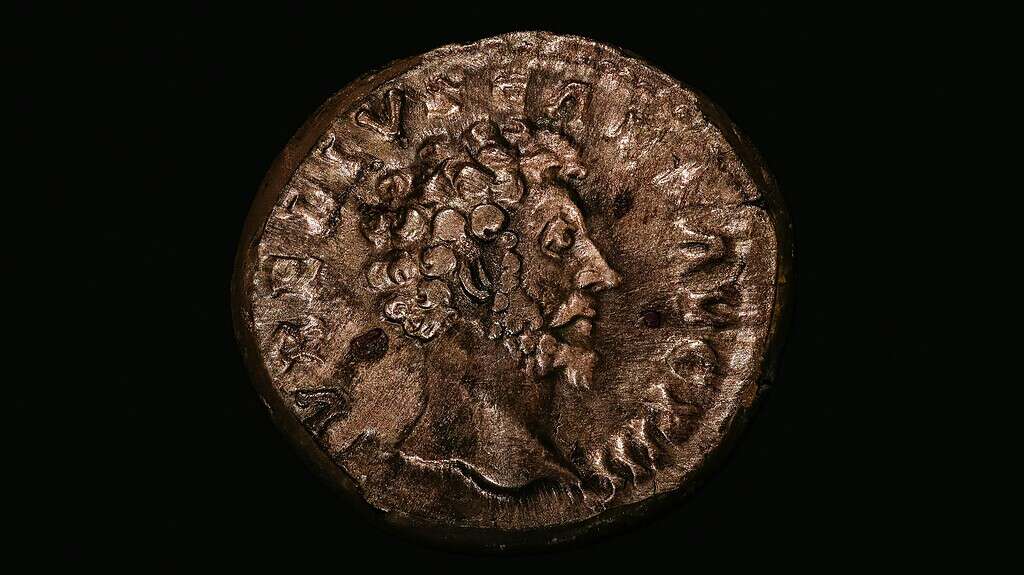
Around historical sites, someone will show you “ancient” coins or artifacts claiming they’re genuine Byzantine or Ottoman relics, offered to you at a steep discount because they supposedly need cash fast.
They’re reproductions, and it’s illegal to export genuine antiquities from Turkey anyway, so there’s no version of this transaction that ends well for you.
“Let’s Have a Drink” Bar Bill Shock
Someone friendly strikes up a conversation near Taksim or Istiklal Avenue and suggests grabbing a drink together.
You end up at a bar with no visible prices, order a round, and the bill comes back in the hundreds of dollars, sometimes with an intimidating “security guard” appearing if you push back.
Never follow a stranger to a bar of their choosing, and always check for a visible menu with prices before ordering anything.
The Istanbulkart Overcharge
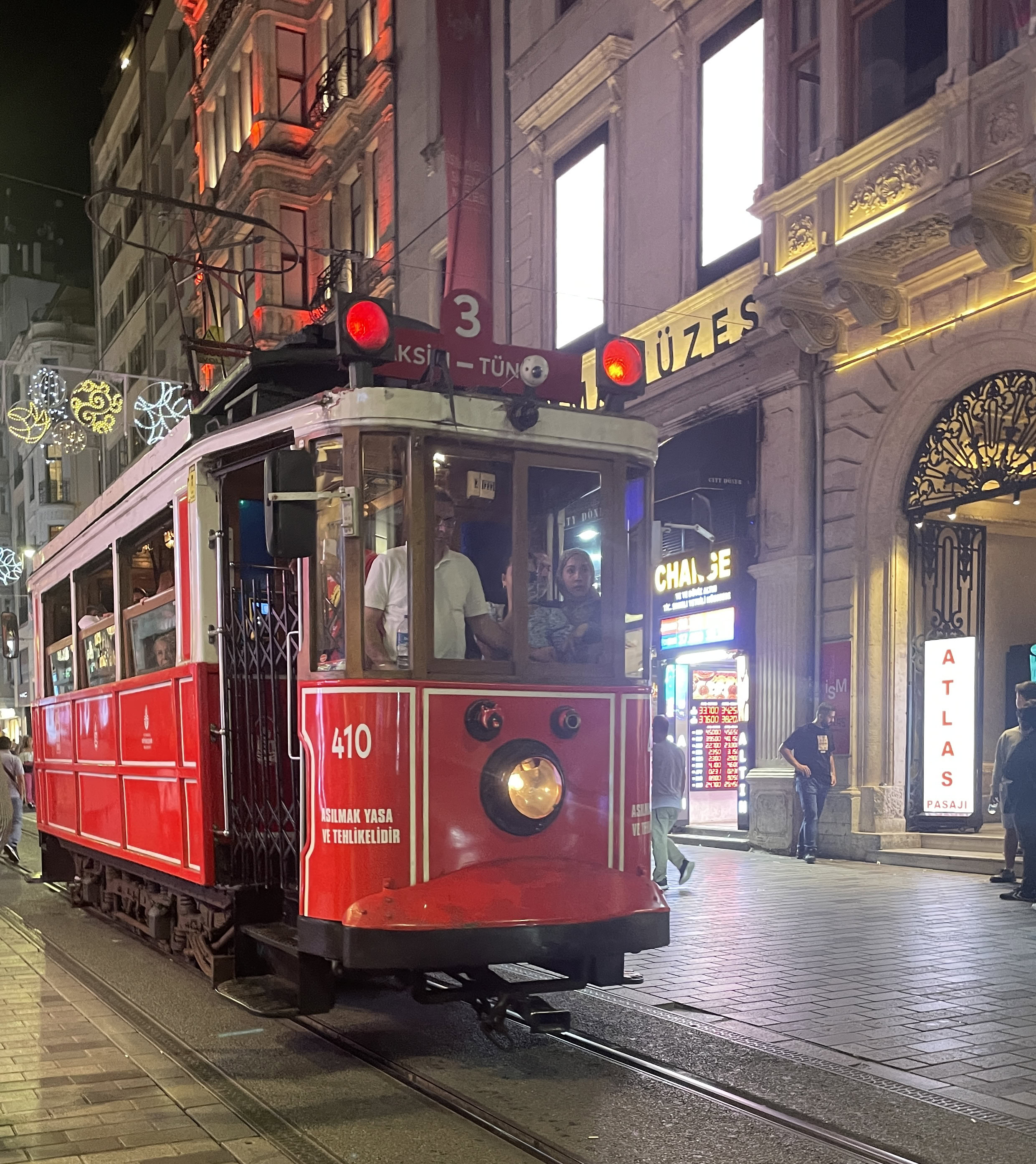
Istanbulkart is the transit card you need for buses, trams, and the metro, and unofficial sellers near stations sometimes charge well above the real price or hand over a card with less balance loaded than promised.
Buy directly from the official IETT kiosk or the machine inside the station, and check the balance on the reader immediately after loading.
The Fake Policeman
Someone claiming to be plainclothes police approaches and asks to see your wallet and passport, supposedly checking for counterfeit currency.
Real Turkish police don’t operate this way with tourists on the street. Ask to see identification, and if anything feels off, suggest walking together to the nearest actual police station rather than handing anything over.
Grand Bazaar Carpet Pressure Sales

You’re invited in for apple tea, shown an elaborate weaving demonstration, and seated for 45 minutes to an hour while carpets are unrolled in front of you one after another.
The opening price is absurd, and the dramatic “final offer” as you stand to leave is still roughly double what the piece is actually worth.
If you’re not seriously planning to buy a carpet, it’s easier to simply decline the tea and the seat in the first place. The whole interaction ends up being a headache, trust me.
Dynamic Currency Conversion at the Register
When paying by card, a terminal will sometimes ask if you want to be charged in your home currency instead of Turkish lira.
Always choose lira. The “convenience” of seeing your own currency comes with a poor built-in exchange rate that quietly costs you more on every single transaction.
Musicians Who Serenade Then Charge You
At restaurants near the Blue Mosque and other scenic spots, wandering musicians will serenade your table uninvited, and once they’ve finished, they expect payment, sometimes a surprisingly large amount.
If you didn’t ask for the performance, you don’t owe anything, but confirm this politely and firmly before they even start playing if you can.
“You Dropped Something”

Someone rushes toward you insisting you’ve dropped money or an item, and in the resulting confusion, either pickpockets you or sets up a longer distraction scam.
You haven’t actually dropped anything. Keep walking and keep your bag zipped and in front of you in busy tourist areas like Sultanahmet.
Airport Porters Who Demand a Fee
Someone in an official-looking vest grabs your luggage the moment you land and starts wheeling it toward the exit before you’ve said a word, then demands a fee once you reach the curb.
Keep a firm hand on your own bags and decline any unsolicited help, even if it looks like an airport employee offering a service.
Restaurants With No Visible Menu
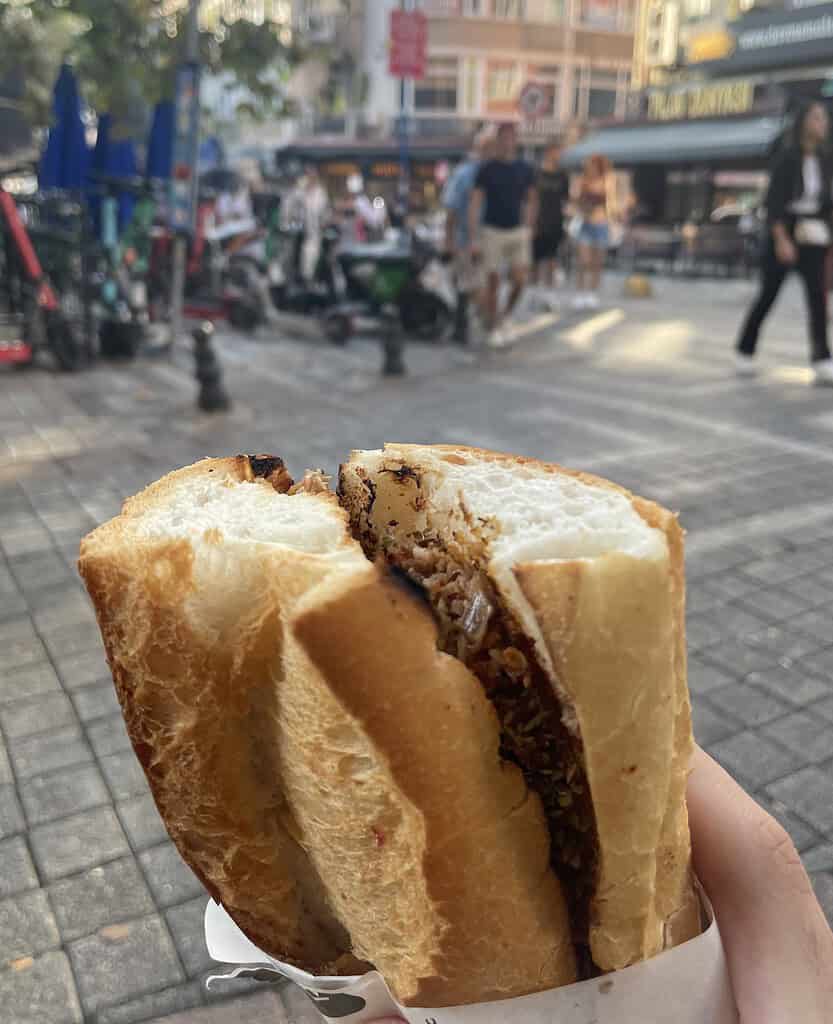
You’re seated, food arrives, and only at the end do you learn there was never a printed menu with prices, meaning the bill is whatever the restaurant decides to charge. This is extremely common in Sultanahmet specifically.
Never sit down at a restaurant without seeing prices first, and if a menu isn’t offered, ask for one before you order anything.
Leather Jacket High Pressure Sales
Similar to the carpet scam but centered on leather goods, you’re pulled into a shop, offered tea, and shown jacket after jacket while being told the quality is exceptional and the price is a one-time deal just for you.
The leather is often lower quality than advertised, and the “deal” evaporates the second you actually try to leave without buying.
The “This Site Is Closed Today” Redirect
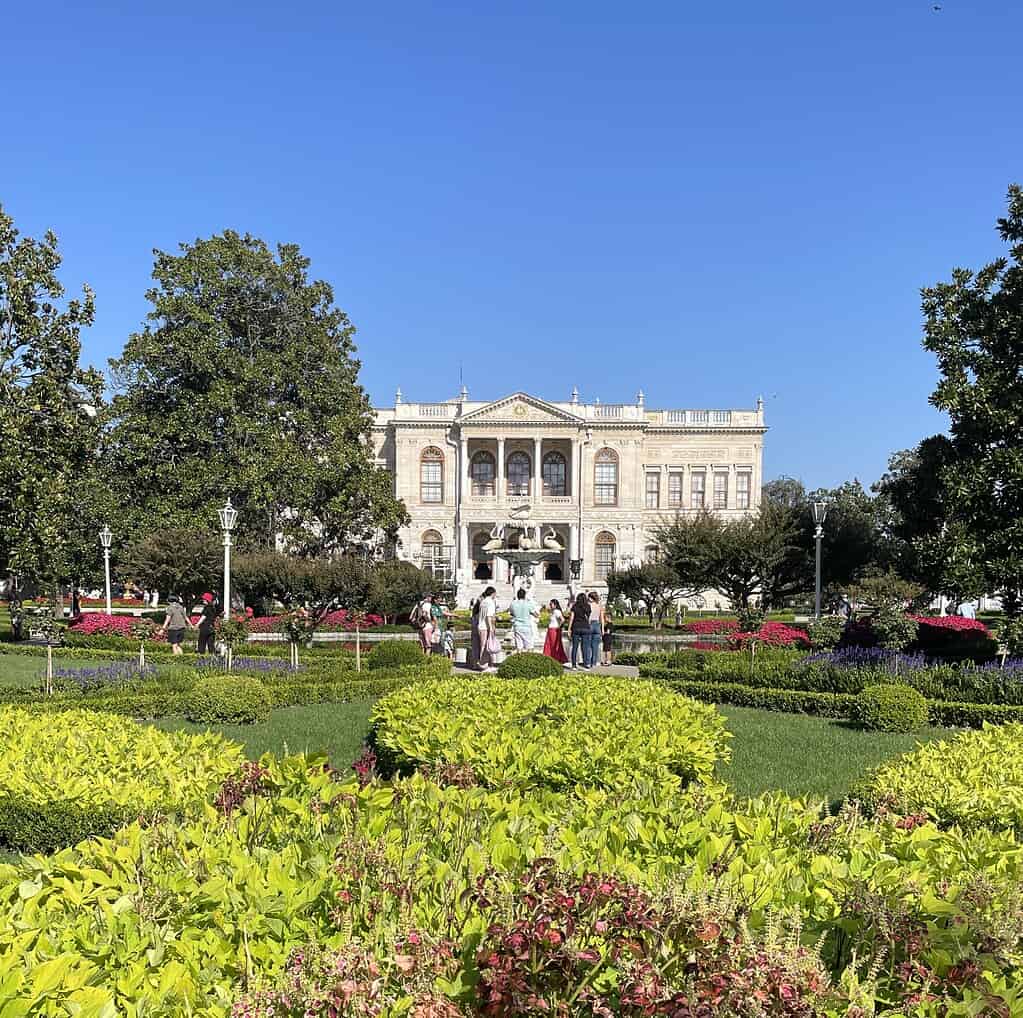
Someone tells you the attraction you’re walking toward is closed for a private event or renovation, then offers to guide you somewhere “better” instead, usually a shop that pays them commission.
The site is almost never actually closed. Check the official hours yourself or simply keep walking to the entrance to verify.
This scam reminds me so much of the Grand Palace is closed scam in Thailand, for those who’ve been to Thailand, you know exactly what I’m referring to!
Missing Change at Restaurants and Shops
You pay with a larger bill, and the vendor claims you handed over less than you did, or simply “forgets” to bring your change unless you ask for it directly.
Count your change every time, and pay with smaller denominations when possible to avoid the dispute entirely.
Currency Exchange Shortchanging
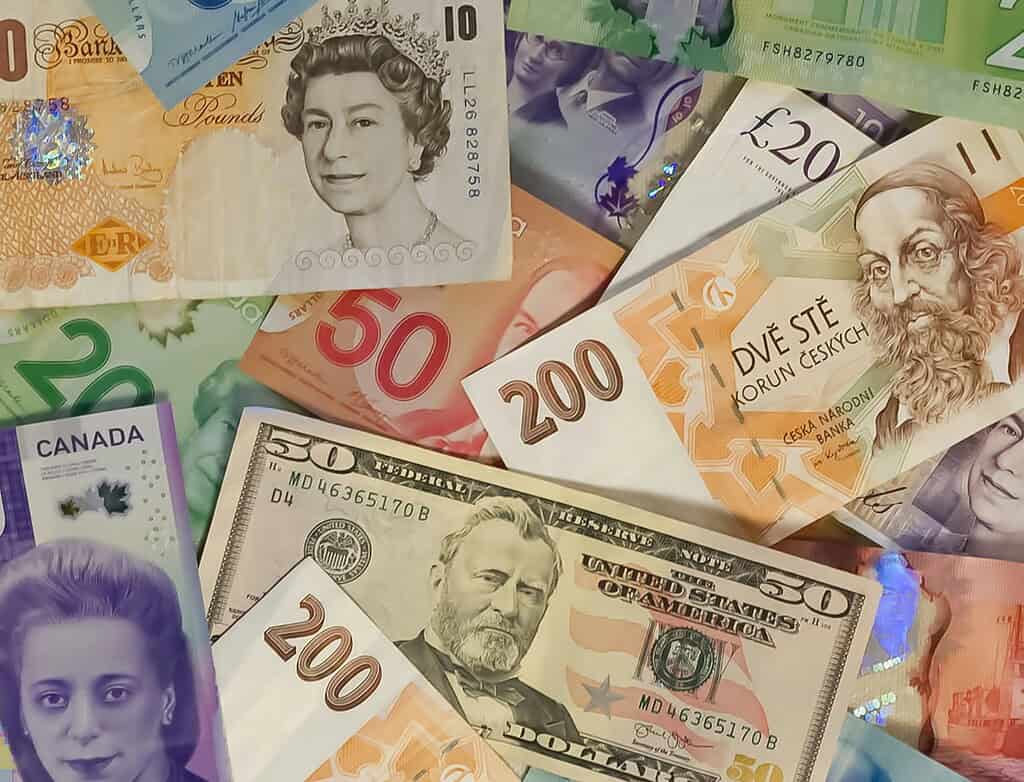
At informal exchange counters, the person counting your money moves quickly, sometimes recounting theatrically, while palming a few bills out of the stack.
Use licensed exchange offices, count everything slowly yourself before walking away, and avoid any counter that seems to be rushing the transaction.
Fake or Unofficial Tour Guides or Touts
Someone approaches near a major site claiming to be a licensed guide offering a “quick tour,” then either delivers poor or inaccurate information or pressures you into a shop partnership afterward.
Official guides in Turkey carry a laminated license card. Ask to see it, and book through a reputable company if a guided experience is genuinely what you want.
Planning your Istanbul itinerary in advance with vetted tour operators avoids this situation almost entirely.
The Hookah Lounge Overcharge
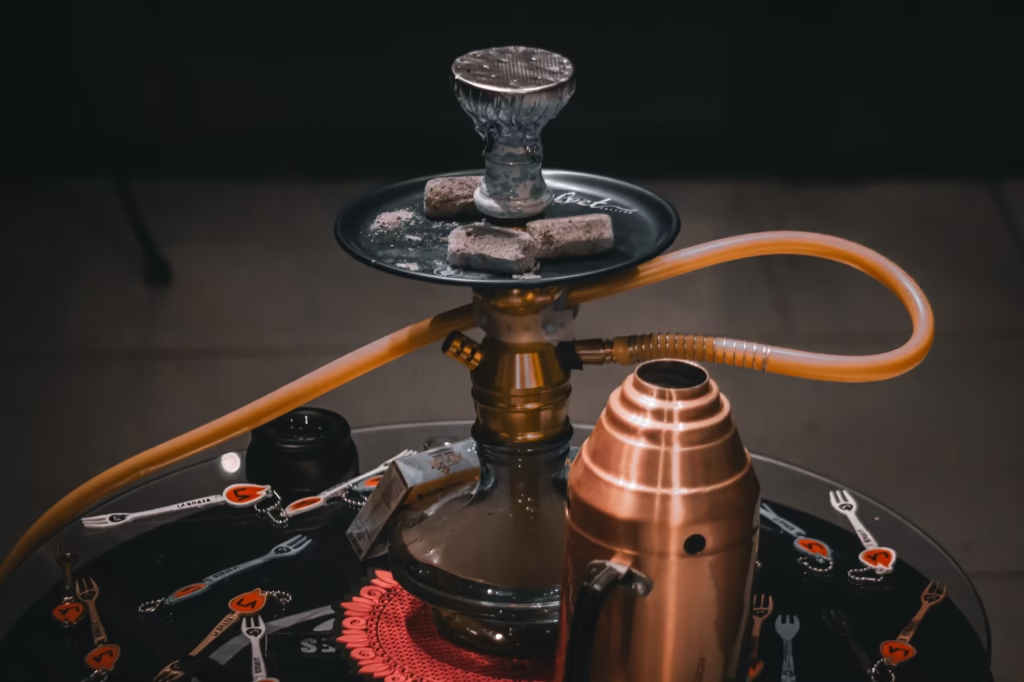
Similar to the bar bill scam, a hookah lounge with no visible pricing serves you and your group for an hour or two, then presents a bill far beyond what a normal session should cost.
Confirm pricing per person before you sit down, and treat any lounge without a visible price list with the same caution as an unlisted bar.
Grocery Store Short Changing
At smaller markets and convenience stores, especially in tourist-heavy neighborhoods, cashiers sometimes shortchange foreign customers who aren’t paying close attention to unfamiliar currency.
Count your change before you leave the counter every time, particularly with larger bills.
Fake or Resold Attraction Tickets

Someone outside a major site, especially places like Topkapi Palace or the Basilica Cistern, sells tickets at a markup claiming it’ll save you the line.
These are sometimes resold, expired, or outright fake. Buy tickets only at the official counter or through the site’s official online system.
This scam happens often just outside and around the Hagia Sophia, you’ll be approached by plenty of touts. There’s one official ticket stand, go there or buy your tickets from a verified source online!
The Camel and Costume Photo Scam
Someone dressed in traditional Ottoman costume, sometimes with a camel or bird, offers you a free photo opportunity, then demands payment once the picture is taken.
If it’s not clearly and obviously a paid photo booth with prices posted, assume any “free” photo offer comes with a bill attached.
Hamam Upselling and Overcharging
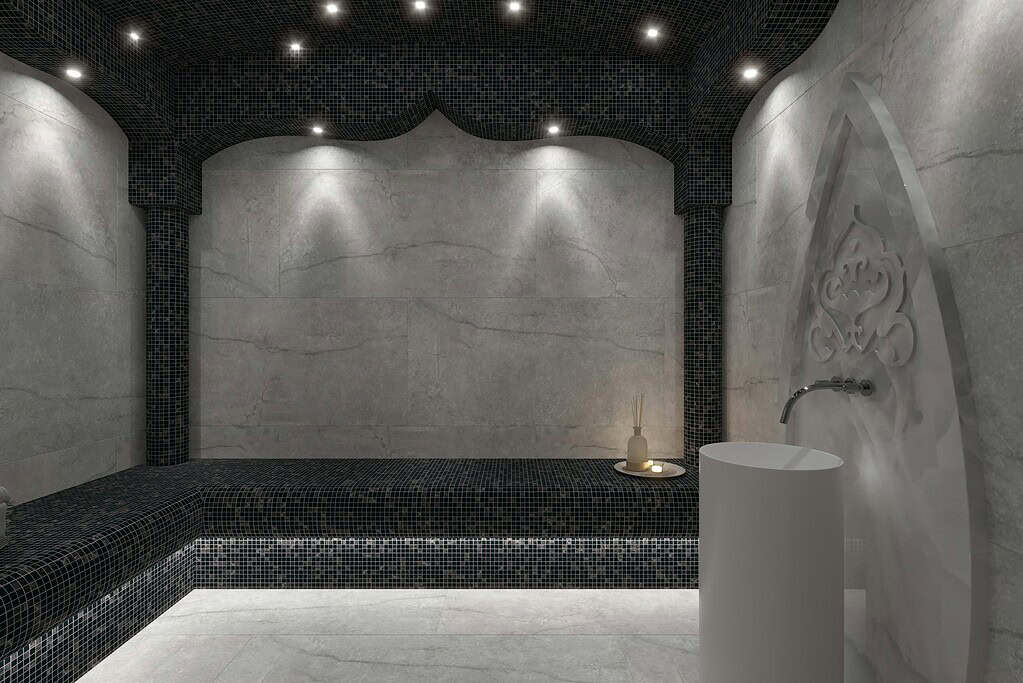
Turkish baths are a genuinely worthwhile experience, but some hamams targeting tourists quote a base entry price, then pressure you into extras like scrubs, oils, and massages once you’re already undressed and mid-treatment, at prices far above what was agreed.
Ask for a full, itemized price list before you begin, not after. Forgetting so may give you a headache after what was supposed to be a relaxing afternoon.
Hotel Front Desk Overcharging
At check-in or check-out, some hotels add unexplained charges, quote a different rate than what you booked online, or swap your reserved room category without mentioning it.
Keep a screenshot of your original booking confirmation and compare it against your final bill line by line before you pay.
Choosing carefully when researching where to stay in Istanbul and booking through a reputable platform with clear cancellation and pricing policies helps avoid this from the start.
Unlicensed Cappadocia Balloon Operators

Cappadocia’s hot air balloon rides are genuinely spectacular, but a number of unlicensed or under-insured operators have popped up offering discounted rides with far less safety oversight than the established companies.
Book only through operators with verifiable safety certifications and reviews, not the cheapest option you’re offered at your hotel.
The Turkey Teeth Medical Tourism Trap
This is the most serious entry on this list. Turkey has become a global hub for affordable dental work and hair transplants, and the licensed, reputable side of that industry does excellent work.
But a documented low end segment of unlicensed “pop-up” clinics has been linked to dozens of deaths among foreign patients in recent years, along with countless botched procedures, teeth shaved down unnecessarily, unlicensed technicians performing surgical work, and clinics that disappear the moment something goes wrong.
If you’re considering any procedure while in Turkey, verify the clinic’s actual medical license, read independent reviews rather than the clinic’s own testimonials, and never book based purely on the cheapest quoted price.
This one is genuinely worth the extra research, since the stakes here go well beyond losing a bit of money.
If you’re planning where your money goes on this trip more broadly, it’s worth knowing some of the cheapest places to visit in Turkiye so your budget stretches further on the experiences that actually matter, rather than lining the pockets of anyone running the scams above.

Final Thoughts on Scams in Turkiye
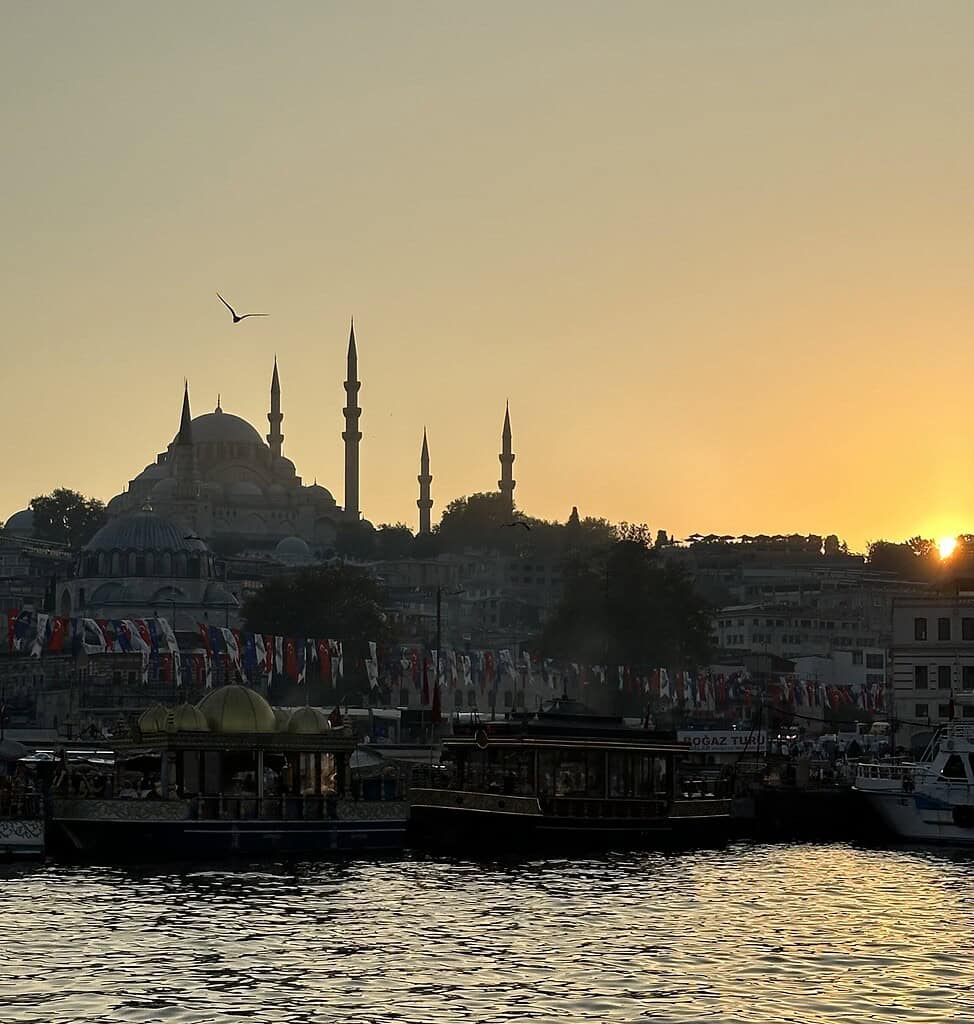
Scams are genuinely prevalent in Turkey, especially in Istanbul. Many people don’t realize this, but Istanbul is the most visited city in the world every single year, and with that kind of volume, unfortunately, a small number of bad actors have found ways to take advantage of the constant flow of tourists passing through.
That said, I want to be clear about something. This article isn’t meant to paint every local as a scammer, because that couldn’t be further from the truth. I’ve had some of the warmest, most genuine interactions of my travels in Turkey.
I’ve had strangers feed me for free. I’ve had restaurant owners insist I didn’t need to pay, and I refused and paid anyway because that’s just who I am. The hospitality here is real, and it runs deep.
So yes, scams exist, and they’re especially common in Istanbul. Keep your guard up, know what to look for, and don’t hand over more trust than the situation calls for. But don’t let that overshadow what Turkey actually is.
Stay alert, watch for the situations covered in this guide, and go have an incredible trip, including all the best things to do in Istanbul that make this city worth the visit in the first place.
Is Istanbul safe for tourists despite these scams?
The overwhelming majority of visits to Istanbul and Turkey more broadly go smoothly. These scams are financial rather than violent, and knowing what to watch for eliminates most of the risk entirely.
What is the most common tourist scam in Turkey?
The taxi scam and the restaurant bill scams, missing change, no visible menu, and inflated tabs, are the most frequently reported issues across Istanbul, Antalya, and other tourist heavy areas.
Should I avoid getting dental work or a hair transplant in Turkey?
Not necessarily, the licensed, reputable side of Turkey’s medical tourism industry is excellent.
The key is thorough research, verifying actual medical licensing, reading independent reviews, and being wary of unusually low prices, rather than avoiding the industry altogether.
How do I avoid taxi scams in Turkey?
Use app-based services like BiTaksi or InDrive instead of hailing cabs off the street, confirm the meter is running before you leave, and have a rough idea of what your route should cost in advance.
