
11 Things to Know Before Visiting Japan
There are a few things to know before visiting Japan that make the difference between a smooth first trip and a stressful one, and knowing them in advance is worth every minute of preparation.
Japan is one of the most extraordinary countries in the world to visit. The food, the culture, the precision, the sheer variety of experiences packed into one destination, it delivers on every level.
But if you’re heading there without doing a bit of prep, you’re almost guaranteed to get caught off guard.
Japan is not a difficult country to travel. In fact, it’s remarkably safe, well-organized, and visitor-friendly in ways that make it genuinely accessible for first-time international travelers.
But it operates on its own set of rules, systems, and cultural expectations that differ significantly from most Western countries, and knowing a few of them before you land makes the difference between a smooth arrival and a stressful one.
I still remember landing at Narita for the first time, slightly nervous about navigating my way into Tokyo. The subway system felt daunting from the outside.
But once I was actually in it, things clicked faster than expected. A little preparation goes a long way in Japan.
Know Your Japan Visa Requirements
If there’s one thing you really don’t want to get wrong before flying to Japan, it’s your visa situation.
The good news is that Japan offers visa-free entry to a significant number of countries, including Canada, the US, the UK, Australia, and most of Europe, for stays of up to 90 days.
If you’re traveling on one of these passports, you don’t need to apply for anything in advance. You simply arrive, go through immigration, and you’re in.
That said, the rules depend entirely on your passport. Don’t assume. Check your own government’s travel website or Japan’s Ministry of Foreign Affairs website to confirm whether your nationality qualifies for visa-free entry before you book anything.
If you do require a visa, apply as soon as your flights are booked. Don’t leave it until the last minute. Processing times vary and an error on your application, a wrong date, an incorrect passport number, means starting the process over entirely.
Also make sure your passport has at least six months validity beyond your travel dates and at least two blank pages for stamps. Japanese immigration officers will check both, and neither is negotiable.
The Tokyo Metro Will Overwhelm You at First
The Tokyo Metro is one of the most efficient transit systems in the world. It’s also one of the most complex, and walking into it completely unprepared is genuinely disorienting.
Multiple overlapping lines operated by different companies. Different fare structures depending on which line you’re using. Station maps that look like abstract art.
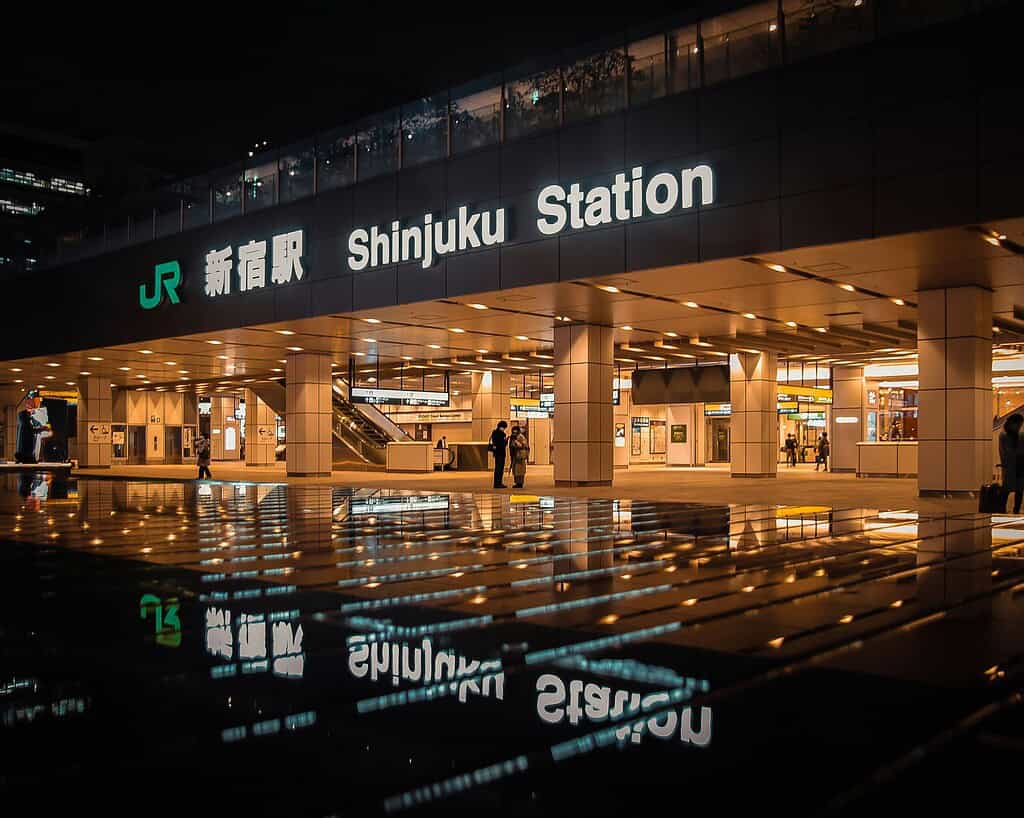
And Shinjuku Station, which you will almost certainly pass through, has over 200 exits. Two hundred.
The first time you’re standing on a platform trying to figure out which line you need, which direction it’s running, and where exactly you’re going, while everyone around you moves with quiet, purposeful efficiency, it can feel overwhelming.
Here’s what actually helps: download Google Maps before you arrive and save offline maps of Tokyo.
Google Maps handles Tokyo transit navigation remarkably well, it tells you exactly which line to take, which platform to stand on, and where to transfer. Follow it step by step and the system becomes manageable quickly.
Within two or three days, most visitors find their rhythm. The anxiety fades. The system starts making sense. And by the end of your trip you’ll be navigating it without thinking twice.
Give yourself extra time for the first few journeys. Accept that you’ll take a wrong exit or two. It’s part of the process and it resolves itself faster than you expect.
Get a Suica or Pasmo IC Card Immediately
The single most practical thing you can do upon arriving in Japan is get a Suica or Pasmo IC card before you leave the airport. Or better yet, use a digital Suica card on your phone.
These are rechargeable contactless cards that work across virtually all public transit in Japan, subways, buses, local trains, and even some Shinkansen services.
Instead of figuring out individual fares for every journey, you simply tap in and tap out. The correct fare is deducted automatically.
They also work at convenience stores, vending machines, lockers, and a growing number of restaurants and shops across the country.
In practical terms, a Suica card reduces the cognitive load of navigating Japan significantly. You stop thinking about fares and start thinking about where you’re going.
You can get a Suica card at Narita and Haneda airports from vending machines or service counters.
You can also add it to your iPhone or Android phone through the Wallet app if your device supports it, which means one less physical card to manage.
Load it with enough yen to cover your first few days of transit and top it up at any station vending machine as you go. It’s the simplest and most important practical step you can take before leaving the airport.
Get an Airalo eSIM or Local SIM Before You Land
Staying connected in Japan is straightforward, but you want to have your solution sorted before you arrive rather than scrambling for it after a long flight.
The two main options are an eSIM or a physical SIM card.
Airalo is one of the best options for an eSIM and can be set up entirely before you leave home. You download the Airalo app, purchase a Japan data plan, install the eSIM on your phone, and arrive with data already active.
No airport queues, no language barriers, no fumbling with a SIM card after 14 hours in the air. If your phone supports eSIM, which most modern smartphones do, this is the most convenient option by a significant margin.
Physical SIM cards are available at both Narita and Haneda airports from multiple vendors. They’re reliable, affordable, and staff will help you install and activate on the spot.
The trade-off is that airport prices are slightly higher than buying in the city, and you have to deal with the setup process on arrival.
Understand Basic Japanese Etiquette
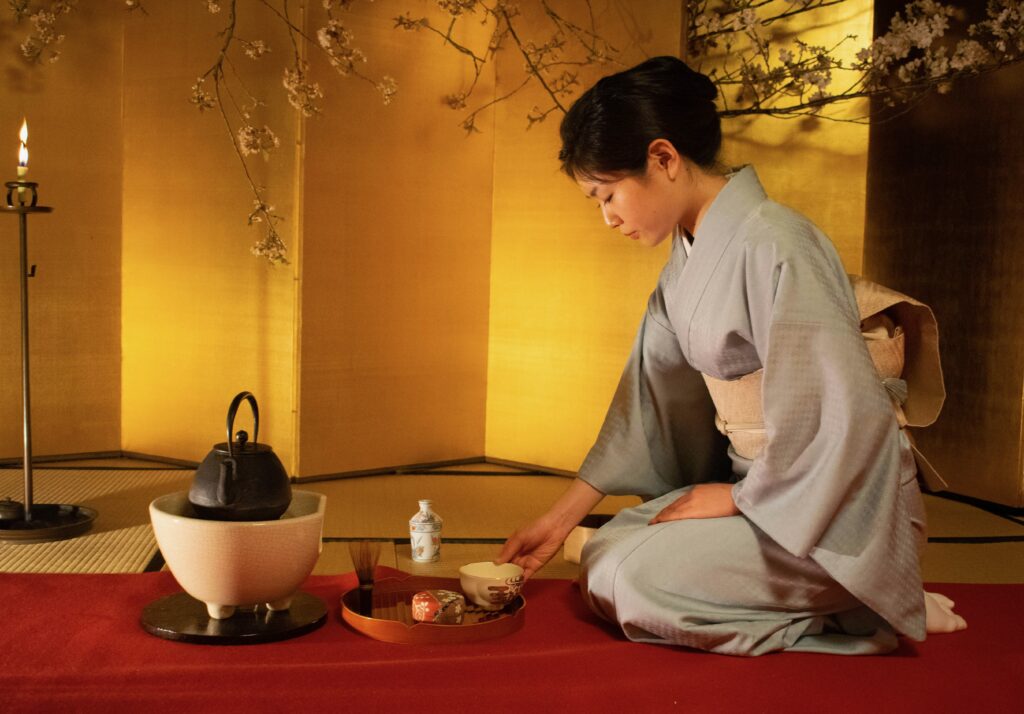
Japan has a specific and deeply held set of social expectations, and while nobody expects foreign visitors to be perfect, knowing the basics before you arrive prevents you from spending your first few days accidentally making people uncomfortable without understanding why.
A few things that matter more than most first-timers realize: Phones on trains stay on silent. Talking on calls in the carriage is considered rude. Conversations are kept low or nonexistent.
Eating while walking is generally frowned upon outside of festival settings. Finish your food before you move on.
Bowing is Japan’s default greeting and acknowledgment. A modest nod in return when someone bows to you is appreciated and noticed. You don’t need to perfect the depth or duration, the gesture itself is what counts.
Tipping does not exist in Japan. Not in restaurants, not in taxis, not at hotels. Leaving money on the table can genuinely confuse or offend staff. The price you see is the complete transaction.
Queuing is sacred. Lines at subway platforms, convenience stores, escalators, they’re orderly, respected, and never jumped. Join the back and wait your turn without exception.
None of these rules are enforced aggressively. Nobody will confront you. But the awareness you bring to these situations communicates respect in a way that Japanese etiquette and culture.
Removing Your Shoes Is More Important Than You Think
Shoe removal in Japan is not just a temple rule. It applies across a wider range of situations than most visitors expect, and getting it wrong is one of those cultural mistakes that’s easy to avoid once you know about it.
Traditional ryokan require shoes off at the entrance without exception, you’ll be given indoor slippers to wear throughout the building.
Many traditional restaurants with tatami seating require the same. Some izakayas, particularly those with low tables and floor cushion seating, will have a step at the entrance indicating shoes stay behind. Private homes in Japan always require shoe removal at the genkan (entrance area).
The visual cue is usually a step up from the entrance area to the main floor, or a row of shoes left at the door. When you see either, remove your shoes.
There’s also a layer within this. Indoor slippers stay in the main interior spaces. Separate toilet slippers, provided specifically for bathroom use, are switched into when entering the bathroom and switched back out when leaving. Wearing toilet slippers back into the main area is a faux pas that will be noticed.
Pack shoes that slip on and off easily if you’re planning to visit ryokan, traditional restaurants, or multiple temple interiors. It makes the constant transition significantly less awkward.
Japan Is Extremely Safe But Don’t Get Complacent
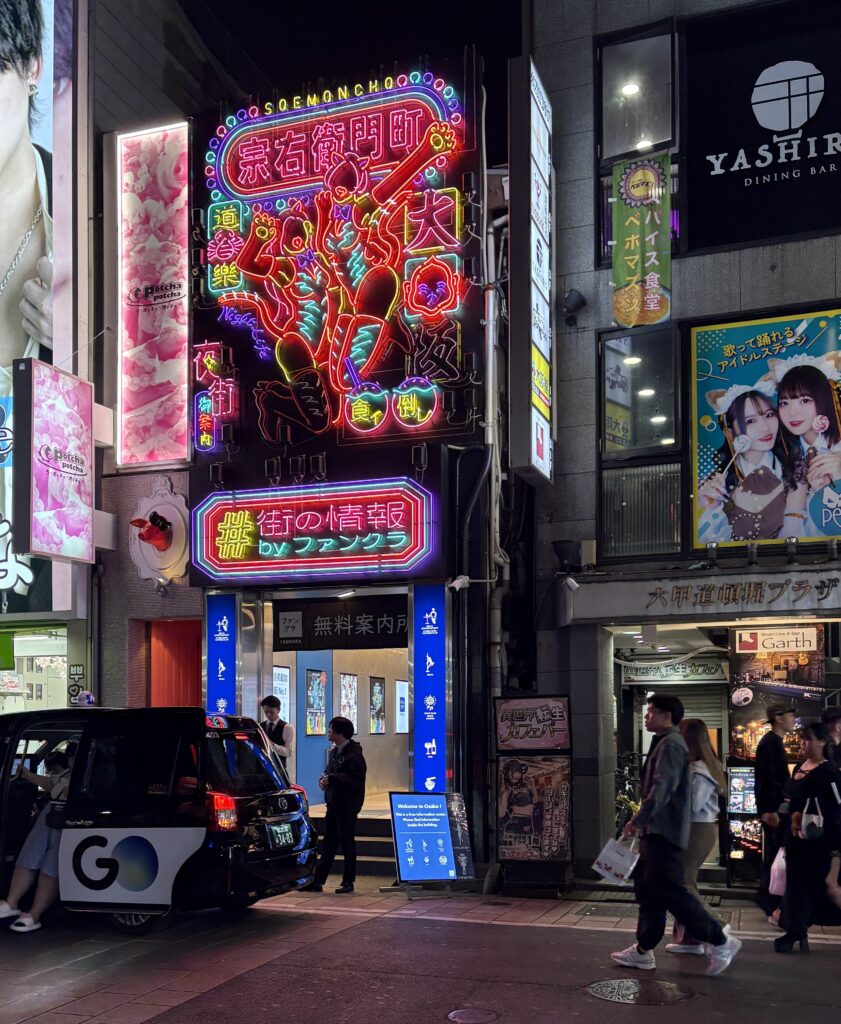
Japan is one of the safest countries in the world and this will be immediately apparent when you arrive.
People leave belongings unattended at café tables. Wallets left on seats are handed in. Late night streets in major cities feel completely calm.
Violent crime against tourists is extraordinarily rare. The general social order and mutual trust that defines Japanese public life creates an environment that feels genuinely different from most major cities internationally.
That said, petty situations do exist in specific contexts. Certain entertainment districts in Tokyo, particularly parts of Kabukicho in Shinjuku, have touts who work aggressively to pull visitors into bars and clubs with misleading pricing.
What sounds like an affordable evening can result in a bill that bears no resemblance to what was implied at the door.
The straightforward rule: if someone is actively recruiting you on the street in an entertainment district, don’t follow them. Legitimate establishments don’t need street recruiters.
Beyond that, Japan’s safety reputation is genuinely earned. Use the same common sense you’d apply anywhere and you’ll have no issues.
Cash Is Essential — More Than You Think
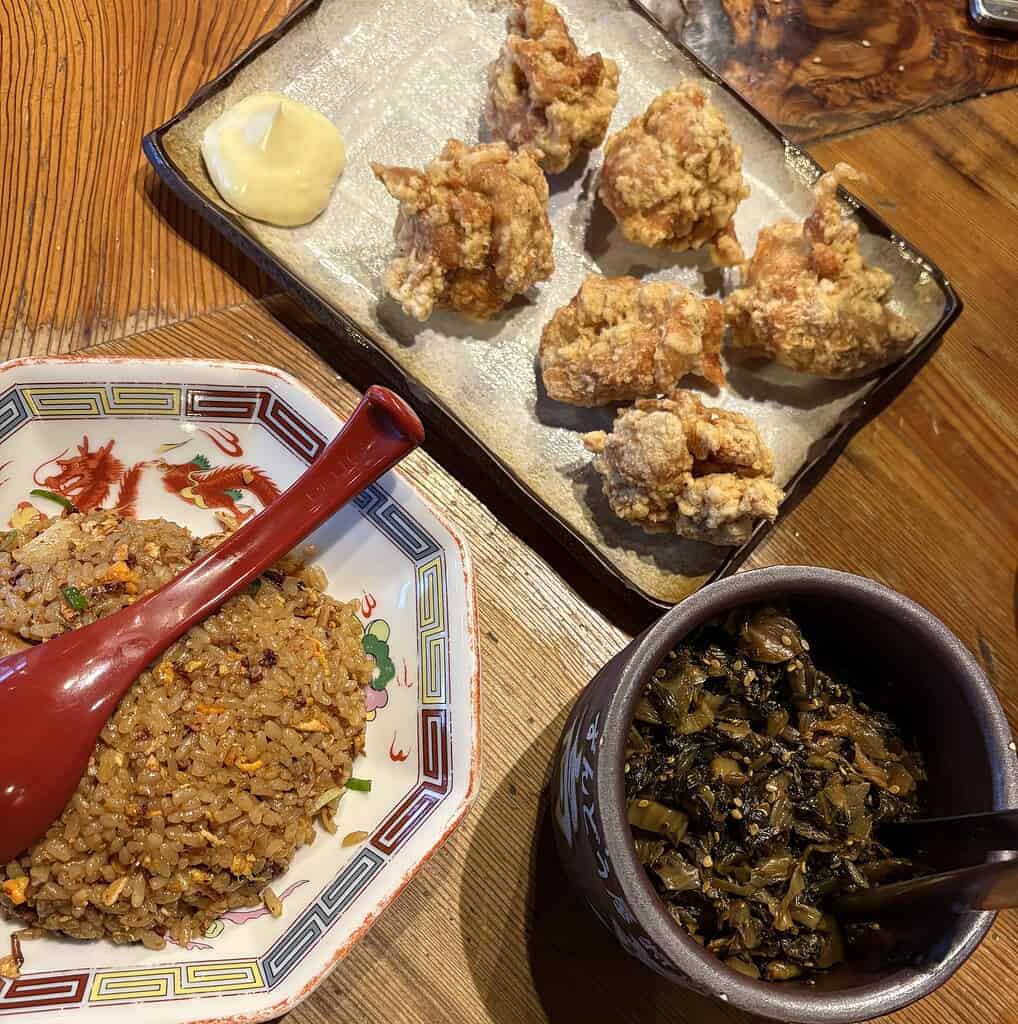
Japan is a technologically advanced country that still runs significantly on cash, and this surprises virtually every first-time visitor who expects card payments to work everywhere.
Smaller restaurants, local izakayas, temple entrance fees, street food vendors, many taxis, and countless shops operate cash only. No card reader in sight, no explanation offered.
The ATM situation requires some navigation. Not all ATMs in Japan accept foreign cards. Bank ATMs that look completely functional will reject international cards without warning.
The reliable options are 7-Eleven ATMs, Japan Post ATMs, and Japan Post Bank ATMs, these accept most international cards and are found throughout every major city.
Carry meaningful yen at all times. Withdraw larger amounts less frequently to minimize fees. A Wise card loaded with yen is an excellent option, close to mid-market exchange rates on every transaction.
Don’t rely on your credit card getting you through Japan. It won’t in enough situations to cause real problems if cash isn’t your backup.
Convenience Stores Will Become Part of Your Daily Routine

This sounds like a minor travel tip. It is not. Japan’s convenience stores, 7-Eleven, Lawson, and FamilyMart, are a genuinely extraordinary part of daily life that first-time visitors consistently underestimate until they’re inside one.
Fresh onigiri made that morning. Egg salad sandwiches on milk bread that are inexplicably excellent. Hot nikuman (steamed pork buns) at the counter. Seasonal desserts.
Cold brew coffee that outperforms most café options. Full hot meal sets under $5. ATMs that accept your foreign card. Phone chargers. Rain ponchos. Medications. All of it, 24 hours, clean, efficient, and consistent across the country.
You will stop at a convenience store multiple times a day. This is not a failure of planning, it is full participation in one of Japan’s finest institutions.
Budget for it, embrace it, and know that the egg salad sandwich will be one of the more memorable food experiences of your trip.
The Language Barrier Is Real — Come Prepared
Japan’s major cities have made significant investments in English signage, particularly in transit systems and tourist areas, and in those environments you’ll get by comfortably.
Step outside the main tourist corridors and the language barrier becomes genuinely challenging.
Restaurant menus in local neighborhoods are often entirely in Japanese with no pictures. Shopkeepers in smaller towns may speak no English at all.
Ordering food, asking for directions, or navigating any situation that requires communication becomes more demanding than most visitors anticipate.
Two tools that make an enormous difference:
Google Translate’s camera function — point it at any Japanese text and it translates in real time. Download the Japanese language pack for offline use before you arrive. It works on menus, signs, packaging, and anything else you point it at.
A few basic Japanese phrases — Sumimasen (excuse me), Arigatou gozaimasu (thank you), and Eigo ga hanasemasu ka (do you speak English) go further than you’d expect in terms of both practical communication and earning goodwill from locals who appreciate the effort.
You don’t need to speak Japanese to travel Japan. But arriving with these two tools ready makes every interaction outside the tourist zones significantly smoother.
No Matter How Much You Budget, You Will Spend More
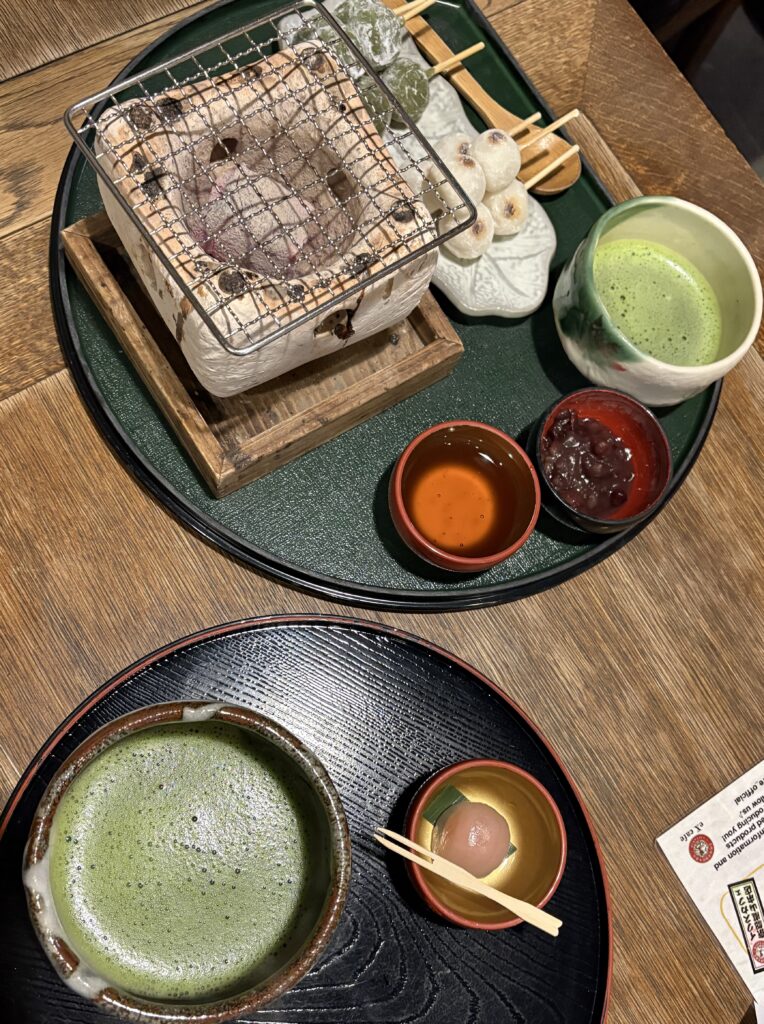
Consider this fair warning rather than discouragement: Japan has a way of expanding your trip spending in ways you didn’t anticipate and can’t fully resist.
The Shinkansen is expensive. Tokyo hotels during cherry blossom season are expensive. Entrance fees across multiple attractions stack up across a two-week trip. Day trips require transit costs. Good dinners at mid-range restaurants cost real money.
And then there are the things you didn’t know existed before you arrived. The ceramics shop in Kyoto. The ramen shop you went back to three times because it was that good.
The Wagyu beef stick from a Nishiki Market stall that cost $25 and you went back for a second one anyway. The extra night you added because leaving felt wrong.
Japan makes overspending feel completely justified because the quality at every level is extraordinary. And it usually is justified. But the total accumulates faster than individual purchases suggest.
Set a realistic daily budget, build in a 20-30% buffer for the unplanned, and track your spending from day one.
You’ll still go over. Everybody does. Just go over by a manageable amount rather than a shocking one.
Do you still need cash in Japan in 2026?
Yes, but less than before. Cards now work at most hotels, convenience stores, and chain restaurants in major cities. But smaller ramen shops, izakayas, temple fees, shrines, and rural areas remain cash-only.
Carry ¥10,000–20,000 at all times and use 7-Eleven or Japan Post ATMs for withdrawals, most bank ATMs don’t accept foreign cards.
Do I need a visa to visit Japan from Canada, the US, or the UK?
No. Citizens of over 70 countries including Canada, the US, UK, and Australia can enter Japan visa-free for up to 90 days.
No advance application needed, just arrive with a valid passport. Check your government’s travel website to confirm your specific nationality qualifies.
Is the Airalo eSIM worth it for Japan?
Yes, you set it up before you leave home, arrive with data already active, and skip the airport SIM queues entirely.
Japan plans on Airalo start around $4.50 for 1GB. If your phone supports eSIM, most modern smartphones do, it’s the most convenient connectivity option available.
How hard is it to get around Japan without speaking Japanese?
Very manageable in major cities where English signage is strong. Outside tourist areas it gets harder.
Download Google Translate’s camera function with the offline Japanese pack before you land, point it at any menu or sign for instant translation.
A few basic phrases like sumimasen (excuse me) go a long way everywhere.
