

6 Vietnam Entry Requirements to Know in 2026
Vietnam’s entry process has picked up a lot of moving parts in the past year, several of which weren’t there the last time you might have visited, or didn’t exist at all if this is your first trip.
A new digital form, updated visa exemption lengths depending on nationality, and a border system that’s genuinely gotten more attentive to detail than it used to be.
None of it is difficult once you know what’s involved, but skipping a step can mean a denied boarding at check-in or a frustrating hold-up at immigration in Ho Chi Minh City or Hanoi.
Here’s what to have sorted before you fly to Vietnam in 2026, plus a couple of things worth watching out for that have nothing to do with the actual rules and everything to do with people trying to take advantage of them.
Timing your trip around the best time to visit Vietnam matters too, but none of that helps if you can’t get through the airport first.
Passport Valid for at Least 6 Months
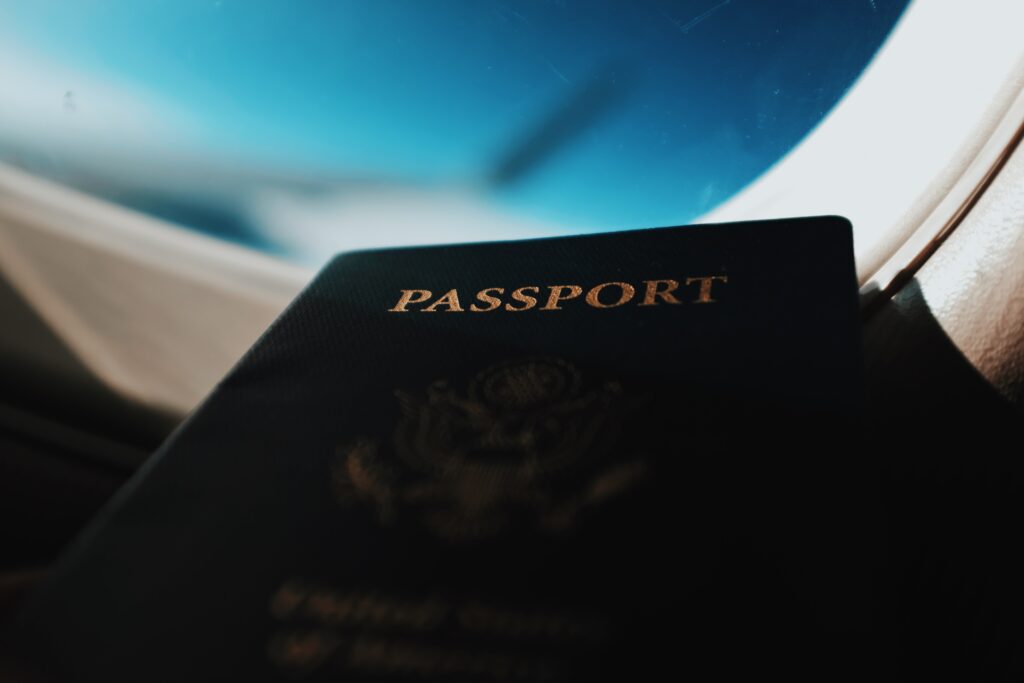
Your passport needs at least 6 months of validity remaining from your date of arrival, with a minimum of two blank pages for stamps.
This gets checked at multiple points, sometimes by the airline before you’re even allowed to board, and again by Vietnamese immigration once you land.
It’s one of the simplest requirements on this list and one of the easiest to get wrong if you’re not paying attention to your expiry date.
If your passport is getting close to that window, renew it well ahead of booking rather than assuming it’ll be fine.
The Correct Visa or Visa Exemption for Your Nationality
This is the requirement that varies the most depending on where you’re from, so don’t assume your friend’s experience matches yours.
Many nationalities, including much of Western Europe and several Asian countries, currently receive a visa exemption on arrival that runs up to 45 days, while others need to apply for an e-visa in advance through the official government portal for 90 days.
If you’re not sure which category applies to you, check directly rather than relying on something you read a while back or heard from someone who traveled under different rules.
For me personally, I’m Canadian and I need to obtain a 90 day Visa for Vietnam before visiting every time I go.
If you do end up having to obtain a visa like myself, I highly recommend you print two physical copies, just incase you lose one.
You will have to show immigration copy of your visa in person, they’ve always asked me for a physical copy anytime I’ve entered. Also some hotels/apartments you will stay in, will also ask to take a photo of your visa before you stay there.
Getting this wrong is one of the more common tourist mistakes in Vietnam, and it’s entirely avoidable with five minutes of research before you book anything.
Vietnam Digital Arrival Card

This is the newest and most unusual requirement on this list, and it’s worth understanding properly rather than just ticking a box.
The Vietnam digital arrival card, it launched on April 15, 2026, and in a genuinely unusual move, it only applied at a single airport, Tan Son Nhat in Ho Chi Minh City.
From there it expanded fast, Phu Quoc in June, then Hanoi, then Da Nang and Cam Ranh within weeks of each other, along with land and sea entry points.
It’s effectively required nationwide at this point, but given how quickly this one has moved, it’s worth a quick check of the official portal before you fly rather than assuming your specific entry point is covered.
The form itself is straightforward, a free online declaration completed within 72 hours of your arrival, collecting your passport, flight, and accommodation details.
Once submitted, you get a QR code by email that immigration scans when you land. Save a screenshot in case the airport wifi is slow when you arrive.
If you’re flying into somewhere like Da Nang as part of a broader central coast trip, this is one more thing to sort alongside the rest of your planning.
Proof of Onward or Return Travel

Immigration can ask to see evidence that you’re planning to leave Vietnam within your permitted stay, so having a return or onward ticket ready is part of the standard process rather than something to figure out at the counter.
Airlines sometimes check this before you even board, particularly if you’re flying in on a one-way ticket.
A confirmed return flight or a ticket onward to your next destination both satisfy this. If your plans are genuinely open-ended, a flexible or refundable ticket you can adjust later works as a reasonable workaround rather than committing to a fixed departure date.
This applies whether you’re flying directly into a Ho Chi Minh City itinerary or landing somewhere else in the country first.
Confirmed Accommodation
You’ll need an address to provide as part of your arrival details, whether that’s a hotel, a homestay, or wherever you’re staying for your first night.
This doesn’t need to cover your entire trip, just enough to show where you’re headed when you land.
If you prefer to figure out the rest of your accommodation as you go, book just the first night or two specifically to satisfy this requirement, then sort everything else once you’ve settled in.
This matters just as much whether you’re starting in the south or working your way through the best things to do in Hanoi up north.
Vietnam Entry Scams to Watch Out For
One thing worth being genuinely careful about is the number of websites online scamming tourists with fake e-visas.
These sites look professional, charge a fee, and send you something that looks official, but it isn’t valid. If you show up with one of these, you will be turned away at the border, no exceptions.
There are also plenty of agents offering to handle the visa process for you, and honestly, in my opinion, it’s not worth it.
The official process through Vietnam’s actual immigration portal is simple and straightforward enough that paying someone else to do it for you is an unnecessary expense for a problem that doesn’t really exist.
The same goes for the Digital Arrival Card. There are fake sites out there charging a fee to “process” it for you.
This form is completely free on the official government portal. If a site is asking you to pay for it, that’s your sign you’re not on the real one.
Stick to the official sources for both, and the entire entry process into Vietnam is genuinely easy.
Being aware of these traps is just as important as being aware of the broader scams in Vietnam you’ll want to watch for once you’ve actually landed.

Final Thoughts for Your Vietnam Trip
None of these requirements are complicated on their own, but Vietnam’s entry process has changed meaningfully over the past year, a brand new digital form, updated exemption lengths depending on nationality, and noticeably more attentive enforcement than in years past.
What was true for a trip you took a while ago, or what someone else experienced under a different set of rules, isn’t necessarily accurate for you.
Work through this checklist in the weeks before you fly, then do one final check of the official sources close to your departure date.
Get this part sorted properly and you can spend your energy on the part that actually matters, whether that’s building out a central Vietnam itinerary through Hue and Hoi An or figuring out your full list of must do things in Vietnam before you even land.

Do I need a visa to visit Vietnam as a tourist?
It depends on your nationality. Many travelers currently qualify for a visa exemption on arrival, running up to 45 days for some countries, while others need to apply for an e-visa in advance for 90 days.
Check the official immigration portal for your specific nationality before booking.
What is the Vietnam Digital Arrival Card?
It’s a free online declaration that replaced the old paper arrival slip, collecting your passport, flight, and accommodation details before you land.
It launched at a single airport in April 2026 and has since expanded to cover most major entry points nationwide.
How long does my passport need to be valid to enter Vietnam?
At least 6 months from your date of arrival, with a minimum of two blank pages for stamps.
Airlines often check this before boarding, so renew ahead of time if your passport is approaching that window.
Is it safe to use a visa agent for Vietnam?
It’s not necessary. The official e-visa and Digital Arrival Card processes are both straightforward enough to complete yourself for free.
Be especially cautious of third-party websites charging a fee for either, since some are outright scams issuing invalid documents.
