

10 Things I Wish I Knew Before Going to Thailand
There are things I wish I knew before going to Thailand that nobody tells you before your first trip, and then there are things you find out the hard way.
Knowing what I know now about Thailand would have made my first trip even better than it already was, and it was already pretty incredible.
Thailand is one of those destinations that genuinely lives up to the hype. The food, the temples, the beaches, the people, the cost of visiting, all of it delivers in ways that are hard to fully prepare for until you’re standing in the middle of it.
But there are a handful of things I wish someone had told me before I boarded that flight, and this is that list.
Whether you’re going for the first time or finally pulling the trigger on a trip you’ve been planning for years, these 10 things will make your Thailand experience significantly smoother from day one.
The Long Flight Is Worth Every Hour
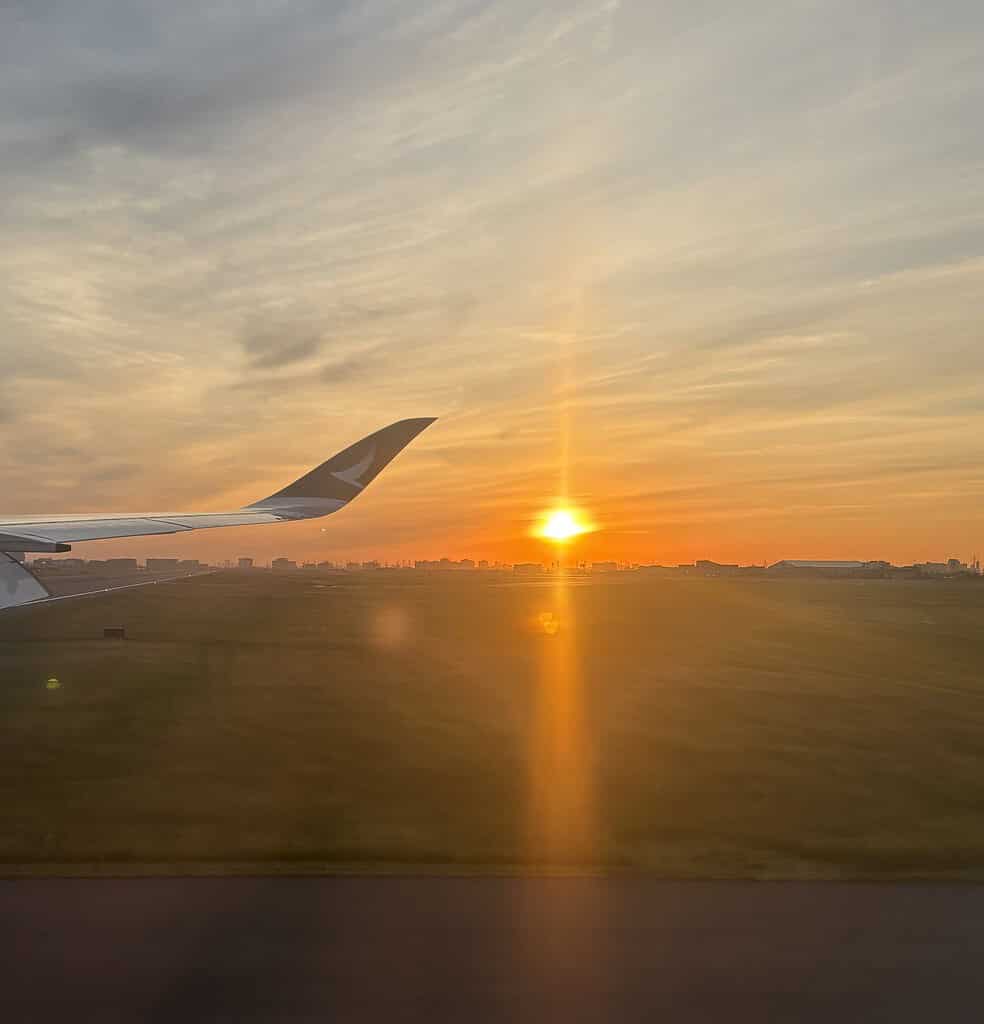
Let’s get this one out of the way immediately because it’s the thing that stops more people from booking Thailand than anything else.
Depending on where you’re flying from, Thailand is a long haul. From North America, you’re looking at 18 to 24 hours of total travel time with connections.
From Europe, 11 to 14 hours. From Australia, considerably shorter. None of it is comfortable in economy class and all of it is worth it the moment you step outside the airport and feel that warm humid air hit you for the first time.
The trick is to stop thinking about the flight as a cost and start thinking about it as the price of admission to one of the most extraordinary countries in the world. Book an aisle seat.
Download a few shows. Sleep when you can. And remind yourself that on the other end of that flight is pad thai from a street cart that costs $2 and tastes better than anything you’ve eaten at home.
A solid Thailand itinerary planned before you fly makes the journey feel purposeful rather than punishing. Know where you’re going on day one. Have your first night sorted. The rest takes care of itself.
Don’t Underestimate the Night Markets

I knew night markets existed in Thailand before I went. What I didn’t know was how central they would become to my entire experience of being there.
Night markets in Thailand are not tourist attractions. They are where Thai people actually eat, shop, buy household goods, meet friends, and spend their evenings.
As a visitor you are welcome and somewhat conspicuous, but the experience of walking through a genuinely local night market, fluorescent lights strung between stalls, the smell of grilling meat and lemongrass, the sound of vendors calling out and motorbikes weaving through, is one of the most immersive things you can do in the country.
The food alone justifies the visit every time. Mango sticky rice. Pad see ew from a wok that’s been going since 5 PM.
Skewers of pork with a dipping sauce you can’t quite identify but cannot stop eating. All of it costs almost nothing and all of it is better than the tourist restaurant three streets over charging five times as much.
The best night markets in Thailand vary by city, Chiang Mai’s Saturday and Sunday Walking Streets, Bangkok’s Rod Fai and Chatuchak, the night bazaar in Chiang Rai. Make them a consistent part of your itinerary rather than an afterthought.
The Most Popular Spots Aren’t Always the Best Ones
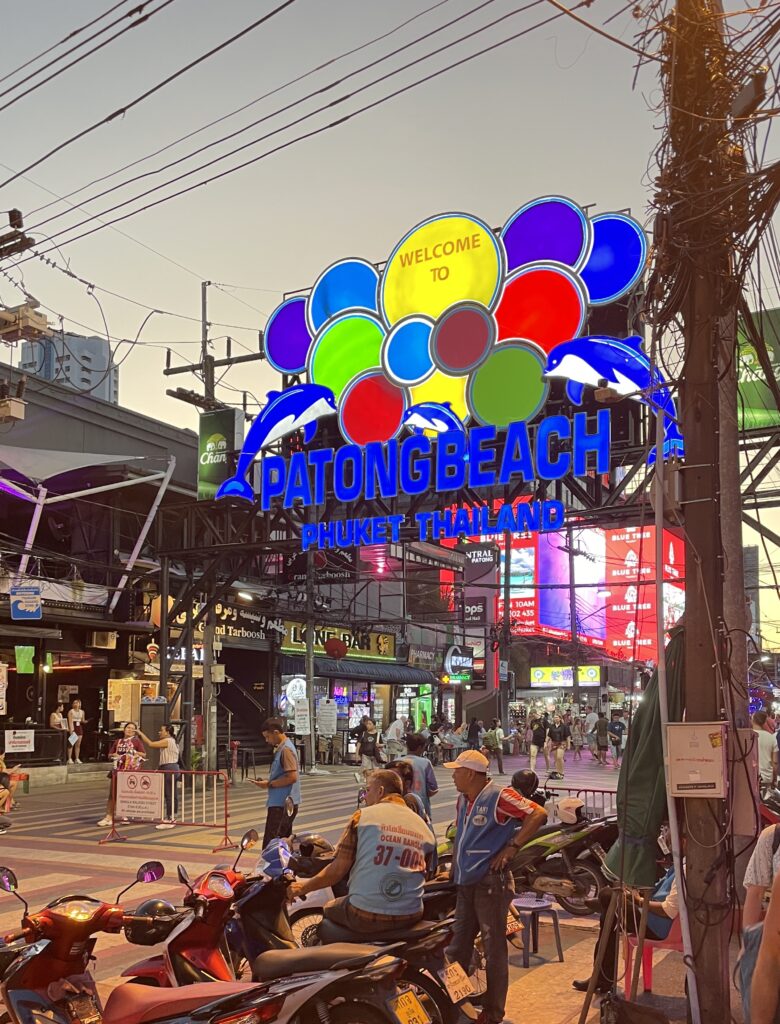
This one stings a little because everyone goes to the famous places first, myself included.
Patong Beach in Phuket is busy, loud, and built entirely around the tourist economy in a way that feels more like a theme park than a Thai beach town.
Koh Phi Phi, while undeniably beautiful, has a party atmosphere and a tourist density that can overwhelm the natural scenery entirely in peak season.
Koh Samui has stretches of excellent coastline surrounded by resort infrastructure that could be anywhere in the world.
None of these places are bad. But there are quieter, more beautiful, less developed alternatives within easy reach of all of them that most first-time visitors never get to because they didn’t know to look.
Koh Lanta instead of Koh Phi Phi. Klong Muang Beach near Krabi instead of Railay. Pai instead of Chiang Mai when you need a slower pace.
The less obvious choice almost always rewards you more, and Thailand has enough hidden depth that you could return ten times and keep finding places the Instagram crowd hasn’t fully discovered yet.
Off Season Is Hotter Than You Think
If the best time to visit Thailand for you is peak season, great, the weather is reliable and the experience is exactly as advertised.
But plenty of people visit during off season for budget reasons, and nobody warned me how genuinely extreme the conditions get.
Thailand’s off season runs roughly May through October across most of the country. The rain is real but manageable, heavy afternoon showers that usually pass within an hour, followed by clear evening skies. The heat, however, is a separate matter entirely.
The combination of high temperature and extreme humidity during the wet months creates a heat index that regularly exceeds 45 to 47 degrees Celsius in places like Bangkok and the southern coast.
That’s not “bring a hat” weather. That’s “plan your outdoor sightseeing for before 10 AM and after 4 PM” weather. That’s “carry a water bottle everywhere and drink from it constantly” weather.
Go during off season if the budget makes more sense. Enjoy the emptier beaches and cheaper hotels.
But know what you’re walking into and pack accordingly. Lightweight breathable fabrics, serious sunscreen, and a portable fan are not optional.
Scams Are Real But Easy to Avoid

There are quite a few scams in Thailand to keep in mind when visiting so you can avoid parting with your cash for no reason.
The tuk-tuk that offers you a tour of the city for 20 baht and ends up at a gem shop where the driver earns commission.
The taxi that doesn’t turn on the meter and quotes you a flat rate you didn’t agree to. The friendly local near a temple who tells you it’s closed today and offers to take you somewhere better.
These are not sophisticated operations. They work because tourists are in an unfamiliar environment and trust people who approach them helpfully.
The fix is simple. Use Grab for taxis instead of negotiating with street cabs. Never get in a tuk-tuk without agreeing on a price and destination upfront.
If anyone approaches you unsolicited with information about a closed temple or a special deal, keep walking.
And always know the rough price of things before you need them, a bowl of pad thai from a street stall costs 60 to 80 baht, not 250.
Being aware of how scams in Thailand operate before you land removes most of the vulnerability entirely.
Cash Is Still King in Thailand
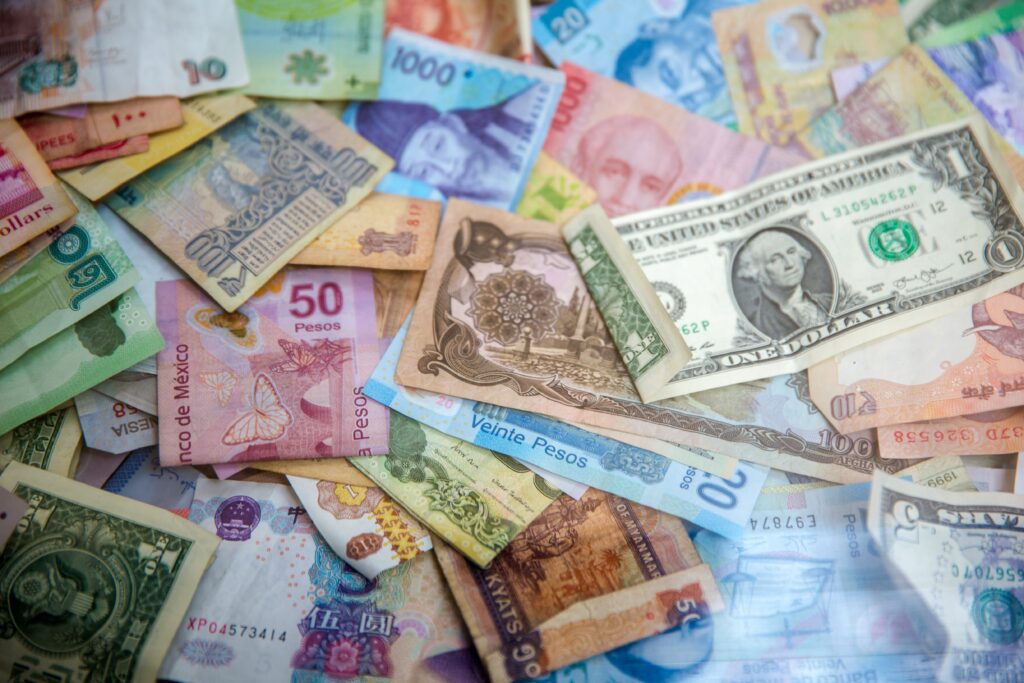
Thailand is more technologically advanced than most visitors expect in almost every respect.
The convenience stores, the transport apps, the hotel payment systems, all of it is modern and functional.
And yet the country still runs significantly on cash in ways that will catch you off guard if you don’t prepare.
Local restaurants, street food vendors, market stalls, some taxis, smaller guesthouses, temple entrance fees, and most local transport options are cash only without apology or explanation. A 7-Eleven will take your card. The pad thai cart will not.
Withdraw from ATMs attached to major bank branches, Bangkok Bank, Kasikorn, SCB, using a card that minimizes foreign transaction fees.
Every Thai ATM charges a flat 220 baht withdrawal fee regardless of your bank, so withdraw larger amounts less frequently to minimize the total cost. AEON ATMs inside Big C and Lotus stores charge 150 baht, worth knowing if you come across one.
A Wise card loaded with Thai baht is the best complement to cash for card-based spending. Between the two you’ll cover every situation Thailand throws at you.
The Street Food Is Better Than Any Restaurant
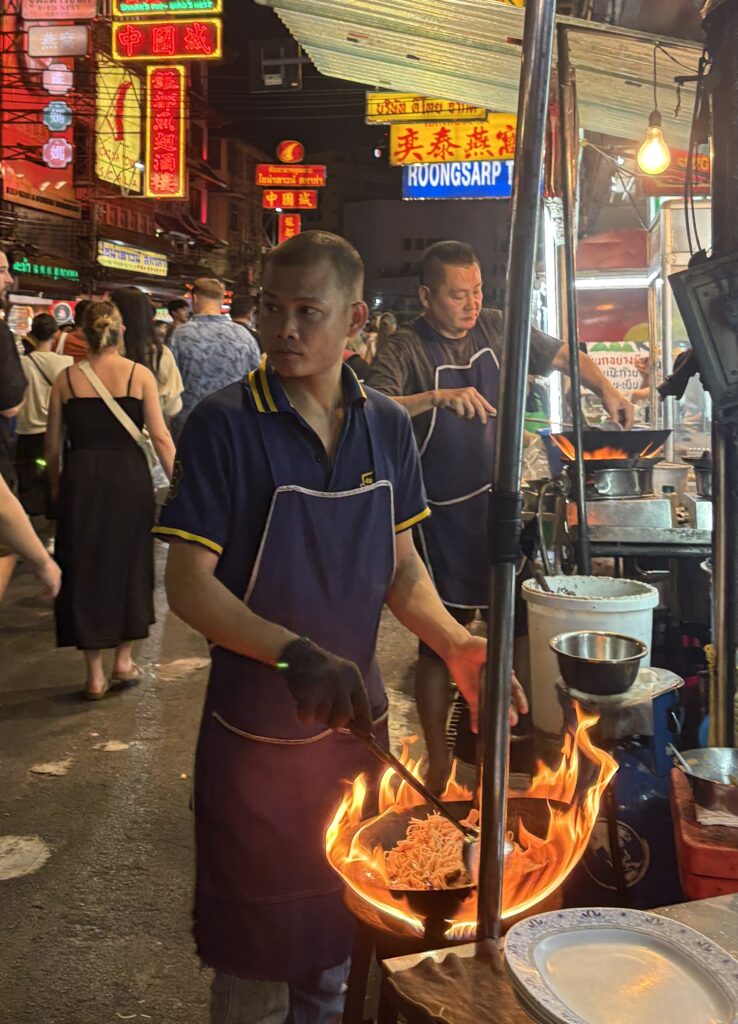
I will die on this hill. The best food I have ever eaten in Thailand has not been at a restaurant, regardless of the restaurant’s reputation or price point.
It has been at street stalls, market carts, and the kind of shophouse operations that have no menu and require pointing at whatever looks good in the display case.
This is not a romantic notion about authenticity. It’s a practical observation. The person running a street stall who makes the same dish three hundred times a day has perfected it in a way that a restaurant kitchen turning out twenty different menu items simply cannot match. The khao soi in Chiang Mai from the cart near Warorot Market.
The grilled pork skewers at the night market at 9 PM. The green mango salad from a woman who’s been making it since 6 AM and will be sold out by noon.
Thai food at street level is genuinely one of the great food experiences in the world. Eat as much of it as possible.
Your stomach will need a day or two to adjust if you’re coming from a very different food culture, that’s normal. Push through it and keep eating.
Respect the Culture It Matters More Than You Think
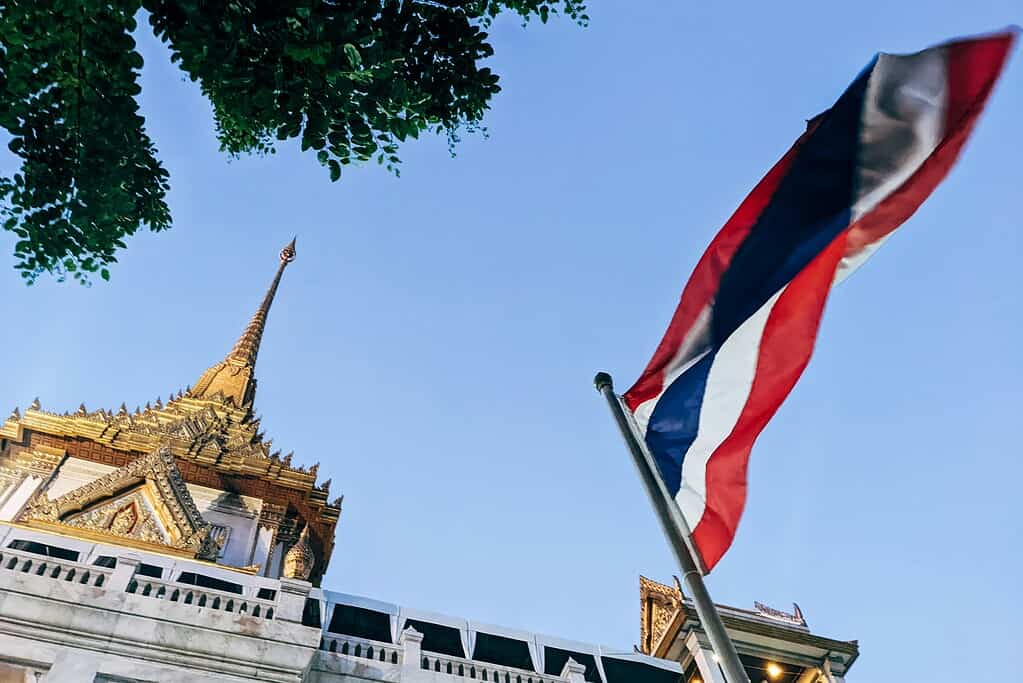
Thailand is an extraordinarily tolerant country and that tolerance gets mistaken for an absence of cultural expectations. It isn’t.
Entering a temple in shorts and a tank top. Raising your voice at a service worker when something goes wrong.
Pointing the soles of your feet toward a sacred object or a senior person. Touching a monk or handing something directly to one. These things are noticed.
Thai people don’t usually say anything, and that silence is its own cultural statement about patience and restraint that says more than the correction would.
The basics of cultural etiquette in Thailand are not complicated. Cover shoulders and knees at temples. Remove your shoes when indicated by the entry to a space.
Never touch anyone’s head. Keep your voice calm in difficult situations. The wai, pressing your palms together and nodding slightly, goes a long way when used appropriately.
Thailand gives visitors an enormous amount of grace. Meeting that grace with basic cultural awareness isn’t a burden. It’s just the right thing to do.
Getting Around Is Easier Than You Expect

Before my first trip I had genuine anxiety about navigation. A country where I didn’t speak the language, couldn’t read the script, and had no idea how the transport system worked felt logistically intimidating from a distance.It was not intimidating at all once I arrived.
Grab works across every major city and most tourist areas in Thailand, displaying the price before you confirm and tracking the route throughout.
The BTS Skytrain and MRT in Bangkok are clean, efficient, and extraordinarily easy to navigate.
Domestic flights between Bangkok and Phuket or Chiang Mai are short, cheap when booked in advance, and operated by budget airlines with transparent pricing.
Overnight trains connect major cities with comfortable sleeper berths at prices that make the journey itself part of the trip.
Getting around Thailand between cities and within them is one of the easier logistics problems in Southeast Asia travel. The infrastructure for tourists is mature and well-signposted.
Google Maps works reliably throughout the country. The main mistake is not planning inter-city transport in advance during high season when domestic flights book out at reasonable prices quickly.
One Trip Is Never Enough
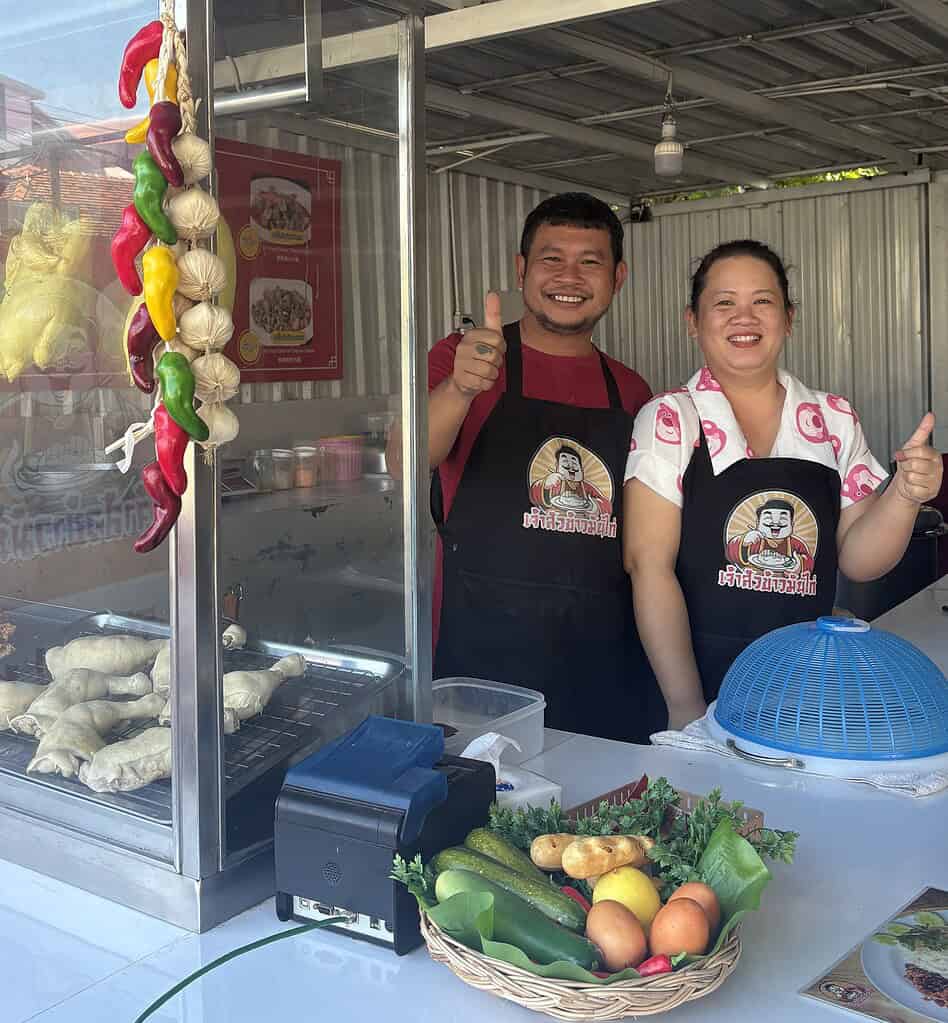
This isn’t something I wish I’d known before going, it’s something I wish I’d planned for.
I booked two months for my first Thailand trip thinking that was a reasonable amount of time to see the country.
I left knowing I’d barely scratched the surface, already planning the next visit before I’d finished unpacking.
That’s what Thailand does to people. It shows you enough to make you want significantly more, and the more you know about it the more you realize how much there is that you haven’t seen yet.
The north is a completely different country from the south. The Gulf islands run on an opposite weather calendar from the Andaman Coast.
Chiang Rai is not Chiang Mai. Koh Lanta is not Koh Samui. Bangkok at Songkran is not Bangkok in November. There are versions of Thailand that experienced visitors are still discovering on their tenth or fifteenth trip.
Book longer than you think you need. Leave room in the itinerary for places you didn’t plan for. And start thinking about the next trip before this one is over. You’ll thank yourself for it.
Got it, new workflow fully noted and locked in. I’ll follow the 5-step process going forward starting with the next article.
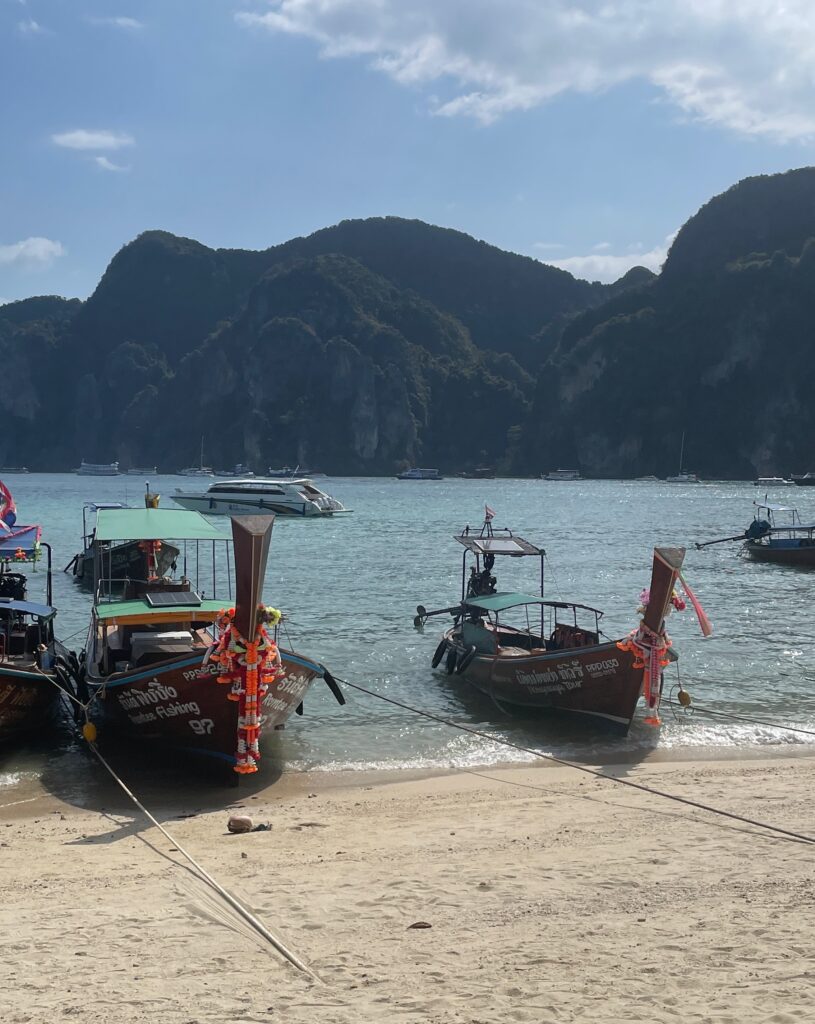
What do I need to know before visiting Thailand for the first time?
Carry cash, use Grab instead of street taxis, cover up for temple visits, and sort your SIM before you need data. The best time to visit Thailand for first-timers is November through February when weather is reliable across most of the country.
Is Thailand safe for first-time visitors?
Yes. Scams are financial rather than physical and easy to avoid with basic awareness. Violent crime targeting tourists is rare. Use common sense in busy tourist areas and keep valuables secured.
How much cash should I bring to Thailand?
Budget 1,500 to 2,500 baht per day for a comfortable mid-range trip covering food, transport, and activities. Withdraw from a reliable ATM on arrival rather than exchanging at the airport.
What is the best way to get around Thailand?
Grab for city transport. Budget airlines for long inter-city distances. Overnight trains for Bangkok to Chiang Mai. Songthaews for shorter distances within towns. A full guide to getting around Thailand covers every option in detail.
