
Thailand in Summer: Essential Survival Guide
Thailand in summer is an experience unlike any other, but it will test you in ways a beach photo never prepares you for.
The heat is real. The humidity is relentless. The rain arrives without warning and disappears just as fast.
And the combination of all three, particularly from June through September, creates conditions that require genuine preparation if you want to enjoy the country rather than spend your days hiding from it.
The good news is that Thailand in summer is also one of the most rewarding times to visit.
Crowds are thinner, prices are lower, and the landscape is greener and more vivid than at any other time of year. You just need to know what you’re walking into, and what to bring.
What to Pack for Summer in Thailand
Packing for Thailand in summer is not the same as packing for a beach holiday in a temperate climate.
The heat, humidity, and sudden rain require specific choices across every category. Here’s what actually matters.
Clothing
The single most important packing decision for Thailand in summer is fabric. Heavy, synthetic, or non-breathable clothing becomes genuinely miserable within an hour of being outside.
Pack light, pack breathable, and pack less than you think you need, you’ll be washing things more frequently than usual.
- Light and breathable clothes — Linen and cotton are your best options. Loose-fitting styles allow airflow and dry faster when you inevitably sweat through them. Avoid anything dark-colored for outdoor daytime use, it absorbs heat aggressively.
- Dry-fit shirts — Technical moisture-wicking shirts are excellent for active days, temple visits, and long outdoor stretches. They dry faster than cotton and manage sweat more effectively during peak heat hours.
- Shorts or thin pants — Lightweight shorts for beach destinations and casual sightseeing. Thin long pants for temple visits where covering up is required and for evening use when mosquitoes are more active.
- Comfortable walking shoes — You will walk significantly more than you expect. Blisters from new or ill-fitting shoes ruin trips fast. Bring shoes that are completely broken in, breathable, and ideally quick-drying for the inevitable rain encounters.
- Extra socks — Feet sweat more than usual in Thailand’s summer heat. Bring more socks than you think you need, particularly moisture-wicking varieties that reduce the discomfort of walking in heat all day.
Important Items
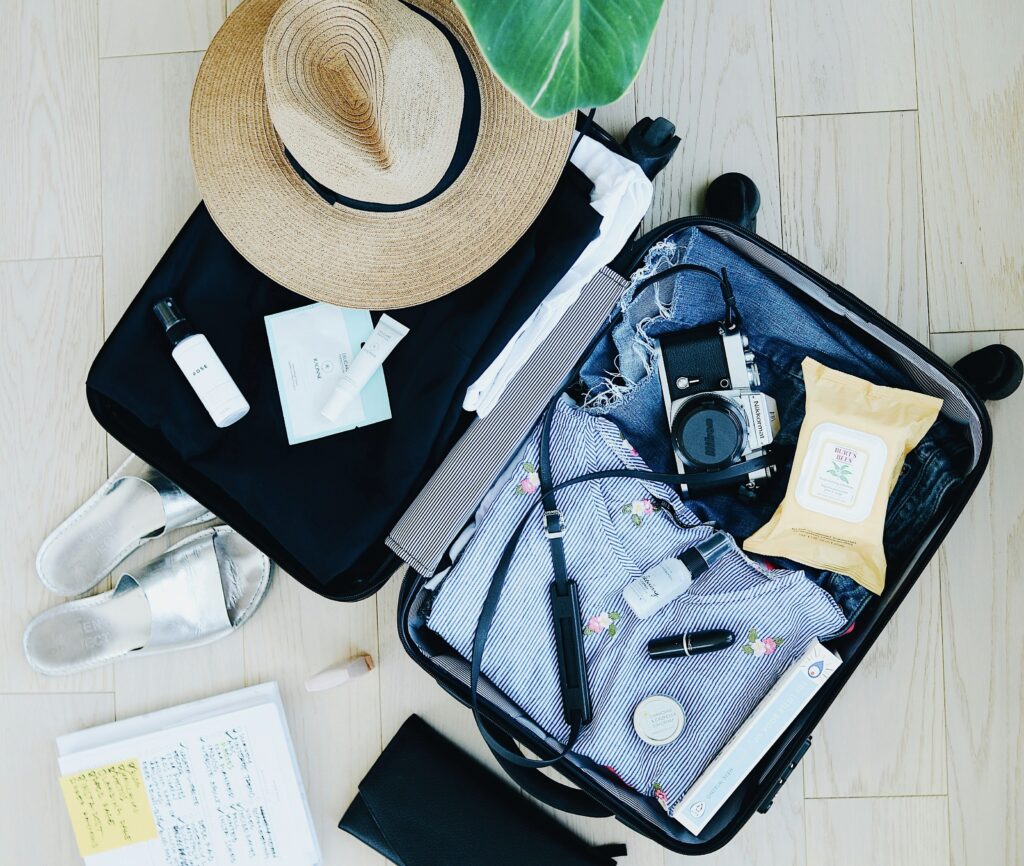
Beyond clothing, these are the items that move from nice-to-have to genuinely essential during Thailand’s summer months. Don’t arrive without them, include them in your Thailand packing list!
- Sunscreen SPF 50+ — Thailand’s summer sun is aggressive even on overcast days, and full days of outdoor sightseeing accumulate serious UV exposure. Apply before you leave accommodation every morning without exception. Sunscreen is available in Thailand but quality Western brands are expensive — bring adequate supply from home.
- Hat or cap — Direct sun on your head during peak hours accelerates heat exhaustion faster than almost anything else. A wide-brim hat provides significantly more protection than a cap but either is better than nothing during midday outdoor time.
- Sunglasses — UV protection for your eyes matters as much as skin protection. Thailand’s summer glare, particularly near water and white temple surfaces, is intense.
- Small towel — A compact quick-dry towel serves multiple purposes in summer Thailand. Wiping sweat throughout the day, drying off after unexpected rain, and covering skin on over-air-conditioned transport where the temperature contrast can be dramatic.
- Water bottle — Staying hydrated in Thailand’s summer heat is not optional, it’s a health consideration. Carry a refillable bottle and fill it at every opportunity. Many hotels and guesthouses provide filtered water for refilling. Buying individual plastic bottles multiple times a day adds cost and waste unnecessarily.
- Portable fan — A small handheld fan is what Thai locals carry in summer and it genuinely helps. Available at 7-Elevens and pharmacies for 50-150 THB. The difference between standing in direct sun without airflow and having a personal fan running is meaningful during peak afternoon heat.
- Compact umbrella — Summer rain in Thailand arrives without warning and ends just as suddenly. A compact umbrella in your daypack solves both the rain problem and doubles as a sun parasol during direct midday exposure, a completely normal use in Thailand where locals use umbrellas for sun protection as routinely as rain.

Good to Have
These items aren’t mandatory but they make a genuine difference to your comfort across a full summer trip.
- Cooling wipes — Pre-moistened cooling wipes provide immediate temperature relief when you’re overheated and away from air conditioning. Particularly useful during long outdoor stretches, temple visits without shade, and long transit journeys.
- Electrolyte drinks — Thailand’s summer heat causes significant fluid and electrolyte loss through sweat that water alone doesn’t fully replace. A fresh coconut, electrolyte drinks or powder sachets, available at every 7-Eleven and pharmacy, help prevent the fatigue and headaches that dehydration causes. Drink one daily during heavy sightseeing periods.
- Power bank — Your phone works harder in summer Thailand than almost anywhere else. Navigation, translation, Grab bookings, weather monitoring, photography. Heat also drains batteries faster than normal operating temperatures. A charged power bank in your bag eliminates the anxiety of a dying phone mid-day.
Average Weather and Humidity in Thailand in Summer
Thailand’s summer weather is not simply “hot and rainy.” Each month has its own specific character, and understanding the differences helps you plan daily activities, pack appropriately, and manage expectations for what each week of your trip will actually feel like.
Note that these figures reflect Bangkok and Central Thailand. Southern beach destinations on the Andaman Coast experience similar patterns, while the Gulf of Thailand islands run on a slightly different calendar. Northern Thailand follows its own seasonal rhythm entirely.
May
May is Thailand’s transition month and delivers some of the most intense conditions of the entire summer period.
Average highs sit at 34–36°C but the heat index — what the temperature actually feels like on your skin when humidity is factored in, regularly reaches 45°C or above during peak afternoon hours.
Humidity climbs to 72–75% through the month and afternoon thunderstorms begin appearing with increasing frequency.
The combination of pre-rain heat and building humidity makes May one of the most physically demanding months to be outdoors in Thailand.
Plan all outdoor activity before 10am. The landscape begins greening up beautifully as the first rains arrive but do not underestimate how punishing midday conditions are during this month.
June
June marks the full arrival of wet season and brings some of the highest heat index readings of the entire summer.
Average highs of 33–35°C combined with humidity of 73–75% produce a heat index that regularly exceeds 47°C, classified as dangerous by most heat safety standards.
That number deserves to sit with you for a moment. 47°C is what your body experiences even when the thermometer reads 33°C.
Sweat cannot evaporate effectively at this humidity level which means your body’s natural cooling system is compromised.
Hydration and rest during peak hours are not optional in June, they are a genuine health requirement. Heavy afternoon rain arrives daily but provides only temporary relief before humidity builds again.
July
July is the most humid month of Thailand’s summer with humidity reaching 86–89% — the highest of any month in the year.
Average highs of 32–33°C sound misleadingly moderate until you factor in that humidity level, which produces a heat index of up to 45°C.
The specific challenge of July is that the oppressive humidity makes even moderate physical activity exhausting.
Walking between attractions, climbing temple steps, standing in direct sun, all of it demands significantly more from your body than the thermometer alone suggests.
Heavy rain continues daily. Structure every day around the heat: early morning outdoor activity, air-conditioned midday rest, careful evening exploration.

August
August maintains July’s intensity with average highs of 32–34°C and humidity of 75–80% producing a heat index of up to 45°C.
Heavy rainfall peaks through August and the risk of street flooding in low-lying Bangkok areas increases after sustained rain events.
Despite the conditions August has its own energy, festivals, vibrant night markets operating rain or shine, and landscapes at their most dramatically green.
The BTS Skytrain and MRT remain completely unaffected by street flooding and are your most reliable transport during heavy rain periods.
Take the heat index seriously in August, limit continuous outdoor exposure to 90-minute windows maximum before seeking air-conditioned relief.
September
September is statistically the wettest month across most of Thailand. Average highs of 31–33°C with humidity reaching 79–82% produce a heat index of up to 44°C.
Extended rain events, lasting multiple hours rather than the typical afternoon burst, become more frequent through September.
Flooding risk is highest in September, particularly in low-lying areas of Bangkok and along river valleys.
Morning windows before 10am remain your most reliable weather opportunity for outdoor activity.
September’s silver lining is genuine, waterfalls run at full capacity, rice fields across the country glow at peak green, and natural landscapes reach their annual visual peak for travelers willing to work around the conditions.

Useful Places During the Hear
Thailand’s summer heat creates a specific daily rhythm, and knowing where to go for relief, supplies, and essentials makes navigating the season significantly easier. These are the places worth knowing about before you need them.
A quick two-cent piece of advice before the list: don’t underestimate how much time you’ll spend strategically moving between air-conditioned spaces during peak heat hours.
It’s not weakness, it’s smart. Thai locals do exactly this throughout summer.
- 7-Eleven — The most important address in summer Thailand, open 24 hours on practically every block in every city. Cold drinks, electrolyte beverages, water, portable fans, umbrellas, cooling wipes, snacks, ready meals, and basic medications are all available at 7-Eleven at any hour. When the heat peaks and you need relief immediately, 7-Eleven is always the closest answer. Step in, cool down, restock, and continue.
- Big C and Lotus — Thailand’s two major hypermarket chains and the smartest places to stock up on summer essentials at prices significantly lower than tourist shops. Sunscreen, electrolyte drinks, cooling towels, clothing, portable fans, and water in bulk, all available under one air-conditioned roof. Both chains have locations in all major Thai cities and tourist destinations.
- Pharmacies (Boots, Watsons, local pharmacies) — Boots and Watsons are the two main pharmacy chains in Thailand, found in malls and commercial areas across all major cities. Local independent pharmacies exist in virtually every neighborhood. All carry rehydration salts, electrolyte powders, cooling sprays, after-sun products, and basic medications. If you’re feeling the effects of heat exhaustion, headache, dizziness, excessive fatigue, a pharmacy is your first stop.
- Shopping Malls — Thailand’s malls are extraordinarily air-conditioned and serve a genuine functional purpose during summer beyond shopping. Siam Paragon, CentralWorld, and Terminal 21 in Bangkok; Central Festival in Phuket and Chiang Mai, all are reliable midday refuge options. Walk in, cool down completely, eat lunch, and resume your day once afternoon heat eases. Thai locals use malls exactly this way throughout summer and there’s no reason visitors shouldn’t too.

Important Advice
Surviving Thailand in summer well comes down to a handful of specific behavioral habits that separate comfortable travelers from exhausted ones.
Two or three days of getting this right makes the rest of the trip significantly more enjoyable.
- Drink water constantly — Not just when you’re thirsty. Thirst is a late indicator of dehydration in high heat. By the time you feel thirsty in Thailand’s summer humidity, you’re already behind. Carry your water bottle at all times, finish it regularly, and refill at every opportunity. Aim for significantly more water than you’d drink at home.
- Rest indoors during peak heat hours — The window between roughly 11am and 3pm is when Thailand’s summer heat is at its most severe. Planning museum visits, mall breaks, long lunches, or accommodation rest periods during this window rather than outdoor sightseeing makes the entire day more manageable and more enjoyable.
- Start activities early in the morning — Thailand before 9am in summer is a genuinely different experience from Thailand at 1pm. Temples, markets, outdoor attractions, and walking tours are all dramatically more comfortable in the morning hours before heat and humidity peak. Restructuring your daily schedule around early starts is the single most effective behavioral adjustment you can make.
- Avoid long outdoor time at midday — This is not just comfort advice — it’s a genuine health consideration. Heat exhaustion and heat stroke are real risks during prolonged midday sun exposure in Thailand’s summer. If you’re feeling dizzy, excessively fatigued, or developing a headache during outdoor activity, move to shade or air conditioning immediately and hydrate.
- Walk at your own pace — Thailand’s summer heat makes the tourist instinct to rush between attractions actively counterproductive. Slow down. Take breaks. Sit when you can. The temples and markets will still be there if you spend 20 minutes in a nearby 7-Eleven recovering between them.
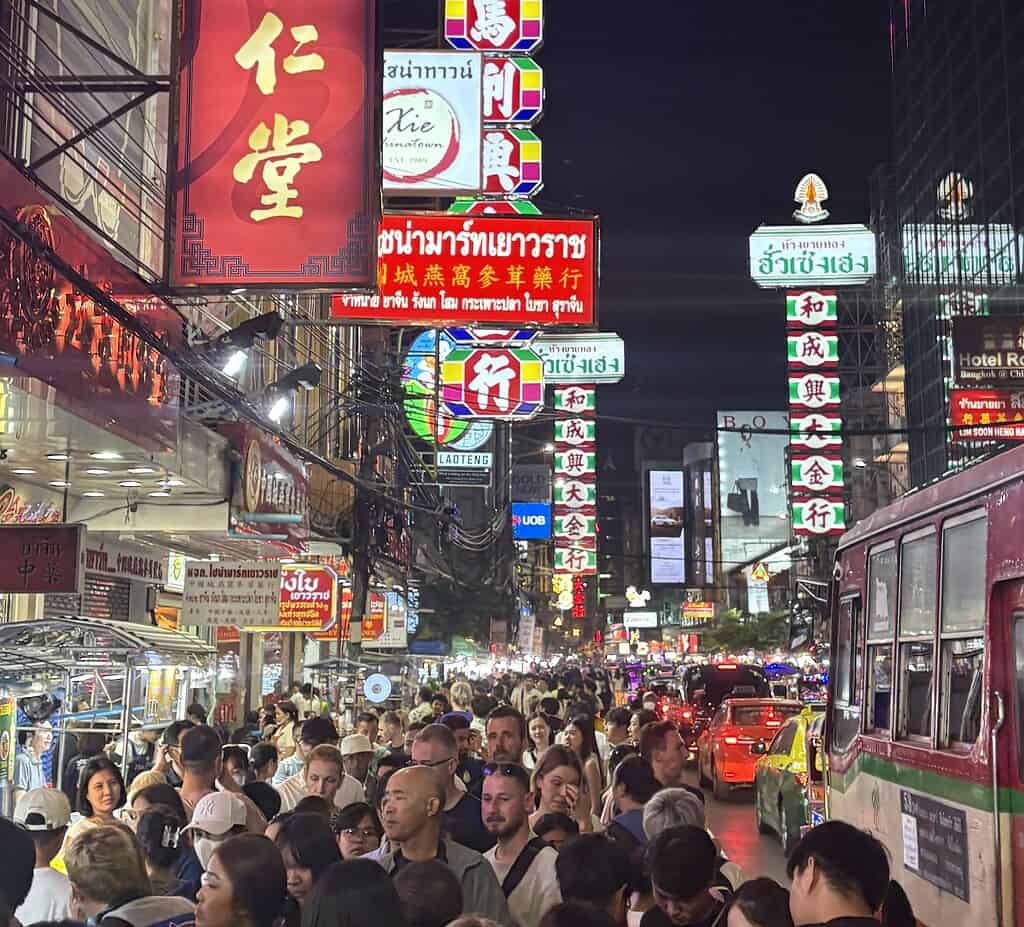
Final Thoughts on Thailand in Summer
Summer in Thailand is not to be played with. The temperatures are hot, genuinely, physically demanding hot, and the humidity amplifies every degree in ways that catch visitors off guard if they arrive unprepared.
But here’s what people who’ve done it will tell you: Thailand in summer, done right, is extraordinary.
The crowds that pack beaches and temples in December are gone. The prices are lower across accommodation, tours, and flights.
The country is greener and more vivid than at any other time of year. And the rain, when it comes, is dramatic and beautiful in its own right rather than just inconvenient.
Pack light and breathable. Start your days early. Respect the midday heat. Stay hydrated constantly. Keep 7-Eleven on your mental map at all times. I’m constantly stopping into one sometimes throughout the day just to cool off briefly and get a snack or water
Do those things and Thailand in summer stops being a survival exercise and becomes one of the most rewarding versions of the country you can experience.

Is Thailand worth visiting in summer?
Yes, but with realistic expectations and proper preparation. Crowds are significantly smaller, prices are lower, and the landscape is at its most vivid. The heat and rain are real but manageable with the right habits and packing choices.
What months are considered summer in Thailand?
May through September covers Thailand’s summer and wet season. June through August are the most intense months for heat and humidity. September is the wettest month statistically across most regions.
How do you deal with the heat in Thailand in summer?
Start activities before 9am, rest indoors during peak heat hours from 11am to 3pm, carry water at all times, use electrolyte drinks daily, and treat air-conditioned spaces, malls, 7-Elevens, museums, as functional rest stops rather than tourist attractions.
Is it safe to visit Thailand in summer?
Yes. The heat and rain create discomfort rather than danger when you prepare appropriately. Heat exhaustion is a real risk for travelers who don’t hydrate and rest adequately, take it seriously. Flooding can occur in low-lying areas during heavy rain but rarely affects the overall travel experience significantly.
