

What to Pack for Bali: 19 Things to Consider
Figuring out what to pack for Bali is different from packing for a standard beach holiday, and treating it that way is where most first-time visitors go wrong.
The humidity is relentless, temple etiquette requires specific coverage most travelers don’t think to bring, and island hopping by boat introduces its own set of packing considerations that a mainland-only trip never would.
A proper Bali packing list, sorted before you fly, means fewer scrambled purchases once you land and a genuinely more comfortable trip from the first day, rather than spending your second morning hunting down a pharmacy for something you could have packed at home for a fraction of the tourist-area price.
Before you even open your suitcase, it’s worth checking current Bali entry requirements, since packing decisions and paperwork often overlap more than people expect.
Particularly around proof of accommodation and the documents you’ll want easily accessible in your carry-on, rather than buried at the bottom of a checked bag you won’t see again until you’ve cleared immigration.
Clothing
Lightweight, Breathable Clothing
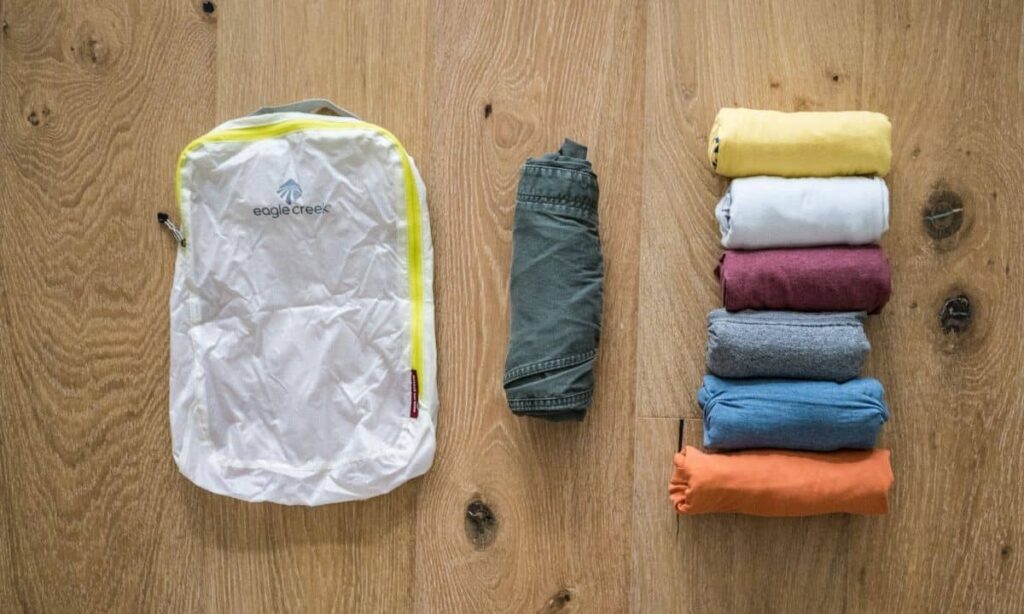
Bali’s heat and humidity sit at a level that most travelers underestimate until they’ve spent a full day walking through Ubud or sitting in Denpasar traffic with the windows down.
Cotton and linen genuinely outperform synthetic blends here, since synthetic fabrics trap heat and moisture against the skin in a way that becomes uncomfortable within hours rather than days.
Pack more tops than you think you’ll need, since the humidity means you’ll likely want a fresh shirt more than once a day, particularly if your itinerary involves any real walking or time outdoors during the hottest stretch between late morning and mid-afternoon.
Loose, airy cuts consistently outperform anything fitted once the afternoon heat sets in, and darker colors, while sometimes more practical for hiding sweat, do tend to absorb more heat than lighter tones, worth factoring in if you’re choosing between two similar pieces.
A Sarong or Long Wrap for Temples
Bali’s temples require covered shoulders and knees, and while many temple entrances rent sarongs on-site for a small fee, having your own means one less line to stand in and one less recurring cost across a trip that might involve five or six separate temple visits.
A sarong also doubles as a beach cover-up on the walk back from the water, a light blanket on an air-conditioned bus or in a chilly hotel room, and an emergency towel if you’re caught without one, making it one of the most genuinely versatile single items on this entire list.
Batik and ikat versions bought locally also make for a better souvenir than most tourist shop options, so it’s worth treating this as both a practical item and a small piece of the trip itself.
Comfortable Sandals or Walking Shoes

Bali’s terrain shifts constantly between paved streets, uneven rice paddy paths, worn temple steps, and soft beach sand, and a single pair of shoes rarely handles all of it comfortably.
Bring sturdy sandals with decent grip for general daily use, ideally something that’s already broken in rather than brand new, since blisters on day one can shape the rest of a trip.
Consider a closed-toe option if you’re planning any waterfall hikes or the popular Mount Batur sunrise trek, where loose volcanic rock and pre-dawn darkness make flip-flops genuinely risky rather than just inconvenient. A second, lighter pair for evenings out is worth the extra suitcase space too.
A Light Rain Jacket or Poncho
Even outside the official wet season, Bali produces sudden, heavy downpours with very little warning, particularly in the afternoons once humidity builds through the day.
A compact, packable rain jacket takes up almost no space in a daypack and saves you from either getting thoroughly soaked mid-sightseeing or paying inflated prices for a flimsy plastic poncho from a roadside vendor the moment the sky opens.
If your trip falls squarely within the wetter months, this moves from a nice-to-have into something you’ll genuinely use multiple times a week rather than just once.
Swimwear
This one seems obvious, but pack more than one swimsuit if you’re visiting during a season with regular rain, since a single suit rarely dries fully overnight in Bali’s humidity, and starting the day in something still damp is one of those small discomforts that adds up fast.
Between hotel pools, waterfalls, beach days, and any of the island’s excellent Bali beach clubs, you’ll likely be in and out of the water daily, and rotating between two suits keeps at least one dry and ready at all times.
A rash guard is also worth considering if you’re planning extended time in the sun or any snorkeling, since it cuts down meaningfully on the sunscreen reapplication you’d otherwise need.
One Smarter Outfit for Nicer Dinners or Beach Clubs

Bali’s beach club and fine dining scene, particularly around Seminyak, Canggu, and the properties covered in guides to luxury resorts in Bali, has a genuine dress element that flip-flops and a tank top don’t quite meet, and turning up underdressed at a reservation-only spot is a small but avoidable disappointment.
One elevated outfit, a linen shirt or a nice dress, covers sunset dinners and beach club days without requiring a suitcase full of formal wear you’ll never touch otherwise.
Pack something that doesn’t wrinkle badly in transit, since ironing facilities aren’t always guaranteed even at higher-end accommodation.
Important Items
Insect Repellent
Mosquitoes are a genuine year-round presence in Bali, particularly around rice paddies, jungle areas, and anywhere near standing water, and dengue fever is a real enough risk that repellent belongs on this list rather than as an afterthought you pick up once you notice bites.
A DEET-based repellent for evenings, when mosquito activity peaks, paired with a lighter natural option for daytime use, covers most situations without requiring you to reapply something heavy-duty constantly throughout the day.
Covering up in loose, long layers around dawn and dusk adds another layer of protection worth pairing with repellent rather than relying on either alone.
Sunscreen, Reef-Safe if Possible
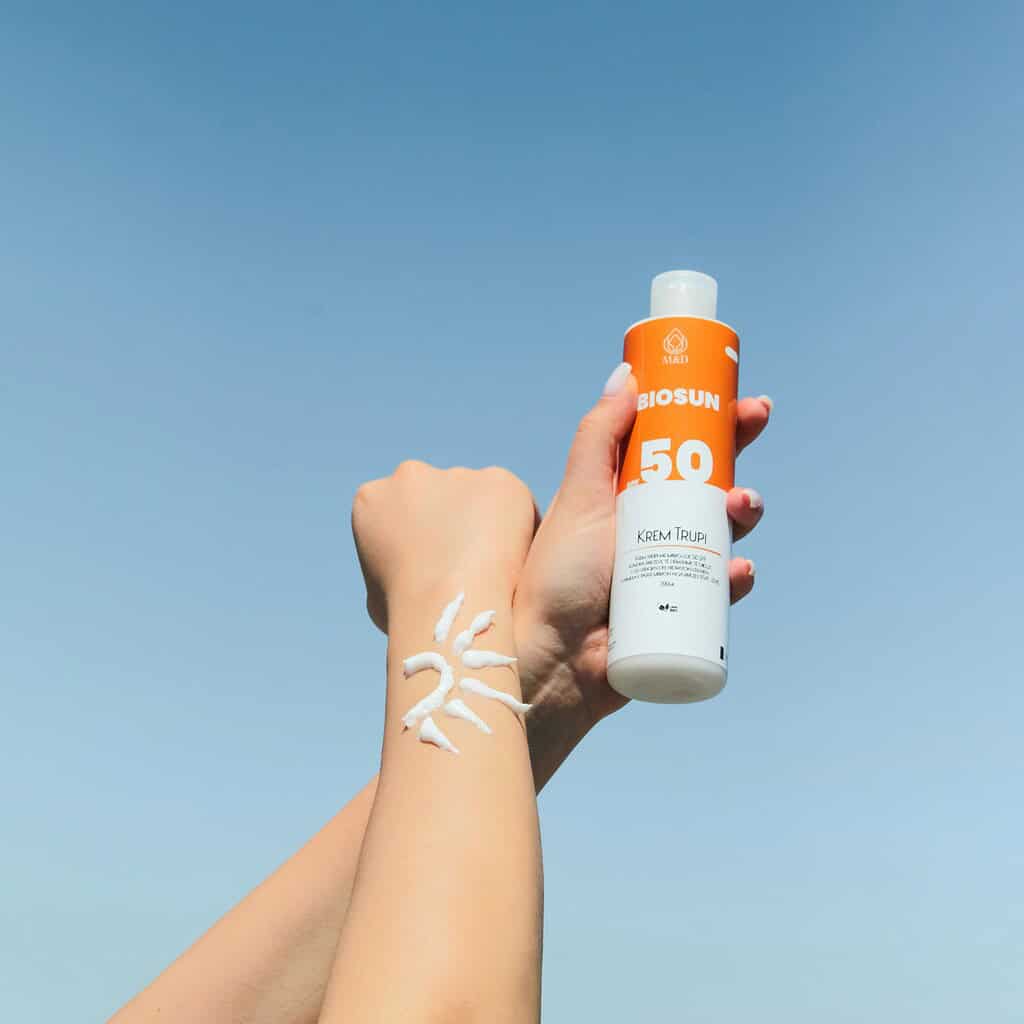
Bali sits close to the equator, and UV exposure here is genuinely more intense than most travelers are used to, even on overcast days when the risk feels lower than it actually is.
Reef-safe sunscreen matters specifically if you’re planning any snorkeling or diving, since standard sunscreen chemicals contribute meaningfully to coral bleaching, and several dive and snorkel operators around the island now actively check ingredient labels before letting guests into the water.
Bring more than you think you need, since sunscreen in Bali’s tourist areas tends to run noticeably more expensive than at home, and reapplying properly across a full day outdoors uses more product than most people budget for.
A Universal Power Adapter
Indonesia uses the European-style two-pin plug, which catches out plenty of travelers from North America, the UK, and Australia who assume their home adapter will simply work.
A universal adapter with USB and USB-C ports built in solves this in one purchase and covers every device you’re likely traveling with, from phones and cameras to power banks, without needing to hunt down a specific converter once you’ve already landed and discovered the mismatch.
A Portable Charger or Power Bank
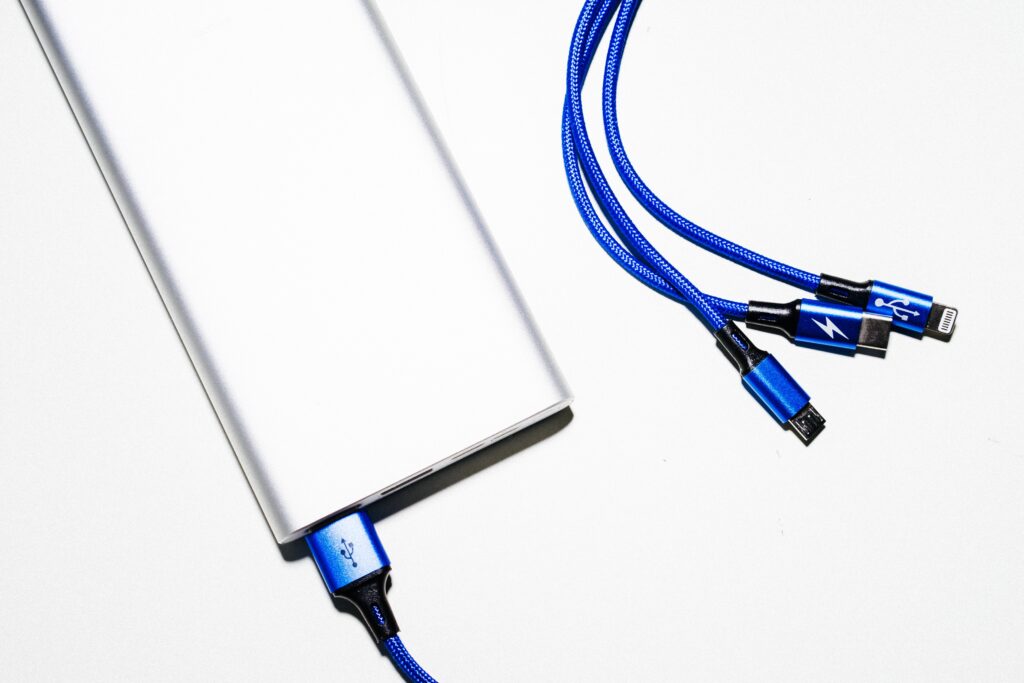
Between constant map use, photos, and staying connected on the road, phone batteries drain fast in Bali, especially on longer day trips where charging stops aren’t guaranteed and you’re relying on your phone for navigation the entire time.
A decent power bank, ideally one with enough capacity for at least two full phone charges, removes a genuine daily stress point, particularly on days involving multiple temples, waterfalls, or a full itinerary built around a Bali itinerary that doesn’t return you to your accommodation until evening.
A Basic First Aid or Medication Kit
Pharmacies exist throughout Bali’s tourist areas, but having basic medication on hand, particularly anything for stomach upset, headaches, or allergies, saves an unwanted pharmacy run when you’re not feeling well and would rather rest.
Stomach sensitivity is common enough for first-time visitors adjusting to different food and water that over-the-counter remedies are genuinely worth packing rather than hunting down mid-trip while already uncomfortable.
Blister plasters and basic wound care are worth including too, given how much walking most Bali itineraries involve.
Motion Sickness Tablets or Patches for Boat Transfers
If your itinerary includes Nusa Penida, Nusa Lembongan, or the Gili Islands, you’ll almost certainly be taking a fast boat at some point, and these crossings can get genuinely rough depending on conditions, wind, and time of year.
Motion sickness tablets/patches taken roughly thirty minutes before departure are far more effective than trying to manage symptoms once you’re already at sea and it’s too late for them to fully work.
They’re a small, light item that takes up virtually no packing space, making them an easy addition even if you’re not entirely sure you’ll need them.
Cash in Small Denominations

While cards are increasingly accepted across Bali’s tourist areas, small transactions, temple donations, local warungs, and market stalls still run heavily on cash, and having smaller denominations of Indonesian rupiah avoids the common problem of vendors being unable to break a large bill at the exact moment you need change.
It’s also worth staying aware of common scams in Bali involving currency exchange, since having smaller bills on hand reduces your exposure to shortchanging at informal money changers who count quickly and count in their own favor.
Good to Have
A Reusable Water Bottle
Staying hydrated in Bali’s climate matters more than most travelers account for, and a reusable compact water bottle cuts down on both plastic waste and the ongoing daily cost of buying bottled water.
Most hotels and a growing number of cafes now offer refill stations specifically to support this, and carrying a bottle with you rather than relying on buying one whenever you get thirsty makes staying properly hydrated throughout a hot, active day considerably more automatic.
A Dry Bag for Beach and Boat Days
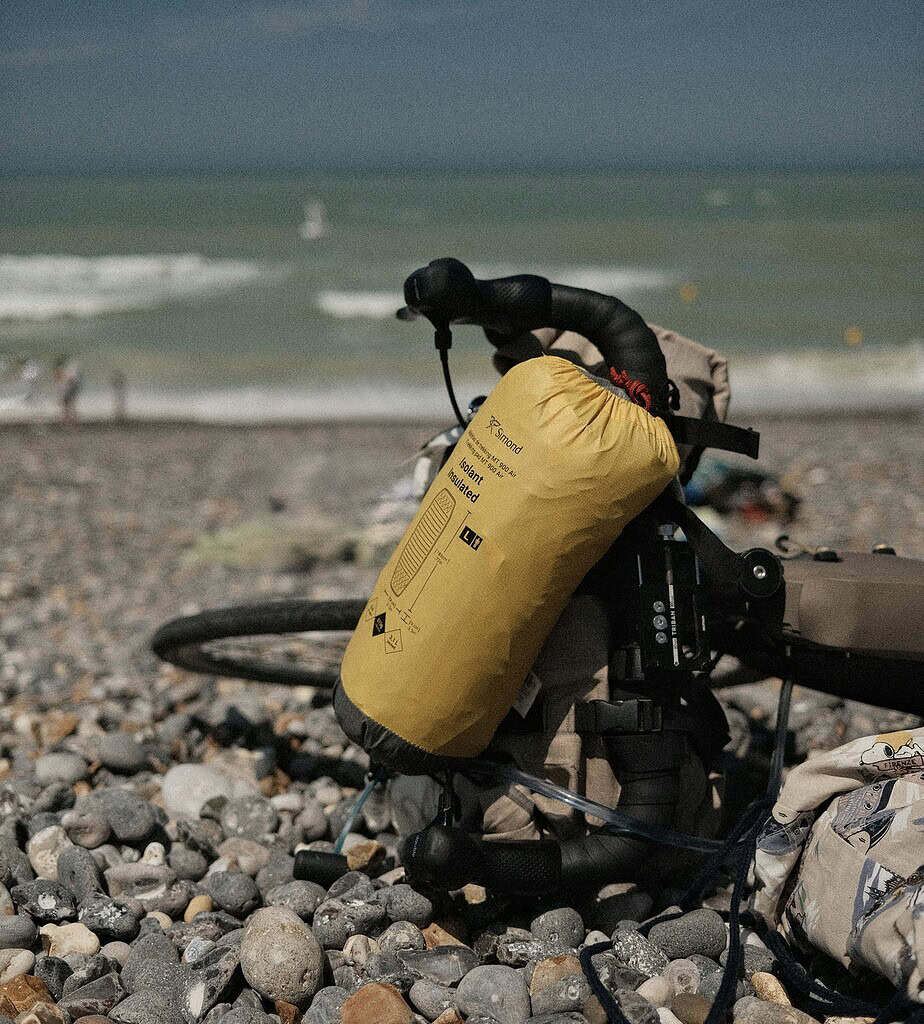
Between waterfall visits, boat transfers, and beach days, a dry bag protects your phone, wallet, and any electronics from both sudden rain and inevitable splashes on a speedboat crossing choppier water than expected.
It’s a small, inexpensive item that prevents one of the more common and entirely avoidable travel disasters, a soaked phone on day three of the trip, and it packs down small enough that leaving it at home to save space rarely feels worth the risk in hindsight.
Electrolyte Sachets
Heat, humidity, and long active days add up fast, and electrolyte sachets are a lightweight, inexpensive way to stay properly hydrated beyond just drinking water alone.
They’re particularly useful after a day involving significant walking, hiking Mount Batur, or extended time in direct sun, when water by itself often isn’t enough to fully replace what you’ve sweated out, leaving you with the kind of dull, low-grade headache that’s easy to mistake for something else entirely.
A Microfiber Towel

A compact, fast-drying microfiber towel is genuinely more useful in Bali than a standard beach towel, since it packs down smaller and dries far faster in humid conditions where a regular towel can stay damp for a full day or longer.
Between hotel pools, waterfalls, and impromptu beach stops that weren’t necessarily planned, having your own towel on hand means never relying on whether one’s provided or paying to rent one at a beach club or public site.
A Good Book or Offline Entertainment
Bali has plenty of slower travel days built in, long drives between regions, boat transfers, or simply an afternoon at a quiet café waiting out an afternoon downpour.
Downloading shows, podcasts, or audiobooks ahead of time, or bringing a physical book, means you’re not relying on unreliable Wi-Fi during these downtime moments, which are more frequent across a full Bali trip than most itineraries account for in advance.
A Small Daypack for Day Trips
Whether you’re heading out to temples, waterfalls, or a full day exploring one of the island’s regions, a compact daypack for sunscreen, water, a light layer, and your phone makes day trips considerably more comfortable than trying to carry everything by hand or overpacking a bag you originally brought for the entire trip.
A daypack with a secure zip closure also adds a small layer of protection against opportunistic theft in busier, more crowded tourist areas.
Final Thoughts on Packing for Bali
The items on this list aren’t about overpacking, they’re about matching what’s in your bag to what Bali actually demands, heat, humidity, temple etiquette, and the practical realities of getting between the mainland and the islands by boat.
Miss a few of these and you’ll likely still have a great trip, but you’ll probably find yourself making an unplanned pharmacy or convenience store run at some point to fill a gap that a few extra minutes of packing could have avoided entirely.
I’ve written packing guides for a few different countries at this point, and I get some version of the same comment almost every time in my Facebook groups, some variation of “you can just buy that there, no need to pack it.”
Honestly, that’s some of the worst advice you can follow. The last thing you want on vacation is spending your first day or two hunting down basics instead of actually experiencing the place, and quality varies more from country to country than people expect, so what you find on the ground isn’t always a reliable substitute for what you’d have packed.
That doesn’t mean skip the shopping entirely, plenty of people want to pick up a few things while they’re there, and that’s part of the fun. It just means the essentials on this list should already be in your bag before you land, not on your to-do list once you arrive.
Think through your specific itinerary before you finalize your packing list, since a trip weighted heavily toward Ubud and inland temples calls for slightly different priorities than one centered on Nusa Penida boat days and beach clubs in the south.
Checking the best time to visit Bali against your actual travel dates also shapes a few of these decisions directly, particularly around rain gear and how many swimsuits you’ll realistically need for the conditions you’re walking into.
Pack thoughtfully, and the rest of the trip genuinely does take care of itself.

What should I definitely not forget to pack for Bali?
Sunscreen, a sarong for temple visits, and insect repellent are the three most commonly forgotten essentials that travelers end up buying at inflated tourist prices once they’ve already landed and realized the gap.
Do I need special clothing for visiting Bali’s temples?
Yes, covered shoulders and knees are required at most temples. A sarong or long wrap handles this easily and is worth bringing yourself rather than relying on rentals at every single site you visi
Is bottled water necessary in Bali?
Tap water isn’t safe to drink, this is one of the most common Bali tourist mistakes.
But bottled water is widely available, and a reusable bottle paired with refill stations at hotels and cafes is both cheaper and more environmentally friendly than buying plastic bottles daily throughout the trip.
How many days of clothing should I pack for a Bali trip?
Given the humidity, most travelers find themselves changing clothes more than once a day. Pack for roughly half your trip length and plan on laundry service partway through, since most accommodations offer it affordably and quickly.
