
9 Ways to Avoid Bali Belly (Food Poisoning)
Years before I ever set foot in Bali, I already knew about Bali belly. I’d done my research on how to avoid Bali belly, and I knew it was a real thing here, common enough that it earned its own nickname for what is, honestly, just food poisoning.
By that point I’d already spent a good stretch of time in Southeast Asia, eating my way through street stalls in Thailand and Vietnam without a single issue.
So when people warned me about Bali belly before my first trip, I brushed it off a little. I figured my stomach had already been through enough that I’d built up some kind of immunity.
I was wrong, and I found out fast. Bali belly hit me on day two of my first trip, and it wasn’t the mild, forgettable kind either.
I was stuck in bed for four days straight, barely able to keep water down let alone food, watching an entire chunk of my trip disappear from a villa bathroom.
I canceled everything I’d planned for that stretch, and I wouldn’t wish that week on my worst enemy.
That experience is exactly why I put this guide together. I’ve since been back to Bali more than once, and I’ve learned, mostly the hard way, what actually helps and what’s just noise.
Here are 9 ways to avoid getting Bali belly, the biggest myths surrounding it, and exactly what to do if it catches you anyway.
Stick to Bottled or Sealed Water
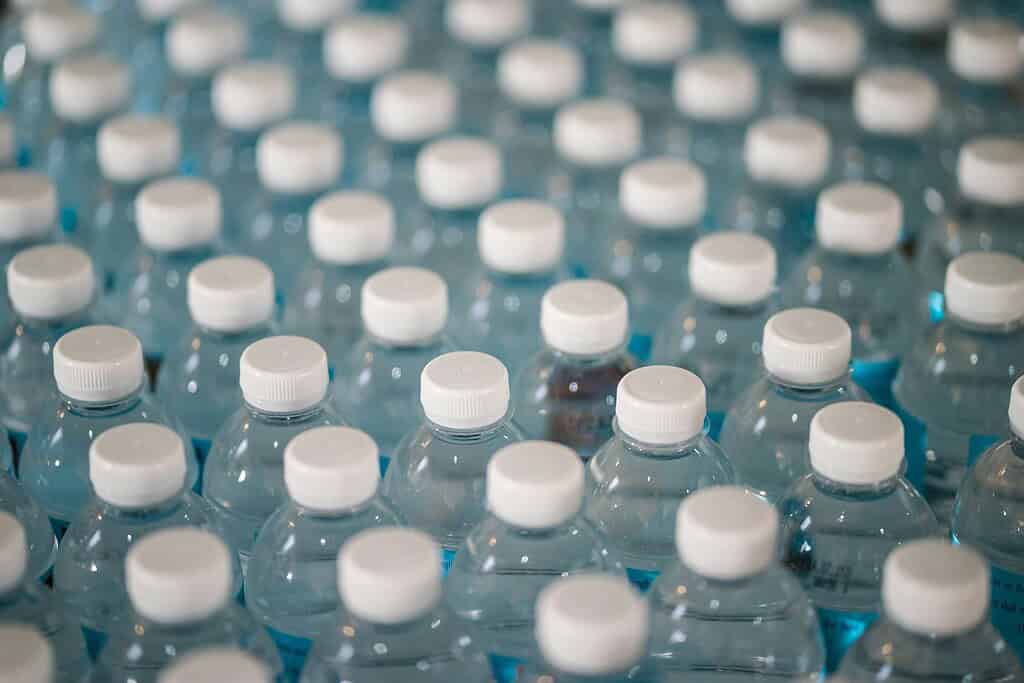
Tap water in Bali isn’t safe to drink, and even a small amount can cause trouble. Always drink sealed bottled water, and check that the seal is unbroken before you open it, refilled bottles are more common than you’d think at smaller shops and warungs looking to cut costs.
When you’re dining out, choose sealed cans or bottles over drinks poured from an unmarked pitcher, even at restaurants that look reputable.
If you’re trying to cut down on plastic waste, a refillable bottle with a built-in UV sterilizer or filter is a solid workaround, plenty of cafes in Canggu and Ubud now offer free filtered refill stations too, just ask before assuming.
Bigger hotel chains and villas often filter their tap water as well, but I’d still confirm with staff directly rather than assuming, since standards vary a lot property to property.
A Fancy Price Tag Doesn’t Guarantee Safety
It’s easy to assume a higher-end villa or restaurant automatically means stricter kitchen hygiene, but price point and food safety aren’t actually connected.
I’ve heard plenty of stories of people getting sick at beautiful, expensive spots in Seminyak and Canggu, right alongside the cheap warung down the street. Don’t let a polished dining room or a high review count lower your guard.
Expensive doesn’t always mean a bigger, more experienced kitchen staff either, sometimes it just means a nicer dining room and a higher markup.
I’ve had some of my best and safest meals in Bali from unassuming little warungs with an open kitchen, where I could actually watch the food being prepared, versus a few overpriced beach club meals that left me feeling rough by the next morning.
Watch Hotel Buffets, Not Just Street Food
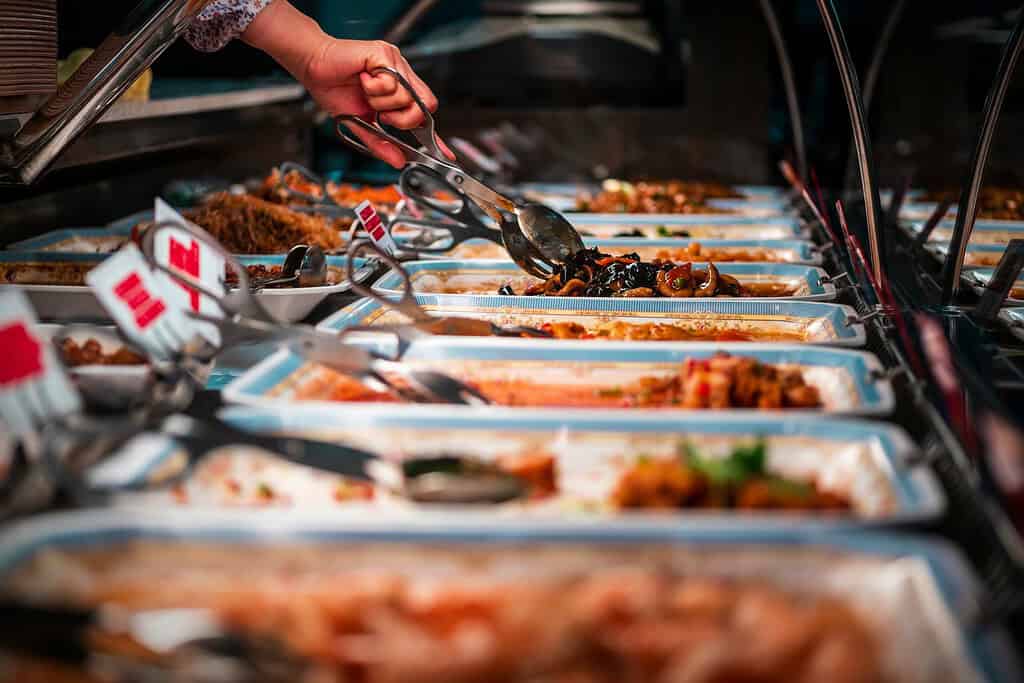
Most travelers assume the risk lives entirely in street food, but a nice resort buffet can be just as dangerous, sometimes more so given the volume of food being handled.
Trays sitting out too long, seafood that isn’t kept properly cold, and food being touched by dozens of guests with shared serving spoons all add up fast.
Look for hot dishes that are visibly steaming and regularly replenished, and cold items that are actually sitting on ice, not just cool to the touch on a counter.
I’ve noticed this is especially true at the tail end of breakfast service, once the morning rush dies down, some buffets stop refreshing trays as often since there’s less demand.
If you’re eating late in the service window, it’s worth asking staff how long a dish has been sitting out, or simply sticking to items being cooked to order, like an omelet station, instead of the pre-set trays.
Check Restaurant Reviews Before You Eat
This is one habit that’s genuinely saved me more than once. Before booking a table anywhere, I search the reviews section for words like “sick,” “vomited,” or “Bali belly.”
If a recent review mentions any of those, I skip the place entirely, no matter how good the food photos look.
It takes thirty seconds and it’s one of the most useful things you can do before eating anywhere new.
I’d also pay attention to how recent the complaint is, a single sick review from two years ago isn’t the same red flag as three separate mentions in the last month.
Restaurants go through rough patches with staff turnover or supplier issues, and recent, clustered complaints are a much stronger signal than one random bad experience buried in hundreds of good reviews.
Be Careful with Ice, Juices & Smoothies
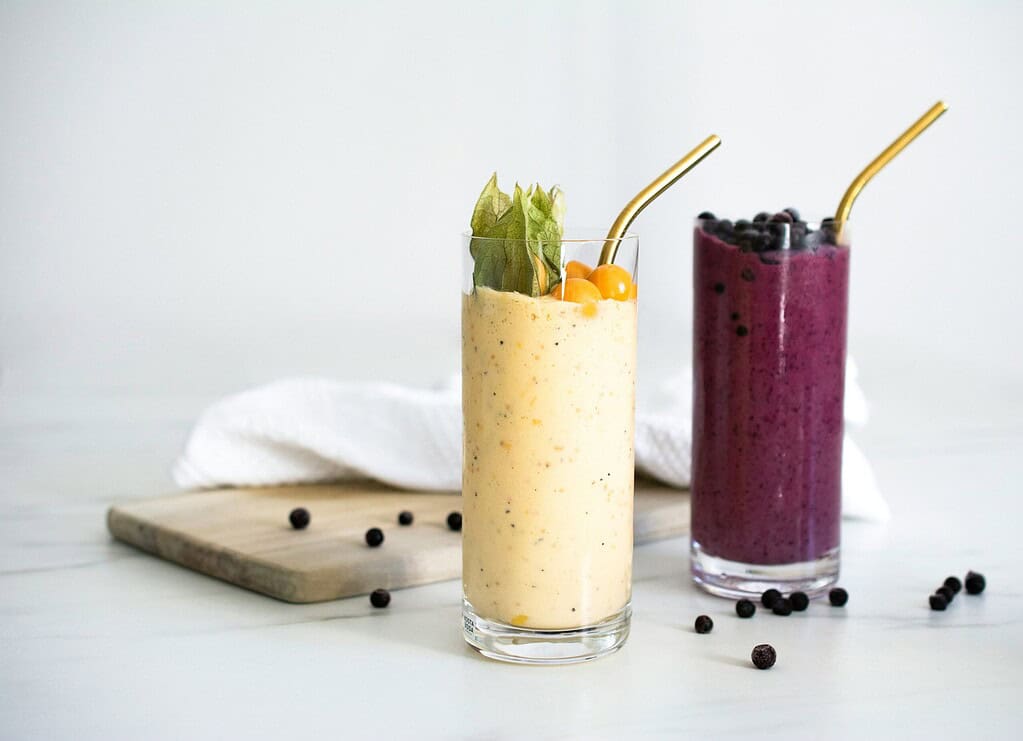
Fresh juices and smoothies from street vendors are tempting, but many are made with tap water or ice that hasn’t been properly filtered.
Before ordering, it’s worth simply asking if filtered water is used, most established cafes will tell you straight up. If you’re unsure, stick to bottled drinks or juice made in front of you from whole fruit.
Factory-made ice, usually the kind with a hole through the center, tends to be safer than crushed or block ice, which is more likely to be made locally with untreated water.
Beach clubs and higher-end bars in tourist areas generally use the safer factory ice, but smaller warungs and roadside stalls are more of a gamble.
When in doubt, order your drink without ice altogether, it’s a small sacrifice that isn’t worth debating over.
Be Careful with Raw or Undercooked Food
Raw salads and unpeeled fruit are often washed in tap water, and undercooked meat or seafood carries real risk in a hot, humid climate like Bali’s, bacteria multiplies fast once food sits out in that kind of heat.
When in doubt, order things cooked hot and fresh rather than raw, and don’t be shy about asking how a dish is prepared if the menu doesn’t make it obvious.
Peeling your own fruit is an easy workaround if you’re craving something fresh without the guesswork, and it’s honestly one of the simplest habits to build into your trip.
Seafood deserves a bit of extra caution too. Grilled or fully cooked fish and prawns are a much safer bet than anything raw or lightly seared, especially from beachside vendors where refrigeration isn’t always reliable.
Wash and Sanitize Your Hands Often

Even if you’re doing everything right with food and water, dirty hands can still get you sick.
Wash your hands before eating and after using the bathroom, and carry hand sanitizer for whenever soap and water aren’t available, plenty of restaurants and warungs don’t have a proper sink nearby.
It’s the most boring tip on this list, and also one of the most effective, which is exactly why it’s easy to overlook.
If you’re eating with your hands, which is common and totally fine culturally, just be extra mindful about when you last washed.
A long day of temple visits, scooter rides, and market browsing means your hands have picked up plenty by the time lunch rolls around, even if they don’t look dirty.
Keep Tap Water Out of Your Mouth
It sounds small, but tap water finding its way into your mouth during a shower or while brushing your teeth is a common, overlooked cause of Bali belly.
Keep your mouth closed in the shower, and use bottled or boiled water when brushing. It becomes second nature after a day or two, but it’s worth being deliberate about early in your trip, before it turns into a habit you forget to follow.
This one catches people off guard because it doesn’t feel like a real risk the way drinking a glass of tap water does.
But a few accidental swallows a day, multiplied across a week or two-week trip, adds up to real exposure, and it’s such an easy fix that there’s no good reason to skip it.
Choose Busy, High-Turnover Food Stalls
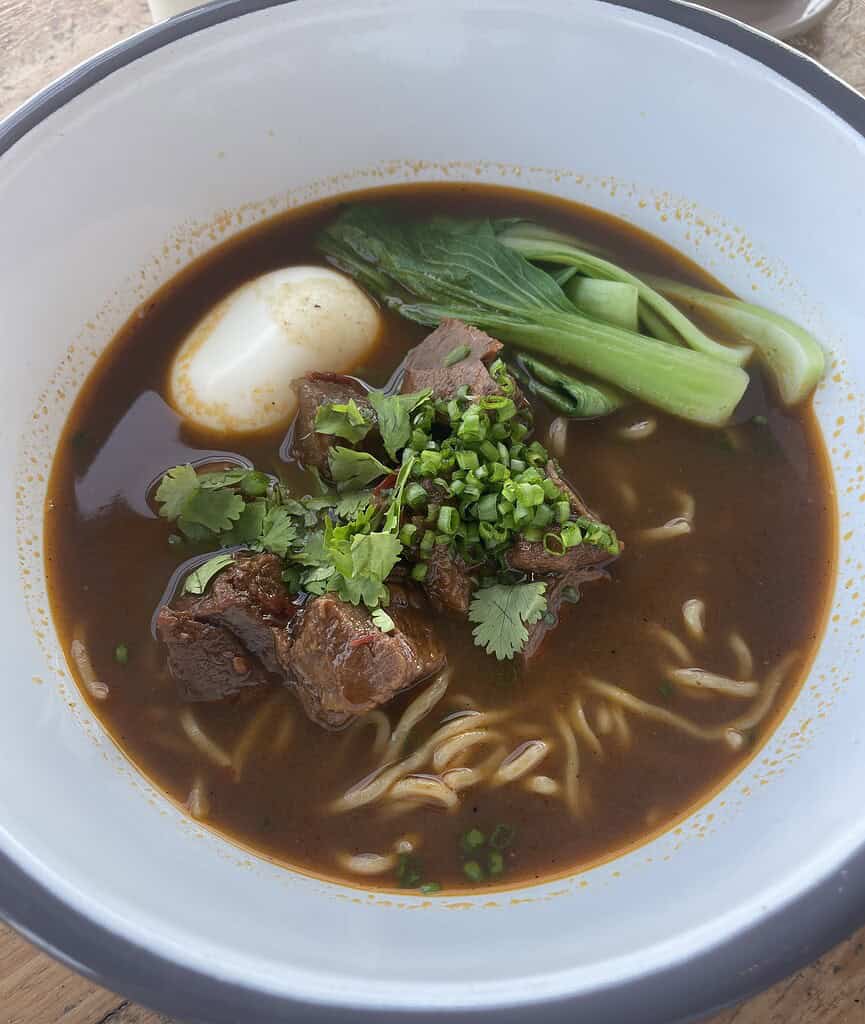
A busy stall with a line of locals in front of it is almost always a safer bet than an empty one.
High turnover means ingredients aren’t sitting around for long, and food is more likely to be freshly cooked rather than reheated.
It’s not a perfect system, but it’s one of the best gut checks you have when you’re deciding where to eat on the fly.
I’d also pay attention to whether locals, not just tourists, are the ones lining up. A spot packed with tourists can just mean good marketing or a prime location.
But a stall full of locals on their lunch break is usually a stronger sign that the food is both good and safe, since they’re eating there regularly and would know if something was off.

Myths About Bali Belly
“Bali belly means the food was dirty.” Not necessarily. A lot of the time, it’s your gut encountering bacteria strains it simply isn’t used to, the exact same food a local eats daily without any issue at all. Even scrupulously clean kitchens can serve something your gut just isn’t equipped to handle yet.
“Once you get it, you’re immune for the rest of the trip.” Unfortunately not how it works. You can get hit more than once on the same trip, especially if your gut never fully adjusts. I’ve had friends get hit twice in the same two-week trip, so don’t let a first bout make you careless for the rest of your stay.
“Spicy food kills bacteria.” Chili adds heat and flavor, not protection. It won’t do anything to save you from poorly stored or undercooked food. If anything, a very spicy dish can just mask the taste of something that’s already gone off.
“If locals are eating there and seem fine, it’s safe for you too.” Locals have built up tolerance over years of exposure that a two-week visitor simply doesn’t have yet. Their bodies have essentially adapted through years of repeated, low-level exposure that your system hasn’t had time to build.
“Only tourists get Bali belly.” Locals get stomach bugs too, usually from the same handful of causes, they’re just less likely to make a big deal out of it. It’s just far less likely to derail their week the way it can for a visitor with a tight itinerary and non-refundable tours booked.

What to Do if You Get Bali Belly
If it happens anyway, the first priority is staying hydrated. Water alone often isn’t enough once you’re losing fluids quickly, so electrolytes matter here, oral rehydration salts or an electrolyte drink mix are worth packing before your trip.
Once you can keep food down, stick to simple, easy-to-digest options. Bananas, rice, applesauce, and toast, often called the BRAT diet, are gentle on an already upset stomach, and boiled or plain chicken is a good addition once you’re ready for a bit more.
Plain rice crackers are another one worth keeping on hand. They’ve genuinely become my go-to snack whenever I’m questioning life and riding out a bout of food poisoning, easy on the stomach and something you can nibble on even when you don’t feel like eating at all.
And if you’re like me, usually travelling solo, don’t both going outside, use Grab to order some groceries, snacks, water, electrolytes anything you need to your hotel.
This is also the time to scale back your plans. Skip the excursions and hold off on eating out until you’re feeling more stable, your body needs the energy to recover, not to process another risky meal on top of it.
One thing worth knowing about ahead of time, Bali has a genuinely convenient private medical scene built around exactly this situation.
Instead of dragging yourself to a clinic while you’re barely able to stand, you can call a private nurse or medical service straight to your hotel or villa.
They’ll check your vitals, assess how dehydrated you are, and in most cases can set you up with an IV vitamin drip on the spot, which tends to get people back on their feet noticeably faster than fluids and rest alone.
These services are common enough across the island’s tourist areas that most hotels and villas can arrange one with a quick phone call, and I mentioned this same option in my 13 Best Things to Do in Bali post since it’s genuinely one of the more useful things to know about before you actually need it.
Give yourself a window of two to four days to see how things progress. If symptoms get worse instead of better, or you notice a high fever or blood, that’s the point where a clinic or hospital visit is the right call rather than waiting it out.

Final Thoughts on Bali Belly
Bali belly is common enough that it’s basically a rite of passage for a lot of first-time visitors, myself included.
It’s not something to be afraid of, but it is something worth actually preparing for instead of hoping you’ll get lucky. Looking back at that first trip, I don’t think there was anything I could have done to guarantee I’d avoid it entirely, some of it really does come down to bad luck.
But I also know now that half of what happened to me was avoidable, I was overconfident, I wasn’t checking reviews, and I definitely wasn’t thinking twice about ice in my drinks.
Knowing what to pack for Bali ahead of time, and putting a bit of thought into where to stay in Bali, would have made a real difference too.
Beyond the habits in this guide, having solid travel insurance is worth thinking about too, less for prevention and more as a backup plan if things do go sideways and you end up needing a clinic visit. It’s one of those things you hope you never need, but you’ll be glad it’s there if a bad case knocks you out for more than a couple of days.
If you follow even half of these tips, you’re already ahead of where I was on my first trip, and hopefully you’ll get to enjoy Bali’s incredible food scene without losing a single day of it.
How long does Bali belly usually last?
Most cases clear up within two to four days with rest, hydration, and a bland diet. If symptoms stretch past that or get noticeably worse, it’s time to see a doctor rather than waiting it out.
Is it safe to eat street food in Bali at all?
Yes, and skipping it entirely means missing a huge part of the experience. The key is choosing busy stalls with high turnover and watching how the food is actually prepared in front of you.
Should I bring anything specific for Bali belly in my luggage?
Activated charcoal pills and oral rehydration salts are both worth packing before you go.
They’re available in Bali too, but having them on hand from day one saves you a pharmacy trip while you’re already not feeling well.
What’s the fastest way to recover from Bali belly?
Hydration matters more than anything else. Electrolytes, rest, and easing back into food with something like the BRAT diet tend to get most people back on their feet within a few days.
Is bottled water enough, or should I use a filter too?
Bottled water alone is enough for most travelers, as long as you’re checking that seals are unbroken. A personal filter is a nice extra layer if you want it, but it’s not a requirement to stay safe.
