
29 Must Do Things in Bali: Ultimate Bucket List
Bali is one of those places that gets under your skin quietly. Not through anything loud or obvious. Just through small moments that stack up until you realize you’ve fallen for the place without noticing exactly when it happened.
I’ve been back many times at this point, and it still surprises me how much there is left to discover, which is exactly why putting together a real Bali bucket list felt overdue.
If you’re planning your first Bali itinerary for your trip, it can feel a little daunting. Not scary, just a lot. Bali is a massive island with an endless list of things to do, and trying to squeeze it all in is where a lot of people go wrong.
This list isn’t just for first timers either, it’s for anyone still working through everything this island has to offer on their second or third visit.
The first time I watched the sun come up over Mount Batur, standing above a sea of clouds with the whole island still asleep below, I understood why people keep coming back.
Walking barefoot through a rice terrace before the heat sets in. Sitting through a Kecak fire dance as the sun drops behind Uluwatu’s cliffs. Eating babi guling at a warung with no sign, just because a local pointed me toward it.
These are the must do things in Bali that belong on every itinerary, plus a few quieter finds that don’t always make the obvious lists. Some are non-negotiable. Others you’ll stumble into and end up talking about for years.
Whatever you do, don’t treat this like a checklist, Bali rewards a slower pace far more than a packed one.
Watch Sunrise at Mount Batur

Waking up at 2 a.m. sounds miserable until you’re standing on the crater rim of an active volcano watching the sky turn from black to orange while the whole island wakes up beneath you.
The hike itself takes about two hours up mostly loose volcanic gravel, starting in complete darkness with only headlamps and the person in front of you to follow.
It’s not technically difficult, but it’s steady uphill the entire way, and showing up in decent shoes matters more than you’d think.
At the top, guides often cook eggs and bananas in the volcanic steam vents while you wait for first light.
When the sun finally breaks over the clouds, with Lake Batur below and Mount Agung visible in the distance on a clear morning, the exhaustion disappears almost instantly.
Book a tour guide the night before through your accommodation. Bring a jacket, it’s genuinely cold at the summit before sunrise, something that surprises almost everyone packing for a tropical island.
Walk Through Tegalalang Rice Terrace
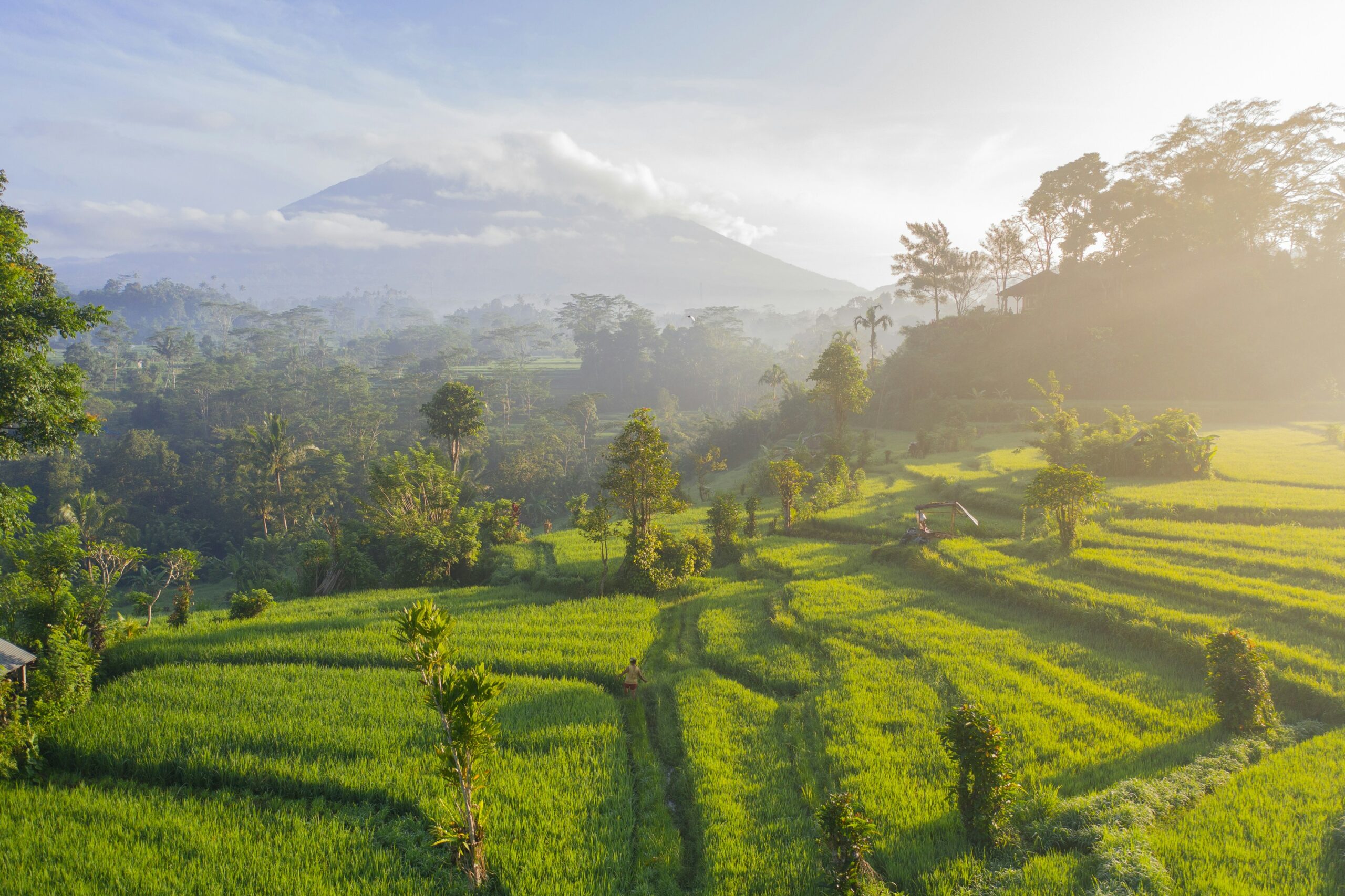
Bali’s most photographed rice terrace earns the attention, tiered green paddies cascading down a steep valley just north of Ubud, worked the same way they have been for generations.
The famous viewpoints along the main road get crowded fast, but walking down into the terraces themselves, along the narrow dirt paths between the paddies, gives you a completely different perspective and a lot fewer people in your photos.
Local farmers sometimes ask for a small donation to pass through their section of the path, which is fair given it’s still their working land.
Go early, before 8 a.m., for softer light and cooler temperatures before the tour groups arrive in full force.
The swings and nests built into the terrace for photos are fun but optional, the terrace itself is the real reason to come.
Pair it with a coffee at one of the cliffside cafés overlooking the valley and give yourself at least an hour to actually walk through rather than just photograph from the road.
Watch Sunset at Tanah Lot

Tanah Lot is a sea temple perched on a rock formation just off the coast, and at low tide you can walk right up to its base, while at high tide it appears to float entirely surrounded by water.
Sunset is when this place earns its reputation. The temple’s silhouette against an orange and pink sky, with waves crashing against the rocks below, is one of those images that looks staged in photos and somehow looks even better in person.
The surrounding complex includes smaller shrines, a market selling snacks and souvenirs, and a genuinely large crowd that gathers specifically for this exact moment every evening.
Arrive at least an hour before sunset to claim a good spot along the cliffside viewing area, and check the tide schedule in advance since access to the temple base depends entirely on it.
It’s touristy, it’s crowded, and it’s still worth it every single time.
Swing Over the Jungle in Ubud
The Ubud Bali swing has become one of the island’s most recognizable images for a reason, giant rope swings suspended over a jungle gorge, with riders arcing out above the treeline against a backdrop of rice terraces and dense green canopy.
Several operators run swing parks around Ubud now, each with slightly different setups, some closer to rivers, others higher above the valley floor.
Most offer multiple swing heights and styles, along with nest chairs and photo platforms built specifically for the shot everyone’s chasing.
It leans more into photography than adrenaline, and it’s worth being upfront about that going in.
Staff are typically on hand to help capture the moment, which matters since getting a good angle solo is genuinely difficult.
Go in the morning for better light and thinner crowds, and treat it as one stop on a broader Ubud day rather than the entire outing.
See Kelingking Beach and Snorkel Nusa Penida

Kelingking Beach’s cliff formation, shaped like a T-Rex from above, has become the single most recognizable image to come out of Bali in the last several years, and standing at the viewpoint above it in person still manages to be genuinely breathtaking.
Getting down to the actual beach requires a steep, semi-improvised trail carved into the cliffside, not for anyone with knee issues or a fear of heights, but the white sand and turquoise water waiting at the bottom make the descent worth it for those who go.
Nusa Penida as a whole is best explored by boat from Sanur, roughly 45 minutes each way, and pairing Kelingking with a snorkeling stop at Manta Point or Crystal Bay turns the day into a full island-hopping experience rather than a single viewpoint stop.
Book a full day tour rather than trying to island hop independently, Nusa Penida’s roads are rough and distances between sites are longer than they look on a map.
Get a Proper Balinese Massage
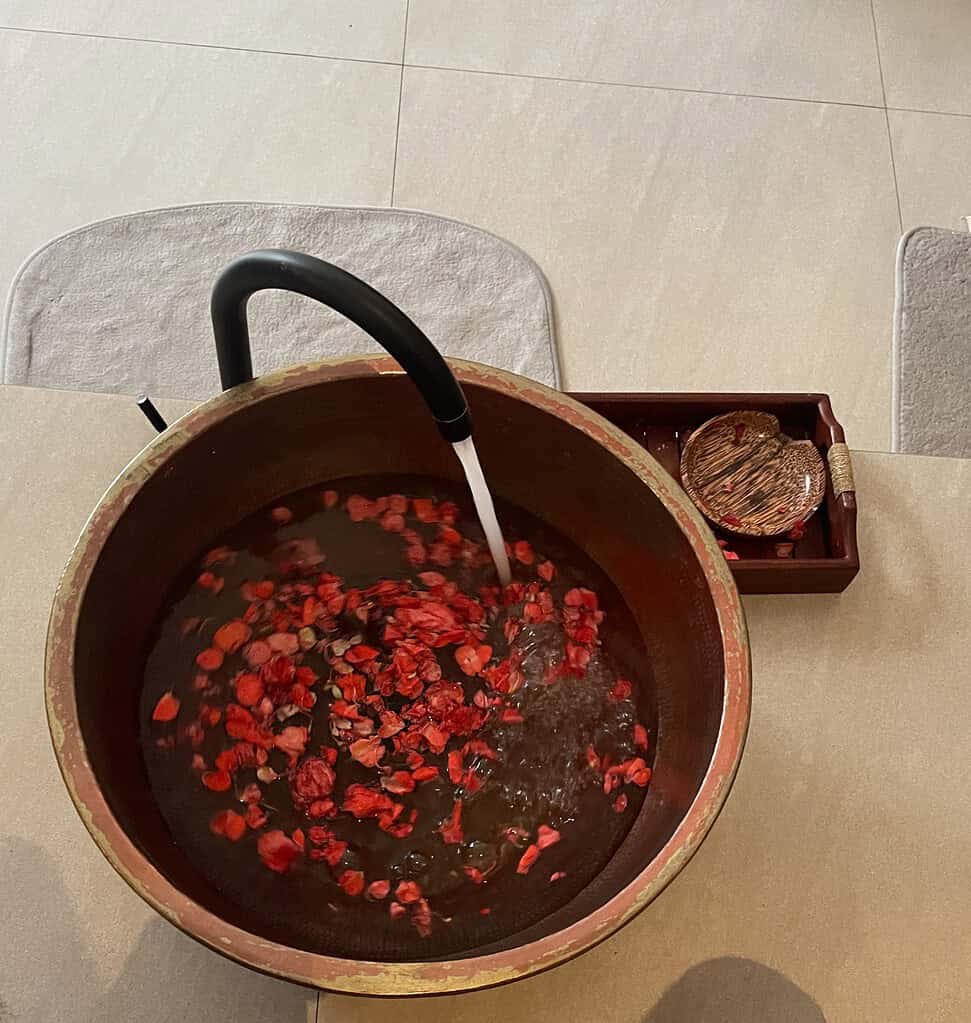
Bali’s spa culture runs deep, and a traditional Balinese massage, built around long, firm strokes combined with acupressure and stretching, is a completely different experience from a standard hotel spa treatment back home.
The best versions use warmed coconut oil and incorporate techniques passed down through generations, often finishing with a boreh scrub, a warming herbal paste traditionally used by rice farmers to soothe sore muscles after a long day in the fields.
Prices range dramatically depending on where you go, a beachside shack in Canggu might charge a fraction of what a five star resort spa in Ubud does for a similar treatment.
Both have their place. The budget option is often surprisingly excellent, while the resort spa adds an atmosphere worth paying for on at least one occasion during your trip.
Book at least one full body Balinese massage regardless of budget. Ninety minutes minimum. Your body will thank you after a few days of temple steps and scooter rides.
Watch the Uluwatu Kecak Fire Dance

The Kecak dance at Uluwatu Temple is unlike any performance you’ve likely seen, dozens of bare chested men seated in concentric circles, chanting and swaying in rhythmic unison with no instruments at all, telling the story of the Ramayana through voice and movement alone.
The setting elevates everything. An open air amphitheater carved into the cliffside, with the Indian Ocean stretching out behind the performers and the sun setting directly behind the stage as the show reaches its climax. Fire is introduced toward the end, adding genuine drama to an already intense performance.
Arrive early to secure a seat with a clear view, and get to the temple grounds itself before the show for time to walk the clifftop paths while the light is still good.
Watch your belongings closely around the resident monkeys, they’re notorious for snatching sunglasses and phones from unsuspecting visitors.
Book tickets in advance during peak season, this is one of the most attended evening experiences on the island for good reason.
Visit the Sacred Monkey Forest
Ubud’s Monkey Forest is a genuine nature reserve as much as a tourist attraction, a dense stretch of jungle threaded with stone pathways, ancient temples, and several hundred long tailed macaques that have called this forest home for centuries.
The monkeys are wild, not tame, and they know exactly what a plastic bag or an open backpack might contain. Keep loose items secured, don’t make direct eye contact with dominant males, and follow staff guidance if a monkey approaches.
That said, watching them interact, groom each other, and clamber over the moss covered temple ruins is genuinely captivating once you’ve settled into the rhythm of the place.
The forest itself is beautiful independent of the wildlife, with three separate temples inside dating back to the 14th century, connected by winding paths beneath a dense canopy that keeps the whole area noticeably cooler than the streets outside.
Give it at least an hour. Don’t bring food in with you, it only invites trouble. And watch out for your sunglasses, phones, the monkeys here are little demons!
Bathe at Tirta Empul Holy Water Temple
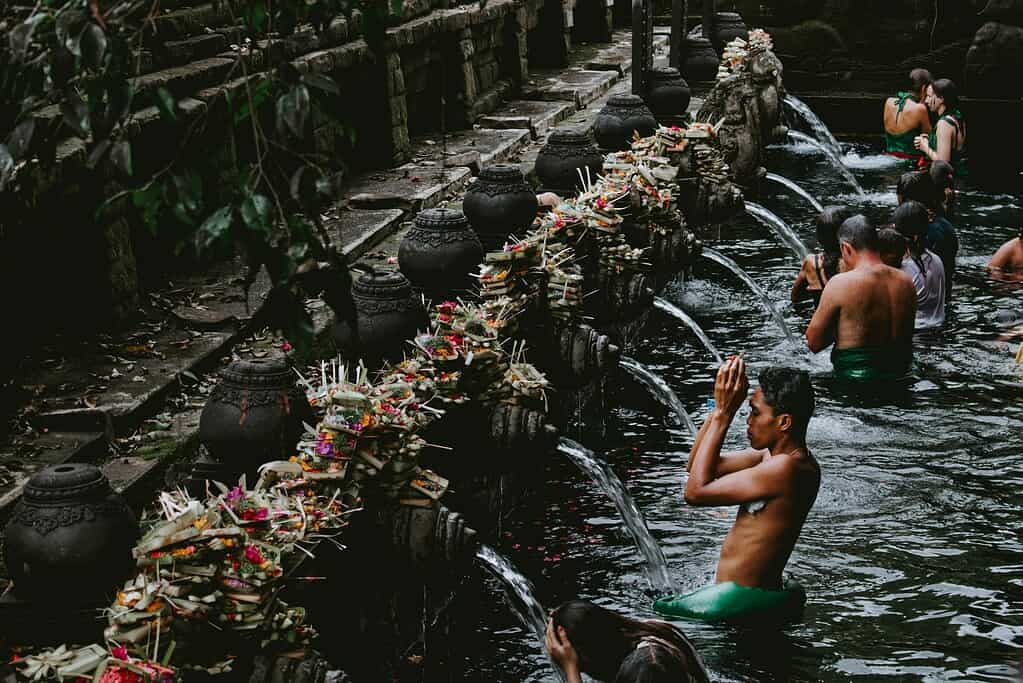
Tirta Empul is one of Bali’s most important Hindu temples, built around a natural spring that locals believe carries genuine purifying power, and joining a ritual bath here is one of the more spiritually significant experiences available to visitors on the island.
Rows of carved stone spouts channel water into a long pool, and both locals and tourists queue to move through each spout in sequence, submerging briefly under each stream as part of the cleansing ritual.
Specific spouts are skipped for those believed to carry negative or ceremonial significance, so following a guide’s lead matters here more than at most sites.
Bring a change of clothes and a sarong, which is required for entry and can be rented on site if you don’t have your own.
Arrive early, both for smaller crowds and because the temple takes on a different, quieter atmosphere in the first hour after opening.
Approach it as a genuine ritual rather than a photo opportunity, and the experience lands very differently.
Take a Balinese Cooking Class
Learning to cook a handful of genuine Balinese dishes gives you something to bring home that outlasts almost every souvenir on this list, and the better Bali cooking classes turn it into a half day experience rather than a rushed hour in a kitchen.
Most start with a visit to a local market to pick ingredients, followed by a walk through a garden explaining spices and herbs used in Balinese cooking, before moving into hands on preparation of dishes like lawar, satay lilit, and base genep, the foundational spice paste behind much of the island’s cuisine. You eat everything you make at the end, which tends to be the best part of the whole experience.
Classes range from simple home based setups run by local families to more polished resort offerings with professional kitchens. Both deliver genuine value, the family run versions often feel more personal.
Book through your accommodation or a reputable platform, and go in with an appetite, you’ll be eating a lot by the end.
Spend a Day in Canggu’s Surf and Café Scene

Canggu has become Bali’s unofficial capital for surfers, digital nomads, and anyone who wants their beach days paired with genuinely excellent coffee, and spending a full day moving between its beaches and cafés gives you a real sense of why so many people end up staying far longer than planned.
The waves at Echo Beach and Batu Bolong are approachable enough for beginner surf lessons, with numerous schools operating directly on the sand.
Between sessions, Canggu’s café scene delivers some of the best coffee and brunch food on the island, a direct product of the international community that’s settled here over the past decade.
Rice paddies still run directly alongside the developed streets, creating a strange but appealing contrast between surf town energy and traditional Balinese countryside within the same few blocks.
Rent a scooter if you’re comfortable riding one, Canggu sprawls more than Seminyak or Ubud and having your own transport makes the day considerably easier.
Chase Waterfalls in the Highlands

Bali’s interior highlands are dotted with waterfalls, each with a different character, and dedicating a day to chasing a few of them delivers some of the most genuinely refreshing experiences on the island.
Tegenungan, close to Ubud, is the most accessible and consequently the most crowded, a wide curtain of water dropping into a swimmable pool below. Tibumana and Kanto Lampo require a bit more effort to reach but reward you with noticeably thinner crowds and equally striking scenery.
Sekumpul, further north, is widely considered the most spectacular on the island, multiple falls converging into a single jungle valley, though it demands a genuine hike to reach.
Most waterfalls require descending a few hundred steps to reach the base, so bring proper footwear with grip rather than flip flops.
Combine two or three in a single day if you’re driving through the highlands, they’re often close enough together to string into one loop.
Visit a Coffee Plantation and Try Kopi Luwak
Bali’s highland coffee plantations offer a genuine look at how the island’s coffee and tea actually gets produced, and most offer tastings covering a range of local flavors alongside the plantation tour itself.
Kopi Luwak, coffee made from beans that have passed through the digestive tract of a civet, is the most famous and most expensive option on offer, and it’s worth understanding the ethics before ordering.
Wild sourced Kopi Luwak is genuinely rare, and a significant portion of what’s served to tourists comes from caged civets kept specifically for this purpose, a practice increasingly criticized by animal welfare organizations.
Ask directly about sourcing before ordering if this matters to you, and know that skipping it entirely is a completely reasonable choice.
Beyond Kopi Luwak, standard Balinese arabica and robusta, along with a wide range of flavored teas, are excellent and far less ethically complicated.
Treat the visit as an opportunity to learn rather than a must do checklist item specifically for the civet coffee.
Walk Through the Gates of Heaven at Lempuyang

The split gate at Pura Lempuyang, framing Mount Agung perfectly between its two halves, has become one of the most recognized single images to come out of Bali, largely thanks to a clever bit of photography trickery worth knowing about before you go.
The famous “mirror lake” reflection in photos isn’t a lake at all, it’s a small handheld mirror placed beneath the camera lens by the on site photographer, creating a symmetrical water reflection that doesn’t actually exist at the site. Knowing this in advance saves the slight disappointment some visitors feel on arrival.
Beyond the photo spot, the temple itself sits partway up Mount Agung and is one of the oldest and holiest on the island, reached via a long staircase that offers genuinely spectacular views regardless of the mirror trick.
Arrive early, the queue for the photo spot grows long by mid morning and waits can stretch well over an hour during peak season.
Stay at Least One Night in a Jungle or Rice Field Villa
Waking up to floor to ceiling windows overlooking either dense jungle canopy or a working rice paddy, coffee in hand, with no urgency to be anywhere, is one of those Bali experiences that’s easy to underestimate until you’ve actually done it.
Ubud has the highest concentration of these villas, many built with open air living spaces, private plunge pools, and a level of architectural creativity that makes the accommodation itself part of the itinerary rather than just a place to sleep. Canggu offers a similar rice field version closer to the beach and café scene.
Prices range enormously, some villas run genuinely affordable while others sit firmly in the luxury bracket, but even a mid range option delivers a version of Bali that a standard hotel room simply can’t replicate.
Book at least one or two nights like this somewhere in your itinerary, even if the rest of your trip is spent in more conventional accommodation.
Beach Club Hop in Seminyak

Seminyak’s beach club scene is where Bali’s more polished, resort style energy concentrates, a stretch of coastline lined with elevated pool decks, DJ sets, and sunset views that draw a completely different crowd than Canggu’s surf shacks or Uluwatu’s cliffside bars.
Each club has developed its own identity over the years, some leaning into elaborate pool architecture, others into their dining program or their specific brand of sunset party atmosphere.
Day beds and cabanas typically require a minimum spend rather than a flat entry fee, so budgeting for food and drinks rather than just cover charges makes more sense here.
Moving between two or three clubs across a single afternoon and evening, rather than committing to just one, gives you a genuine sense of Seminyak’s range before settling somewhere for sunset itself.
Book ahead for weekends and peak season, the more popular clubs fill their best day bed spots well in advance.
Witness a Traditional Temple Ceremony
Bali runs on a ceremonial calendar unlike almost anywhere else in the world, and stumbling onto, or intentionally seeking out, a genuine temple ceremony is one of the more meaningful ways to understand the island beyond its beaches and rice terraces.
Locals dressed in white and gold, elaborate fruit and flower offerings stacked high on their heads, gamelan music playing, and processions moving slowly through village streets toward a temple entrance are all part of ceremonies that happen with genuine regularity across the island, not staged for visitors but simply part of daily Balinese life.
Ask your accommodation or a local guide if anything is happening nearby during your stay, ceremony schedules vary by temple and by the Balinese calendar rather than following the Western one.
Dress respectfully if you attend, a sarong and covered shoulders are expected, and keep a respectful distance unless invited closer.
Witnessing one, even briefly, reframes how you see the rest of the island.
Ride a Scooter Through the Rice Paddies

Renting a scooter and riding through Bali’s backroads, past rice paddies, small villages, and roadside temples that never make it onto any official itinerary, is one of the most genuinely freeing ways to experience the island outside its main tourist circuits.
The roads through areas like Jatiluwih or the backroads around Ubud and Tabanan wind through some of the most scenic countryside on the island, with far less traffic than the main routes between major towns.
Stopping wherever something catches your eye, a viewpoint, a small warung, a family compound with an open gate, is the entire point.
This isn’t for everyone. Bali’s traffic in built up areas can be genuinely chaotic, and scooter accidents involving tourists are common enough to take seriously.
Only do this if you’re a confident, experienced rider, wear a proper helmet, and stick to quieter backroads rather than main city traffic.
Done safely, it’s one of the best ways to see a side of Bali most visitors miss entirely.
Visit Besakih, the Mother Temple
Besakih is Bali’s largest and holiest temple complex, a sprawling collection of more than twenty separate temples climbing the slopes of Mount Agung, and its scale alone sets it apart from almost anywhere else on the island.
Unlike the more photogenic single structures at Tanah Lot or Lempuyang, Besakih’s significance comes from its role as the mother temple for the entire island, the central point of Balinese Hindu worship that every other temple connects back to in some spiritual sense.
The complex is still an active place of worship, and visitors are only permitted into certain outer areas rather than the full site.
Hiring a licensed local guide is genuinely worth it here, both for context on what you’re looking at and for navigating the persistent unofficial guides who approach visitors at the entrance offering tours at inflated prices.
Combine it with a broader day trip through the Sidemen Valley given the driving distance from the southern parts of the island.
Day Trip to Nusa Lembongan
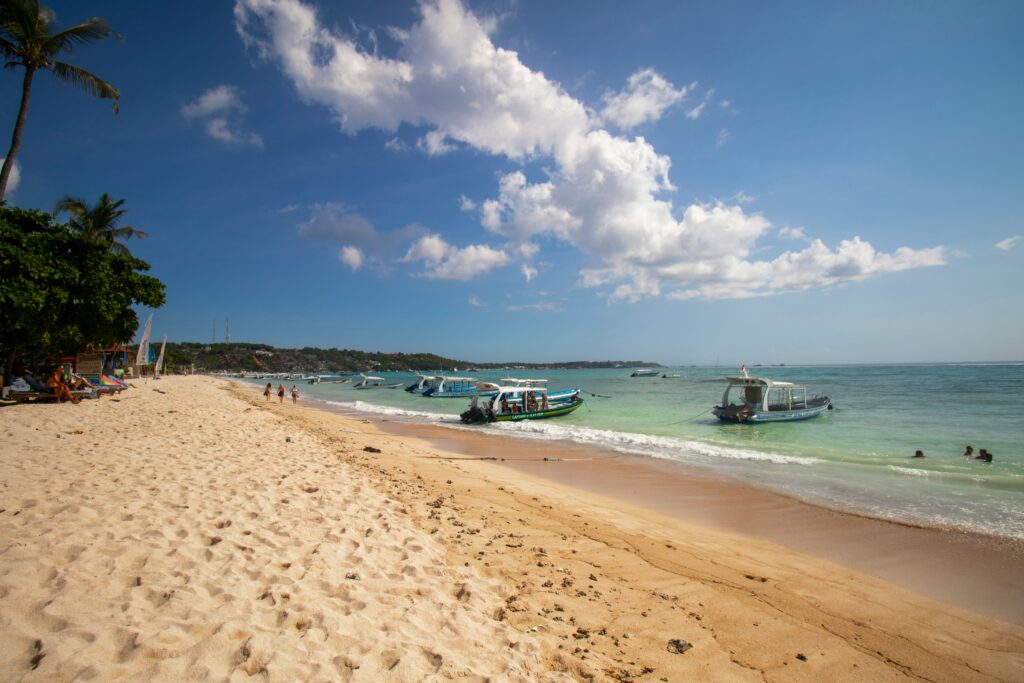
Nusa Lembongan is Nusa Penida’s smaller, quieter neighbor, reachable by fast boat from Sanur in around thirty minutes, and it offers a noticeably more laid back version of the island hopping experience without sacrificing genuinely beautiful scenery.
The Blue Lagoon’s turquoise water and the mangrove forest, explored by traditional wooden boat, are the two standout stops most day trips build around.
The pace here is slower than Nusa Penida’s viewpoint heavy circuit, and the island’s surf breaks, Shipwrecks and Playgrounds among them, draw a dedicated crowd of experienced surfers separate from the general day tripper traffic.
It’s an easy add on if you’ve already done Nusa Penida and want a contrasting, calmer version of the same island hopping concept, rather than a repeat of cliffs and viewpoints.
Book a day tour or arrange your own boat and scooter rental if you prefer exploring at your own pace.
Eat Babi Guling at a Local Warung
Babi guling, whole roasted suckling pig seasoned with a dense mix of Balinese spices, is arguably the island’s signature dish, and eating it at a small local warung rather than a tourist facing restaurant is where the real version lives.
The pork itself comes with a genuinely spectacular crackling skin, alongside rice, vegetables, and a side of lawar, a mix of minced meat, vegetables, and coconut seasoned with the same spice base that underpins so much Balinese cooking.
The best warungs often sell out by early afternoon, since the whole pig is prepared that morning and simply isn’t remade once it’s gone.
Ibu Oka in Ubud is the most famous name associated with the dish, but genuinely excellent versions exist in small, unmarked warungs across the island if you’re willing to ask locals for their personal recommendation rather than following a guidebook.
Go early in the day, and go hungry. This isn’t a light meal.
Wander Ubud’s Art Market

Ubud’s art market is a dense, chaotic tangle of stalls selling everything from wood carvings and paintings to sarongs, jewelry, and homeware, and even if you’re not planning to buy anything, walking through it gives you a genuine sense of Bali’s artisan culture in one concentrated space.
Prices here are opening offers rather than fixed amounts, and negotiating politely is both expected and part of the experience rather than something to feel awkward about.
Quality varies significantly stall to stall, so it’s worth comparing a few before committing to any single piece, particularly for anything higher value like carved wood or larger paintings.
Beyond the main market building, the surrounding streets are lined with more galleries and boutique shops carrying higher end, more curated versions of similar work, worth a look if the market itself feels too overwhelming to properly browse.
Go in the morning when it’s less crowded and the heat hasn’t fully set in yet.
White Water Raft the Ayung River
The Ayung River delivers Bali’s premier white water rafting experience, roughly two hours of Grade 2 to 3 rapids cutting through a genuinely dramatic jungle gorge south of Ubud, with ancient carved stone reliefs visible on the canyon walls as you pass.
The rapids themselves are manageable for beginners, but the setting is what makes this memorable, dense jungle rising on both sides, waterfalls trickling down the gorge walls, and a level of scenery that most rafting trips elsewhere simply don’t offer alongside the actual activity.
Safety equipment and a guide are standard in every raft, and most tours include a riverside lunch afterward along with hotel pickup from south Bali and Ubud accommodation.
Wet season, roughly November through March, produces the strongest water flow and most exciting conditions if timing allows.
Bring a change of clothes and expect to get thoroughly soaked, this isn’t a spectator activity.
Watch Sunset With Seafood at Jimbaran Bay
Jimbaran Bay’s beachside seafood restaurants operate on a formula that’s been working for decades, fresh fish, prawns, and squid grilled over coconut husks, served at tables set directly in the sand as the sun goes down over the water.
The ritual itself is as much the draw as the food, candlelit tables lined up along the beach, the sound of waves close enough to hear over dinner conversation, and a genuinely romantic atmosphere that makes this one of the most requested sunset dinner spots on the island.
Pricing typically works by weight for the seafood you select, so it’s worth asking for rough costs before committing to your order.
Restaurants line a long stretch of the bay, and quality varies, so checking recent reviews before choosing where to sit down helps avoid an underwhelming version of what should be a genuinely memorable meal.
Book ahead during peak season and sunset hours specifically, tables along the prime beachfront row fill up fast.
Drive Through the Sidemen Valley

Sidemen Valley is what much of Bali looked like before large scale tourism development reached the island, terraced rice fields cascading down toward the base of Mount Agung, with barely any of the traffic or commercial sprawl found closer to the southern coast.
The drive itself through the valley is the main event, winding roads offering constant, ever changing views of rice terraces against the mountain backdrop, with small guesthouses and warungs tucked along the route for anyone wanting to stop and take it in properly rather than just drive through.
A handful of boutique accommodations here let you stay overnight surrounded by rice fields with genuinely minimal noise or light pollution.
This pairs naturally with a visit to Besakih given the proximity, or works as a standalone half day escape from the busier parts of the island.
Go with no fixed itinerary beyond the general direction, Sidemen rewards unplanned stops more than almost anywhere else on this list.
Stand at the Uluwatu Cliffside Temple
Beyond the evening Kecak performance, Uluwatu Temple itself deserves a proper daytime visit, perched dramatically on a limestone cliff nearly 70 meters above crashing surf, with views stretching along the Bukit Peninsula’s rugged southern coastline.
The temple grounds are relatively compact, but the setting does the heavy lifting, walking the clifftop pathway with the ocean directly below and nothing but open water stretching to the horizon is genuinely striking regardless of what time of day you go.
The temple itself, dedicated to the spirits of the sea, is one of Bali’s six key directional temples protecting the island spiritually.
Visit in the late morning or early afternoon if you’re planning to return separately for the evening dance performance, spacing the two visits apart gives you a very different atmosphere each time.
Watch your belongings closely, the resident macaques here are just as opportunistic as anywhere else on the island.
Take a Yoga Class in Ubud
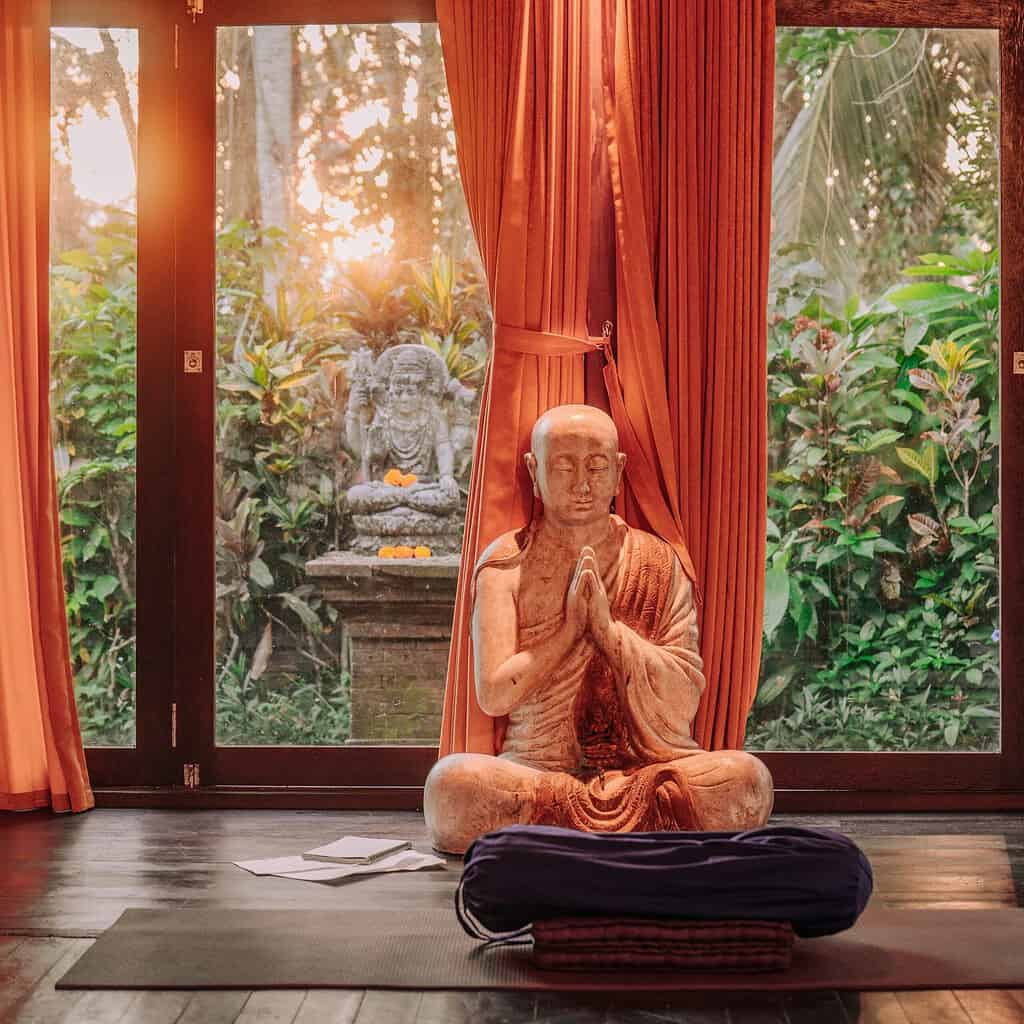
Ubud has built a genuine international reputation as one of the world’s yoga destinations, and dropping into at least one class here, whether at a dedicated studio or a resort offering drop in sessions, gives you a real taste of why so many practitioners make the pilgrimage specifically for this.
Studios range from large, polished operations with multiple daily class offerings and a genuinely international teacher roster, to smaller, more intimate spaces tucked into rice field settings with a fraction of the students.
Many overlook jungle or rice terrace views directly from the practice room, adding a dimension that a studio back home simply can’t replicate.
Classes are typically drop in friendly, no need to commit to a multi day retreat unless that’s specifically what you’re after, and skill levels from complete beginner through advanced are almost always accommodated.
Book an early morning session if you can, practicing as the island wakes up around you is genuinely different from a midday class.
Explore Munduk and the Twin Lakes
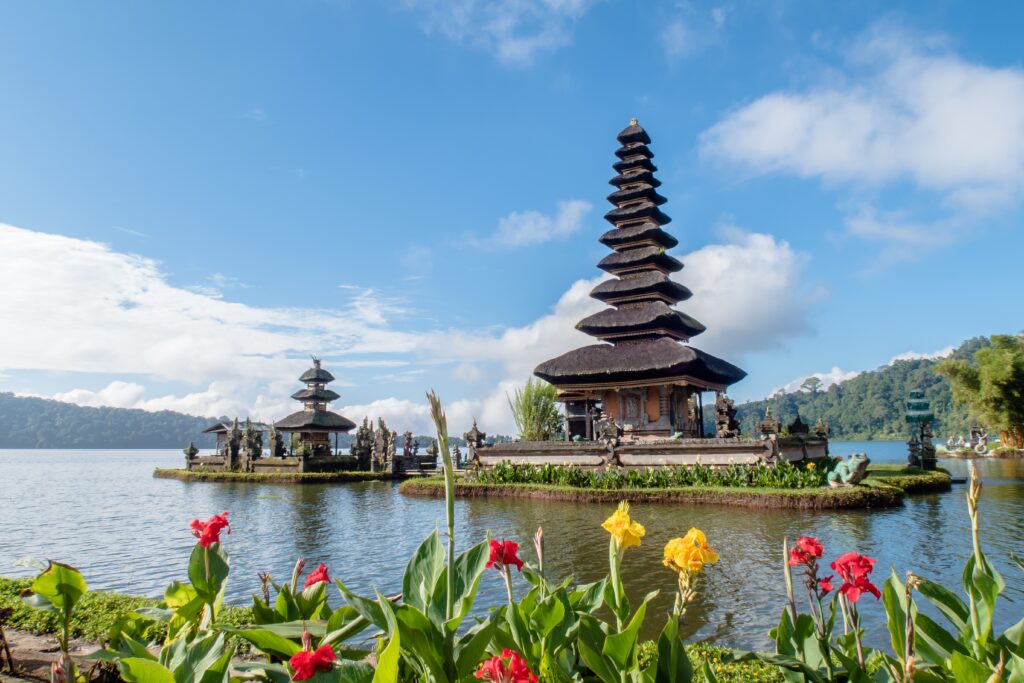
Munduk sits in Bali’s cooler northern highlands, a region most first time visitors skip entirely in favor of the south, and it delivers a noticeably different climate and landscape from anywhere else on this list, mist covered hills, clove and coffee plantations, and a string of waterfalls within easy reach of the small town itself.
The Twin Lakes, Buyan and Tamblingan, sit nearby framed by dense forest, with a viewpoint along the main road delivering one of the more underrated panoramas on the entire island.
Temperatures here run noticeably cooler than the coast, a genuine relief if you’ve spent several days in the heat further south.
Munduk works well as an overnight stop on a broader loop through the north, rather than a rushed day trip from Ubud given the driving distance involved.
Bring a light jacket, something that feels almost absurd to pack for Bali until you’re actually standing in Munduk’s cooler evening air.
Visit One of Bali’s Lesser Known Areas
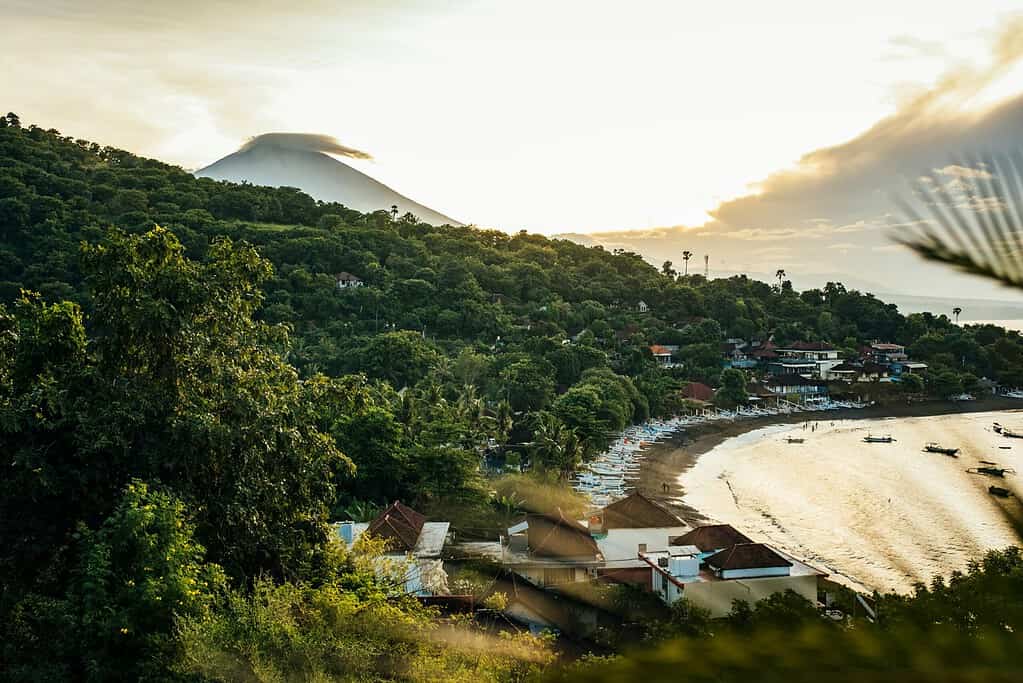
Bali’s south gets the overwhelming majority of visitor traffic, which means the island’s quieter corners often deliver a version of Bali that feels noticeably more authentic simply because far fewer tourists bother making the trip.
Amed, on the northeast coast, offers black sand beaches, excellent shore diving and snorkeling along its reef, and a slow paced fishing village atmosphere that’s a world away from Kuta or Seminyak.
Pemuteran, further along the north coast, is known for its calm bay and coral restoration projects, a genuinely peaceful base for diving without the crowds found further south.
Tulamben draws divers specifically for the USAT Liberty shipwreck, a World War Two era wreck now covered in coral and accessible directly from the beach.
Lovina, on the north coast, is known for dolphin watching boat trips at sunrise and a noticeably slower, more local pace of life than almost anywhere in the south.
Pick one and build a night or two into your Bali itinerary, even a brief detour to any of these delivers a genuinely different side of the island most visitors never see.
Final Thoughts on Your Bali Bucket List
Bali gives you everything on this list and then quietly hands you a dozen things you never planned for. A conversation with a stranger at a warung that turns into an hour.
A backroad you took by accident that ends up being the best part of the day. A rice terrace nobody mentioned that ends up in every photo you show people when you’re home.
The list above is a starting point, not a finish line. You won’t do all 29 in one trip, and trying to is exactly the mistake this whole article warned against at the start.
Pick what genuinely pulls at you, leave room for the unplanned, and let Bali fill in the rest on its own terms.
Go slowly when the island asks you to. Eat with your hands when it feels right. Talk to the people running the small warungs and homestays, they’re often the best part of the whole trip. And come back. Almost everyone does.

How many days do you need for a Bali bucket list trip?
Ten to fourteen days covers the main highlights without feeling rushed, south Bali, Ubud, Nusa Penida, and a day or two in the highlands or north.
Three weeks lets you slow down properly and add Amed, Munduk, or Sidemen without cutting anything else. Anything under a week means picking one region and accepting you’ll miss the rest.
Do you need a scooter to see everything on this list?
No, a scooter genuinely opens up the backroads and countryside, but it’s not required, drivers, day tours, and car rentals with a driver cover almost everything on this list comfortably and safely, especially for anyone not confident riding in Bali’s traffic. Only attempt the scooter route yourself if you’re an experienced rider.
What is the single best thing to do in Bali if you only have one day?
Sunrise at Mount Batur followed by an afternoon in Ubud, the Sacred Monkey Forest, a walk through Tegalalang, and dinner in town gives you volcano, jungle, culture, and food in a single day, arguably the most complete single-day version of Bali available.
Should you split your time between south Bali and the north or islands, or focus on one region?
Split it if you have ten days or more. South Bali and Ubud cover culture, temples, and nightlife, while Nusa Penida and the north deliver a completely different, quieter side of the island. On a shorter trip, base yourself in one region and treat the rest as a reason to come back.
