
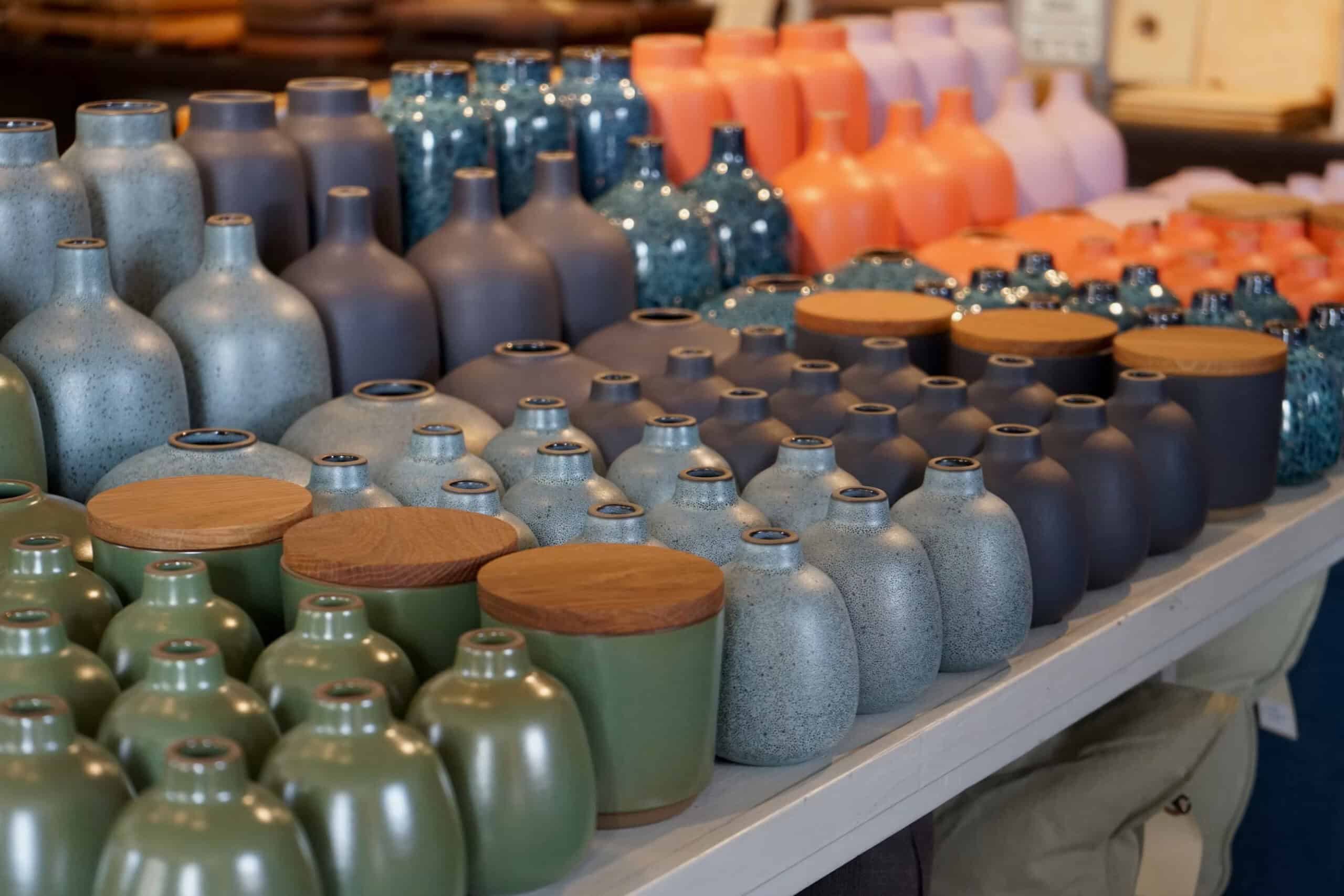
20 Best Japanese Souvenirs to Buy in Japan
One of the best parts of traveling is bringing a little piece of the country back home with you, and when it comes to the best Japanese souvenirs and things to buy in Japan, the options are genuinely extraordinary.
From the neon-lit electronics floors of Akihabara to the knife shops of Tsukiji Market, the ceramic studios of Kyoto, and the chaotic treasure hunt that is any Don Quijote store at midnight, Japan offers a shopping experience unlike anywhere else in the world.
Some of what you’ll find is uniquely Japanese in a way that can’t be replicated or shipped internationally. Some of it is practical. Some of it is delicious.
And some of it, like the regional Kit-Kat flavors and the vintage denim in Shimokitazawa, you’ll spend the rest of your trip going back for.
I’ve visited Japan multiple times, and every trip I leave with a bag fuller than planned and a list of things I wish I’d bought more of.
This guide covers the best things to buy in Japan, from classic cultural keepsakes to the specific finds that make Japan’s shopping scene so hard to forget.
If you’re wondering what to buy in Japan during your trip, this will help you shop smart and leave with things worth bringing home
Matcha Everything
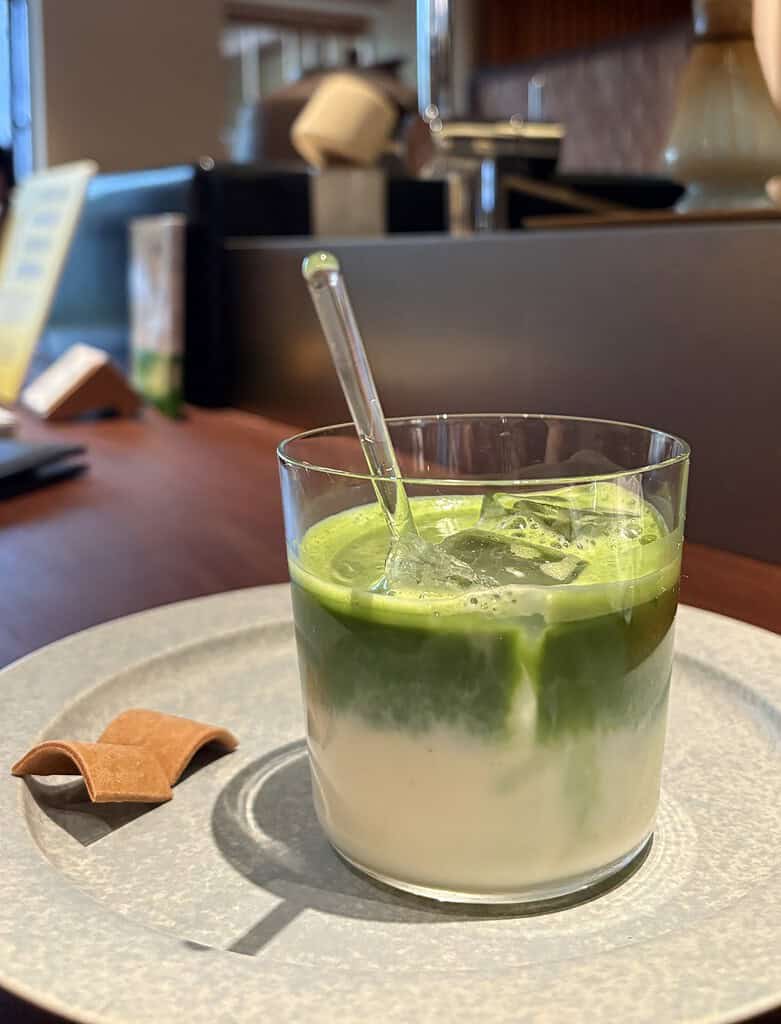
Matcha is Japan’s most iconic flavor and one of the best categories of souvenirs you can bring home, practical, delicious, and available across an extraordinary range of products.
Ceremonial grade matcha powder for home preparation is one of the best things to buy if you’re a tea drinker.
Quality varies significantly and Japan’s domestic pricing is meaningfully better than anything you’ll find imported back home. Look for tins from established Kyoto producers like Ippodo or Tsujiri.
Beyond the powder, matcha extends into chocolates, cookies, mochi, soft serve mix, KitKats, cake mixes, face masks, and soap.
Nishiki Market in Kyoto and the basement food halls of any major department store are excellent places to browse the full range.
Matcha products are lightweight, easy to pack, and make gifts that people actually use. Buy more than you think you need, you’ll wish you had.
Japanese Nail Clippers, Tweezers and Beauty Scissors
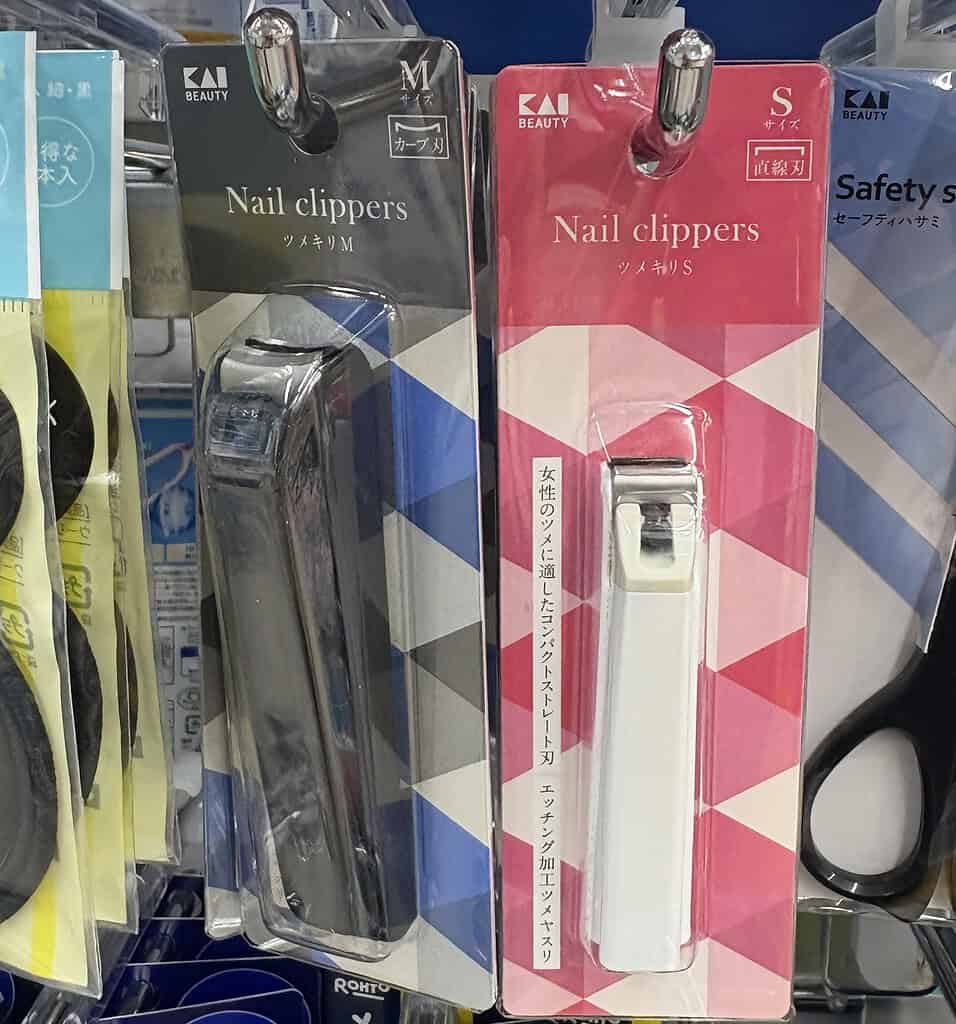
Japan’s grooming tools are some of the best small souvenirs you can bring home, and most of them come from one place.
Seki City in Gifu has an 800 year history of making swords and cutlery, and it’s ranked alongside Solingen in Germany and Sheffield in England as one of the world’s great blade towns. That same craftsmanship goes into a nail clipper.
For nail clippers, look for Kai. The cut is clean, the blades stay sharp for years, and the edges are finished far better than anything from a drugstore back home.
For tweezers, I’d go with Green Bell. Their tweezers grip fine hairs precisely, and their small beauty scissors are made for trimming brows and tidying up. Green Bell also sells these as grooming sets, which makes an easy gift.
Buy them in Japan. Counterfeit Green Bell products circulate online, and the real ones are easy to find in souvenir shops. They’re small, light, and they’ll outlast most things in your suitcase.
Japanese Kit-Kats
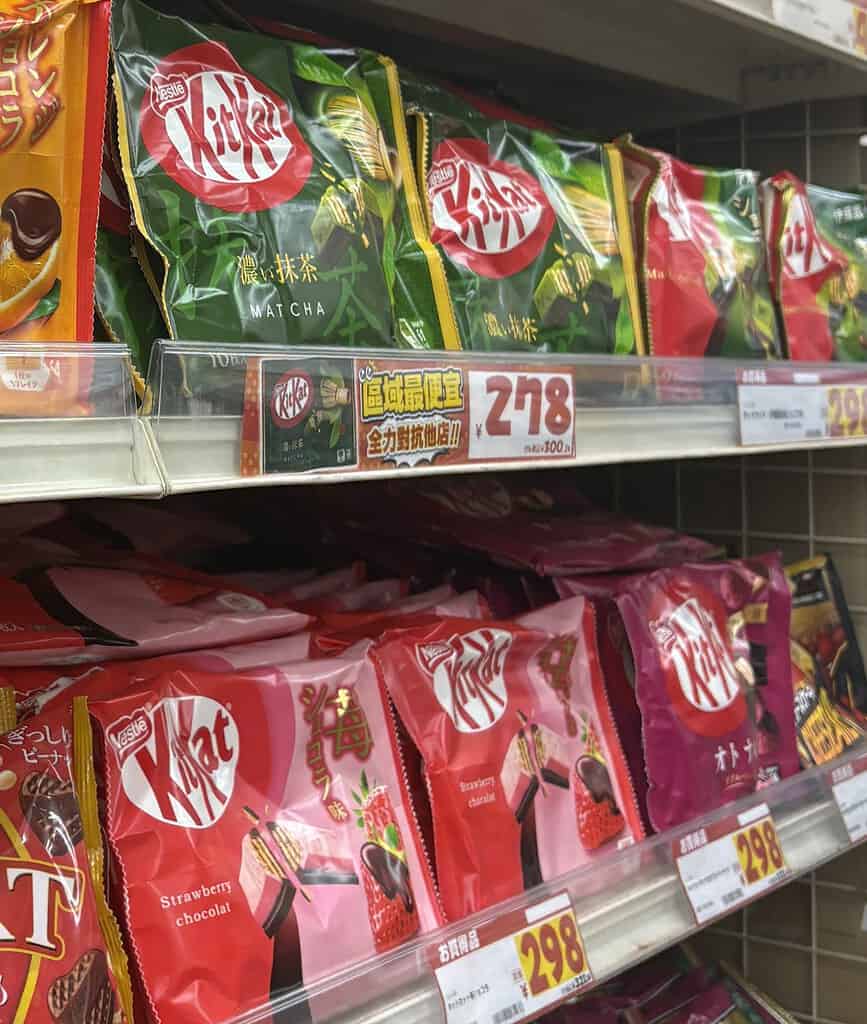
Japanese Kit-Kats are in a category entirely their own, and no list of things to buy in Japan is complete without them.
Japan produces over 400 Kit-Kat flavors, many of them regional and only available in specific prefectures. Matcha from Kyoto. Wasabi from Shizuoka. Sake flavor. Roasted soy bean.
Strawberry cheesecake. Sweet potato. Rum raisin. Some flavors disappear seasonally and never return.
The regional aspect makes them genuinely worth hunting. Convenience stores carry standard flavors everywhere, but the regional varieties require visiting specific areas or dedicated Kit-Kat specialty shops in Tokyo and Kyoto. Donki (Don Quijote) usually has an impressive selection at competitive prices.
They’re cheap, lightweight, and the most universally appreciated souvenir you can bring back for people at home.
Buy a variety. Bring more than you think is reasonable. You will hand them all out within days of returning.
Japanese Whisky
Japanese whisky has spent the last two decades earning a reputation as some of the finest in the world, and buying bottles in Japan, at Japanese domestic retail prices, is significantly more affordable than purchasing the same bottles internationally.
Suntory’s Hibiki, Yamazaki, and Hakushu expressions are the most recognized internationally. Nikka’s Taketsuru and From the Barrel are outstanding and frequently better value.
Smaller independent distilleries like Chichibu produce limited releases that are genuinely difficult to find outside Japan.
Duty-free shops at Narita and Haneda airports have good selections, but specialty liquor stores in major cities often carry rare and regional expressions the airport shops don’t stock. Yaesu Liquor in Tokyo’s Yaesu underground is one of the best.
If you drink whisky or know someone who does, bringing back a bottle you can’t easily find at home is one of the most thoughtful and genuinely valuable souvenirs available.
Japanese Skincare and Beauty Products
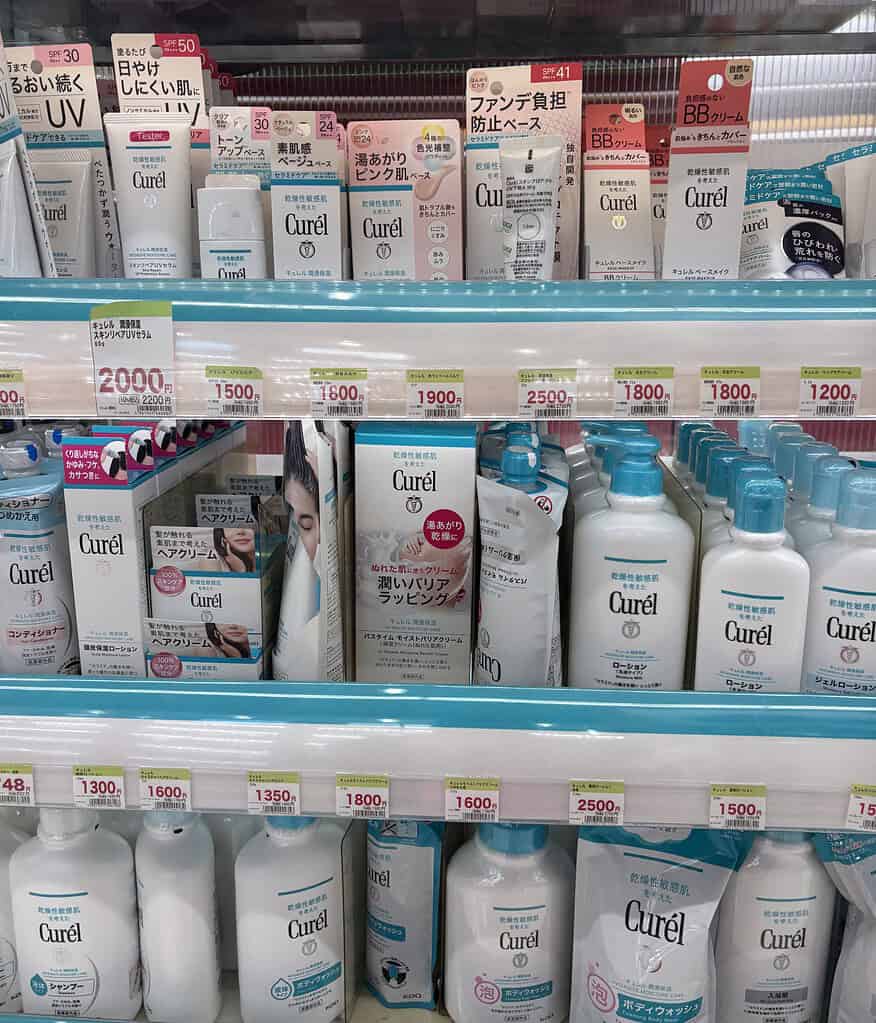
Japan’s drugstore skincare and beauty scene is extraordinary in both quality and value, and it’s one of the most consistently recommended shopping categories among travelers who’ve been.
Hada Labo’s hyaluronic acid lotions and moisturizers are a good place to start. Shiseido products are priced significantly below international retail, SK-II is available at domestic pricing, and sheet masks come in varieties that simply don’t exist in Western markets.
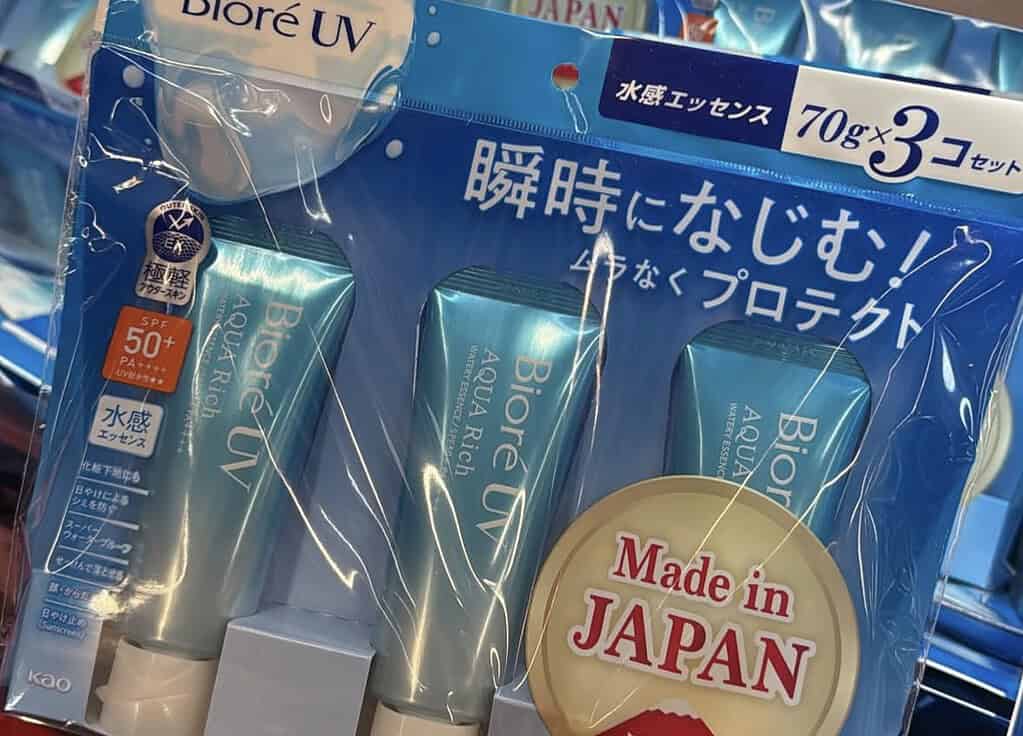
Biore UV sunscreen deserves its own mention. The Biore UV Aqua Rich Watery Essence is the one most travelers end up grabbing.
It’s lightweight, absorbs fast, and leaves no white cast, which is exactly why it outperforms most Western sunscreens at a fraction of the price.
It’s easy to find in any drugstore, and it’s one of the few souvenirs you’ll actually finish before you get home.
Matsumoto Kiyoshi and Welcia are the two main drugstore chains to know, they’re everywhere in major cities and carry full ranges of Japanese beauty brands alongside tourist tax-free counters for eligible purchases.
Japanese skincare prioritizes hydration, sun protection, and texture in ways that tend to suit a wide range of skin types.
Even if skincare isn’t your primary shopping goal, spending an hour in a Japanese drugstore beauty section will almost certainly convert you.
100 Yen Shop Finds
Japan’s 100 yen shops, Daiso, Seria, and CanDo, sell an extraordinary range of items for ¥100-300 each, and the variety of genuinely useful and beautifully designed things available at these prices is one of Japan’s shopping surprises.
Travel accessories, kitchen items, stationery, storage solutions, seasonal decorations, phone accessories, and unique Japanese snacks, all at ¥100-300. The design quality at Seria in particular rivals what you’d pay multiples more for elsewhere.
For souvenirs, 100 yen shops are excellent for small gifts to bring back for multiple people, Japanese-designed items at prices that make buying ten of something completely reasonable.
Don’t overlook these stores in favor of tourist souvenir shops. The items are often more authentically Japanese, better designed, and a fraction of the price.
Nintendo and Pokémon Merchandise

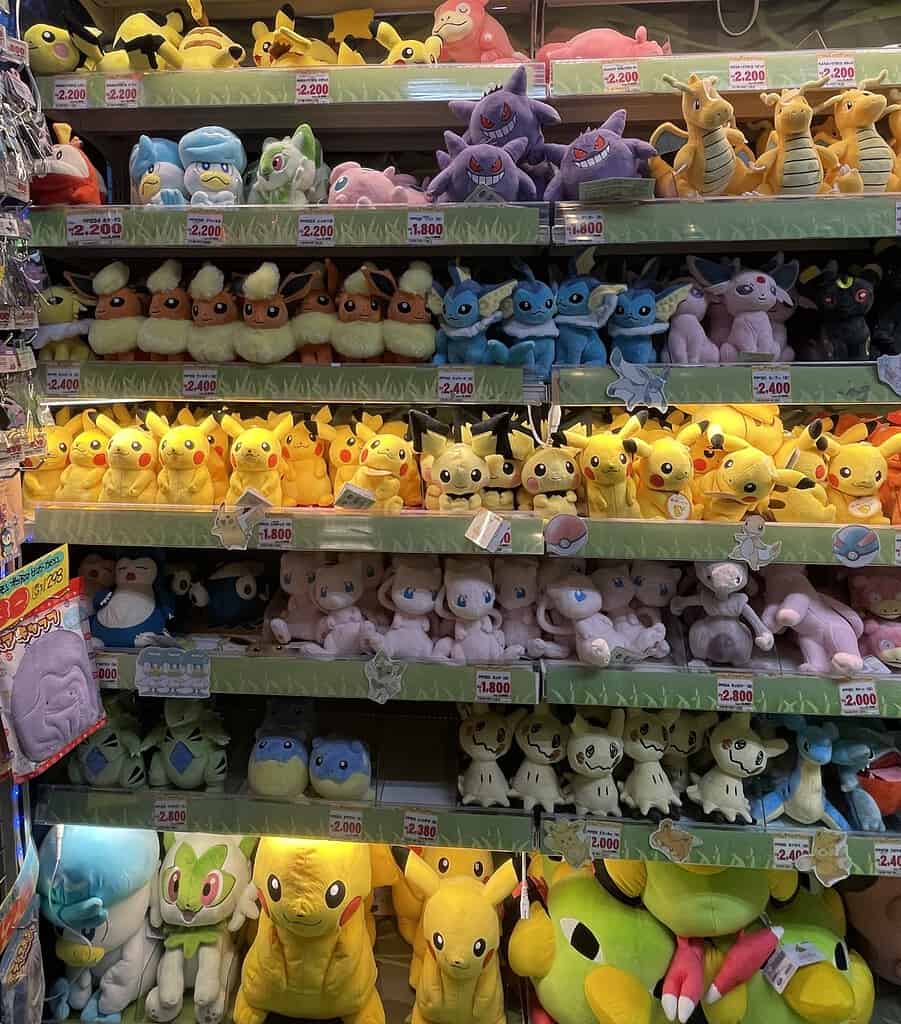
Japan is the home of Nintendo and Pokémon, and the official merchandise available here is in a completely different category from anything available internationally.
The Nintendo Store in Tokyo (located in Shibuya Parco) carries exclusive items, limited edition releases, and the full range of official merchandise across all Nintendo franchises, Mario, Zelda, Animal Crossing, Kirby, and more.
The Pokémon Center flagship stores in Tokyo, Osaka, and other major cities are similarly extensive, with exclusive plush figures, trading cards, clothing, and accessories.
These aren’t the mass-produced items you find at international retailers. Many are Japan-exclusive, seasonal, or limited edition runs that are genuinely difficult to source after the fact.
If you have Nintendo or Pokémon fans in your life, or if you are one, factor dedicated time into your itinerary for these stores.
They require more time than you’d expect and you will leave with more than you planned.
Anime Merchandise
Beyond Nintendo and Pokémon, Japan’s broader anime merchandise scene is its own vast universe worth exploring, particularly in Akihabara in Tokyo and Nipponbashi (Den Den Town) in Osaka.
Official figure series, limited edition art prints, character goods, collaborative café merchandise, and manga volumes not yet translated for international release, all of this is available in Japan at domestic pricing.
Mandarake is the chain to know for high-quality second-hand anime merchandise at significantly reduced prices.
Multiple locations across Tokyo and Osaka carry figures, manga, vintage posters, and collectibles across virtually every franchise.
Whether you’re a dedicated collector or just want something meaningful for a fan in your life, Japan’s anime merchandise ecosystem is unmatched anywhere in the world and worth a significant chunk of your shopping budget.
Old School Electronics and Gadgets in Akihabara
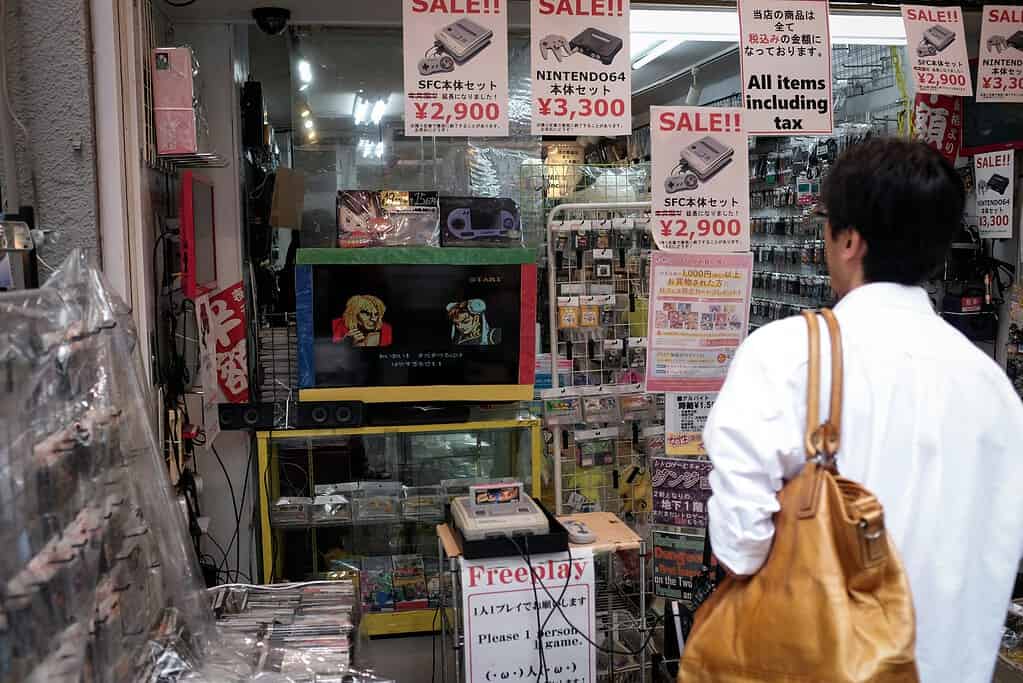
Akihabara in Tokyo is Japan’s legendary electronics district, and even in an era of online shopping, it remains one of the most extraordinary places in the world to browse electronics, gadgets, and technology.
Multi-floor electronics stores sell everything from the latest Sony and Panasonic products to vintage synthesizers, retro gaming consoles, rare camera equipment, component parts, and gadgets that simply don’t exist in Western markets.
The retro gaming floors deserve specific mention. Japanese video game cartridges, vintage consoles, and limited edition hardware from Famicom to PlayStation eras are available at Akihabara shops that specialize in used electronics. Some finds are genuinely rare and increasingly valuable internationally.
Even if you’re not a dedicated tech buyer, walking through Akihabara’s multi-story electronics towers is an experience that captures something specific about Tokyo’s energy.
Budget at least half a day and bring your passport for tax-free purchases on eligible items.
Japanese Kitchen Knives
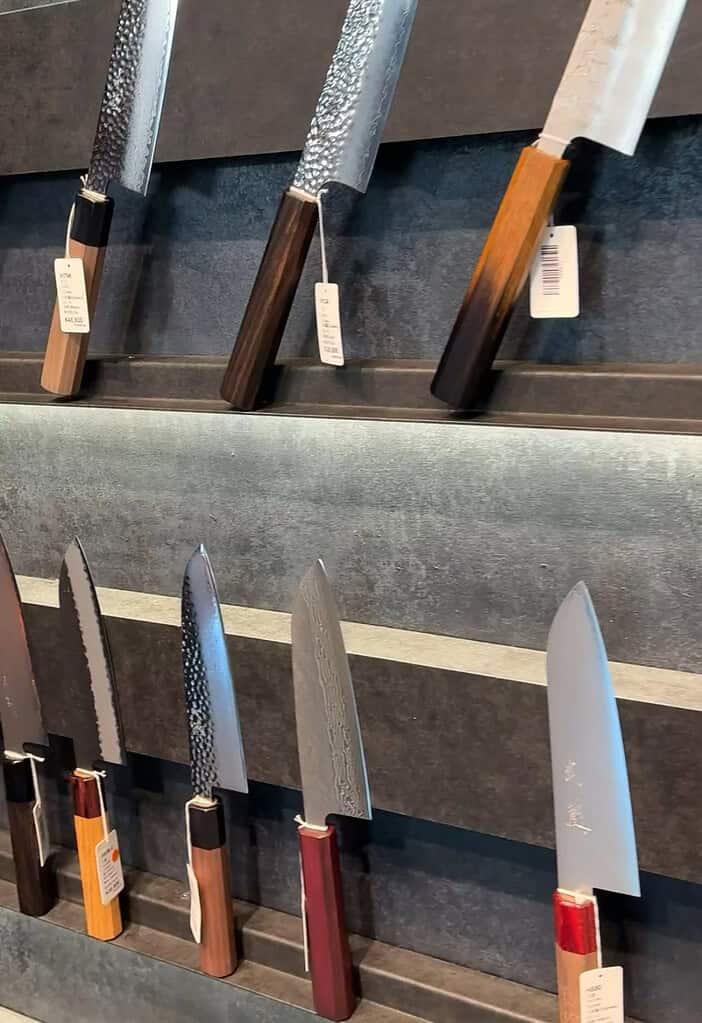
Japanese kitchen knives are among the finest in the world, and buying one in Japan, where the craft tradition is centuries old and domestic pricing is meaningfully lower than international retail, is one of the most justifiable splurges available.
The knife market in the basement of Tsukiji Outer Market in Tokyo is one of the best places to buy.
Vendors there carry professional-grade knives from established Japanese makers at prices that represent genuine value.
Kyoto’s Nishiki Market also has excellent knife shops, and the staff will often sharpen and engrave your purchase on the spot.
For serious cooking enthusiasts, a Japanese knife is one of the best possible souvenirs, functional, extraordinary in quality, and something you’ll use every day at home long after the trip ends.
Research the style you want before you go, gyuto (chef’s knife), santoku (all-purpose), nakiri (vegetable), and set a budget.
Entry-level quality Japanese knives start around ¥3,000-8,000. Professional grade runs ¥15,000-50,000 and beyond.
Uniqlo — Flagship Ginza Tokyo
Uniqlo is a Japanese brand, and shopping at the flagship Ginza store in Tokyo is a completely different experience from any Uniqlo you’ve visited back home.
The Ginza flagship carries the full range including Japan-exclusive collaborations, UT graphic tees featuring Japanese artists and franchises not available internationally, Uniqlo U and +J designer lines, and seasonal items that don’t make it to international stores.
Japanese sizing runs smaller than Western equivalents, which is worth factoring in when shopping, but the quality-to-price ratio of Japanese domestic Uniqlo pricing versus what the same items cost internationally makes it worth the effort.
HEATTECH, AIRism, and the cashmere range in particular are worth stocking up on in Japan where pricing is lower and selection is broader than international stores.
Japanese Denim and Streetwear
Japan produces some of the finest denim in the world, and the vintage and streetwear scene, particularly in Shimokitazawa in Tokyo and Amerika-Mura in Osaka, is extraordinary.
Japanese selvedge denim brands like Oni Denim, Japan Blue, Samurai Jeans, and Fullcount are made to standards that rival or exceed the European heritage brands they’re often compared to. Prices are high but reflect genuine quality, these are jeans that last decades.
For vintage clothing, Shimokitazawa is one of Tokyo’s most unique neighborhoods. Dozens of independent vintage shops carry curated selections of Japanese and American vintage at prices that are reasonable by Tokyo standards and exceptional by international vintage market standards.
Even if you’re not a denim or vintage enthusiast going in, walking through Shimokitazawa on a weekend afternoon has a way of converting people.
Japanese Folding Fans
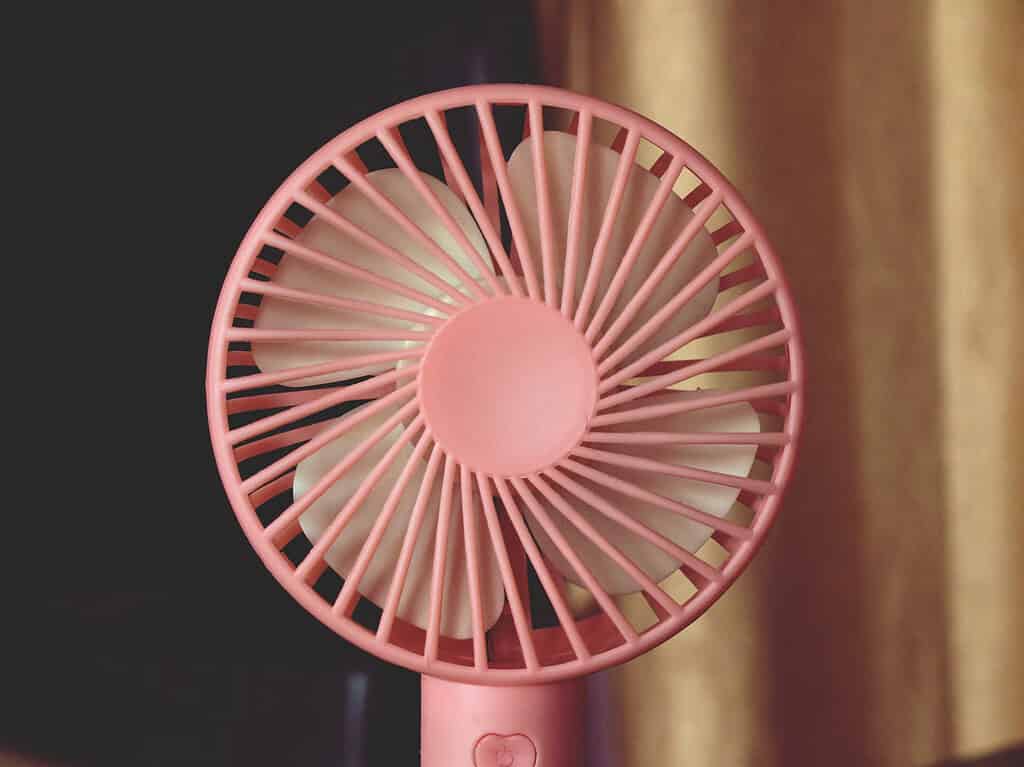
Japanese folding fans, sensu, are one of those souvenirs that look decorative but are entirely functional, and the quality available in Japan ranges from affordable tourist versions to handcrafted Kyoto pieces worth displaying as art.
In Kyoto, traditional fan workshops have been producing sensu for centuries, and buying from a specialty shop rather than a tourist market stall means getting something made with genuine craft.
Prices for quality Kyoto fans start around ¥2,000-5,000 and increase significantly for higher-grade handmade pieces.
They’re lightweight, pack flat, and genuinely useful in Japan’s summer heat. The aesthetic, painted with seasonal motifs, traditional patterns, or landscapes, captures Japanese visual culture in a compact and practical form.
For something that’s both beautiful and useful rather than purely decorative, Japanese fans are one of the better souvenir choices available.
Japanese Ceramics and Pottery
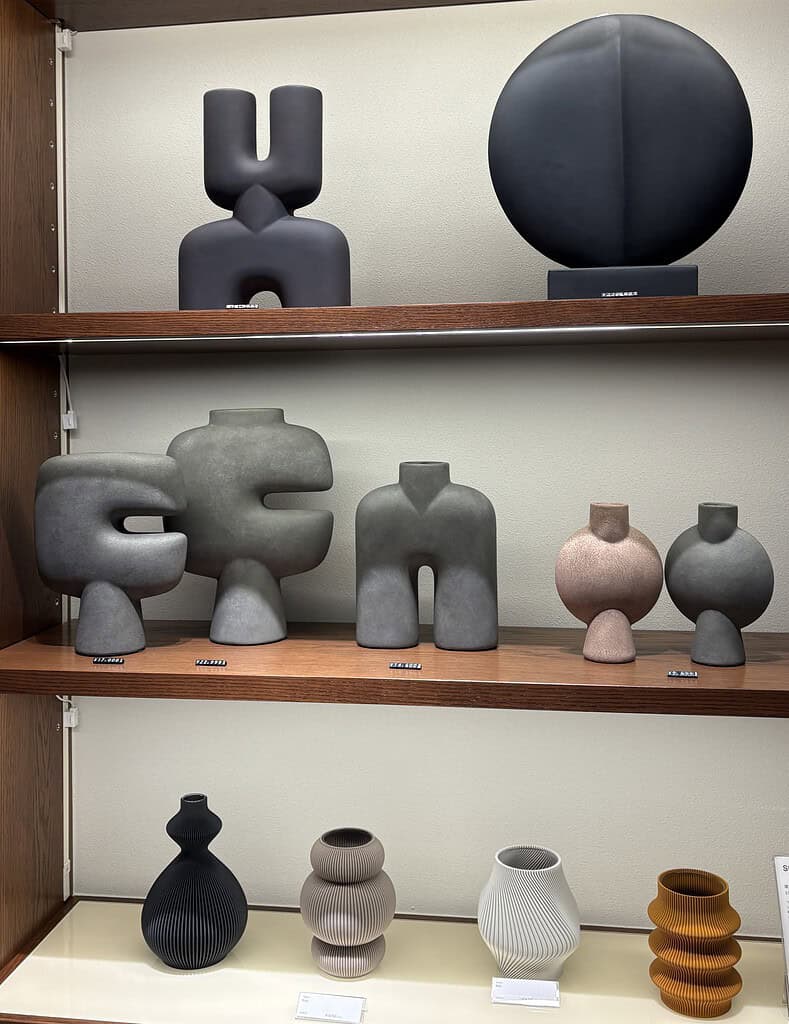
Japan’s ceramic tradition spans centuries and multiple distinct regional styles, and bringing home a piece of Japanese pottery is one of the most meaningful and lasting souvenirs available.
Kyoto’s Kiyomizuyaki style features delicate painting on pale clay. Arita and Imari ware from Kyushu is characterized by bold blue and white patterns.
Mashiko ware from Tochigi has a rougher, more rustic aesthetic that became internationally famous through the potter Shoji Hamada.
You don’t need to spend significant money to find beautiful pieces. Markets in Kyoto’s Gion district and Nishiki Market have affordable ceramics from local makers.
Specialty pottery towns like Arita in Kyushu and Mashiko in Tochigi are worth a day trip specifically to visit studios and purchase directly from makers.
A Japanese ceramic bowl, cup, or small vessel is one of those items you’ll use daily at home and think about where it came from every time.
Sake
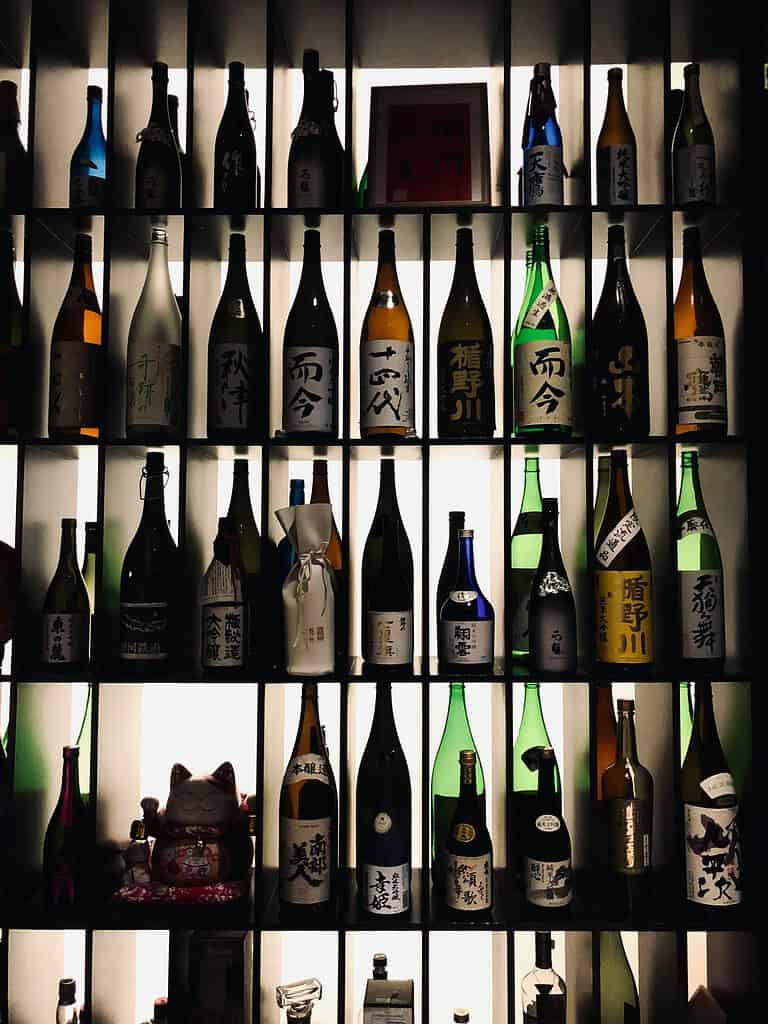
Japan produces sake in every region of the country, and each area has its own distinct brewing traditions, flavor profiles, and signature styles that you simply cannot find in international liquor stores.
Buying regional sake in Japan means access to small-batch, locally distributed bottles that never leave the prefecture they’re made in.
The izakaya you love in Kyoto may serve a sake from a brewery 30 kilometers away that has no international distribution whatsoever.
Sake shops in major cities carry curated selections from across Japan. Department store basement liquor sections are excellent.
Breweries in sake production regions like Nada in Kobe and Fushimi in Kyoto offer tastings and direct sales.
Sake travels reasonably well as a checked luggage item when wrapped carefully. Bring home a bottle you discovered during the trip and it will taste like more than just the drink, it’ll taste like where you were when you found it.
Japanese Stationery
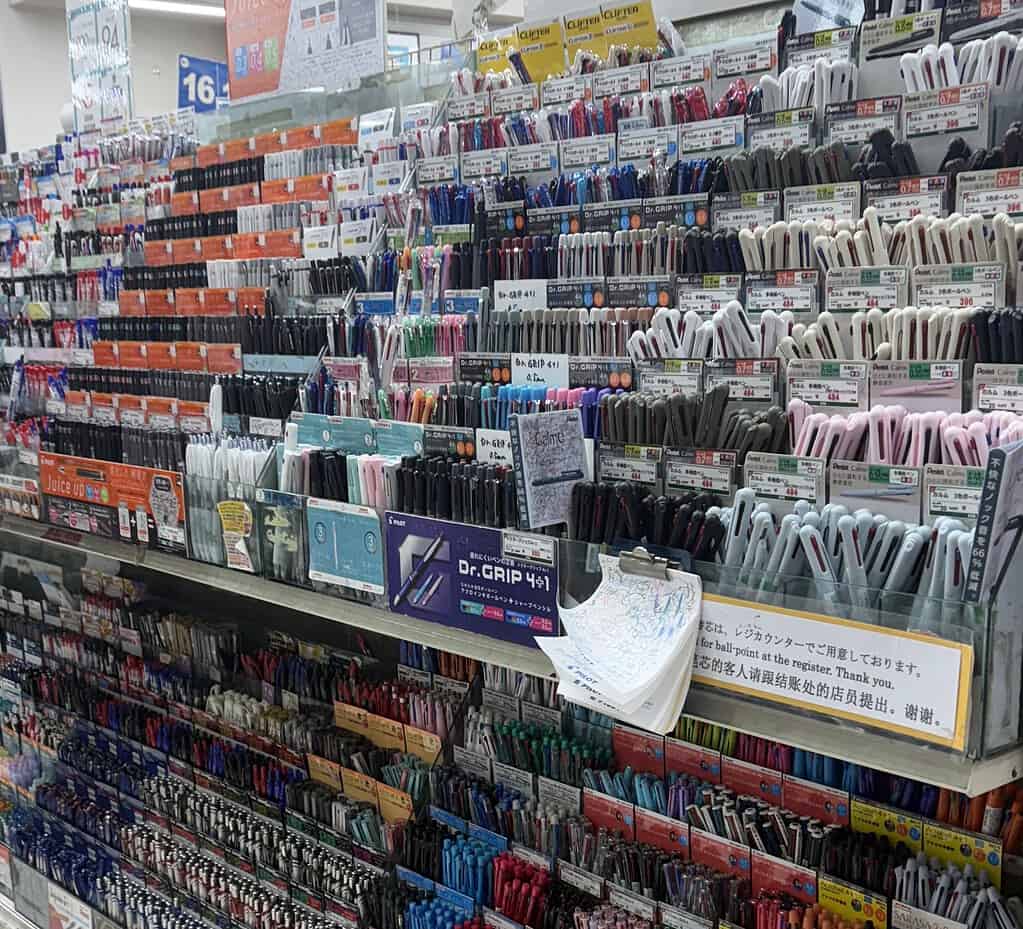
Japan’s stationery culture is extraordinary, and the quality and design of pens, notebooks, washi tape, and paper goods available here is on a level that stationery enthusiasts from around the world specifically travel for.
The Midori brand produces notebooks, travelers’ journals, and accessories that have a dedicated international following but are significantly cheaper to buy in Japan.
Muji’s stationery section offers beautifully minimal designs at accessible prices. Itoya in Ginza, twelve floors of stationery in central Tokyo, is the most comprehensive stationery store most visitors will ever encounter.
Even for people who don’t consider themselves stationery enthusiasts, Japan’s paper goods section in any department store tends to convert people quickly.
The combination of quality, design, and price point is difficult to walk away from empty-handed.
Omamori Charms
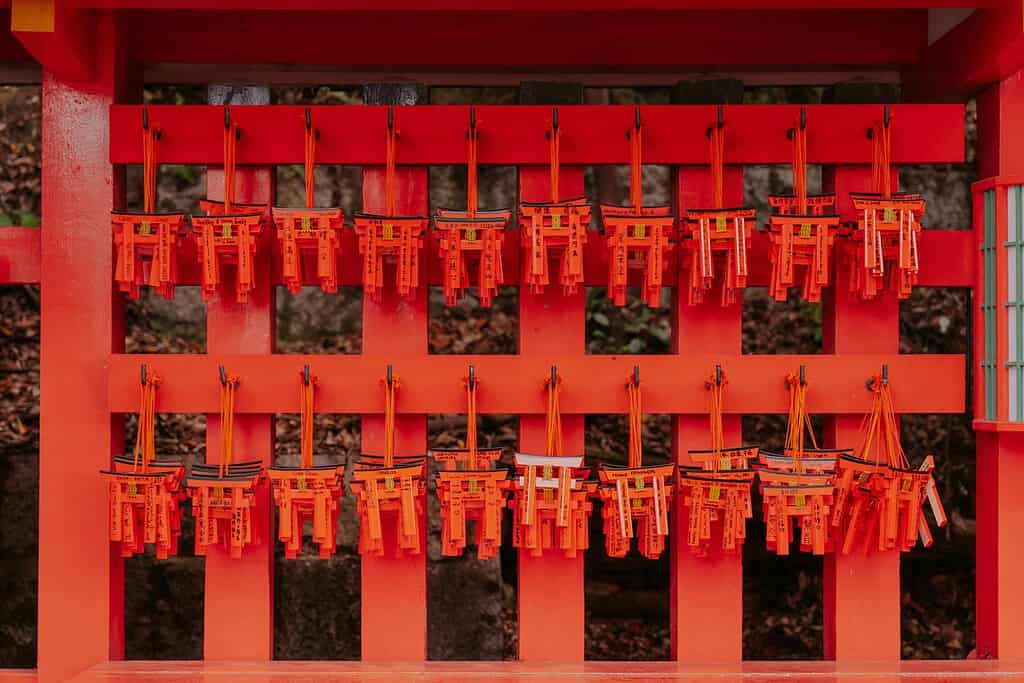
Omamori are small fabric charms sold at temples and shrines across Japan, each containing a prayer or blessing for a specific purpose, health, academic success, safe travel, love, business, and more.
They’re one of the most genuinely meaningful souvenirs available in Japan. Bought at a specific shrine or temple, Meiji Jingu in Tokyo, Fushimi Inari in Kyoto, Dazaifu Tenmangu in Fukuoka, they carry the spiritual association of that specific place.
Prices are modest, typically ¥500-1,000 each. They’re small, lightweight, and the variety of blessings available makes them thoughtful and personalized gifts for people at home.
Unlike many temple souvenirs, omamori aren’t mass-produced tourist items, they’re made at the shrine, blessed by priests, and changed annually.
Buying one is a participation in a tradition that has existed in Japan for centuries.
Traditional Tenugui Cloth
Tenugui are thin Japanese cotton cloths, approximately 35 by 90 centimeters, printed with traditional or contemporary designs, and they’re one of Japan’s most underrated and genuinely versatile souvenirs.
Locals use them as hand towels, dish cloths, wrapping fabric, wall hangings, and head coverings.
The prints range from traditional seasonal motifs, ukiyo-e inspired designs, and regional patterns to contemporary graphic designs that feel entirely modern.
They’re lightweight, pack completely flat, and cost ¥500-2,000 depending on quality and design.
Specialty tenugui shops exist in most major cities, Kyoto in particular has excellent options in the Gion district.
As a souvenir, tenugui sit in the best possible category: beautiful, functional, genuinely Japanese, and something the recipient will actually use rather than store in a drawer.
Japanese Snack Packs and Convenience Store Hauls
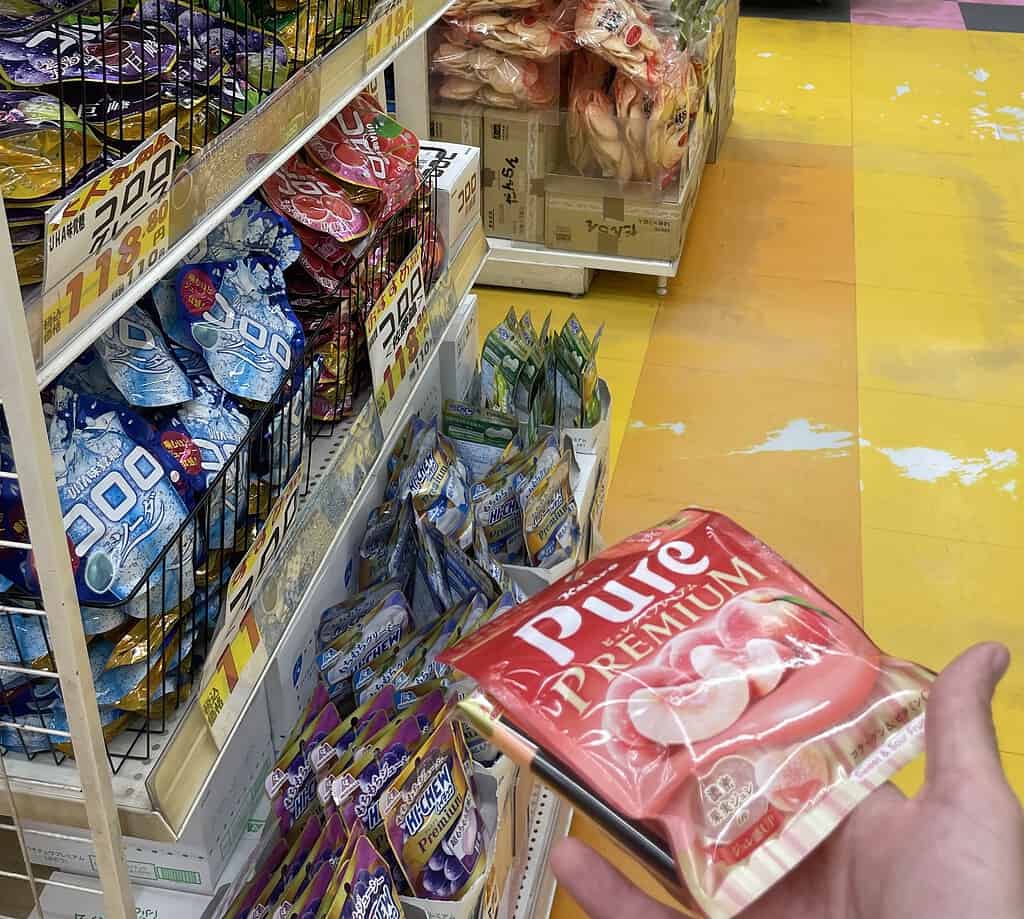
Japan’s convenience store and snack culture is one of the country’s genuine wonders, and loading up on Japanese snacks to bring home is one of the most universally enjoyable shopping activities of any Japan trip.
Beyond the famous Kit-Kats, Japan’s snack landscape covers incredible ground. Calbee’s regional potato chip flavors. Meiji chocolate in varieties not sold internationally.
Pocky in flavors exclusive to Japan. Dagashi, traditional Japanese penny candy, from specialty shops. Dried fruits. Mochi in every form imaginable.
Unique crackers and sembei (rice crackers) in flavors ranging from subtle to aggressively savory.
Don Quijote has the best selection and most competitive pricing for snack hauls. Convenience stores carry what you need for daily snacking.
Airport duty-free has packaged assortments designed for bringing home, convenient but priced at a premium.
Buy a variety, mix familiar and unfamiliar, and leave room in your luggage specifically for the snack haul. You’ll be glad you did the moment you’re back home reaching for something Japanese and finding it.

Where to Buy Souvenirs in Japan
Knowing what to buy is one thing, but knowing where to shop makes the experience significantly better.
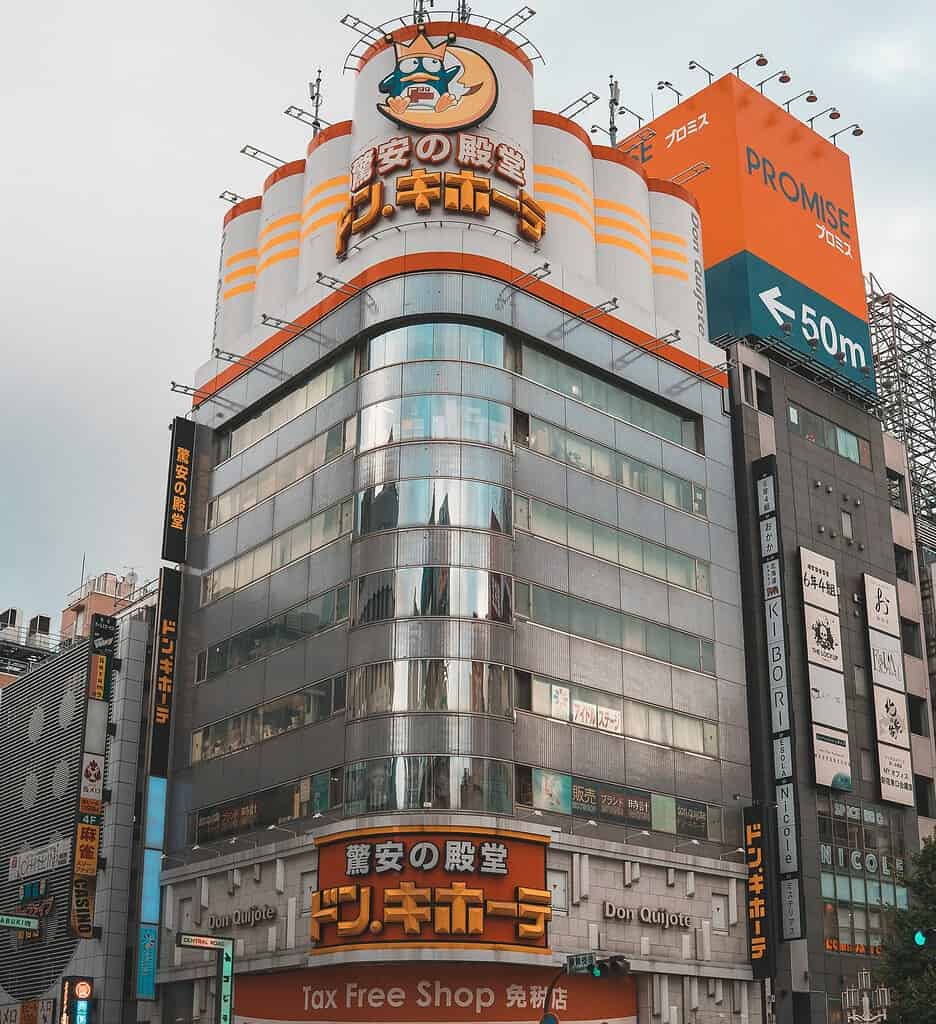
Don Quijote (Donki) — The best one-stop shop for snacks, beauty products, electronics, souvenirs, and anime goods at competitive prices. Open late or 24 hours.
Department Store Basement Floors (Depachika) — Premium food gifts, sake, regional specialties, and beautifully packaged Japanese confectionery worth giving.
Ueno Shopping District — One of Tokyo’s most affordable shopping areas, anchored by Ameyoko Market running under the train tracks. Vendors sell snacks, cosmetics, clothing, and more
Akihabara — Electronics, retro gaming, anime merchandise, and gadgets.
Nishiki Market, Kyoto — Kitchen knives, ceramics, matcha products, regional food specialties.
Shimokitazawa, Tokyo — Vintage clothing, denim, independent boutiques.
100 Yen Shops (Daiso, Seria) — Gifts, travel accessories, Japanese-designed everyday items at extraordinary value.
Convenience Stores — 7-Eleven, Lawson, and FamilyMart for snacks, Kit-Kats, and daily finds.
Temples and Shrines — Omamori charms, incense, and spiritual keepsakes.
Final Thoughts on What to Buy in Japan
Shopping in Japan is more than picking up souvenirs, it’s part of experiencing how the country operates.
The care that goes into packaging. The quality at every price point. The specific regional items that exist nowhere else.
The discovery of a Kit-Kat flavor you’ve never seen before or a knife shop where the owner will sharpen your purchase while you wait. These moments are as memorable as any temple or train ride.
My honest advice: don’t leave all your shopping for the last day. Some of the best finds come from wandering without a specific goal, and the best markets and specialty shops reward time rather than rushing. Budget shopping time into your itinerary rather than treating it as an afterthought.
Tokyo has the widest selection and most competitive pricing overall. Kyoto is best for traditional crafts, ceramics, and matcha.
Osaka covers food and snacks better than anywhere else. And Akihabara is its own universe that justifies a dedicated half-day regardless of your interests.
Bring an extra bag. Buy the knife. Get more Kit-Kats than you think you need. You’ll use them all.
What are the best souvenirs to buy in Japan?
Japanese Kit-Kats in regional flavors, matcha products, kitchen knives, drugstore skincare, sake, and Nintendo or Pokémon exclusives are consistently the most popular.
The best souvenirs are regional items specific to where you visited that can’t be found anywhere else.
Where is the best place to buy souvenirs in Japan?
Don Quijote for value and variety, Nishiki Market in Kyoto for food and crafts, Akihabara for electronics and anime, department store basement floors for premium food gifts, and convenience stores for snacks and Kit-Kats.
Can you bring Japanese Kit-Kats home?
Yes, they’re chocolate confectionery and can be packed in carry-on or checked luggage without issues in most countries.
Buy regional flavours, they make ideal gifts and are genuinely difficult to find internationally.
Are Japanese knives worth buying in Japan?
Yes, knives purchased at Tsukiji Market or Kyoto knife shops are significantly better value than the same quality bought internationally.
Even entry-level Japanese knives outperform most Western equivalents. Research the style you want before you go.
