

What Not to Do in Mexico: 17 Tourist Mistakes
Most Mexico trips go exactly the way the brochure promised: white sand, cold drinks, and tacos that ruin every other taco.
But a few avoidable mistakes can change that quickly, which is why I put together this guide on what not to do in Mexico.
I focus mostly on the Riviera Maya, from Cancun and Playa del Carmen down to Tulum and the nearby islands, because that is where the same slip-ups come up again and again.
This is not meant to scare you. Mexico is a wonderful country, and the vast majority of visitors go home with nothing but great memories. Think of this as a quick briefing that keeps small problems from becoming big ones.
I have put the more serious points near the top. If you only read the first few sections, you will already be better prepared than most travelers.
Be Careful With Alcohol, Even at the Resort
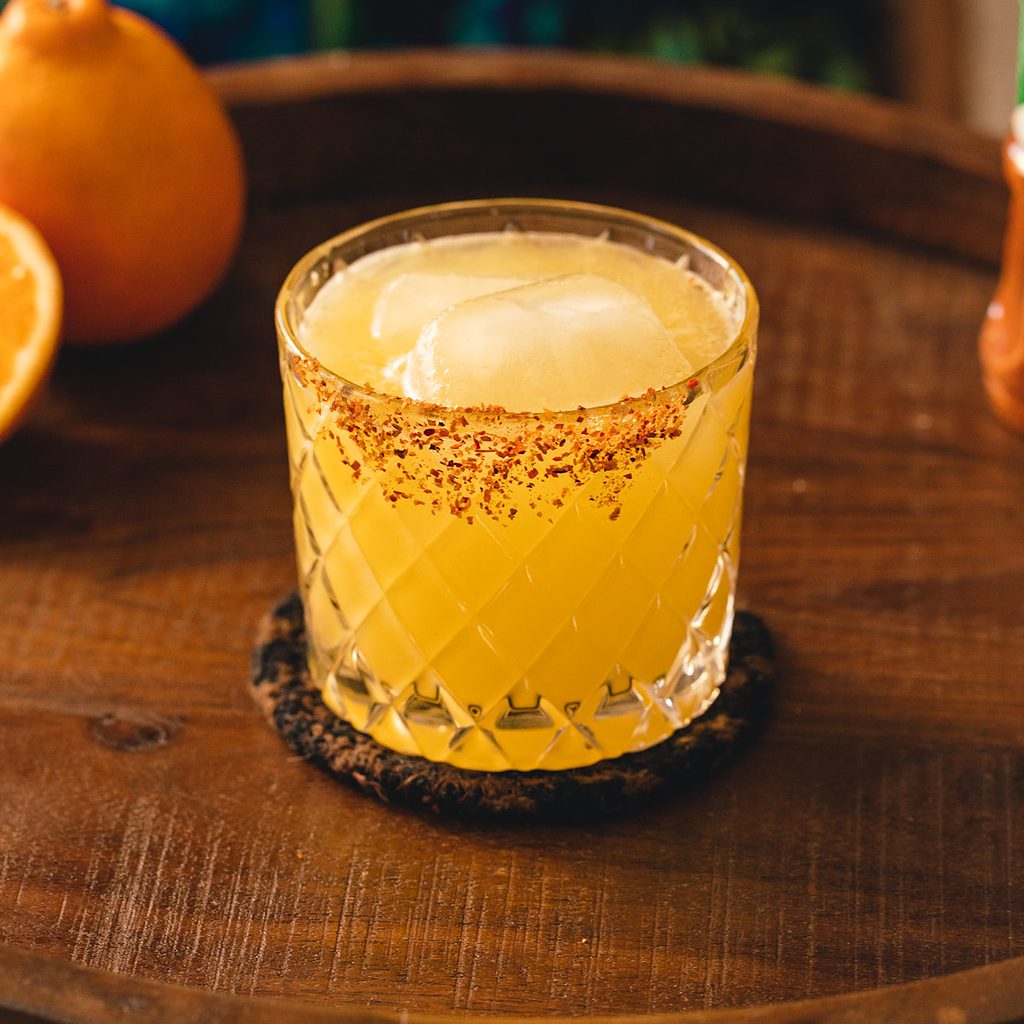
Let me start with the one that matters most. Counterfeit and tainted alcohol is a real issue in parts of Mexico, and it has caught tourists out, including in popular resort areas.
The danger is methanol, an industrial alcohol that is sometimes used to stretch or fake spirits because it is cheaper.
You cannot taste or smell it, which is exactly what makes it so risky. Authorities have previously seized thousands of gallons of altered alcohol from hotels and nightclubs in Cancun and Playa del Carmen, and governments like the UK have flagged methanol poisoning as a concern in Mexico.
The risk is higher at unlicensed bars, cheap street stalls, and anywhere the price looks too good to be true. It is lower at reputable resorts, but I would not call it zero.
Stick to well-reviewed venues, choose sealed bottles and cans when you can, and never accept an open drink from a stranger.
If you feel unusually nauseous or dizzy, or notice blurred vision after only a drink or two, get medical help straight away instead of waiting it out.
Don’t Drink the Tap Water
This one is simple, but it still catches people every single year. The tap water in Mexico is not safe to drink, and that includes Cancun, Playa del Carmen, Tulum, and the resorts in between.
Locals rely on large 20-liter jugs of purified water called garrafones, and I would follow their lead. Use bottled or purified water for drinking and for brushing your teeth. Showering is fine, just keep your mouth closed.
What about ice? At established restaurants, bars, and resorts, ice is commercially made from purified water.
It usually comes in a cylinder shape with a hole in the middle, which is a good sign. At a small stall or a very casual spot, it is perfectly fine to ask.
Bottled water is cheap and easy to find at OXXO convenience stores and supermarkets, so there is no reason to gamble.
A stomach bug on day two is a pretty poor souvenir. Bottom line? Bottled water for anything that goes in your mouth.
Watch Out for Scams
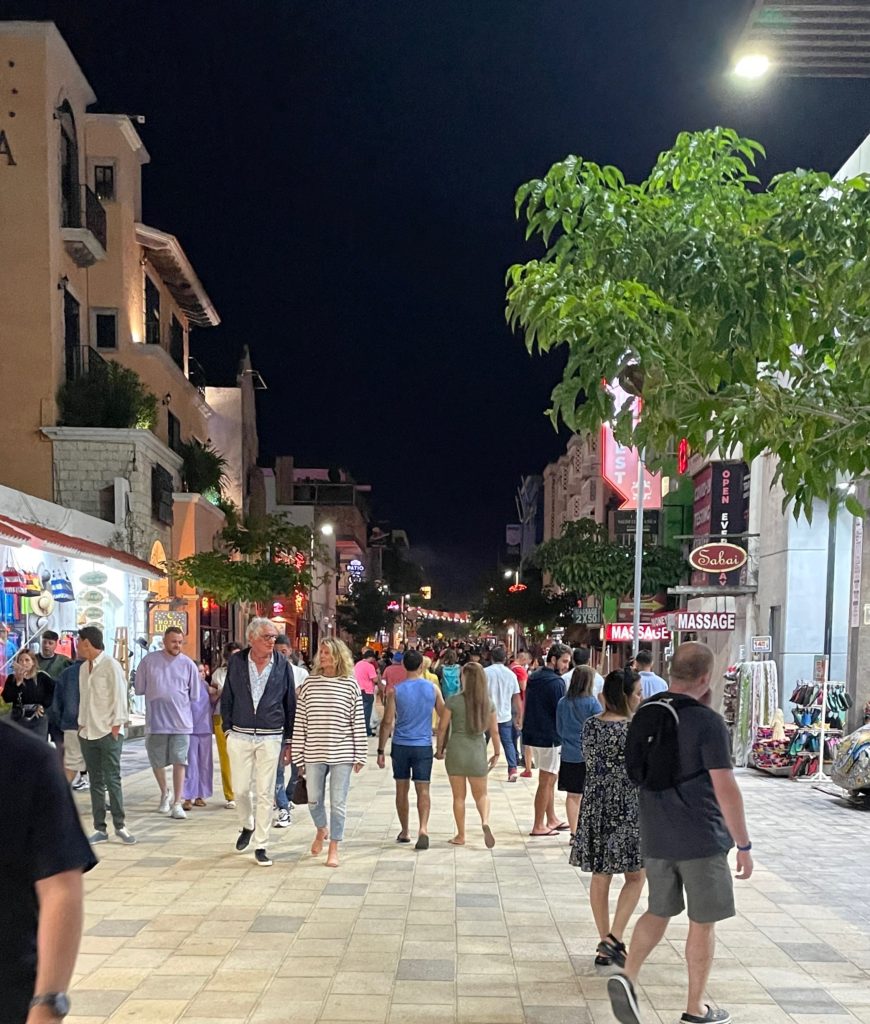
Most people in Mexico are friendly and honest, but busy tourist areas do attract a small number of opportunists. A few scams show up often enough that they deserve a mention.
Start at the airport. Cancun Airport has a known issue with unofficial drivers who approach arriving travelers, then quote steep fares or take longer routes.
The airport operator warns against using ground transportation companies outside the terminals, so pre-book a transfer or use an official counter.
Next is the restaurant bill. Check it line by line, because extra items sometimes appear, especially for larger groups. Look out for a service charge you did not agree to.
If you pay by card and the server asks whether you want dollars or pesos, choose pesos. Otherwise the terminal can apply a poor exchange rate.
Finally, be cautious about “free” tours, breakfasts, or upgrades offered in resort lobbies and on the street. They often come with a long timeshare presentation attached.
Know the Rules Before You Rent a Car
Renting a car gives you real freedom along the Riviera Maya, but driving in Mexico comes with a few quirks that are best learned before you arrive, not on the highway.
Watch for topes. These are large speed bumps, often poorly marked, that show up before towns and on otherwise empty stretches of road. Hitting one at speed can damage a rental fast.
At gas stations, a common trick involves the pump not being reset. Check that it reads zero before the attendant starts, and say “cero, por favor.”
Also say the bill amount out loud when you hand over cash, because some visitors have been shortchanged in a quick swap.
Mexican third-party liability insurance is mandatory, so expect the rental desk to push it. Read the final price carefully before you sign.
If police pull you over, stay calm and polite. Ask your rental company about Quintana Roo’s Tourist Mobility Pass, which is designed to help visitors with minor traffic stops, and confirm the current details before you go.
Finally, avoid driving at night, when unlit roads and hidden topes become a much bigger problem.
Hurricane Season Is Real, So Plan for It
The Atlantic hurricane season runs from June 1 to November 30, and the Riviera Maya sits right in its path.
That does not mean your trip is doomed. Direct hits are rare, and most travelers who visit during those months have a perfectly good time.
The highest risk window for Cancun is roughly mid-August through mid-October, with September the most likely month for a serious storm. Hurricane Beryl making landfall near Tulum in 2024 is a good reminder that it can happen.
If you travel in that window, book refundable rates where possible and buy travel insurance that covers hurricanes and trip interruption.
Many policies only include storm cover if you buy them within a short period after your first booking payment, so read the fine print.
In the week or two before you fly, keep an eye on the National Hurricane Center forecast. Even without a storm, expect afternoon downpours in the wet months, so plan your big outdoor activities for the morning.
Don’t Underestimate the Sun

This sounds obvious, yet a bad sunburn is one of the easiest ways to ruin a Mexico trip. The sun here is intense all year, including on cloudy days, and the sea breeze makes it very easy to forget how much you are cooking.
Apply sunscreen before you leave the room, then reapply after swimming and every couple of hours. Do not forget the tops of your feet, your ears, and the part in your hair.
Wear a hat and sunglasses, and take a break in the shade between about 11 a.m. and 3 p.m., when the sun is strongest.
A lightweight long-sleeve sun shirt is a great investment for boat days and snorkeling.
Heat and humidity add up quickly, especially with cocktails involved. Drink plenty of bottled water alongside them, and treat a headache or dizziness as your cue to cool down. A burn on day one can follow you for the entire trip, so be careful early.
Carry Pesos, Not Just Cards
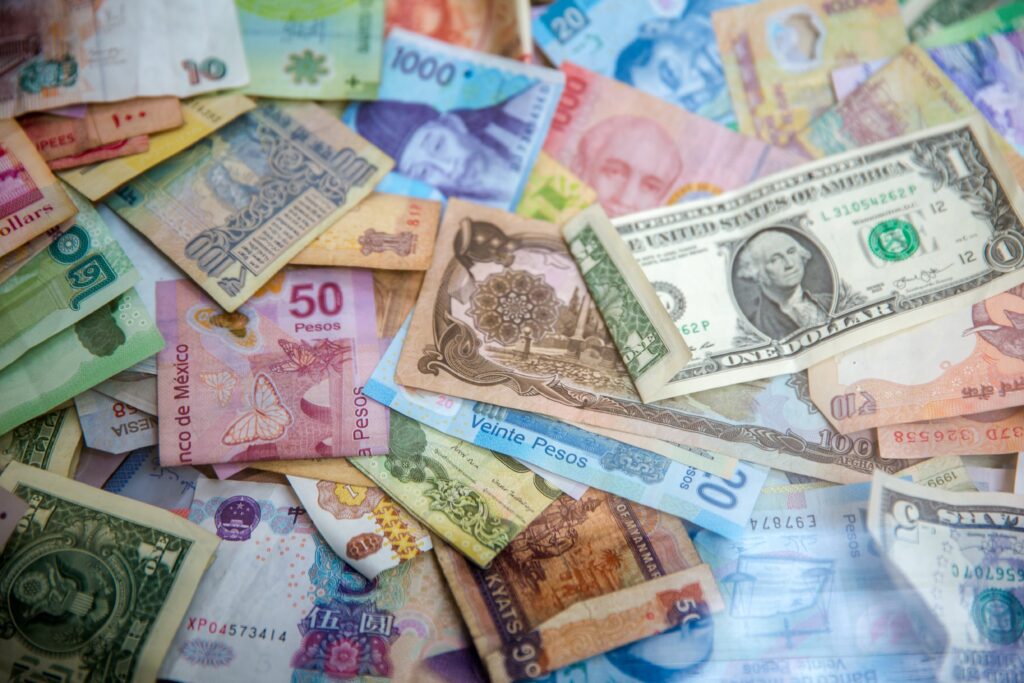
Cards work at resorts and most restaurants, but cash still runs a lot of Mexico. Smaller taquerias, markets, local taxis, tolls, cenote entrances, and tips often require pesos.
Even places that accept cards can have terminals that stop working at the worst moment.
Skip the plan of carrying only US dollars. Vendors who accept them often give a weaker rate than you would get at an ATM, and many places will not take them at all.
Withdraw cash from ATMs inside banks or in busy, well-lit areas, and always choose to be charged in pesos if the machine asks.
That is the ATM version of the restaurant card trick I mentioned earlier. Avoid street money changers entirely.
Keep a stash of small bills and coins too, since vendors and drivers often cannot break large notes. Carry only what you need for the day and leave the rest in the hotel safe.
Tipping Isn’t Optional in Mexico
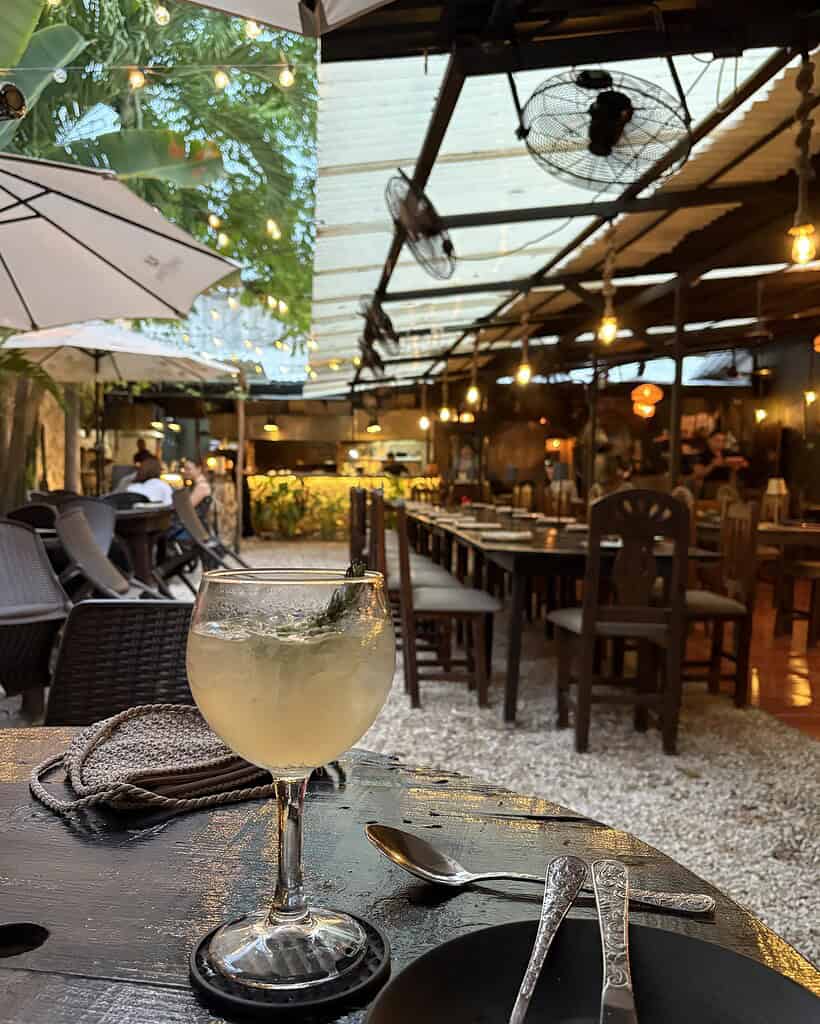
Tipping in Mexico is not a bonus. Many service workers earn low wages and depend on tips for a big part of their income, so leaving nothing comes across as rude.
At restaurants, 10 to 20 percent is the usual range. Check your bill first, because some places add a service charge. If you are unsure, ask whether it goes to the staff before you tip on top.
Beyond the table, tip bartenders per drink or round, bag handlers per bag, and housekeeping each day.
Tour guides and drivers appreciate a tip as well, especially after a great day. Small amounts add up, and cash in pesos is best.
At all-inclusive resorts, “all-inclusive” does not cover gratuity. Think of it as paying the person who makes your cocktail appear. A few pesos here and there goes a long way, and the service tends to reflect it.
It is also one of the easiest ways to be a good guest, since cash lands directly with the person who earned it.
Do Not Buy Illicit Goods
I will say this one plainly. Do not buy drugs or other illicit goods while you are in Mexico.
Once you leave the resort and walk the beach or the busy strips, you will sometimes be offered things you never asked for. A polite “no, gracias” and a steady walk is all you need.
Here is why it is never worth it. Drugs are illegal for tourists, and getting caught can mean fines, time in a cell, and a very stressful trip in a country where you may not speak the language or know your rights.
You also have no idea what is actually in the product. Counterfeit pills and powders can contain dangerous substances, which is how a vacation ends in a hospital.
On top of that, a stranger who approaches you with an offer is not someone whose motives you can trust. Do not engage, do not negotiate, and keep moving.
Check Sargassum Season Before You Book
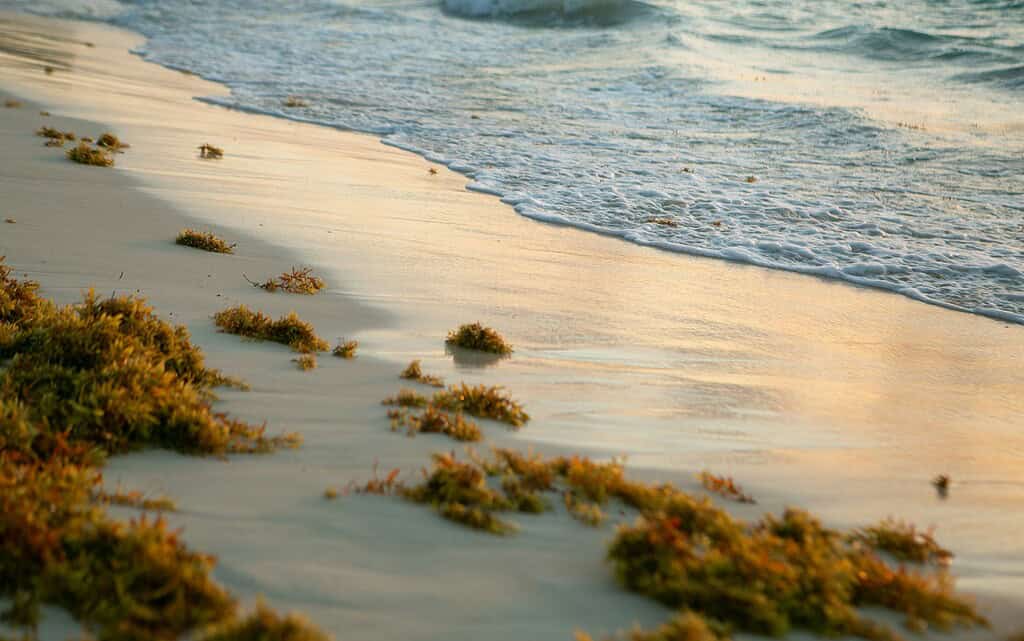
Few things hit a beach vacation harder than arriving to find the water covered in brown seaweed.
Sargassum is a natural algae that washes up along the Caribbean coast, and it is a common frustration for Riviera Maya visitors.
The season generally runs from April to October, with June and July the heaviest months. The clearest window is November to March, and December and January tend to be the most reliable.
It also varies by location. Tulum, Playa del Carmen, Akumal, and south Cancun tend to get hit harder. Playa Norte on Isla Mujeres and the west side of Cozumel are usually much clearer.
Check recent beach reports and photos from the week you travel instead of trusting the calendar alone.
Many resorts clean their beaches daily, and if the shoreline looks rough, a pool day, a cenote, or a ferry to Isla Mujeres can save the day.
Don’t Only Visit Cancun
Cancun is a great place to land, but it should not be the only stop on your trip. The Hotel Zone is polished and convenient, and it can also feel like a bubble of high prices and big crowds.
The Riviera Maya has so much more to offer. Playa del Carmen has a walkable center, Tulum has ruins and beaches, Cozumel has excellent reefs, and Isla Mujeres is only a short ferry ride from Cancun. Even a single day trip changes the feel of your vacation.
If you are still deciding whether Cancun fits your travel style, I wrote an honest breakdown of the reasons not to visit Cancun so you know exactly what to expect.
My simple fix is to split your nights. Spend a few days in Cancun, then move to a smaller base nearby.
Valladolid is another great stop, an inland colonial town with its own cenotes that feels a world away from the beach strip.
Don’t Over schedule the Riviera Maya
The Riviera Maya looks compact on a map, but distances and heat add up fast. The drive from Cancun Airport to Tulum is about two hours, and traffic can add more.
Day trips to places like Chichen Itza mean a couple of hours each way.
Trying to fit ruins, a cenote, a beach club, and dinner into one day is a recipe for a tired, grumpy version of you. Plan one or two main activities per day and leave breathing room in between.
Start early. Mornings are cooler and less crowded, and in the wet months they are far more likely to be dry than the afternoon.
Base yourself in one or two places instead of changing hotels every night, and build a lazy beach day between your big excursion days. You came to Mexico to enjoy it, not to complete a boot camp.
A packed itinerary also leaves no room for the spontaneous stops, like a roadside fruit stand or a quiet beach, that often end up as the best part of the trip.
Learn a Few Words of Spanish
You can get by with English in the resort areas, but a handful of Spanish words changes how people treat you. A friendly greeting and a “gracias” go a very long way.
These are the ones I use the most. “Hola,” “por favor,” and “gracias” cover the basics. “La cuenta, por favor” gets you the bill. “Cuánto cuesta?” asks the price. “Dónde está el baño?” finds the restroom. And “no, gracias” is a polite way to turn down vendors without any awkwardness.
It also helps at the gas station, where “cero, por favor” makes sure the pump is reset, and in markets where you might want to ask for a price before buying.
Download the Spanish language pack in a translation app before you go, so it works without Wi-Fi.
Locals notice the effort, and it usually shows in the service you receive. Even if your accent is terrible, nobody minds. A smile and an honest attempt are more than enough.
Step Outside the Resort Bubble

All-inclusive resorts are comfortable, and I am not telling you to skip them. But if you never leave the property, you miss some of the best parts of Mexico.
Eat at least a few meals outside. Taquerias and family-run restaurants serve food that is often more memorable than the buffet, and they usually cost less than a resort bar tab.
Walk through a town center, browse a market, and spend an afternoon in Playa del Carmen along Fifth Avenue.
Do it smartly. Go during the day, bring pesos, and stay aware of your surroundings. Use licensed taxis or pre-booked transfers, and agree on the fare before you get in.
Let your resort concierge help you book excursions with reputable operators. A little planning lets you enjoy the real Mexico without the stress.
Even a half day beyond the gates gives you stories that a poolside lounger never will.
Skip the Regular Sunscreen in Cenotes and on the Reef
Cenotes and reefs are fragile, and sunscreen washing off your skin is one of the ways visitors harm them. That is why rules around sunscreen are tightening across the region.
The rules vary from site to site. Sian Ka’an prohibits sunscreen outright, Akumal Bay asks visitors to wear a sun shirt or biodegradable sunscreen, and the Xcaret parks restrict certain ingredients. Individual cenotes set their own policies, so check before you go or call ahead.
A word of caution on labels. “Reef safe” is a marketing term, not a certified standard, and even biodegradable formulas are not harmless.
The simplest solution is a UPF sun shirt or rash guard, which covers your skin without any product.
Many cenotes also ask you to shower before getting in, so arrive clean and without lotion, bug spray, or perfume.
If you are unsure about a site, ask the staff at the entrance, because they know the current policy better than any blog post, including mine.
Respect the Beach Flags and Rip Currents
Mexico’s beaches are beautiful, which can make the water feel safer than it is. Waves and rip currents can turn dangerous quickly, and authorities in Cancun have closed beaches on red flag days.
Learn the flag system. Green means conditions are safe for swimming, yellow means caution, red means dangerous conditions that call for extreme caution, and black means do not enter the water. Not every beach flies flags or has lifeguards, so ask a local or your hotel if you are unsure.
If you get caught in a rip current, do not fight it. Stay calm, float, and swim parallel to the shore until you are out of the pull, then angle back in. Wave and call for help if you cannot get out.
Never swim alone, and skip the water after a few drinks. A calm-looking sea with a red flag is still a red flag.
Stay Off the Mayan Ruins

The temptation is real. You are standing in front of a thousand-year-old pyramid, and everyone around you is taking photos.
But climbing, touching, or leaning on the ruins is a mistake that hurts the site and can get you in trouble.
At Chichen Itza, no structure can be climbed. Climbing there stopped years ago, and people who try are escorted down and can face fines.
At most major sites the rule is the same, so stay on the marked paths and keep your hands off the carved stonework.
Cobá is a bit different. The Nohoch Mul pyramid reopened for climbing in December 2025 with a wooden staircase built over the original steps, but access can pause for weather or conservation, so check before you go.
Drones are not allowed without written authorization, and professional tripods may need a permit. When in doubt, look, photograph, and leave it exactly as you found it.
No, it doesn’t flow, because it says the same things twice. The first two paragraphs are from the old version, so “None of these mistakes are hard to avoid” and “Mexico rewards travelers who plan just enough and then relax” each show up twice. The old version also sits ahead of the new opening line.
Final Thoughts on What Not to Do in Mexico
Whether you base yourself in Cancun, Playa del Carmen, Tulum, Akumal, or anywhere else along the Riviera Maya, these mistakes apply right from the moment you land. None of them are hard to avoid once you know about them.
Drink bottled water, keep an eye on your drinks, carry some pesos, and tip the people who take care of you.
Protect your skin, respect the water, and leave the ruins exactly as you found it.
Mexico rewards travelers who plan just enough and then relax. The beaches, cenotes, ruins, and food are all worth every one of these small precautions.
Save this guide, share it with whoever you are traveling with, and you will already be a step ahead of most visitors!

Is Mexico safe for tourists?
Most visitors have trouble-free trips, especially when they use common sense.
The US State Department lists Quintana Roo at Level 2, Exercise Increased Caution, so check the latest advisory before you travel.
Stick to reputable venues, use licensed transportation, and avoid wandering alone at night.
How much should you tip in Mexico?
For restaurants, 10 to 20 percent is the usual range. Check whether a service charge is already on the bill.
For bartenders, housekeeping, bag handlers, drivers, and tour guides, leave a small amount in pesos.
When is the best time to avoid hurricanes and sargassum?
November to March is the sweet spot, with the clearest water and the lowest storm risk.
September is the riskiest month for hurricanes, and June and July are usually the heaviest for sargassum. Prices are higher in winter, so book early.
Should I bring pesos or US dollars to Mexico?
Bring pesos. Many places accept dollars, but the exchange rate is often worse, and smaller vendors may not take them at all.
Withdraw pesos from an ATM inside a bank and always choose to be charged in pesos.
