
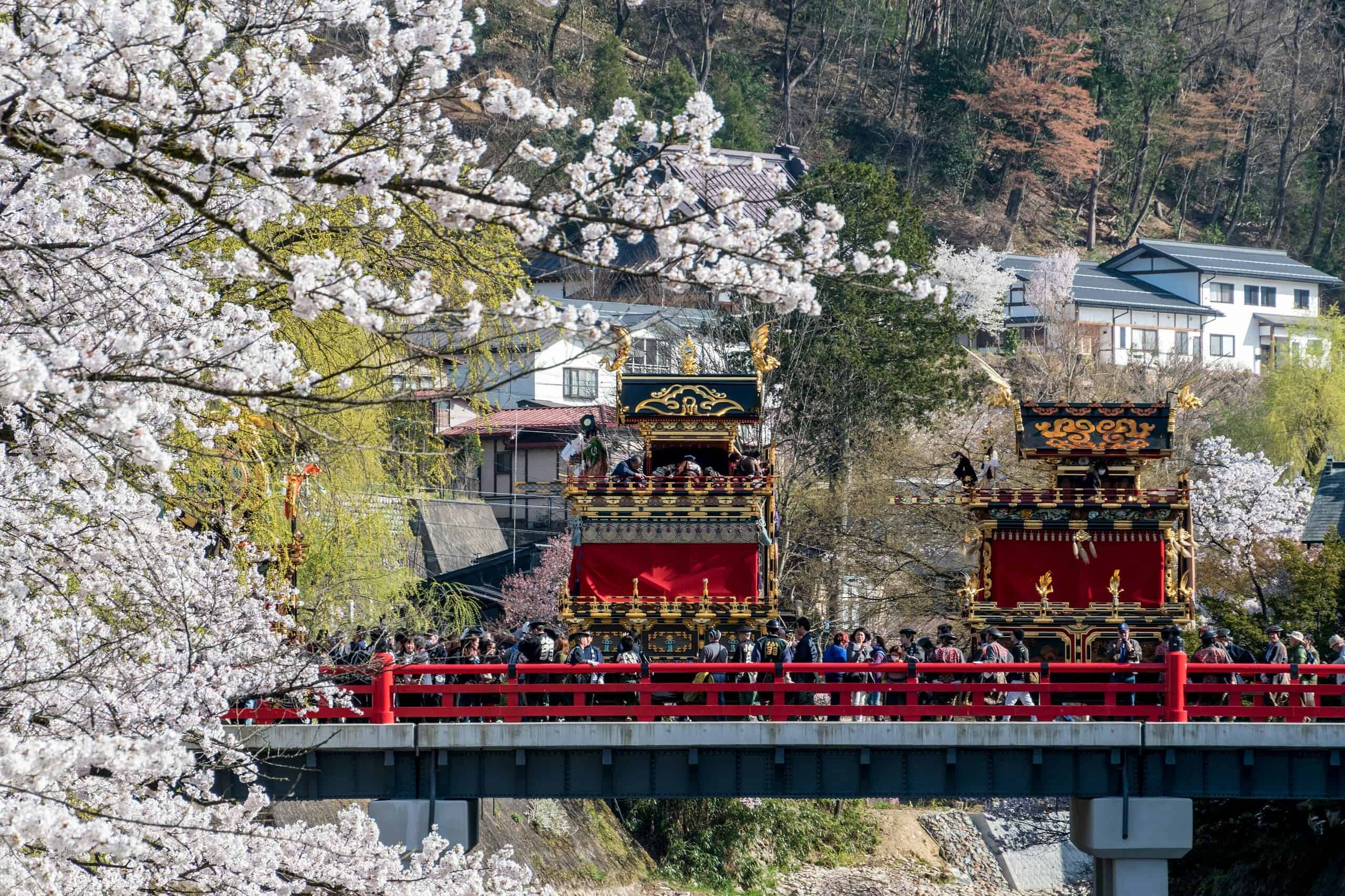
9 Smart Ways to Save Money in Japan
Japan has a reputation for being expensive, and in some areas that reputation is earned. But knowing how to save money in Japan the smart way transforms the entire cost equation of the trip.
The reality is that Japan rewards the prepared traveler. The country has extraordinary budget options built into its infrastructure, from free world-class shrines to supermarket meals that outperform most restaurants elsewhere.
The travelers who overspend in Japan are almost always the ones who didn’t know these options existed.
These nine tips are specific, practical, and genuinely effective. Not generic budget travel advice, real moves that make a measurable difference across a Japan trip.
Use the Tokyo Subway Pass
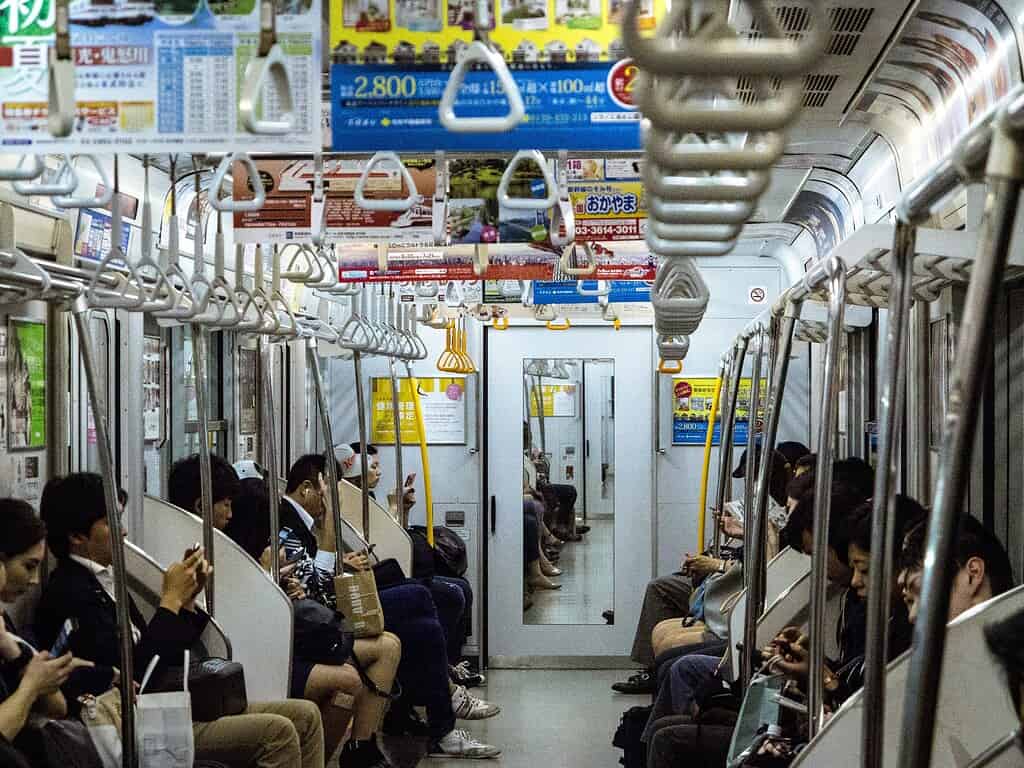
If Tokyo is on your itinerary, and it almost certainly is, the Tokyo Subway Pass is one of the first things worth sorting before you start moving around the city.
The pass covers unlimited rides on both the Tokyo Metro and Toei Subway lines, which together cover the vast majority of destinations visitors actually need to reach across the city.
It comes in 24-hour, 48-hour, and 72-hour options at ¥800, ¥1,200, and ¥1,500 respectively, and crucially it’s counted by hours rather than calendar days, meaning a 24-hour pass bought at 3 p.m. runs until 3 p.m. the following day rather than cutting off at midnight.
One important caveat: the pass does not cover JR Lines including the Yamanote Line. Those require a separate fare or your Suica IC card.
Plan your sightseeing routes with this in mind, many major Tokyo destinations are reachable on Metro and Toei lines, but some aren’t.
For a full sightseeing day moving between multiple neighborhoods, Asakusa in the morning, Shibuya in the afternoon, Shinjuku in the evening, the pass pays for itself quickly compared to paying individual fares for each journey.
You can buy it at airports, tourist information centers, and online in advance. Your passport is usually required for purchase.
If you’re spending two or three full days in Tokyo before moving on, the 48-hour or 72-hour option covers the bulk of your city transit at a flat cost that’s significantly lower than individual fare accumulation.
Take Advantage of JAL’s Free Domestic Flight Offer
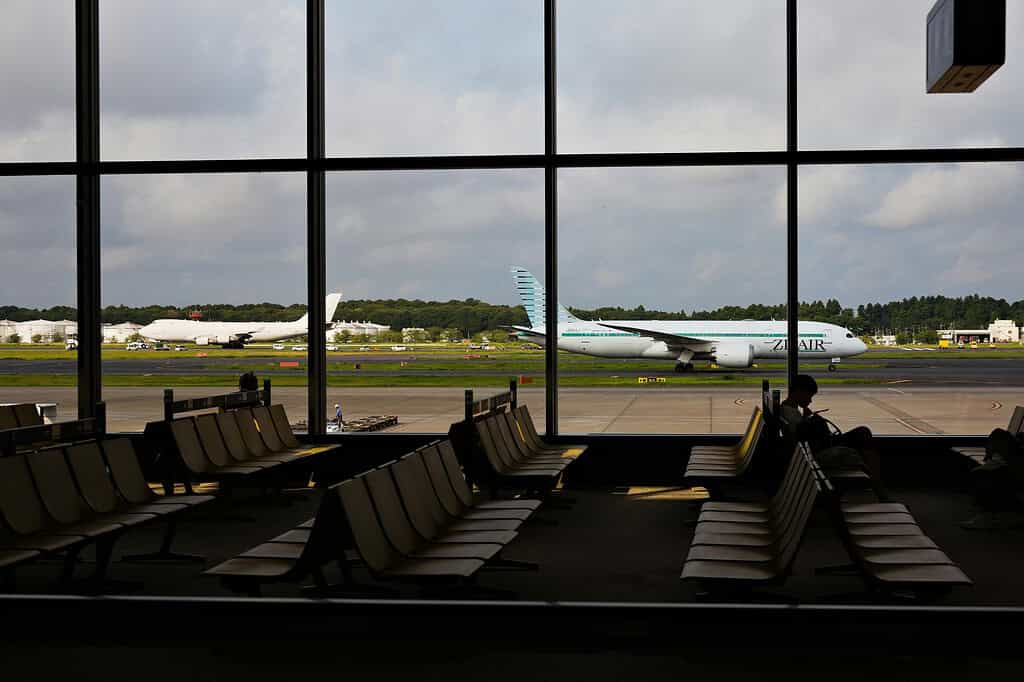
This is one of the most genuinely extraordinary money-saving opportunities available for Japan travelers right now, and most people don’t know it exists.
Japan Airlines offers complimentary domestic flights within Japan to international travelers who book their international flight with JAL.
The concept is straightforward, book your international flight to Japan through JAL, add a domestic connecting flight within the same reservation, and the domestic leg costs nothing for most eligible nationalities.
The international and domestic flights must be booked in the same reservation, separate domestic bookings are not eligible.
JAL serves 64 domestic airports across Japan, meaning the free flight can take you from Tokyo to Sapporo, Okinawa, Osaka, Fukuoka, or dozens of other destinations that would otherwise require a separate domestic ticket purchase.
For travelers from the US, Canada, and Mexico, a $100 stopover fee applies if you stay in your first Japanese destination for more than 24 hours.
For most other nationalities the offer carries no additional charges. Check JAL’s website directly for current eligibility by country and booking conditions before purchasing your international ticket.
Skip the Shinkansen for Overnight Buses on Certain Routes
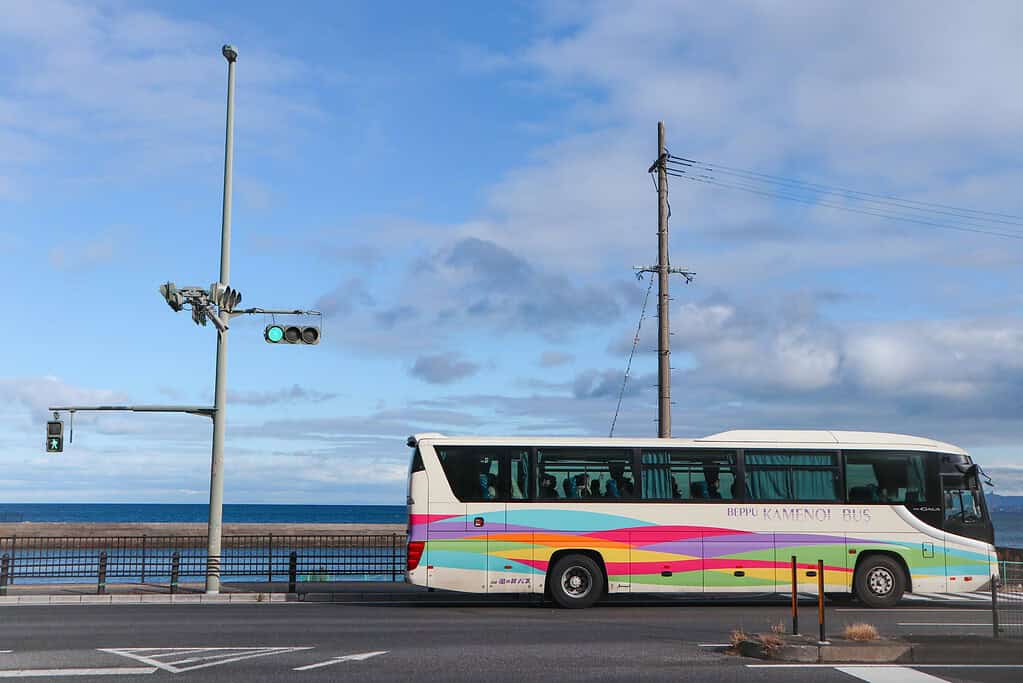
The Shinkansen is one of the great travel experiences in Japan and worth riding at least once for its own sake.
But for budget-conscious travelers covering long distances, overnight buses offer a compelling alternative that saves both transport and accommodation costs simultaneously.
The Tokyo to Osaka Shinkansen costs approximately ¥15,000 one way. An overnight bus on the same route costs ¥4,000-8,000, a saving of ¥7,000-11,000 per journey.
On a multi-city itinerary where several long-distance legs are involved, the cumulative saving is significant.
The overnight bus advantage extends beyond the ticket price. Departing in the evening and arriving in the morning means you’re not paying for a hotel night during the journey.
That double saving, cheaper transport plus one less accommodation night, makes overnight buses one of the smartest budget moves available on any Japan trip.
Willer Express and JR Bus are the main reputable operators. Book in advance through their websites or via 12Go for English-language booking. Seats range from standard reclining to semi-private pods depending on price point.
Buy Meals at Supermarkets
Japan’s convenience stores are extraordinary, and worth every yen you spend in them. But Japan’s supermarkets are even cheaper, and using them strategically for meals is one of the most effective daily budget moves available.
Supermarkets consistently price prepared meals below convenience store equivalents.
Sushi boxes, bento sets, onigiri, drinks, and snacks are all available at prices that represent exceptional value, and the quality is genuinely good rather than just passable.
The specific tip within this tip: shop in the evening. Most Japanese supermarkets discount their ready-made meals by 30-50% in the hours before closing as they clear perishable stock.
A bento set that costs ¥600 at lunchtime costs ¥300-400 at 8 p.m, the same food, the same quality, at significantly lower cost.
Look for the yellow markdown stickers on packaged items and time your supermarket visits for the early evening window before the best discounted items sell out.
This single habit meaningfully lowers daily food spending without sacrificing the quality of what you’re eating.
Shop in the Evening for Discounts
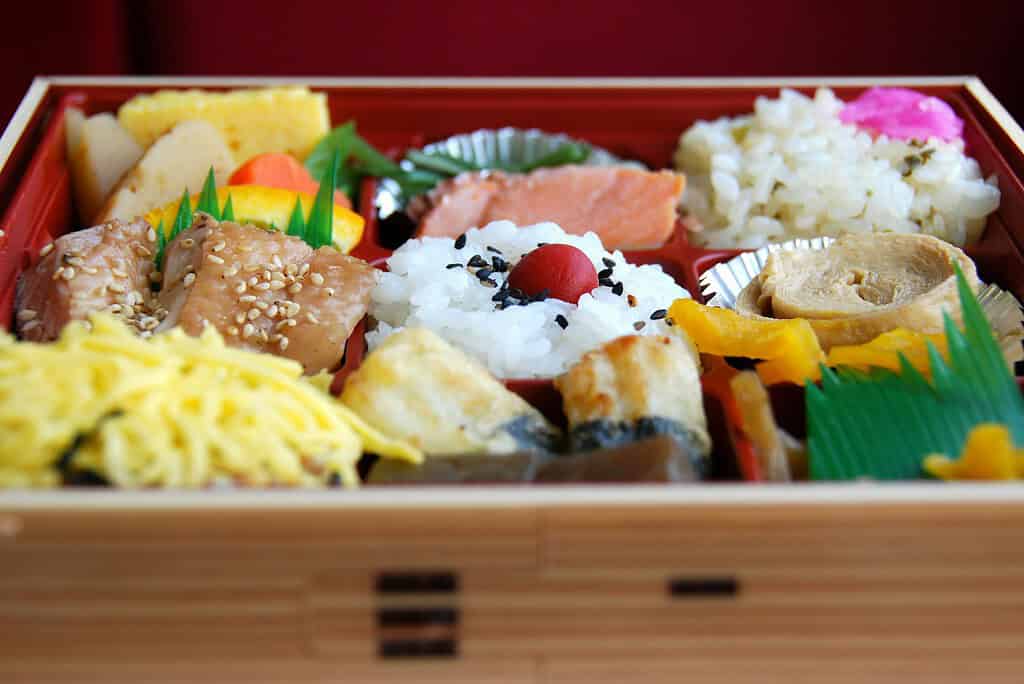
This extends beyond supermarkets and applies to prepared food sections across Japanese retail more broadly.
Department store basement food halls, the famous depachika, also markdown items in the evening hours before closing, and the quality available at these discounted prices is extraordinary.
Premium items that would be entirely out of budget at full price, high-grade sushi, artisan pastries, specialty bento from well-known producers, become accessible at 30-50% reductions in the final hour or two before closing time.
The system works because Japanese food culture prioritizes freshness above all else. Food prepared for same-day sale that hasn’t moved by late afternoon gets marked down rather than held over.
That cultural standard creates a genuine budget opportunity for travelers who time their shopping accordingly.
Evening shopping for discounted prepared food is one of those Japan-specific budget strategies that sounds minor and compounds significantly across a two-week trip.
Factor it into your daily rhythm and it changes how much you spend on food without changing how well you eat.
Enjoy Japan’s Free Attractions

Japan has an extraordinary range of genuinely world-class experiences that cost nothing, and building them into your itinerary meaningfully reduces daily spending without reducing the quality of what you’re experiencing.
Shrines and temples are the most obvious category. Fushimi Inari in Kyoto, the thousands of vermillion torii gates winding up the forested mountain, is free and open 24 hours.
Meiji Jingu in Tokyo is free. Countless neighborhood shrines across every city in Japan charge no entry. The spiritual and architectural experiences available at these free sites rival anything with a ticket gate.
Parks and nature are equally accessible. Japan’s public parks are immaculate, beautiful, and free.
Shinjuku Gyoen charges a small entry fee but remains extraordinary value. Many of Japan’s finest garden landscapes are attached to free-entry shrine complexes.
Historic neighborhoods, Yanaka in Tokyo, Gion in Kyoto, Naramachi in Nara, are walked rather than ticketed.
Free observatories at city hall buildings in Tokyo and Osaka provide skyline views comparable to paid observation decks.
Local festivals and markets that run throughout the year across Japan are free to attend and represent some of the most authentic cultural experiences the country offers.
A Japan itinerary that balances paid headline attractions with free shrines, parks, and neighborhood walks costs significantly less than one that treats every attraction as a ticket purchase.
Use an IC Card Like Suica or Pasmo

This is the single most practical Japan travel tip that applies from the moment you arrive to the moment you leave, and it’s worth repeating regardless of how many Japan guides you’ve already read.
A Suica or Pasmo IC card makes train and bus travel faster and easier across Japan. You tap in, tap out, and the correct fare is deducted automatically without calculating individual tickets for every journey.
It works on Tokyo Metro, JR lines, buses, and increasingly at convenience stores, vending machines, and shops across the country.
The budget benefit is twofold. First, IC card fares are occasionally slightly cheaper than buying individual paper tickets.
Second, and more significantly, the friction removal means you actually use local transit instead of defaulting to taxis when you’re tired or confused. That behavioral difference saves meaningful money across a full trip.
Add Suica directly to Apple Wallet or Google Pay if your phone supports it. Otherwise pick up a physical card at any major train station on arrival.
Load it with enough yen to cover your first few days and top up at any station vending machine as you go.
Stay Smart With Hotels
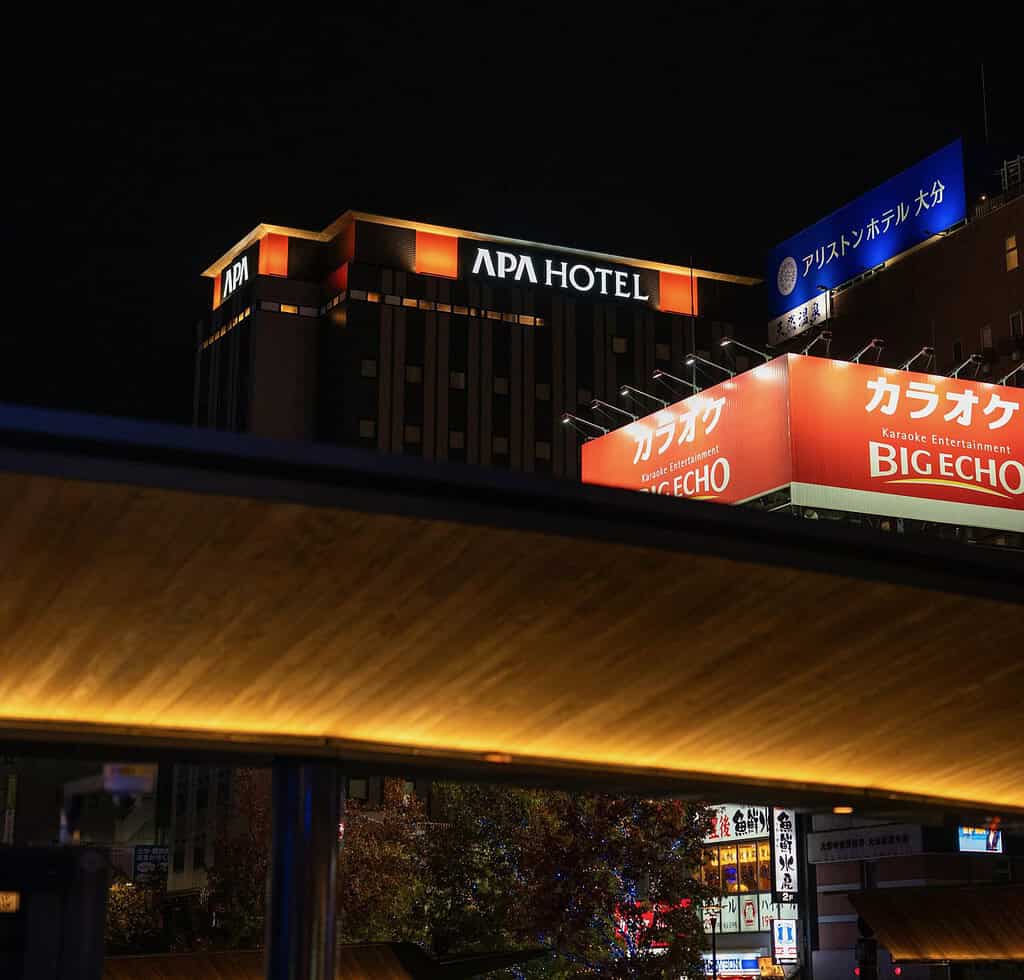
Japan’s business hotels and capsule hotels are two of the best budget accommodation options in any developed country, and understanding what each offers helps you choose the right one for your specific situation.
Business hotels: chains like Toyoko Inn, Sotesu Fresa Inn, and APA Hotel, offer clean, well-designed private rooms at prices that start around ¥6,000-10,000 per night in most cities.
The rooms are small by Western standards but impeccably maintained, the locations are almost always near train stations, and the breakfast options at many properties add genuine value at low cost.
Capsule hotels take the budget further, private sleeping pods with shared bathroom facilities for ¥3,000-5,000 per night.
Modern capsule hotels are significantly more comfortable than their reputation suggests, with quality bedding, privacy curtains, USB charging, and shared bathroom facilities that are consistently immaculate.
For solo travelers comfortable with capsule accommodation, the nightly savings compared to business hotels compound significantly across a two-week Japan trip and free up budget for the experiences and food that matter more than extra floor space in a room you’re only sleeping in.
Travel on Weekdays and Book Early
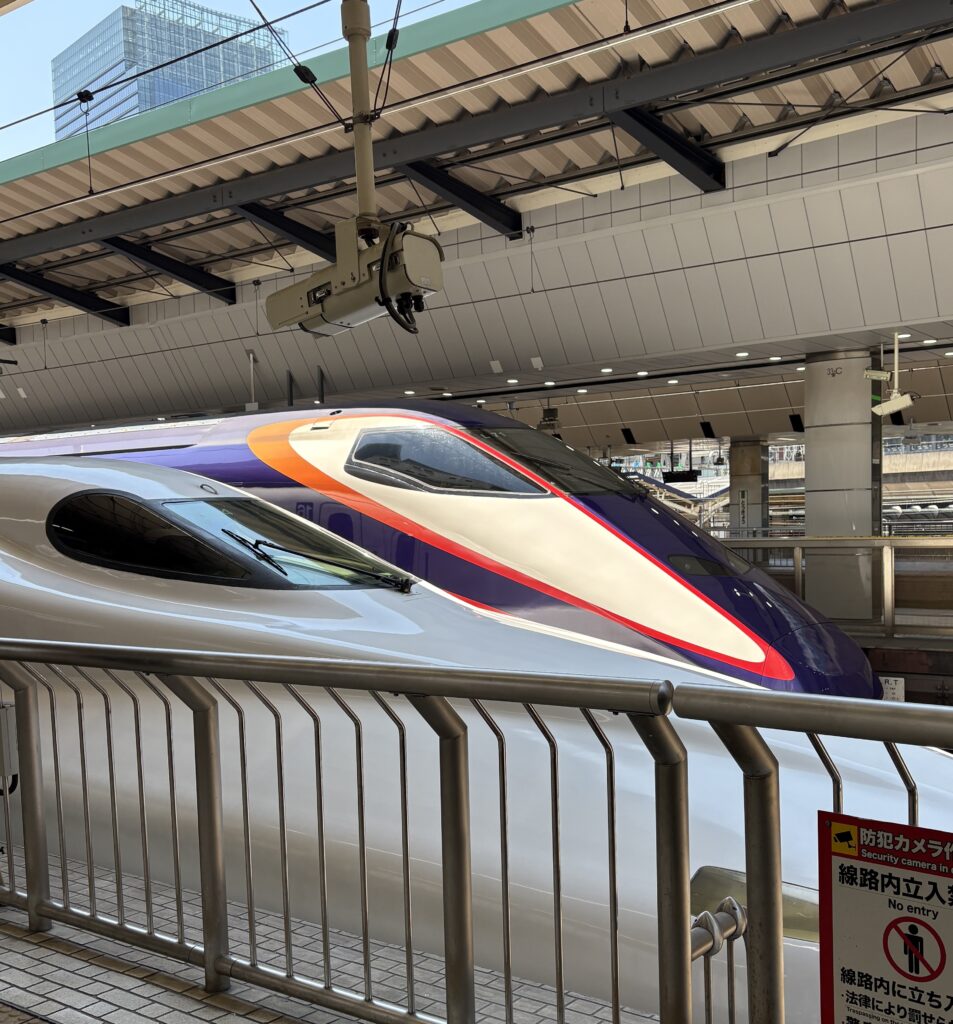
Two straightforward habits that save meaningful money on accommodation across any Japan trip, and the combination of both saves more than either does individually.
Weekday accommodation in Japan is consistently cheaper than weekend pricing. Hotels that charge ¥12,000 on Friday and Saturday nights charge ¥8,000-9,000 Sunday through Thursday for the same room.
Structuring your itinerary to arrive and depart mid-week where possible captures this differential without compromising what you’re doing during the trip.
Booking flights and accommodation two to three months in advance locks in the best available rates before demand pushes prices upward.
This matters most during cherry blossom season in late March through April, autumn foliage season in November, and Golden Week in early May when popular properties sell out entirely at any price if you wait too long.
The combination of weekday travel and advance booking is the most passive money-saving strategy on this list, it requires no behavioral change during the trip itself, just planning decisions made before you leave home that pay off every night of the journey.
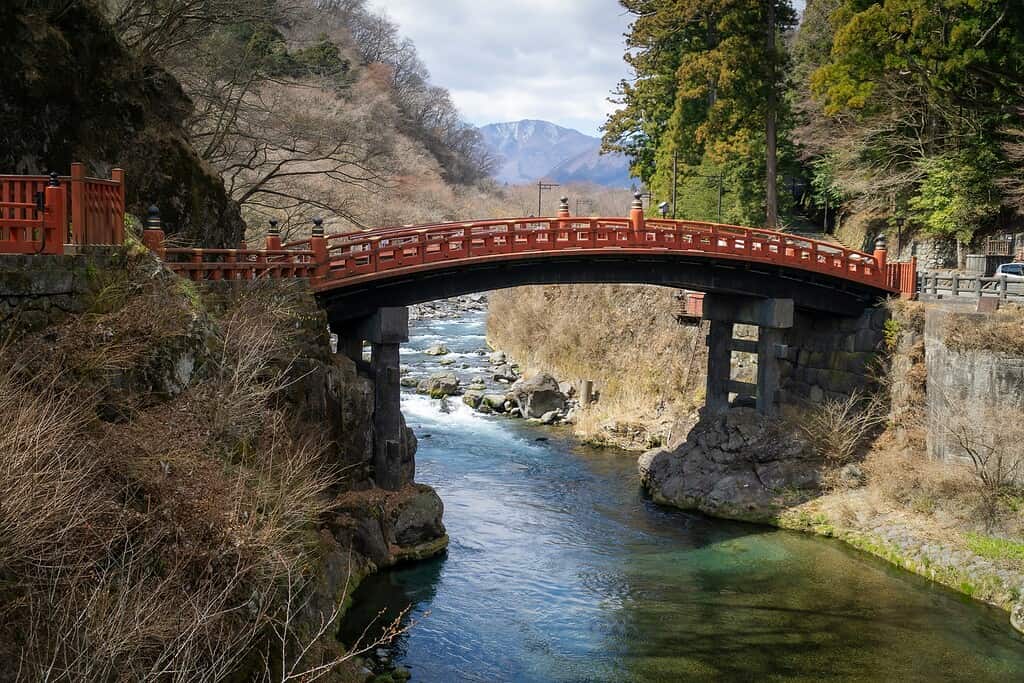
Final Thoughts on Saving Money in Japan
Japan is not the budget destination that Southeast Asia is, and it doesn’t need to be. The value at every price point in Japan is extraordinary, and the country delivers experiences that justify every yen spent on them.
But the gap between a Japan trip that costs more than it needed to and one that stays within a sensible budget comes down entirely to preparation. The IC card sorted at the airport.
The JAL domestic flight added to the international booking. The supermarket visit timed for the evening markdown window.
The overnight bus chosen over the Shinkansen on one long-distance leg. None of these are sacrifices. They’re just the smarter version of decisions you were going to make anyway.
Apply them consistently and Japan becomes significantly more accessible than its reputation suggests, without giving up a single thing worth having.

Is Japan expensive to travel?
More so than Southeast Asia but comparable to Western Europe for a comfortable trip. Daily costs in Japan for a mid-range traveler run $100-200 USD including accommodation, food, and transport.
The smart habits above, supermarket meals, free attractions, IC card transit, bring this meaningfully lower without reducing the quality of the experience.
Is the JAL free domestic flight offer still available?
As of 2026 yes, JAL continues to offer complimentary domestic flights to international travelers who book their international flight with JAL in the same reservation. Check JAL’s website directly for current eligibility by nationality and specific booking conditions before purchasing.
Is the Japan Rail Pass worth buying?
Only if your itinerary involves multiple long-distance Shinkansen journeys. Since the significant price increase in October 2023 the 7-day pass costs around ¥50,000.
Calculate your specific route costs individually before buying, for single-region trips or itineraries that use overnight buses strategically, individual tickets are often cheaper.
What is the cheapest time to visit Japan?
January and February offer the lowest hotel rates and smallest crowds of the year. Mid-to-late May after Golden Week and October before autumn foliage peaks are the best shoulder season windows, good weather, manageable crowds, and meaningfully lower prices than cherry blossom and foliage peak periods.
