
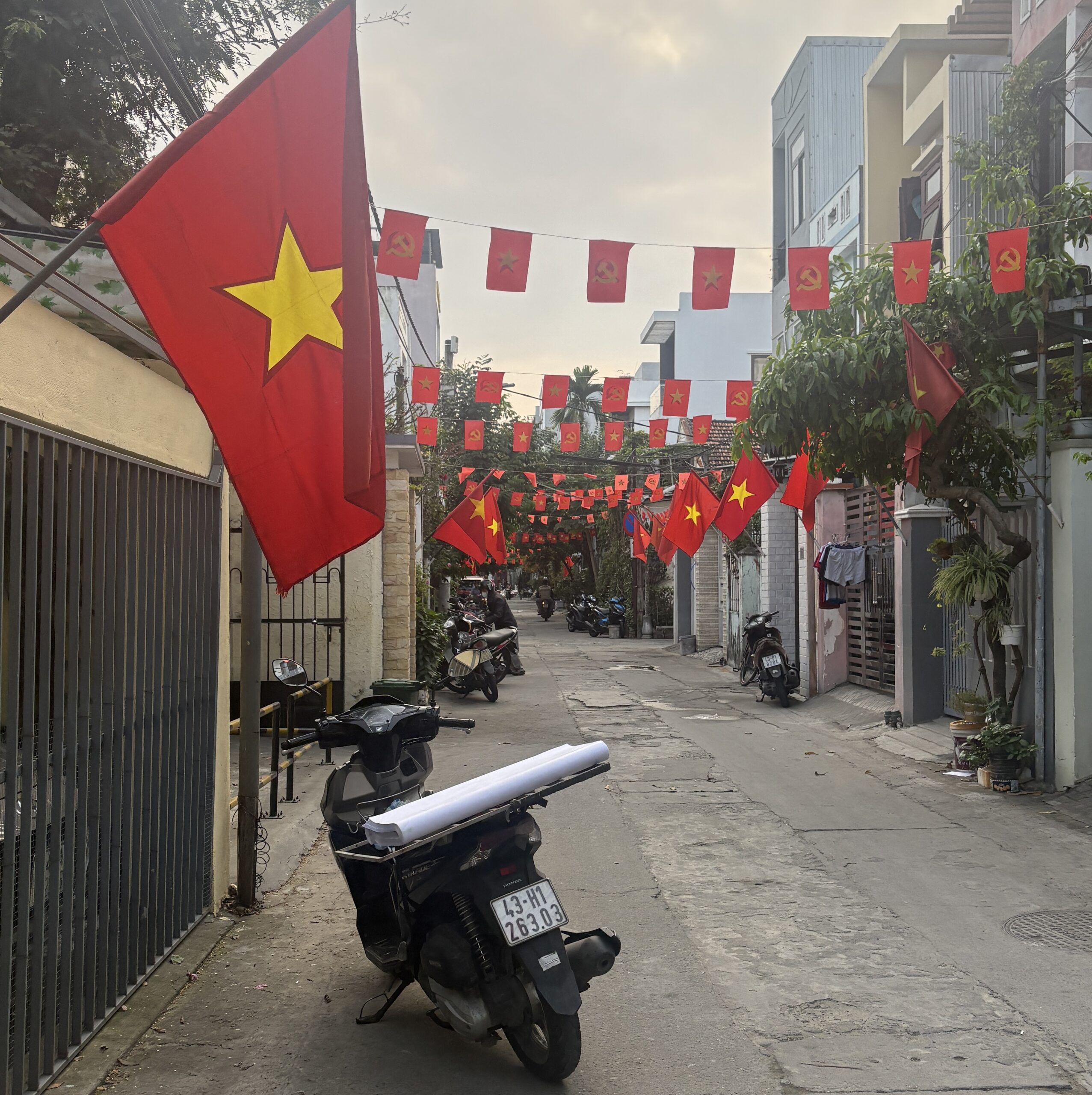
9 Smart Ways to Save Money in Vietnam
Vietnam is one of the most affordable travel destinations in the world, but knowing how to save money in Vietnam the smart way means the difference between a good trip and an extraordinary one that costs less than you budgeted for.
The country is already cheap by almost any global standard. Street food costs $1-3. Guesthouses run $15-30 a night. Grab rides cost a fraction of what taxis charge back home.
But affordable doesn’t mean you can’t overspend, and plenty of travelers do, usually on the same handful of avoidable mistakes.
These nine tips aren’t generic budget advice. They’re specific, Vietnam-tested moves that keep more money in your pocket from the moment you land to the moment you leave.
Book Domestic Flights 2-3 Months in Advance
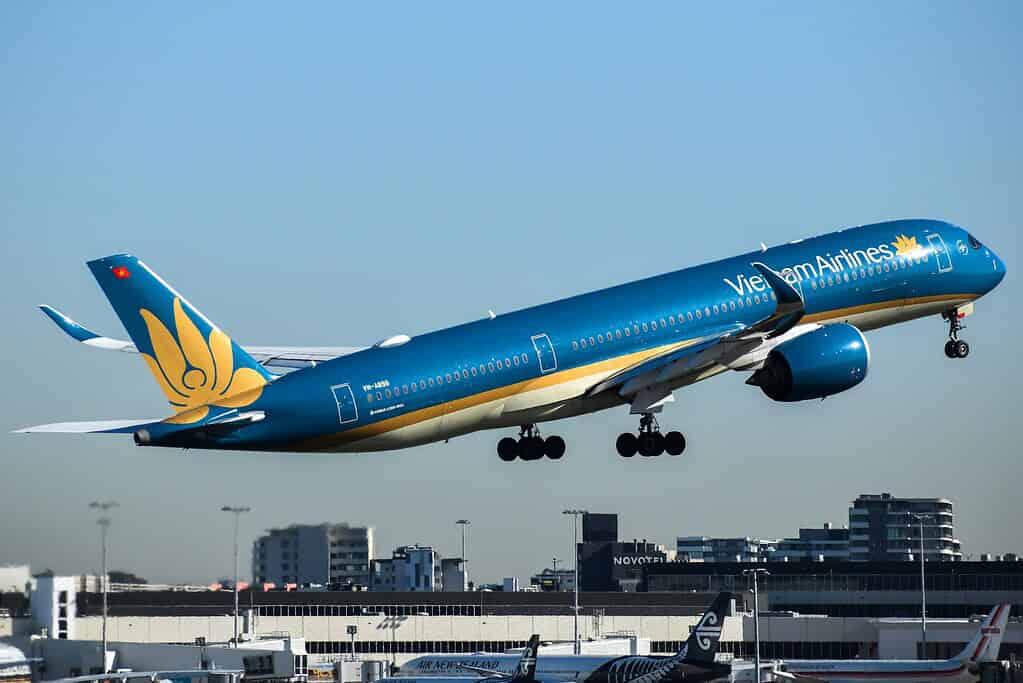
Vietnam’s budget airline network: VietJet, Bamboo Airways, and Vietnam Airlines, connects every major city in the country at prices that can be extraordinary when booked early and genuinely painful when left until the last minute.
Hanoi to Ho Chi Minh City booked two to three months out regularly comes in under $30-40 USD. The same route booked two weeks out during high season runs $80-120 USD or more.
The flight is identical. The experience is identical. The only difference is when you decided to buy the ticket.
During Tet and major holiday periods, domestic routes fill up weeks in advance and prices spike further.
If you know your Vietnam itinerary, and you should before you start booking anything, lock in domestic flights the moment your international travel is confirmed.
The savings across a multi-city Vietnam trip compound significantly with early booking.
Use VPBank or TPBank ATMs to Avoid Foreign Withdrawal Fees

Most ATMs in Vietnam charge foreign cardholders a transaction fee of 50,000-85,000 VND per withdrawal and those fees add up fast across a two-week trip of multiple withdrawals.
VPBank, identified by its green branding, and TPBank, identified by its purple branding, are the two main exceptions.
Both allow free withdrawals for most international cards, making them the smartest ATM choice in any Vietnamese city where they’re available.
Both networks are well represented in major cities and tourist areas. When you spot one, use it rather than the nearest available ATM regardless of brand.
The savings across a full trip are meaningful, and the habit of seeking out these specific networks takes less than a minute of awareness to develop.
Pair this with a Wise card loaded with Vietnamese dong for the best possible exchange rates on every transaction, combining the two eliminates most of the hidden costs of spending money in Vietnam entirely.
Eat Where Locals Eat – Not Where the Signs Are in English

The English menu outside a Vietnamese restaurant is a reliable indicator of tourist pricing, and eating at these establishments regularly across a trip quietly inflates your food budget for no quality gain whatsoever.
A bowl of pho at a tourist-facing restaurant costs 80,000-120,000 VND. The same bowl at a local street stall costs 30,000-50,000 VND and is frequently better because the cook makes it for a local customer who notices if the quality drops.
The formula is simple: find where locals eat. Follow the lunch crowds. Sit down at the busiest stall on the street. Order by pointing if necessary.
The food will be fresher, more authentic, and significantly cheaper than anything served under a sign written in English for tourist consumption.
Vietnam’s street food culture is one of the greatest in the world, and it’s most accessible and most affordable at the places that weren’t designed with tourists in mind.
Stay in Local Guesthouses Over International Hotel Chains
Vietnam has one of the best guesthouse networks in Southeast Asia, and choosing locally-run accommodation over international hotel brands saves meaningful money while delivering a more authentic experience.
A clean, comfortable, air-conditioned private room in a Vietnamese guesthouse costs 300,000-600,000 VND ($12-25 USD) per night in most destinations.
That same money at an international chain buys you a fraction of the warmth, character, and local knowledge that a family-run guesthouse provides automatically.
Guesthouse owners in Vietnam are consistently one of the best sources of local restaurant recommendations, transport advice, and tour operator suggestions, all delivered without the commission markup that hotel concierges build into every recommendation.
Booking.com and Agoda both have extensive Vietnamese guesthouse listings with genuine reviews. Filter by guest rating rather than star category and you’ll find properties that outperform their price point consistently.
Research Prices Before You Shop — Never Buy Blind
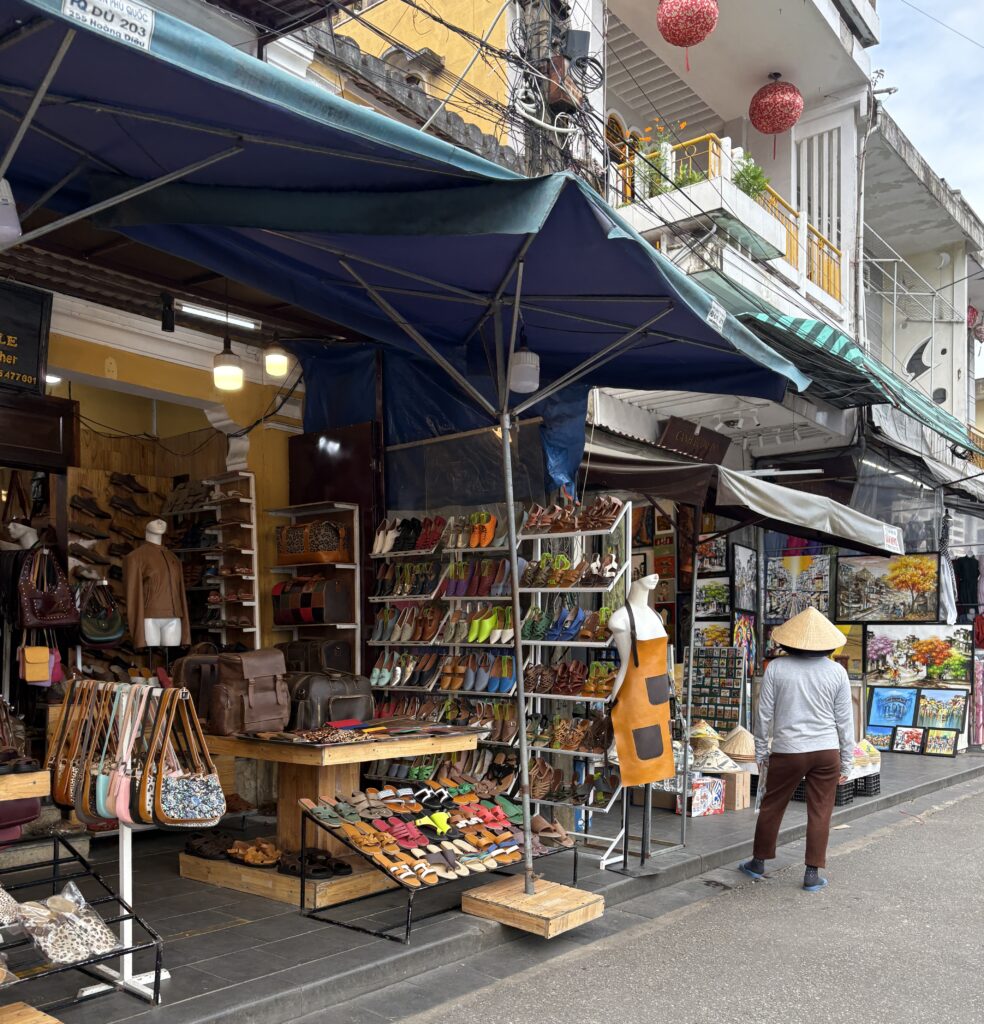
This is one of the most consistently overlooked money-saving habits for Vietnam shopping, and it’s the difference between paying a fair price and overpaying simply because you didn’t know what something should cost.
Vietnam’s markets operate on negotiation, and the opening price a vendor quotes is almost never the real price.
But negotiating effectively requires knowing what the item is actually worth before you start.
Walking into a market without that knowledge puts you at an immediate disadvantage, you have no anchor, no reference point, and no way to know when you’ve reached a fair price versus when you’re still being overcharged.
Before any serious shopping, spend time on Vietnamese shopping forums, Facebook groups, and travel communities to get a sense of what items genuinely cost. Check multiple stalls for the same item before buying from any of them.
If you see something you love at the first stall you visit, note the price, keep walking, check what it costs elsewhere, and come back with a real sense of fair value.
The traveler who shops blind pays tourist prices. The traveler who researches first pays local prices. In Vietnam the gap between the two is significant.
Use the Train Between Cities Instead of Flights Where Possible
Vietnam’s Reunification Express train network connects Hanoi to Ho Chi Minh City through every major central destination, Hue, Da Nang, and beyond, and using it strategically saves both money and accommodation costs simultaneously.
The overnight sleeper train from Hanoi to Hue costs approximately 300,000-500,000 VND ($12-20 USD) for a soft sleeper berth.
You travel through the night, wake up at your destination, and have effectively covered both transport and a night’s accommodation in a single transaction.
Beyond the cost, the train journey itself is one of the genuinely great travel experiences in Vietnam.
The stretch between Da Nang and Hue crosses the Hai Van Pass along the coastline, one of the most dramatic rail routes in Southeast Asia, in a way that a 45-minute flight completely eliminates.
Use 12Go to check routes, schedules, and book in advance. Soft sleeper class is comfortable enough for most travelers and significantly more affordable than flying the same route with a same-day booking.
Avoid Touristy Streets — Visit Them But Don’t Eat or Shop There
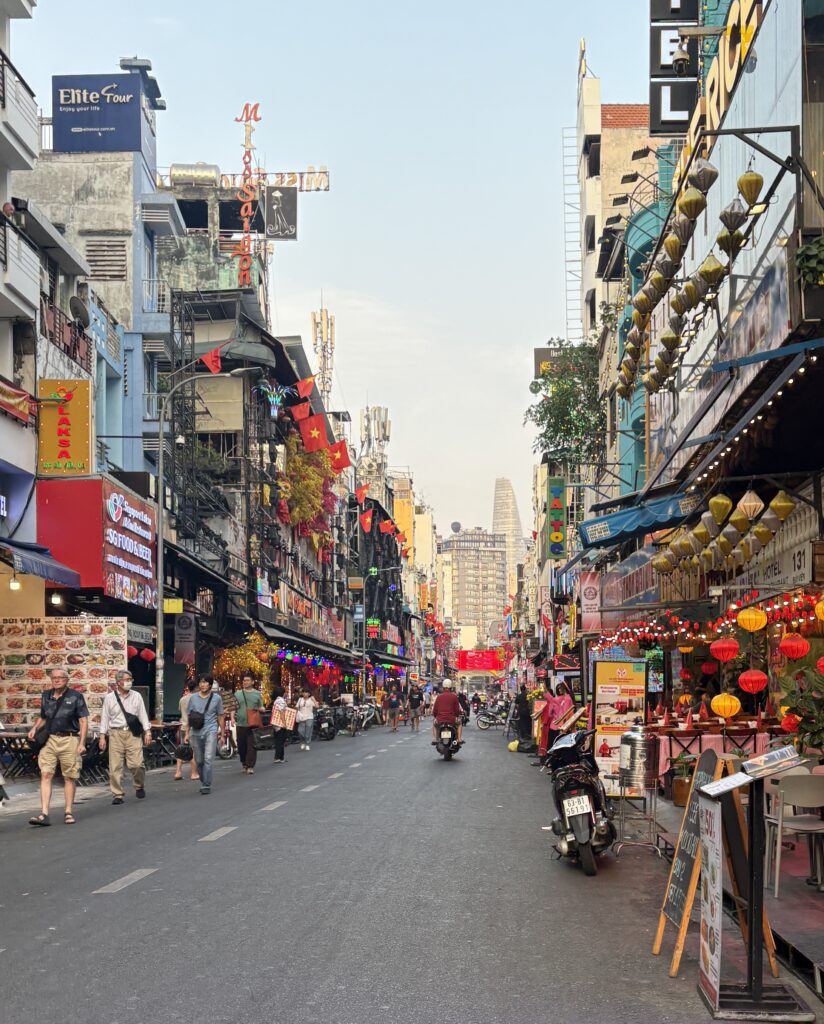
Every major Vietnamese city has a tourist street: Bui Vien in Ho Chi Minh City, the main Old Quarter strip in Hanoi, the restaurant row facing the Ancient Town in Hoi An, and they all operate on the same pricing logic: maximum extraction from visitors who don’t know the alternatives.
A beer on Bui Vien costs 50,000-80,000 VND. The same beer at a local bar one street away costs 20,000-30,000 VND.
A meal on the tourist strip costs three to four times what identical food costs at a local restaurant within a five-minute walk.
The tourist streets are worth visiting. The energy, the atmosphere, and the experience of being in them is part of Vietnam travel, especially Bui Vien at night which has a chaotic vitality worth witnessing at least once.
But witnessing is free. Eating and drinking there is expensive relative to every alternative within walking distance.
Visit. Experience. Then walk one street in any direction before you spend money on anything.
Skip the Specialty Coffee Cafés — Drink Local Instead

Vietnam’s specialty coffee scene has grown significantly in recent years, and every major tourist area now has beautifully designed cafés serving elaborate drinks, matcha lattes, unique tea concoctions, and Instagram-friendly presentations at prices that reflect the aesthetic investment rather than the coffee quality.
A drink at a specialty café costs 60,000-120,000 VND. A ca phe sua da, Vietnamese iced coffee with condensed milk, at a local street café costs 15,000-25,000 VND and is genuinely one of the best coffee experiences in the world.
Vietnam is the second largest coffee producer globally. The robusta beans used in traditional Vietnamese coffee are strong, rich, and served in a way that has been perfected over generations.
The local café, plastic stools, sidewalk seating, coffee dripping slowly through a phin filter into a glass of ice and condensed milk, is the authentic Vietnam coffee experience.
The specialty cafés are fine for an occasional visit if the aesthetic appeals to you. But drinking local for your daily coffee habit saves meaningful money across a full trip and delivers a better and more genuine Vietnam experience every single time.
Avoid Airport Taxis — Use Grab or Pre-Arranged Transfers Only

This is the money-saving tip that applies from the very first minute you land in Vietnam, and getting it wrong sets an expensive tone for everything that follows.
Airport taxis in Vietnam, particularly at Tan Son Nhat in Ho Chi Minh City and Noi Bai in Hanoi, are notorious for overcharging tourists through a combination of rigged meters, unnecessarily long routes, and flat rate quotes that bear no relationship to actual distance. Without a reference point for what the journey should cost, arriving passengers are easy targets.
The fix is straightforward. Download Grab before you board your flight to Vietnam and set up your payment method in the air.
On arrival, connect to airport Wi-Fi immediately and book a Grab, the price is locked in before you confirm, the route is tracked, and you have a record of the entire journey.
Alternatively, pre-arrange an airport transfer through your accommodation before you land. Most guesthouses and hotels offer this service at transparent fixed rates that are significantly lower than what an unmetered taxi will charge.
Never get into an unmarked taxi or accept an offer from someone approaching you in the arrivals hall. That interaction has one outcome regardless of how friendly it starts.
Final Thoughts on Saving Money in Vietnam
Vietnam is already one of the best value destinations in the world, but the gap between a traveler who applies these habits and one who doesn’t is real and measurable across a full trip.
The domestic flight booked three months out instead of two weeks. The guesthouse instead of the chain hotel. The local coffee instead of the specialty café.
The VPBank ATM instead of the random one nearest to you. None of these are sacrifices. They’re just smarter versions of decisions you were going to make anyway.
Apply them consistently and Vietnam rewards you with an experience that costs less than you budgeted for and delivers more than you expected.
That combination is rare in travel. Vietnam makes it genuinely achievable.
Is Vietnam cheap to travel?
Yes, daily trip costs in Vietnam make it one of the most affordable destinations in the world. Street food costs $1-3, guesthouses run $12-25 per night, and local transport is a fraction of Western prices.
Applying smart spending habits makes it even more affordable without sacrificing anything worth having.
Which ATMs are free to use in Vietnam?
VPBank and TPBank are the two main ATM networks that don’t charge foreign withdrawal fees for most international cards.
Both are identifiable by their green and purple branding respectively and are widely available in major cities and tourist areas.
Is Grab available throughout Vietnam?
Grab operates in all major Vietnamese cities including Ho Chi Minh City, Hanoi, Da Nang, and Hoi An. In smaller towns and rural areas availability reduces.
Always download and set up Grab before you land, it’s the single most useful app for transparent, fairly priced transport across Vietnam.
When is the cheapest time to visit Vietnam?
Shoulder season offers the best value, April and early November for most regions. Low season from May through October brings significantly lower accommodation prices in the south.
Avoid Tet and major holidays when transport and accommodation prices spike and book out weeks in advance.
