
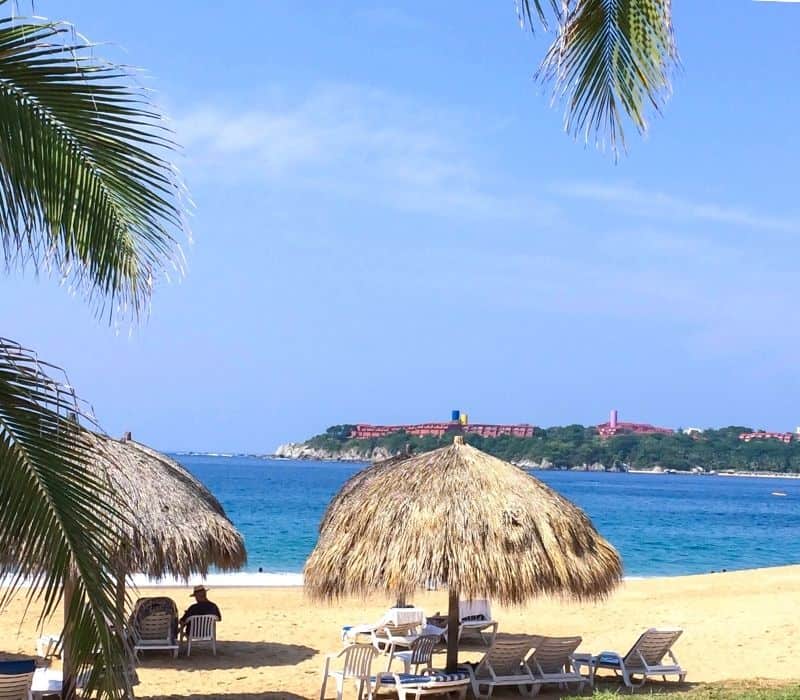
14 Mexico Travel Mistakes That’ll Cost You Money
Mexico travel mistakes that cost money are more common than most visitors realize, and the Riviera Maya corridor is specifically designed to make them easy to make.
The resorts are extraordinary. The beaches are genuinely world-class. The food, the culture, the cenotes, the colonial towns within day-trip distance, Mexico delivers on every level.
But the gap between a trip that stays within budget and one that spirals significantly over it comes down to a handful of specific decisions that most visitors make without realizing the financial consequences.
I’ve spent time across the Riviera Maya: Cancun, Playa del Carmen, Cozumel, Isla Mujeres, and every visit has reinforced the same observation: the tourist infrastructure here is world-class at extracting money from visitors who don’t know where to push back.
These are the 14 Mexico travel mistakes that’ll cost you money, and exactly what to do instead.
Taking Unofficial Taxis From the Airport

Cancun International Airport is one of the most aggressive environments for unofficial taxi operators in the entire region, and arriving without a plan puts you at an immediate financial disadvantage before you’ve even left the terminal.
Unofficial taxi drivers and transfer companies operate throughout the arrivals hall, approaching passengers with offers that sound reasonable until you compare them to what the journey should actually cost.
A shared shuttle from the airport to the Hotel Zone costs approximately $10-15 USD through official operators.
An unofficial taxi for the same journey quotes $40-60 USD to visitors who don’t know better, and once you’ve agreed and your bags are in the car, the leverage is gone.
The fix is straightforward. Book a private transfer in advance through a reputable platform before you fly, your hotel or a service like Cancun Transfers or Klook both offer fixed-rate options at transparent prices.
Alternatively, use the official ADO bus service from the airport to the Hotel Zone for around $9 USD, reliable, air-conditioned, and a fraction of any taxi price.
Walk past every person approaching you in the arrivals hall regardless of how official they look or how reasonable they sound. Your pre-booked transfer or the ADO bus counter is the only interaction worth having.
Exchanging Money at the Airport or Hotel
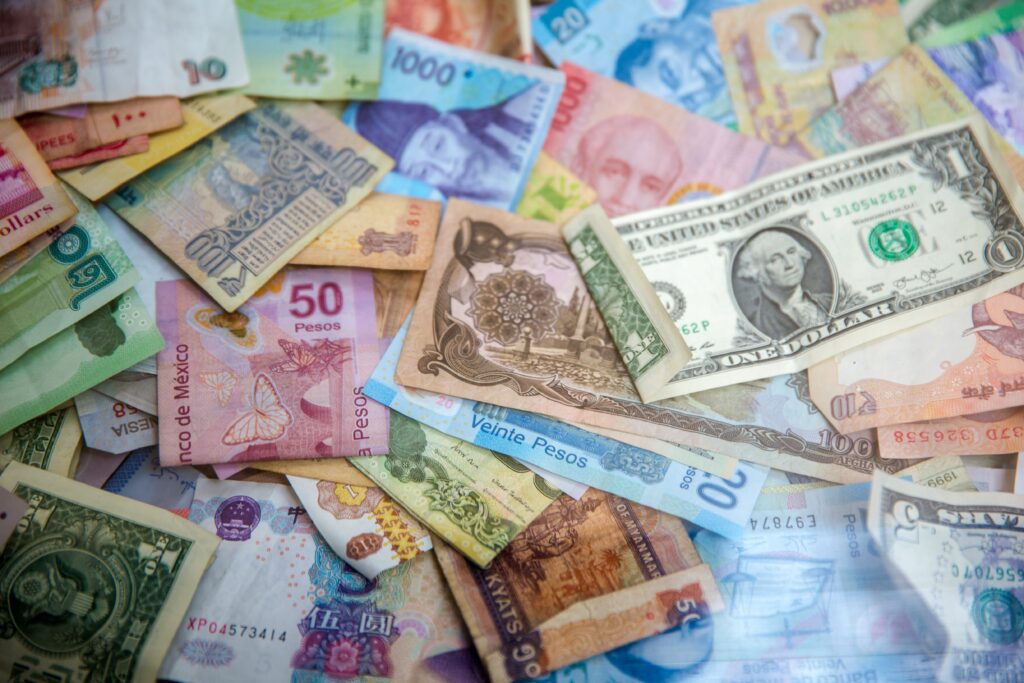
Currency exchange at Cancun Airport and at resort hotel front desks consistently offers some of the worst rates available anywhere in Mexico, and exchanging significant amounts at either location quietly takes a meaningful percentage of your money before your trip has properly started.
The spread at airport exchange counters in Cancun can run 15-20% worse than mid-market rate, meaning on a $500 USD exchange you’re losing $75-100 before you’ve spent a single peso on anything you actually wanted.
The practical approach: withdraw just enough at the airport ATM for immediate transport and first-day needs, 500-1,000 MXN is sufficient.
Then use ATMs in Playa del Carmen, the Hotel Zone, or wherever you’re based for subsequent cash needs at significantly better rates. OXXO convenience stores have widely available ATMs across the Riviera Maya that accept most international cards.
A Wise card loaded with Mexican pesos is an excellent complement, close to mid-market exchange rates on every transaction and accepted increasingly widely across the region for card payments.
Not Booking Your Hotel Early Enough
The Riviera Maya hotel market operates on straightforward supply and demand, and demand for quality accommodation at reasonable prices exceeds supply for significant portions of the year.
December through April is peak season, hotels that cost $150 per night booked three months in advance cost $250-350 booked two weeks out for the same dates and same room.
During Spring Break in March and the Christmas-New Year window, quality rooms at reasonable prices disappear entirely if you wait too long regardless of budget.
The Riviera Maya has seen significant hotel price inflation over the past several years as the region has grown in international popularity.
The travelers who manage this best book accommodation two to three months in advance for peak season travel and four to six months for the Christmas window and Spring Break.
That approach locks in the real price rather than the scarcity price, and in Mexico right now, the gap between those two numbers is significant.
Overpaying for Tours Through Your Resort

Resort concierge desks in Cancun and Playa del Carmen earn commissions on every tour they book, and those commissions are built directly into the prices they quote without being itemized or disclosed.
The same cenote tour, Chichen Itza day trip, or catamaran excursion available through your resort concierge for $120 USD per person is available through a local tour operator in Playa del Carmen’s Quinta Avenida area, through Klook, or through Viator for $65-85 USD per person.
The tour is identical. The transport is frequently the same vehicle. The guide is occasionally the same person.
Before booking any excursion through your resort, spend 20 minutes comparing prices on Klook and Viator and checking the main street of whatever town you’re based in for local operators.
The savings per person per activity compound significantly across a week of excursions for a couple or family.
One practical note: local operators on Quinta Avenida in PDC and in the Hotel Zone in Cancun are also capable of quoting tourist prices rather than local ones. Get multiple quotes, compare online, and negotiate before committing.
Only Visiting Cancun and Missing PDC, Cozumel and Isla Mujeres
This mistake costs money in the most frustrating way, you spend more on a less interesting experience when genuinely extraordinary alternatives exist within easy reach.
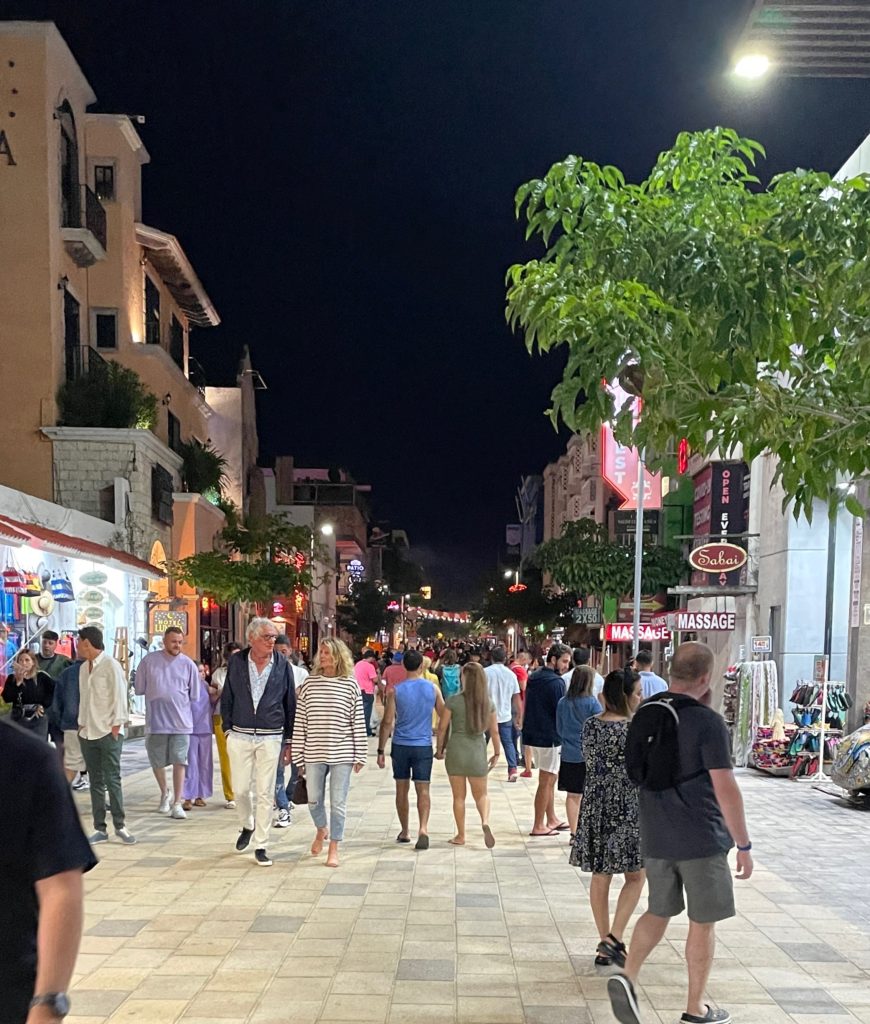
Playa del Carmen is 45 minutes south of Cancun by ADO bus at approximately $4 USD and operates as a completely different version of the Mexican Caribbean. Quinta Avenida, the main pedestrian street, runs parallel to the beach with a density of genuinely good restaurants, independent shops, and a street energy that the Hotel Zone’s resort corridor doesn’t replicate.
Accommodation in PDC consistently runs cheaper than equivalent quality in Cancun’s Hotel Zone.
Isla Mujeres is a 20-minute ferry from Cancun’s Puerto Juárez ferry terminal at approximately $10 USD return.
The island is small, navigable by golf cart, and has some of the clearest water and most relaxed atmosphere in the entire region. A full day trip costs almost nothing beyond the ferry and a golf cart rental.
Cozumel, accessible by ferry from Playa del Carmen at roughly $18 USD return, is considered one of the top diving and snorkeling destinations in the world.
The Mesoamerican Barrier Reef surrounding the island offers visibility and marine diversity that the mainland beaches simply don’t match.
Staying exclusively in your Cancun resort for an entire trip while these options sit within an hour is one of the most common and most expensive missed opportunities in the region.

Eating Only at Resort Restaurants
All-inclusive resorts in Mexico are designed to keep you eating and drinking on property, and the financial logic for the resort in doing so is obvious. The food and beverage margin on all-inclusive guests eating off-property is zero.
The practical consequence for guests is that resort restaurants, while often genuinely good, represent a fraction of what’s available in the surrounding area at prices that are covered by your room rate in theory but inflate the real cost of the trip in practice when you factor in what you’re paying per day for the all-inclusive package.
In Playa del Carmen, genuinely exceptional Mexican food is available within walking distance of most accommodation at $5-15 USD per person for a full meal.
Taco stands, cochinita pibil specialists, seafood restaurants on the beach, regional Yucatecan cuisine, all of it exists outside resort walls at prices that make the resort restaurant comparison feel slightly absurd.
Even within all-inclusive properties, the premium restaurants requiring reservations or additional charges are often the resort’s highest-margin operation. Seek them out only when they genuinely offer something the local alternatives don’t.
Not Carrying Cash for Local Markets and Street Food
The Riviera Maya’s tourism infrastructure has improved card acceptance significantly but cash remains essential for a significant portion of the region’s best and most affordable experiences.
Street food vendors, local taco stands, market stalls, small family-run restaurants away from the tourist corridor, colectivo minibuses between towns, beach vendors, and entrance fees at smaller cenotes all operate on cash only.
Showing up without pesos to any of these situations limits your options and sometimes forces expensive alternatives.
Beyond practicality, having cash enables participation in the local economy that card transactions don’t.
The best meal you eat in Mexico will probably cost 80-150 MXN from a street vendor who doesn’t have a card terminal. Access to that experience requires pesos in your wallet.
Keep 500-1,000 MXN on you at all times across a Mexico trip. Withdraw larger amounts less frequently to minimize ATM fees. The combination of cash access and a Wise card for larger transactions covers every spending situation the Riviera Maya presents.
Booking All-Inclusive Without Comparing What’s Actually Included

All-inclusive in Mexico is not a standardized product, and the assumption that everything is included consistently produces expensive surprises for guests who didn’t read what they actually bought.
Base all-inclusive packages at many Riviera Maya resorts cover buffet meals, standard drinks, and basic entertainment.
Premium restaurants within the same resort require reservations and additional per-person charges.
Premium spirits and certain wines cost extra. Spa access beyond basic facilities carries separate fees. Water sports that look included from the beach have rental costs attached. Off-site excursions are never included.
The result is that guests who arrive expecting all costs to be covered frequently spend $150-300 USD per person in additional charges across a week that they didn’t budget for because the word “all-inclusive” suggested otherwise.
Before booking, read the specific inclusions list rather than the marketing description. Compare what one resort’s all-inclusive actually covers versus another at a similar price point.
The resort that costs $30 more per night but genuinely includes premium dining and activities is frequently better value than the cheaper option that charges for everything beyond buffet and beer.
Renting a Car Without Understanding the Insurance Rules
Mexico car rental insurance is one of the most consistently misunderstood and most costly mistakes international visitors make across the entire Riviera Maya region.
The core issue: Mexican law requires liability insurance for driving in Mexico, and most international credit card travel insurance packages and home country car insurance policies do not cover Mexico.
Rental companies are required to offer you Mexican liability insurance at the counter, and the pressure to accept their full coverage package, which can run $30-50 USD per day on top of the base rental rate, is significant.
Before renting a car in Mexico, verify specifically whether your credit card’s rental coverage applies to Mexico, many explicitly exclude it. If it doesn’t, the rental company’s insurance is genuinely necessary rather than an upsell to resist.
Additionally: many rental companies in Cancun have been reported to charge cards for pre-existing vehicle damage that was already present at pickup. Photograph every centimeter of the vehicle before driving away.
Document everything. The dispute resolution process for international visitors is difficult and the charges are real.
Renting a car in Mexico is worth it for accessing cenotes, colonial towns, and the broader Yucatan Peninsula beyond the tourist corridor. Just understand what you’re paying for and protect yourself before you leave the lot.
Visiting During Spring Break Without Knowing What You’re Walking Into
Cancun during Spring Break, which runs roughly from late February through April as different US universities stagger their breaks, is a completely different destination from Cancun at any other time of year.
Hotel prices spike 40-80% above their already peak-season rates during the highest-volume Spring Break weeks. Beaches in the Hotel Zone are packed to a density that makes the usual resort experience unrecognizable.
Clubs, bars, and pool parties operate at maximum capacity and maximum pricing. The general atmosphere of the Hotel Zone shifts significantly toward a party dynamic that surprises visitors who booked without understanding what the dates meant.
None of this is a problem if you’re specifically coming for Spring Break, that experience is exactly what it’s marketed as and the people there for it are there intentionally.
The financial and experiential damage comes from visitors who booked what looked like a good deal in March without realizing they’d scheduled their family holiday or couples trip directly into the middle of it.
Manage the dates carefully and the surprise cost and atmosphere shift are entirely avoidable.
Skipping Travel Insurance

Mexico’s private hospital system, particularly in the Riviera Maya where international-standard hospitals serve a heavily tourist-facing population, is excellent and expensive without coverage.
An emergency room visit for something as routine as a coral cut infection, food poisoning requiring IV treatment, or a minor injury from a water sport generates bills that start at $500-1,000 USD for straightforward cases and escalate significantly for anything requiring imaging, surgery, or overnight admission.
Water activities, snorkeling, diving, cenote swimming, jet skiing, are a standard part of most Riviera Maya trips and carry real injury risk. Sun-related illness in Mexico’s intense heat is genuinely common among visitors who underestimate it.
Stomach illness from food or water affects a meaningful percentage of visitors every year.
Travel insurance for a Mexico trip costs $50-100 USD. The comparison between that and a potential $5,000-10,000 medical bill makes the decision obvious. Don’t skip it.
Not Haggling at Local Markets
Mexico’s markets operate on negotiation, and the opening price quoted to obvious tourists is almost never the price at which a vendor expects to sell.
Quinta Avenida in Playa del Carmen, the markets in Cancun’s Hotel Zone, and the souvenir markets throughout the region all function on the same principle: quote high, expect negotiation, settle somewhere in the middle.
Visitors who accept the opening price pay tourist rates. Visitors who negotiate pay closer to local rates.
The gap is real and consistent. A hammock quoted at 800 MXN opens at a fair negotiating price of 450-500 MXN. Silver jewelry quoted at 600 MXN closes at 350-400 MXN. Embroidered clothing, hand-painted pottery, leather goods, all of it is priced for negotiation rather than fixed sale.
Research approximate fair prices before you shop rather than walking in blind. Start at 50-60% of the opening quote and negotiate from there.
Smile throughout, haggling in Mexico is friendly rather than confrontational and the dynamic is genuinely enjoyable once you stop feeling uncomfortable about it.
Buying Souvenirs at Resort Gift Shops
Resort gift shops are the single most expensive place to buy souvenirs in the Riviera Maya and the gap between their pricing and what the same items cost elsewhere is not subtle.
A hand-painted ceramic at a resort gift shop costs 800-1,200 MXN. The identical item at a market in Playa del Carmen or at a shop in Valladolid costs 200-400 MXN.
Resort-branded clothing carries a premium that reflects the logo rather than the quality. Even basic items, sunscreen, over-the-counter medications, water, cost significantly more at resort shops than at the OXXO convenience store that exists in virtually every Mexican town.
The one category where resort gift shop pricing is occasionally competitive: local artisan items that the resort has sourced directly from regional craftspeople.
Some resorts do this genuinely and the quality reflects it. For everything else, leave the resort for your souvenir shopping.
Playa del Carmen’s Quinta Avenida, the markets in Cancun’s downtown area, and the artisan markets in Valladolid and Izamal, all offer the same quality or better at prices that don’t include a resort margin.
Not Pre-Booking Popular Cenotes and Attractions
The Riviera Maya’s most popular cenotes and attractions, Gran Cenote near Tulum, Ik Kil near Chichen Itza, Dos Ojos near PDC, the Chichen Itza ruins themselves, operate on capacity limits that are reached quickly during peak season, and visitors who show up without bookings face a combination of turned-away experiences and significantly higher last-minute prices.
Chichen Itza in particular has implemented online ticket requirements that make walk-up entry genuinely difficult during high season.
Tour operators who arrange last-minute access charge substantial premiums for the convenience. The same visit booked two to three weeks in advance directly through official channels costs meaningfully less and guarantees entry.
For cenotes, walk-up pricing from tour operators near popular sites is consistently 20-40% higher than booking in advance through Klook, Viator, or the cenote’s own reservation system.
Pre-booking also gives you a specific time slot rather than waiting in whatever queue has formed at the entrance.
Plan your cenote and ruin visits as early as possible during trip planning. The combination of guaranteed access and advance pricing saves real money and eliminates the frustrating situation of arriving at something you specifically traveled to see and being turned away.

Why Mexico Keeps Getting More Expensive
The Riviera Maya has changed significantly over the past decade, and the direction of travel on pricing is consistently upward.
International tourism to the region has grown substantially year over year. New hotel developments, particularly at the luxury end, have raised the price floor for accommodation across the corridor.
Cancun and Playa del Carmen now regularly appear on lists of the most visited destinations in the Americas, the demand that creates is directly reflected in what things cost.
The dollar-to-peso exchange rate has worked in favor of international visitors at various points, moderating the impact somewhat. But the underlying price trajectory of the Riviera Maya is clear and has been for years.
None of this makes Mexico a bad value proposition, it remains significantly more affordable than comparable Caribbean destinations and the quality of beaches, food, and cultural access is genuinely world-class.
It just means the era of effortlessly cheap Mexico holidays for international visitors is over, and the travelers who get the best value now are the ones who approach the destination with the same intentionality they’d bring to any other premium travel destination.
The mistakes on this list are expensive because Mexico’s pricing infrastructure has evolved to capture maximum spend from visitors who don’t know where to push back. Now you do.
Final Thoughts on Mexico Travel Mistakes That’ll Cost You Money
Mexico is one of the most extraordinary travel destinations in the world, the beaches, the food, the culture, the history, the sheer variety of what’s available across the Riviera Maya corridor makes it genuinely hard to leave disappointed.
But it’s a destination that rewards preparation and punishes passivity. The airport taxi, the resort tour desk, the all-inclusive fine print, the Spring Break pricing, none of these are traps that require bad luck to fall into.
They’re standard operating procedure for a tourism infrastructure that has spent decades optimizing for visitor spend.
Book the transport before you land. Compare tour prices before you commit. Read what your all-inclusive actually includes. Carry cash. Haggle at the markets. Take the ferry to Isla Mujeres at least once.
Do those things and Mexico gives you extraordinary value for what you spend. Skip them and you’ll leave wondering where the budget went.
What is the biggest financial mistake tourists make in Mexico?
Taking unofficial taxis from Cancun Airport and booking tours through resort concierges are the two most consistent money drains.
Both are easily avoided with advance planning and both save significant amounts per person compared to the default tourist option.
Is Mexico still affordable in 2026?
More expensive than it was five years ago but still significantly cheaper than comparable Caribbean destinations.
Smart decisions around accommodation booking timing, tour sourcing, and avoiding resort pricing for daily needs keep the trip genuinely affordable.
When is the most expensive time to visit Cancun?
Christmas and New Year week and the peak Spring Break weeks in March are the most expensive periods by a significant margin.
November and early December offer excellent weather at meaningfully lower prices, one of the best value windows in the annual calendar.
Is it safe to rent a car in Mexico’s Riviera Maya?
Yes for most of the Riviera Maya corridor, the toll road between Cancun and Tulum is well-maintained and heavily traveled.
Verify your insurance coverage specifically for Mexico before accepting or declining rental company coverage. Photograph all pre-existing vehicle damage before leaving the lot without exception.
