

15 Reasons You’re Visiting Vietnam Wrong
Vietnam is one of those countries that gets under your skin in the best possible way, and most people who visit absolutely love it.
But there’s a significant difference between visiting Vietnam and visiting Vietnam wrong, and more travelers fall into the second category than realize it.
The tourist version of Vietnam is easy to access and genuinely enjoyable. The real version requires a little more intention, a little more curiosity, and a willingness to step away from the organized experience that most visitors never leave.
I’ve traveled through Vietnam multiple times across different regions and seasons, and every trip reveals something the previous one missed.
A regional dish I hadn’t tried. A neighborhood that felt nothing like the tourist trail. A conversation that wouldn’t have happened if I’d stuck to the itinerary.
Vietnam rewards the traveler who pays attention. These are the 15 reasons you’re visiting Vietnam wrong, and what doing it right actually looks like.
You’re Trying to See the Entire Country in Two Weeks
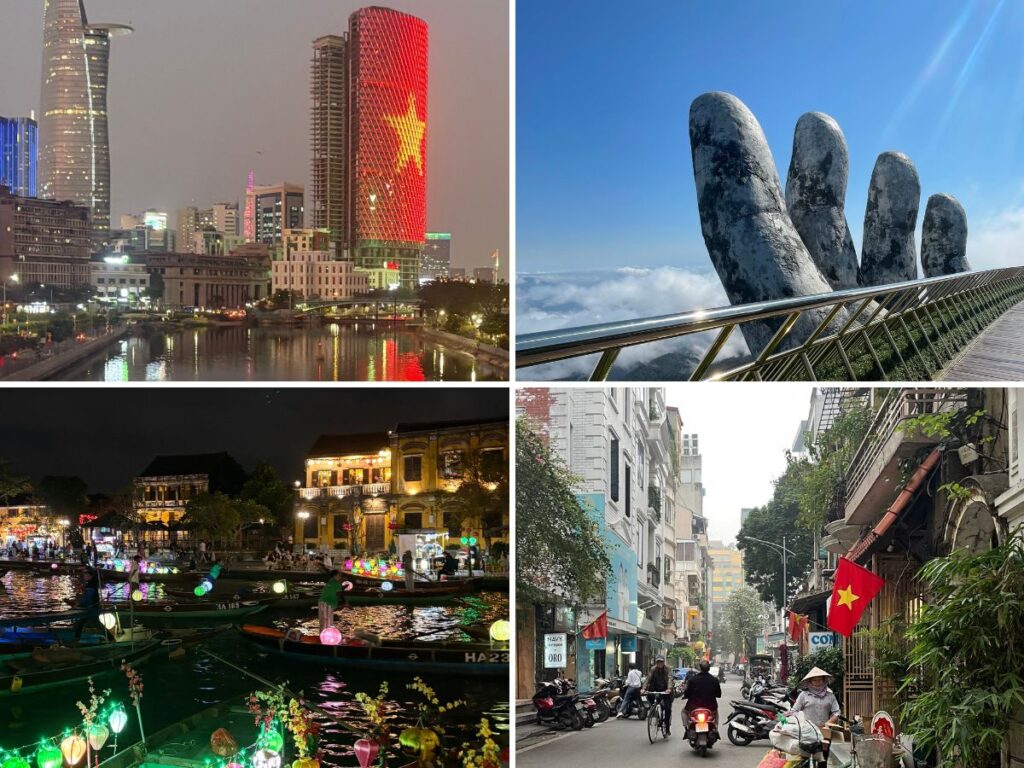
Vietnam is over 1,600 kilometers from north to south, and the number of visitors who arrive thinking they can cover it completely in two weeks is matched only by the number who leave having spent most of their trip on planes, buses, and ferry terminals.
Hanoi to Ho Chi Minh City is a 2-hour flight or a 30-plus hour bus ride. Cities that look close on a map take 8-12 hours by bus.
Add Sapa, Halong Bay, Hoi An, Hue, Da Nang, the Mekong Delta, and Phu Quoc to the same itinerary and you’re not traveling Vietnam, you’re sprinting through it without stopping long enough for any of it to land.
The travelers who experience Vietnam most deeply are the ones who picked a region and stayed.
Three focused weeks in the north gives you Hanoi properly, an overnight Halong Bay cruise, Sapa during harvest season, and Ninh Binh without rushing any of it.
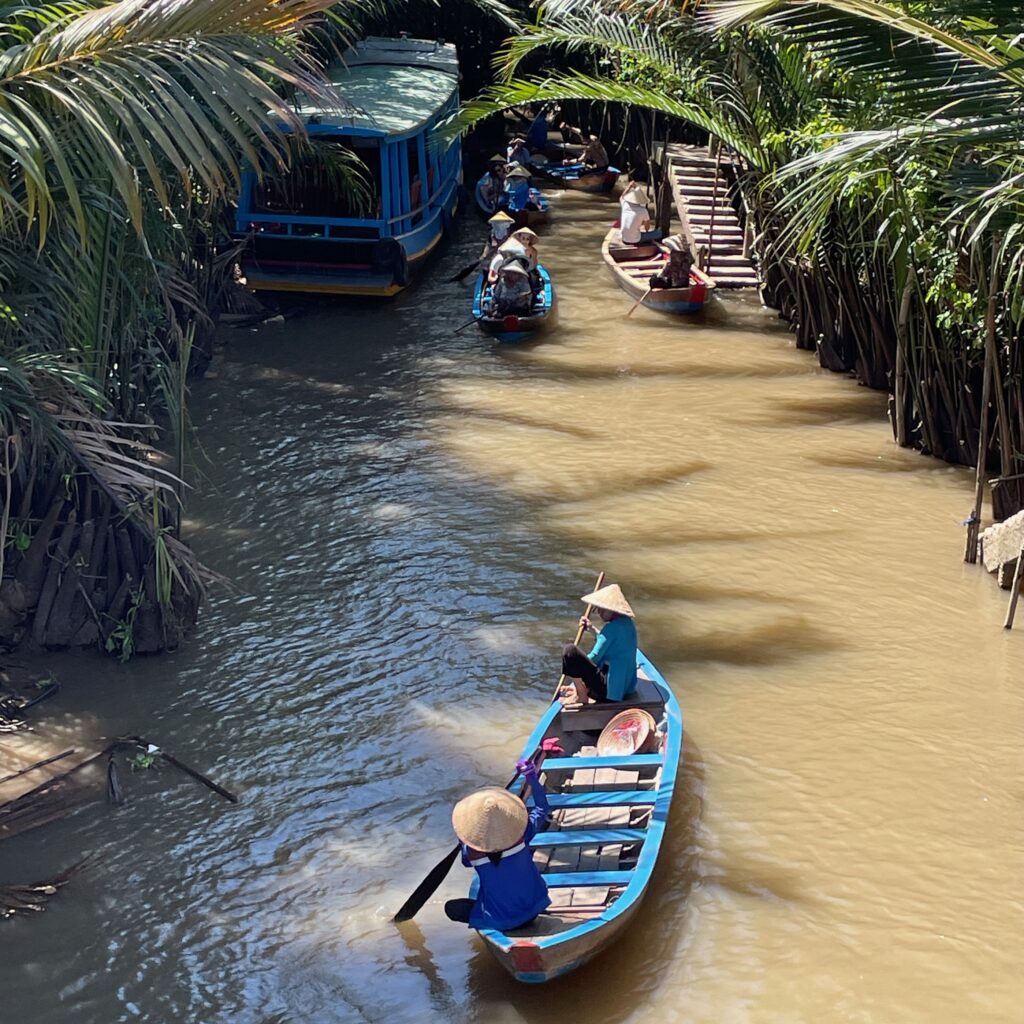
Two weeks in the center and south gives you Hoi An at its best, the Mekong Delta by boat, and Phu Quoc with actual beach time. Pick fewer places. Stay longer. Come back for the rest.
You’re Not Dressing for the Regional Weather Differences
This one catches more visitors off guard than almost anything else, and the reason is simple:
Vietnam looks small on a map and the weather difference between north and south is genuinely dramatic.
Ho Chi Minh City is hot year-round, 30-35°C with humidity that never really breaks. Hanoi in December and January averages 15-20°C with a persistent damp cold that feels significantly more cutting than the number suggests. Sapa in winter drops to single digits at night with occasional frost at the highest elevations.
The classic mistake is arriving in Saigon, spending a week in tropical heat, and then flying to Hanoi in December in shorts and a t-shirt with no jacket in your bag.
It happens constantly. Hanoi in winter is genuinely cold by any standard, especially after acclimatizing to southern Vietnam’s heat, and being underprepared for it ruins the experience.
Before you pack, map your itinerary against the regional weather guide. If your trip spans north and south between November and February, pack for both climates.
A light jacket for Hanoi costs nothing to bring and everything to not have when you need it.
You’re Only Staying in Tourist Areas
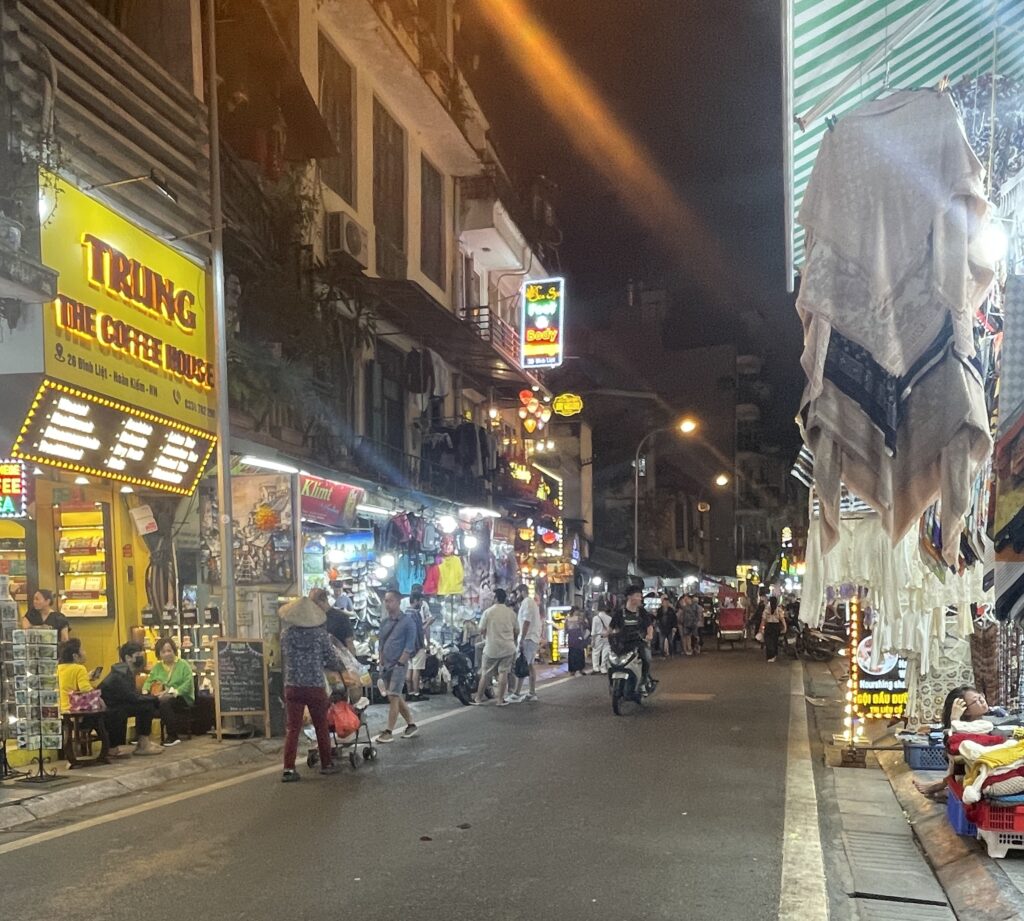
The tourist trail in Vietnam is well-worn, well-organized, and designed to keep you comfortable and spending. It’s also a remarkably thin slice of what the country actually is.
Hoi An’s Ancient Town is extraordinary but it’s also a fully commercialized tourist experience where almost every business exists to serve international visitors.
The Old Quarter in Hanoi is genuinely atmospheric but the streets immediately surrounding it are priced for tourists rather than locals. Phu Quoc’s main beach strip looks like a resort zone that could be anywhere.
Two streets away from any of these areas is a completely different Vietnam. The neighborhood restaurant with no English menu where locals eat three times a day.
The café that doesn’t appear on any map but makes better coffee than anything on the tourist strip.
The temple on a Wednesday morning where you’re the only foreigner and the atmosphere is entirely different from the ticketed tourist version. Staying in tourist areas isn’t wrong. Never leaving them is.
You’re Eating at Western-Friendly Restaurants

Vietnam has one of the greatest food cultures in the world, and spending your meals at restaurants with English menus, fusion dishes, and Western-style presentation means you’re eating the tourist approximation of it rather than the real thing.
The best food in Vietnam is at the places that look the least like restaurants. The plastic stool operations on the sidewalk where the cook has been making the same dish for twenty years.
The market stall that opens at 6 a.m. and sells out by 9. The family shophouse where the menu is whatever was cooked that morning and you order by pointing.
These places don’t have Instagram presence. They don’t have English menus. They have food that’s been perfected through repetition for a local customer who would notice if the quality dropped.
Find where locals eat. Follow the lunch crowds. Eat at the busiest stall on the street. That’s where Vietnamese food actually lives, and it will be some of the best food you eat anywhere in the world.
You’re Rushing Through Hoi An

Hoi An is one of the most beautiful towns in Southeast Asia, and the most common mistake visitors make is giving it two days when it deserves five.
Most people do the Ancient Town in an afternoon, tick off a cooking class, and move on. They miss the early morning before the crowds arrive when the lantern-lit streets are quiet and the light is extraordinary.
They miss the bicycle ride out to the rice paddies before 7 a.m. They miss My Son Sanctuary on a clear morning.
They miss An Bang Beach for a full slow day. They miss the tailor who needs three fittings to get something exactly right.
Hoi An is also the kind of place that reveals itself slowly. The café you discover on day three. The restaurant on a back street that becomes your nightly routine. The boat ride on the Thu Bon River that you only take because you have time.
Give Hoi An the time it deserves. You’ll leave wishing you’d stayed longer regardless of how long you stayed.
You’re Skipping Northern Vietnam Entirely
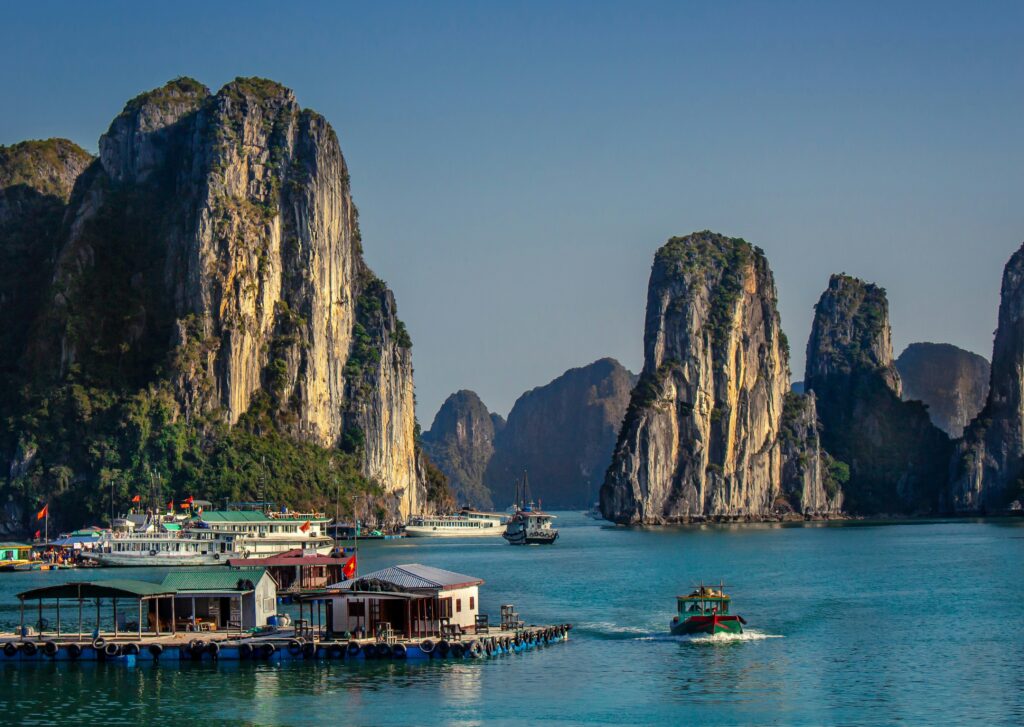
A significant number of Vietnam visitors fly into Ho Chi Minh City, work their way up through the center, and turn around before reaching the north.
They leave having missed what many experienced Vietnam travelers consider the most extraordinary part of the country.
Northern Vietnam is a completely different experience from the south. Hanoi operates at its own pace with a French colonial architecture, a café culture that rivals anywhere in the world, and a street food scene centered on dishes, bun cha, bun rieu, bun thang, cha ca, that barely exist outside the city.
Halong Bay’s limestone karsts rising from emerald water is one of the most visually extraordinary landscapes in Asia.
Sapa’s terraced rice fields during harvest season in October are among the most spectacular sights Vietnam offers.
The north requires more time to reach and more time to appreciate. That’s exactly why most people skip it. It’s also exactly why the travelers who go consistently say it was the best part of their trip.
You’re Treating Hanoi as Just a Stopover
Hanoi gets one or two days on most Vietnam itineraries, enough to see Hoan Kiem Lake, walk the Old Quarter, and catch a flight somewhere else. It deserves significantly more than that.
Hanoi is one of the most atmospheric cities in Southeast Asia. The French colonial architecture along tree-lined boulevards.
The 36 streets of the Old Quarter each historically dedicated to a specific trade. The Temple of Literature dating to 1070.
The street food scene that is genuinely different from anywhere else in Vietnam, egg coffee, bun cha, banh cuon, pho that tastes nothing like the southern version.
But Hanoi also reveals itself slowly. The neighborhood café tucked into an alleyway that becomes your morning ritual.
The back street restaurant where you eat the best meal of your trip. The evening walk around Hoan Kiem Lake when the city is at its most alive. Give Hanoi four days minimum. It earns every one of them.
You’re Only Eating Pho, Banh Mi and Bun Cha
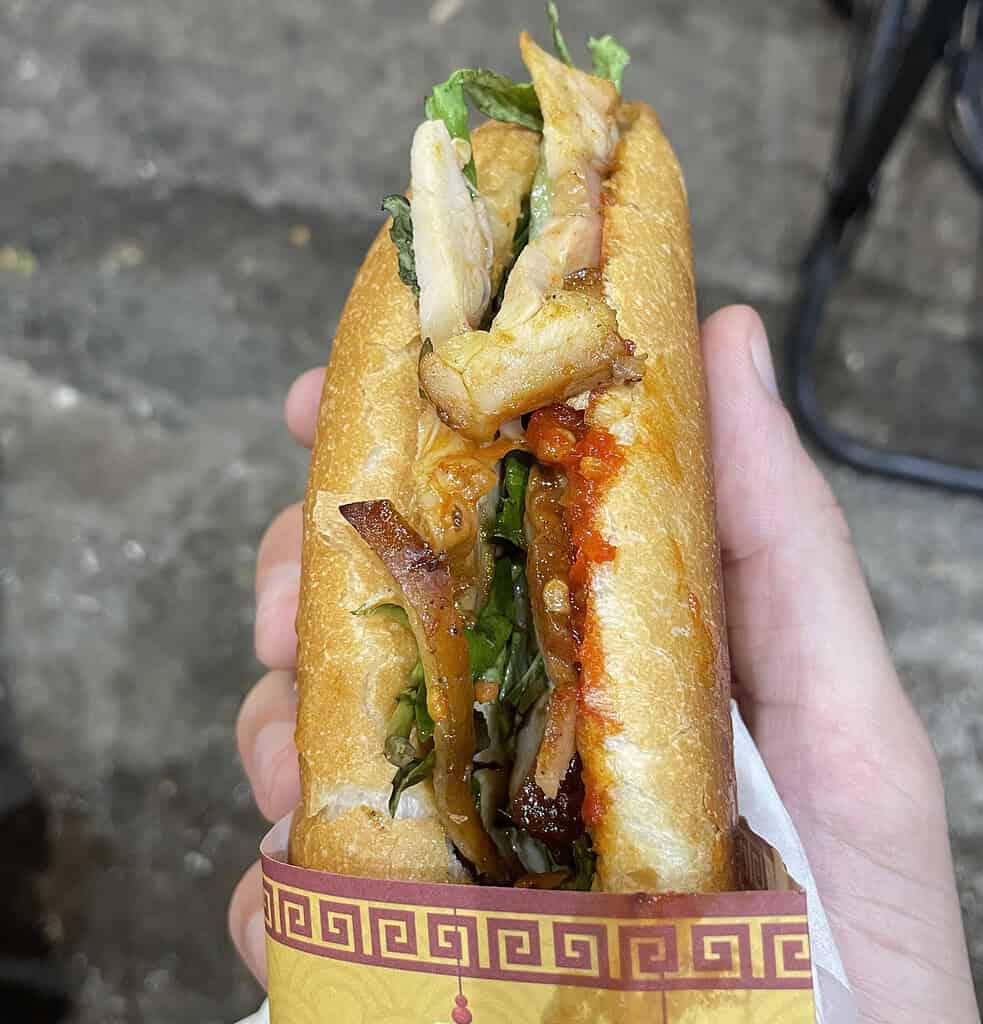
Pho, banh mi, and bun cha are extraordinary dishes. They’re also available at Vietnamese restaurants in Toronto, London, Sydney, and Los Angeles.
If those are the only things you eat in Vietnam, you’ve eaten the internationally exported greatest hits and missed the entire depth of what Vietnamese cuisine actually is.
Vietnam’s regional food landscape is one of the most varied in Asia, and the dishes that rarely travel internationally are frequently the most extraordinary.
Cao lau in Hoi An, thick noodles with pork and crispy crackers that can only be made correctly with water from a specific local well.
Mi Quang in Da Nang, turmeric-yellow noodles with shrimp, pork, and a small amount of rich broth. Bun bo Hue, a spicy, lemongrass-heavy beef noodle soup from Hue that makes pho look understated.
Banh xeo, the crispy savory pancake filled with shrimp and bean sprouts that sizzles when it hits the plate.
Com tam, broken rice with grilled pork, a fried egg, and pickled vegetables that is Ho Chi Minh City’s defining breakfast.
These dishes exist in Vietnam in a form that traveling hasn’t preserved. Eat them where they were created. That’s the whole point of being there.
You’re Not Riding a Motorbike Outside the Cities
In beach towns, smaller cities, and rural areas where traffic is manageable, renting a motorbike transforms the Vietnam experience in ways that taxis and tour buses simply cannot replicate.
The Hai Van Pass between Da Nang and Hue on the back of a motorbike is one of the great travel experiences in Southeast Asia, a winding mountain road above the South China Sea with views that make the entire journey worth it.
The countryside around Hoi An by motorbike at sunrise is a completely different experience from a tour bus. The backroads around Hue’s royal tombs are best explored at your own pace with no schedule.
The caveat is real: don’t rent a motorbike in Hanoi or Ho Chi Minh City if you’re not experienced.
The traffic in both cities is genuinely overwhelming and the consequences of misjudging it are serious.
Outside the major cities, on roads you’ve researched, wearing a helmet, with a local number saved in your phone, a motorbike gives you Vietnam on your own terms. That version is worth seeking out.
You’re Visiting the Central Coast During Typhoon Season
Central Vietnam, Da Nang, Hoi An, Hue, has a weather calendar that catches visitors off guard because it runs almost opposite to the rest of the country.
While Ho Chi Minh City is in its dry season peak from November through April, the Central Coast is experiencing its wettest and most dangerous months.
October and November carry the highest typhoon risk. Hoi An’s Ancient Town, which sits in a flood-prone river valley, regularly floods during heavy rain events, streets filling knee-deep with water that makes the visitor experience genuinely miserable rather than just inconvenient.
The correct window for Central Vietnam is February through August. April is the absolute peak, clear skies, calm seas, warm temperatures, and Hoi An looking exactly like the photographs that convinced you to go.
Arriving at Hoi An in November expecting those conditions and finding gray skies, heavy rain, and flooded streets is one of the most preventable disappointments in Vietnam travel. Check the regional weather guide before you book anything in the center.
You’re Ignoring the Regional Food Differences

Vietnam’s north and south don’t just feel like different countries, they taste like different countries, and traveling between them without paying attention to those differences means missing one of the most interesting food stories in Asia.
Northern food is lighter, less sweet, and more focused on the quality of individual ingredients.
Pho in Hanoi is cleaner and more restrained than southern versions. The herbs are different. The broth is different. Even the banh mi fillings differ by region.
Southern food is bolder, sweeter, and more herb-forward. Ho Chi Minh City’s com tam comes with a sweetened fish sauce that wouldn’t appear on a northern table.
The soups are richer. The influence of Khmer and Chinese cooking is more present.
Central Vietnamese food, Hue especially, is the spiciest and most complex of the three. Bun bo Hue and banh beo and com hen all carry a heat and depth that’s entirely distinct from north or south.
Eat regionally. Order what’s specific to where you are. The dish that exists only in this city, made the way it’s made here, that’s the food worth traveling for.
You’re Not Slowing Down Enough
Vietnam has a pace. It’s unhurried in ways that feel counterintuitive when you first arrive in the chaos of Hanoi or Ho Chi Minh City, but it’s there underneath the motorbike noise and the market energy.
The café culture is built for sitting. People spend hours over a single coffee watching the street.
The plastic stool restaurants aren’t designed for fast turnover, they’re designed for eating slowly and staying.
The evening walks around Hoan Kiem Lake or along the Thu Bon River in Hoi An are activities in themselves, not transitions between activities.
The travelers who get the most from Vietnam are the ones who stop trying to optimize the schedule and let the place set the pace.
The afternoon that dissolves into three hours at a café. The dinner that becomes a conversation that lasts until midnight.
The morning with nowhere specific to be and nowhere specific to go. That’s when Vietnam shows you what it actually is.
You’re Overpaying for Everything

Vietnam is affordable, and the tourist pricing system that operates in parallel is a different economy that most visitors spend their entire trip in without realizing the gap.
Street food costs $1-3. Grab rides cost a fraction of what a negotiated taxi costs. Local restaurants charge 60-100,000 VND for a complete meal. Markets have real prices that bear no relationship to the opening quote vendors give tourists.
The fix is the same as everywhere: use Grab and Green SM instead of street taxis. Eat where locals eat. Negotiate at markets, the opening price is never the real price.
Book tours through reputable platforms rather than hotel concierges who markup everything. Walk one street away from any major attraction before spending money on anything.
Vietnam at Vietnamese prices is genuinely extraordinary value. Most visitors never access it.
You’re Missing the Coffee Culture

Vietnamese coffee culture is one of the most specific and most rewarding things about being in the country, and visitors who grab a coffee to go and keep moving are missing the entire point.
Vietnam is the world’s second-largest coffee producer, and the coffee itself, robusta beans, strong, intense, served over condensed milk and ice as ca phe sua da, is genuinely different from anything available outside the country.
Egg coffee in Hanoi. Coconut coffee in Ho Chi Minh City. The ca phe trung that’s been made at Giang Café since 1946.
The specialty roasters in Da Nang and Hoi An that source from highland farms and serve it with the seriousness of a fine wine.
But the coffee culture isn’t just about the drink. It’s about the sitting. The Vietnamese café is a place to spend two hours doing nothing in particular while the street moves outside the window. It’s how locals start their morning, fill their afternoon, and end their evening.
Find a café with plastic stools and a view of the street. Order a ca phe sua da. Sit down. Stop planning. That’s the correct way to experience Vietnamese coffee.
You’re Comparing It to Thailand the Whole Time

This is the most common and most limiting mistake visitors make in Vietnam, and it applies most frequently to people doing their first Southeast Asia trip.
Thailand and Vietnam are completely different countries with different histories, different food cultures, different social dynamics, and different relationships with tourism.
Thailand’s infrastructure is more developed for international visitors. Vietnam is rawer, more complex, and in many ways more rewarding for exactly that reason.
The traveler who spends their Vietnam trip noting what’s cheaper than Thailand, what’s less organized than Thailand, what’s harder than Thailand is never actually arriving in Vietnam. They’re experiencing it through a comparison that does neither country justice.
Vietnam deserves to be experienced on its own terms. The chaos of Hanoi’s Old Quarter isn’t a less organized version of Bangkok, it’s its own specific thing that rewards patience and curiosity rather than comparison.
The food isn’t Thai food with different ingredients. The people aren’t Thai people with a different accent. Let Vietnam be Vietnam. It’s more than enough.
Final Thoughts on Visiting Vietnam the Right Way
Vietnam is one of the most rewarding countries in the world to travel through, and it’s also one of the easiest to experience superficially without realizing you’re doing it.
The tourist version is genuinely good. But the version underneath it, the regional food nobody told you to order, the neighborhood two streets from the tourist trail, the afternoon in a café that turned into three hours, the motorbike road that made everything worth it, that version is extraordinary.
Slow down. Eat regionally. Give Hanoi more time. Pack for the weather difference. Stop comparing it to anywhere else.
Do those things and Vietnam stops being a great trip and becomes something harder to define, a place that changes how you think about travel and keeps pulling you back regardless of how many times you’ve already been.

What is the most common mistake tourists make in Vietnam?
Trying to see the entire country in two weeks. Vietnam is over 1,600 kilometers long and the distances between major destinations eat significantly more time than most itineraries account for. Pick one or two regions and experience them properly.
When is the wrong time to visit Central Vietnam?
October and November carry the highest typhoon risk and heaviest rainfall for Da Nang, Hoi An, and Hue. February through August is the correct window for the Central Coast.
Arriving in November expecting dry season conditions is one of the most preventable disappointments in Vietnam travel.
Is Vietnam better than Thailand?
They’re completely different countries and the comparison doesn’t serve either one. Vietnam is rawer, more complex, and rewards slower travel.
Thailand has more developed tourism infrastructure. Both are extraordinary for different reasons and neither is better, they’re just different.
How long do you need to visit Vietnam properly?
Three weeks minimum to cover two regions without rushing. Two weeks works if you focus on one region only, north or south or central.
Anything less than ten days means making hard choices about what to skip entirely.
