
14 Reasons You’re Visiting Thailand Wrong
Thailand is one of the most visited countries in the world, and most people who go absolutely love it.
But loving Thailand and experiencing Thailand properly are two different things, and the gap between them is wider than most visitors realize.
You’re visiting Thailand wrong isn’t a criticism. It’s an observation. The tourist version of Thailand is easy to access, well-organized, and genuinely enjoyable.
But it’s also a curated experience designed to extract maximum spend from visitors who don’t know what they’re missing two streets away.
I’ve been to Thailand more times than I can count, and every trip reveals something the previous one missed.
A neighborhood I walked past without stopping. A restaurant I didn’t notice because there was no English sign.
A temple on a Tuesday morning that felt like a completely different country from the same temple on a Saturday afternoon. Thailand has two versions. Most visitors only ever see one of them.
You’re Packing Your Itinerary Too Tight
This is the single most common Thailand mistake and the one that shapes every other experience on the list.
Thailand is large. Bangkok alone sprawls across 1,500 square kilometers and can swallow entire days without warning.
Getting from one island to another involves ferries, buses, and waiting that no app fully accounts for. And the country has a pace, slow, unhurried, deliberately comfortable, that fights against a packed schedule at every turn.
Travelers who cram ten destinations into twelve days spend most of their trip in transit, arrive everywhere tired, and leave feeling like they saw Thailand rather than experienced it.
You can’t do the Grand Palace, a canal tour, Chinatown, a cooking class, and a rooftop bar in a single Bangkok day and absorb any of it properly.
Build your itinerary with room to breathe. Leave days unplanned. Give yourself permission to stay somewhere an extra night because leaving feels wrong.
The travelers who do Thailand right almost universally say the same thing: I wish I’d planned less and stayed longer.
You’re Not Giving Bangkok Enough Time
Most first-time visitors give Bangkok one or two days before rushing south to the beaches, and almost all of them regret it.
Bangkok is not a gateway city. It’s not a place you pass through on your way to somewhere better.
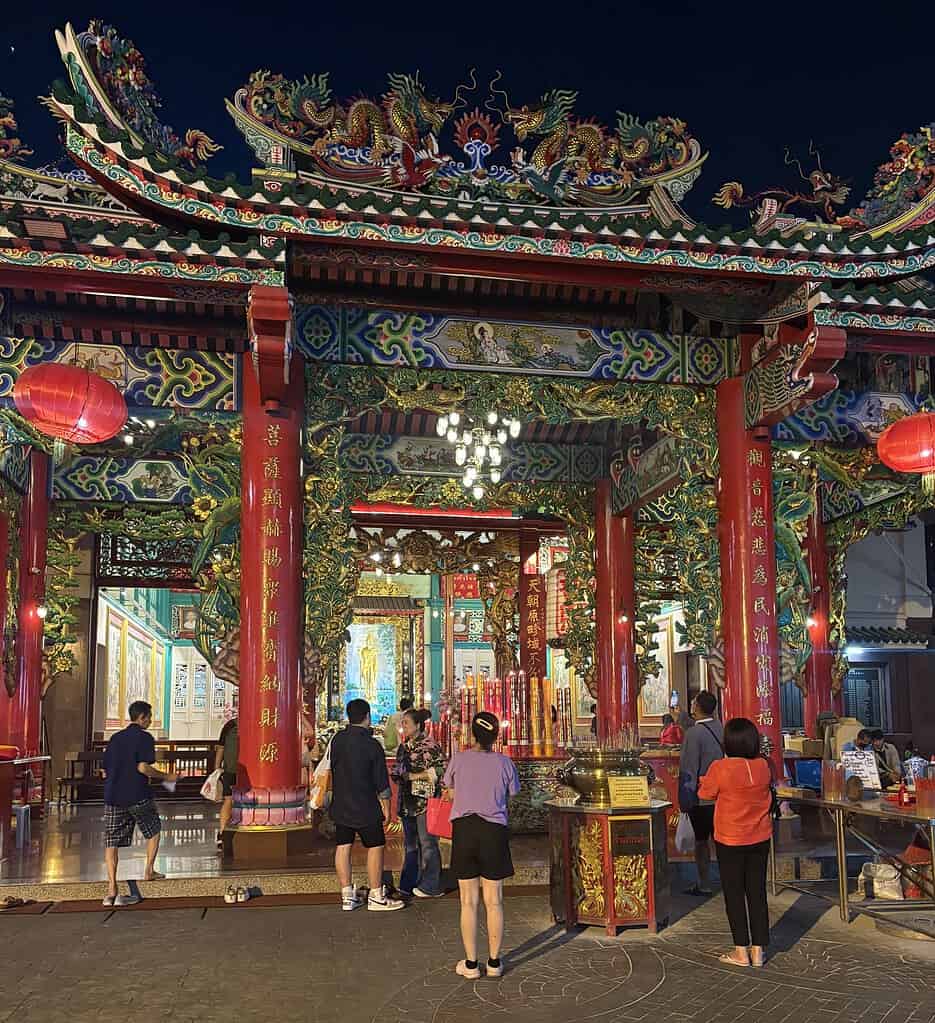
It’s one of the most extraordinary urban experiences in Southeast Asia, a city of 10 million people where ancient temples sit next to glass towers, street food carts operate outside luxury malls, and neighborhoods like Ari, Thonglor, and Bang Rak offer a version of Thai urban life that the tourist trail completely misses.
The Grand Palace and Wat Pho deserve a full day each. Chatuchak Weekend Market needs half a day minimum.
The canal network, Chinatown at night, the rooftop bar scene, the street food of Yaowarat—none of this fits into 48 hours. Give Bangkok four or five days. It rewards every hour you invest in it.
You’re Eating at Tourist Restaurants Instead of Street Stalls
If you’re eating at restaurants with laminated photo menus and English-speaking touts outside, you’re paying more for worse food than the street stall twenty meters away is serving.
Thai street food is not the budget alternative to real Thai food. It is real Thai food. The pad thai from the cart that’s been operating on the same corner for fifteen years, cooked by someone who makes it three hundred times a day, is better than the version at the tourist restaurant charging three times as much.
A meal at a tourist restaurant near a major attraction costs 200-300 THB. The same dish from a street stall or local shophouse costs 60-80 THB and the cook notices if the quality drops because their regulars come back daily.
Follow the lunch crowds. Find the stalls where locals are eating. Eat where there are no English menus and point at what looks good. That’s where Thailand’s food actually lives.
You’re Visiting at the Wrong Time of Year
Thailand has three distinct regional weather systems, and booking without understanding which one applies to your destination is one of the most expensive timing mistakes in travel.
The Andaman Coast, Phuket, Krabi, Koh Lanta, is at its best from November through April.
The Gulf Islands, Koh Samui, Koh Phangan, run on an almost opposite calendar and are at their worst in November and December when the Andaman side is perfect.
Northern Thailand is extraordinary from November through February and genuinely dangerous from mid-February through April during burning season when AQI readings hit hazardous levels.
Booking Koh Samui in December expecting Phuket conditions. Visiting Chiang Mai in March when the mountains have disappeared behind smoke.
Planning a two-week beach holiday during peak wet season on the wrong coast. These mistakes cost real money and real experience. Read the regional weather guide before you book anything.
You’re Trying to See Too Many Places
Directly connected to the tight itinerary problem but worth addressing separately: Thailand is not a country you can check off.
The traveler who does Bangkok, Chiang Mai, Pai, Koh Samui, Koh Phangan, Krabi, and Phuket in two weeks has technically visited all of them.
They’ve also spent roughly half their trip on buses, planes, and ferry terminals, arrived everywhere exhausted, and left everywhere before the place had a chance to reveal itself.
Thailand rewards depth over breadth. Three days in Chiang Mai gives you the temples and the night market.
A week in Chiang Mai gives you the cooking class, the elephant sanctuary, the café culture, the day trip to Chiang Rai, and the specific neighborhood restaurant you’ll think about for years.
Pick fewer places. Stay longer. Come back for the rest. Thailand will still be there.
You’re Missing the Real Side of Thai Culture

Tourist Thailand is temples, beaches, and pad thai. Real Thailand is the morning alms giving ceremony where monks collect food at dawn, the neighborhood shrine where locals leave offerings before work, the family-run restaurant where three generations cook the same recipe, the festivals that have nothing to do with tourism.
Most visitors pass through Thailand without accessing any of this because it requires stepping away from the organized tourist experience.
It requires getting slightly lost, eating somewhere with no English menu, talking to locals beyond transactional exchanges, and being in a place long enough to notice the rhythms of daily life.
None of this is difficult. It just requires intention. Walk into a neighborhood temple on a Tuesday morning when there are no other tourists.
Eat breakfast at the market where locals eat before work. Take a tuk-tuk to a neighborhood that isn’t in your guidebook. That version of Thailand exists everywhere. Most visitors just never look for it.
You’re Skipping the Mainland for the Islands

A significant number of Thailand visitors fly into Bangkok, spend one rushed day, and head straight to the islands for the rest of their trip.
They leave having experienced Thailand’s beaches and almost none of its culture, history, or genuine character.
The islands are extraordinary. They’re also the most tourist-facing, most internationally homogenized part of Thailand.
You can have a genuinely excellent time on Koh Lanta without ever encountering anything that feels distinctly Thai.
The mainland is where Thailand’s depth lives. Ayutthaya’s ancient ruins are an hour from Bangkok and one of the most powerful historical experiences in Southeast Asia.
Chiang Mai’s Old City temple circuit, cooking culture, and hill tribe villages are unlike anything the islands offer. Kanchanaburi’s war history and natural beauty are criminally undervisited.
A Thailand trip that balances mainland experiences with island time gives you the full country. Islands only gives you the postcard.
You’re Only Visiting the Famous Beaches

Railay, Phi Phi, Patong, Koh Samui’s Chaweng Beach, these are famous because they’re genuinely beautiful. They’re also among the most crowded, most expensive, and most tourist-saturated beach experiences in Thailand.
Thailand has hundreds of beaches, and the ones that don’t appear on every Instagram account are frequently better. Koh Lanta is quieter and more local-feeling than Koh Phi Phi.
Klong Muang Beach near Krabi has the same limestone backdrop as Railay with a fraction of the crowd.
The beaches of Koh Kood in the Gulf of Thailand are extraordinary and barely touched by mass tourism.
The famous beaches are worth seeing. But if they’re the only beaches you visit, you’re missing what makes Thailand’s coastline genuinely special, which is the variety, not the marquee names.
You’re Not Slowing Down Enough
Thailand has a pace. It’s slower than most Western countries, more deliberate, less hurried. The culture doesn’t rush. Meals take time. Service operates on its own schedule.
Getting frustrated with this is like getting frustrated with the weather, it won’t change, and the frustration only ruins your experience.
The travelers who do Thailand best are the ones who stop trying to operate at home speed and let Thailand’s rhythm take over.
They sit at a café for two hours instead of thirty minutes. They take the scenic route. They say yes to the conversation with the tuk-tuk driver even though they have somewhere to be.
This is also how you discover the best things. The restaurant nobody told you about. The viewpoint that isn’t in any guide.
The afternoon that becomes the best memory of the trip because it wasn’t planned. Slow down. Thailand is trying to show you something. Let it.
You’re Visiting Northern Thailand During Burning Season
This one has a health warning attached to it that most travel guides don’t take seriously enough.
Burning season in Northern Thailand runs from mid-February through late April when farmers across the region burn crop fields.
The smoke accumulates across the mountain valleys around Chiang Mai and Chiang Rai, creating air quality conditions that go from unpleasant to genuinely dangerous.
AQI readings above 300 have been recorded in bad years, a level at which outdoor activity causes measurable harm to healthy adults.
The mountains disappear. The famous viewpoints at Doi Suthep become pointless. The trekking you planned is conducted in smoky, hazy conditions that bear no resemblance to the photographs that made you want to go.
And the hotels don’t lower their prices during burning season. You pay normal rates for a significantly compromised experience.
Visit Northern Thailand between November and February. Use the AirVisual app to monitor conditions before booking.
The difference between Chiang Mai in January and Chiang Mai in March is barely recognizable as the same destination.
You’re Ignoring the Cultural Etiquette

Thailand is an extraordinarily tolerant country toward tourists, and that tolerance gets mistaken for the absence of cultural expectations. It isn’t.
Thai people notice when you enter a temple in shorts and a tank top. They notice when you raise your voice in frustration at a service worker.
They notice when you don’t remove your shoes at the entrance to someone’s home or a traditional restaurant. They notice and they don’t say anything, which is its own cultural statement.
The basics aren’t complicated. Cover your shoulders and knees at temples. Remove your shoes when indicated. Don’t touch monks or hand anything directly to them.
Keep your voice calm in difficult situations. Show respect to elders. The wai, pressing your palms together and bowing slightly, goes further than most tourists realize.
Thailand gives enormously to visitors. Meeting that generosity with basic cultural awareness isn’t a burden. It’s just respect.
You’re Overpaying for Everything
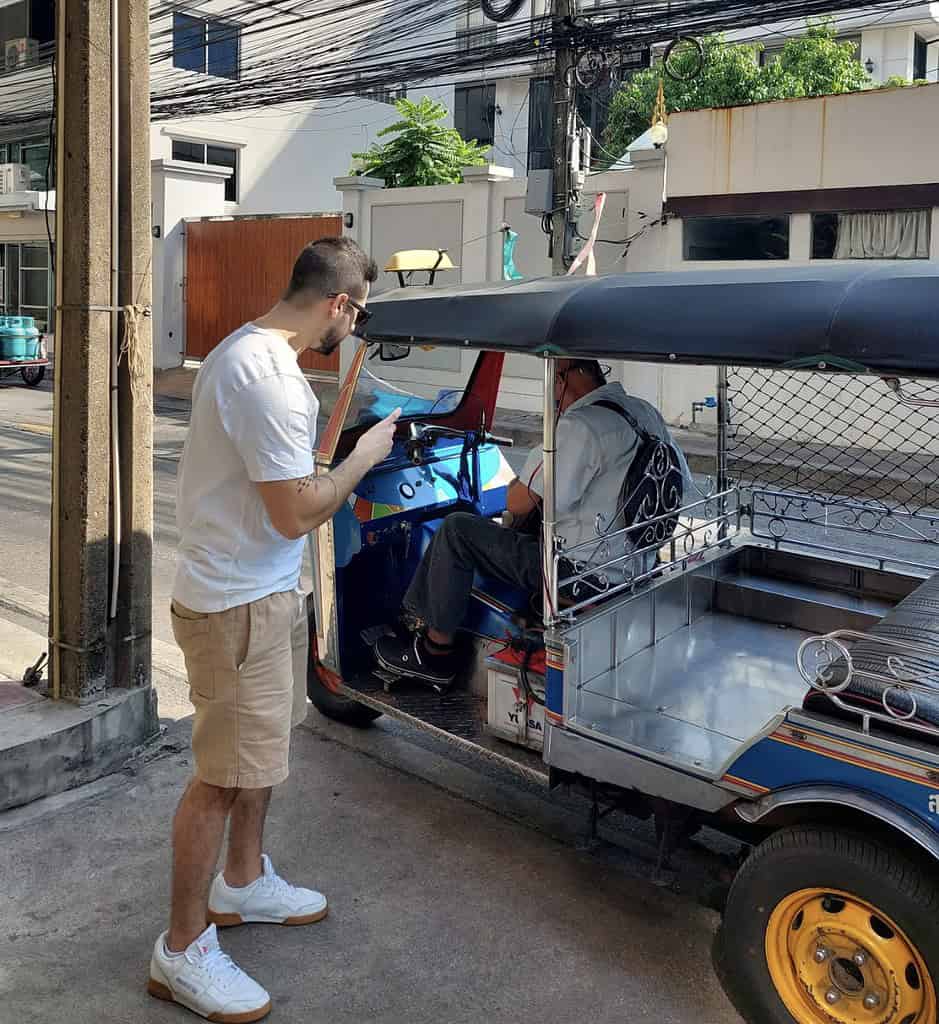
Thailand feels affordable, and it is, when you’re paying Thai prices. The tourist pricing system that operates in parallel is a different economy entirely, and most visitors spend their entire trip in it without realizing the gap.
Taxis that refuse the meter. Tours booked through hotel concierges at a 40% markup. Restaurants with English photo menus charging three times the local price.
Tuk-tuks with no negotiated fare. Souvenirs at temple stalls versus local markets.
The fix isn’t complicated. Use Grab. Book tours through Klook or local operators. Eat where locals eat. Negotiate tuk-tuk prices before you get in.
Walk one street away from any major tourist attraction before spending money on anything.
Thailand is genuinely affordable when you access Thai prices. Most tourists never do.
You’re Treating Thailand Like a Stopover in Southeast Asia
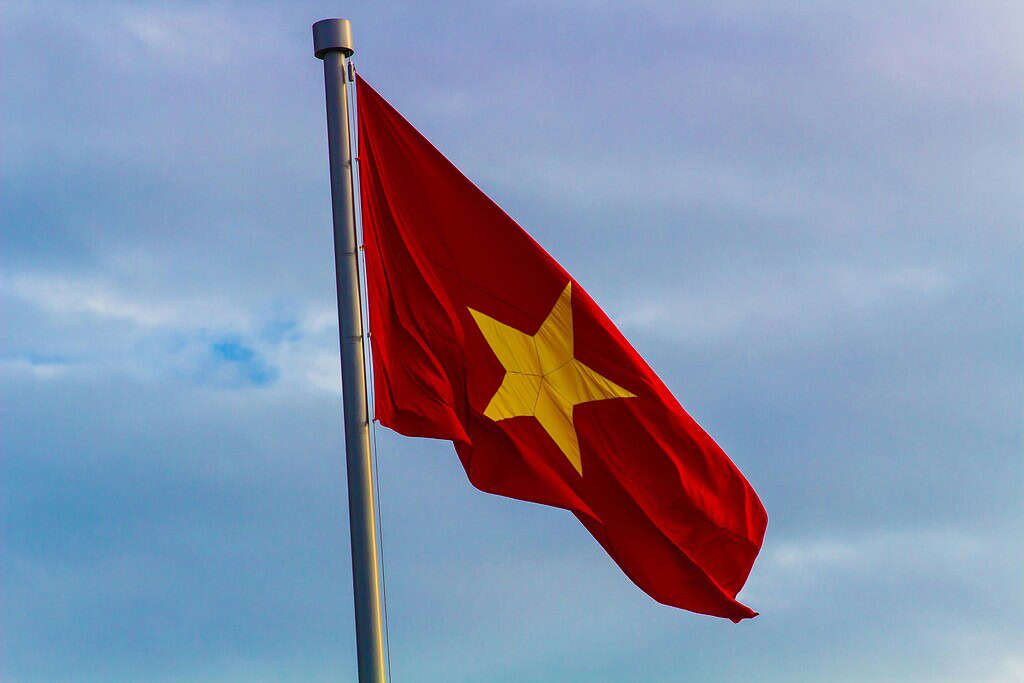
Thailand is frequently the first stop on a broader Southeast Asia itinerary, a few days before Vietnam, a week before Indonesia, and this framing does it a disservice that the country doesn’t deserve.
Thailand isn’t a warm-up act. It isn’t an introduction to the region before the “real” destinations.
It’s one of the most complex, culturally rich, and experientially varied countries in the world, and treating it as a starting point you’ll rush through before moving on means you leave without ever actually arriving.
The travelers who experience Thailand most deeply are the ones who came for two weeks and stayed two months.
The ones who kept coming back. The ones who stopped treating it as part of a checklist and started treating it as a destination in its own right.
Thailand deserves your full attention. Give it that and it gives you something back that most travel destinations simply can’t match.
You’re Not Coming Back
This one isn’t really a mistake. It’s more of a prediction. If you’ve been to Thailand and you’re reading this thinking about your trip, you already know you’re going back.
Something about the country gets into people in a way that’s genuinely hard to explain until you’ve experienced it.
The food that you’ve been trying to recreate at home since you landed. The pace of life that felt foreign at first and then felt more correct than anything you’d known. The people. The temples at dawn.
The chaos that somehow always resolves. The fact that no matter how many times you go, it finds new ways to surprise you.
I’ve been back more times than I can justify rationally. My Thailand Facebook group has over 100,000 members who feel the same way. Thailand does this to people. The only mistake is waiting too long to go back.

Why Thailand Rewards the Traveler Who Does It Differently
There are two versions of Thailand available to every visitor. The first is the tourist version, organized, accessible, photographed a million times, and genuinely enjoyable.
It’s the version on the main street, at the famous beach, in the restaurant with the English menu. It’s good. Thailand’s tourist infrastructure is world-class and the country is extraordinary even in its most commercial form.
The second version is everything else. The neighborhood that isn’t in the guidebook. The temple on a Tuesday morning with no other visitors.
The street food cook who’s been perfecting the same dish for thirty years. The extra week you didn’t plan that turned into the best part of the trip.
The first version is what most people visit. The second version is what keeps them coming back.
Many in my Facebook community who talk about Thailand most passionately, the ones who’ve been ten, fifteen, twenty times, are universally people who found their way into the second version.
Not because Thailand is difficult to experience deeply. Because they slowed down, stepped off the tourist trail, and let the country show them what it actually is.
That version of Thailand is available to everyone. It just requires doing a few things differently than most visitors do.

Final Thoughts on Visiting Thailand the Right Way
Thailand is forgiving of mistakes. You can pack your itinerary too tight, eat at the wrong restaurants, and visit at the wrong time of year and still have a genuinely incredible trip.
But the version of Thailand that lives in your memory for decades, the one that makes you book another flight before you’ve finished unpacking, requires something more than showing up.
It requires giving Bangkok the time it deserves. Slowing down when the country asks you to. Eating where the locals eat. Choosing depth over breadth.
Understanding the weather before you book. Respecting the culture that makes the whole experience possible.
Do those things and Thailand stops being a great trip and becomes something harder to define, a place that changes the way you think about travel and keeps pulling you back regardless of how many times you’ve already been. That Thailand is waiting. You just have to visit it the right way.

What is the most common mistake tourists make in Thailand?
Packing too many destinations into too few days. Thailand’s distances are longer than they look, transit takes time, and rushing means you see everything and experience nothing. Fewer destinations with more time at each one consistently produces a better trip.
What is the best way to experience authentic Thailand?
Eat at street stalls and local shophouses rather than tourist restaurants. Spend time in neighborhoods not on the tourist trail.
Visit temples on weekday mornings. Stay long enough in each place to find the restaurant nobody told you about. Depth over breadth every time.
Is Thailand suitable for repeat visits?
Absolutely, it’s one of the most rewarding repeat destinations in the world.
Most people who visit once go back multiple times because the country has enough regional variety, cultural depth, and seasonal differences to feel genuinely different on every trip.
When is the wrong time to visit Thailand?
Mid-February through April for Northern Thailand due to burning season.
November and December for the Gulf Islands, Koh Samui and Koh Phangan, when typhoon season creates poor beach conditions while the Andaman Coast is at its best. Check the regional weather guide before booking any Thailand trip.
